
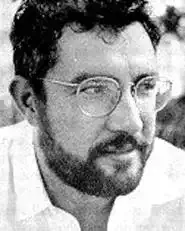
Fernando Paixão
b. 1988
 PT
PT
PT
Fernando Paixão is a Portuguese poet whose work is distinguished by the exploration of themes such as love, the ephemerality of life, saudade (longing/nostalgia), and the search for meaning. His poetry is often marked by a deep lyrical sensibility and an elaborate language that combines formal rigor with intense expressiveness. With a consolidated literary career, Paixão has been establishing himself as a unique voice in contemporary Portuguese-language poetry, engaging with literary tradition while offering an original perspective on human anxieties.
n. 1988-01-07, Aldeia de Bezelga (Portugal)
35
Views
Bio
Identification and Basic Context
Fernando Paixão is a contemporary Portuguese poet. He was born in Lisbon, Portugal, in 1945. He is widely recognized for his lyrical and reflective poetic work.Childhood and Education
Little detailed information about Fernando Paixão's childhood and specific education is publicly available in general sources. It is presumed that his formal education contributed to his literary erudition, which is evident in his work.Literary Career
Fernando Paixão's literary career is marked by consistent poetic production and the publication of several books over the decades. His work has been received with interest by critics and the poetry-appreciating public.Work, Style, and Literary Characteristics
Fernando Paixão's main works include titles such as "A Sombra do Desejo" (The Shadow of Desire), "O Olhar e o Tempo" (The Gaze and Time), "Cartas à Escuridão" (Letters to Darkness), and "O Mar e a Saudade" (The Sea and Saudade). Recurring themes in his poetry are love, death, time, memory, saudade, the ephemerality of existence, and the search for transcendence. His style is characterized by refined lyricism, careful vocabulary, and strong musicality. He often uses traditional poetic forms, such as the sonnet, but also explores free verse, demonstrating notable technical mastery. The poetic voice is often confessional and melancholic, but can also assume a philosophical and contemplative tone. His language is dense with imagery and metaphors, evoking sensations and states of mind with great precision.Work, Style, and Literary Characteristics
Cultural and Historical Context Fernando Paixão is part of the Portuguese literary landscape of the second half of the 20th century and the beginning of the 21st century, a period marked by various social and cultural transformations in Portugal and the world. His work subtly engages with the existential anxieties that pervade contemporaneity, without being directly associated with specific literary movements, but maintaining a connection with the lyrical tradition.Work, Style, and Literary Characteristics
Personal Life Fernando Paixão's personal life, like that of many poets, serves as inspiration and substrate for his work. Love experiences, reflections on life and death, and the melancholy inherent in the human condition are themes that resonate in his poetry.Work, Style, and Literary Characteristics
Recognition and Reception Fernando Paixão has been earning a prominent place in contemporary Portuguese poetry. His work has been the subject of study and has received favorable reviews, highlighting his sensibility, his formal mastery, and the depth of his reflections.Work, Style, and Literary Characteristics
Influences and Legacy While specific influences may vary, echoes of great lyrical poets from the Portuguese and universal tradition can be identified in Paixão's work. His legacy lies in his ability to express the complexities of the human soul with beautiful and profound language, contributing to the richness of Portuguese-language poetry.Work, Style, and Literary Characteristics
Interpretation and Critical Analysis Fernando Paixão's poetry invites reflection on the human condition, the passage of time, and the incessant search for love and meaning. Critical analyses often point to the evocative power of his imagery and the universality of the feelings he expresses.Work, Style, and Literary Characteristics
Curiosities and Lesser-Known Aspects Information about specific curiosities or lesser-known aspects of Fernando Paixão's life is not widely disseminated, with the main focus being his literary work.Work, Style, and Literary Characteristics
Death and Memory Fernando Paixão is alive, and his work continues to be published and recognized, ensuring his presence in literary memory.Poems
0No poems found
Comments (0)
Log in
to post a comment.
No comments yet. Be the first to comment.