

Authors List
Browse our collection of authors
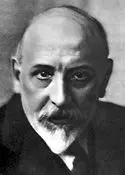
Luigi Pirandello

1867-06-28 – 1936-12-10
Luigi Pirandello was an Italian dramatist, novelist, and short-story writer, awarded the Nobel Prize in Literature in 1934. He is widely regarded as one of the greatest playwrights of the 20th century. His works often explore the nature of reality, identity, and madness, challenging traditional theatrical conventions.
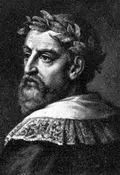
Ludovico Ariosto
1474-09-08 – 1533-07-06
Ludovico Ariosto was an Italian Renaissance poet and playwright. He is most famous for his epic poem "Orlando Furioso", a chivalric romance that became one of the most influential works in Italian literature. His work is known for its complexity, humor, and imagination.
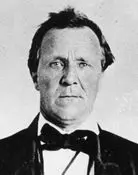
Lewis Thomas

1913-11-25 – 1993-12-03
Lewis Thomas was an American physician, poet, and essayist. He is widely known for his essays on science, medicine, and human nature, often published in "The New England Journal of Medicine". His writing is characterized by its clarity, beauty, and a deep admiration for life and the universe, seeking to connect scientific discoveries with human experience.
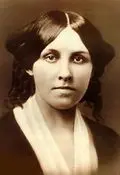
Louisa May Alcott
1832-11-29 – 1888-03-06
Louisa May Alcott was an American novelist, best known for her seminal novel "Little Women". Born in Germantown, Philadelphia, Alcott emerged from a literary and intellectual family. Her work frequently portrays themes of hard work, family love, and the pursuit of female independence, reflecting her own experiences and convictions.
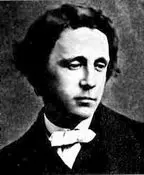
Lewis Carroll

1832-01-27 – 1898-01-14
Lewis Carroll, born Charles Lutwidge Dodgson, was an English writer, mathematician, logician, and photographer. He is most famously known as the author of "Alice's Adventures in Wonderland" and "Through the Looking-Glass." Carroll's work is characterized by its whimsical fantasy, wordplay, logic puzzles, and surreal humor, which have captivated readers of all ages. His unique blend of childlike imagination and sophisticated intellectualism has made his stories enduring classics of children's literature and beyond.
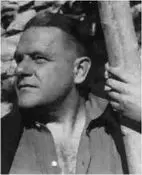
Lawrence Durrell
1912-02-27 – 1990-11-07
Lawrence George Durrell (1912-1990) was a British novelist, poet, playwright, and diplomat. Born in British India, he spent much of his adult life in the Mediterranean, and his work often reflects these experiences. He is best known for his novel "The Alexandria Quartet", a tetralogy that explores the complexities of human relationships and cultural identity. Durrell was also a prolific poet and wrote travel books, essays, and memoirs. His style is characterized by rich, sensory prose and the exploration of themes such as love, war, memory, and the search for meaning.
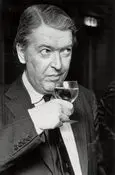
Kingsley Amis
1922-04-16 – 1995-10-22
Sir Kingsley Amis was a prominent English novelist, poet, and critic. He is best known for his novels, particularly 'Lucky Jim,' which satirized British academic life. Amis was a central figure in post-war literature, associated with the 'Angry Young Men' movement, though he himself rejected the label.
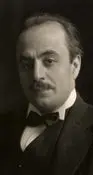
Khalil Gibran

1883-01-06 – 1931-04-10
Khalil Gibran was a Lebanese-American poet, writer, and philosopher. He is best known for his philosophical essays and prose poetry, particularly his iconic work "The Prophet." Gibran's writings explore themes of love, freedom, spirituality, and the human condition with a distinctive blend of Eastern and Western thought. His poetic style is characterized by its lyrical beauty, profound wisdom, and universal appeal, making him one of the most widely read poets of the 20th century.
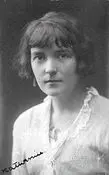
Katherine Mansfield

1888-10-14 – 1923-01-09
Katherine Mansfield was a New Zealand modernist writer, known for her innovative short stories and her psychological exploration of characters. Born in Wellington, she moved to London to pursue a literary career and became a central figure in the modernist movement, collaborating with other avant-garde writers. Her work is characterized by concision, keen insight into inner life, and experimentation with narrative form.
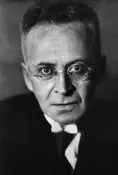
Karl Kraus

1874-04-28 – 1936-06-12
Karl Kraus was an Austrian writer, journalist, and poet, widely regarded as one of the most important German-language literary figures of the 20th century. He founded and edited the magazine Der Fackel (The Torch), which he published for over thirty years, where he wrote most of his satirical and critical writings. He was known for his fierce opposition to Nazism, militarism, and the decline of the press, using satire and irony as his main weapons.
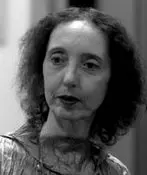
Joyce Carol Oates
1938-06-16
Joyce Carol Oates is a prolific American writer, recipient of numerous literary awards. Her work spans novels, short stories, poetry, and essays, often exploring violence, poverty, identity, and the female condition in American society. She is known for her intense literary output and her ability to portray complex characters and dramatic situations.

Juvenal
65ac – 140
Decimus Junius Juvenalis, known as Juvenal, was a Roman poet. He is known for his sixteen satirical poems (Satires). His works offer a vivid glimpse into life in Rome during the late 1st and early 2nd centuries.
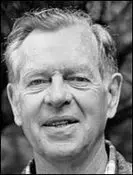
Joseph Campbell
1879-07-15 – 1944-06-01
Joseph John Campbell was an American mythologist, writer, and lecturer. He is best known for his work on comparative mythology and comparative religion. Campbell's most famous work, 'The Hero with a Thousand Faces', introduced the concept of the monomyth, or the archetypal hero's journey, which has had a significant influence on literature, film, and popular culture.
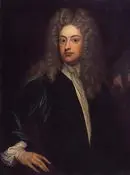
Joseph Addison
1672-05-01 – 1719-06-17
Joseph Addison was an English essayist, poet, playwright, and politician. He is best known for co-founding The Spectator magazine with his lifelong friend Richard Steele. Addison's writings were highly influential in the 18th century, shaping literary tastes and contributing to the development of English prose style. His essays offered witty observations on society, politics, and morality, making him a prominent figure in the Augustan age of English literature.
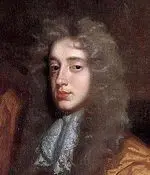
John Wilmot
1647-04-01 – 1680-07-26
John Wilmot, 2nd Earl of Rochester, was an English writer of the Restoration period. He is known for his satirical and licentious poetry, which frequently criticized the court and the morality of his time. His life was marked by excesses, dueling, and a sharp intellect.

Jonathan Swift

1667-11-30 – 1745-10-19
Jonathan Swift was an Anglo-Irish satirist, essayist, political pamphleteer, and poet, best known for "Gulliver's Travels." His biting wit and sharp social commentary made him a prominent figure in English literature. He often used irony and fantasy to critique societal norms and political corruption, leaving a lasting impact on satire and prose.
John Webster
1578-01-01 – 1634-01-01
John Webster (c. 1580 – c. 1634) was an English Jacobean playwright, known for his dark and psychologically complex tragedies. His work is characterized by a strong sense of doom, grim themes, and intense characters, distinguishing him from many of his contemporaries.
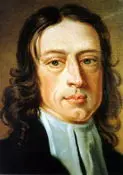
John Wesley
1853-08-02 – 1938-06-10
John Wesley (1703-1791) was an English Anglican cleric and theologian who became a central figure in the Methodist movement. Along with his brother Charles, he founded Methodism, a movement that emphasized personal religious experience, holiness, and the importance of charitable works. Wesley's preaching and writings had a profound impact on evangelical Christianity.
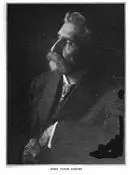
John Vance Cheney
1848-12-29 – 1922-05-01
John Vance Cheney was an American poet and librarian. His poetic work, although less known today, was appreciated in his time for its musicality and themes related to nature and spirituality. As a librarian, he contributed to the organization and dissemination of knowledge.

John Updike
1932-03-18 – 2009-01-27
John Updike was an acclaimed American writer, known for his elegant prose and for exploring the lives of the American middle class, focusing on the complexities of human relationships, sexuality, and spirituality. His novels and short stories often portray suburban life and the existential dilemmas of his characters.
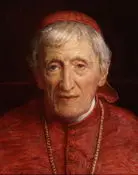
John Henry Newman
1801-02-21 – 1890-08-11
John Henry Newman was a prominent theologian, cardinal, and influential figure in the Catholic revival in England in the 19th century. Initially a leading Anglican clergyman in the Oxford Movement, he converted to Catholicism in 1845, an event that had a significant impact on the British religious landscape. His intellectual work spanned theology, philosophy, and education, and he is known for his profound reflection on faith, reason, and the Church.
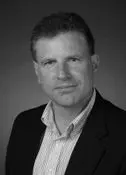
John Heywood
1497-01-01 – 1580-01-01
John Heywood was a 16th-century English writer, playwright, and collector of proverbs. He is primarily remembered for his extensive collection of English popular sayings and proverbs, compiled in his work 'A Dialogue Conteinyng the Moste Worthye and Excellent Effectes of Englishe Tymes'. His theatrical production also contributed to the development of comedy in England.
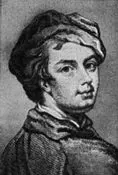
John Gay
1685-06-30 – 1732-12-04
John Gay (1685-1732) was an English poet and playwright. He is best known for his ballad opera, 'The Beggar's Opera', which became a landmark in British musical theatre. Gay was a member of London's literary circle, which included figures like Alexander Pope and Jonathan Swift. His work is often characterized by a satirical tone and keen observation of the society of his time.

John Galsworthy