
Quotes
Quotes to inspire and reflect
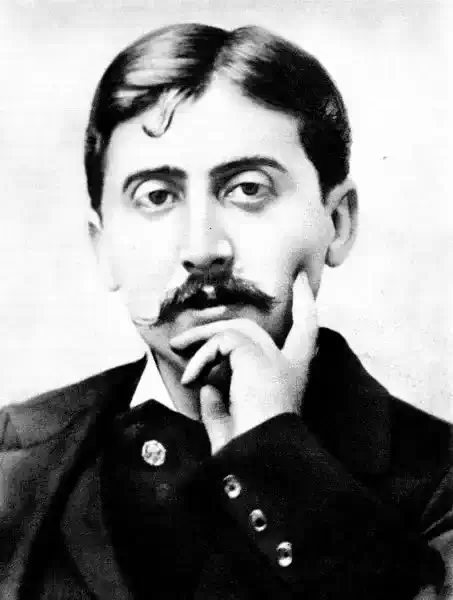
Our passions shape our books, repose writes them in the intervals.
19
The writer is the Faust of modern society, the only surviving individualist in a mass age.
29
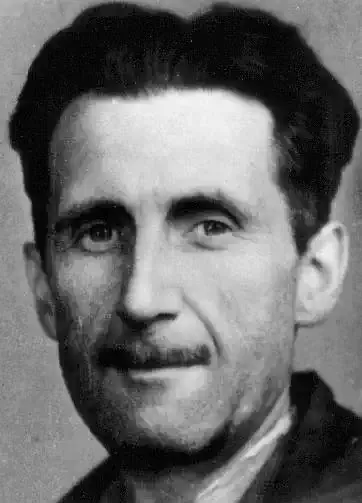
When I sit down to write a book, I do not say to myself, “I am going to produce a work of art.' I write it because there is some lie that I want to expose, some fact to which I want to draw attention, and my initial concern is to get a hearing.
17
Money, money, all is money! Could you write even a penny novelette without money to put heart in you?
14
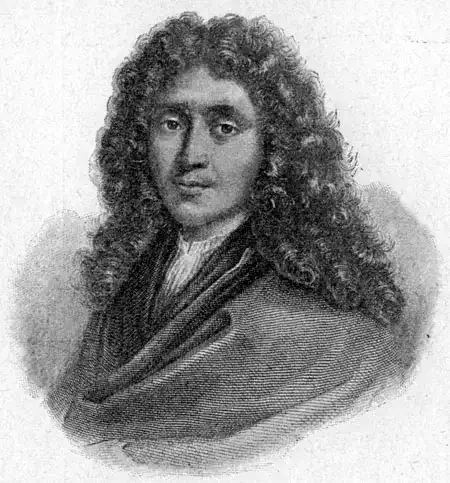
I always do the first line well, but I have trouble doing the others.
23
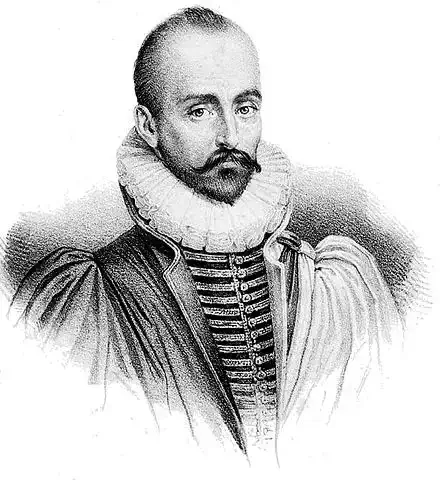
All the world knows me in my book, and my book in me.
16
A writer is essentially a man who does not resign himself to loneliness.
28

No man would set a word down on paper if he had the courage to live out what he believed in.
18
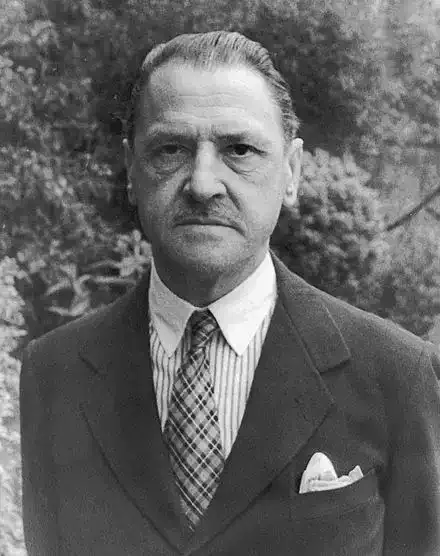
The writer is more concerned to know than to judge.
21
It has been said that good prose should resemble the conversation of a well-bred man.
21
’Tis easy to write epigrams nicely, but to write a book is hard.
8
i never think at all when i write / nobody can do two things at the same time / and do them both well.
20
The great authors share their souls with us— “literally.”
17
If you once understand an author’s character, the comprehension of his writings becomes easy.
34
The same common sense which makes an author write good things, makes him dread they are not good enough to deserve reading.
22
To make a book is as much a trade as to make a clock; something more than intelligence is required to become an author.
16
A mediocre mind thinks it writes divinely; a good mind thinks it writes reasonably.
17
It is the glory and the merit of some men to write well, and of others not to write at all.
19

An inveterate and incurable itch for writing besets many and grows old with their sick hearts.
16
The fact that many people should be shocked by what he writes practically imposes it as a duty upon the writer to go on shocking them.
30
Nobody that ever left their own country ever wrote anything worth printing. Not even in the newspapers.
22
Writing, at its best, is a lonely life. Organizations for writers palliate the writer’s loneliness, but I doubt if they improve his writing.
21
Even monarchs have need of authors, and fear their pens more than ugly women the painter’s pencil.
20
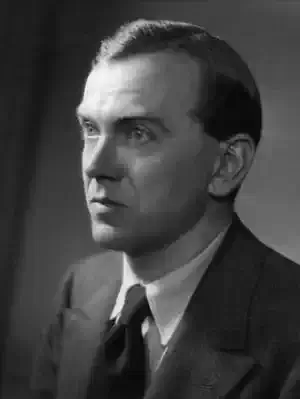
A writer doesn't write for his readers, does he? Yet he has to take elementary precautions all the same, to make them comfortable.
20
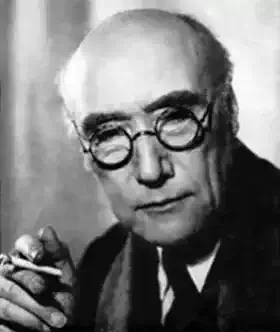
Enduring fame is promised only to those writers who can offer to successive generations a substance constantly renewed; for every generation arrives upon the scene with its own particular hunger.
24
The most beautiful things are those that madness prompts and reason writes.
22

A writer’s life stands in relation to his work as a house does to a garden, related but distinct.
13

You start by writing to live. You end by writing so as not to die.
17
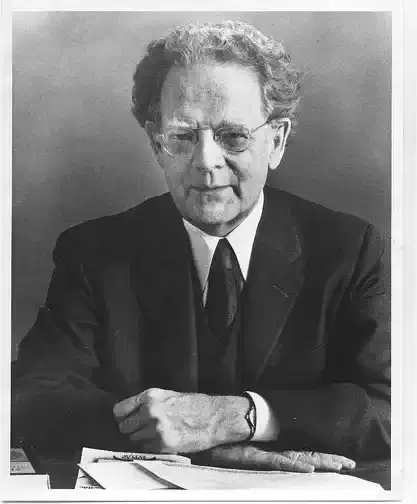
For the serious mediocre writer convention makes him sound like a lot of other people; for the popular writer it gives him a formula he can exploit; for the serious good writer it releases his experiences or emotions from himself and incorporates them into literature, where they belong.
17
A writer’s desire to write can only have come from previous experience of literature, and he'll start by imitating whatever he’s read, which usually means what the people around him are writing.
18
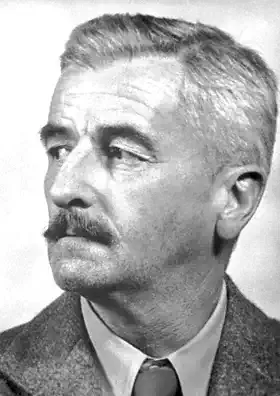
He [the writer] must teach himself that the basest of all things is to be afraid; and, teaching himself that, forget it forever, leaving no room in his workshop for anything but the old verities and truths of the heart, the old universal truths lacking which any story is ephemeral and doomed—love and honor and pity and pride and compassion and sacrifice.
23
No man can write who is not first a humanitarian.
18
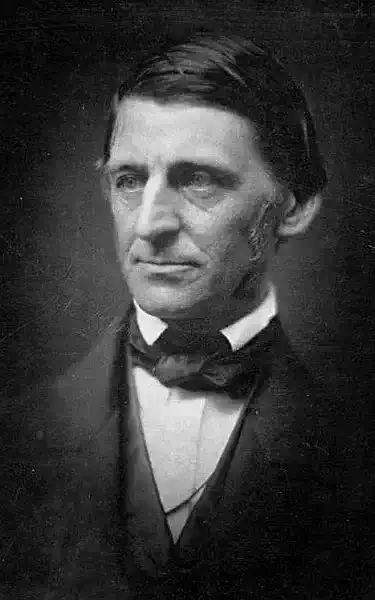
The maker of a sentence launches out into the infinite and builds a road into Chaos and old Night, and is followed by those who hear him with something of wild, creative delight.
23

If you would be a reader, read; if a writer, write.
15
He that writes to himself writes to an eternal public.
25
In good writing, words become one with things.
23
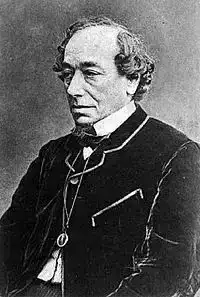
An author who speaks about his own books is almost as bad as a mother who talks about her own children.
25
A poem, a sentence, causes us to see ourselves. I be, and I see my being, at the same time.
24

In plucking the fruit of memory one runs the risk of spoiling its bloom, especially if it has got to be carried into the marketplace.
17
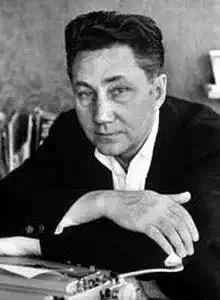
1 tried to write worse but it was no good; my generalizations came out as before, each more exquisite than the last. I grew discouraged.
16
The literary man? An indiscreet man, who devaluates his miseries, divulges them, tells them like so many beads: immodesty—the sideshow of second thoughts—is his rule; he offers himself.
25
To write books is to have a certain relation with original sin. For what is a book if not a loss of innocence, an act of aggression, a repetition of our Fall?
17
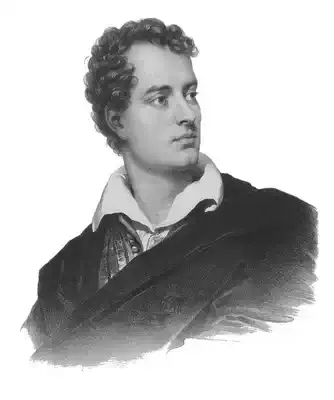
One hates an author that’s all author—fellows / In foolscap uniforms turned up with ink, / So very anxious, clever, fine, and jealous, / One don’t know what to say to them, or think, / Unless to puff them with a pair of bellows.
27
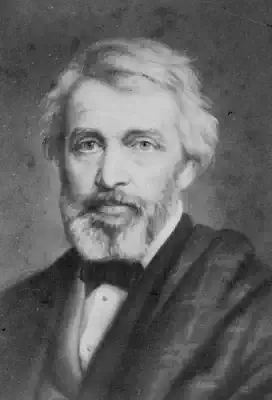
If a book come from the heart, it will contrive to reach other hearts; all art and authorcraft are of small amount to that.
23
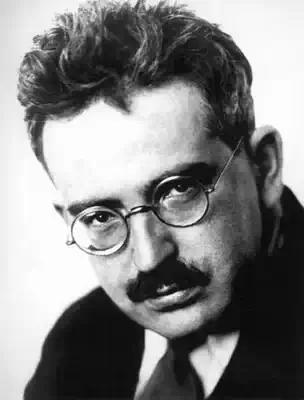
Writers are really people who write books not because they are poor, but because they are dissatisfied with the books which they could buy but do not like.
19
The writer’s life seethes within but not without.
16

No poet or novelist wishes he were the only one who ever lived, but most of them wish they were the only one alive, and quite a number fondly believe their wish has been granted.
26

The writer’s greed is appalling. He wants, or seems to want, everything and practically everybody; in another sense, and at the same time, he needs no one at all.
21