
Quotes
Quotes to inspire and reflect
If truth is a value it is because it is true and not because it is brave to speak it.
25
Truth, like gold, is not less so for being newly brought out of the mine.
17
Duration is not a test of true or false.
19
To love truth for truth’s sake is the principal part of human perfection in this world, and the seed-plot of all other virtues.
17

It profits not me to have any man fence or fight for me, to flourish or take a side. Stand for truth and tis enough.
16
Truth is man s proper good, and the only immortal thing was given to our mortality to use.
15

Unless you expect the unexpected you will never find [truth], for it is hard to discover and hard to attain.
14
It is dangerous for mortal beauty, or terrestrial virtue, to be examined by too strong a light. The torch of Truth shows much that we cannot, and all that we would not, see.
13
Political truth is a libel—religious truth blasphemy.
21
One truth discovered, one pang of regret at not being able to express it, is better than all the fluency and flippancy in the world.
18
Truth always lags last, limping along on the arm of Time.
17
To love the truth is to refuse to let oneself be saddened by it.
26
Truth may sometimes come out of the Devil’s mouth.
19
Say not, "I have found the truth,” but rather, “I have found a truth.”
30

The soul is unwillingly deprived of truth.
17
Truth—that long clean clear simple undeviable unchallengeable straight and shining line, on one side of which black is black and on the other white is white, has now become an angle, a point of view.
19
Truth has already ceased to be itself if polemically said.
8
No man has a right perception of any truth, who has not been reacted on by it, so as to be ready to be its martyr.
13
All necessary truth is its own evidence.
11
Truth is a woman. That is why it is enigmatic.
25
Truth disappears with the telling of it.
29
Truth is what most contradicts itself.
27
Truth is a matter of direct apprehension—you can’t climb a ladder of mental concepts to it. y
26
The Truth has such a face and such a mien, / As to be loved needs only to be seen.
22
The Truth must dazzle gradually / Or every man be blind—.
26
On a huge hill, / Cragged and steep, Truth stands, and he that will / Reach her, about must, and about must go.
22
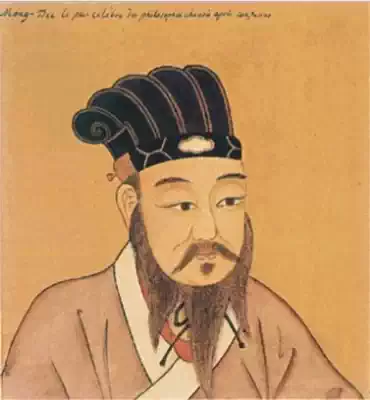
They who know the truth are not equal to those who love it, and they who love it are not equal to those who delight in it.
26
Opinion is a flitting thing, / But Truth, outlasts the Sun— / If then we cannot own them both— / Possess the oldest one—.
30
The superior man is anxious lest he should not get truth; he is not anxious lest poverty should come upon him.
29

The form of truth will bear exposure, as well as that of beauty herself.
21
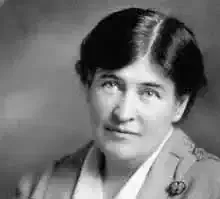
The stupid believe that to be truthful is easy; only the artist, the great artist, knows how difficult it is.
23
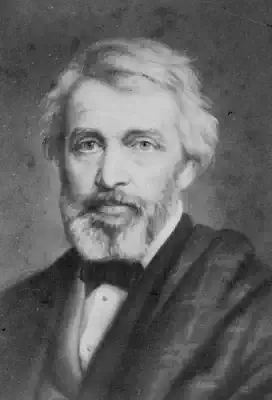
To know, to get into the truth of anything, is ever a mystic act, of which the best logics can but babble on the surface.
19

There is no permanent absolute unchangeable truth; what we should pursue is the most convenient arrangement of our ideas.
16
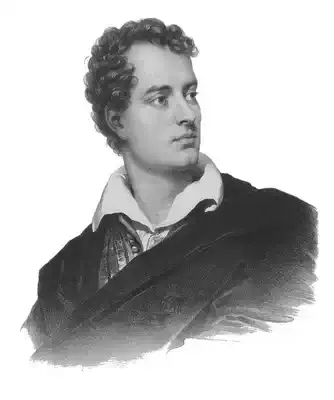
Truth’s fountains may be clear—her streams are muddy, / And cut through such canals of contradiction, /That she must often navigate o’er fiction.
28
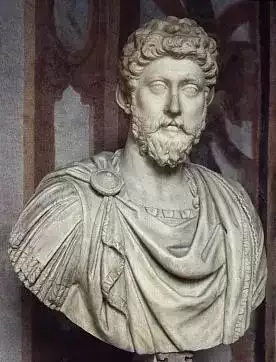
I search after truth, by which man never yet was harmed.
20

So absolutely good is truth, truth never hurts / The teller.
27
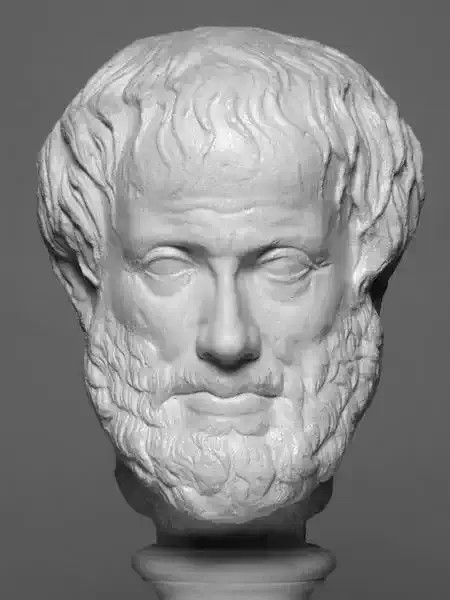
It would be wrong to put friendship before the truth.
23
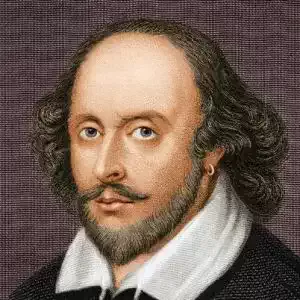
Love all, trust a few.
29

Various are the uses of friends, beyond all else / in difficulty, but joy also looks for trust that is clear / in the eyes.
12
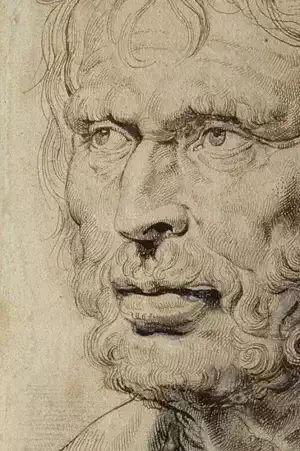
It’s a vice to trust all, and equally a vice to trust none.
27

No man ever quite believes in any other man. One may believe in an idea absolutely, but not in a man.
19
The essence of friendship is entireness, a total magnanimity and trust.
11
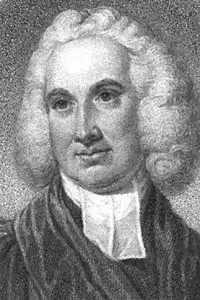
Think naught a trifle, though it small appear; / Small sands the mountain, moments make the year, / And trifles life.
31

Small causes are sufficient to make a man uneasy, when great ones are not in the way: for want of a block he will stumble at a straw.
26
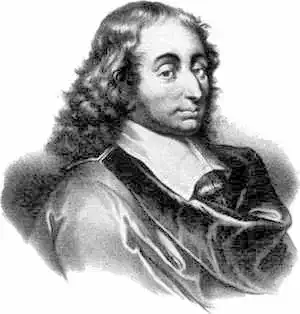
A mere trifle consoles us, for a mere trifle distresses us.
19
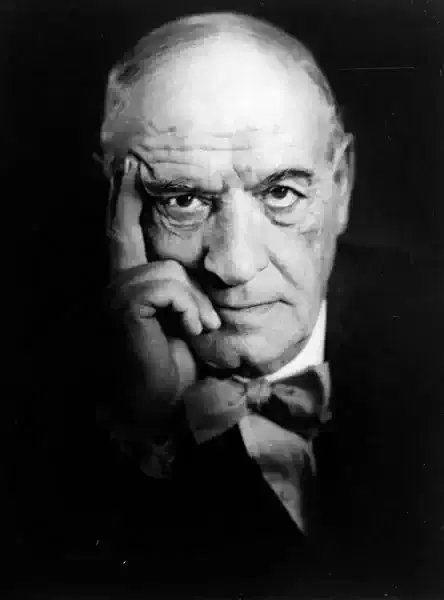
For the person for whom small things do not exist, the great is not great.
14
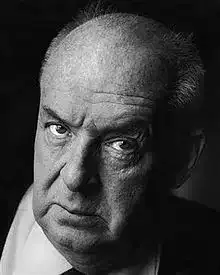
A toothache will cost a battle, a drizzle cancel an insurrection.
20

The displacement of a little sand can change occasionally the course of deep rivers.
16