
Quotes
Quotes to inspire and reflect

All music jars when the soul’s out of tune.
15
One [television] program was an interminable exploration of the question: can a woman with a low I.Q. be happily married to a man with a high one? The answer seemed to be yes and no.
19
Being on TV is like being alive, only more so.
18

Millions who endure poverty and bad government can now know what they are missing. To see how the other half lives all they have to do is switch on their television sets.
17
[Television doomed us to the Family, whose household instrument it has become—what the hearth used to be, flanked by the communal kettle.
13
Those who live by electronics die by electronics. Sic semper tyrannis.
21

No medicine man these days can afford to be without a portable tape recorder. Without the aid of this modern device, which may be easily concealed in the undergrowth of the jungle, the old tribal authority will rapidly become undermined by the mounting influenece of modern skepticism.
19
The machine does not isolate man from the great problems of nature but plunges him more deeply into them.
21
Applied Science is a conjuror, whose bottomless hat yields impartially the softest of Angora rabbits and the most petrifying of Medusas.
21
The nihilism of technology lies not only in the fact that it is the most perfect expression of the will to power, as Heidegger believes, but also in the fact that it lacks meaning. Why? and To what purpose? are questions that technology does not ask itself.
24
It is a commonplace of modern technology that there is a high measure of certainty that problems
18
Is it a fact—or have I dreamt it—that, by means of electricity, the world of matter has become a great nerve, vibrating thousands of miles in a breathless point of time?
17

As industrial technology advances and enlarges, and in the process assumes greater social, economic, and political force, it carries people away from where they belong by history, culture, deeds, association, and affection.
23
Have you ever looked inside one of those t hings [computers]? It’s a whole hierarchy of angels— all on slats. And those little tubes—those are miracles.
12
My joy in learning is partly that it enables me to teach.
18

Whatever the country, capitalist or socialist, man was everywhere crushed by technology, made a stranger to his own work, imprisoned, forced into stupidity.
31
I maintain, in truth, / That with a smile we should instruct our youth, / Be very gentle when we have to blame, / And not put them in fear of virtue’s name.
18
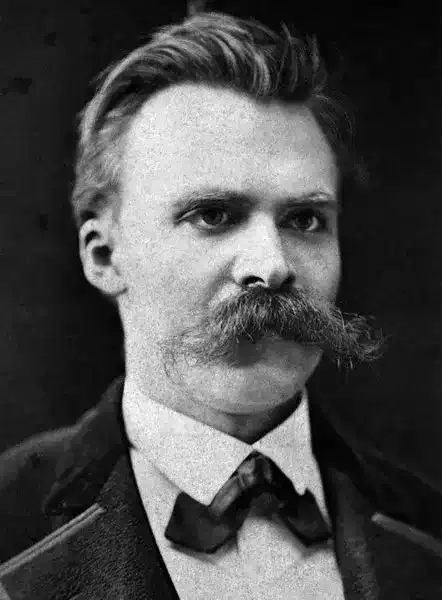
An educator never says what he himself thinks, but only that which he thinks it is good for those whom he is educating to hear.
21

A man who knows a subject thoroughly, a man so soaked in it that he eats it, sleeps it and dreams it— this man can always teach it with success, no matter how little he knows of technical pedagogy.
29
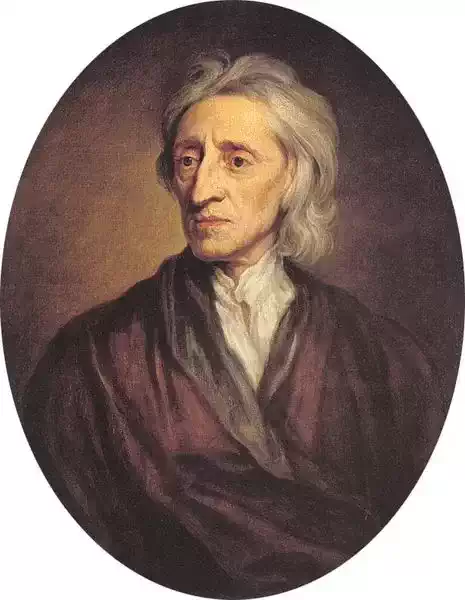
It is easier for a tutor to command than to teach.
18
The greater part of the people we assign to educate our sons we know for certain are not educated. Yet we do not doubt that they can give what they have not received, a thing which cannot be otherwise acquired.
20

He [the schoolmaster] is awkward, and out of place, in the society of his equals. He comes like Gulliver from among his little people, and he cannot fit the stature of his understanding to yours.
19
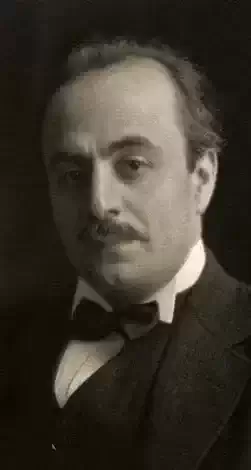
No man can reveal to you aught but that which already lies half asleep in the dawning of your knowledge.
28
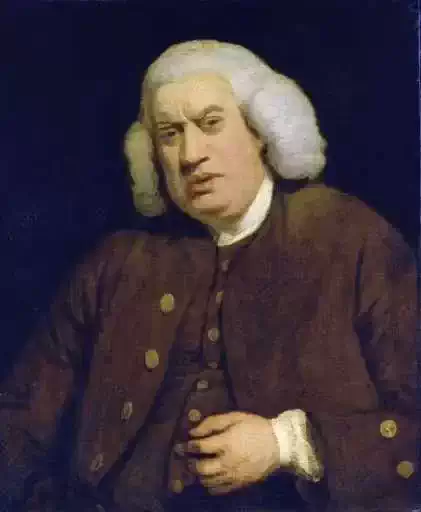
He that teaches us anything which we knew not before is undoubtedly to be reverenced as a master.
9
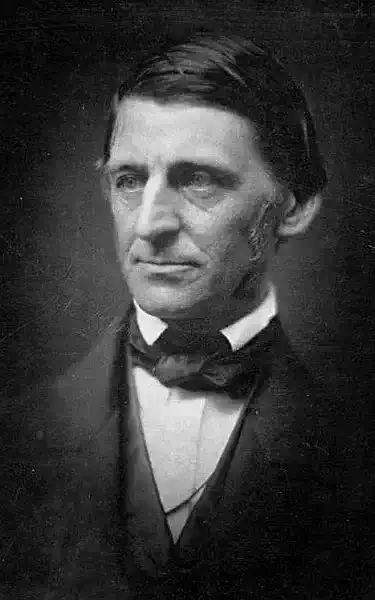
I pay the schoolmaster, but tis the schoolboys that educate my son.
10
The whole secret of the teacher’s force lies in the conviction that men are convertible.
13

The dons are too busy educating the young men to be able to teach them anything.
20
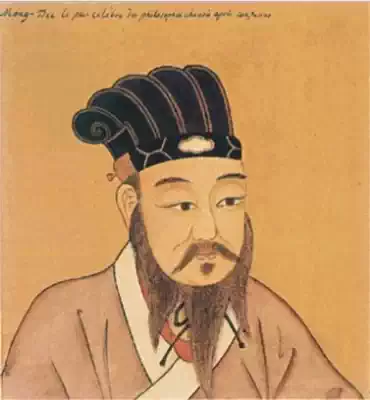
If a man keeps cherishing his old knowledge, so as continually to be acquiring new, he may be a teacher of others.
29
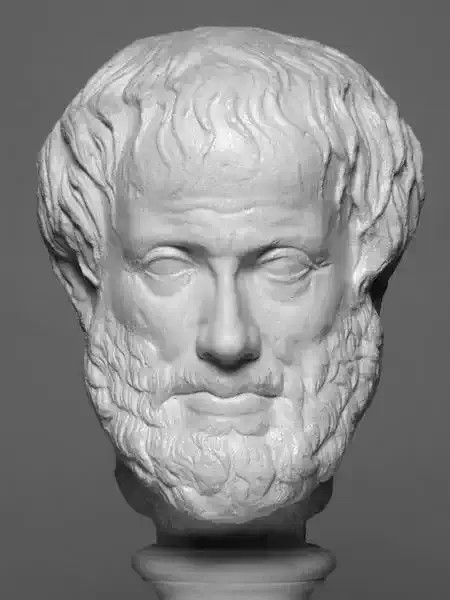
Teachers, who educate children, deserve more honor than parents, who merely gave them birth; for the latter provided mere life, while the former ensure a good life.
19

Nothing is more tiresome than a superannuated pedagogue.
15
The state is never so efficient as when it wants money.
17
Beautiful things, when taste is formed, are obviously and unaccountably beautiful.
16
“Good taste” is a virtue of the keepers of museums. If you scorn bad taste, you will have neither painting nor dancing, neither palaces nor gardens.
21
Taste is the enemy of creativeness.
20
A person’s taste is as much his own peculiar concern as his opinion or his purse.
16
All of life is a dispute over taste and tasting.
20
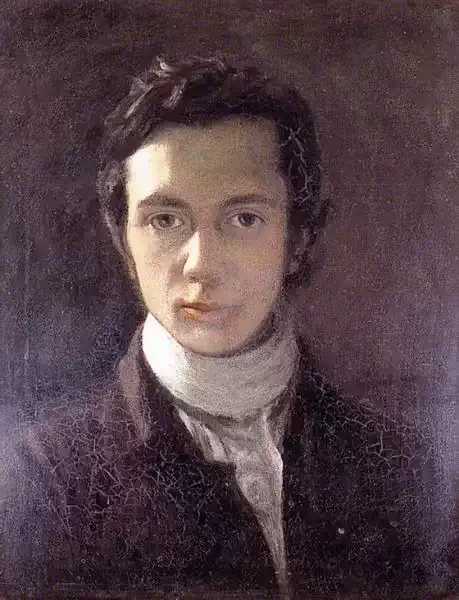
The diffusion of taste is not the same thing as the improvement of taste.
17
Those who are pleased with the fewest things know the least, as those who are pleased with everything know nothing.
19
Every one carries his own inch-rule of taste, and amuses himself by applying it, triumphantly, wherever he travels.
17
People care more about being thought to have taste than about being thought either good, clever, or amiable.
18
I concluded that my mind was so ordinary, which is to say empty, that I could never be anything but a reasonably good camera. So I would content myself with a more common and general sort of achievement than serious art, which was money.
20

Be equal to your talent, not your age. / At times let the gap between them be embarrassing.
25
What a man is begins to betray itself when his talent decreases—when he stops showing what he can do.
13
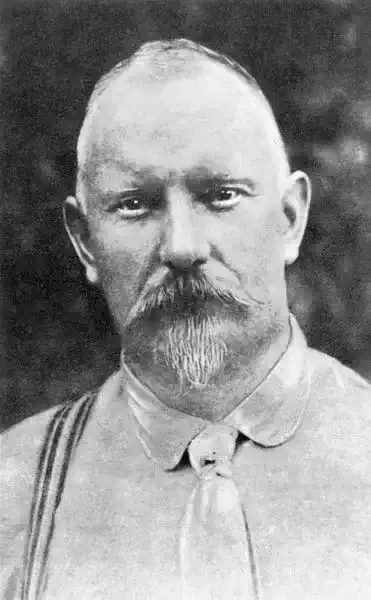
Talent is a question of quantity. Talent does not write one page: it writes three hundred.
23
Behind a remarkable scholar one finds, not infrequently, a mediocre man, and behind a mediocre artist quite often—a very remarkable man.
12
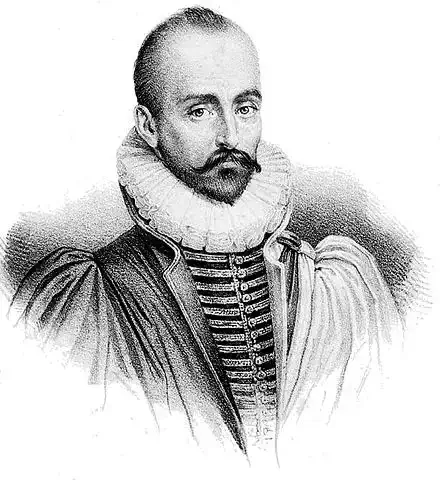
There is no so wretched and coarse a soul wherein some particular faculty is not seen to shine.
21
A forte always makes a foible.
9

Never to be cast away are the gifts of the gods, magnificent, / which they give of their own will, no man could have them for wanting them.
24