
Quotes
Quotes to inspire and reflect

Happy he whoe’er, content with the common lot, with safe breeze hugs the shore, and, fearing to trust his skiff to the wider sea, with unambitious oar keeps close to the land.
17
To keep oneself safe does not mean to bury oneself.
20

God Himself is not secure, having given man dominion over His works.
27

Only in growth, reform, and change, paradoxically enough, is true security to be found.
15

Monopoly or the full control of supply, and hence of price, by a single firm was the ultimate security. But there were many very habitable half-way houses.
20
The most beaten paths are certainly the surest; but do not hope to scare up much game on them.
16

Uncertainty and expectation are the joys of life. Security is an insipid thing, and the overtaking and possessing of a wish, discovers the folly of the chase.
20

Nothing’s as good as holding on to safety.
31
At no time are people so sedulously careful to keep their trifling appointments, attend to their ordinary occupations, and thus put a commonplace aspect on life, as when conscious of some secret that if suspected would make them look monstrous in the general eye.
17
There are no secrets except the secrets that keep themselves.
17

Would you know secrets? Look for them in grief or pleasure.
19

He that communicates his secret to another makes himself that other’s slave.
20
A woman only obliges a man to secrecy, that she may have the pleasure of telling herself.
21

Spring, the crudest and fairest of the seasons, will come again. And the strange and buried men will come again, in flower and leaf the strange and buried men will come again, and death and the dust will never come again, for death and the dust will die.
17
All things on earth point home in old October: sailors to sea, travellers to walls and fences, hunters to field and hollow and the long voice of the hounds, the lover to the love he has forsaken.
13
[H]e had heard an inarticulate promise: he had been pierced by Spring, that sharp knife.
13
Sing a song of seasons! / Something bright in all! / Flowers in the Summer, / Fires in the Fall.
24
In a pleasant spring morning all m^n’s sins are forgiven.
13

Rough winds do shake the darling buds of May, / And summer’s lease hath all too short a date.
29

Winter is cold-hearted, / Spring is yea and nay, / Autumn is a weather-cock / Blown every way. / Summer days for me / When every leaf is on its tree.
38

April / Comes like an idiot, babbling and strewing flowers.
23

Wag the world how it will, / Leaves must be green in Spring.
19

What is so rare as a day in June? / Then, if ever, come perfect days; / Then Heaven tries the earth if it be in tune, / And over it softly her warm ear lays.
16
No price is set on the lavish summer; / June may be had by the poorest comer.
19

Summer was made to give you a taste of what hell is like. Winter was made for landladies to charge high rents and keep cold radiators and make a fortune off of poor tenants.
19
Nobody can keep spring out of Harlem. I stuck my head out the window this morning and spring kissed me bang in the face.
25
There is no season when such pleasant and sunny spots may be lighted on, and produce so pleasant an effect on the feelings, as now in October.
18

The changing year’s successive plan / Proclaims mortality to man.
30
I should like to enjoy this summer flower by flower, as if it were to be the last one for me.
21
It was one of those March days when the sun shines hot and the wind blows cold: when it is summer in the light, and winter in the shade.
7
Long stormy spring-time, wet contentious April, winter chilling the lap of very May; but at length the season of summer does come.
22
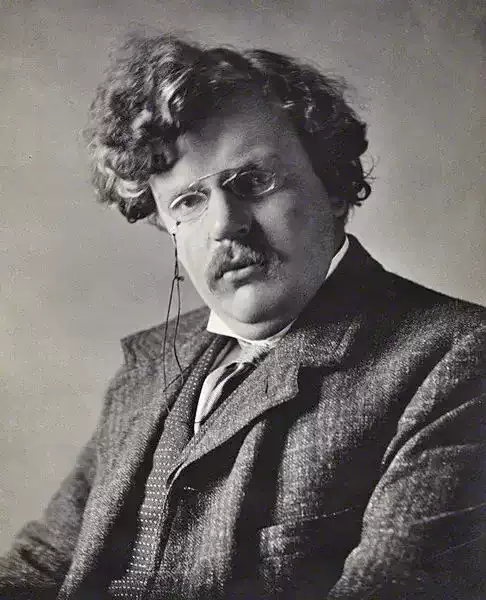
Spring never is Spring unless it comes too soon.
14

Let us love winter, for it is the spring of genius.
17

Autumn wins you best by this, its mute /Appeal to sympathy for its decay.
23
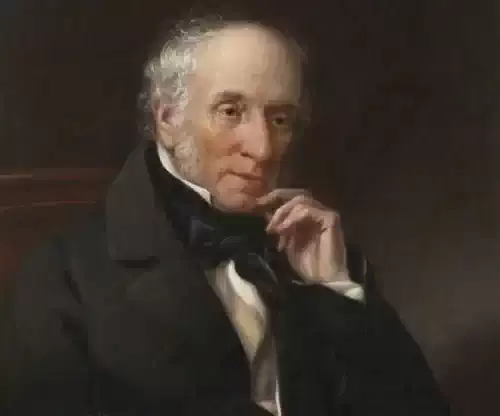
’Tis said, fantastic ocean doth enfold / The likeness of whate’er on land is seen.
23
Implacable I, the implacable Sea; / Implacable most when most I smile serene—/ Pleased, not appeased, by myriad wrecks in me.
21

The sea pronounces something, over and over, in a hoarse whisper; I cannot quite make it out.
19

The sea—this truth must be confessed—has no generosity. No display of manly qualities—courage, hardihood, endurance, faithfulness—has ever been known to touch its irresponsible consciousness of power.
16
Some of us, regarding the ocean with understanding and affection, have seen it looking old, as if the
16
For all that has been said of the love that certain natures (on shore) have professed to feel for it, for all the celebrations it has been the object of in prose and song, the sea has never been friendly to man. At most it has been the accomplice of human restlessness.
14
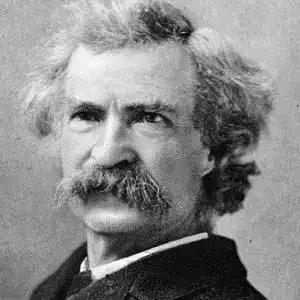
If you are with the quality, or at a funeral, or trying to go to sleep when you ain’t sleepy—if you are anywheres where it won’t do for you to scratch, why you will itch all over in upwards of a thousand places.
15

It is a curious situation that the sea, from which life first arose, should now be threatened by the activities of one form of that life. But the sea, though changed in a sinister way, will continue to exist; the threat is rather to life itself.
17

One bliss for which / There is no match / Is when you itch / To up and scratch.
32

Scratching is one of nature’s sweetest gratifications, and nearest at hand.
16
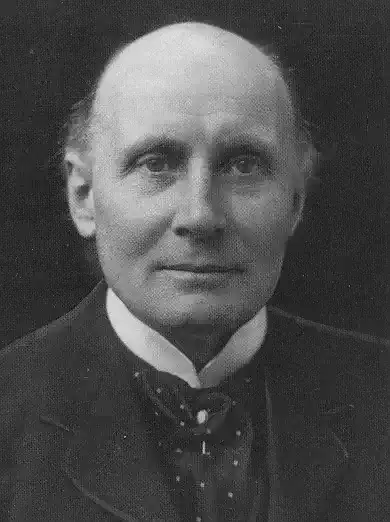
Religion will not regain its old power until it can face change in the same spirit as does science. Its principles may be eternal, but the expression of those principles requires continual development.
18

A Scotchman must be a very sturdy moralist who does not love Scotland better than truth.
8

The religion that is afraid of science dishonors God and commits suicide.
9

The effort to reconcile science and religion is almost always made, not by theologians, but by scientists unable to shake off altogether the piety absorbed with their mother's milk.
17