
Quotes
Quotes to inspire and reflect
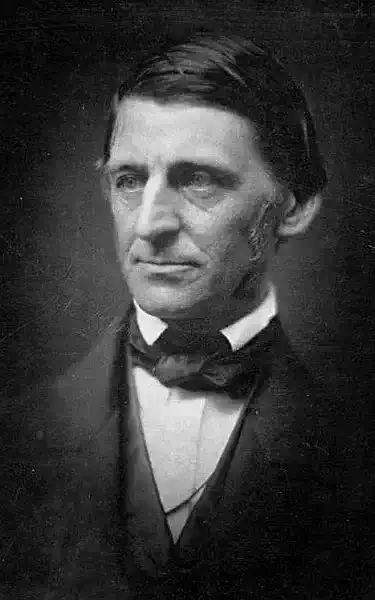
A poem is made up of thoughts, each of which filled the whole sky of the poet in its turn.
9
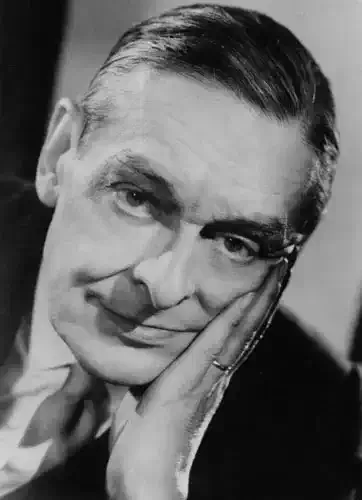
1 can understand your wanting to write poems, but I don’t quite know what you mean by “being a poet.”
12
The majority of poems one outgrows and outlives, as one outgrows and outlives the majority of human passions.
11
The poet’s mind is in fact a receptacle for seizing and storing up numberless feelings, phrases, images, which remain there until all the particles which can unite to form a new compound are present together.
11
The business of the poet is not to find new emotions, but to use the ordinary ones and, in working them up into poetry, to express feelings which are not in actual emotions at all.
10
Poetry is a counterfeit creation, and makes things that are not, as though they were.
25
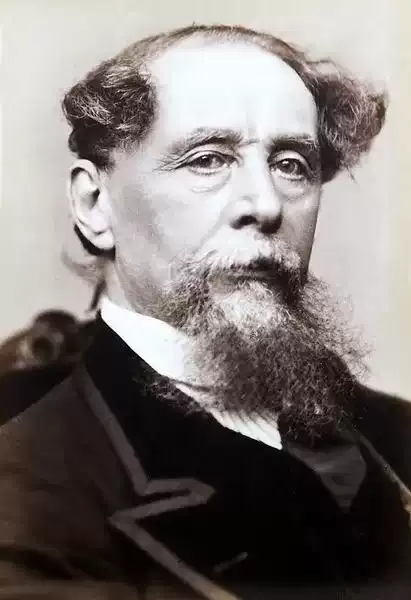
Poetry’s unnat’ral; no man ever talked poetry ’cept a beadle on boxin’ day.
9
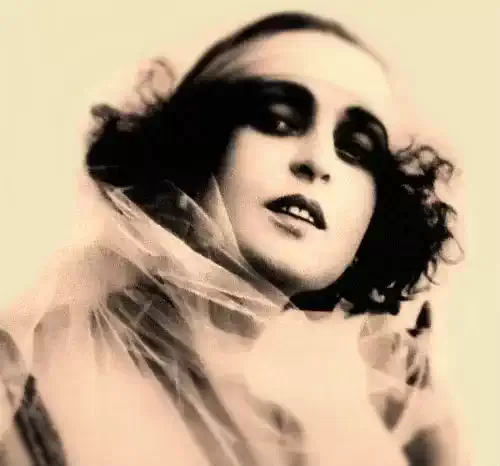
To a poet, silence is an acceptable response, even a flattering one.
17
Would you be a poet / Before you’ve been to school? / Ah, well! I hardly thought you / So absolute a fool.
22
Poetry does not necessarily have to be beautiful to stick in the depths of our memory, there to occupy most mischievously the place doomed to invasion by certain melodies which, however blameworthy, can never be expunged.
15
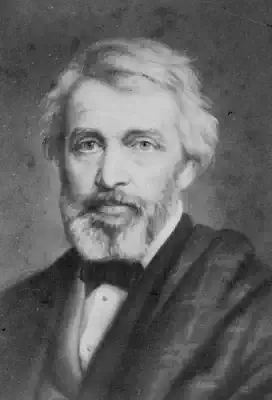
How does the poet speak to men with power, but by being still more a man than they?
21
When you are describing / A shape, or sound, or tint; / Don’t state the matter plainly, / But put it in a hint; / And learn to look at all things / With a sort of mental squint.
23
Wise poets that wrapt Truth in tales, / Knew her themselves through all her veils.
19
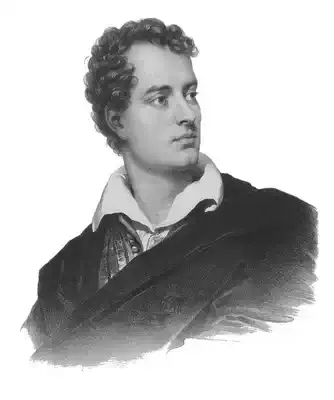
I can never get people to understand that poetry is the expression of excited passion, and that there is no such thing as a life of passion any more than a continuous earthquake, or an eternal fever. Besides who would ever shave themselves in such a state?
54
Who forgives the Senior’s ceaseless verse, / Whose hairs grow hoary as his rhymes grow worse?
30
Nothing so difficult as a beginning / In poesy, unless perhaps the end.
32

The form of a poem is invisible. A poem is not an “object.” This is hard to accept in a mechanical age.
22
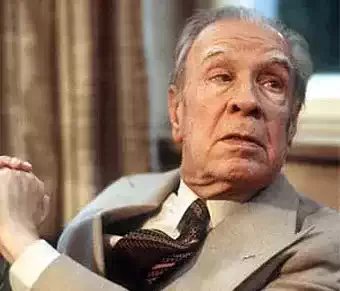
No one is a poet from eight to twelve and from two to six. Whoever is a poet is one always, and continually assaulted by poetry.
35

Poetry makes nothing happen: it survives / In the valley of its saying.
31

Not philosophy, after all, not humanity, just sheer joyous power of song, is the primal thing in poetry.
14
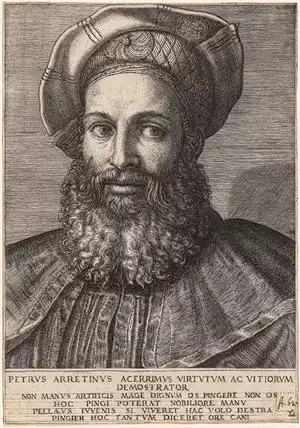
Poetry is a whim of Nature in her lighter moods; it requires nothing but its own madness and, lacking that, it becomes a soundless cymbal, a belfry without a bell.
17
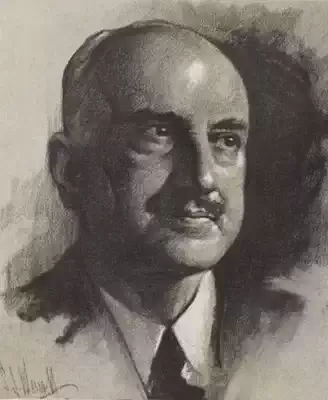
The fly that prefers sweetness to a long life may drown in honey.
8
By comparison with a night-club, churches are positively gay.
16

Marred pleasure’s best, shadow makes the sun strong.
27
Pleasure is the object, the duty, and the goal of all rational creatures.
12
I conceive that pleasures are to be avoided if greater pains be the consequence, and pains to be coveted that will terminate in greater pleasures.
13
Pleasure dies at the very moment when it charms us most.
17
No profit grows where is no pleasure ta’en.
33
Vain is the hope of finding pleasure in that which one has hitherto disdained; as when the warrior hopes to find pleasure in the joys of the sedentaries.
19

Man’s pleasure is a short time growing / And it falls to the ground / As quickly.
16

Better be jocund with the fruitful Grape / Than sadden after none, or bitter, Fruit.
12
Too much pleasure disagrees with us. Too many concords are annoying in music; too many benefits irritate us; we wish to have the wherewithal to overpay our debts.
13
Enjoyment and innocence are the most bashful things: both do not want to be sought.
15
The spirit is often most free when the body is satiated with pleasure; indeed, sometimes the stars shine more brightly seen from the gutter than from the hilltop.
21
In all pleasure hope is a considerable part.
8
Enjoying living was learning to get your money’s worth and knowing when you had it.
23
Pleasure is none, if not diversified.
24
We have more days to live through than pleasures. Be slow in enjoyment, quick at work, for men see work ended with pleasure, pleasure ended with regret.
23
It is often a mistake to combine two pleasures, because pleasures, like pains, can act as counter-irritants to each other.
14
Though sages may pour out their wisdom’s treasure, /There is no sterner moralist than Pleasure.
28

’Twere too absurd to slight / For the hereafter the today’s delight!
20
Pleasures are like poppies spread: You seize the flow’r, its bloom is shed.
21

It is not abstinence from pleasures that is best, but mastery over them without being worsted.
11
To the art of working well a civilized race would add the art of playing well.
10
To condemn spontaneous and delightful occupations because they are useless for self-preservation shows an uncritical prizing of life irrespective of its content.
8
Our minds need relaxation, and give way / Unless we mix with work a little play.
24
The true object of all human life is play. Earth is a task garden; heaven is a playground.
16
There are so many plans, so many schemes, and so many reasons why there should be neither plans nor schemes.
20