
Quotes
Quotes to inspire and reflect
An old goat is never the more reverend for his beard.
11
It is not becoming to lay to virtue the weariness of old age.
18

Old age is not / a total misery. Experience helps.
12
The power of love itself weakens ahd gradually becomes lost with age, like all the other energies of man.
30
Alas, how right the ancient saying is: / We, who are old, are nothing else but noise / And shape. Like mimicries of dreams we go, / And have no wits, although we think us wise.
11
Oftener than not the old are uncontrollable; / Their tempers make them difficult to deal with.
11
We do not count a man’s years until he has nothing else to count.
17
Within, I do not find wrinkles and used heart, but unspent youth.
9
Regrets are the natural property of grey hairs.
8
When a man fell into his anecdotage it was a sign for him to retire from the world.
22

Grow old along with me! / The best is yet to be, / The last of life, for which the first was made: / Our times are in His hand / Who saith “A whole I planned, / Youth shows but half; trust God: see all nor he afraid!'
24
No one is so old that he does not think he could live another year.
17

Old men are always young enough to learn, with profit.
18
Age has a good mind and sorry shanks.
20
Beyond age, leaf / withered, man goes three footed / no stronger than a child is, / a dream that falters in daylight.
17
Stubbornness and stupidity are twins.
15
Obstinacy is the sister of constancy, at least in vigor and stability.
13
Obstinacy and dogmatism are the surest signs of stupidity. Is there anything more confident, resolute, disdainful, grave and serious than an ass?
14

An obstinacy’s ne’er so stiff, / As when ’tis in a wrong belief.
15
There are some men who turn a deaf ear to reason and good advice, and wilfully go wrong for fear of being controlled.
19
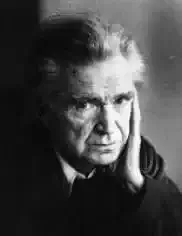
[W]hat necessity impels a writer who has produced fifty books to write still one more? Why this proliferation, this fear of being forgotten, this debased coquetry?
19
Obstinacy / standing alone is the weakest of all things / in one whose mind is not possessed by wisdom.
15
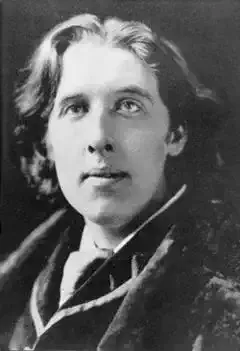
To become the spectator of one's own life is to escape the suffering of life.
11

Observation is an old man’s memory.
14

Full many a flower is born to blush unseen, / And waste its sweetness Qn the desert air.
14
A stander-by may sometimes, peYhaps, see more of the game than he that plays it.
14
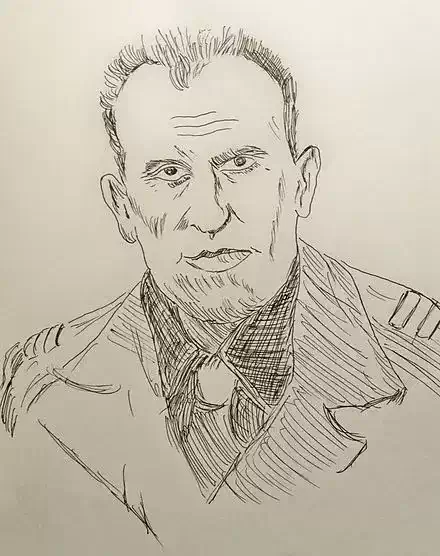
That which comes into the world to disturb nothing deserves neither respect nor patience.
15
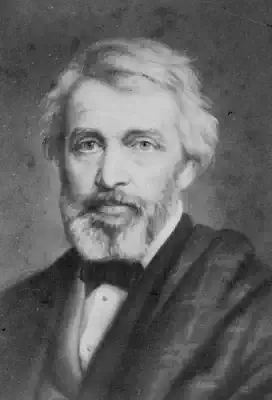
When the oak-tree is felled, the whole forest echoes with it; but a hundred acorns are planted silently by some unnoticed breeze.
23
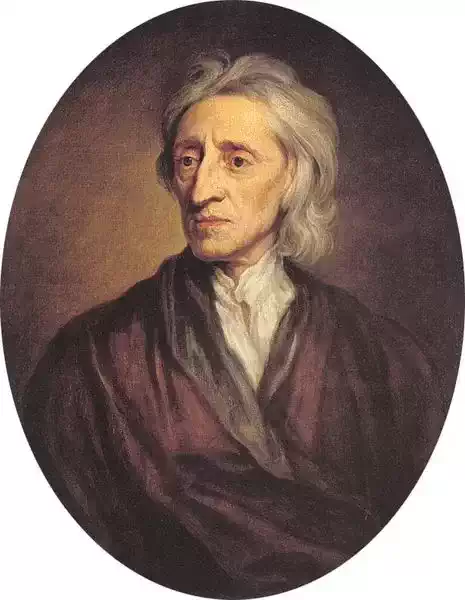
Untruth being unacceptable to the mind of man, there is no other defence left for absurdity but obscurity.
13
Sanity, soundness, and sincerity, of which gleams and strains can still be found in the human brain under powerful microscopes, flourish only in a culture of clarification, which is now becoming harder and harder to detect with the naked eye.
18
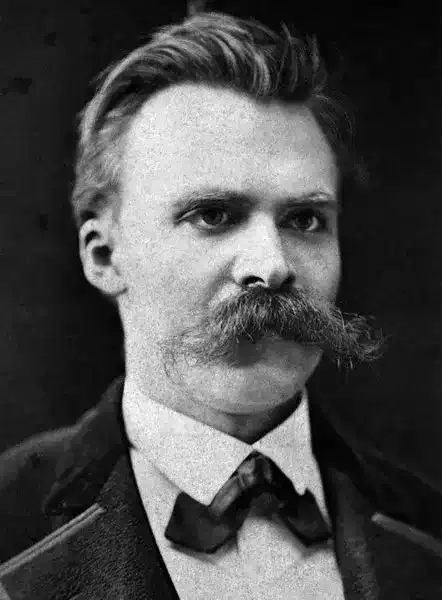
A refined nature is vexed by knowing that some one owes it thanks, a coarse nature by knowing that it owes thanks to some one.
11
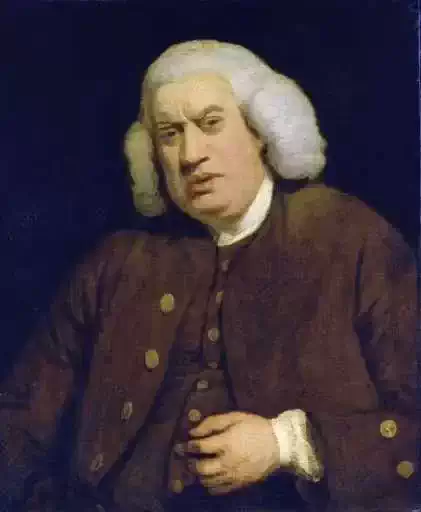
There are minds so impatient of inferiority that their gratitude is a species of revenge, and they return benefits, not because recompense is a pleasure, but because obligation is a pain.
9
We cannot render benefits to those from whom we receive them, or only seldom. But the benefits we receive must he rendered again line for line, deed for deed to somebody.
8
All men feel an habitual gratitude, and something of an honourable bigotry, for the objects which have long continued to please them.
25
A fat man is never so happy as when he is describing himself as “robust."
14
Things have their laws as well as men, and things refuse to be trifled with.
9
More die in the United States of too much food than of too little.
18
The man who does something under orders is not unhappy; he is unhappy who does something against his will.
17

The man who obeys is nearly always better than the man who commands.
19
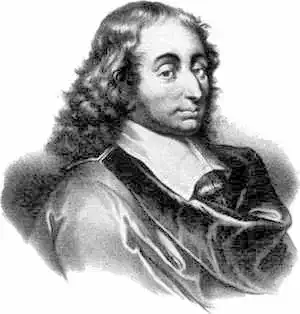
It is right that what is just should be obeyed; it is necessary that what is strongest should be obeyed.
10
Man is the sole animal whose nudities offend his own companions, and the only one who, in his natural actions, withdraws and hides himself from his own kind.
9
Oaths are but words, and words but wind, / Too feeble implements to bind.
18

Man has wrested from nature the power to make the world a desert or to make the deserts bloom, there is no evil in the atom; only in men’s souls.
29

We have genuflected before the god of science only to find that it has given us the atomic bomb, producing fears and anxieties that science can never mitigate.
17
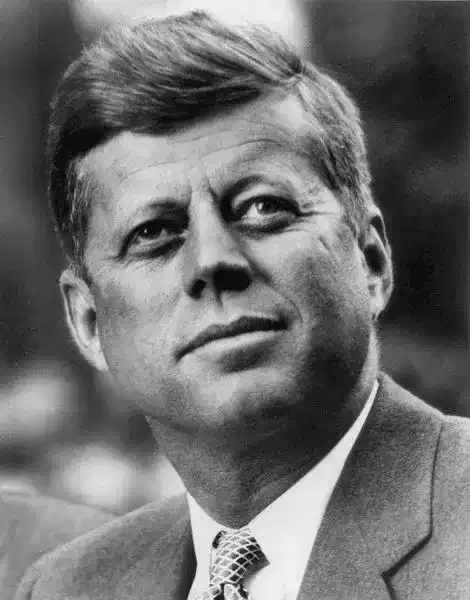
[T]he time is not far off when many nations in many parts of the world of many political shades and commitments will possess nuclear or even thermonuclear weapons.
10
We will not act prematurely or unnecessarily risk the costs of world-wide nuclear war in which even the fruits of victory would be ashes in our mouth. But neither will we shrink from that risk at any time it must be faced.
10
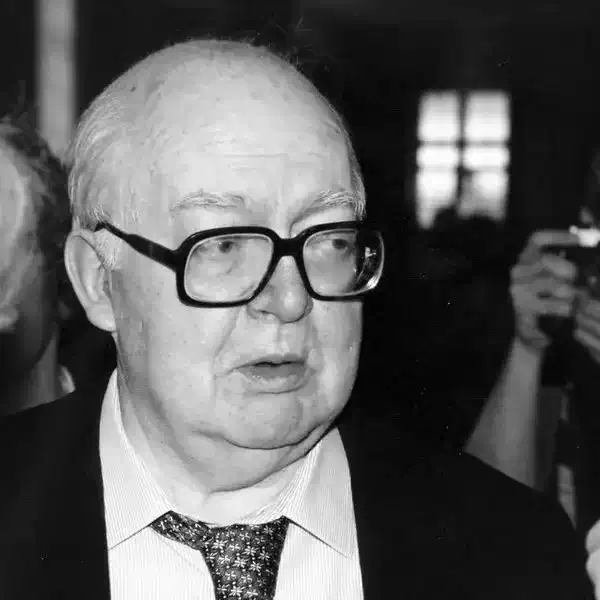
The content of physics is the concern of physicists, its effect the concern of all men.
30
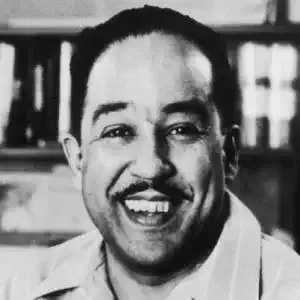
[T]each us all to do right, Lord, please, and to get along together with that atom bomb on this earth—
23