
Quotes
Quotes to inspire and reflect

If you be sick, your own thoughts make you sick.
18
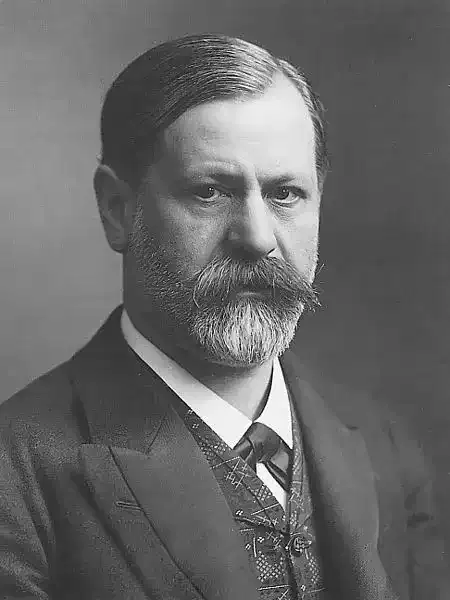
We may say that hysteria is a caricature of an artistic creation, a compulsion neurosis a caricature of a religion, and a paranoiac delusion a caricature of a philosophic system.
29
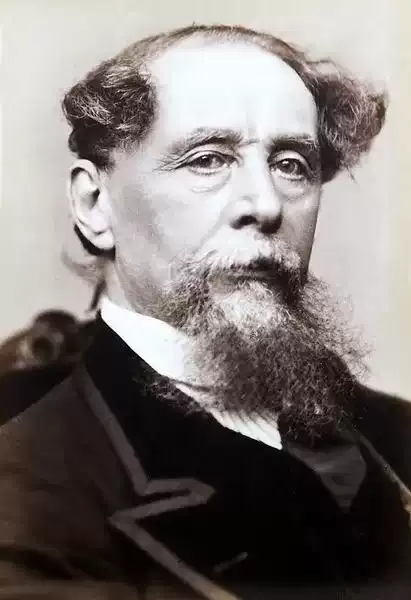
Oh the nerves, the nerves; the mysteries of this machine called man! Oh the little that unhinges it: poor creatures that we are!
8
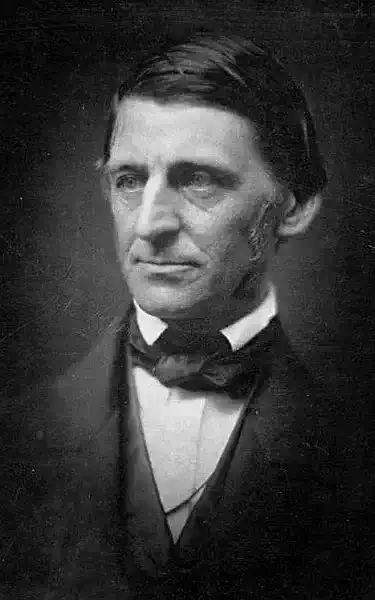
The multitude of the sick shall not make us deny the existence of health.
9
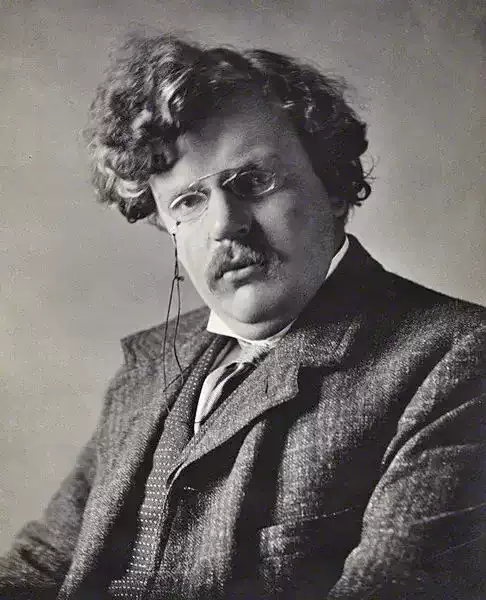
Your next-door neighbour ... is not a man; he is an environment. He is the barking of a dog; he is the noise of a pianola; he is a dispute about a party wall; he is drains that are worse than yours, or roses that are better than yours.
20
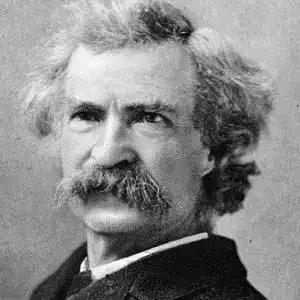
Each man is afraid of his neighbor’s disapproval—a thing which, to the general run of the race, is more dreaded than wounds and death.
13
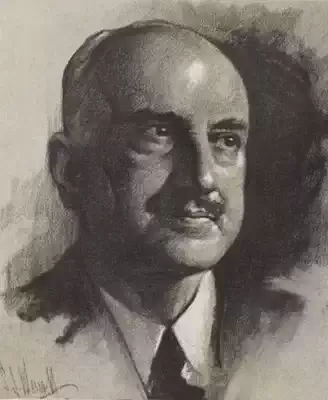
The constant demands of the heart and the belly can allow man only an incidental indulgence in the pleasures of the eye and the understanding.
11

Understanding human needs is half the job of meeting them.
29

No living being is held by anything so strongly as by its own needs. Whatever therefore appears a hindrance to these, be it brother, or father, or child, or mistress, or friend, is hated, abhorred, execrated.
17

Want gave tongue, and, at her howl, / Sin awakened with a growl.
18
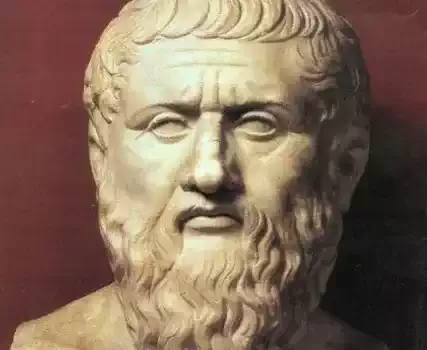
The true creator is necessity, who is the mother of our invention.
30
The finest poems of the world have been expedients to get bread.
8
Necessity is the theme and the inventress, the eternal curb and law of nature.
25

How base a thing it is / when a man will struggle with necessity! / We have to die.
12
I have learned / To look on nature, not as in the hour / Of thoughtless youth; but hearing oftentimes / The still, sad music of humanity.
29

Against necessity, / against its strength, no one can fight and win.
17
We can never have enough of nature.
12
It is only now and then, in a jungle, or amidst the towering white menace of a burnt or burning Australian forest, that Nature strips the moral veils from vegetation and we apprehend its stark ferocity.
25
Nature will bear the closest inspection. She invites us to lay our eye level with her smallest leaf, and take an insect view of its plain.
12
We soon get through with Nature. She excites an expectation which she cannot satisfy. The merest child which has rambled into a copsewood dreams of a wildness so wild and strange and inexhaustible as Nature can never show him.
14
Nature refuses to sympathize with our sorrow. She seems not to have provided for, but by a thousand contrivances against, it.
13
It is the marriage of the soul with Nature that makes the intellect fruitful, and gives birth to imagination.
11
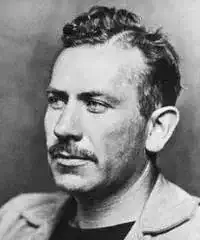
In nature two things do not occur—the wheel and good taste.
16
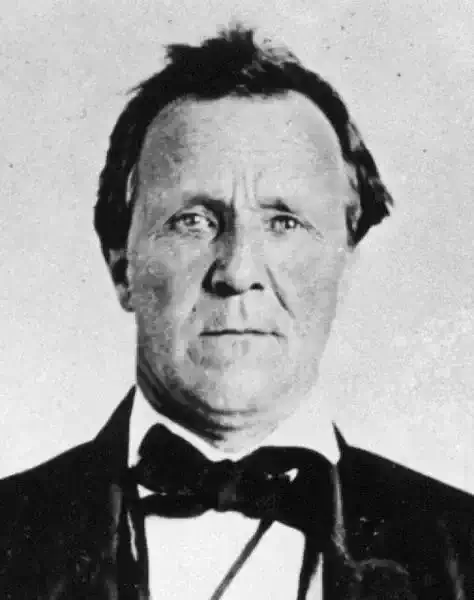
Man is embedded in nature.
20
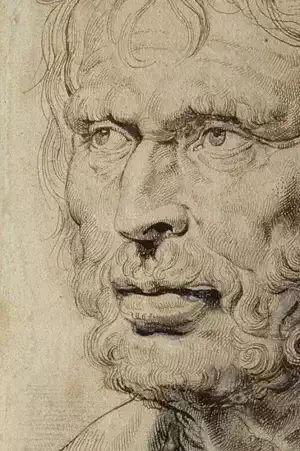
True wisdom consists in not departing from nature and in molding our conduct according to her laws and model.
18
The works of nature first acquire a meaning in the commentaries they provoke.
9
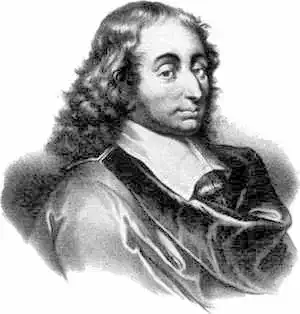
Those honour Nature well, who teach that she can speak on everything, even on theology.
11
Nature’s instructions are always slow, those of men are generally premature.
16
'Nature is a gentle guide, but not more sweet and gentle than prudent and just.
11
God, I can push the grass apart / And lay my finger on Thy heart!
19

What is too often forgotten is that nature obviously intends the botched to die, and that every interference with that benign process is full of dangers.
12
The child of civilization, remote from wild nature and all her ways, is more susceptible to her grandeur than is her untutored son who has looked at her and lived close to her from childhood up, on terms of prosaic familiarity.
19
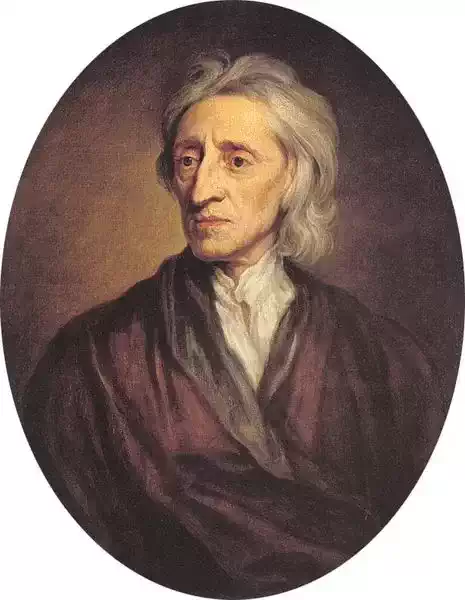
There is not so contemptible a plant or animal that does not confound the most enlarged understanding.
19
The visible marks of extraordinary wisdom and power appear so plainly in all the works of creation that a rational creature who will but seriously reflect on them cannot miss the discovery of a diety.
14
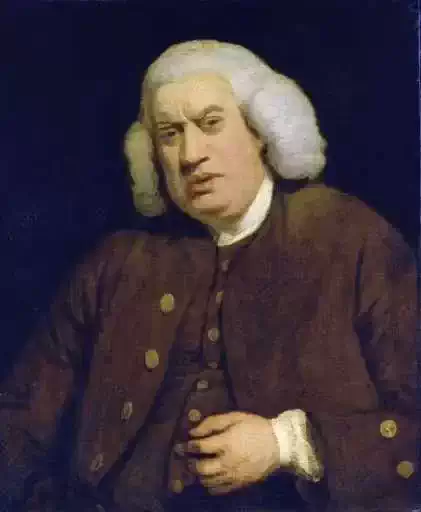
Deviation from Nature is deviation from happiness.
9
People thought they could explain and conquer nature—yet the outcome is that they destroyed it and disinherited themselves from it.
25
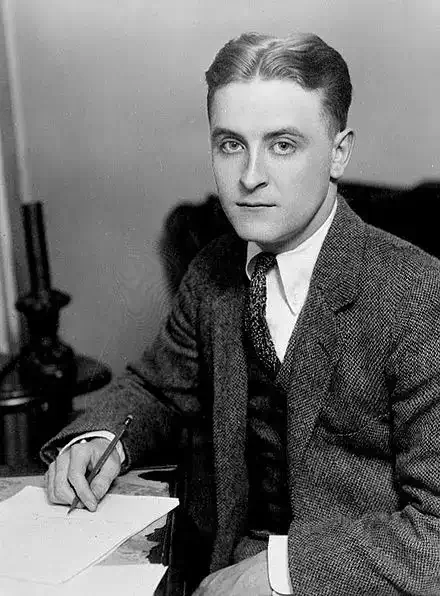
And after reading Thoreau I felt how much I have lost by leaving nature out of my life.
15
The true return to nature is the definitive return to the elements—death.
21
Numbers, time, inches, feet. All are just ploys for cutting nature down to size.
13
Why should we fear to be crushed by savage elements, we who are made up of the same elements?
8
When a man says to me, “I have'the intensest love of nature,” at once I know that he has none.
7
Nature is reckless of the individual. When she has points to carry, she carries them.
8
Nature is no spendthrift, but takes the shortest way to her ends.
8
Nature is a mutable cloud which is always and never the same.
9

Nature’s silence is its one remark, and every flake of world is a chip off that old mute and immutable block.
18
How cunningly nature hides every wrinkle of her inconceivable antiquity under roses and violets and morning dew!
10

The peace of nature and of the innocent creatures of God seems to be secure and deep, only so long as the presence of man and his restless and unquiet spirit are not there to trouble its sanctity.
14
Modern nature-worship is all upside down. Trees and fields ought to be the ordinary things; terraces and temples ought to be extraordinary. I am on the side of the man who lives in the country and wants to go to London.
19