
Quotes
Quotes to inspire and reflect
As poetry is the harmony of words, so music is that of notes.
17

Where there’s music there can be no evil.
19
Oh! there is an organ playing in the street—a waltz too! I must leave off to listen.
28
Music is well said to be the speech of angels; in fact, nothing among the utterances allowed to man is felt to be so divine. It brings us near to the Infinite.
18
Many men are melancholy by hearing music, but it is a pleasing melancholy that it causeth; and therefore to such as are discontent, in woe, fear, sorrow, or dejected, it is a most present remedy.
22

To know whether you are enjoying a piece of music or not you must see whether you find yourself looking at the advertisements of Pear’s soap at the end of the program.
20

A verbal art like poetry is reflective; it stops to think. Music is immediate, it goes on to become.
27
The most excising rhythms seem unexpected and complex, the most beautiful melodies simple and inevitable.
29
The Museum is not meant either for the wanderer to see by accident or for the pilgrim to see with awe. It is meant for the mere slave of a routine of self-education to stuff himself with every sort of incongruous intellectual food in one indigestible meal.
19
The commonest thing is delightful if one only hides it.
8
Most people become bankrupt through having invested too heavily in the prose of life.
9
Commonplaces are the tramways of intellectual transportation.
15

’Tis the taste of effeminacy that disrelishes ordinary and accustomed things.
11

A mind too proud to unbend oyer the small ridicu- losa of life is as painful as a library with no trash in it.
21
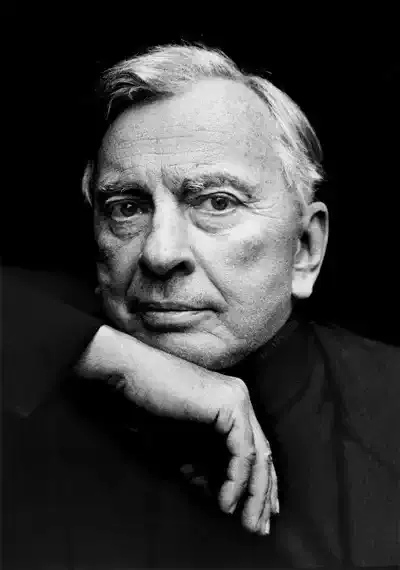
All Americans born between 1890 and 1945 wanted to be movie stars.
16
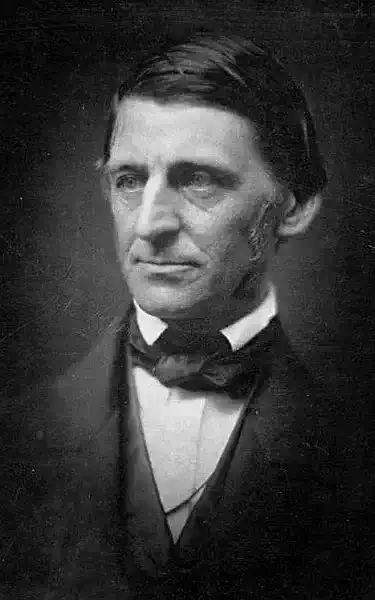
There is health in table talk and nursery play. We must wear old shoes and have aunts and cousins.
11
“Clutch your chest. Fall off that horse,” they directed. That was it. Death was the extent of Indian acting in the movie theater.
14
Movies are, like sharp sunlight, merciless; we do not imagine, we view.
16
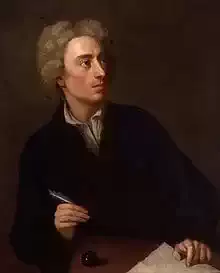
Not louder shrieks to pitying heaven are cast, / When husbands, or when lapdogs breathe their last.
21
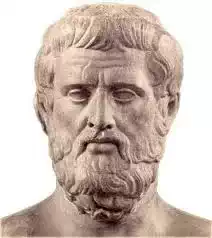
Now let the weeping cease; / Let no one mourn again. / These things are in the hands of God.
15
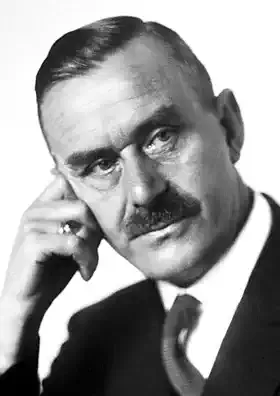
What we call mourning for our dead is perhaps not so much grief at not being able to call them back as it is grief at not being able to want to do so.
28
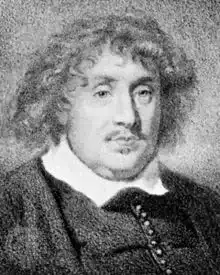
To weep excessively for the dead is to affront the living.
10
The dead sleep in their moonless night; my business is with the living.
7
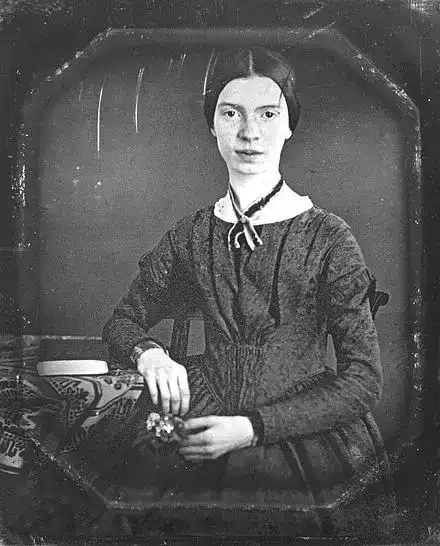
The vastest earthly Day / Is shrunken small / By one Defaulting Face / Behind a Pall.
24
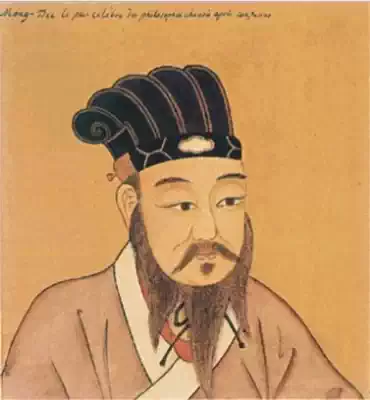
Let mourning stop when one’s grief is fully expressed.
27
Ah! surely Nothing dies but Something mourns!
29
The influence of fine scenery, the presence of mountains, appeases our irritations and elevates our friendships.
8
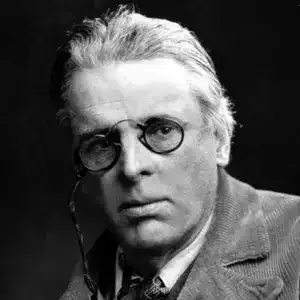
The Light of Lights / Looks always on the motive, not the deed, / The Shadow of Shadows on the deed alone.
31
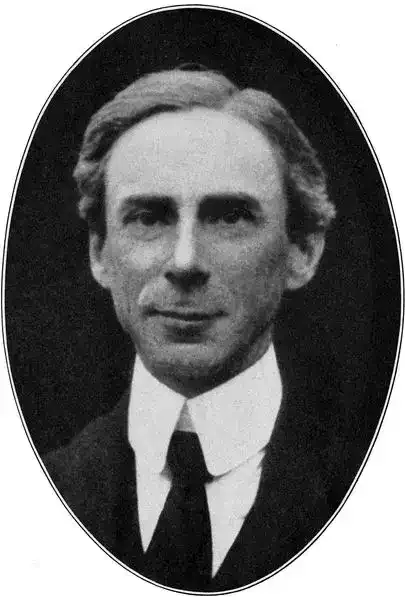
Men can be stimulated by hope or driven by fear, but the hope and the fear must be vivid and immedi-
22
A good intention clothes itself with sudden power. When a god wishes to ride, any chip or pebble will bud and shoot out winged feet, and serve him for a horse.
8
He advised people to have intellect, and to look beneath what he called “the epithelium of things,” though he did discourage scrutiny of his own motives.
17
I’ve made a long voyage and been to a strange country, and I’ve seen the dark man very close; and I don’t think I was too much afraid of him, but so much of mortality still clings to me—I wanted most desperately to live and still do.
19
Our life’s a moment and less than a moment, but even this mite nature has mockingly humored with some appearance of a longer span.
17

For all the compasses in the world, there’s only one direction, and time is its only measure.
16
Mortality has its compensations: one is that all evils are transitory, another that better times may come. 1
9

One thing is certain and the rest is Lies; /The Flower that once has blown for ever dies.
21
To venerate the simple days / Which lead the seasons by, / Needs but to remember / That from you or
32

Most men eddy about / Here and there—eat and drink, / Chatter and love and hate, / Gather and squander, are raised / Aloft, are hurled in the dust, / Striving blindly, achieving / Nothing; and then they die— / Perish;—and no one asks / Who or what they have been.
17

For what human ill does not dawn seem to be an alleviation?
20
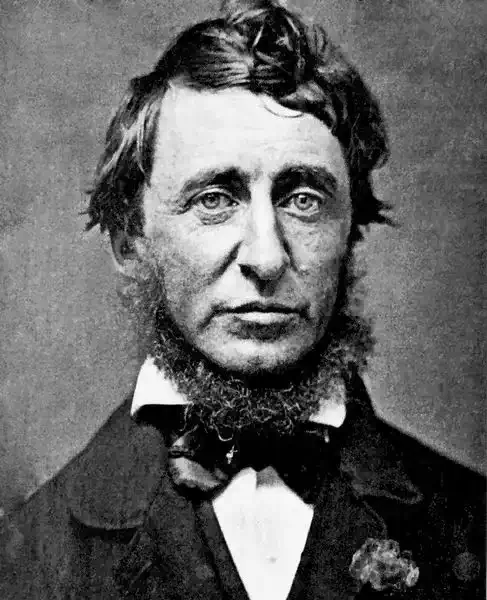
Only that day dawns to which we are awake. There is more day to dawn. The sun is but a morning star.
13
It is true, I never assisted the sun materially in his rising,’ but doubt not, it was of the last importance only to be present at it.
11
A man who moralizes is usually a hypocrite, and a woman who moralizes is invariably plain.
15
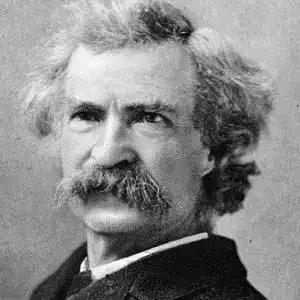
The moral sense enables one to perceive morality—and avoid it. The immoral sense enables one to perceive immorality and enjoy it.
13
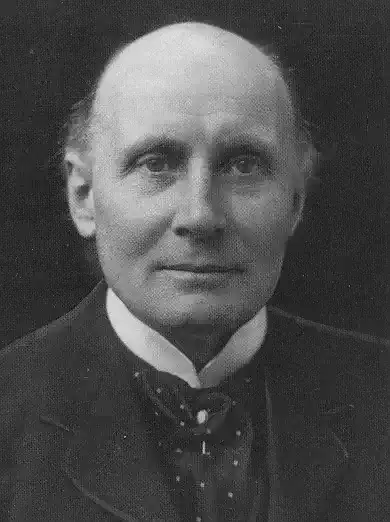
As society is now constituted, a literal adherence to the moral precepts scattered throughout the Gospels would mean sudden death.
17
Morals are an acquirement—like music, like a foreign language, like piety, poker, paralysis—no man is born with them.
14
It is not best that we use our morals week days; it gets them out of repair for Sundays.
11

We must never delude ourselves into thinking that physical power is a substitute for moral power, which is the true sign of national greatness.
32
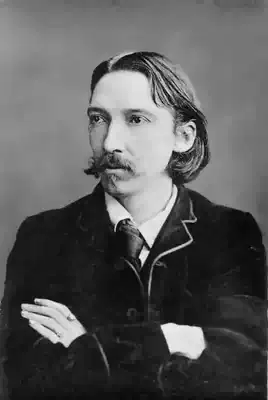
To make our morality centre on forbidden acts is to defile the imagination and to introduce into our judgments of our fellow-men a secret element of gusto.
24