
Quotes
Quotes to inspire and reflect
Folly is perennial and yet the human race has survived.
16
Wisdom at times is found in folly.
18
Folly loves the martyrdom of Fame.
14
If others had not been foolish, we should be so.
31

The folly of one man is the fortune of another.
21
The followers of a great man often put their eyes out, so that they may be the better able to sing his praise.
9
Every master has but one disciple, and that one becomes unfaithful to him, for he too is destined for mastership.
9
One must cease letting oneself be eaten when one tastes best: that is known to those who want to be loved long.
8
Life is not long enough for a coquette to play all her tricks in.
20
She who trifles with all / Is less likely to fall / Than she who but trifles with one.
19

The hearts of the great can be changed.
21
My opinion is a view I hold until—well-until I find out something that changes it.
20

Love of flattery, in most men, proceeds from the mean opinion they have of themselves; in women, from the contrary.
16
We despise no source that can pay us a pleasing attention.
14
It is necessary to the success of flattery, that it be accommodated to particular circumstances or characters, and enter the heart on that side where the passions are ready to receive it.
9

Of all wild beasts preserve me from a tyrant; / And of all tame, a flatterer.
20
Roughness may turn one’s humour, but flattery one’s stomach.
11
Flattery pleases very generally. In the first place, the flatterer may think what he says to be true; but, in the second place, whether he thinks so or not, he certainly thinks those whom he flatters of consequence enough to be flattered.
13
There is no food more satiating than milk and honey; and just as such foods produce disgust for the palate, so perfumed and gallant words make our ears belch.
22
Flattery sits in the parlour when plain dealing is lucked out of doors.
10
Fish die belly-upward and rise to the surface; it is their way of falling.
12
Overwork, n. A dangerous disorder affecting high public functionaries who want to go fishing.
12
Fire is the most tolerable third party.
13
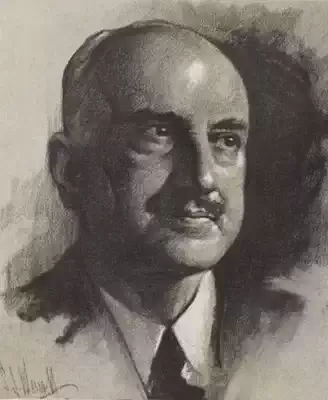
To fight is a radical instinct; if men have nothing else to fight over they will fight over words, fancies, or women, or they will fight because they dislike each other’s looks, or because they have met walking in opposite directions.
6
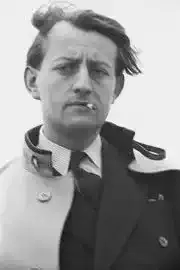
There are not fifty ways of fighting, there is only one: to be the conqueror.
25

To love life for some men is to love fighting, for fighting, and not love, is seen as man’s deepest passion.
25
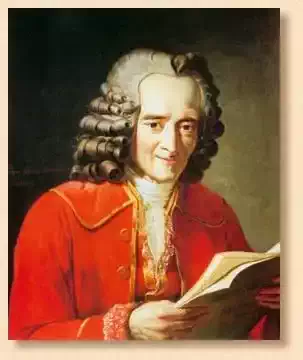
History is the recital of facts represented as true. Fable, on the other hand, is the recital of facts represented as fiction.
9
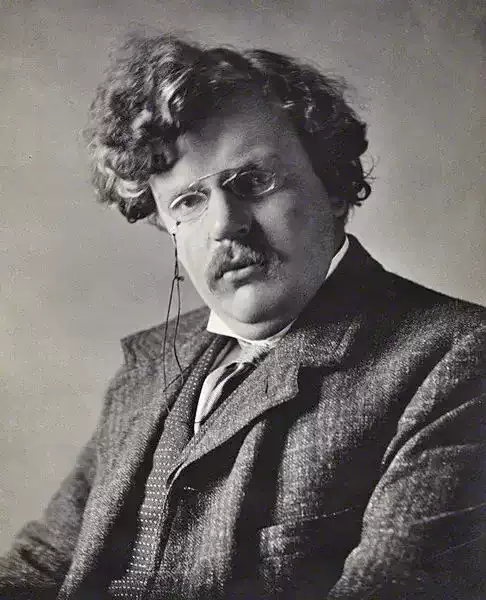
People seem to fight about things very unsuitable for fighting. They make a frightful noise in support of very quiet things. They knock each other about in the name of very fragile things.
11
Fiction is to the grown man what play is to the child; it is there that he changes the atmosphere and tenor of his life.
26
Novels, except as aids to masturbation, play no part in contemporary life.
16
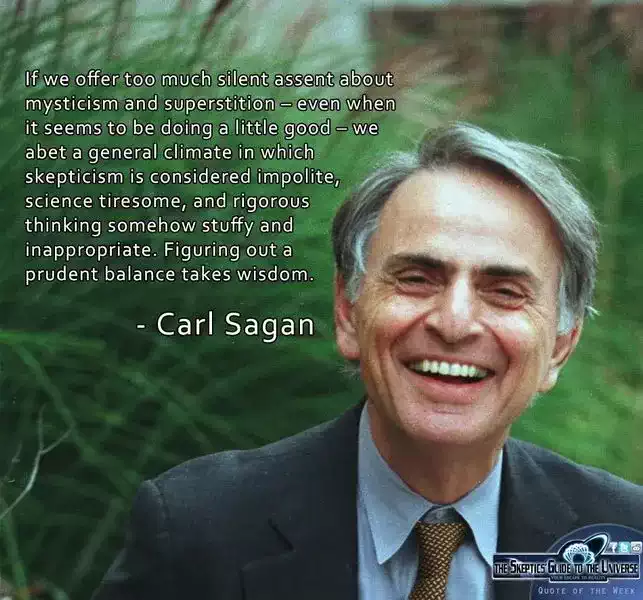
Ours is the first generation that has grown up with science-fiction ideas.
33
When the characters are really alive before their author, the latter does nothing but follow them in their action, in their words, in the situations which they suggest to him.
20
Just as the painter thinks with his brush and paints the novelist thinks with his story.
14
He wrote a novel, and it was not really such a bad novel as the critics later called it, although it was a very poor novel.
14

Against the sustained tick of a watch, fiction takes the measure of a life, a season, a look exchanged, the turning point, desire as brief as a dream, the grief and terror that after childhood we cease to express.
14
The subject of a novel is not the plot. Who remembers what happened to Lucien de Rebempre in the end?
19
The love of novels is the preference of sentiment to the senses.
9
I can find my biography in every fable that I read.
8

What is a novel if not a conviction of our fellow-men’s existence strong enough to take upon itself a form of imagined life clearer than reality and whose accumulated verisimilitude of selected episodes puts to shame the pride of documentary history?
15
Don’t make a novel to establish a principle of political economy. You will spoil both.
9
The terror of society, which is the basis of morals, the terror of God, which is the secret of religion— these are the two things that govern us.
13
The practice of fiction can be dangerous: it puts ideas into the head of the world.
17
Fear could never make virtue.
9
Fear betrays unworthy souls.
17

Present fears / Are less than horrible imaginings.
9
Where fear is, happiness is not.
13
He who fears from near at hand often fears less.
14
O! / How vain and vile a passion is this fear! / What base uncomely things it makes men do.
17