
Quotes
Quotes to inspire and reflect
Faith consists in believing not what seems true, but what seems false to our understanding.
9
If men of eminence are exposed to censure on one hand, they are as much liable to flattery on the other. If they receive reproaches which are not due to them, they likewise receive praises which they do not deserve.
22
Faith is believing what you know ain’t so.
12
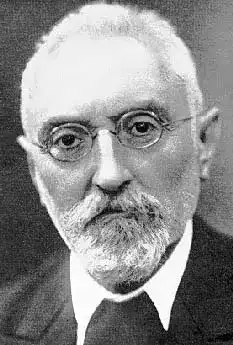
Faith is, before all and above all, wishing God may exist.
17
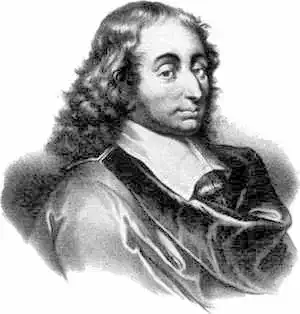
It is your own assent to yourself, and the constant voice of your own reason, and not of others, that should make you believe.
9
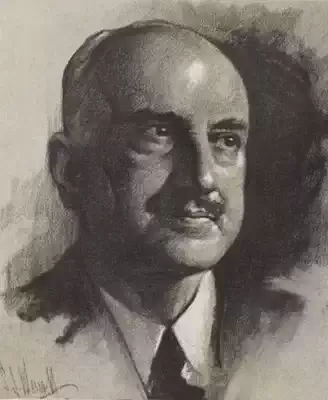
Proofs are the last thing looked for by a truly religious mind which feels the imaginative fitness of its faith.
8
Faith embraces many truths which seem to contradict each other.
9
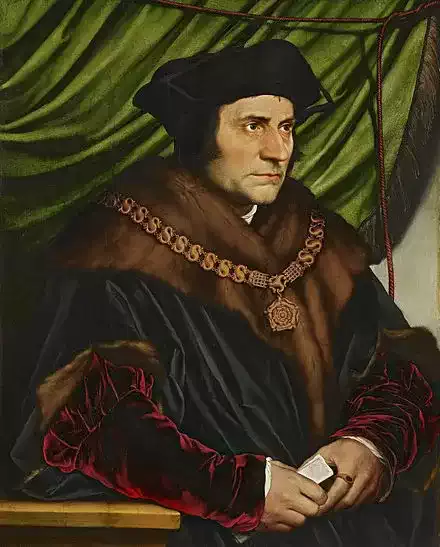
Faith, fanatic Faith, once wedded fast / To some dear falsehood, hugs it to the last.
16

The most satisfying and ecstatic faith is almost purely agnostic. It trusts absolutely without professing to know at all.
12
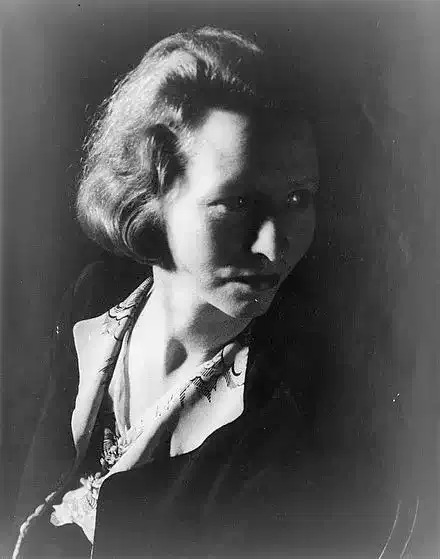
Not Truth, but Faith, it is / That keeps the world alive.
22
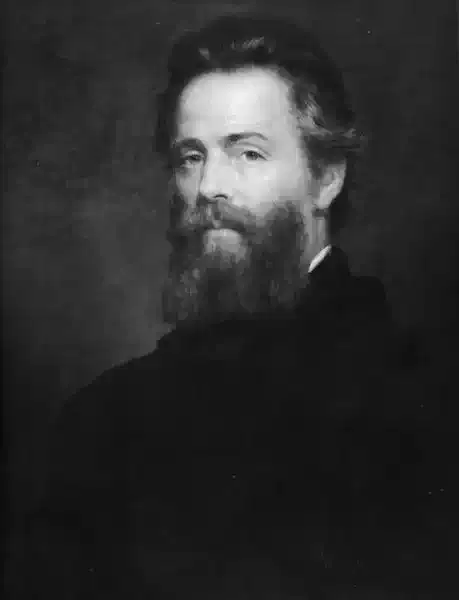
The terrors of truth and dart of death / To faith alike are vain.
17
Faith, like a jackal, feeds among the tombs, and even from these dead doubts she gathers her most vital hope.
20
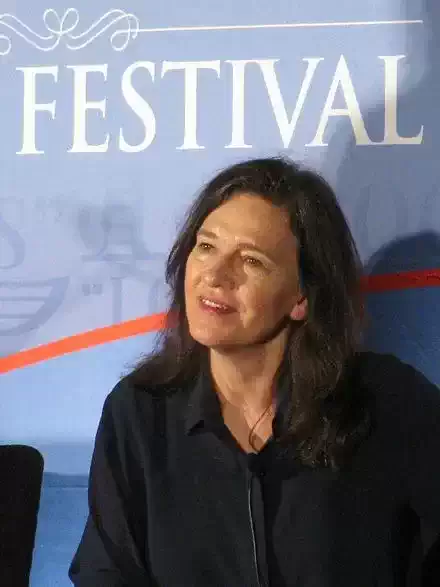
I thought how we might have to yell to be heard by Higher Power, but that’s not saying it’s not there. And that is faith for you. It’s belief even when the gods don’t deliver.
14

The care of God for us is a great thing, / if a man believe it at heart: / it plucks the burden of sorrow from him.
11

What is faith but a kind of betting or a speculation after all?
7
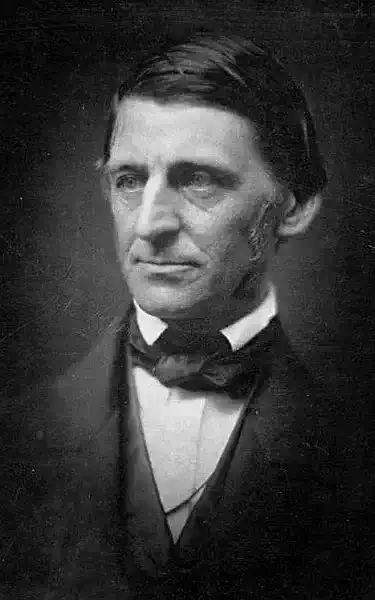
A believer, a mind whose faith is consciousness, is never disturbed because other persons do not yet see the fact which he sees.
11

The relation of faith between subject and object is unique in every case. Hundreds may believe, but each has to believe by himself.
27

A man consists of the faith that is in him. Whatever his faith is, he is.
18
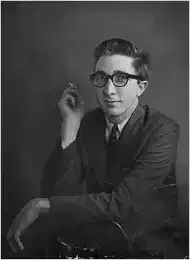
All men are mortal, and therefore all men are losers; our profoundest loyalty goes out to the failed.
15
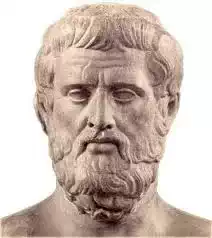
I would prefer even to fail with honor than win by cheating.
16
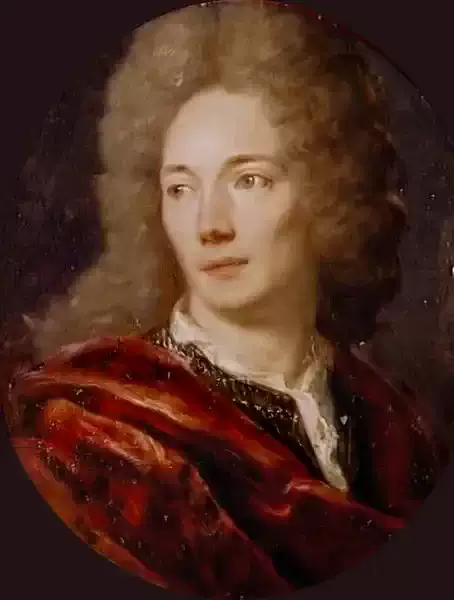
Men fall from great fortune because of the same shortcomings that led to their rise.
19

There is the greatest practical benefit in making a few failures early in life.
15
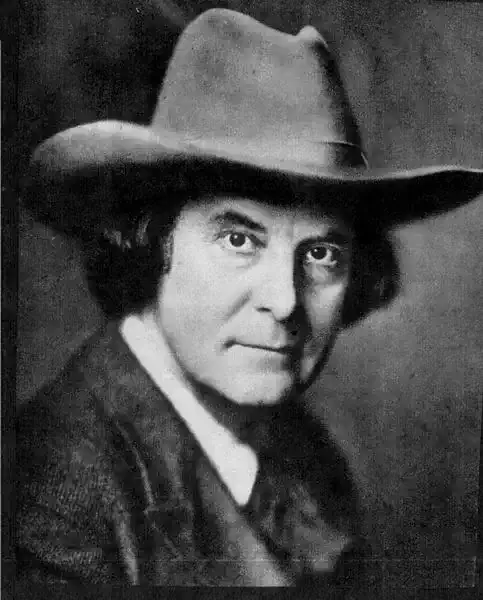
There is no failure except in no longer trying.
21
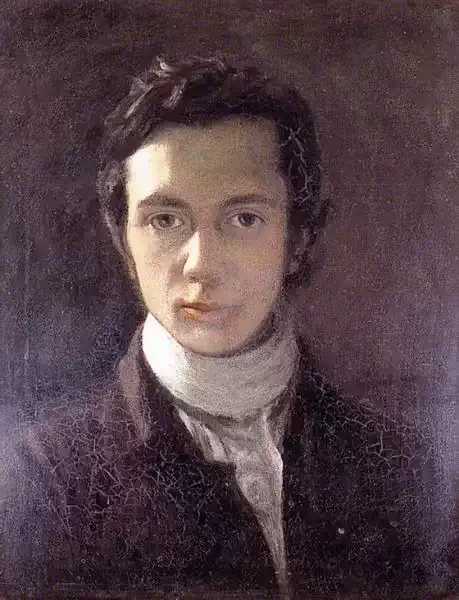
One is always more vexed at losing a game of any sort by a single hole or ace, than if one has never had a chance of winning it.
11
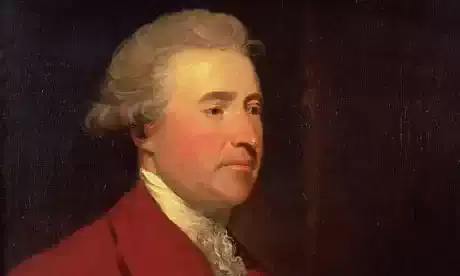
All men that are ruined, are ruined on the side of their natural propensities.
17
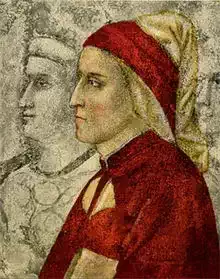
O human race! Born to ascend on wings, / Why do ye fall at such a little wand?
27

Fail I alone, in words and deeds?/Why, all men strive and who succeeds?
21

The young think that failure is the Siberian end of the line, banishment from all the living, and tend to do what I then did—which was to hide.
19
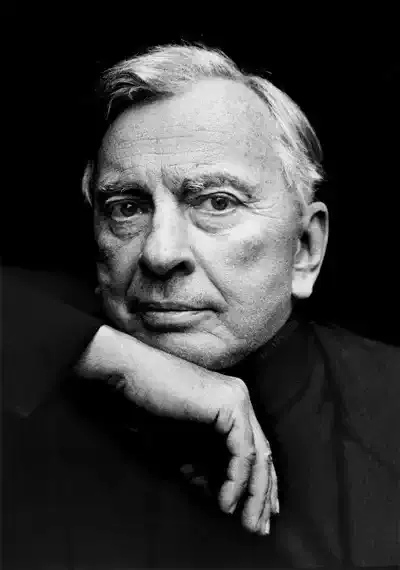
It is the spirit of the age to believe that any fact, no matter how suspect, is superior to any imaginative exercise, no matter how true.
15
[W]hat frightened him, and kept him more than ever on his knees, was the knowledge that, once having fallen, nothing would be easier than to fall again. Having possessed Esther, the carnal man awoke, seeing the possibility of conquest everywhere.
19

You will find that the truth is often unpopular and the contest between agreeable fancy and disagreeable fact is unequal. For, in the vernacular, we Americans are suckers for good news.
24
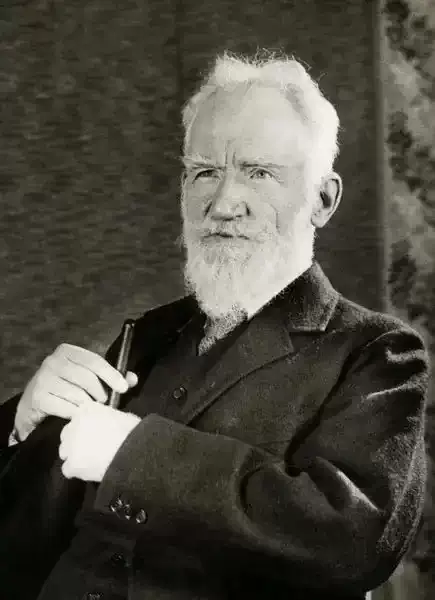
Consciousness of a fact is not knowing it: if it were, the fish would know more of the sea than the geographers and the naturalists.
10
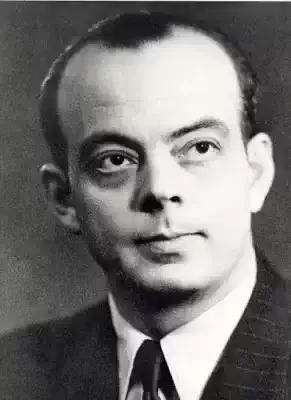
When you have duly arrayed your “facts” in logical order, lo, it is like an oil-lamp that you have made, filled and trimmed, but which sheds no light unless first you light it.
19
The facts are to blame, my friend. We are all imprisoned by facts: I was born, I exist.
22
Time dissipates to shining ether the solid angularity of facts.
9
A fact is like a sack which won’t stand up when it is empty. In order that it may stand up, one has to put into it the reason and sentiment which have caused it to exist.
23
The chief value of the new fact, is to enhance the great and constant fact of life.
9
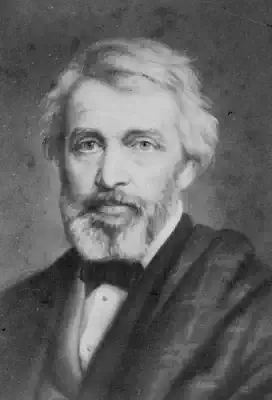
Conclusive facts are inseparable from inconclusive except by a head that already understands and knows.
13
The features of our face are hardly more than gestures which have become permanent.
19
There are quantities of human beings, but there are many more faces, for each person has several.
19
A man finds room in the few square inches of his face for the traits of all his ancestors; for the expression of all his history, and his wants.
18
Not only does beauty fade, but it leaves a record upon the face as to what became of it.
18

The eyes have one language everywhere.
29
I dislike an eye that twinkles like a star. Those only are beautiful which, like the planets, have a steady, lambent light, are luminous, but not sparkling.
39
The eyes indicate the antiquity of the soul.
14
Dry happiness is like dry bread. We eat, but we do not dine. I wish for the superfluous, for the useless, for the extravagant, for the too much, for that which is not good for anything.
21
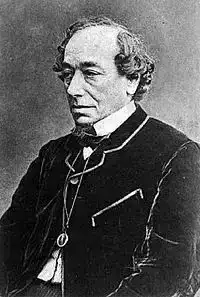
There is no waste of time in life like that of making explanations.
20
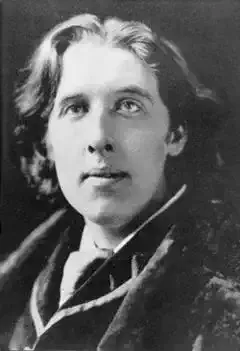
To regret one’s own experiences is to arrest one’s own development. To deny one’s own experiences is to put a lie into the lips of one’s life. It is no less than a denial of the soul.
12