
Quotes
Quotes to inspire and reflect

The core of our defense is the faith we have in the institutions we defend.
10
Diplomacy and defense are not substitutes for one another. Either alone would fail.
7
Each little thing that we do passes into the great machine of life which may grind our virtues to powder and make them worthless, or transform our sins into elements of a new civilisation, more marvelous and more splendid than any that has gone before.
11
It may well be that we shall by a process of sublime irony have reached a state in this story where safety will be the sturdy child of terror, and survival the twin brother of annihilation.
10
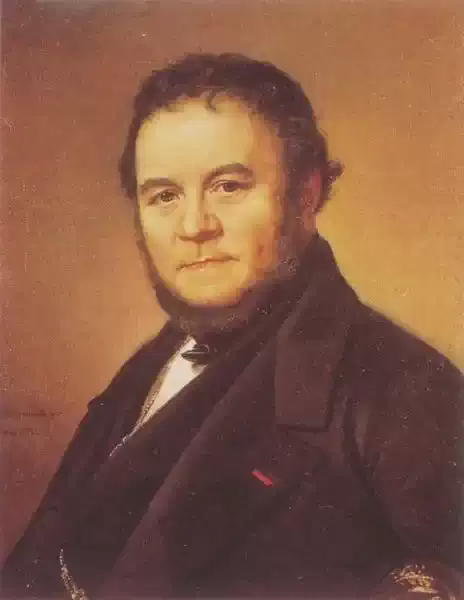
Every great action is extreme when it is undertaken. Only after it has been accomplished does it seem possible to those creatures of more common stuff.
25
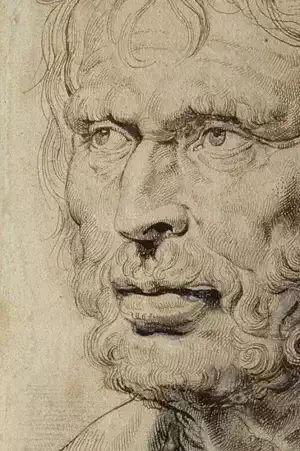
The profit on a good action is to have done it.
14
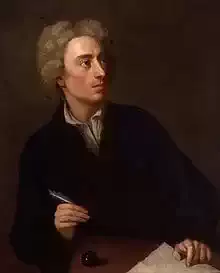
Not always actions show the man; we find / Who does a kindness is not therefore kind.
23
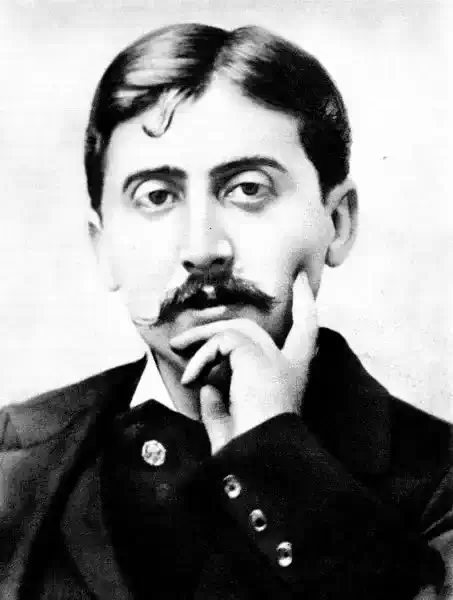
The stellar universe is not so difficult of comprehension as the real actions of other people;
19
One will seldom go wrong if one attributes extreme actions to vanity, average ones to habit, and petty ones to fear.
10
Noble deeds are most estimable when hidden.
13

Saying is one thing and doing is another; we are to consider the sermon and the preacher distinctly and apart.
10
The majority of men are more capable of great actions than of good ones.
19
To treat of human actions is to deal wholly with second causes.
14
The most decisive actions of our life—I mean those that are most likely to decide the whole course of our future—are, more often than not, unconsidered.
11
A man is not good or bad for one action.
14
What I must do is all that concerns me, not what the people think.
11
Urgent necessity prompts-many to do things, at the very thoughts of which they perhaps would start at other times.
15

Great actions are not always true sons / Of great and mighty resolutions.
8
Apples taste sweetest when they’re going.
12
A man makes no noise over a good deed, but passes on to another as a vine to bear grapes again in season.
19
Flow many worthy men have we known to survive their own reputation, who have seen and suffered the honor and glory most justly acquired in their youth, extinguished in their own presence?
10

The Wine of Life keeps oozing drop by drop, / The Leaves of Life keep falling one by one.
15
The passing years steal from us one thing after another.
29
As favour and riches forsake a man, we discover in him the foolishness they concealed, and which no one perceived before.
17
There is not a more unhappy being than a superannuated idol.
24
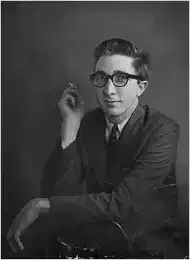
“I never made a decision in my life that wasn’t one hundred per cent selfish.”
17
It is always thus, impelled by a state of mind which is destined not to last, that we make our irrevocable decisions.
18
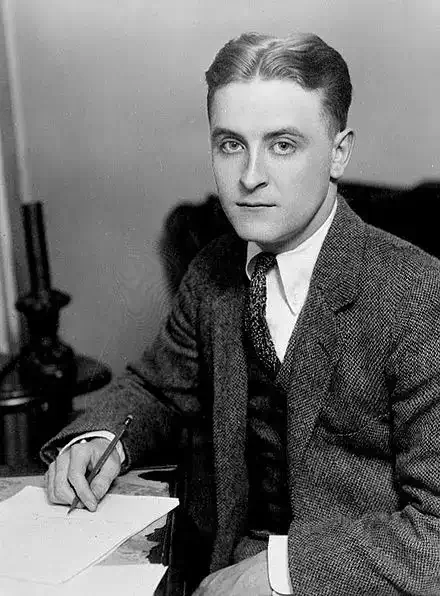
Once a change of direction has begun, even though it’s the wrong one, it still tends to clothe itself as thoroughly in the appurtenances of rightness as if it had been a natural all along.
12
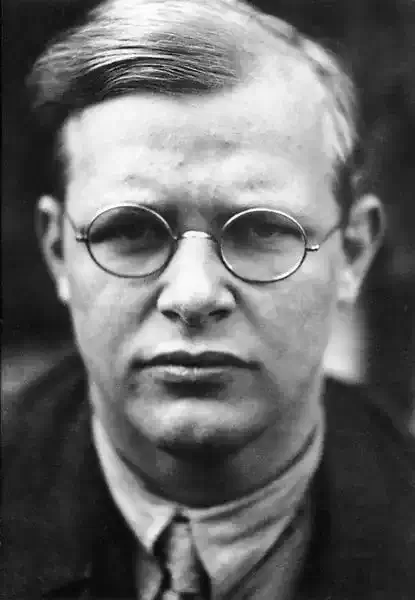
It is the characteristic excellence of the strong man that he can bring momentous issues to the fore and make a decision about them. The weak are always forced to decide between alternatives they have not chosen themselves.
15
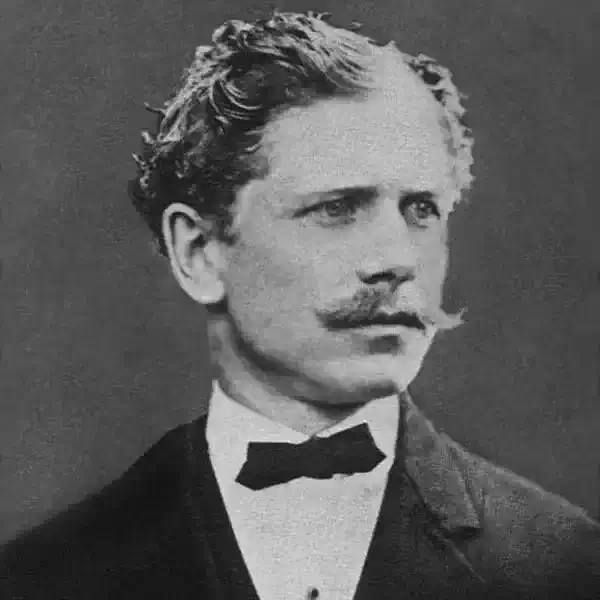
Decide, v.i. To succumb to the preponderance of one set of influences over another set.
11

If such people ask news of me,—be silent, or say that I am dead. Let me be dead to them as they are dead to me.
10

The words of the double-tongued are as if they were harmless, but they reach even to the inner part of the bowels. Praise be to the Lord, who distinguishes our cause and delivers us from the unjust and deceitful man.
20

If any man thinks to swindle / God, he is wrong.
12
The fraud delights my soul, and if he is big and clever and conceals his fraudulence for years, I am all the more impressed and entertained by his achievement.
19

Deceive not thy physician, confessor, nor lawyer.
22
Whoever has even once become notorious by base fraud, even if he speaks the truth, gains no belief.
27
Dishonesty is the raw material not of quacks only, but also in great part of dupes.
12

Man is practised in disguise; / He cheats the most discerning eyes.
20
Our national debt after all is an internal debt owed not only by the nation but to the nation. If our children have to pay interest on it they will pay that interest to themselves.
15
Words pay no debts.
11
A creditor is worse than a master; for a master owns only your person, a creditor owns your dignity and can belabour that.
24
The first of the month falls every month, too, North or South. And them white folks who sends bills never forgets to send them—the phone bill, the furniture bill, the water bill, the gas bill, insurance, house rent.
21
Creditors are a superstitious sect, great observers of set days and times.
10
A poor man’s debt makes a great noise.
11
Edgar Allan Poe!—Poe!—the ruin of the dissolute—in the Bronx—the Bronx! The meaningless whirl, the unbridled flesh, the obliteration of home and hearth!—and, waiting in the last room, the Red Death.
13
There is only one thing that a brave and honest man—a gentleman—should be afraid of. And that is death. He should carry the fear of death forever in his heart—for that ends all his glory, and he should use it as a spur to ride his life across the barriers.
10
It was, he thought, the strong good medicine of death.
10
The last voyage, the longest, the best.
8