
Quotes
Quotes to inspire and reflect

Since custom is the principal magistrate of man’s life, let men by all means endeavor to obtain good customs.
23
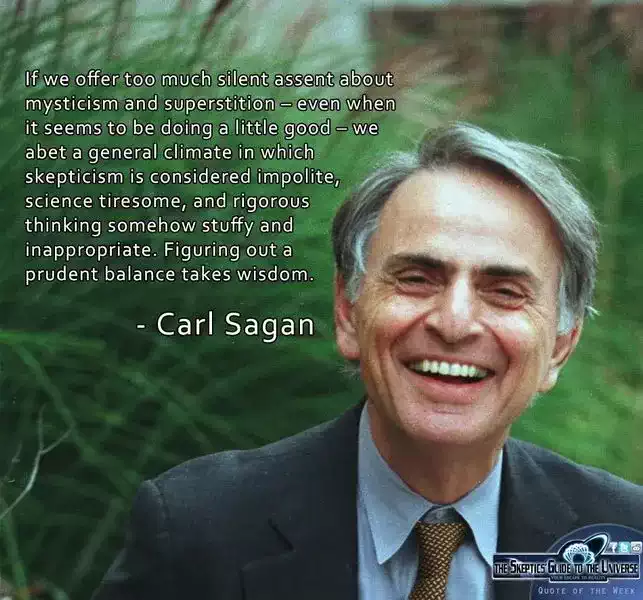
I am often amazed at how much more capability and enthusiasm for science there is among elementary school youngsters than among college students.
30
Enquire not what boils in another’s pot.
10

Glory and curiosity are the two scourges of the soul; the last prompts us to thrust our noses into everything, the other forbids us to leave anything doubtful and undecided.
9
Business men who are busy the w'hole day and immediately go to bed after supper, snoring like cows, are not likely to contribute anything to culture.
19
Only that mind draws me which I cannot read.
7

Culture itself is neither education nor law-making: it is an atmosphere and a heritage.
12
The value of culture is its effect on character. It avails nothing unless it ennobles and strengthens that. Its use is for life. Its aim is not beauty but goodness.
15
Culture is perishing in overproduction, in an avalanche of words, in the madness of quantity.
25
Of the significant and pleasurable experiences of life only the simplest are open indiscriminately to all. The rest cannot be had except by those who have undergone a suitable training.
27
Man is born a barbarian, and only raises himself above the beast by culture.
20
Human life is reduced to real suffering, to hell, only when two ages, two cultures and religions overlap.
40
If you’re anxious for to shine in the high aesthetic line as a man of culture rare, / You must get up all the germs of the transcendental terms, and plant them everywhere.
20

Culture has never the translucidity of custom; it abhors all simplification. In its essence it is opposed to custom, for custom is always the deterioration of culture.
15
Culture opens the sense of beauty.
9
A cultivated man, wise to know and bold to perform, is the end to which nature works.
13
Culture is the one thing that we cannot deliberately aim at. It is the product of a variety of more or less harmonious activities, each pursued for its own sake.
8
A cheerful, intelligent face is the end of culture.
11
The vast majority of the race, whether savage or civilized, are secretly kind-hearted and shrink from inflicting pain, but in the presence of the aggressive and pitiless minority they don’t dare to assert themselves.
13
Man is worse than an animal when he is an animal.
35
Opinions which justify cruelty are inspired by cruel impulses.
13
There is in man a specific lust for cruelty which infects even his passion of pity and makes it savage.
15
Nature has, herself, I fear, imprinted in man a kind of instinct to inhumanity.
12
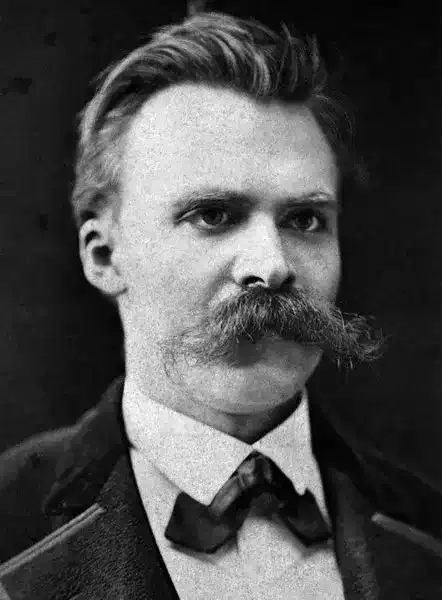
Man is the cruelest animal. At tragedies, bullfights, and crucifixions he has so far felt best on earth; and when he invented hell for himself, behold, that was his heaven on earth.
16

Today there’s more fellowship among snakes than among mankind. / Wild beasts spare those with similar markings.
14
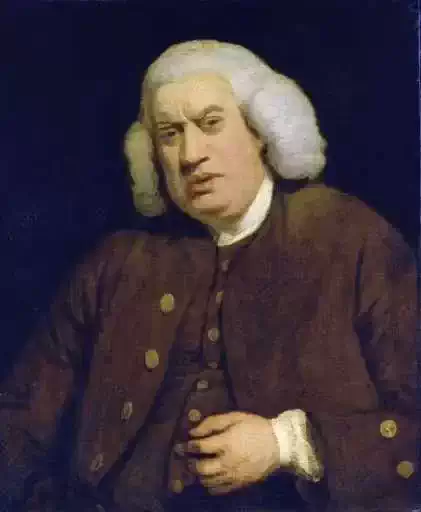
Pity is not natural to man. Children always are cruel. Savages are always cruel.
10

Children know how to be cruel, and the cruelty of their elders is the surest residue of the malaise the young feel toward things strange, things other, things that reveal our own ignorance or insufficiency.
16
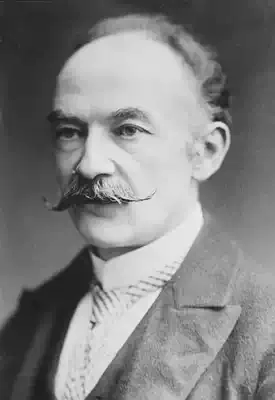
Cruelty is the law pervading all nature and society; and we can’t get out of it if we would.
36
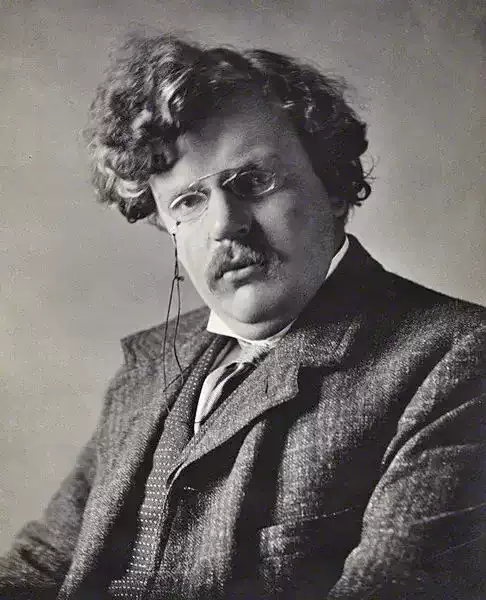
Cruelty is, perhaps, the worst kind of sin. Intellectual cruelty is certainly the worst kind of cruelty.
10
When men are inhuman, take care not to feel towards them as they do towards other humans.
24

Cruelty ever proceeds from a vile mind, and often from a cowardly heart.
11
Man is subject to innumerable pains and sorrows by the very condition of humanity and yet, as if nature had not sown evils enough in life, we are continually adding grief to grief and aggravating the common calamity by our cruel treatment of one another.
25
Away with this hurrah of masses, and let us have the considerate vote of single men.
8
I would rather sit on a pumpkin and have it all to myself than be crowded on a velvet cushion.
9
I do not believe that any human being is fundamentally happier for being finally lost in a crowd, even if it is called a crowd of comrades.
10

A man has his distinctive personal scent which his wife, his children and his dog can recognize. A crowd has a generalized stink. The public is odorless.
30
Despite the warnings of other times, the impetuous and the confident continue their indiscriminate cultivation of weeds at the expense of occasional flowers.
23
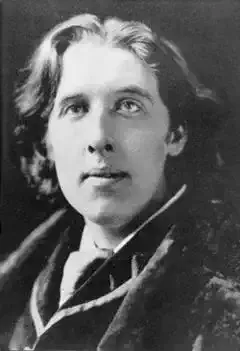
[AJrtists reproduce themselves or each other, with wearisome iteration. But criticism is always moving on, and the critic is always developing.
11

He that can carp in the most eloquent or acute manner at the weakness of the human mind is held by his fellows as almost divine.
14

If the men of wit and genius would resolve never to complain in their works of critics and detractors, the next age would not know that they ever had any.
17
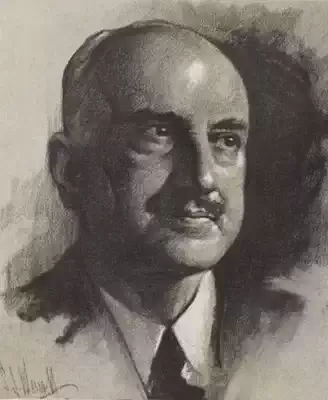
With an artist no sane man quarrels, apy more than with the colour of a child’s eyes.
9
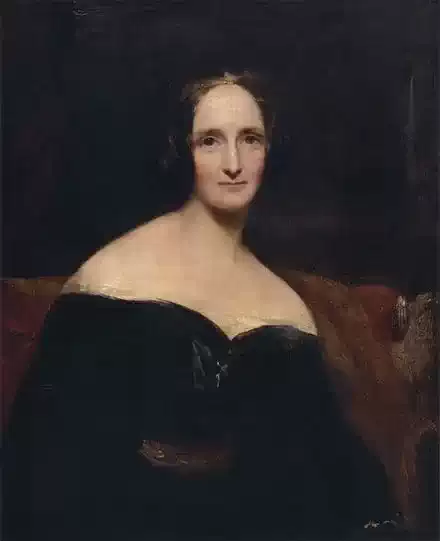
If certain Critics were as clearsighted as they are malignant, how great would be the benefit to be derived from their writings!
26
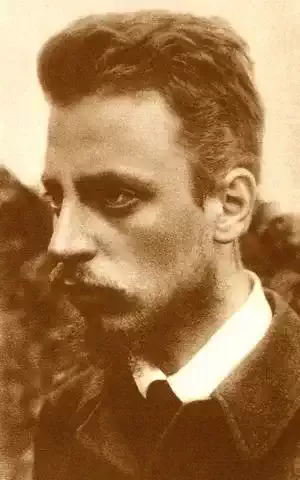
Works of art are of an infinite loneliness and with nothing so little to be reached as with criticism.
14
To substitute judgments of fact for judgments of value, is a sign of pedantic and borrowed criticism.
10
There is more ado to interpret interpretations than to interpret things, and more books upon books than upon any other subject; we do nothing but comment upon one another.
10
Every place swarms with commentaries; of authors there is great scarcity.
7
There is no reward so delightful, no pleasure so exquisite, as having one’s work known and acclaimed by those whose applause confers honour.
18
The critic, to interpret his artist, even to understand his artist, must be able to get into the mind of his artist; he must feel and comprehend the vast pressure of the creative passion.
16