
Quotes
Quotes to inspire and reflect

The questions which one asks oneself begin, at last, to illuminate the world, and become one’s key to the experience of others.
13
A sudden, bold, and unexpected question doth many times surprise a man and lay him open.
14
The test of a man or woman’s breeding is how they behave in a quarrel. Anybody can behave well when things are going smoothly.
17
Weakness on both sides is, as we know, the motto of all quarrels.
12
This is the true joy in life, the being used for a purpose recognized by yourself as a mighty one; the being thoroughly worn out before you are thrown on the scrap heap; the being a force of Nature instead of a feverish selfish little clod of ailments and grievances complaining that the world will not devote itself to making you happy.
19

Many persons have a wrong idea of what constitutes true happiness. It is not attained through self-gratification but through fidelity to a worthy purpose.
21

Don’t get involved in partial problems, but always take flight to where there is a free view over the whole single great problem, even if this view is still not a clear one.
16
The man without a purpose is like a ship without a rudder.
15
There is at bottom only one problem in the world, and this is its name. How does one break through? How does one get into the open? How does one burst the cocoon and become a butterfly?
15
Problems are to the mind what exercise is to the muscles, they toughen and make strong. Problems make one better able to cope with life.
14
You can’t pray a lie.
15
Your cravings as a human animal do not become a prayer just because it is God whom you ask to attend to them.
18

To pray is to pay attention to something or someone other than oneself. Whenever a man so concentrates his attention— on a landscape, a poem, a geometrical problem, an idol, or the True God— that he completely forgets his own ego and desires, he is praying.
15
Nothing is so at odds with prayer as vanity.
15
The primary benefit of practicing any art, whether well or badly, is that it enables one’s soul to grow.
11
Art is the most intense mode of individualism that the world has known.
11
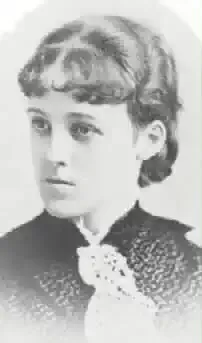
One cares so little for the style in which one’s praises are written.
19
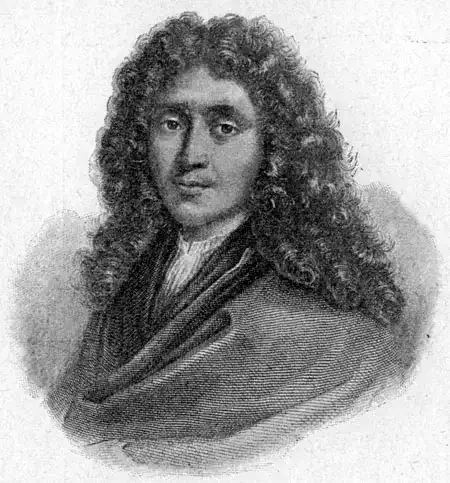
People can be induced to swallow anything, provided it is sufficiently seasoned with praise.
15
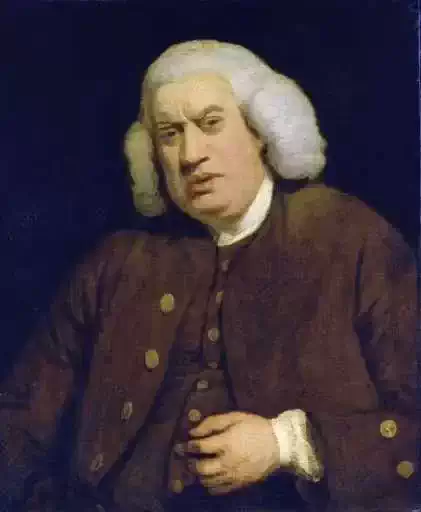
The applause of a single human being is of a great consequence.
14

What every genuine philosopher (every genuine man, in fact) craves most is praise— although the philosophers generally call it “recognition.”
13

Nothing so soon the drooping Spirits can raise, As Praises from the Men, whom all Men Praise.
19
the one that inspires all his deeds and designs, he would say, “I want to be praised.”
19
Power is pleasure; and pleasure sweetens pain.
16
Power takes as ingratitude the writhing of its victims.
11
Those who have been once intoxicated with power . . . can never willingly abandon it.
16
The real cause, the effective one, that makes men lose power is that they have become unworthy to exercise it.
10

The jaws of power are always opened to devour, and her arm is always stretched out, if possible, to destroy the freedom of thinking, speaking, and writing.
18

The struggle is to synchronize the potential being with the actual being, to make a fruitful liaison between the man of yesterday and the man of tomorrow.
13
Potential has a shelf-life.
34
Most people live . . . in a very restricted circle of their potential being. They make use of a very small portion of their possible consciousness . . . much like a man who, out of his whole bodily organism, should get into a habit of using and moving only his little finger.
21
Many possessions, if they do not make a man better, are at least expected to make his children happier; and this pathetic hope is behind many exertions.
15
It is preoccupation with possession, more than anything else, that prevents men from living freely and nobly.
17
Possessions delude the human heart into believing that they provide security and a worry-free existence, but in truth they are the very cause of worry.
14

Possessions possess.
27
Politics is a game of compromise . . . faith isn’t.
14
The garb of religion is the best cloak for power.
16
In order to become the master, the politician poses as the servant.
12
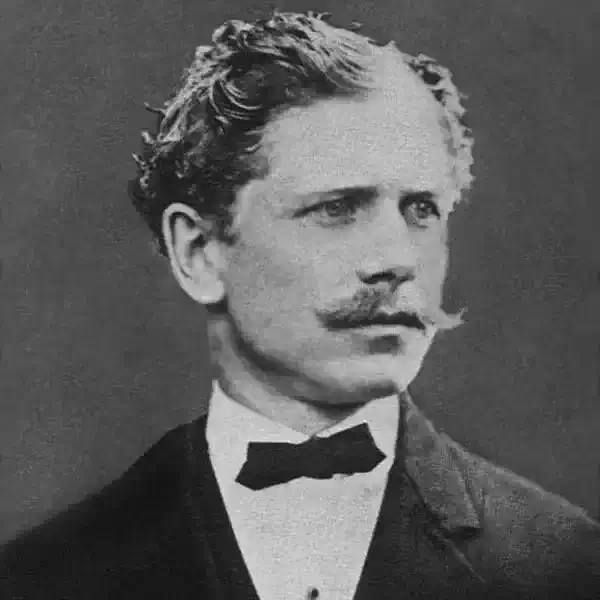
Politics, n . A strife of interests masquerading as a contest of principles. The conduct of public affairs for private advantage.
16
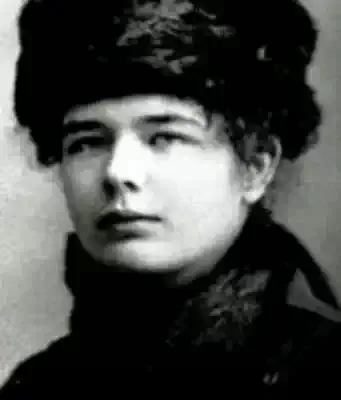
For me, a poet is someone who is “in contact.” Someone through whom a current is passing.
25

A poet’s autobiography is his poetry. Anything else can be only a footnote.
19

To be a poet is a condition rather than a profession.
29
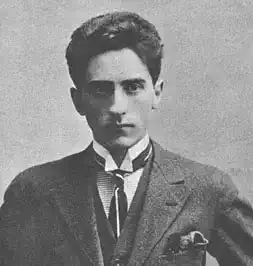
Take a commonplace, clean it and polish it, light it so that it produces the same effect of youth and freshness and originality and spontaneity as it did originally, and you have done a poet’s job.
32
A poet is, before anything else, a person who is passionately in love with language.
19
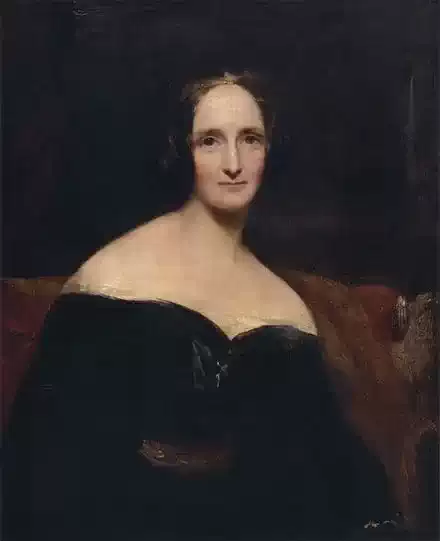
Poetry lifts the veil from the hidden beauty of the world, and makes familiar objects be as if they were not familiar.
34

Poetry is the purest of the language arts. It’s the tightest cage, and if you can get to sing in that cage it’s really really wonderful.
38
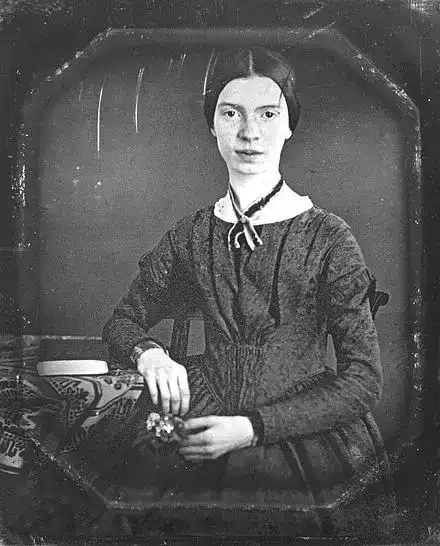
If I read a book and it makes my whole body so cold no fire can ever warm me, I know that is poetry. If I feel physically as if the top of my head were taken off, I know that is poetry.
18

Poetry is life distilled.
32
A vein of Poetry exists in the hearts of all men.
13