
Quotes
Quotes to inspire and reflect

When you’re a novelist, you’re writing a play but you’re acting all the parts, you’re controlling the lights and the scenery and the whole business, and it’s your show.
20
The economy of a novelist is a little like that of a careful housewife, who is unwilling to throw away anything that might perhaps serve its turn. Or perhaps the comparison is closer to the Chinese cook who leaves hardly any part of the duck unserved.
19
An aphorism can never be the whole truth; it is either a half-truth or a truth-and-a-half.
18
you have to get a feeling that you’ve fallen into good hands— someone from whom you can accept the anesthetic with confidence.
13

How many of us have been incited to reason, have first learned to think, to draw conclusions, to extract a moral from the follies of life by some dazzling aphorism.
17

Aphorisms are essentially an aristocratic genre of writing.
18
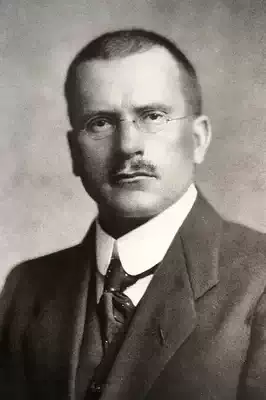
Neurosis is always a substitute for legitimate suffering.
16
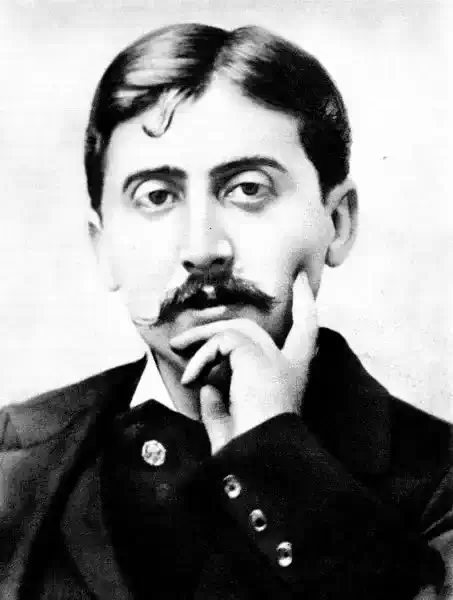
Everything we think of as great has come to us from neurotics. It is they and they alone who found religions and create great works of art. The world will never realize how much it owes to them and what they have suffered in order to bestow their gifts on it.
19
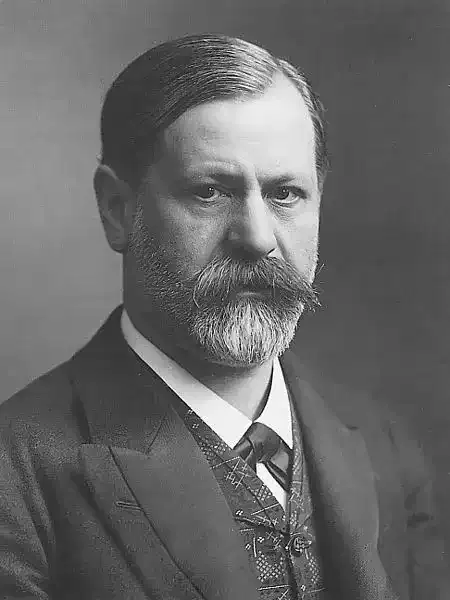
The true believer is in a high degree protected against the danger of certain neurotic afflictions; by accepting the universal neurosis he is spared the task of forming a personal neurosis.
13
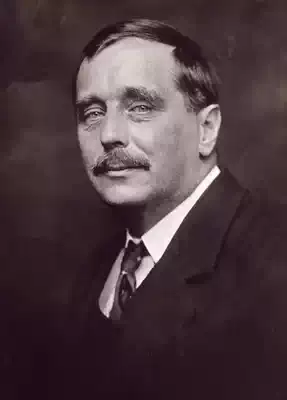
Adapt or perish, now as ever, is Nature’s inexorable imperative.
35
Nature distributes her favors unequally.
15
I love Nature partly because she is not man, but a retreat from him. None of his institutions control or pervade her. There a different kind of right prevails.
13
We do not see nature with our eyes, but with our understandings and our hearts.
16
You may drive out nature with a pitchfork, but she will always return.
14
Nature is often hidden, sometimes overcome, seldom extinguished.
14
Americans are nature-lovers: but they only admit of nature proofed and corrected by man.
26
After silence that which comes nearest to expressing the inexpressible is music.
15
Music expresses that which cannot be said and on which it is impossible to be silent.
14
Music is only love looking for words.
25

Who hears music, feels his solitude Peopled at once.
21
There are only two forces that unite men—fear and interest.
16
Music is the mediator between the spiritual and the sensual life.
17
We should often feel ashamed of our best actions if the world could see all of the motives which produced them.
17
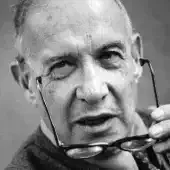
We know nothing about motivation. All we can do is write books about it.
18
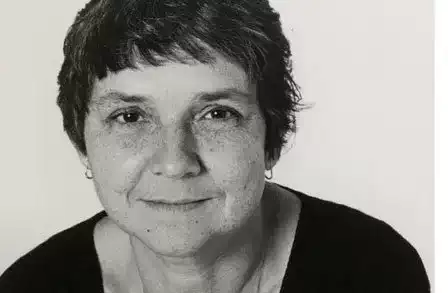
Probably there is nothing in human nature more resonant with charges than the flow of energy between two biologically alike bodies, one of which has lain in amniotic bliss inside the other, one of which has labored to give birth to the other. The materials are here for the deepest mutuality and the most painful estrangement.
34
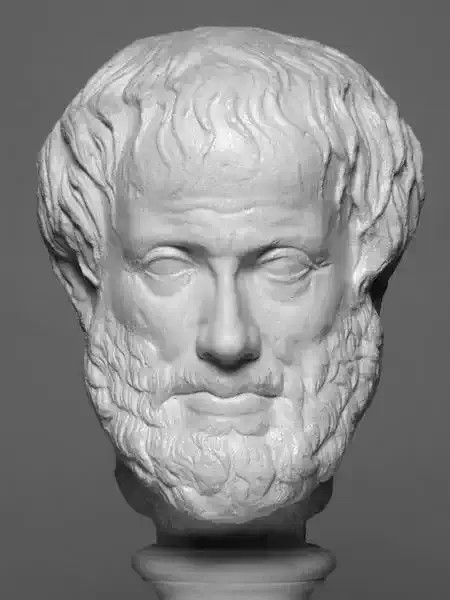
All that we do is done with an eye to something else.
15
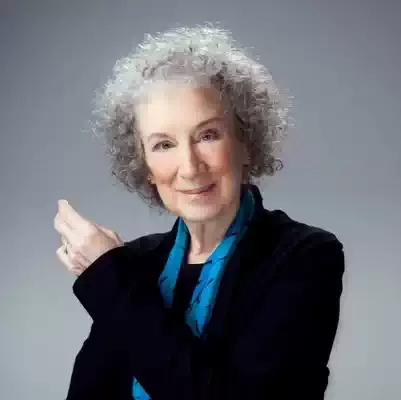
our own hungers, our own wishes, our own deficiencies.
32

Money—pardon my expression—money is like manure; it’s not worth a thing unless it’s spread around encouraging young things to grow.
18
Unexpected money is a delight. The same sum is a bitterness when you expected more.
19
Money’s a horrid thing to follow, but a charming thing to meet.
18
Money often costs too much.
19
We all need money, but there are degrees of desperation.
17
Money cannot buy The fuel of love But is excellent kindling.
15
and yet it is such a useful root that we cannot get on without it any more than we can without potatoes.
17
When it is a question of money, everybody is of the same religion.
19
The price we have to pay for money is paid in liberty.
17
Money is a singular thing. It ranks with love as man’s greatest source of joy. And with death as his greatest source of anxiety.
14
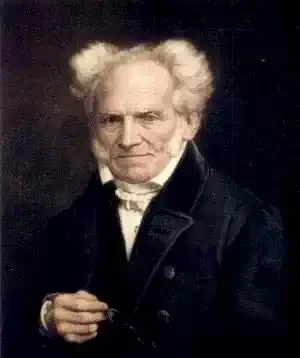
Money is human happiness in the abstract.
18
Money, which represents the prose of life, and which is hardly spoken of in parlors without an apology, is, in its effects and laws, as beautiful as roses.
15
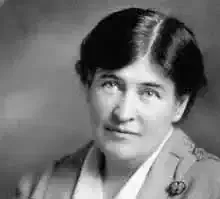
Money is a protection, a cloak; it can buy one quiet, and some sort of dignity.
26
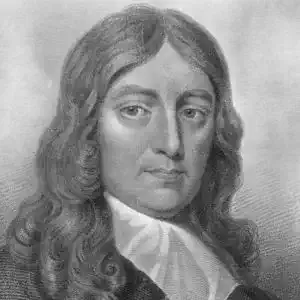
Fear and dull disposition, lukewarmness and sloth, are not seldom wont to cloak themselves under the affected name of moderation.
32
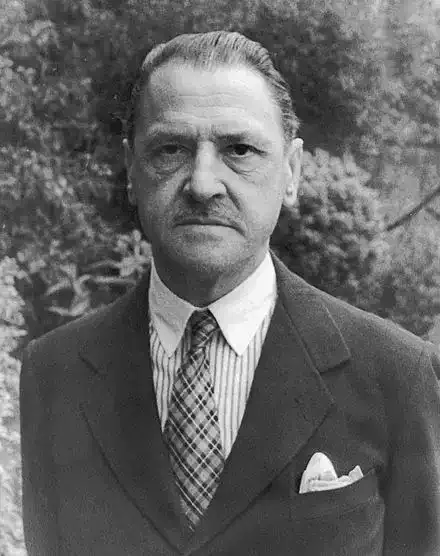
Excess on occasion is exhilarating. It prevents moderation from acquiring the deadening effect of habit.
13
let us keep fire out of the one, and frost out of the other.
14
Mistakes are at the very base of human thought, embedded there, feeding the structure like root nodules. If we were not provided with the knack of being wrong, we could never get anything useful done.
23
Back of every mistaken venture and defeat is the laughter of wisdom, if you listen. Every blunder behind us is giving a cheer for us.
20
Mistakes live in the neighborhood of truth and therefore delude us.
17
Mistakes are, after all, the foundations of truth, and if a man does not know what a thing is, it is at least an increase in knowledge if he knows what it is not.
22
You can spend the entire second half of your life recovering from the mistakes of the first half.
18