
Quotes
Quotes to inspire and reflect
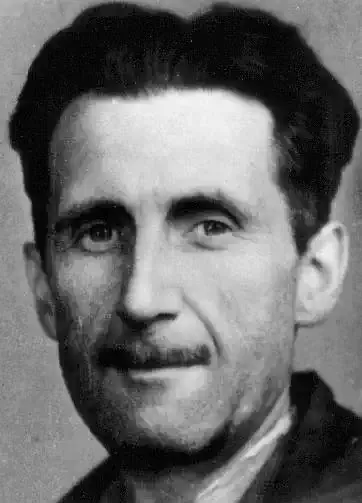
Whatever is funny is subversive, every joke is ultimately a custard pie … A dirty joke is a sort of mental rebellion.
Saints should always be judged guilty until they are proved innocent.
Political language … is designed to make lies sound truthful and murder respectable, and to give an appearance of solidity to pure wind.
In our time, political speech and writing are largely the defence of the indefensible.
Serious sport … is war minus the shooting.
If you want a picture of the future, imagine a boot stamping on a human face—for ever.
Power is not a means, it is an end. One does not establish a dictatorship in order to safeguard a revolution; one makes the revolution in order to establish the dictatorship.
Doublethink means the power of holding two contradictory beliefs in one’s mind simultaneously, and accepting both of them.
The Lottery, with its weekly pay-out of enormous prizes, was the one public event to which the proles paid serious attention
Freedom is the freedom to say that two plus two make four. If that is granted, all else follows.
Don’t you see that the whole aim of Newspeak is to narrow the range of thought? In the end we shall make thoughtcrime literally impossible, because there will be no words in which to express it.
Who controls the past controls the future: who controls the present controls the past.
War is peace. Freedom is slavery. Ignorance is strength.
It was a bright cold day in April, and the clocks were striking thirteen.
Probably the battle of Waterloo was won on the playing-fields of Eton, but the opening battles of all subsequent wars have been lost there.
Old maids biking to Holy Communion through the mists of the autumn mornings … these are not only fragments, but characteristic fragments, of the English scene.
He was an embittered atheist (the sort of atheist who does not so much disbelieve in God as personally dislike Him).
Advertising is the rattling of a stick inside a swill bucket.
I’m fat, but I’m thin inside. Has it ever struck you that there’s a thin man inside every fat man, just as they say there’s a statue inside every block of stone?
Good prose is like a window-pane.
The creatures outside looked from pig to man, and from man to pig, and from pig to man again, but already it was impossible to say which was which.
All animals are equal but some animals are more equal than others.
Man is the only creature that consumes without producing.
Four legs good, two legs bad.
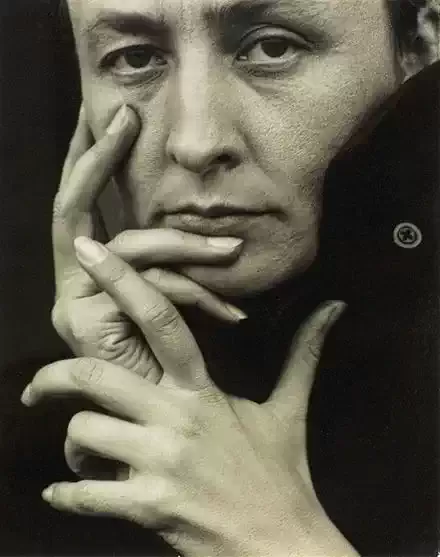
Filling a space in a beautiful way. That’s what art means to me.
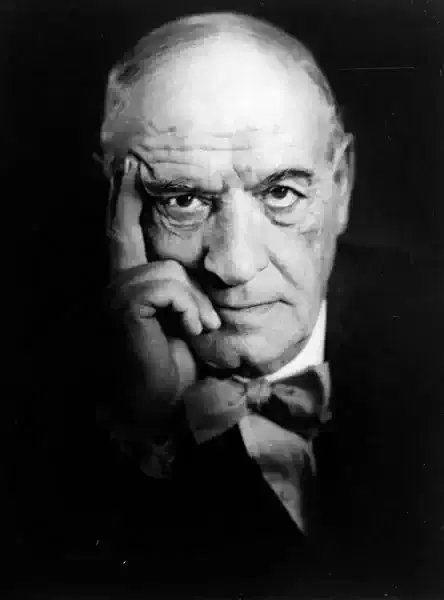
I am I plus my surroundings, and if I do not preserve the latter I do not preserve myself.

August is a wicked month.

A pint of plain is your only man.
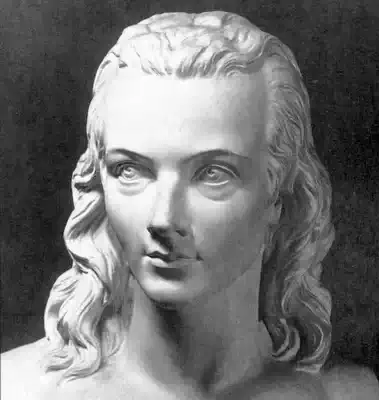
A God-intoxicated man. of Spinoza
I often feel, and ever more deeply I realize, that Fate and character are the same conception.
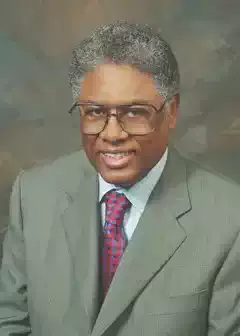
Rattle his bones over the stones;

When the President does it, that means that it is not illegal.
I welcome this kind of examination because people have got to know whether or not their President is a crook. Well, I’m not a crook.
I brought myself down. I gave them a sword.
There can be no whitewash at the White House.
The great silent majority.
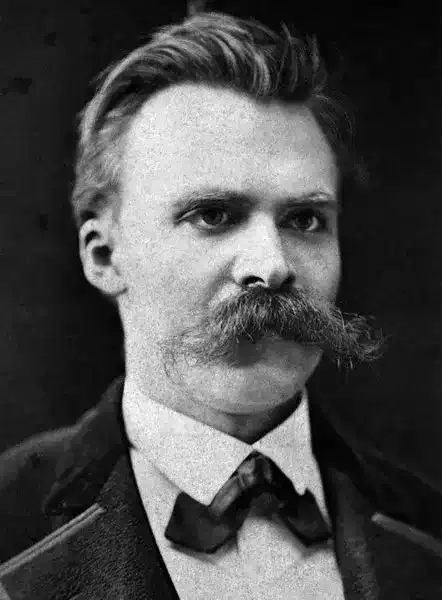
At the base of all these aristocratic races the predator is not to be mistaken, the splendorous blond beast, avidly rampant for plunder and victory.

Anxiety is love’s greatest killer. It creates the failures. It makes others feel as you might when a drowning man holds on to you. You want to save him, but you know he will strangle you with his panic.
He who fights with monsters might take care lest he thereby become a monster.
The thought of suicide is a great source of comfort: with it a calm passage is to be made across many a bad night.
Morality is the herd-instinct in the individual.
The secret of reaping the greatest fruitfulness and the greatest enjoyment from life is to live dangerously
You are going to women? Do not forget the whip!
God is dead: but considering the state the species Man is in, there will perhaps be caves, for ages yet, in which his shadow will be shown.
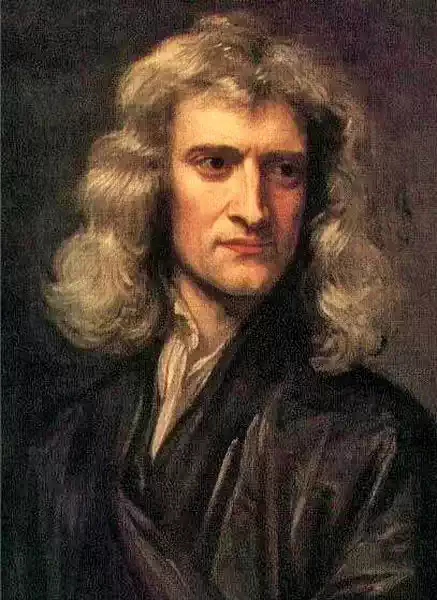
O Diamond! Diamond! thou little knowest the mischief done!
I teach you the superman. Man is something to be surpassed.
I don’t know what I may seem to the world, but as to myself, I seem to have been only like a boy playing on the sea-shore and diverting myself in now and then finding a smoother pebble or a prettier shell than ordinary, whilst the great ocean of truth lay all undiscovered before me.
If I have seen further it is by standing on the shoulders of giants.