
Quotes
Quotes to inspire and reflect
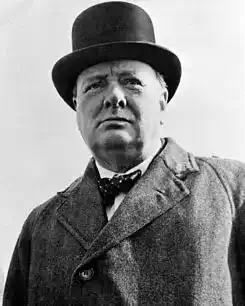
I have waited 50 years to see the boneless wonder sitting on the Treasury Bench.
[The Government] go on in strange paradox, decided only to be undecided, resolved to be irresolute, adamant for drift, solid for fluidity, all-powerful to be impotent.
Anyone can rat, but it takes a certain amount of ingenuity to re-rat.
The whole map of Europe has been changed … but as the deluge subsides and the waters fall short we see the dreary steeples of Fermanagh and Tyrone emerging once again.

I do not know whether it was Chou dreaming that he was a butterfly or the butterfly dreaming that it was Chou.
It cannot in the opinion of His Majesty’s Government be classified as slavery in the extreme acceptance of the word without some risk of terminological inexactitude.

He [Hercule Poirot] tapped his forehead.
War settles nothing … to win a war is as disastrous as to lose one!
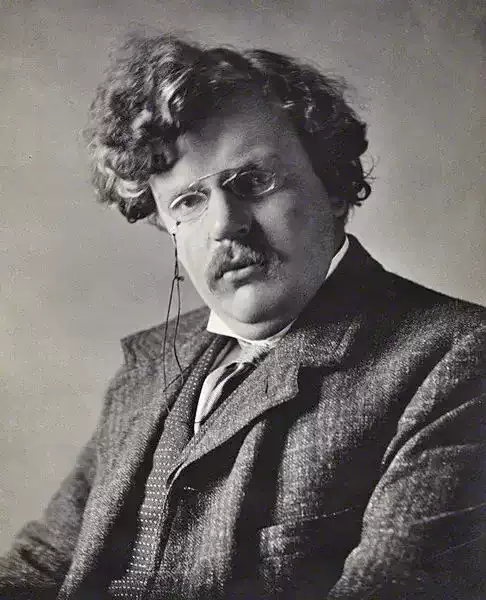
AM IN MARKET HARBOROUGH. WHERE OUGHT i TO BE?
When men stop believing in God they don’t believe in nothing; they believe in anything.
Journalism largely consists in saying ‘Lord Jones Dead’ to people who never knew that Lord Jones was alive.
Democracy means government by the uneducated, while aristocracy means government by the badly educated.
To be clever enough to get all that money, one must be stupid enough to want it.
If a thing is worth doing, it is worth doing badly.
The Christian ideal has not been tried and found wanting. It has been found difficult; and left untried.
Lying in bed would be an altogether perfect and supreme experience if only one had a coloured pencil long enough to draw on the ceiling.
They say travel broadens the mind; but you must have the mind.
It isn’t that they can’t see the solution. It is that they can’t see the problem.
All conservatism is based upon the idea that if you leave things alone you leave them as they are. But you do not. If you leave a thing alone you leave it to a torrent of change.
Democrats object to men being disqualified by the accident of birth; tradition objects to their being disqualified by the accident of death.
Tradition means giving votes to the most obscure of all classes, our ancestors. It is the democracy of the dead.
Thieves respect property. They merely wish the property to become their property that they may more perfectly respect it.
The rich are the scum of the earth in every country.
One sees great things from the valley; only small things from the peak.
Literature is a luxury; fiction is a necessity.
An adventure is only an inconvenience rightly considered. An inconvenience is only an adventure wrongly considered.
And Noah he often said to his wife when he sat down to dine,
Smile at us, pay us, pass us; but do not quite forget.
A merry road, a mazy road, and such as we did tread
For there is good news yet to hear and fine things to be seen,
Strong gongs groaning as the guns boom far,
Before the Roman came to Rye or out to Severn strode,
The cold queen of England is looking in the glass;
From all that terror teaches,
For the great Gaels of Ireland
Fools! For I also had my hour;
I tell you naught for your comfort,

MEDVEDENKO : Why do you wear black all the time?
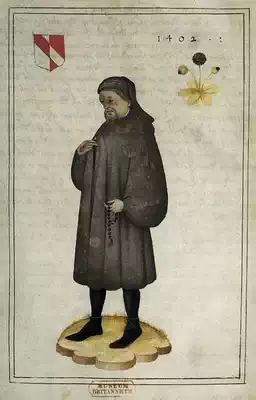
And ther he saugh, with ful avysement
O yonge, fresshe folkes, he or she,
For of fortunes sharpe adversitee
That lyf so short,
Wommen desiren to have sovereynetee
And she was fayr as is the rose in May.
A likerous mouth moste han a likerous tayl.
Yblessed be god that I have wedded fyve! Welcome the sixte, whan that evere he shal.
Love wol nat been constreyned by maistrye.
Mordre wol out; that se we day by day.