
Quotes
Quotes to inspire and reflect
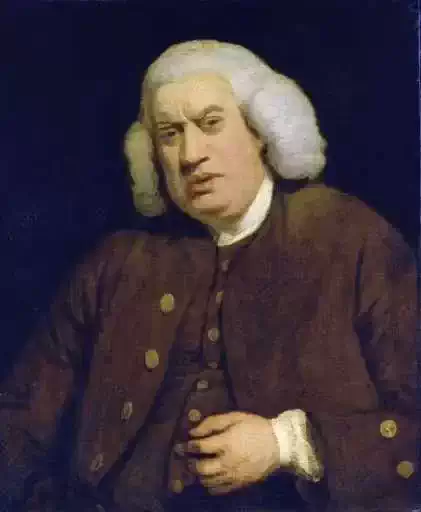
This mournful truth is ev’rywhere confessed— Slow rises worth, by poverty depress’d. 1
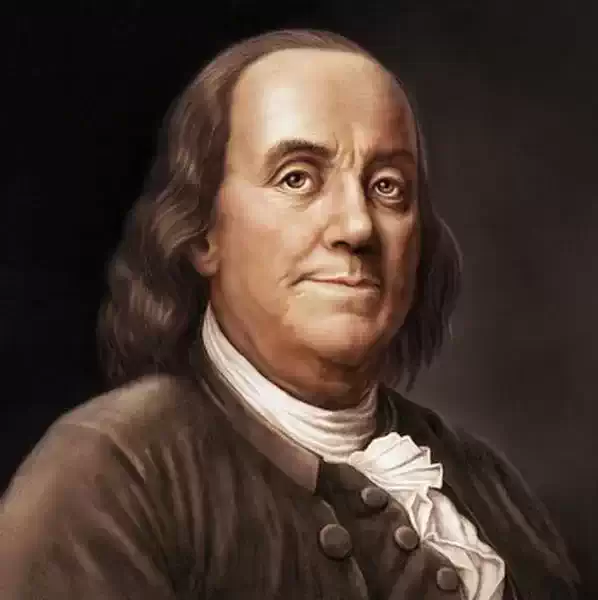
Work as if you were to live a hundred years, Pray as if you were to die tomorrow.
Here Skugg lies snug As a bug in a rug.
If you would not be forgotten, As soon as you are dead and rotten, Either write things worthy reading, Or do things worth the writing.
Little strokes, Fell great oaks.
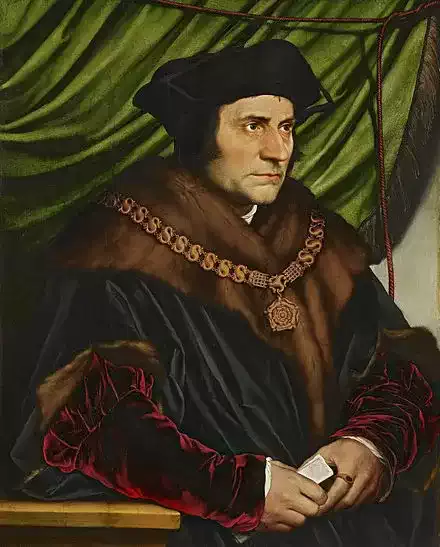
See, the conquering hero comes! Sound the trumpet, beat the drums! 1
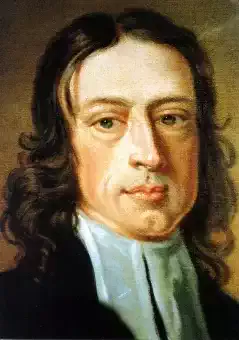
Do all the good you can, By all the means you can, In all the ways you can, In all the places you can, At all the times you can, To all the people you can, As long as ever you can.
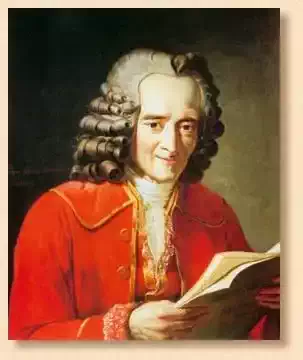
Whoever you are, behold your master, He is, or was, or has to be. 13
Who has not the spirit of his age, Of his age has all the unhappiness. 12
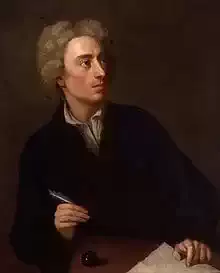
Religion blushing veils her sacred fires, And unawares Morality expires. Nor public flame, nor private, dares to shine; Nor human spark is left, nor glimpse divine! Lo! thy dread empire Chaos! is restor’d: Light dies before thy uncreating word; Thy hand, great Anarch! lets the curtain fall, And universal darkness buries all.
Stuff the head With all such reading as was never read: For thee explain a thing till all men doubt it, And write about it, Goddess, and about it.
The Right Divine of Kings to govern wrong.
A wit with dunces, and a dunce with wits.
Peel’d, patch’d, and piebald, linsey-woolsey brothers, Grave mummers! sleeveless some, and shirtless others. That once was Britain.
And proud his mistress’ orders to perform, Rides in the whirlwind and directs the storm.
Next o’er his books his eyes began to roll, In pleasing memory of all he stole.
A brain of feathers, and a heart of lead.
Poetic Justice, with her lifted scale, Where, in nice balance, truth with gold she weighs, And solid pudding against empty praise.
Whether thou choose Cervantes’ serious air, Or laugh and shake in Rabelais’ easy chair.
I am his Highness’ 8 dog at Kew; Pray tell me, sir, whose dog are you?
Nature and Nature’s laws lay hid in night: God said, Let Newton be! and all was light.
Father of all! in every age, In every clime ador’d, By saint, by savage, and by sage, Jehovah, Jove, or Lord!
And binding Nature fast in fate, Left free the human will.
We poets are (upon a poet’s word) Of all mankind the creatures most absurd: The season when to come, and when to go, To sing, or cease to sing, we never know.
Vain was the chief’s, the sage’s pride! They had no poet, and they died. 7
There still remains, to mortify a wit, The many-headed monster of the pit.
Ev’n copious Dryden wanted, or forgot, The last and greatest art—the art to blot.
One simile that solitary shines In the dry desert of a thousand lines.
The mob of gentlemen who wrote with ease.
In quibbles angel and archangel join, And God the Father turns a school-divine.
The people’s voice is odd, It is, and it is not, the voice of God.
Not to go back is somewhat to advance, And men must walk, at least, before they dance.
Get place and wealth, if possible with grace; If not, by any means get wealth and place.
A patriot is a fool in ev’ry age.
Give me again my hollow tree, A crust of bread, and liberty.
I’ve often wish’d that I had clear, For life, six hundred pounds a year; A handsome house to lodge a friend, A river at my garden’s end, A terrace walk, and half a rood Of land set out to plant a wood.
There St. John mingles with my friendly bowl The feast of reason and the flow of soul.
Satire’s my weapon, but I’m too discreet To run amuck, and tilt at all I meet.
I cannot sleep a wink.
Unlearn’d, he knew no schoolman’s subtle art, No language, but the language of the heart.
Wit that can creep, and pride that licks the dust.
And he himself one vile antithesis.
Yet let me flap this bug with gilded wings, This painted child of dirt, that stinks and stings; Whose buzz the witty and the fair annoys, Yet wit ne’er tastes, and beauty ne’er enjoys.
Means not, but blunders round about a meaning; And he whose fustian’s so sublimely bad, It is not poetry, but prose run mad.
Let Sporus tremble—“What? that thing of silk, Sporus, that mere white curd of ass’s milk? Satire or sense, alas! can Sporus feel? Who breaks a butterfly upon a wheel?”
This long disease, my life.
As yet a child, nor yet a fool to fame, I lisp’d in numbers, for the numbers came.
That true self-love and social are the same.