
Quotes
Quotes to inspire and reflect
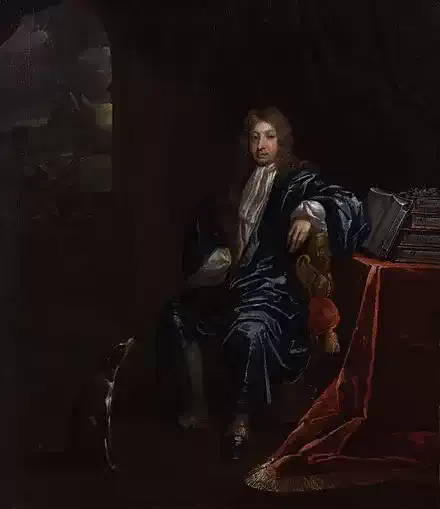
When I consider life, ’tis all a cheat; Yet, fool’d with hope, men favor the deceit; Trust on, and think tomorrow will repay. Tomorrow’s falser than the former day.
I am as free as Nature first made man, Ere the base laws of servitude began, When wild in woods the noble savage ran.
Death in itself is nothing; but we fear To be we know not what, we know not where.
By viewing Nature, Nature’s handmaid Art, Makes mighty things from small beginnings grow.
Pains of love be sweeter far Than all other pleasures are.
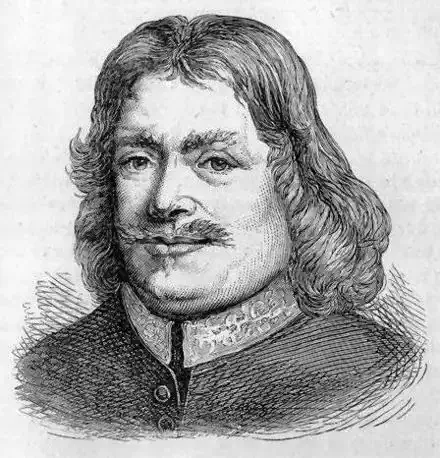
Who would true valor see, Let him come hither; One here will constant be, Come wind, come weather. There’s no discouragement Shall make him once relent His first avow’d intent
He that is down, needs fear no fall, He that is low, no pride.

God the first garden made, and the first city.
Some said, “John, print it”; others said, “Not so.” Some said, “It might do good”; others said, “No.”
Life is an incurable disease.
Ye fields of Cambridge, our dear Cambridge, say, Have ye not seen us walking every day? Was there a tree about which did not know The love betwixt us two?
Nothing is there to come, and nothing past, But an eternal now does always last.
What shall I do to be forever known, And make the age to come my own?
A mighty pain to love it is, And ’tis a pain that pain to miss; But of all pains, the greatest pain It is to love, but love in vain.
The thirsty earth soaks up the rain, And drinks, and gapes for drink again. The plants suck in the earth, and are With constant drinking fresh and fair.
Well then; I now do plainly see This busy world and I shall ne’er agree; The very honey of all earthly joy Does of all meats the soonest cloy, And they (methinks) deserve my pity, Who for it can endure the stings, The crowd, and buzz and murmurings, Of this great hive, the city.
Ah yet, ere I descend to the grave May I a small house and large garden have; And a few friends, and many books, both true, Both wise, and both delightful too!
This only grant me, that my means may lie Too low for envy, for contempt too high.
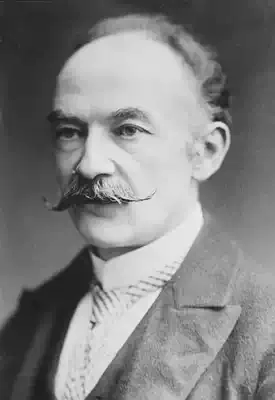
Matthew, Mark, Luke, and John, The bed be blest that I lie on. Four angels to my bed, Four angels round my head, 1 One to watch, and one to pray, And two to bear my soul away.

He that complies against his will Is of his own opinion still.
Neither have the hearts to stay, Nor wit enough to run away.
What makes all doctrines plain and clear? About two hundred pounds a year. And that which was proved true before, Prove false again? Two hundred more.
As the ancients Say wisely, have a care o’ th’ main chance, And look before you ere you leap; For as you sow, ye are like to reap.
He that imposes an oath makes it, Not he that for convenience takes it; Then how can any man be said To break an oath he never made?
Oaths are but words, and words but wind.
Love is a boy by poets styled; Then spare the rod, and spoil the child.
For what is worth in anything But so much money as ’twill bring?
Cleric before, and Lay behind; A lawless linsey-woolsey brother, Half of one order, half another.
I am not now in fortune’s power: He that is down can fall no lower.
Fly ’bout the ears of the old cur.
The trenchant blade, Toledo trusty, For want of fighting was grown rusty, And ate into itself, for lack Of somebody to hew and hack.
Such as do build their faith upon The holy text of pike and gun.
And prove their doctrine orthodox, By apostolic blows and knocks.
’Twas Presbyterian true blue.
And wisely tell what hour o’ th’ day The clock doth strike, by algebra.
For he by geometric scale, Could take the size of pots of ale.
A Babylonish dialect Which learned pedants much affect.
For rhetoric, he could not ope His mouth, but out there flew a trope.
For all a rhetorician’s rules Teach nothing but to name his tools.
He’d run in debt by disputation, And pay with ratiocination.
He could distinguish and divide A hair ’twixt south and southwest side, On either which he would dispute, Confute, change hands, and still confute.
Beside, ’tis known he could speak Greek As naturally as pigs squeak: 2 That Latin was no more difficile Than to a blackbird ’tis to whistle.
And pulpit, drum ecclesiastic, 1 Was beat with fist, instead of a stick.
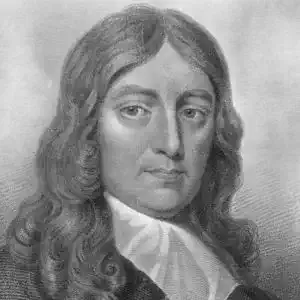
Calm of mind, all passion spent.
When civil fury first grew high, And men fell out they knew not why.
All is best, though we oft doubt, What the unsearchable dispose Of highest Wisdom brings about.
Nothing is here for tears, nothing to wail Or knock the breast, no weakness, no contempt, Dispraise, or blame, nothing but well and fair, And what may quiet us in a death so noble.
For evil news rides post, while good news baits.