
Quotes
Quotes to inspire and reflect

I might write four lines or I might write twenty. I subtract and I add until I really hit something I want to do. You don’t always whittle down, sometimes you whittle up.
17
Revision is just as important as any other part of writing and must be done con amore .
21
You can’t wait for inspiration. You have to go after it with a club.
18
When your Daemon is in charge, do not try to think consciously. Drift, wait and obey.
17
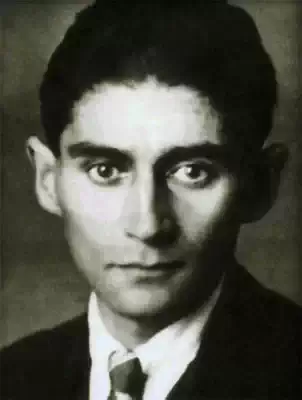
You do not need to leave your room. Remain sitting at your table and listen. Do not even listen, simply wait, be quite still and solitary. The world will freely offer itself to you to be unmasked, it has no choice, it will roll in ecstasy at your feet.
44
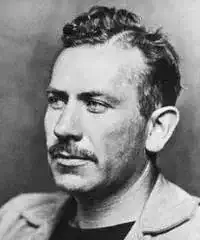
Write freely and as rapidly as possible and throw the whole thing on paper. Never correct or rewrite until the whole thing is down. Rewrite in process is usually found to be an excuse for not going on.
25

If, in the first chapter, you say there is a gun hanging on the wall, you should make quite sure that it is going to be used further on in the story.
15
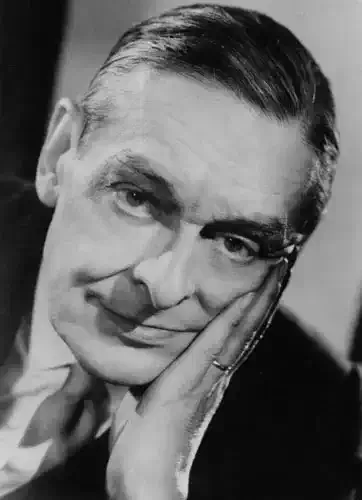
Immature poets imitate; mature poets steal.
18
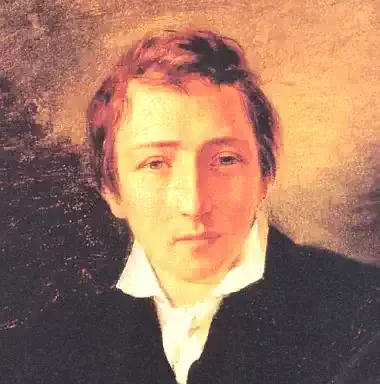
There is no Sixth Commandment in art. The poet is entitled to lay his hands on whatever material he finds necessary for his work.
20
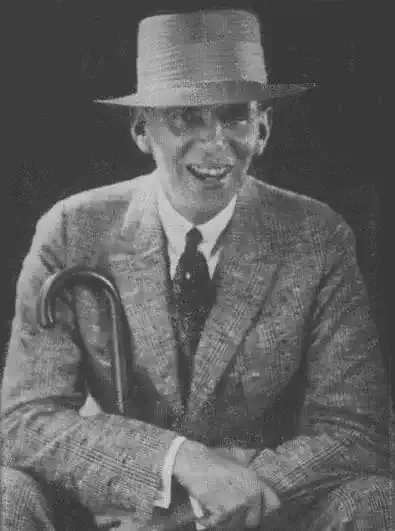
If you steal from one author it’s plagiarism. If you steal from many, it’s research.
12

Great literature must spring from an upheaval in the author’s soul. If that upheaval is not present, then it must come from the works of any other author which happen to be handy and easily adapted.
15
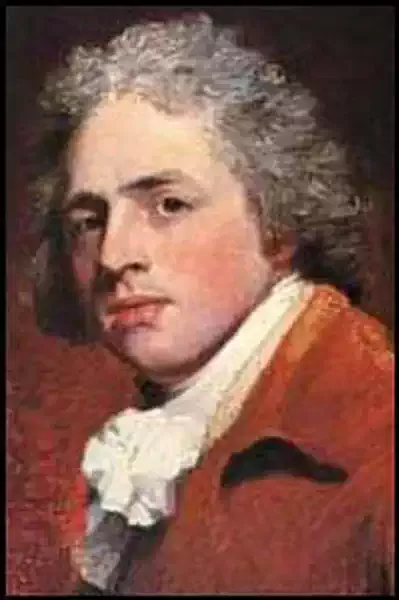
Steal! And egad, serve your best thoughts as gypsies do stolen children, disfigure them and make ’em pass for their own.
19
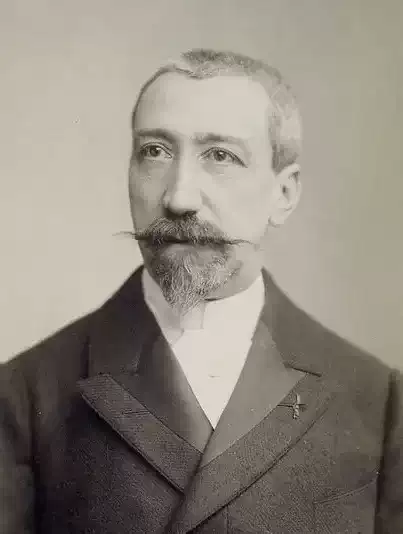
When a thing has been said and well said, have no scruple; take it and copy it. Give references? Why should you? Either your readers know where you have taken the passage and the precaution is needless, or they do not know and you humiliate them.
13
Whatever you do … avoid piles.
14
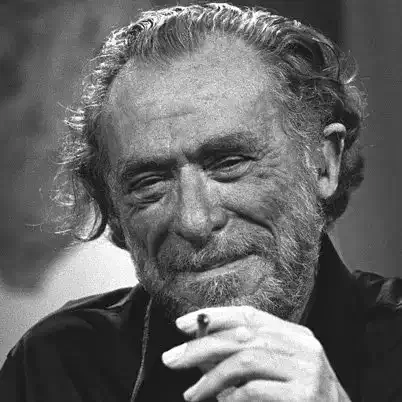
Darling, this is the trap: BELIEVE YOU ARE GOOD WHEN THEY TELL YOU YOU ARE GOOD AND YOU ARE THEREBY DEAD, DEAD, DEAD. Dead forever. Art is a day by day game of living and dying and if you live a little more than you die you are going to continue to create some pretty fair stuff, but if you die a little more than you live, you know the answer .
29
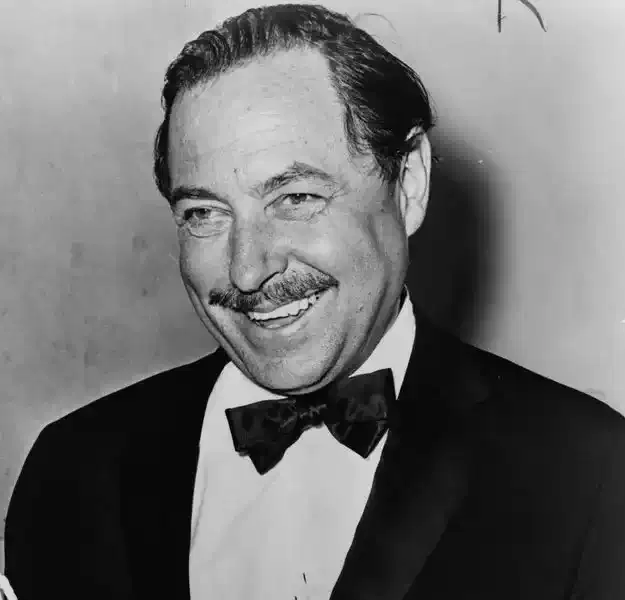
The terror of the white page in the typewriter.
18
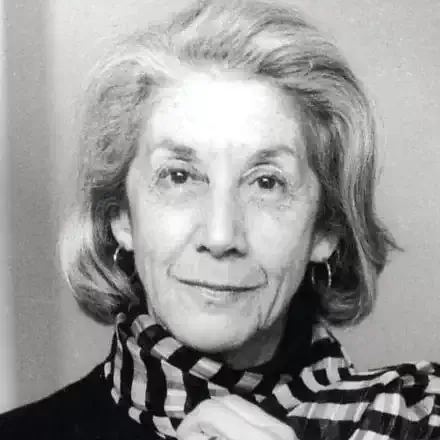
The solitude of writing is … quite frightening. It’s close sometimes to madness, one just disappears for a day and loses touch.
31
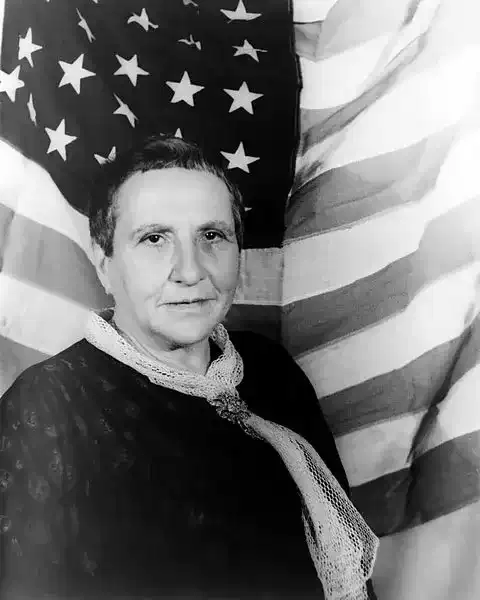
There is no doubt about it, in the twentieth century if you are to come to be writing really writing you cannot make a living at it no not by writing.
15
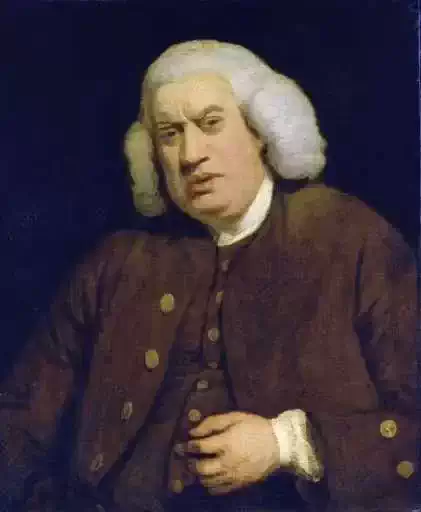
Sir, no man but a blockhead ever wrote except for money.
25
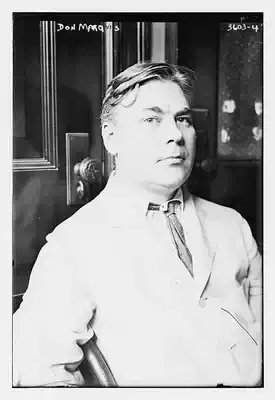
If you want to get rich from writing, write the sort of thing that’s read by persons who move their lips when they’re reading to themselves.
13

Write out of love; write out of instinct; write out of reason. But always for money.
27
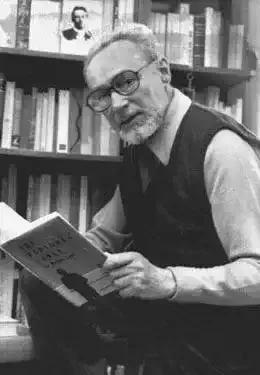
The effable is preferable to the ineffable.
26
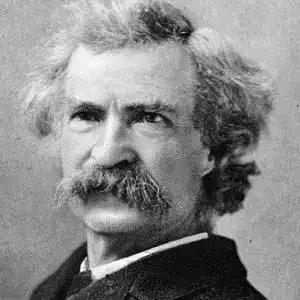
Write without pay until somebody offers pay; if nobody offers within three years, sawing wood is what you were intended for.
15
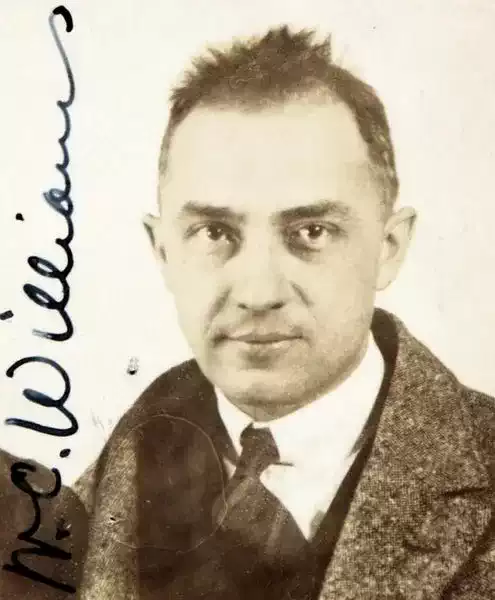
Poke around.
29

A poet ought not to pick nature’s pocket: let him borrow, and so borrow as to repay by the very act of borrowing. Examine nature accurately, but write from recollection, and trust more to your imagination than to your memory.
20
Study yr keeds. Kids. There are a lot of poems there. But don’t write about yr kids. Write about the human, what’s left of him, where he’s going, what he dropped on the floor .
22
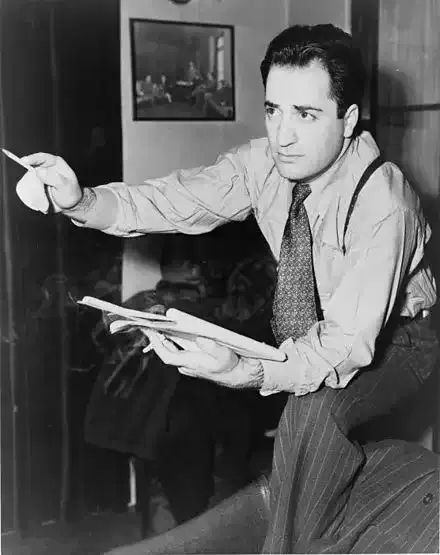
Writing fails because the writer does not know enough about his material. If he knows enough he will feel enough.
18
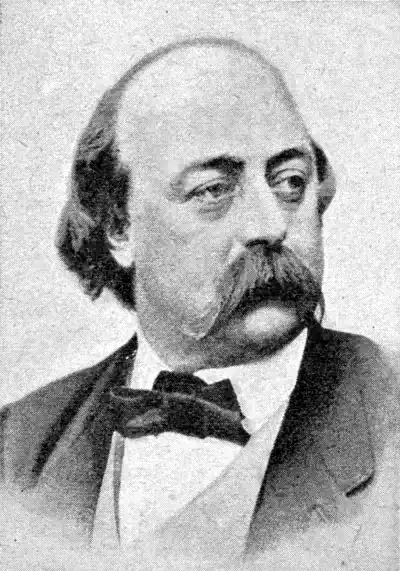
Yvetot [a small town in the north of France] is as good as Constantinople.
15

Very much of a novelist’s work must appertain to the intercourse between young men and young women.
21

A writer looking for subjects inquires not after what he loves best, but after what he alone loves at all.
19
Find a subject you care about and which you in your heart feel others should care about. It is this genuine caring, not your games with language, which will be the most compelling and seductive element in your style.
15
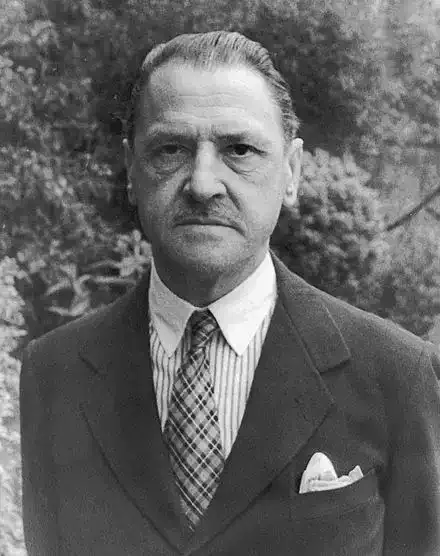
Prose alliteration should be used only for a special reason; when used by accident it falls upon the ear very disagreeably.
14
Usage is the only test. I prefer a phrase that is easy and unaffected to a phrase that is grammatical.
16
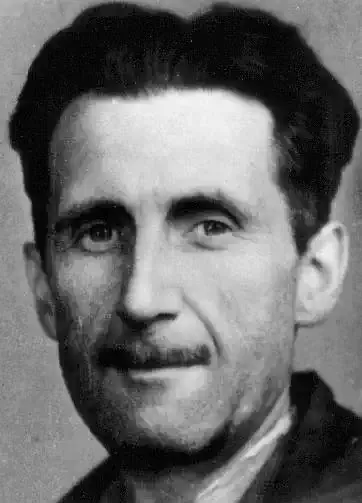
The great enemy of clear language is insincerity. When there is a gap between one’s real and one’s declared aims, one turns, as it were, instinctively to long words and exhausted idioms, like a cuttlefish squirting out ink.
21
Never use a metaphor, simile or other figure of speech which you are used to seeing in print. Never use a long word where a short one will do. If it is possible to cut a word out, always cut it out. Never use the passive where you can use the active. Never use a foreign phrase, a scientific word or a jargon word if you can think of an everyday British equivalent. Break any of these rules sooner than say anything outright barbaric.
14
Forward motion in any piece of writing is carried by verbs. Verbs are the action words of the language and the most important. Turn to any passage on any page of a successful novel and notice the high percentage of verbs. Beginning writers always use too many adjectives and adverbs and generally use too many dependent clauses. Count your words and words of verbal force (like that word “force” I just used).
14

Expressions such as “the former, the latter, the first, the second” should be used as seldom as possible: they are invitations to the reader’s eye to travel back—and it should be encouraged always to read straight on at an even pace.
30
When you catch an adjective, kill it.
12
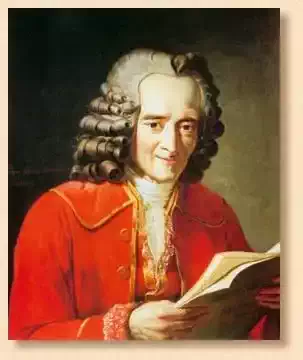
The adjective is the enemy of the noun.
16
Word has somehow got around that the split infinitive is always wrong. That is a piece with the outworn notion that it is always wrong to strike a lady.
12
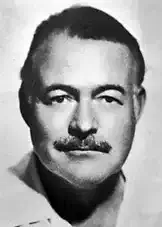
U SE SHORT SENTENCES . Use short first paragraphs. Use vigorous English, Be positive, not negative. Eliminate every superfluous word. Avoid the use of adjectives, especially such extravagant ones as splendid, gorgeous, grand, magnificent, etc.
18
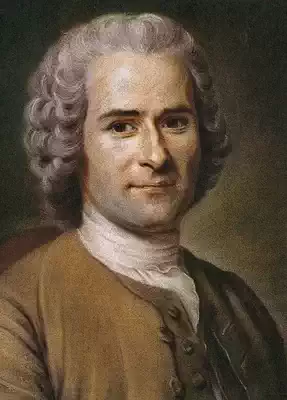
To write a good love letter, you ought to begin without knowing what you mean to say, and to finish without knowing what you have written.
15
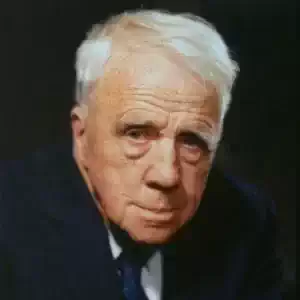
You can be a little ungrammatical if you come from the right part of the country.
15
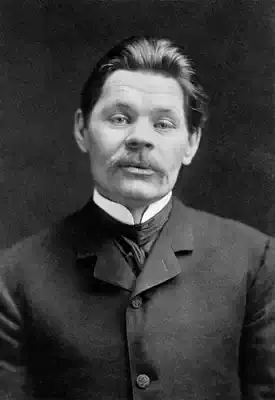
You must write for children in the same way you do for adults, only better.
16
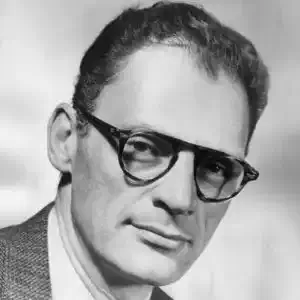
There really are no characters in plays; there are relationships . Where there are only characters and no relationships, we have an unsatisfactory play.
18
You have to take pains in a memoir not to hang on the reader’s arm, like a drunk, and say, “And then I did this and it was so interesting.”
17
Advice to young sportswriters: Read. And think. But as little as possible about sports.
17

A murder occurs; many are suspected; all but one suspect, who is the murderer, are eliminated; the murderer is arrested or dies.
15