John Keats
Author of the day

John Keats

John Keats was a leading figure of the second generation of English Romantic poets. Despite a short life, his prolific output of some of the most celebrated odes and sonnets in the English language profoundly impacted literature. His poetry is renowned for its sensory richness, exploration of beauty, and philosophical depth, often delving into themes of love, mortality, and the transient nature of existence. Keats's work, though not widely appreciated during his lifetime, is now considered a cor…

Poem of the day

Do Not Go Gentle Into That Good Night

Dylan Thomas
Do not go gentle into that good night, 
Old age should burn and rave at close of day; 
Rage, rage against the dying of the light. 

Though wise men at their end know dark is right, 
Because their words had forked no lightning they 
Do not go gentle into that good night. 

Good men, the last wave by, crying how bright 
Their frail deeds might have danced in a green bay, 
Rage, rage against the dying of the light. 

Wild men who caught and sang the sun in flight, 
And learn, too late, they grieved it on its way, 
Do not go gentle into that good night. 

Grave men, near death, who see with blinding sight 
Blind eyes could blaze like meteors and be gay, 
Rage, rage against the dying of the light. 

And you, my father, there on that sad height, 
Curse, bless, me now with your fierce tears, I pray. 
Do not go gentle into that good night. 
Rage, rage against the dying of the light.
Read full poem

Born on this day

13
Nauro Machado

Nauro Machado was a Brazilian poet, short story writer, novelist, and essayist, known for his work that explores the complexity of human existence with a rich and imagistic language. His writing spanned various forms, but poetry stood out for its philosophical depth and formal experimentation. Machado addressed universal themes such as love, death, time, and loneliness, always with an introspective gaze and a search for meaning in a constantly changing world. His vast literary output left a significant legacy in Brazilian literature, marked by originality and expressive force.

José Afonso

José Afonso was a Portuguese singer and songwriter, widely regarded as one of the most important figures in Portuguese protest music. His work, marked by deep poetry and social criticism, echoed the aspirations for freedom and justice of his time, becoming a symbol of resistance against the dictatorship. With a vast and influential discography, José Afonso left a lasting legacy in Portuguese music, with songs that continue to be sung and inspire generations, addressing universal themes such as love, the land, hope, and the struggle for human dignity.

Maria do Socorro Ribeiro

Maria do Socorro Ribeiro is a Brazilian writer whose literary and academic works focus on popular culture, Northeastern identity, and the condition of women in Brazil. Her writing is marked by in-depth research and profound empathy with the themes she addresses, seeking to give voice to often marginalized narratives. She is recognized for her contribution to cultural studies and the appreciation of literature produced outside major urban centers.

Félix Pacheco

Félix Pacheco was a poet whose work was part of a vibrant literary context, exploring language and poetic forms with originality. His writing is notable for its ability to evoke deep sensations and reflections on life and art.

Fernando Couto

Fernando Pessoa is widely recognized as one of the greatest poets in the Portuguese language and a central figure of modernism. He stood out for the creation of multiple heteronyms, each with its own personality, style, and work, which made him a multifaceted and innovative poet. His work explores profound themes such as identity, the fleetingness of time, melancholy, and the existential quest. Pessoa left a vast and complex literary legacy, with a production that spans poetry, prose, and criticism. His work, often published posthumously, continues to fascinate readers and critics with its originality, philosophical depth, and formal mastery, consolidating him as one of the most influential poets of the 20th century.

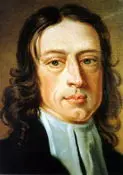
John Wesley

John Wesley (1703-1791) was an English Anglican cleric and theologian who became a central figure in the Methodist movement. Along with his brother Charles, he founded Methodism, a movement that emphasized personal religious experience, holiness, and the importance of charitable works. Wesley's preaching and writings had a profound impact on evangelical Christianity.

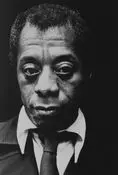
James Baldwin

James Baldwin was a prominent American writer and activist, known for his poignant essays and novels that explored racial and sexual complexities in America. His work frequently addressed themes such as racism, homosexuality, and the human condition, with powerful and passionate prose.

The hardest thing about writing, in a sense, is no
Pedro Bandeira Freire

Pedro Bandeira Freire was a poet whose work stands out for its lyrical depth and exploration of universal themes. His poetry reflects a keen sensitivity to the human condition, addressing love, loss, and the passage of time with a careful and imagistic language. Although less known to the general public, his contribution to the poetry of his time is notable for the originality and expressive force of his verses.

Bei Dao

Bei Dao is one of China's most important contemporary poets, a founding member of the "Misty Poetry" movement. His work is known for its somber lyricism, enigmatic imagery, and engagement with the complexities of life in post-revolutionary China. He is an influential voice in modern Chinese literature.

Died on this day

5
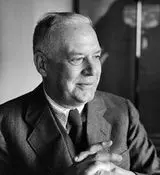
Wallace Stevens

Wallace Stevens was a prominent American Modernist poet. He is known for his meticulously crafted verse that explores the relationship between imagination and reality, the role of the poet in society, and the nature of beauty and perception. His work is characterized by its philosophical depth, vivid imagery, and distinctive use of language, often evoking a sense of rich, sensory experience.

A High-Toned Old Christian Woman
Elisabeth Veiga

Elisabeth Veiga is a contemporary literary figure whose poetic work explores the complexities of human existence and the nuances of interpersonal relationships. Through careful language and refined sensitivity, her work addresses themes such as memory, identity, and the ephemerality of time, inviting the reader to deep introspection. Her poetry is distinguished by its ability to evoke strong images and genuine emotions, establishing an intimate dialogue with those who read it. Veiga has been consolidating her presence in the literary scene through publications that reflect stylistic maturity and a constant search for new forms of poetic expression.

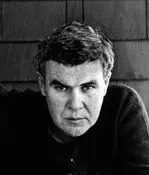
Raymond Carver

Raymond Carver was an American writer known for his concise and realistic prose, often focusing on the lives of the working class and their challenges. His work, characterized by economy of language and psychological depth, portrays characters in moments of crisis and transition, exploring loneliness, disillusionment, and the search for meaning in an apparently mundane world. Carver is considered a prominent figure in literary minimalism.

Francisco da Silveira

Francisco da Silveira was a distinguished Portuguese academic, poet, and translator. Recognized for his vast culture and contribution to classical studies and literature, he dedicated a large part of his life to teaching and research. His poetic work, although less prolific than his academic output, reveals a particular sensibility and mastery of form, engaging with literary tradition. His facet as a translator, especially of classical texts, underscores his deep connection to cultural heritage.

José Juan Tablada

Mexican poet and diplomat, a pioneer of modernism and the avant-garde in his country's poetry. Tablada is recognized for his experimental boldness, especially in introducing the haiku into Spanish, and for his fusion of Eastern and Western influences. His work explores themes such as ephemeral beauty, melancholy, and aesthetic renewal, marking a before and after in 20th-century Mexican and Latin American poetry.