Poem of the day

Do Not Go Gentle Into That Good Night

Dylan Thomas
Do not go gentle into that good night, 
Old age should burn and rave at close of day; 
Rage, rage against the dying of the light. 

Though wise men at their end know dark is right, 
Because their words had forked no lightning they 
Do not go gentle into that good night. 

Good men, the last wave by, crying how bright 
Their frail deeds might have danced in a green bay, 
Rage, rage against the dying of the light. 

Wild men who caught and sang the sun in flight, 
And learn, too late, they grieved it on its way, 
Do not go gentle into that good night. 

Grave men, near death, who see with blinding sight 
Blind eyes could blaze like meteors and be gay, 
Rage, rage against the dying of the light. 

And you, my father, there on that sad height, 
Curse, bless, me now with your fierce tears, I pray. 
Do not go gentle into that good night. 
Rage, rage against the dying of the light.
Read full poem

Born on this day

8
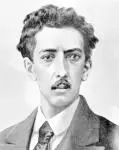
Aníbal Nazaré

Aníbal Nazaré was a Portuguese poet known for his introspective and melancholic lyricism. His work explores themes such as the passage of time, memory, and the human condition, often tinged with a serene pessimism. Nazaré stood out for the musicality of his verses and the depth of his reflections, establishing himself as a unique voice in Portuguese poetry of his generation.

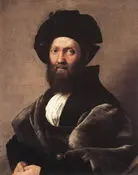
Baldassare Castiglione

Baldassare Castiglione was an Italian humanist, poet, writer, and diplomat of the Renaissance. He is best known for his work "The Book of the Courtier", a manual on the ideal behavior and education of a courtier, which had a great influence on European culture.

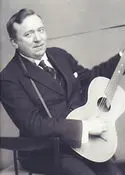
Birger Sjöberg

Birger Sjöberg was a Swedish poet and composer, known for his songs and poems that capture the melancholy and beauty of everyday life. His most famous work, "Frida's Book", is a collection of poems and songs that have become classics of Swedish popular music. Sjöberg is remembered for his ability to evoke deep feelings with simplicity and lyricism.

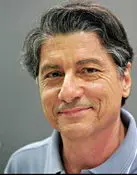
Urbano Tavares Rodrigues

Urbano Tavares Rodrigues was a prominent Portuguese writer, poet, and essayist, known for his multifaceted work that addressed social, political, and existential themes. His writing is marked by a profound humanism, a strong sense of civic engagement, and an exploration of the human condition in its various aspects. He was an influential figure in Portuguese culture of the 20th and early 21st centuries, leaving a significant literary and intellectual legacy.

Eladio Cabañero

Eladio Cabañero is a contemporary Spanish poet, recognized for his contribution to lyrical poetry. His work stands out for its sensitivity in approaching universal themes, such as love, nature, and the passage of time, with a refined and emotional poetic language.

Joyce Kilmer

Joyce Kilmer was an American poet, journalist, and literary critic. He is best known for his patriotic poem "Trees," which captured the popular imagination for its vivid imagery and straightforward sentiment. His work often reflects a deep appreciation for nature, faith, and the values of his time, though he is also remembered for his untimely death during World War I.

But, of your courtesy, Monsignore,

Died on this day

13
Afonso Henriques Neto

Afonso Henriques Neto was a Brazilian poet, whose work is part of the context of contemporary poetry. His writing is marked by a strong lyrical and reflective charge, addressing themes such as the human condition, time, and memory, with a language that combines sensitivity and formal rigor.

Félix Pacheco

Félix Pacheco was a poet whose work was part of a vibrant literary context, exploring language and poetic forms with originality. His writing is notable for its ability to evoke deep sensations and reflections on life and art.

Ricardo León

Ricardo León was a Spanish writer, primarily known for his novel "Casta "", a work that portrays Spanish society in the early 20th century with a realistic and detailed style. His writing is characterized by the exploration of themes such as family, tradition, and social conflicts, reflecting a deep understanding of human psychology and the cultural nuances of his time.

Virgílio de Lemos

Virgílio de Lemos was a Portuguese poet, essayist, and literary critic, a prominent figure in the 20th-century cultural scene. His poetic work is marked by a deep reflection on existence, the human condition, and language. As an essayist and critic, he contributed significantly to the analysis and dissemination of literature, being recognized for his erudition and insightful vision.

Maria Lamas

Maria Lamas was a Portuguese writer, journalist, and activist, whose work spanned various literary genres, with a notable focus on the novel. Her writing frequently addressed the female condition, social inequalities, and the yearning for freedom, within a historical context of great challenges. She was a prominent figure in the feminist movement in Portugal, dedicating a large part of her life to the struggle for women's rights. Her legacy is marked by her courage, her assertive voice, and her significant contribution to literature and social activism.

Carlos Camacho

Carlos Camacho is a name associated with Portuguese-language poetry, with a body of work that stands out for its originality and exploration of existential and social themes. His writing, often marked by a strong critical and reflective component, addresses the complexity of the human being and their relationship with the world. His poetry is an invitation to introspection and reinterpretation of reality.

Jean Loisy

Jean Loisy was a French poet and writer, known for his work reflecting on nature, spirituality, and the human condition. His poetry is often marked by introspective language and a search for meaning. He addresses existential themes with sensitivity, exploring the individual's relationship with the world and with themselves.

Luis Javier Moreno Madroño

Luis Javier Moreno Madroño is a Spanish writer and professor, whose work focuses on literary analysis and creation. His production encompasses both creative writing and essays, reflecting a deep interest in language, culture, and literary history.

Manuel Acuña

Manuel Acuña was a Mexican poet considered one of the most representative figures of Romanticism in his country. His work, marked by a deep melancholy and heightened sensitivity, addresses themes such as unrequited love, the fleetingness of life, and death. Despite his short existence, he left an indelible mark on Mexican literature, being remembered for his romantic fervor and tragic life.