

Awards
Prix Goncourt de la poésie
Goncourt Poésie
Description
Origins and Purpose of the Prix Goncourt de la Poésie
The Prix Goncourt de la poésie, although less known than its more famous sibling, the Prix Goncourt, plays a crucial role in promoting and recognizing poetry in France. Created in 1970, this award aims to celebrate excellence in the poetic art, annually distinguishing a work published in the previous year. Its creation arises in a context where poetry, although fundamental to literary history, sometimes struggles for visibility and recognition compared to other more commercially viable literary genres.
Selection Criteria and Evaluation Process
The selection criteria for the Prix Goncourt de la poésie focus on the artistic quality of the work, the originality of the poetic voice, thematic depth, and mastery of language. The jury, composed of members of the Académie Goncourt and poetry specialists, evaluates the submitted works with a critical and informed eye, seeking to identify those that best represent the vitality and innovation of contemporary French poetry. It is not just about awarding a book, but about highlighting a poet who, through their work, significantly contributes to the literary landscape.
Evolution and Adaptation of the Award
Over the decades, the award has evolved, adapting to changes in the world of poetry and publishing. Although its main structure remains, the Academy has shown openness to recognizing different poetic styles and approaches, from the more traditional lyricism to avant-garde experimentation. This flexibility is essential to ensure that the award remains relevant in such a dynamic field as poetry.
Relevance and Cultural Impact
The relevance of the Prix Goncourt de la poésie lies in several aspects. Firstly, it confers considerable prestige on the awarded author, increasing their visibility among readers and literary critics. This recognition can translate into increased sales of the awarded book and greater demand from publishers for future publications. Secondly, the award contributes to the appreciation of poetry as a serious and important literary genre, encouraging the reading and discussion of poetic works. In an era dominated by fast-consumption content, the Goncourt de la poésie serves as a beacon, reminding us of the depth and enduring power of the poetic word.
Special Distinctions and Career Recognition
Interestingly, the award is not limited to recognizing individual works. Sometimes, the Academia Goncourt may decide to grant a special award to a poet for their entire body of work, recognizing a career dedicated to poetry and a significant literary legacy. This additional distinction underscores the Academy's commitment to honoring not only emerging talents but also established masters of the poetic art.
Significance and Legacy
In summary, the Prix Goncourt de la poésie, despite not having the same media impact as the main award, is a distinction of great literary value in France. It celebrates the beauty, intelligence, and emotion of poetry, ensuring that this art form continues to flourish and inspire new generations of readers and writers. Its existence is a testament to the continued importance of poetry in French culture and an encouragement for poets from all over the country to continue exploring the depths of language and human experience.
Winners

James Sacré

James Sacré, pseudonym of James Rindlisbacher, was a French-speaking Swiss poet and writer. His poetic work is known for its apparent simplicity, but it is loaded with profound reflection on everyday life, nature, and the ephemerality of existence. He stood out for his accessible writing, dense with meaning, inviting the reader to rediscover the beauty in simple things.

Louis-Philippe Dalembert


Laura Vazquez


Jean-Michel Maulpoix

Jacques Roubaud

Michel Deguy

Yvon Le Men

Anise Koltz


Franck Venaille

Jean-Pierre Siméon

William Cliff


Charles Juliet
Charles Juliet is a French writer known for his introspective and deeply personal work, which often explores themes such as childhood, memory, the relationship with the body, and the search for meaning amidst life's adversities. His writing is marked by a brutal honesty and an exploration of the complexities of the human psyche. His work, which includes novels and diaries, is a continuous attempt to understand himself and the world, often through a raw and unadorned language that reveals great sensitivity and vulnerability.

Jean-Claude Pirotte

Vénus Khoury-Ghata


Guy Goffette

Abdellatif Laabi

Abdellatif Laâbi is a Moroccan poet, novelist, and playwright, known for his committed work that addresses themes such as identity, exile, social justice, and the complexity of human relationships. His writing is characterized by a strong lyrical sensibility and a deep concern for the human condition. A prominent figure in Francophone literature, Laâbi has a vast body of work that reflects his origins, life experiences, and critical view of the world. He is recognized for his powerful voice in defending human rights and promoting intercultural dialogue.

Claude Vigée

Marc Alyn

Alain Jouffroy

Charles Dobzynski
Charles Dobzynski was a French poet and translator, whose work is characterized by social and political engagement, combined with a deep lyrical sensibility. His poetry, often inspired by his Jewish origins and life experiences, addresses themes such as memory, identity, justice, and hope. Dobzynski was also an active promoter of culture and literature, especially regarding poetry and its dissemination.

Jacques Chessex

Philippe Jaccottet
Philippe Jaccottet was a French-language Swiss poet and essayist, widely recognized for his lyrical and reflective work. His poetry explores the relationship between man and nature, the passage of time, memory, and the search for a more attentive gaze upon the world. Jaccottet also distinguished himself as a translator and literary critic, leaving a significant intellectual legacy.

Andrée Chedid

Claude Esteban

Liliane Wouters
Liliane Wouters was a notable Belgian poet and novelist. Her work is characterized by a deep exploration of the human condition, memory, and the passage of time, often immersed in a lyrical and evocative language. She addressed themes such as identity, love, and loneliness, weaving narratives that resonate with the complexity of human emotions. Her unique literary style established her as an important voice in contemporary literature.

Jacques Réda

Loránd Gáspár

Maurice Chappaz

André Velter
André Velter is a French poet, novelist, and essayist, known for his work that frequently explores the relationship between the human being, nature, and the cosmos. His writing is marked by a rich and imagistic language, with a strong influence of surrealism and symbolism. He is dedicated to a poetic exploration that transcends the limits of the everyday. With a vast and multifaceted work, Velter addresses themes such as dreams, the unconscious, spirituality, and the search for transcendence. His contribution to literature lies in the way he manages to unite the real and the imaginary, creating literary universes that invite contemplation and discovery. He is an important figure in contemporary poetry and prose.

Lionel Ray
Lionel Ray is a French poet and literary critic whose work is characterized by a profound reflection on language and poetry itself. His writing explores the boundaries of verse, often experimenting with form and rhythm to capture the essence of human experience. He is known for his critical intelligence and dedication to the study of poetry. With a career dedicated to poetic exploration and literary analysis, Ray contributes significantly to the debate on contemporary poetry. His work invites readers to a new appreciation of the written word and its power to evoke and question the world. He is an important voice in modern French poetry.

Georges Emmanuel Clancier
Georges Emmanuel Clancier was a French poet, novelist, and essayist, whose work is characterized by a profound reflection on the human condition, nature, memory, and the passage of time. His poetry, often marked by a serene melancholy and great musicality, explores the tensions between being and becoming, the visible and the invisible. Clancier is recognized for his lyrical and philosophical writing, which dialogues with literary tradition and offers a unique vision of existence.

Jean-Claude Renard
Jean-Claude Renard is a French writer and poet, whose work is characterized by the exploration of philosophical and existential themes, with a rich and evocative language. He is recognized for his ability to move between poetry and prose, always maintaining a reflective depth and a lyrical style that captivates his readers.

Charles Le Quintrec
Charles Le Quintrec was a French poet and novelist, whose work often portrays the landscape and life in Brittany. His writing is marked by deep lyricism and a strong connection to the land and traditions. He is recognized for his ability to capture the soul of his native region in his poems and narratives, offering a sensitive look at nature and the human condition.
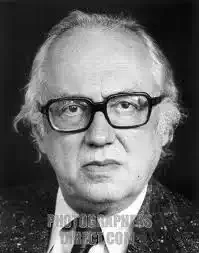
Alain Bosquet
Alain Bosquet was a Franco-Belgian poet, novelist, art critic, and journalist. Known for his prolific poetic work and his activity as an art critic, Bosquet explored themes such as love, memory, and the human condition in its various facets. His poetic writing is often characterized by its musicality and its ability to evoke vivid images.

Eugène Guillevic
Eugène Guillevic was a French poet, known for his work exploring the relationship between humanity and the natural world, often with a contemplative and philosophical tone. His poetry is marked by formal simplicity and depth of thought, addressing themes such as the earth, time, and existence with clear and evocative language.

Yves Bonnefoy
