

Awards
Premio Nacional de Literatura de Chile
Description
History and Institution
The National Prize for Literature of Chile, established in 1942, is the most prestigious and important literary distinction awarded by the Chilean State. Its creation aimed to honor and encourage national literary production, recognizing the careers and merits of writers who have contributed significantly to the country's literary heritage. The prize is awarded every two years by the Ministry of Cultures, Arts and Heritage, through the National Council of Books and Reading.
Evaluation Criteria and Jury
The evaluation criteria focus on the author's complete body of work, valuing its literary quality, originality, influence, and impact on Chilean and Latin American literature. It is not about awarding a specific book, but rather the career and legacy of a writer. The choice is made by a jury composed of personalities of recognized prestige in the literary and academic fields, including representatives from universities, the Chilean Academy of the Language, and other cultural institutions.
Relevance and Impact
The relevance of the National Prize for Literature of Chile is immense. In addition to the public recognition and prestige it confers upon the laureate, the prize includes a monetary endowment aimed at supporting the author in continuing their work or in future projects. Its award is a milestone in any writer's life, consolidating their position in the Chilean and international literary canon. Many of the winners have become central figures in Chile's cultural identity, with their works being studied in schools and universities and inspiring generations of new writers.
Historical Laureates
Throughout its history, the prize has been awarded to some of the most important names in Spanish-language literature, such as Gabriela Mistral (who later won the Nobel Prize in Literature), Pablo Neruda (also a Nobel Prize winner), Nicanor Parra, Isabel Allende, Antonio Skármeta, Diamela Eltit, among many others. The list of winners reflects the diversity and richness of Chilean literary production, encompassing poetry, prose, drama, and essay.
Curiosities and Evolution
An interesting curiosity is that, although it was created in 1942, the prize only began to be effectively awarded in 1942, with the poet Fernando Santiván being the first recipient. The initial frequency was annual, but it became biennial in 1974. The jury's choices are not always consensual, generating debates and reflections on the criteria for literary value and representation in Chilean literature, which, in a way, also attests to its importance and the interest it sparks.
Legacy
The National Prize for Literature of Chile is not just an award; it is a seal of excellence that consecrates careers and contributes to the preservation and dissemination of a country's literary memory.
Winners

Ramón Díaz Eterovic

Ramón Díaz Eterovic is a prominent Chilean writer, mainly known for his narrative work, especially his detective novels featuring the detective Heredia. His writing is characterized by a direct, agile style and a keen sense of social observation, which allows him to portray the reality of Chile with rawness and often with black humor. His work has received numerous awards and recognitions, consolidating him as a fundamental figure in contemporary Spanish-language literature, both in Chile and internationally.

Elvira Hernández


Hernán Rivera Letelier

Elicura Chihuailaf

Diamela Eltit

Manuel Silva Acevedo

Antonio Skármeta

Óscar Hahn
Óscar Hahn is a Chilean poet, literary critic, and academic, recognized for his existentialist poetry and his exploration of the human condition, death, love, and identity. His work is characterized by deep philosophical reflection and formal mastery, often tinged with irony and a lucid tone. With a consolidated career, Hahn has been an influential voice in Chilean and Latin American poetry, exploring the tensions between life and death, transcendence and immanence, and the search for meaning in an often chaotic world. His poetry invites deep meditation on existence.
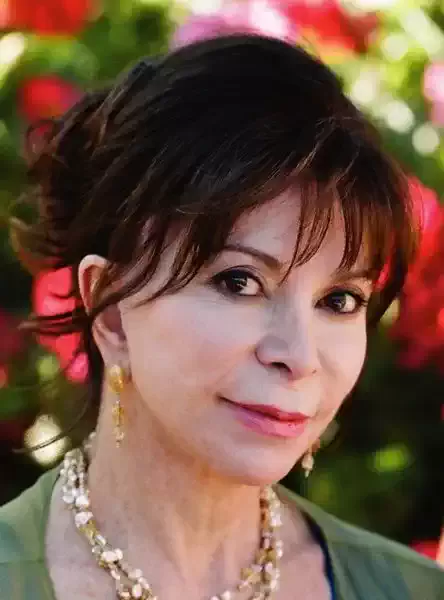
Isabel Allende

Efraín Barquero
Efraín Barquero was a Chilean poet, whose work is characterized by musicality, the exploration of Latin American identity, and profound lyricism. His poetry stands out for its formal beauty and its ability to evoke intense landscapes and feelings, reflecting his connection to the land and the cultural roots of his continent.

José Miguel Varas

Armando Uribe

Volodia Teitelboim

Raúl Zurita


Alfonso Calderón

Miguel Arteche
Miguel Arteche is a Chilean poet and essayist, a member of the Chilean Academy of Language. His poetic work is recognized for its lyrical depth, its reflection on existence, and its formal mastery. Arteche has dedicated himself to exploring the nuances of language and the search for a deeper meaning of life in his verses.

Jorge Edwards
Jorge Edwards Valdés was a distinguished Chilean writer, recognized for his prolific narrative and essayistic work. His writing is characterized by a deep exploration of Chilean identity, memory, and history, often through complex characters and situations laden with social and political tension. His elegant and precise style earned him numerous accolades and established him as one of the most important voices in 20th and 21st-century Spanish-language literature.
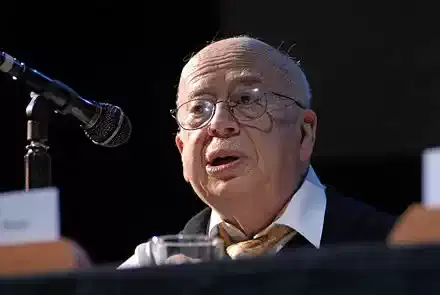
Gonzalo Rojas
Gonzalo Rojas was a Chilean poet recognized for his intense and innovative work. His poetry is marked by a deep reflection on the human condition, exploring themes such as love, death, time, and identity with a powerful and imagistic language. He is considered one of the most important voices in 20th-century Latin American poetry, with a unique style that bridges existentialism and visceral sensuality.

José Donoso

Eduardo Anguita

Enrique Campos Menéndez

Braulio Arenas
Braulio Arenas Pacheco was a multifaceted Chilean artist, known mainly for his work as a poet, playwright, and novelist. His work is characterized by a strong element of experimentation, surrealism, and a deep exploration of the subconscious and the human condition. He was a central figure in the Chilean surrealist movement.

Marcela Paz
Marcela Paz, whose real name was Esther Huneeus Cox, was a Chilean writer widely known as the creator of "Papelucho", a very popular children's book series. Her work focused on the children's universe, humorously and sensitively portraying a child's adventures and thoughts, winning over generations of readers.

Roque Esteban Scarpa

Rodolfo Oroz

Arturo Aldunate Phillips
Arturo Aldunate Phillips was a Chilean writer, historian, and professor. He dedicated himself to the study and dissemination of the history and culture of his country, with an emphasis on specific periods and prominent figures. His work ranges from literature to historical research, always seeking to preserve and enrich Chilean cultural heritage.

Sady Zañartu

Edgardo Garrido

Humberto Díaz Casanueva
Humberto Díaz Casanueva was a prominent Chilean poet and essayist, known for his deep reflection on existence, time, and the human condition. His poetic work is marked by lyrical and philosophical language, exploring solitude, memory, and the search for transcendence. Considered one of the most important voices in 20th-century Chilean poetry, Casanueva developed an introspective and contemplative style, which engages with existential and metaphysical currents. His essays also contributed to literary and philosophical criticism in his country.

Carlos Droguett
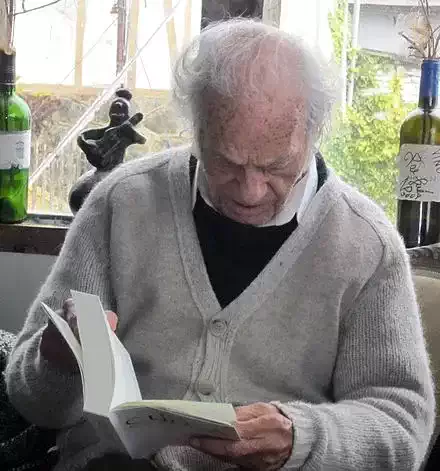
Nicanor Parra
Nicanor Parra was one of the most important Chilean poets of the 20th century, creator of "anti-poetry", a literary genre that rejects traditional poetic language in favor of a more direct, colloquial, and ironic expression. His work questions social and literary conventions, using humor, satire, and common sense to demystify reality and poetry itself. Parra is known for his originality, his biting social criticism, and his profound impact on Latin American literature, being considered a fundamental figure of Chilean Modernism and an unmistakable voice in universal poetry.

Hernán del Solar
Hernán del Solar was a notable Chilean writer, known for his contribution to children's and youth literature. His work frequently explored themes of folklore and Chilean culture, presenting captivating stories and memorable characters. He dedicated himself to creating narratives that educated and entertained, leaving an important legacy in children's literature in Chile and other Spanish-speaking countries. His style was characterized by clarity and imagination, seeking to awaken young readers' interest in reading and discovering new stories. Del Solar is remembered as an author who knew how to translate the essence of Chilean culture into accessible and charming tales.

Salvador Reyes Figueroa
Salvador Reyes Figueroa was a notable Chilean writer and poet, with a body of work that moves between prose and verse, exploring the culture, history, and identity of Chile. His writing is marked by a deep connection with literary traditions and a humanistic vision, sensitively addressing the complexities of Chilean life and society.

Juvencio Valle
Juvencio Valle was a Chilean poet whose work stood out for its sensitivity and depth in exploring the human condition and the landscapes of southern Chile. His poetry, often melancholic and reflective, addresses themes such as time, memory, solitude, and the ephemeral beauty of existence, consolidating him as an important lyrical voice in Chilean literature.

Pablo de Rokha
Pablo de Rokha, pseudonym of Carlos Díaz Loyola, was a Chilean poet of great projection, recognized for his avant-garde and socially engaged work. His poetry is marked by a powerful and experimental language, exploring themes such as the human condition, social injustice, and the search for an authentic national identity, making him a central figure in Latin American poetry.

Francisco Coloane

BenjamÃn Subercaseaux

Juan Guzmán Cruchaga
Juan Guzmán Cruchaga was a Chilean poet and professor, known for his lyrical poetry and his contribution to education in his country. His poetic work, although less extensive than that of other contemporaries, is marked by the delicacy and depth of his verses, exploring themes such as nature and spirituality.

Marta Brunet

Julio Barrenechea

Hernán DÃaz Arrieta

Diego Dublé Urrutia
Diego Dublé Urrutia was a notable Chilean poet, known for his lyricism and for exploring profound themes in his work. His poetry stands out for its musicality and expressive force, earning a prominent place in the literature of his country.

Manuel Rojas

Max Jara

Francisco Antonio Encina

Víctor Domingo Silva
Víctor Domingo Silva was a notable Chilean poet, professor, and politician. His poetic work is marked by deep lyricism and a strong sense of nationalism, celebrating Chilean identity and landscape. As an educator and public figure, Silva dedicated a large part of his life to promoting culture and education in his country, leaving a significant legacy in the fields of literature and public service.

Daniel de la Vega
Daniel de la Vega is a contemporary Chilean writer, known for his contribution to fantastic and horror literature. His work explores dark and psychological themes, often delving into the macabre and the inexplicable. With an engaging prose and a unique ability to create disturbing atmospheres, de la Vega has stood out in the Spanish-language literary scene, winning over readers who appreciate narratives that challenge the limits of reality and explore the darkest corners of the human mind.

Fernando Santiván
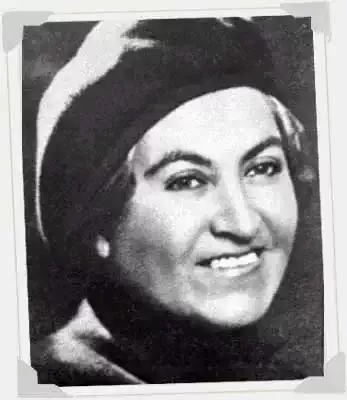
Gabriela Mistral
Gabriela Mistral was a Chilean poet, diplomat, educator, and feminist. She is the first Latin American to receive the Nobel Prize in Literature, in 1945. Her work is marked by themes such as love, motherhood, nature, pain, and the search for social justice, with a profound and emotional language.

José Santos Gonzalez Vera

Pedro Prado

Ãngel Cruchaga Santa MarÃa

Samuel Lillo
Samuel Lillo is a Chilean literary figure, known for his contribution to literature through his works.

Eduardo Barrios
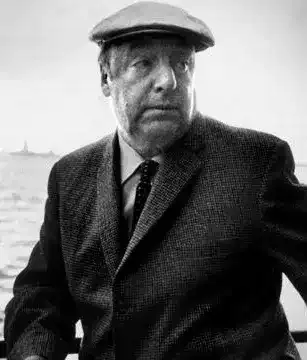
Pablo Neruda
Pablo Neruda was a Chilean poet, diplomat, and politician. He is widely regarded as one of the most influential poets of the 20th century, celebrated for his lyrical and evocative verse, which often explored themes of love, nature, politics, and everyday life. Neruda's prolific output and diverse thematic concerns earned him international acclaim, culminating in the Nobel Prize in Literature in 1971. His work is characterized by its passionate imagery, sensuous language, and profound connection to the landscapes and people of Latin America.

Mariano Latorre

JoaquÃn Edwards Bello
