

Awards
Prémio Literário Sagrada Esperança
Prémio Sagrada Esperança
Description
Origin and Objectives
The Sagrada Esperança Literary Prize is a distinction of great importance in the Angolan and Lusophone literary landscape, created with the objective of encouraging literary production and honoring authors who stand out for the quality of their works. Instituted in Angola, this prize has been consolidating itself as one of the most prestigious on the African continent and in the community of Portuguese-speaking countries.
History and Genres Covered
The history of the prize dates back to the need to value Angolan culture and identity through literature, promoting dialogue between the diverse literary expressions of the Lusophone world. Throughout its editions, the Sagrada Esperança Prize has sought to cover a varied range of literary genres, including poetry, prose (novel and short story) and, in some editions, essay or dramaturgy, depending on the guidelines established by the jury and the organizers.
Evaluation Criteria
The evaluation criteria generally focus on originality, the aesthetic quality of writing, thematic relevance, capacity for innovation, and contribution to the enrichment of the Portuguese language and culture in general. The jury is composed of renowned personalities from the literary, academic, and cultural spheres, ensuring a rigorous and impartial selection process.
Pan-Lusophone Character
One of the striking characteristics of the Sagrada Esperança Prize is its openness to authors from Angola and other Lusophone countries, which gives the prize a pan-Lusophone character and promotes the exchange of experiences and the dissemination of talents from different origins. This scope contributes to the construction of a stronger and more interconnected literary network among countries that share the Portuguese language.
International Impact and Relevance
The relevance of the prize lies not only in the individual recognition of the awarded authors but also in the impact it has on promoting reading and disseminating Angolan and Lusophone literature internationally. The winning and finalist works gain visibility, being frequently translated and published in other markets, reaching a wider audience.
Cultural Significance and Celebration
Curiosities about the prize include its symbolic connection with "Sagrada Esperança" (Sacred Hope), a name that evokes optimism, resilience, and the pursuit of a better future, themes often explored in African and Lusophone literature. The award ceremony is a significant cultural event, bringing together writers, publishers, academics, and literature lovers, celebrating the richness of literary expression in Portuguese. Each edition, the prize offers a new perspective on the trends and challenges of contemporary literature, reaffirming its role as a beacon of inspiration and a catalyst for literary creativity.
Winners

Aníbal Simões


Kizola Ângelo Chaniel

Francisco Agostinho Dias Neto

Alberto Oliveira Pinto


Manuel Adriano Paulo (Marigan)

Adriano Mixinge

Ondjaki
Ondjaki is a contemporary Angolan writer, whose work stands out for its originality, lyricism, and the way it portrays the reality and culture of Angola. He is known for his vibrant prose and his ability to create rich and engaging fictional universes, addressing themes such as childhood, memory, and social transition.

António Setas

Fragata de Morais

João Maimona
João Maimona is a poet whose work stands out for its expressive force and exploration of social and existential themes. His poetry is a reflection of experiences and sharp observations about reality, using direct and, at times, raw language, but always full of emotion. Maimona frequently addresses identity, the human condition, and the complexities of social relationships, establishing himself as a relevant voice in contemporary poetry.
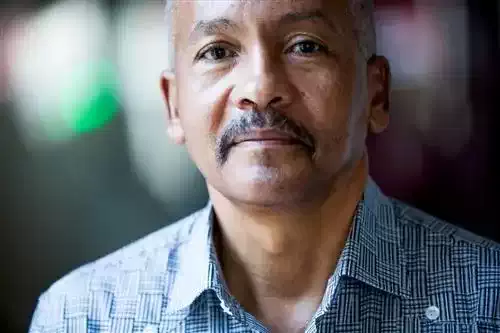
José Luis Mendonça
José Luís Mendonça, a recognized Angolan poet, stood out for his lyrical voice and for the way his work intertwines with the complexities of identity, history, and the human condition in Africa. His poetry is an invitation to reflect on collective and individual experiences, marked by evocative language and profound sensitivity. Mendonça is an essential figure in Portuguese-language African literature, whose writing continues to inspire and provoke debate.

Manuel Rui
Manuel Rui is an Angolan writer, recognized for his vast work encompassing poetry, prose, and theater, being a prominent figure in Portuguese-language African literature. His writing is marked by a strong social and political consciousness, reflecting the realities of Angola, from the struggle for independence to the challenges of post-coloniality. With an often colloquial language, but imbued with lyricism and irony, Manuel Rui addresses themes such as identity, memory, justice, and the human condition. His work is fundamental to understanding Angola's history and culture, offering a unique perspective on its conflicts and aspirations.