

Awards
Premio Fastenrath
Fastenrath
Description
History and Origins of the Award
The Fastenrath Prize, awarded by the Royal Academy of Fine Arts of San Fernando in Spain, is one of the oldest and most prestigious literary accolades in the country. Its origin dates back to the legacy of D. Juan Fastenrath, a wealthy merchant and philanthropist of German origin who lived in Spain and who, in his will, left a considerable sum of money to the Academy for the purpose of establishing a literary prize. The objective was to encourage the creation of works of high literary quality, which would contribute to the enhancement of Spanish culture.
The prize was formally instituted in 1901 and, since then, has been awarded intermittently, depending on the availability of funds and the Academy's decision. Throughout its history, the Fastenrath Prize has distinguished a significant number of writers who have become central figures in Spanish literature.
Characteristics and Selection Criteria
Although it does not have fixed categories like some modern awards, the Academy has tended to favor works of poetry and prose, valuing stylistic excellence, thematic depth, and originality. The selection of the winners is made by a jury composed of members of the Royal Academy, which gives the award an academic character and recognition by the highest cultural authorities of the country.
Its relevance lies not only in the prestige associated with the Academy but also in its ability to promote authors and works that might otherwise have a more limited reach.
Value and Frequency of the Award
The monetary value of the prize has varied over time, sometimes being more symbolic than financial, but the distinction itself has always been highly valued by writers. Interestingly, the Fastenrath Prize is not awarded annually, which makes it even more special and coveted when announced. This irregular frequency, combined with the requirement of literary merit, makes each edition an anticipated cultural event.
Cultural Impact and Legacy
Its history is intrinsically linked to the evolution of Spanish literature in the 20th and 21st centuries, reflecting the literary trends and values of each era. The Academy, by managing this legacy, plays a fundamental role in preserving and promoting literary excellence in Spain, honoring Juan Fastenrath's vision and contributing to the nation's cultural heritage.
The absence of a specific category allows for greater flexibility in the choice, encompassing everything from historical novels to innovative poetry collections, as long as they demonstrate exceptional command of the language and a significant contribution to the literary landscape. Its importance transcends mere individual recognition, serving as a seal of quality and an incentive for avant-garde and lasting literary creation.
Winners

José Ãlvarez Junco


Guillermo Carnero

Álvaro Pombo

Jon Juaristi

Francisco Brines
Francisco Brines was a Spanish poet, considered one of the most important voices in Spanish poetry in the second half of the 20th century. His work is characterized by a deep reflection on the human condition, the passage of time, memory, love, and nature, with a lyrical and restrained language. Brines explored existential themes with particular sensitivity, seeking beauty in everyday experiences and in the contemplation of the natural world. His poetry, although often melancholic, possesses an inner strength and serenity that invite introspection, consolidating him as a master of contemporary Spanish lyricism.

Pedro Ortiz Armengol

Fernando Fernán Gómez

Javier Marías

Lauro Olmo

Enrique Badosa

Antonio Pereira

Miguel Ãngel Lozano Marco

Antonio Porpetta
Antonio Porpetta is a recognized Spanish poet, writer, and professor. His poetic work is often associated with social and existential poetry, addressing themes such as urban life, solitude, and the search for identity. He also distinguished himself as an important promoter of reading and children's and young adult literature.

Alberto Navarro González

Blanca GarcÃa-Valdecasas

Santos Sanz Villanueva

José Miguel Santiago Castelo
José Miguel Santiago Castelo is a Spanish poet whose work fits into the line of poetry of experience and reflection on the everyday. His poetry is marked by clear and accessible language, but filled with depth and emotion. He explores themes such as the passage of time, memory, nature, and human relationships. Castelo is also known for his work as a literary critic and professor, which gives him a broad perspective on contemporary literature. His poetic work is an invitation to rediscover the beauty in simple things and find meaning in the most common experiences.

Alfonso Vallejo
Alfonso Vallejo is a Spanish playwright and writer, recognized for his contribution to contemporary theater. His theatrical work is marked by a strong sense of social criticism and the exploration of human conflicts in extreme situations. He stands out for the originality of his plots and his ability to create complex and believable characters. Vallejo also engages in other literary genres, demonstrating versatility. His writing is incisive and provocative, inviting the audience and the reader to reflect on the contradictions of society and human nature.

Rafael Montesinos
Rafael Montesinos is a Spanish poet and essayist. His work is marked by a profound reflection on existence, language, and poetry itself. He stands out for his erudition and his ability to dialogue with the literary tradition, while renewing it with a personal and contemporary perspective. His poetic style is characterized by musicality, vocabulary precision, and a fertile imagination, exploring universal themes with unique sensitivity. In addition to his lyrical production, Montesinos has also dedicated himself to the study of literature, contributing critical essays that deepen the understanding of various authors and movements.

Jesús Fernández Santos

Andrés Amorós

Justo Jorge Padrón

Ana Diosdado

Mercedes Formica

Ãngel MarÃa de Lera

José Luis Cano

José Luis Cano was a Spanish poet, literary critic, and translator. His poetic work is characterized by a deep and serene gaze upon reality, exploring themes such as memory, the passage of time, nature, and the human condition with precise and evocative language. As a critic, he dedicated himself to the study of contemporary Spanish poetry, standing out for his rigor and analytical sharpness. His work as a translator also enriched the Spanish literary landscape. He is considered a relevant figure in the poetry and criticism of his generation.

Aquilino Duque

Torcuato Luca de Tena

Luis de Castresana

Ana María Matute

José MarÃa Alonso Gamo

Manuel Mantero
Manuel Mantero was a Spanish poet, essayist, and literary critic, associated with the Generation of '50. His poetic work is characterized by rigorous language and profound reflection on the human condition, existence, and reality. As an essayist and critic, he stood out for the clarity of his analyses and his contribution to the study of Spanish literature and culture. His intellectual activity encompassed literary creation as well as criticism and theoretical reflection.

Jaime Salom

Pedro de Lorenzo

Miguel Alonso Calvo
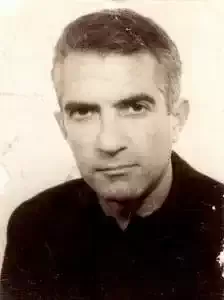
Blas de Otero
Blas de Otero was one of the most relevant Spanish poets of the second half of the 20th century, a key figure of the so-called "social poetry." His work is characterized by a deep human and ethical commitment, addressing themes such as injustice, solidarity, hope, and the search for freedom. With a direct and emotional language, Otero managed to connect with a wide audience, becoming the voice of many who longed for a more just world. His poetry, marked by formal simplicity and expressive force, remains a reference for committed poetry in Spanish.

Ramón SolÃs

Miguel Delibes
Miguel Delibes was one of the most important Spanish writers of the 20th century, known for portraying the rural life of Castile and traditional values. His work is characterized by a realistic style, accessible language, and a profound social and environmental concern. He is recognized for his ability to give voice to peasants and for his subtle critique of modernity.

Luis Felipe Vivanco
Luis Felipe Vivanco was a Spanish poet and literary critic, associated with the Generation of 36 and the movement called "Rationalist Poetry" (Poesía Racionalista). His poetic work, although less numerous than that of some contemporaries, is recognized for its expressive force, existential reflection, and formal rigor. He explored themes such as anguish, solitude, the search for meaning, and social reality, with clear and objective language. As a critic, Vivanco contributed to the analysis and dissemination of the work of other poets, playing an important role in the understanding and appreciation of the poetry of his time. His literary trajectory represents a testament to the complexity and concerns that marked Spanish literature in the mid-20th century.

José García Nieto
Spanish poet whose work is part of the Generation of '50. His poetry is characterized by a deep reflection on the human being, time, and the existential condition, often tinged with melancholy and a search for transcendence. García Nieto explored both traditional form and free verse, imbuing his verses with great musicality and emotional depth.

Edgar Neville

Luis GarcÃa de Valdeavellano

Carlos Bousoño
Carlos Bousoño was a distinguished Spanish poet and literary critic, a central figure in post-war Spanish poetry and one of the foremost experts on the work of Juan Ramón Jiménez. His poetic work, marked by a profound reflection on being, time, and reality, is characterized by its formal rigor, careful language, and constant search for truth and beauty. As a critic, his analysis of contemporary poetry and his erudition established him as an undisputed authority in the Spanish literary sphere.

Leopoldo Panero
Spanish poet, member of the Generation of '50, known for his rooted and existential poetry. His work is characterized by introspection, the exploration of vital anguish, death, and the search for meaning in an often desolate world. His language is direct and his tone, often somber.

José López Rubio

Carmen Laforet

Julián MarÃas

Ginés de Albareda Herrera
Ginés de Albareda Herrera was a Spanish jurist and professor, notable for his contribution to the field of law. His academic career was marked by dedication to the study and teaching of law, influencing generations of students and professionals in the field. He stood out for his erudition and intellectual rigor, addressing complex issues with clarity and depth. His work reflects a profound knowledge of legal traditions and a critical view of the institutions of his time.

Juan Antonio Cabezas

Francisco Layna Serrano

Dámaso Alonso
Dámaso Alonso y Perales was a Spanish poet, philologist, and literary critic. He is considered a central figure in the Generation of '27, a literary movement that marked 20th-century Spanish poetry. His poetic work is known for its introspection and reflection on the human condition, while his work as a philologist and critic left a lasting legacy in the study of the Spanish language and literature.

Juan Antonio de Zunzunegui

Adriano del Valle
Adriano del Valle was a Spanish poet, literary critic, and professor. His poetic work, although concise, is marked by lyrical depth and the exploration of universal themes such as love, death, and the search for meaning. As a critic, he contributed to the analysis of various authors and literary movements of his time, demonstrating a keen eye and notable erudition. His work as a professor also left a legacy, inspiring generations of students with his passion for literature and knowledge.

Luciano de Taxonera

Ricardo del Arco y Garay

Francisco de CossÃo

José MarÃa de CossÃo

José MarÃa Morón

Hipólito González y RodrÃguez de la Peña

AgustÃn Millares Carlo

Emilio GarcÃa Gómez

Eduardo Luis del Palacio Fontán

Eusebio de Gorbea Lemni

Félix de Llanos y Torriglia

Antonio Porras Márquez

Ãngel Valbuena Prat

José del RÃo Sainz

Miguel Jiménez Aquino
Miguel Jiménez Aquino was a Spanish jurist and politician, known for his work in the field of law and his public career. As a magistrate and member of various legal institutions, he contributed to the development and application of law in his country. His professional trajectory reflects a deep understanding of the legal system and a commitment to justice and legal order, leaving a mark in his field of work.

Vicente Lámperez y Romea

Francisco Camba

Juan de Contreras y López de Ayala

Narciso Alonso Cortés

Guillermo DÃaz-Caneja

Mauricio López-Roberts

Enrique de Mesa
Enrique de Mesa was a Spanish poet, known for his lyrical work and sonnets. His writing frequently explored themes such as love, nature, and melancholy, reflecting romantic and post-romantic sensibilities.

Alejandro Pérez LugÃn

Concha Espina
Concha Espina was a renowned Spanish writer, whose work stood out for its engaging prose and social themes. In her novels and short stories, she addressed the realities of daily life, the complexities of human relationships, and social injustices, with a critical and sensitive eye. Her writing, marked by realism and strong empathy with her characters, earned her recognition and literary awards. Concha Espina is remembered as one of the most important female voices in Spanish literature, with a body of work that remains relevant for its literary quality and its portrayal of society.

Marcos Rafael Blanco Belmonte
Marcos Rafael Blanco Belmonte was a Spanish poet and writer, a relevant figure in the literary scene of his time. His poetic work is marked by lyrical sensitivity and a deep reflection on existential and social themes. He also dedicated himself to prose, contributing texts that explored the human condition and the reality of his time. Belmonte is remembered for his contribution to Spanish poetry, with a style that combines lyricism and a critical view of the world.

Manuel de Sandoval

Ciro Bayo

Arturo Reyes

Arturo Reyes was a Colombian journalist, writer, and politician, known for his work that portrays the life and customs of the Colombian Caribbean region. His writings are marked by a lively and detailed style, capturing the essence of the local people and culture. As a journalist, Reyes dedicated himself to covering events in his homeland, contributing to the press with chronicles and reports that often became the basis for his literary works. His political activity was also linked to the defense of the interests of the Caribbean region. Reyes' work is fundamental to understanding the cultural and social identity of Caribbean Colombia.

Ricardo León
Ricardo León was a Spanish writer, primarily known for his novel "Casta "", a work that portrays Spanish society in the early 20th century with a realistic and detailed style. His writing is characterized by the exploration of themes such as family, tradition, and social conflicts, reflecting a deep understanding of human psychology and the cultural nuances of his time.

Carlos Fernández Shaw
Carlos Fernández Shaw was a Spanish poet and playwright, a prominent figure of literary modernism in Spain. His work is characterized by refined language, the musicality of his verses, and themes that explore sensuality, exoticism, and melancholy. As a poet, he contributed to renewing the metrics and poetic themes of his time, influenced by French authors and modernist aesthetics. In theater, he wrote plays that reflect the taste of his time, with elaborate dialogues and plots that explore passionate and social conflicts. His influence extended to other writers and artists.