
Awards
Premio Internacional de Poesía Fundación Loewe
Premio Loewe Poesía
Description
History and Objectives
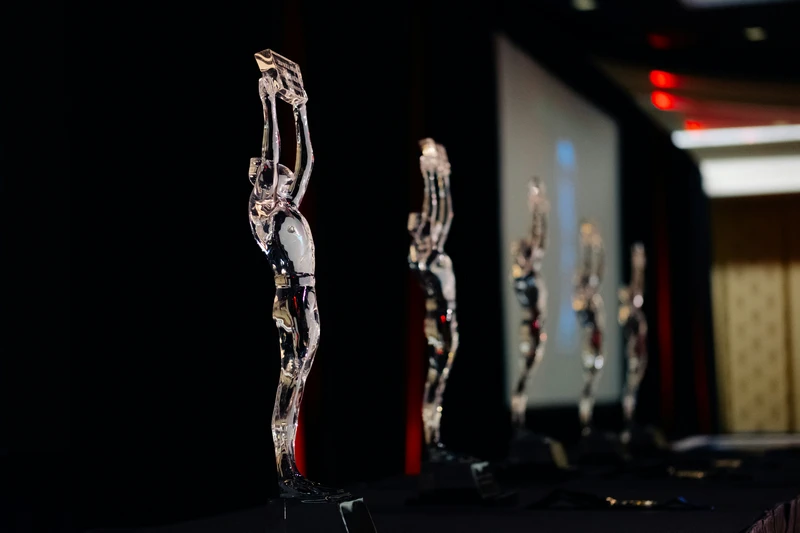
The Premio Internacional de Poesía Fundación Loewe is one of the most important and prestigious awards in the Spanish-language poetry scene. Created in 1987 by the Fundación Loewe, with the aim of promoting and disseminating poetic creation, this award annually distinguishes an unpublished poetic work written in Spanish. Its relevance transcends the borders of Spain, attracting submissions from poets from all over the Hispanic world.
Criteria and Selection Process
The selection criteria for the Premio Loewe are rigorous and focus on the literary quality, originality, thematic depth, and formal excellence of the poem. The jury is composed of renowned figures in the world of literature, ensuring a thorough and impartial evaluation process. The winning work is published by Editorial Visor, one of the most respected poetry publishers in Spain, thus ensuring wide dissemination and access to the reading public.
Value and Recognition
The monetary prize associated with the award is one of the highest of its kind, which significantly contributes to the attractiveness of the competition and the recognition of the winning poet's work. This value, along with the editorial projection, gives the winner a considerable boost in their literary career.
Impact on Poets' Careers
Throughout its history, the Premio Loewe has been a springboard for many poets, both established and emerging, helping to consolidate their careers and bring visibility to their works. The list of winners includes prominent names in contemporary Spanish-language poetry, reflecting the diversity of styles and approaches that coexist in current poetry.
Focus on Unpublished Work
One of the distinctive features of the award is its commitment to unpublished works. This means that the award is not limited to recognizing a poet's trajectory, but rather to discovering and awarding new voices and new poetic proposals. This focus on novelty is crucial for the vitality of poetry, encouraging experimentation and renewal.
The Premio Internacional de Poesía Fundación Loewe annually distinguishes an unpublished poetic work written in Spanish.
Award Modalities
In addition to the main prize, the Fundación Loewe has, in some editions, awarded special mentions or prizes for consolidated careers, such as the Premio a la Obra Poética Publicada, which recognizes the career of poets who already have a significant body of work. This duality of awards allows for coverage of different aspects of poetic creation.
Cultural Impact
The cultural impact of the Premio Loewe is undeniable. By celebrating poetry, the foundation contributes to the appreciation of literature and the maintenance of a rich and vibrant literary tradition. The award ceremony, usually held in Madrid, is a prominent cultural event, bringing together writers, publishers, critics, and poetry lovers.
In summary, the Premio Internacional de Poesía Fundación Loewe is not just a monetary recognition, but a seal of quality and an important engine for the dissemination of Spanish-language poetry, with a reach and influence that extend far beyond Spanish borders. Its longevity and the caliber of its winners attest to its importance and prestige on the international literary scene.
Winners

Hugo Mujica

Hugo Mujica is a renowned Argentine poet, essayist, and professor. His poetic work is marked by a profound philosophical and existential reflection, exploring themes such as time, memory, silence, and the search for transcendence. He also dedicates himself to teaching and disseminating philosophy, with an accessible and captivating language.

Javier Velaza

Javier Velaza is a scholar and writer focused on areas such as philology and history. His work is dedicated to the investigation and dissemination of aspects of culture and language, especially in the context of the Iberian Peninsula. He is known for his erudition and the clarity with which he presents complex topics, making his knowledge accessible to a wider audience. His research ranges from antiquity to more recent periods of history and literature.

Diego Roel
Diego Roel is an author whose work focuses on narratives that explore the complexities of the human condition. His writing is marked by deep sensitivity and a keen eye for the nuances of interpersonal relationships and existential dilemmas. His texts frequently address universal themes such as love, loss, identity, and the search for meaning, presented in an engaging and reflective manner. Roel is recognized for his ability to create captivating characters and for a prose that, while accessible, invites introspection.

Reiniel Pérez


Orlando Mondragón

Orlando Mondragón is a Colombian poet whose work is part of a deep reflection on the human condition, identity, and the search for meaning in a constantly changing world. His poetry is marked by dense language and powerful imagery that seek to capture the complexity of emotions and experiences. With an authentic poetic voice and a keen eye on social and existential reality, Mondragón has built a consistent body of work that dialogues with literary traditions while remaining contemporary in its concerns. His role as a poet establishes him as a relevant figure in Colombia's literary scene.

Diego Doncel
Diego Doncel is a Spanish poet and writer, known for his intimate and reflective lyricism. His poetic work explores themes such as the passage of time, memory, identity, and the relationship between human beings and nature and the universe. Doncel stands out for the musicality of his verses and his ability to translate deep feelings and perceptions into words.

Aurora Luque
Aurora Luque is a Spanish poet, essayist, and translator, whose work is recognized for its lyrical strength, intelligence, and its approach to themes such as the body, sexuality, mythology, and history from a feminist perspective. With a distinctive and innovative poetic voice, Luque has been an important figure in the renewal of contemporary Spanish poetry. Her writing boldly explores language, weaving cultural references with contemporary sensibility and a strong social commitment.

Basilio Sánchez

Ben Clark

Ben Clark is an Anglo-Spanish writer and poet, known for his work that spans novels, poetry, and short stories, often exploring urban themes, youth, and identity in a contemporary context. His writing is characterized by a direct and energetic style, with a sharp eye for the social and existential realities of his characters. Clark has established himself as a relevant voice in recent Spanish literature, in both prose and verse.

José Ramón Ripoll

Víctor Rodríguez Núñez

Óscar Hahn

Óscar Hahn is a Chilean poet, literary critic, and academic, recognized for his existentialist poetry and his exploration of the human condition, death, love, and identity. His work is characterized by deep philosophical reflection and formal mastery, often tinged with irony and a lucid tone. With a consolidated career, Hahn has been an influential voice in Chilean and Latin American poetry, exploring the tensions between life and death, transcendence and immanence, and the search for meaning in an often chaotic world. His poetry invites deep meditation on existence.

Antonio Lucas
Antonio Lucas is a Spanish poet, journalist, and literary critic, known for his incisive poetry and his approach to social and existential themes. His work is marked by a direct style and critical reflection on contemporary reality. As a journalist and critic, Lucas has closely followed the cultural and literary scene, offering sharp analyses and actively participating in public debate. His writing is valued for its intelligence, conciseness, and the relevance of his observations.

Juan Vicente Piqueras

Ãlvaro GarcÃa

Joaquín Pérez Azaústre
Joaquín Pérez Azaústre is a renowned Spanish poet and essayist, known for his profound reflection on language and the human condition. His poetic work stands out for its musicality, for the exploration of themes such as memory, time, and the search for meaning, often intertwining the personal with the universal. With a lyrical and dense prose, Pérez Azaústre addresses philosophical and existential questions, consolidating himself as an important voice in contemporary Spanish-language poetry. His essays also explore the intersections between literature, philosophy, and culture.

José Luis Rey
José Luis Rey is a Spanish writer, known for his literary production that spans various genres, including poetry, prose, and literary criticism. His work is often characterized by careful language and the exploration of themes such as identity, memory, and human relationships. As a critic, Rey has contributed to the dissemination and analysis of contemporary literature, demonstrating a deep knowledge of the literary landscape. His writing is marked by a refined sensibility and an attentive ability to observe the world around him.

Cristina Peri Rossi

Vicente Valero
Vicente Valero is a Spanish poet and essayist known for his lyrical and reflective work. His poetry explores themes such as memory, time, nature, and the human condition, often with an introspective and philosophical approach. He also stands out as an important literary critic and scholar of contemporary poetry, having published several essays and articles on the work of other authors. His writing is marked by depth, musicality, and precise and evocative language.

Juan Antonio González-Iglesias
Juan Antonio González-Iglesias is a Spanish poet and university professor, known for his work that blends erudition and lyricism. His poetry explores classical and contemporary themes, with careful language and a deep reflection on culture, art, and life.

Guillermo Carnero

Carlos Marzal
Carlos Marzal is a Spanish poet whose work is distinguished by its reflective depth and exploration of the complexities of human existence. His poems often address themes such as memory, time, identity, and the relationship between the individual and the world around them, with careful language and intrinsic musicality.

Miguel Velasco

Vicente Gallego
Vicente Gallego is a contemporary Spanish poet, recognized for his work that blends colloquial language with deep philosophical reflections. His poetry stands out for its originality and its ability to address complex themes in an accessible way. He moves between the real and the symbolic, inviting the reader to question reality and explore new perspectives on life, art, and language itself.

Lorenzo Oliván
Lorenzo Oliván is a Spanish poet known for his lyrical and reflective work, which explores the nuances of human experience with precise and sensitive language. His poetry addresses themes such as memory, the passage of time, nature, and the search for meaning, using a style that combines clarity and depth, inviting the reader to serene contemplation.

Antonio Cabrera

José María Álvarez
José María Álvarez is a Spanish poet and literary critic, known for his poetic work characterized by an elaborate language, a reflective tone, and the exploration of themes such as memory, time, and the human condition. His poetry is marked by deep sensitivity. He is also recognized for his work as a literary critic, analyzing contemporary poetry with insight.

Jenaro Talens
Jenaro Talens is a Spanish poet, essayist, and university professor, whose work is distinguished by its intellectual depth and critical approach to culture and literature. His poetry is often marked by a reflection on language and society. As an academic, he has a vast output of essays, exploring philosophical, literary, and cultural themes with rigor and originality.

César Simón
César Simón is a Spanish poet and literary critic, known for his poetic work that stands out for its reflective depth and formal rigor. His poetry explores existential and social themes with a language that combines the lyrical and the intellectual. As a critic, he actively contributes to the analysis of contemporary literature, offering valuable insights into authors and trends.

Rafael Courtoisie


Alejandro Duque Amusco
Alejandro Duque Amusco is a Spanish writer and poet, known for his work that oscillates between fiction and poetry, exploring the human condition with a critical and sensitive gaze. His writing is marked by an elaborate and reflective language. He also works as a professor and essayist, dedicating himself to the study of literature and culture, contributing to the analysis and dissemination of ideas.

Luis García Montero

Felipe Benítez Reyes

Álvaro Valverde

Bernardo Schiavetta
Bernardo Schiavetta is a contemporary Argentine writer. His work spans fiction, exploring narratives that frequently delve into social and existential issues with a unique perspective. He stands out for his engaging prose and the creation of complex characters.

Jaime Siles
Jaime Siles is a Spanish poet, literary critic, and university professor, known for his poetry that combines formal rigor with a deep reflection on literary tradition, memory, and the human condition. His work is marked by notable erudition and precise, evocative language.

Juan Luis Panero
Juan Luis Panero was a Spanish poet whose work is part of the generation of the 60s, also known as the Generation of the 50 or 'poetry of experience'. His poetry is characterized by deep introspection, the use of colloquial yet careful language, and the exploration of themes such as memory, the passage of time, solitude, and the human condition. Despite not having an extensive output, his lyrical voice possesses great intensity and authenticity.