

Awards
Prêmio Cepe Nacional de Literatura
Prêmio Cepe
Description
Origin and Objective of the Award
The Cepe National Literature Award, established by Companhia Editora de Pernambuco (Cepe), is an initiative of great relevance in the Brazilian literary scene. Created with the objective of fostering national literary production, the award seeks to identify and reward works by Brazilian authors in different genres and formats, contributing to the valorization of the country's culture and identity. Cepe, a state-owned public company, has a historical role in the publication and dissemination of Pernambucan and Brazilian authors, and the award is part of this context as a milestone of encouragement and recognition.
Categories and Scope
Throughout its editions, the Cepe Award has stood out for its scope and the quality of the selected works. The categories generally include unpublished or published works, covering genres such as novels, short stories, poetry, chronicles, children's and young adult literature, and, in some editions, even screenplays and comic books. This diversity of categories reflects the award's commitment to covering a broad spectrum of literary production, from established authors to new talents emerging in the market.
Selection and Award Process
The selection criteria usually involve a jury composed of renowned literary critics, academics, writers, and editors, who evaluate the works based on criteria such as originality, aesthetic quality, thematic relevance, mastery of language, and cultural impact. The award is not limited to recognition; it often includes the publication of the winning works by Cepe, thus ensuring their circulation and access to the reading public. This feature is fundamental to boosting the careers of the awarded authors and enriching the publisher's catalog.
Cultural and Literary Relevance
The relevance of the Cepe National Literature Award lies in several factors. Firstly, it acts as an important barometer of contemporary literary production in Brazil, highlighting trends, emerging voices, and themes that engage writers. Secondly, the award contributes to the democratization of access to literature by giving visibility to works that might otherwise have difficulty finding their audience. Furthermore, the award strengthens the literary ecosystem, promoting debate, criticism, and reflection on the art of words.
Impact and Legacy
Curiosities about the award include its ability to reveal new talents, many of whom have become prominent names in Brazilian literature after being honored. The history of the award is also intertwined with the trajectory of Cepe itself, which, as a public publisher, plays a crucial role in preserving and disseminating the cultural and literary heritage of Pernambuco and Brazil. With each edition, the Cepe Award reaffirms itself as an anticipated and respected event, consolidating its position as one of the pillars of literary promotion in the country.
Winners

Felipe Julius


Dalgo Silva

Lilian Sais
Lilian Sais is a Brazilian writer known for her works that explore identity, family relationships, and the challenges of contemporaneity. Her writing is marked by sensitivity and the ability to realistically portray the nuances of human life. With an engaging prose, Sais builds complex characters and stories that resonate with the reader through their authenticity. She addresses themes such as the search for self-knowledge and the social transformations that impact lives.

Zulmira Alves Correia

Stephanie Borges
Stephanie Borges is a Brazilian writer who has been making a name for herself in the contemporary literary scene with her engaging narratives and memorable characters. Her work explores the complexity of human relationships and the challenges faced by today's society. With a style that moves between the poetic and the introspective, Borges crafts stories that invite reflection on themes such as identity, belonging, and the diverse facets of love. Her prose is marked by sensitivity and the ability to capture the subtleties of everyday life.

Rita Isadora Pessoa

Walther Moreira Santos
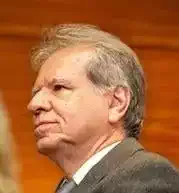
Marcus Vinicius Quiroga
Marcus Vinicius Quiroga is a contemporary Brazilian poet whose work stands out for its exploration of social and existential themes, with a direct and sometimes raw language. His poetry often reflects the complexities of urban life and the disquietudes of modern society. Quiroga's writing is marked by his ability to capture the essence of diverse human experiences, astutely addressing issues of identity, alterity, and the search for meaning. His poetry is a mirror of the anxieties and hopes of our time.