

Awards
Premio Bellas Artes de Poesía Aguascalientes
Premio Bellas Artes Poesía Aguascaliente
Description
Origin and Objectives
The Premio Bellas Artes de Poesía Aguascalientes, formerly known as the Premio Nacional de Poesía Aguascalientes, is a distinction of great relevance in the Mexican and Latin American literary landscape. Established in 1968, this award's main objective is to encourage poetic creation and recognize the work of poets who stand out for their literary quality, originality, and contribution to the renewal of poetic language. Its institution is linked to the National Institute of Fine Arts and Literature (INBAL) of Mexico and the Government of the State of Aguascalientes, which gives the award official status and considerable prestige.
Selection Process and Criteria
Throughout its more than five decades of existence, the award has been a springboard for many poets, both established and emerging, who have seen their works recognized and disseminated to a wider audience. The selection of winners is carried out by a jury composed of renowned literary experts, literary critics, and distinguished poets, ensuring a rigorous and impartial evaluation process. Selection criteria generally include thematic and formal originality, expressive depth, technical mastery, and the author's ability to engage with poetic tradition while transcending it.
Ceremony and Recognition
The award not only recognizes a specific work but also the trajectory and overall quality of the poet's work, although it is common for the award to be given to an unpublished or recently published book of poems. The award ceremony, which usually takes place in the city of Aguascalientes, is a significant cultural event that attracts the attention of writers, academics, and literature lovers. The award includes, in addition to public recognition, a monetary prize and, in many cases, the publication of the awarded work, which contributes to its dissemination and impact in the literary world.
International Reach and Importance
One of the distinctive features of this award is its openness to poets from all over Latin America, making it one of the few pan-American poetry awards in Mexico. This geographical scope enriches the poetic debate and allows for the discovery of new voices and perspectives within Spanish-language poetry. Over the years, the award has been given to leading figures in Spanish poetry, whose works have become milestones in contemporary literature. Its longevity and the consistent quality of its recipients solidify its position as one of the most important and respected literary awards in the Hispanic world, a true beacon for Spanish-language poetry.
Evolution of the Name
The name of the award has undergone changes over time, reflecting its evolution and the collaboration between the sponsoring institutions. Initially, it was known as Premio Nacional de Poesía Aguascalientes, but over time, and to reflect its growing profile and the participation of authors from other countries, it became known as Premio Bellas Artes de Poesía Aguascalientes, emphasizing its connection to the National Institute of Fine Arts and its broader vocation. This adaptation demonstrates the award's ability to remain relevant and adapt to the dynamics of the international literary scene.
Winners

Anaclara Muro Chávez


Ángel Vargas
Ángel Vargas is recognized for his contribution as a writer and poet. His work is characterized by the exploration of deep and universal themes, approached with particular sensitivity and a remarkable command of language. Vargas is an important name in contemporary literature, whose verses and narratives invite reflection on existence, emotions, and society. His writing is marked by intensity and lyrical beauty.

Fabián Espejel
Fabián Espejel is a writer known for his contributions to contemporary literature. His work often addresses themes of identity, memory, and the complexities of modern life. With engaging and reflective writing, Espejel manages to capture the essence of his narratives, inviting readers to explore the nuances of human experiences. His participation in the literary scene is marked by originality and the depth of his compositions.

Maricarmen Velasco

Rubén Rivera García

Rubén Rivera García is a Spanish writer and poet whose work is characterized by lyrical and reflective language. His texts explore themes such as existence, nature, and the search for meaning, with a sensitivity that dialogues with literary tradition, but also points to new perspectives. He has contributed to the dissemination of literature through his participation in events and publications.

Elisa Díaz Castelo
Elisa Díaz Castelo is a Mexican writer recognized for her prose work, especially short stories and novels, which frequently explore identity, memory, and the complexities of human relationships. Her writing is characterized by precise prose and deep sensitivity in the construction of characters and narratives, with a keen eye for the nuances of everyday life.

César Cañedo
César Cañedo is a Spanish writer and poet. His poetic work is recognized for its lyrical intensity and exploration of themes such as love, loss, and the passage of time, often with an existential approach. He also dedicates himself to literary criticism and the organization of cultural events, actively contributing to the Spanish literary scene.

Balam Rodrigo
Balam Rodrigo is a Mexican writer with a diverse body of work that includes poetry, prose, and essays. His writing is often marked by a reflective approach to culture, identity, and the human condition, with a language that transitions between the erudite and the colloquial. He plays an important role in the dissemination of literature and literary criticism in his country.

Renato Tinajero

Renato Tinajero is an Ecuadorian writer and poet. His literary work spans poetry and prose, exploring existential and social themes with a rich and evocative language. He is known for his ability to blend the lyrical with the narrative, creating texts that resonate with emotional depth and critical reflection. Tinajero has been prominent in the literary scene of his country and internationally, participating in festivals and publishing in various anthologies.

Minerva Margarita Villarreal
Minerva Margarita Villarreal is a writer and poet recognized for her work that delves into the complexities of the female experience and social issues. Her writing is marked by intelligence, sensitivity, and a critical view of the world. With a consolidated literary career, Villarreal has stood out for the depth of her reflections and the strength of her prose and poetry. Her work is an invitation to empathy and understanding of the diverse realities that shape the lives of women and society in general.

Jesús Ramón Ibarra
Jesús Ramón Ibarra is a writer and poet whose work stands out for its exploration of existential themes and the strength of his poetic language. His writing is recognized for the depth with which he addresses the human condition and the nuances of identity. With a rising literary career, Ibarra has dedicated himself to building a body of work that resonates with readers who appreciate reflection on life, death, and love. His poetry, in particular, is an invitation to immersion in the inner universe and the complexities of human feeling.

Christian Peña

Jorge Humberto Chávez

Jorge Humberto Chávez is a prominent name in literature, recognized for his significant contribution as a writer and poet. His work is often praised for the richness of its language and the depth with which it addresses cultural and social themes. With a consolidated career, Chávez has stood out for his ability to move between different literary genres, always maintaining a strong authorial identity. His writing is an invitation to reflect on identity, history, and Latin American identity.

Jeremías Marquines
Jeremías Marquines is an author whose work stands out for its expressive power and exploration of often-overlooked realities. His writing is marked by deep empathy and a unique ability to give voice to intense human experiences. With a career dedicated to literature, Marquines has established himself as an attentive observer of society, using his prose to provoke reflection and questioning. His work is a reflection of his worldview, where sensitivity and social critique go hand in hand.

A.E. Quintero
A.E. Quintero is an author known for his contributions to contemporary literature. His work often explores complex themes and offers unique perspectives on the human condition. He stands out for his ability to construct engaging narratives and memorable characters. With a rich and elaborate prose, Quintero has built a solid career, winning over readers and critics. His writing is marked by depth and the ability to touch on existential issues, making him an important voice in his field.

Javier Acosta Escareño
Javier Acosta Escareño is a Mexican writer and professor, whose work focuses on exploring human relationships, identity, and social complexities, often set in urban and contemporary contexts. His writing is marked by a keen eye for the details of everyday life and by the reflections that emerge from social interactions. As an educator, Acosta Escareño is also dedicated to nurturing new readers and writers, sharing his knowledge and passion for literature. His work contributes to the Mexican literary landscape with narratives that engage with current realities.

Javier Sicilia

Gerardo Deniz
Gerardo Deniz was a Spanish poet, essayist, and translator known for his dense and often hermetic work. His poetry is characterized by deep erudition, rich language, and a constant reflection on the human condition, history, and the nature of language. Throughout his career, he explored themes such as time, memory, identity, and the transience of existence, often using mythological, historical, and philosophical references. His work, though not always easily accessible, is valued for its intellectual rigor and originality.

Mario Bojórquez
Mario Bojórquez is a Mexican poet and translator, recognized for his contribution to contemporary Spanish-language poetry. His poetic work is often marked by dense language, with reflections on identity, memory, the body, and the landscape, often with an existential touch and a particular sound. Bojórquez also stands out as an important promoter of literature, acting as a translator and editor, connecting different literary traditions. His poetic sensibility and formal rigor consolidate him as a relevant figure in the literary scene of his country and beyond.

Dana Gelinas
Dana Gelinas is a well-known author for her writing that straddles the fictional and the essayistic, addressing themes such as identity, memory, and contemporary social dynamics. Her work is marked by an introspective approach and by a keen analysis of human and cultural relationships. Gelinas explores subjectivities and interconnections in a constantly transforming world, using language that seeks clarity and depth. Her texts invite reflection on the human condition and on the challenges of constructing meaning amidst modern complexity.

María Rivera
María Rivera is a contemporary Mexican writer. Her work explores the complexities of identity, memory, and female experiences in diverse social and cultural contexts. Through her writing, she seeks to give voice to often marginalized narratives, using poetic and introspective language to delve into the depths of the human condition. Her work stands out for its sensitivity in portraying the nuances of interpersonal relationships and the challenges faced by women in their personal and collective journeys. Rivera is recognized for her engaging prose and her ability to evoke deep emotions in her readers, consolidating herself as an important voice in current literature.

Luis Vicente de Aguinaga
Luis Vicente de Aguinaga was a Spanish writer and intellectual, known for his participation in literary and cultural movements of his time. His work, although perhaps less known today, reflects the intellectual and social context of Spain in the early 20th century, with an interest in social and aesthetic themes.

María Baranda

Héctor Carreto
Héctor Carreto is a Mexican poet, essayist, and translator. His poetic work is recognized for its rigorous formal construction, its reflective tone, and its exploration of themes such as memory, time, and the human condition. Carreto is also an important figure in literary criticism and poetry translation.

Jorge Hernández Campos
Jorge Hernández Campos is a Mexican writer, author of novels and short stories that explore the complexities of modern life and human relationships. His writing is known for its ability to portray realistic characters and everyday situations with depth and insight, addressing themes such as identity, society, and the search for meaning.

Jorge Fernández Granados

Malva Flores
Malva Flores is a Mexican poet and essayist, known for her work that moves between lyrical reflection and social commentary. Her poetry is marked by sensitivity, exploration of the human condition, and keen observation of the world around her, often with a touch of irony and existential depth.

Jorge Valdés Díaz-Vélez

Jorge Valdés Díaz-Vélez is a Cuban writer, playwright, and professor. His work spans various genres, including novels, short stories, and plays, often exploring social and existential themes with a rich and expressive language. As a professor, he has dedicated part of his career to teaching and disseminating literature.

Eduardo Milán


Antonio Deltoro
Antonio Deltoro is a renowned Mexican poet and translator. His poetic work is recognized for its conciseness, depth, and a keen eye on everyday reality and human experiences. As a translator, he plays an important role in the dissemination of other literatures into Spanish.

Juan Domingo Argüelles
Juan Domingo Argüelles was a Cuban poet, essayist, and literary critic of great importance. His poetry is marked by reflective depth and musicality, addressing themes such as identity, memory, and the human condition. As an essayist, he contributed significantly to literary criticism.

Eduardo Langagne

Baudelio Camarillo
Baudelio Camarillo is a writer with a work focused on narrative, exploring the complexities of the human experience. His short stories and novels often delve into psychological and social aspects, with characters facing moral and existential dilemmas.

Ernesto Lumbreras
Ernesto Lumbreras is a recognized Mexican writer and essayist. His work stands out for its depth in analyzing literature and culture, addressing contemporary themes with a critical and reflective perspective. He has contributed significantly to the intellectual debate in his country.

Fabio Morábito
Fabio Morábito is an Italian-Mexican writer, known for his prose and poetry work, which frequently addresses daily life, the human condition, and the complexities of social relations with an ironic and sensitive eye. His writing is characterized by clarity, precision, and a remarkable ability to observe the details that make up the human experience. Morábito is an author with a diverse and acclaimed body of work, which moves between humor and melancholy.

Jorge Esquinca
Jorge Esquinca is a contemporary Mexican poet and essayist, whose poetic work is marked by precise language and a deep reflection on the human condition and the perception of reality. His poetry explores themes such as time, memory, the city, and the interiority of the self, with a style that combines formal rigor with notable lyrical intensity. Esquinca is considered one of the most important poets of his generation in Mexico.

Elsa Cross

Myriam Moscona
Myriam Moscona is a Mexican poet, translator, and essayist of Bulgarian origin. Her poetic work is recognized for its lyrical intensity, its exploration of memory and identity, and for the way it intertwines personal experiences with universal issues. Moscona is also an active figure in promoting literature, acting as a translator and critic. Her writing is marked by a deep sensibility and a language that seeks to capture the essence of human feelings and experiences.

José Javier Villarreal
José Javier Villarreal is a Mexican writer known for his engaging prose and exploration of contemporary themes with an authentic perspective. His works often address the complexities of urban life, interpersonal relationships, and the search for identity. With a narrative style that is both direct and poetic, Villarreal captivates his readers, inviting them to reflect on the human condition in a constantly changing world. His literature is marked by sensitivity and keen observation of reality.

José Luis Rivas Vélez
José Luis Rivas Vélez is a Mexican poet, short story writer, essayist, and literary critic. His work is recognized for its lyrical quality, for the exploration of themes such as identity, history, and the Mexican landscape, and for a language that combines formal rigor with sensitivity.
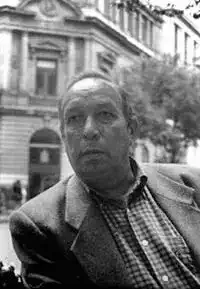
António Castañeda
António Castañeda is a Portuguese poet whose work is distinguished by the exploration of themes such as memory, landscape, ephemerality, and introspection. His poetry is marked by careful language and a refined sensibility for capturing the nuances of daily life and the inner world. Throughout his career, he has contributed to contemporary Portuguese poetry with a singular and reflective voice, inviting the reader to immerse themselves in universes of profound subjectivity.

Efraín Bartolomé

Hugo de Sanctis

Francisco Hernández Pérez

Coral Bracho

Coral Bracho is a renowned Mexican poet, essayist, and translator, recognized for her profound connection with nature and her exploration of language as a tool to apprehend the sensible world. Her work is distinguished by lush imagery, enveloping rhythms, and a sensitivity that captures the textures, colors, and movements of the natural and human environment. With a literary career spanning several decades, Bracho has established herself as one of the most original and influential poetic voices in contemporary Mexican literature. Her poetry invites a sensory and reflective experience, revealing the interconnections between being, matter, and the cosmos.

Miguel Ángel Flores

Miguel Ángel Flores is a contemporary poet whose work is distinguished by introspection and the exploration of the human condition. With a language rich in imagery and sensitivity, his verses address universal themes such as love, loss, the passage of time, and the search for meaning. His poetry invites reflection on the ephemerality of life and the strength of feelings, establishing an intimate dialogue with the reader.

Elías Nandino

Elena Jordana

Raúl Navarrete

Hugo Gutiérrez Vega

José de Jesús Sampedro
José de Jesús Sampedro is an author whose work falls within the field of literature, with a particular focus on poetry and prose that explore the human condition and society. His writing is marked by careful language and reflection on everyday experiences. With a presence in the literary scene, Sampedro seeks through his words to connect with the reader, sharing visions and feelings that invite contemplation and dialogue on relevant themes of contemporary life.

Eduardo Lizalde
Eduardo Lizalde was a Spanish poet, essayist, and literary critic, whose work is marked by a profound reflection on existence, art, and the human condition. His poetry, often enigmatic and philosophical, invites introspection and questioning. Lizalde also stood out for his activity as a critic, incisively analyzing literature and culture.

Alejandro Aura

Desiderio Macías Silva
Desiderio Macías Silva is a writer and poet whose work is characterized by its strong connection to cultural roots and the exploration of social and human themes. His writing reflects a deep sensitivity and a commitment to expressing identity and collective experience. With a career dedicated to literature, Macías Silva has contributed to the appreciation of culture and language, offering narratives and poems that touch the reader through their authenticity and their ability to portray life in its various manifestations.

Óscar Oliva
Óscar Oliva is a poet and writer recognized for his deep lyricism and his exploration of universal themes such as love, death, and the human condition. His poetic work is marked by careful language and a unique sensitivity in addressing emotions. With a career dedicated to the art of words, Oliva has been consolidating his voice in literature, offering readers unique perspectives on life and the universe. His poetry invites reflection and contemplation, weaving verses that resonate with the soul.

Uwe Frisch

Uwe Frisch is an author known for his multifaceted writing, exploring themes ranging from the social to the personal. His works are characterized by psychological depth and an innovative approach to literary language, always seeking to push the boundaries of expression. He has a keen eye for the nuances of human experience, translating them into narratives that resonate with readers. His contribution to contemporary literature lies in his ability to create vivid worlds and complex characters, inviting reflection on the human condition.

José Emilio Pacheco
Mexican poet, essayist, narrator, translator, and academic. Known for his introspective lyricism and his sharp reflection on time, memory, and identity. His work is characterized by deep melancholy, precise language, and a constant interconnection between the personal and the social. He reflected on history, popular culture, and the human condition in the modern world. He stood out for his ability to move between high culture and daily life, integrating diverse elements into a unique poetic worldview.
