
Quotes in this theme
Society and the World

Jean de La Bruyère
Modesty is to merit what shade is to figures in a picture; it gives it strength and makes it stand out.
20
Johann Wolfgang von Goethe
Men show their character in nothing more clearly than by what they think laughable.
19
John Steinbeck
People need responsibility. They resist assuming it, but they cannot get along without it.
21
John Steinbeck
People need responsibility. They resist assuming it, but they cannot get along without it.
21
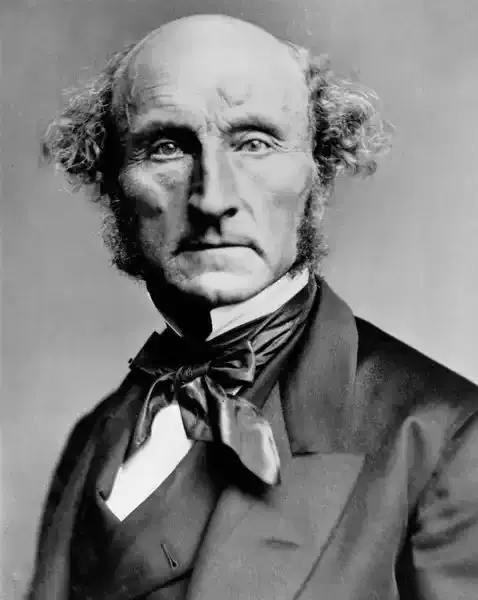
John Stuart Mill
Men are men before they are lawyers, or physicians, or merchants, or manufacturers; and if you make them capable and sensible men, they will make themselves capable and sensible lawyers or physicians.
19
John Stuart Mill
Men are men before they are lawyers, or physicians, or merchants, or manufacturers; and if you make them capable and sensible men, they will make themselves capable and sensible lawyers or physicians.
19
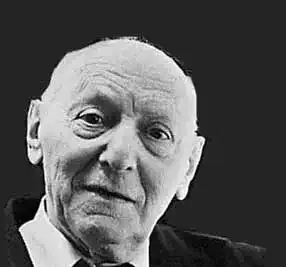
Isaac Bashevis Singer
We know what a person thinks not when he tells us what he thinks, but by his actions.
14
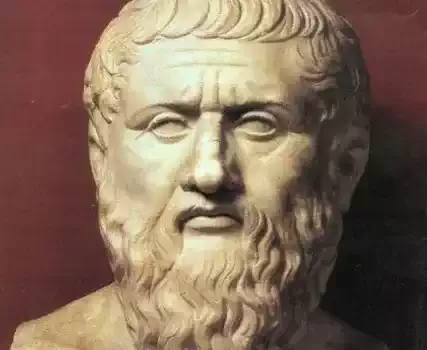
Platão
They are not poor that have little, but they that desire much. The richest man, whatever his lot, is the one who’s content with his lot. Dutch Proverb
20
Platão
When we become more fully aware that our success is due in large measure to the loyalty, helpfulness, and encouragement we have received from others, our desire grows to pass on similar gifts. Gratitude spurs us on to prove ourselves worthy of what others have done for us. The spirit of gratitude is a powerful energizer. Wilfred A. Peterson
18
Platão
Without any one teaching him he will recover his knowledge for himself, if he is only asked questions
16
Platão
Wisdom always makes men fortunate: for by wisdom no man could ever err, and therefore, he must act rightly and succeed, or his wisdom would be wisdom no longer.
15
Platão
Wisdom alone is the true and unalloyed coin for which we ought to exchange all things, for this and with this everything is bought and sold Fortitude, temperance, and justice; in a word, true virtue subsists with wisdom.
17
Platão
Will life be worth having, if that higher part of man be destroyed, which is improved by justice and depraved by injustice?
17
Platão
What shall we say about those spectators, then, who can see a plurality of beautiful things, but not beauty itself, and who are incapable of following if someone else tries to lead them to it, and who can see many moral actions, but not morality itself, and so on? That they only ever entertain beliefs, and do not know any of the things they believe?
17
Platão
What shall we say about those spectators, then, who can see a plurality of beautiful things, but not beauty itself, and who are incapable of following if someone else tries to lead them to it, and who can see many moral actions, but not morality itself, and so on? That they only ever entertain beliefs, and do not know any of the things they believe?
17
Platão
Whenever anyone informs us that he has found a man who knows all the arts, and all things else that anybody knows, and every single thing with a higher degree of accuracy than any other man –whoever tells us this, I think that we can only imagine him to be a simple creature who is likely to have been deceived by some wizard or actor whom he met, and whom he thought all-knowing, because he himself was unable to analyze the nature of knowledge and ignorance and imitation.
21
Platão
When I hear a man discoursing of virtue, or of any sort of wisdom, who is a true man and worthy of his theme, I am delighted beyond measure: and I compare the man and his words, and note the harmony and correspondence of them. And such a one I deem to be the true musician, having in himself a fairer harmony than that of the lyre.
16
Platão
When I hear a man discoursing of virtue, or of any sort of wisdom, who is a true man and worthy of his theme, I am delighted beyond measure: and I compare the man and his words, and note the harmony and correspondence of them. And such a one I deem to be the true musician, having in himself a fairer harmony than that of the lyre.
16
Platão
When there is an income tax, the just man will pay more and the unjust less on the same amount of income.
20
Platão
When there is an income tax, the just man will pay more and the unjust less on the same amount of income.
20
Platão
When anything is in the presence of evil, but is not as yet evil, the presence of good arouses the desire of good in that thing; but the presence of evil, which makes a thing evil, takes away the desire and friendship of the good; for that which was once both good and evil has now become evil only, and the good has no friendship with evil.
15