

Poems in this topic
Emotions and Feelings
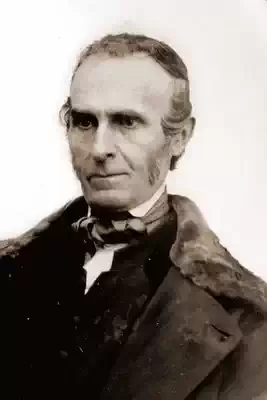
John Greenleaf Whittier
Trust
Trust
The same old baffling questions! O my friend,
I cannot answer them. In vain I send
My soul into the dark, where never burn
The lamps of science, nor the natural light
Of Reason's sun and stars! I cannot learn
Their great and solemn meanings, nor discern
The awful secrets of the eyes which turn
Evermore on us through the day and night
With silent challenge and a dumb demand,
Proffering the riddles of the dread unknown,
Like the calm Sphinxes, with their eyes of stone,
Questioning the centuries from their veils of sand!
I have no answer for myself or thee,
Save that I learned beside my mother's knee;
'All is of God that is, and is to be;
And God is good.' Let this suffice us still,
Resting in childlike trust upon His will
Who moves to His great ends unthwarted by the ill.
The same old baffling questions! O my friend,
I cannot answer them. In vain I send
My soul into the dark, where never burn
The lamps of science, nor the natural light
Of Reason's sun and stars! I cannot learn
Their great and solemn meanings, nor discern
The awful secrets of the eyes which turn
Evermore on us through the day and night
With silent challenge and a dumb demand,
Proffering the riddles of the dread unknown,
Like the calm Sphinxes, with their eyes of stone,
Questioning the centuries from their veils of sand!
I have no answer for myself or thee,
Save that I learned beside my mother's knee;
'All is of God that is, and is to be;
And God is good.' Let this suffice us still,
Resting in childlike trust upon His will
Who moves to His great ends unthwarted by the ill.
418
John Greenleaf Whittier
To The Reformers Of England
To The Reformers Of England
GOD bless ye, brothers! in the fight
Ye 're waging now, ye cannot fail,
For better is your sense of right
Than king-craft's triple mail.
Than tyrant's law, or bigot's ban,
More mighty is your simplest word;
The free heart of an honest man
Than crosier or the sword.
Go, let your blinded Church rehearse
The lesson it has learned so well;
It moves not with its prayer or curse
The gates of heaven or hell.
Let the State scaffold rise again;
Did Freedom die when Russell died?
Forget ye how the blood of Vane
From earth's green bosom cried?
The great hearts of your olden time
Are beating with you, full and strong;
All holy memories and sublime
And glorious round ye throng.
The bluff, bold men of Runnymede
Are with ye still in times like these;
The shades of England's mighty dead,
Your cloud of witnesses!
The truths ye urge are borne abroad
By every wind and every tide;
The voice of Nature and of God
Speaks out upon your side.
The weapons which your hands have found
Are those which Heaven itself has wrought,
Light, Truth, and Love; your battle-ground
The free, broad field of Thought.
No partial, selfish purpose breaks
The simple beauty of your plan,
Nor lie from throne or altar shakes
Your steady faith in man.
The languid pulse of England starts
And bounds beneath your words of power,
The beating of her million hearts
Is with you at this hour!
O ye who, with undoubting eyes,
Through present cloud and gathering storm,
Behold the span of Freedom's skies,
And sunshine soft and warm;
Press bravely onward! not in vain
Your generous trust in human-kind;
The good which bloodshed could not gain
Your peaceful zeal shall find.
Press on! the triumph shall be won
Of common rights and equal laws,
The glorious dream of Harrington,
And Sidney's good old cause.
Blessing the cotter and the crown,
Sweetening worn Labor's bitter cup;
And, plucking not the highest down,
Lifting the lowest up.
Press on! and we who may not share
The toil or glory of your fight
May ask, at least, in earnest prayer,
God's blessing on the right!
GOD bless ye, brothers! in the fight
Ye 're waging now, ye cannot fail,
For better is your sense of right
Than king-craft's triple mail.
Than tyrant's law, or bigot's ban,
More mighty is your simplest word;
The free heart of an honest man
Than crosier or the sword.
Go, let your blinded Church rehearse
The lesson it has learned so well;
It moves not with its prayer or curse
The gates of heaven or hell.
Let the State scaffold rise again;
Did Freedom die when Russell died?
Forget ye how the blood of Vane
From earth's green bosom cried?
The great hearts of your olden time
Are beating with you, full and strong;
All holy memories and sublime
And glorious round ye throng.
The bluff, bold men of Runnymede
Are with ye still in times like these;
The shades of England's mighty dead,
Your cloud of witnesses!
The truths ye urge are borne abroad
By every wind and every tide;
The voice of Nature and of God
Speaks out upon your side.
The weapons which your hands have found
Are those which Heaven itself has wrought,
Light, Truth, and Love; your battle-ground
The free, broad field of Thought.
No partial, selfish purpose breaks
The simple beauty of your plan,
Nor lie from throne or altar shakes
Your steady faith in man.
The languid pulse of England starts
And bounds beneath your words of power,
The beating of her million hearts
Is with you at this hour!
O ye who, with undoubting eyes,
Through present cloud and gathering storm,
Behold the span of Freedom's skies,
And sunshine soft and warm;
Press bravely onward! not in vain
Your generous trust in human-kind;
The good which bloodshed could not gain
Your peaceful zeal shall find.
Press on! the triumph shall be won
Of common rights and equal laws,
The glorious dream of Harrington,
And Sidney's good old cause.
Blessing the cotter and the crown,
Sweetening worn Labor's bitter cup;
And, plucking not the highest down,
Lifting the lowest up.
Press on! and we who may not share
The toil or glory of your fight
May ask, at least, in earnest prayer,
God's blessing on the right!
229
John Greenleaf Whittier
To William H. Seward
To William H. Seward
STATESMAN, I thank thee! and, if yet dissent
Mingles, reluctant, with my large content,
I cannot censure what was nobly meant.
But, while constrained to hold even Union less
Than Liberty and Truth and Righteousness,
I thank thee in the sweet and holy name
Of peace, for wise calm words that put to shame
Passion and party. Courage may be shown
Not in defiance of the wrong alone;
He may be bravest who, unweaponed, bears
The olive branch, and, strong in justice, spares
The rash wrong-doer, giving widest scope
To Christian charity and generous hope.
If, without damage to the sacred cause
Of Freedom and the safeguard of its laws —
If, without yielding that for which alone
We prize the Union, thou canst save it now
From a baptism of blood, upon thy brow
A wreath whose flowers no earthly soil have known,
Woven of the beatitudes, shall rest,
And the peacemaker be forever blest!
STATESMAN, I thank thee! and, if yet dissent
Mingles, reluctant, with my large content,
I cannot censure what was nobly meant.
But, while constrained to hold even Union less
Than Liberty and Truth and Righteousness,
I thank thee in the sweet and holy name
Of peace, for wise calm words that put to shame
Passion and party. Courage may be shown
Not in defiance of the wrong alone;
He may be bravest who, unweaponed, bears
The olive branch, and, strong in justice, spares
The rash wrong-doer, giving widest scope
To Christian charity and generous hope.
If, without damage to the sacred cause
Of Freedom and the safeguard of its laws —
If, without yielding that for which alone
We prize the Union, thou canst save it now
From a baptism of blood, upon thy brow
A wreath whose flowers no earthly soil have known,
Woven of the beatitudes, shall rest,
And the peacemaker be forever blest!
204
John Greenleaf Whittier
To My Sister,
To My Sister,
WITH A COPY OF 'THE SUPERNATURALISM OF NEW ENGLAND.'
Dear Sister! while the wise and sage
Turn coldly from my playful page,
And count it strange that ripened age
Should stoop to boyhood's folly;
I know that thou wilt judge aright
Of all which makes the heart more light,
Or lends one star-gleam to the night
Of clouded Melancholy.
Away with weary cares and themes!
Swing wide the moonlit gate of dreams!
Leave free once more the land which teems
With wonders and romances
Where thou, with clear discerning eyes,
Shalt rightly read the truth which lies
Beneath the quaintly masking guise
Of wild and wizard fancies.
Lo! once again our feet we set
On still green wood-paths, twilight wet,
By lonely brooks, whose waters fret
The roots of spectral beeches;
Again the hearth-fire glimmers o'er
Home's whitewashed wall and painted floor,
And young eyes widening to the lore
Of faery-folks and witches.
Dear heart! the legend is not vain
Which lights that holy hearth again,
And calling back from care and pain,
And death's funereal sadness,
Draws round its old familiar blaze
The clustering groups of happier days,
And lends to sober manhood's gaze
A glimpse of childish gladness.
And, knowing how my life hath been
A weary work of tongue and pen,
A long, harsh strife with strong-willed men,
Thou wilt not chide my turning
To con, at times, an idle rhyme,
To pluck a flower from childhood's clime,
Or listen, at Life's noonday chime,
For the sweet bells of Morning!
WITH A COPY OF 'THE SUPERNATURALISM OF NEW ENGLAND.'
Dear Sister! while the wise and sage
Turn coldly from my playful page,
And count it strange that ripened age
Should stoop to boyhood's folly;
I know that thou wilt judge aright
Of all which makes the heart more light,
Or lends one star-gleam to the night
Of clouded Melancholy.
Away with weary cares and themes!
Swing wide the moonlit gate of dreams!
Leave free once more the land which teems
With wonders and romances
Where thou, with clear discerning eyes,
Shalt rightly read the truth which lies
Beneath the quaintly masking guise
Of wild and wizard fancies.
Lo! once again our feet we set
On still green wood-paths, twilight wet,
By lonely brooks, whose waters fret
The roots of spectral beeches;
Again the hearth-fire glimmers o'er
Home's whitewashed wall and painted floor,
And young eyes widening to the lore
Of faery-folks and witches.
Dear heart! the legend is not vain
Which lights that holy hearth again,
And calling back from care and pain,
And death's funereal sadness,
Draws round its old familiar blaze
The clustering groups of happier days,
And lends to sober manhood's gaze
A glimpse of childish gladness.
And, knowing how my life hath been
A weary work of tongue and pen,
A long, harsh strife with strong-willed men,
Thou wilt not chide my turning
To con, at times, an idle rhyme,
To pluck a flower from childhood's clime,
Or listen, at Life's noonday chime,
For the sweet bells of Morning!
316
John Greenleaf Whittier
To My Sister,
To My Sister,
WITH A COPY OF 'THE SUPERNATURALISM OF NEW ENGLAND.'
Dear Sister! while the wise and sage
Turn coldly from my playful page,
And count it strange that ripened age
Should stoop to boyhood's folly;
I know that thou wilt judge aright
Of all which makes the heart more light,
Or lends one star-gleam to the night
Of clouded Melancholy.
Away with weary cares and themes!
Swing wide the moonlit gate of dreams!
Leave free once more the land which teems
With wonders and romances
Where thou, with clear discerning eyes,
Shalt rightly read the truth which lies
Beneath the quaintly masking guise
Of wild and wizard fancies.
Lo! once again our feet we set
On still green wood-paths, twilight wet,
By lonely brooks, whose waters fret
The roots of spectral beeches;
Again the hearth-fire glimmers o'er
Home's whitewashed wall and painted floor,
And young eyes widening to the lore
Of faery-folks and witches.
Dear heart! the legend is not vain
Which lights that holy hearth again,
And calling back from care and pain,
And death's funereal sadness,
Draws round its old familiar blaze
The clustering groups of happier days,
And lends to sober manhood's gaze
A glimpse of childish gladness.
And, knowing how my life hath been
A weary work of tongue and pen,
A long, harsh strife with strong-willed men,
Thou wilt not chide my turning
To con, at times, an idle rhyme,
To pluck a flower from childhood's clime,
Or listen, at Life's noonday chime,
For the sweet bells of Morning!
WITH A COPY OF 'THE SUPERNATURALISM OF NEW ENGLAND.'
Dear Sister! while the wise and sage
Turn coldly from my playful page,
And count it strange that ripened age
Should stoop to boyhood's folly;
I know that thou wilt judge aright
Of all which makes the heart more light,
Or lends one star-gleam to the night
Of clouded Melancholy.
Away with weary cares and themes!
Swing wide the moonlit gate of dreams!
Leave free once more the land which teems
With wonders and romances
Where thou, with clear discerning eyes,
Shalt rightly read the truth which lies
Beneath the quaintly masking guise
Of wild and wizard fancies.
Lo! once again our feet we set
On still green wood-paths, twilight wet,
By lonely brooks, whose waters fret
The roots of spectral beeches;
Again the hearth-fire glimmers o'er
Home's whitewashed wall and painted floor,
And young eyes widening to the lore
Of faery-folks and witches.
Dear heart! the legend is not vain
Which lights that holy hearth again,
And calling back from care and pain,
And death's funereal sadness,
Draws round its old familiar blaze
The clustering groups of happier days,
And lends to sober manhood's gaze
A glimpse of childish gladness.
And, knowing how my life hath been
A weary work of tongue and pen,
A long, harsh strife with strong-willed men,
Thou wilt not chide my turning
To con, at times, an idle rhyme,
To pluck a flower from childhood's clime,
Or listen, at Life's noonday chime,
For the sweet bells of Morning!
316
John Greenleaf Whittier
To Lydia Maria Child
To Lydia Maria Child
ON READING HER POEM IN 'THE STANDARD.'
The sweet spring day is glad with music,
But through it sounds a sadder strain;
The worthiest of our narrowing circle
Sings Loring's dirges o'er again.
O woman greatly loved! I join thee
In tender memories of our friend;
With thee across the awful spaces
The greeting of a soul I send!
What cheer hath he? How is it with him?
Where lingers he this weary while?
Over what pleasant fields of Heaven
Dawns the sweet sunrise of his smile?
Does he not know our feet are treading
The earth hard down on Slavery's grave?
That, in our crowning exultations,
We miss the charm his presence gave?
Why on this spring air comes no whisper
From him to tell us all is well?
Why to our flower-time comes no token
Of lily and of asphodel?
I feel the unutterable longing,
Thy hunger of the heart is mine;
I reach and grope for hands in darkness,
My ear grows sharp for voice or sign.
Still on the lips of all we question
The finger of God's silence lies;
Will the lost hands in ours be folded?
Will the shut eyelids ever rise?
O friend! no proof beyond this yearning,
This outreach of our hearts, we need;
God will not mock the hope He giveth,
No love He prompts shall vainly plead.
Then let us stretch our hands in darkness,
And call our loved ones o'er and o'er;
Some day their arms shall close about us,
And the old voices speak once more.
No dreary splendors wait our coming
Where rapt ghost sits from ghost apart;
Homeward we go to Heaven's thanksgiving,
The harvest-gathering of the heart.
ON READING HER POEM IN 'THE STANDARD.'
The sweet spring day is glad with music,
But through it sounds a sadder strain;
The worthiest of our narrowing circle
Sings Loring's dirges o'er again.
O woman greatly loved! I join thee
In tender memories of our friend;
With thee across the awful spaces
The greeting of a soul I send!
What cheer hath he? How is it with him?
Where lingers he this weary while?
Over what pleasant fields of Heaven
Dawns the sweet sunrise of his smile?
Does he not know our feet are treading
The earth hard down on Slavery's grave?
That, in our crowning exultations,
We miss the charm his presence gave?
Why on this spring air comes no whisper
From him to tell us all is well?
Why to our flower-time comes no token
Of lily and of asphodel?
I feel the unutterable longing,
Thy hunger of the heart is mine;
I reach and grope for hands in darkness,
My ear grows sharp for voice or sign.
Still on the lips of all we question
The finger of God's silence lies;
Will the lost hands in ours be folded?
Will the shut eyelids ever rise?
O friend! no proof beyond this yearning,
This outreach of our hearts, we need;
God will not mock the hope He giveth,
No love He prompts shall vainly plead.
Then let us stretch our hands in darkness,
And call our loved ones o'er and o'er;
Some day their arms shall close about us,
And the old voices speak once more.
No dreary splendors wait our coming
Where rapt ghost sits from ghost apart;
Homeward we go to Heaven's thanksgiving,
The harvest-gathering of the heart.
281
John Greenleaf Whittier
To My Friend OnThe Death Of His Sister
To My Friend OnThe Death Of His Sister
Thine is a grief, the depth of which another
May never know;
Yet, o'er the waters, O my stricken brother!
To thee I go.
I lean my heart unto thee, sadly folding
Thy hand in mine;
With even the weakness of my soul upholding
The strength of thine.
I never knew, like thee, the dear departed;
I stood not by
When, in calm trust, the pure and tranquil-hearted
Lay down to die.
And on thy ears my words of weak condoling
Must vainly fall
The funeral bell which in thy heart is tolling,
Sounds over all!
I will not mock thee with the poor world's common
And heartless phrase,
Nor wrong the memory of a sainted woman
With idle praise.
With silence only as their benediction,
God's angels come
Where, in the shadow of a great affliction,
The soul sits dumb!
Yet, would I say what thy own heart approveth
Our Father's will,
Calling to Him the dear one whom He loveth,
Is mercy still.
Not upon thee or thine the solemn angel
Hath evil wrought
Her funeral anthem is a glad evangel,-The
good die not!
God calls our loved ones, but we lose not wholly
What He hath given;
They live on earth, in thought and deed, as truly
As in His heaven.
And she is with thee; in thy path of trial
She walketh yet;
Still with the baptism of thy self-denial
Her locks are wet.
Up, then, my brother! Lo, the fields of harvest
Lie white in view
She lives and loves thee, and the God thou servest
To both is true.
Thrust in thy sickle! England's toilworn peasants
Thy call abide;
And she thou mourn'st, a pure and holy presence,
Shall glean beside!
Thine is a grief, the depth of which another
May never know;
Yet, o'er the waters, O my stricken brother!
To thee I go.
I lean my heart unto thee, sadly folding
Thy hand in mine;
With even the weakness of my soul upholding
The strength of thine.
I never knew, like thee, the dear departed;
I stood not by
When, in calm trust, the pure and tranquil-hearted
Lay down to die.
And on thy ears my words of weak condoling
Must vainly fall
The funeral bell which in thy heart is tolling,
Sounds over all!
I will not mock thee with the poor world's common
And heartless phrase,
Nor wrong the memory of a sainted woman
With idle praise.
With silence only as their benediction,
God's angels come
Where, in the shadow of a great affliction,
The soul sits dumb!
Yet, would I say what thy own heart approveth
Our Father's will,
Calling to Him the dear one whom He loveth,
Is mercy still.
Not upon thee or thine the solemn angel
Hath evil wrought
Her funeral anthem is a glad evangel,-The
good die not!
God calls our loved ones, but we lose not wholly
What He hath given;
They live on earth, in thought and deed, as truly
As in His heaven.
And she is with thee; in thy path of trial
She walketh yet;
Still with the baptism of thy self-denial
Her locks are wet.
Up, then, my brother! Lo, the fields of harvest
Lie white in view
She lives and loves thee, and the God thou servest
To both is true.
Thrust in thy sickle! England's toilworn peasants
Thy call abide;
And she thou mourn'st, a pure and holy presence,
Shall glean beside!
212
John Greenleaf Whittier
To James T. Fields
To James T. Fields
ON A BLANK LEAF OF 'POEMS PRINTED, NOT PUBLISHED.'
Well thought! who would not rather hear
The songs to Love and Friendship sung
Than those which move the stranger's tongue,
And feed his unselected ear?
Our social joys are more than fame;
Life withers in the public look.
Why mount the pillory of a book,
Or barter comfort for a name?
Who in a house of glass would dwell,
With curious eyes at every pane?
To ring him in and out again,
Who wants the public crier's bell?
To see the angel in one's way,
Who wants to play the ass's part,-Bear
on his back the wizard Art,
And in his service speak or bray?
And who his manly locks would shave,
And quench the eyes of common sense,
To share the noisy recompense
That mocked the shorn and blinded slave?
The heart has needs beyond the head,
And, starving in the plenitude
Of strange gifts, craves its common food,-Our
human nature's daily bread.
We are but men: no gods are we,
To sit in mid-heaven, cold and bleak,
Each separate, on his painful peak,
Thin-cloaked in self-complacency.
Better his lot whose axe is swung
In Wartburg woods, or that poor girl's
Who by the him her spindle whirls
And sings the songs that Luther sung,
Than his who, old, and cold, and vain,
At Weimar sat, a demigod,
And bowed with Jove's imperial nod
His votaries in and out again!
Ply, Vanity, thy winged feet!
Ambition, hew thy rocky stair!
Who envies him who feeds on air
The icy splendor of his seat?
I see your Alps, above me, cut
The dark, cold sky; and dim and lone
I see ye sitting,--stone on stone,-With
human senses dulled and shut.
I could not reach you, if I would,
Nor sit among your cloudy shapes;
And (spare the fable of the grapes
And fox) I would not if I could.
Keep to your lofty pedestals!
The safer plain below I choose
Who never wins can rarely lose,
Who never climbs as rarely falls.
Let such as love the eagle's scream
Divide with him his home of ice
For me shall gentler notes suffice,-The
valley-song of bird and stream;
The pastoral bleat, the drone of bees,
The flail-beat chiming far away,
The cattle-low, at shut of day,
The voice of God in leaf and breeze;
Then lend thy hand, my wiser friend,
And help me to the vales below,
(In truth, I have not far to go,)
Where sweet with flowers the fields extend.
ON A BLANK LEAF OF 'POEMS PRINTED, NOT PUBLISHED.'
Well thought! who would not rather hear
The songs to Love and Friendship sung
Than those which move the stranger's tongue,
And feed his unselected ear?
Our social joys are more than fame;
Life withers in the public look.
Why mount the pillory of a book,
Or barter comfort for a name?
Who in a house of glass would dwell,
With curious eyes at every pane?
To ring him in and out again,
Who wants the public crier's bell?
To see the angel in one's way,
Who wants to play the ass's part,-Bear
on his back the wizard Art,
And in his service speak or bray?
And who his manly locks would shave,
And quench the eyes of common sense,
To share the noisy recompense
That mocked the shorn and blinded slave?
The heart has needs beyond the head,
And, starving in the plenitude
Of strange gifts, craves its common food,-Our
human nature's daily bread.
We are but men: no gods are we,
To sit in mid-heaven, cold and bleak,
Each separate, on his painful peak,
Thin-cloaked in self-complacency.
Better his lot whose axe is swung
In Wartburg woods, or that poor girl's
Who by the him her spindle whirls
And sings the songs that Luther sung,
Than his who, old, and cold, and vain,
At Weimar sat, a demigod,
And bowed with Jove's imperial nod
His votaries in and out again!
Ply, Vanity, thy winged feet!
Ambition, hew thy rocky stair!
Who envies him who feeds on air
The icy splendor of his seat?
I see your Alps, above me, cut
The dark, cold sky; and dim and lone
I see ye sitting,--stone on stone,-With
human senses dulled and shut.
I could not reach you, if I would,
Nor sit among your cloudy shapes;
And (spare the fable of the grapes
And fox) I would not if I could.
Keep to your lofty pedestals!
The safer plain below I choose
Who never wins can rarely lose,
Who never climbs as rarely falls.
Let such as love the eagle's scream
Divide with him his home of ice
For me shall gentler notes suffice,-The
valley-song of bird and stream;
The pastoral bleat, the drone of bees,
The flail-beat chiming far away,
The cattle-low, at shut of day,
The voice of God in leaf and breeze;
Then lend thy hand, my wiser friend,
And help me to the vales below,
(In truth, I have not far to go,)
Where sweet with flowers the fields extend.
298
John Greenleaf Whittier
To James T. Fields
To James T. Fields
ON A BLANK LEAF OF 'POEMS PRINTED, NOT PUBLISHED.'
Well thought! who would not rather hear
The songs to Love and Friendship sung
Than those which move the stranger's tongue,
And feed his unselected ear?
Our social joys are more than fame;
Life withers in the public look.
Why mount the pillory of a book,
Or barter comfort for a name?
Who in a house of glass would dwell,
With curious eyes at every pane?
To ring him in and out again,
Who wants the public crier's bell?
To see the angel in one's way,
Who wants to play the ass's part,-Bear
on his back the wizard Art,
And in his service speak or bray?
And who his manly locks would shave,
And quench the eyes of common sense,
To share the noisy recompense
That mocked the shorn and blinded slave?
The heart has needs beyond the head,
And, starving in the plenitude
Of strange gifts, craves its common food,-Our
human nature's daily bread.
We are but men: no gods are we,
To sit in mid-heaven, cold and bleak,
Each separate, on his painful peak,
Thin-cloaked in self-complacency.
Better his lot whose axe is swung
In Wartburg woods, or that poor girl's
Who by the him her spindle whirls
And sings the songs that Luther sung,
Than his who, old, and cold, and vain,
At Weimar sat, a demigod,
And bowed with Jove's imperial nod
His votaries in and out again!
Ply, Vanity, thy winged feet!
Ambition, hew thy rocky stair!
Who envies him who feeds on air
The icy splendor of his seat?
I see your Alps, above me, cut
The dark, cold sky; and dim and lone
I see ye sitting,--stone on stone,-With
human senses dulled and shut.
I could not reach you, if I would,
Nor sit among your cloudy shapes;
And (spare the fable of the grapes
And fox) I would not if I could.
Keep to your lofty pedestals!
The safer plain below I choose
Who never wins can rarely lose,
Who never climbs as rarely falls.
Let such as love the eagle's scream
Divide with him his home of ice
For me shall gentler notes suffice,-The
valley-song of bird and stream;
The pastoral bleat, the drone of bees,
The flail-beat chiming far away,
The cattle-low, at shut of day,
The voice of God in leaf and breeze;
Then lend thy hand, my wiser friend,
And help me to the vales below,
(In truth, I have not far to go,)
Where sweet with flowers the fields extend.
ON A BLANK LEAF OF 'POEMS PRINTED, NOT PUBLISHED.'
Well thought! who would not rather hear
The songs to Love and Friendship sung
Than those which move the stranger's tongue,
And feed his unselected ear?
Our social joys are more than fame;
Life withers in the public look.
Why mount the pillory of a book,
Or barter comfort for a name?
Who in a house of glass would dwell,
With curious eyes at every pane?
To ring him in and out again,
Who wants the public crier's bell?
To see the angel in one's way,
Who wants to play the ass's part,-Bear
on his back the wizard Art,
And in his service speak or bray?
And who his manly locks would shave,
And quench the eyes of common sense,
To share the noisy recompense
That mocked the shorn and blinded slave?
The heart has needs beyond the head,
And, starving in the plenitude
Of strange gifts, craves its common food,-Our
human nature's daily bread.
We are but men: no gods are we,
To sit in mid-heaven, cold and bleak,
Each separate, on his painful peak,
Thin-cloaked in self-complacency.
Better his lot whose axe is swung
In Wartburg woods, or that poor girl's
Who by the him her spindle whirls
And sings the songs that Luther sung,
Than his who, old, and cold, and vain,
At Weimar sat, a demigod,
And bowed with Jove's imperial nod
His votaries in and out again!
Ply, Vanity, thy winged feet!
Ambition, hew thy rocky stair!
Who envies him who feeds on air
The icy splendor of his seat?
I see your Alps, above me, cut
The dark, cold sky; and dim and lone
I see ye sitting,--stone on stone,-With
human senses dulled and shut.
I could not reach you, if I would,
Nor sit among your cloudy shapes;
And (spare the fable of the grapes
And fox) I would not if I could.
Keep to your lofty pedestals!
The safer plain below I choose
Who never wins can rarely lose,
Who never climbs as rarely falls.
Let such as love the eagle's scream
Divide with him his home of ice
For me shall gentler notes suffice,-The
valley-song of bird and stream;
The pastoral bleat, the drone of bees,
The flail-beat chiming far away,
The cattle-low, at shut of day,
The voice of God in leaf and breeze;
Then lend thy hand, my wiser friend,
And help me to the vales below,
(In truth, I have not far to go,)
Where sweet with flowers the fields extend.
298
John Greenleaf Whittier
To Fredrika Bremer
To Fredrika Bremer
Seeress of the misty Norland,
Daughter of the Vikings bold,
Welcome to the sunny Vineland,
Which thy fathers sought of old!
Soft as flow of Siija's waters,
When the moon of summer shines,
Strong as Winter from his mountains
Roaring through the sleeted pines.
Heart and ear, we long have listened
To thy saga, rune, and song;
As a household joy and presence
We have known and loved thee long.
By the mansion's marble mantel,
Round the log-walled cabin's hearth,
Thy sweet thoughts and northern fancies
Meet and mingle with our mirth.
And o'er weary spirits keeping
Sorrow's night-watch, long and chill,
Shine they like thy sun of summer
Over midnight vale and hill.
We alone to thee are strangers,
Thou our friend and teacher art;
Come, and know us as we know thee;
Let us meet thee heart to heart!
To our homes and household altars
We, in turn, thy steps would lead,
As thy loving hand has led us
O'er the threshold of the Swede.
Seeress of the misty Norland,
Daughter of the Vikings bold,
Welcome to the sunny Vineland,
Which thy fathers sought of old!
Soft as flow of Siija's waters,
When the moon of summer shines,
Strong as Winter from his mountains
Roaring through the sleeted pines.
Heart and ear, we long have listened
To thy saga, rune, and song;
As a household joy and presence
We have known and loved thee long.
By the mansion's marble mantel,
Round the log-walled cabin's hearth,
Thy sweet thoughts and northern fancies
Meet and mingle with our mirth.
And o'er weary spirits keeping
Sorrow's night-watch, long and chill,
Shine they like thy sun of summer
Over midnight vale and hill.
We alone to thee are strangers,
Thou our friend and teacher art;
Come, and know us as we know thee;
Let us meet thee heart to heart!
To our homes and household altars
We, in turn, thy steps would lead,
As thy loving hand has led us
O'er the threshold of the Swede.
324
John Greenleaf Whittier
To Fredrika Bremer
To Fredrika Bremer
Seeress of the misty Norland,
Daughter of the Vikings bold,
Welcome to the sunny Vineland,
Which thy fathers sought of old!
Soft as flow of Siija's waters,
When the moon of summer shines,
Strong as Winter from his mountains
Roaring through the sleeted pines.
Heart and ear, we long have listened
To thy saga, rune, and song;
As a household joy and presence
We have known and loved thee long.
By the mansion's marble mantel,
Round the log-walled cabin's hearth,
Thy sweet thoughts and northern fancies
Meet and mingle with our mirth.
And o'er weary spirits keeping
Sorrow's night-watch, long and chill,
Shine they like thy sun of summer
Over midnight vale and hill.
We alone to thee are strangers,
Thou our friend and teacher art;
Come, and know us as we know thee;
Let us meet thee heart to heart!
To our homes and household altars
We, in turn, thy steps would lead,
As thy loving hand has led us
O'er the threshold of the Swede.
Seeress of the misty Norland,
Daughter of the Vikings bold,
Welcome to the sunny Vineland,
Which thy fathers sought of old!
Soft as flow of Siija's waters,
When the moon of summer shines,
Strong as Winter from his mountains
Roaring through the sleeted pines.
Heart and ear, we long have listened
To thy saga, rune, and song;
As a household joy and presence
We have known and loved thee long.
By the mansion's marble mantel,
Round the log-walled cabin's hearth,
Thy sweet thoughts and northern fancies
Meet and mingle with our mirth.
And o'er weary spirits keeping
Sorrow's night-watch, long and chill,
Shine they like thy sun of summer
Over midnight vale and hill.
We alone to thee are strangers,
Thou our friend and teacher art;
Come, and know us as we know thee;
Let us meet thee heart to heart!
To our homes and household altars
We, in turn, thy steps would lead,
As thy loving hand has led us
O'er the threshold of the Swede.
324
John Greenleaf Whittier
To Charles Sumner
To Charles Sumner
If I have seemed more prompt to censure wrong
Than praise the right; if seldom to thine ear
My voice hath mingled with the exultant cheer
Borne upon all our Northern winds along;
If I have failed to join the fickle throng
In wide-eyed wonder, that thou standest strong
In victory, surprised in thee to find
Brougham's scathing power with Canning's grace combined;
That he, for whom the ninefold Muses sang,
From their twined arms a giant athlete sprang,
Barbing the arrows of his native tongue
With the spent shafts Latona's archer flung,
To smite the Python of our land and time,
Fell as the monster born of Crissa's slime,
Like the blind bard who in Castalian springs
Tempered the steel that clove the crest of kings,
And on the shrine of England's freedom laid
The gifts of Cumve and of Delphi's' shade,-Small
need hast thou of words of praise from me.
Thou knowest my heart, dear friend, and well canst guess
That, even though silent, I have not the less
Rejoiced to see thy actual life agree
With the large future which I shaped for thee,
When, years ago, beside the summer sea,
White in the moon, we saw the long waves fall
Baffled and broken from the rocky wall,
That, to the menace of the brawling flood,
Opposed alone its massive quietude,
Calm as a fate; with not a leaf nor vine
Nor birch-spray trembling in the still moonshine,
Crowning it like God's peace. I sometimes think
That night-scene by the sea prophetical,
(For Nature speaks in symbols and in signs,
And through her pictures human fate divines),
That rock, wherefrom we saw the billows sink
In murmuring rout, uprising clear and tall
In the white light of heaven, the type of one
Who, momently by Error's host assailed,
Stands strong as Truth, in greaves of granite mailed;
And, tranquil-fronted, listening over all
The tumult, hears the angels say, Well done!
If I have seemed more prompt to censure wrong
Than praise the right; if seldom to thine ear
My voice hath mingled with the exultant cheer
Borne upon all our Northern winds along;
If I have failed to join the fickle throng
In wide-eyed wonder, that thou standest strong
In victory, surprised in thee to find
Brougham's scathing power with Canning's grace combined;
That he, for whom the ninefold Muses sang,
From their twined arms a giant athlete sprang,
Barbing the arrows of his native tongue
With the spent shafts Latona's archer flung,
To smite the Python of our land and time,
Fell as the monster born of Crissa's slime,
Like the blind bard who in Castalian springs
Tempered the steel that clove the crest of kings,
And on the shrine of England's freedom laid
The gifts of Cumve and of Delphi's' shade,-Small
need hast thou of words of praise from me.
Thou knowest my heart, dear friend, and well canst guess
That, even though silent, I have not the less
Rejoiced to see thy actual life agree
With the large future which I shaped for thee,
When, years ago, beside the summer sea,
White in the moon, we saw the long waves fall
Baffled and broken from the rocky wall,
That, to the menace of the brawling flood,
Opposed alone its massive quietude,
Calm as a fate; with not a leaf nor vine
Nor birch-spray trembling in the still moonshine,
Crowning it like God's peace. I sometimes think
That night-scene by the sea prophetical,
(For Nature speaks in symbols and in signs,
And through her pictures human fate divines),
That rock, wherefrom we saw the billows sink
In murmuring rout, uprising clear and tall
In the white light of heaven, the type of one
Who, momently by Error's host assailed,
Stands strong as Truth, in greaves of granite mailed;
And, tranquil-fronted, listening over all
The tumult, hears the angels say, Well done!
336
John Greenleaf Whittier
To Charles Sumner
To Charles Sumner
If I have seemed more prompt to censure wrong
Than praise the right; if seldom to thine ear
My voice hath mingled with the exultant cheer
Borne upon all our Northern winds along;
If I have failed to join the fickle throng
In wide-eyed wonder, that thou standest strong
In victory, surprised in thee to find
Brougham's scathing power with Canning's grace combined;
That he, for whom the ninefold Muses sang,
From their twined arms a giant athlete sprang,
Barbing the arrows of his native tongue
With the spent shafts Latona's archer flung,
To smite the Python of our land and time,
Fell as the monster born of Crissa's slime,
Like the blind bard who in Castalian springs
Tempered the steel that clove the crest of kings,
And on the shrine of England's freedom laid
The gifts of Cumve and of Delphi's' shade,-Small
need hast thou of words of praise from me.
Thou knowest my heart, dear friend, and well canst guess
That, even though silent, I have not the less
Rejoiced to see thy actual life agree
With the large future which I shaped for thee,
When, years ago, beside the summer sea,
White in the moon, we saw the long waves fall
Baffled and broken from the rocky wall,
That, to the menace of the brawling flood,
Opposed alone its massive quietude,
Calm as a fate; with not a leaf nor vine
Nor birch-spray trembling in the still moonshine,
Crowning it like God's peace. I sometimes think
That night-scene by the sea prophetical,
(For Nature speaks in symbols and in signs,
And through her pictures human fate divines),
That rock, wherefrom we saw the billows sink
In murmuring rout, uprising clear and tall
In the white light of heaven, the type of one
Who, momently by Error's host assailed,
Stands strong as Truth, in greaves of granite mailed;
And, tranquil-fronted, listening over all
The tumult, hears the angels say, Well done!
If I have seemed more prompt to censure wrong
Than praise the right; if seldom to thine ear
My voice hath mingled with the exultant cheer
Borne upon all our Northern winds along;
If I have failed to join the fickle throng
In wide-eyed wonder, that thou standest strong
In victory, surprised in thee to find
Brougham's scathing power with Canning's grace combined;
That he, for whom the ninefold Muses sang,
From their twined arms a giant athlete sprang,
Barbing the arrows of his native tongue
With the spent shafts Latona's archer flung,
To smite the Python of our land and time,
Fell as the monster born of Crissa's slime,
Like the blind bard who in Castalian springs
Tempered the steel that clove the crest of kings,
And on the shrine of England's freedom laid
The gifts of Cumve and of Delphi's' shade,-Small
need hast thou of words of praise from me.
Thou knowest my heart, dear friend, and well canst guess
That, even though silent, I have not the less
Rejoiced to see thy actual life agree
With the large future which I shaped for thee,
When, years ago, beside the summer sea,
White in the moon, we saw the long waves fall
Baffled and broken from the rocky wall,
That, to the menace of the brawling flood,
Opposed alone its massive quietude,
Calm as a fate; with not a leaf nor vine
Nor birch-spray trembling in the still moonshine,
Crowning it like God's peace. I sometimes think
That night-scene by the sea prophetical,
(For Nature speaks in symbols and in signs,
And through her pictures human fate divines),
That rock, wherefrom we saw the billows sink
In murmuring rout, uprising clear and tall
In the white light of heaven, the type of one
Who, momently by Error's host assailed,
Stands strong as Truth, in greaves of granite mailed;
And, tranquil-fronted, listening over all
The tumult, hears the angels say, Well done!
336
John Greenleaf Whittier
To E. C. S.
To E. C. S.
Poet and friend of poets, if thy glass
Detects no flower in winter's tuft of grass,
Let this slight token of the debt I owe
Outlive for thee December's frozen day,
And, like the arbutus budding under snow,
Take bloom and fragrance from some morn of May
When he who gives it shall have gone the way
Where faith shall see and reverent trust shall know.
Poet and friend of poets, if thy glass
Detects no flower in winter's tuft of grass,
Let this slight token of the debt I owe
Outlive for thee December's frozen day,
And, like the arbutus budding under snow,
Take bloom and fragrance from some morn of May
When he who gives it shall have gone the way
Where faith shall see and reverent trust shall know.
348
John Greenleaf Whittier
To E. C. S.
To E. C. S.
Poet and friend of poets, if thy glass
Detects no flower in winter's tuft of grass,
Let this slight token of the debt I owe
Outlive for thee December's frozen day,
And, like the arbutus budding under snow,
Take bloom and fragrance from some morn of May
When he who gives it shall have gone the way
Where faith shall see and reverent trust shall know.
Poet and friend of poets, if thy glass
Detects no flower in winter's tuft of grass,
Let this slight token of the debt I owe
Outlive for thee December's frozen day,
And, like the arbutus budding under snow,
Take bloom and fragrance from some morn of May
When he who gives it shall have gone the way
Where faith shall see and reverent trust shall know.
348
John Greenleaf Whittier
To E. C. S.
To E. C. S.
Poet and friend of poets, if thy glass
Detects no flower in winter's tuft of grass,
Let this slight token of the debt I owe
Outlive for thee December's frozen day,
And, like the arbutus budding under snow,
Take bloom and fragrance from some morn of May
When he who gives it shall have gone the way
Where faith shall see and reverent trust shall know.
Poet and friend of poets, if thy glass
Detects no flower in winter's tuft of grass,
Let this slight token of the debt I owe
Outlive for thee December's frozen day,
And, like the arbutus budding under snow,
Take bloom and fragrance from some morn of May
When he who gives it shall have gone the way
Where faith shall see and reverent trust shall know.
348
John Greenleaf Whittier
Thy Will Be Done
Thy Will Be Done
WE see not, know not; all our way
Is night, — with Thee alone is day:
From out the torrent's troubled drift,
Above the storm our prayers we lift,
Thy will be done!
The flesh may fail, the heart may faint,
But who are we to make complaint,
Or dare to plead, in times like these,
The weakness of our love of ease?
Thy will be done!
We take with solemn thankfulness
Our burden up, nor ask it less,
And count it joy that even we
May suffer, serve, or wait for Thee,
Whose will be done!
Though dim as yet in tint and line,
We trace Thy picture's wise design,
And thank Thee that our age supplies
Its dark relief of sacrifice.
Thy will be done!
And if, in our unworthiness,
Thy sacrificial wine we press;
If from Thy ordeal's heated bars
Our feet are seamed with crimson scars,
Thy will be done!
If, for the age to come, this hour
Of trial hath vicarious power,
And, blest by Thee, our present pain,
Be Liberty's eternal gain,
Thy will be done!
Strike, Thou the Master, we Thy keys,
The anthem of the destinies!
The minor of Thy loftier strain,
Our hearts shall breathe the old refrain,
Thy will be done!
WE see not, know not; all our way
Is night, — with Thee alone is day:
From out the torrent's troubled drift,
Above the storm our prayers we lift,
Thy will be done!
The flesh may fail, the heart may faint,
But who are we to make complaint,
Or dare to plead, in times like these,
The weakness of our love of ease?
Thy will be done!
We take with solemn thankfulness
Our burden up, nor ask it less,
And count it joy that even we
May suffer, serve, or wait for Thee,
Whose will be done!
Though dim as yet in tint and line,
We trace Thy picture's wise design,
And thank Thee that our age supplies
Its dark relief of sacrifice.
Thy will be done!
And if, in our unworthiness,
Thy sacrificial wine we press;
If from Thy ordeal's heated bars
Our feet are seamed with crimson scars,
Thy will be done!
If, for the age to come, this hour
Of trial hath vicarious power,
And, blest by Thee, our present pain,
Be Liberty's eternal gain,
Thy will be done!
Strike, Thou the Master, we Thy keys,
The anthem of the destinies!
The minor of Thy loftier strain,
Our hearts shall breathe the old refrain,
Thy will be done!
345
John Greenleaf Whittier
The Wood Giant
The Wood Giant
From Alton Bay to Sandwich Dome,
From Mad to Saco river,
For patriarchs of the primal wood
We sought with vain endeavor.
And then we said: 'The giants old
Are lost beyond retrieval;
This pygmy growth the axe has spared
Is not the wood primeval.
'Look where we will o'er vale and hill,
How idle are our searches
For broad-girthed maples, wide-limbed oaks,
Centennial pines and birches.
'Their tortured limbs the axe and saw
Have changed to beams and trestles;
They rest in walls, they float on seas,
They rot in sunken vessels.
'This shorn and wasted mountain land
Of underbrush and boulder,-Who
thinks to see its full-grown tree
Must live a century older.'
At last to us a woodland path,
To open sunset leading,
Revealed the Anakim of pines
Our wildest wish exceeding.
Alone, the level sun before;
Below, the lake's green islands;
Beyond, in misty distance dim,
The rugged Northern Highlands.
Dark Titan on his Sunset Hill
Of time and change defiant
How dwarfed the common woodland seemed,
Before the old-time giant!
What marvel that, in simpler days
Of the world's early childhood,
Men crowned with garlands, gifts, and praise
Such monarchs of the wild-wood?
That Tyrian maids with flower and song
Danced through the hill grove's spaces,
And hoary-bearded Druids found
In woods their holy places?
With somewhat of that Pagan awe
With Christian reverence blending,
We saw our pine-tree's mighty arms
Above our heads extending.
We heard his needles' mystic rune,
Now rising, and now dying,
As erst Dodona's priestess heard
The oak leaves prophesying.
Was it the half-unconscious moan
Of one apart and mateless,
The weariness of unshared power,
The loneliness of greatness?
O dawns and sunsets, lend to him
Your beauty and your wonder!
Blithe sparrow, sing thy summer song
His solemn shadow under!
Play lightly on his slender keys,
O wind of summer, waking
For hills like these the sound of seas
On far-off beaches breaking,
And let the eagle and the crow
Find shelter in his branches,
When winds shake down his winter snow
In silver avalanches.
The brave are braver for their cheer,
The strongest need assurance,
The sigh of longing makes not less
The lesson of endurance.
From Alton Bay to Sandwich Dome,
From Mad to Saco river,
For patriarchs of the primal wood
We sought with vain endeavor.
And then we said: 'The giants old
Are lost beyond retrieval;
This pygmy growth the axe has spared
Is not the wood primeval.
'Look where we will o'er vale and hill,
How idle are our searches
For broad-girthed maples, wide-limbed oaks,
Centennial pines and birches.
'Their tortured limbs the axe and saw
Have changed to beams and trestles;
They rest in walls, they float on seas,
They rot in sunken vessels.
'This shorn and wasted mountain land
Of underbrush and boulder,-Who
thinks to see its full-grown tree
Must live a century older.'
At last to us a woodland path,
To open sunset leading,
Revealed the Anakim of pines
Our wildest wish exceeding.
Alone, the level sun before;
Below, the lake's green islands;
Beyond, in misty distance dim,
The rugged Northern Highlands.
Dark Titan on his Sunset Hill
Of time and change defiant
How dwarfed the common woodland seemed,
Before the old-time giant!
What marvel that, in simpler days
Of the world's early childhood,
Men crowned with garlands, gifts, and praise
Such monarchs of the wild-wood?
That Tyrian maids with flower and song
Danced through the hill grove's spaces,
And hoary-bearded Druids found
In woods their holy places?
With somewhat of that Pagan awe
With Christian reverence blending,
We saw our pine-tree's mighty arms
Above our heads extending.
We heard his needles' mystic rune,
Now rising, and now dying,
As erst Dodona's priestess heard
The oak leaves prophesying.
Was it the half-unconscious moan
Of one apart and mateless,
The weariness of unshared power,
The loneliness of greatness?
O dawns and sunsets, lend to him
Your beauty and your wonder!
Blithe sparrow, sing thy summer song
His solemn shadow under!
Play lightly on his slender keys,
O wind of summer, waking
For hills like these the sound of seas
On far-off beaches breaking,
And let the eagle and the crow
Find shelter in his branches,
When winds shake down his winter snow
In silver avalanches.
The brave are braver for their cheer,
The strongest need assurance,
The sigh of longing makes not less
The lesson of endurance.
311
John Greenleaf Whittier
The Watchers
The Watchers
BESIDE a stricken field I stood;
On the torn turf, on grass and wood,
Hung heavily the dew of blood.
Still in their fresh mounds lay the slain,
But all the air was quick with pain
And gusty sighs and tearful rain.
Two angels, each with drooping head
And folded wings and noiseless tread,
Watched by that valley of the dead.
The one, with forehead saintly bland
And lips of blessing, not command,
Leaned, weeping, on her olive wand.
The other's brows were scarred and knit,
His restless eyes were watch-fires lit,
His hands for battle-gauntlets fit.
'How long!' — I knew the voice of Peace, —
'Is there no respite? no release?
When shall the hopeless quarrel cease?
'O Lord, how long! One human soul
Is more than any parchment scroll,
Or any flag thy winds unroll.
'What price was Ellsworth's, young and brave?
How weigh the gift that Lyon gave,
Or count the cost of Winthrop's grave?
'O brother! if thine eye can see,
Tell how and when the end shall be,
What hope remains for thee and me.'
Then Freedom sternly said: 'I shun
No strife nor pang beneath the sun,
When human rights are staked and won.
'I knelt with Ziska's hunted flock,
I watched in Toussaint's cell of rock,
I walked with Sidney to the block.
'The moor of Marston felt my tread,
Through Jersey snows the march I led,
My voice Magenta's charges sped.
'But now, through weary day and night,
I watch a vague and aimless fight
For leave to strike one blow aright.
'On either side my foe they own:
One guards through love his ghastly throne,
And one through fear to reverence grown.
'Why wait we longer, mocked, betrayed,
By open foes, or those afraid
To speed thy coming through my aid?
'Why watch to see who win or fall?
I shake the dust against them all,
I leave them to their senseless brawl.'
'Nay,' Peace implored: 'yet longer wait;
The doom is near, the stake is great:
God knoweth if it be too late.
'Still wait and watch; the way prepare
Where I with folded wings of prayer
May follow, weaponless and bare.'
'Too late!' the stern, sad voice replied,
'Too late!' its mournful echo sighed,
In low lament the answer died.
A rustling as of wings in flight,
An upward gleam of lessening white,
So passed the vision, sound and sight.
But round me, like a silver bell
Rung down the listening sky to tell
Of holy help, a sweet voice fell.
'Still hope and trust,' it sang; 'the rod
Must fall, the wine-press must be trod,
But all is possible with God!'
BESIDE a stricken field I stood;
On the torn turf, on grass and wood,
Hung heavily the dew of blood.
Still in their fresh mounds lay the slain,
But all the air was quick with pain
And gusty sighs and tearful rain.
Two angels, each with drooping head
And folded wings and noiseless tread,
Watched by that valley of the dead.
The one, with forehead saintly bland
And lips of blessing, not command,
Leaned, weeping, on her olive wand.
The other's brows were scarred and knit,
His restless eyes were watch-fires lit,
His hands for battle-gauntlets fit.
'How long!' — I knew the voice of Peace, —
'Is there no respite? no release?
When shall the hopeless quarrel cease?
'O Lord, how long! One human soul
Is more than any parchment scroll,
Or any flag thy winds unroll.
'What price was Ellsworth's, young and brave?
How weigh the gift that Lyon gave,
Or count the cost of Winthrop's grave?
'O brother! if thine eye can see,
Tell how and when the end shall be,
What hope remains for thee and me.'
Then Freedom sternly said: 'I shun
No strife nor pang beneath the sun,
When human rights are staked and won.
'I knelt with Ziska's hunted flock,
I watched in Toussaint's cell of rock,
I walked with Sidney to the block.
'The moor of Marston felt my tread,
Through Jersey snows the march I led,
My voice Magenta's charges sped.
'But now, through weary day and night,
I watch a vague and aimless fight
For leave to strike one blow aright.
'On either side my foe they own:
One guards through love his ghastly throne,
And one through fear to reverence grown.
'Why wait we longer, mocked, betrayed,
By open foes, or those afraid
To speed thy coming through my aid?
'Why watch to see who win or fall?
I shake the dust against them all,
I leave them to their senseless brawl.'
'Nay,' Peace implored: 'yet longer wait;
The doom is near, the stake is great:
God knoweth if it be too late.
'Still wait and watch; the way prepare
Where I with folded wings of prayer
May follow, weaponless and bare.'
'Too late!' the stern, sad voice replied,
'Too late!' its mournful echo sighed,
In low lament the answer died.
A rustling as of wings in flight,
An upward gleam of lessening white,
So passed the vision, sound and sight.
But round me, like a silver bell
Rung down the listening sky to tell
Of holy help, a sweet voice fell.
'Still hope and trust,' it sang; 'the rod
Must fall, the wine-press must be trod,
But all is possible with God!'
212
John Greenleaf Whittier
The Vow Of Washington
The Vow Of Washington
The sword was sheathed: in April's sun
Lay green the fields by Freedom won;
And severed sections, weary of debates,
Joined hands at last and were United States.
O City sitting by the Sea
How proud the day that dawned on thee,
When the new era, long desired, began,
And, in its need, the hour had found the man!
One thought the cannon salvos spoke,
The resonant bell-tower's vibrant stroke,
The voiceful streets, the plaudit-echoing halls,
And prayer and hymn borne heavenward from St. Paul's!
How felt the land in every part
The strong throb of a nation's heart,
As its great leader gave, with reverent awe,
His pledge to Union, Liberty, and Law.
That pledge the heavens above him heard,
That vow the sleep of centuries stirred;
In world-wide wonder listening peoples bent
Their gaze on Freedom's great experiment.
Could it succeed? Of honor sold
And hopes deceived all history told.
Above the wrecks that strewed the mournful past,
Was the long dream of ages true at last?
Thank God! the people's choice was just,
The one man equal to his trust,
Wise beyond lore, and without weakness good,
Calm in the strength of flawless rectitude.
His rule of justice, order, peace,
Made possible the world's release;
Taught prince and serf that power is but a trust,
And rule, alone, which serves the ruled, is just;
That Freedom generous is, but strong
In hate of fraud and selfish wrong,
Pretence that turns her holy truths to lies,
And lawless license masking in her guise.
Land of his love! with one glad voice
Let thy great sisterhood rejoice;
A century's suns o'er thee have risen and set,
And, God be praised, we are one nation yet.
And still we trust the years to be
Shall prove his hope was destiny,
Leaving our flag, with all its added stars,
Unrent by faction and unstained by wars.
Lo! where with patient toil he nursed
And trained the new-set plant at first,
The widening branches of a stately tree
Stretch from the sunrise to the sunset sea.
And in its broad and sheltering shade,
Sitting with none to make afraid,
Were we now silent, through each mighty limb,
The winds of heaven would sing the praise of him.
Our first and best!--his ashes lie
Beneath his own Virginian sky.
Forgive, forget, O true and just and brave,
The storm that swept above thy sacred grave.
For, ever in the awful strife
And dark hours of the nation's life,
Through the fierce tumult pierced his warning word,
Their father's voice his erring children heard.
The change for which he prayed and sought
In that sharp agony was wrought;
No partial interest draws its alien line
'Twixt North and South, the cypress and the pine!
One people now, all doubt beyond,
His name shall be our Union-bond;
We lift our hands to Heaven, and here and now.
Take on our lips the old Centennial vow.
For rule and trust must needs be ours;
Chooser and chosen both are powers
Equal in service as in rights; the claim
Of Duty rests on each and all the same.
Then let the sovereign millions, where
Our banner floats in sun and air,
From the warm palm-lands to Alaska's cold,
Repeat with us the pledge a century old?
The sword was sheathed: in April's sun
Lay green the fields by Freedom won;
And severed sections, weary of debates,
Joined hands at last and were United States.
O City sitting by the Sea
How proud the day that dawned on thee,
When the new era, long desired, began,
And, in its need, the hour had found the man!
One thought the cannon salvos spoke,
The resonant bell-tower's vibrant stroke,
The voiceful streets, the plaudit-echoing halls,
And prayer and hymn borne heavenward from St. Paul's!
How felt the land in every part
The strong throb of a nation's heart,
As its great leader gave, with reverent awe,
His pledge to Union, Liberty, and Law.
That pledge the heavens above him heard,
That vow the sleep of centuries stirred;
In world-wide wonder listening peoples bent
Their gaze on Freedom's great experiment.
Could it succeed? Of honor sold
And hopes deceived all history told.
Above the wrecks that strewed the mournful past,
Was the long dream of ages true at last?
Thank God! the people's choice was just,
The one man equal to his trust,
Wise beyond lore, and without weakness good,
Calm in the strength of flawless rectitude.
His rule of justice, order, peace,
Made possible the world's release;
Taught prince and serf that power is but a trust,
And rule, alone, which serves the ruled, is just;
That Freedom generous is, but strong
In hate of fraud and selfish wrong,
Pretence that turns her holy truths to lies,
And lawless license masking in her guise.
Land of his love! with one glad voice
Let thy great sisterhood rejoice;
A century's suns o'er thee have risen and set,
And, God be praised, we are one nation yet.
And still we trust the years to be
Shall prove his hope was destiny,
Leaving our flag, with all its added stars,
Unrent by faction and unstained by wars.
Lo! where with patient toil he nursed
And trained the new-set plant at first,
The widening branches of a stately tree
Stretch from the sunrise to the sunset sea.
And in its broad and sheltering shade,
Sitting with none to make afraid,
Were we now silent, through each mighty limb,
The winds of heaven would sing the praise of him.
Our first and best!--his ashes lie
Beneath his own Virginian sky.
Forgive, forget, O true and just and brave,
The storm that swept above thy sacred grave.
For, ever in the awful strife
And dark hours of the nation's life,
Through the fierce tumult pierced his warning word,
Their father's voice his erring children heard.
The change for which he prayed and sought
In that sharp agony was wrought;
No partial interest draws its alien line
'Twixt North and South, the cypress and the pine!
One people now, all doubt beyond,
His name shall be our Union-bond;
We lift our hands to Heaven, and here and now.
Take on our lips the old Centennial vow.
For rule and trust must needs be ours;
Chooser and chosen both are powers
Equal in service as in rights; the claim
Of Duty rests on each and all the same.
Then let the sovereign millions, where
Our banner floats in sun and air,
From the warm palm-lands to Alaska's cold,
Repeat with us the pledge a century old?
267
John Greenleaf Whittier
The Vanishers
The Vanishers
Sweetest of all childlike dreams
In the simple Indian lore
Still to me the legend seems
Of the shapes who flit before.
Flitting, passing, seen and gone,
Never reached nor found at rest,
Baffling search, but beckoning on
To the Sunset of the Blest.
From the clefts of mountain rocks,
Through the dark of lowland firs,
Flash the eyes and flow the locks
Of the mystic Vanishers!
And the fisher in his skiff,
And the hunter on the moss,
Hear their call from cape and cliff,
See their hands the birch-leaves toss.
Wistful, longing, through the green
Twilight of the clustered pines,
In their faces rarely seen
Beauty more than mortal shines.
Fringed with gold their mantles flow
On the slopes of westering knolls;
In the wind they whisper low
Of the Sunset Land of Souls.
Doubt who may, O friend of mine!
Thou and I have seen them too;
On before with beck and sign
Still they glide, and we pursue.
More than clouds of purple trail
In the gold of setting day;
More than gleams of wing or sail
Beckon from the sea-mist gray.
Glimpses of immortal youth,
Gleams and glories seen and flown,
Far-heard voices sweet with truth,
Airs from viewless Eden blown;
Beauty that eludes our grasp,
Sweetness that transcends our taste,
Loving hands we may not clasp,
Shining feet that mock our haste;
Gentle eyes we closed below,
Tender voices heard once more,
Smile and call us, as they go
On and onward, still before.
Guided thus, O friend of mine
Let us walk our little way,
Knowing by each beckoning sign
That we are not quite astray.
Chase we still, with baffled feet,
Smiling eye and waving hand,
Sought and seeker soon shall meet,
Lost and found, in Sunset Land
Sweetest of all childlike dreams
In the simple Indian lore
Still to me the legend seems
Of the shapes who flit before.
Flitting, passing, seen and gone,
Never reached nor found at rest,
Baffling search, but beckoning on
To the Sunset of the Blest.
From the clefts of mountain rocks,
Through the dark of lowland firs,
Flash the eyes and flow the locks
Of the mystic Vanishers!
And the fisher in his skiff,
And the hunter on the moss,
Hear their call from cape and cliff,
See their hands the birch-leaves toss.
Wistful, longing, through the green
Twilight of the clustered pines,
In their faces rarely seen
Beauty more than mortal shines.
Fringed with gold their mantles flow
On the slopes of westering knolls;
In the wind they whisper low
Of the Sunset Land of Souls.
Doubt who may, O friend of mine!
Thou and I have seen them too;
On before with beck and sign
Still they glide, and we pursue.
More than clouds of purple trail
In the gold of setting day;
More than gleams of wing or sail
Beckon from the sea-mist gray.
Glimpses of immortal youth,
Gleams and glories seen and flown,
Far-heard voices sweet with truth,
Airs from viewless Eden blown;
Beauty that eludes our grasp,
Sweetness that transcends our taste,
Loving hands we may not clasp,
Shining feet that mock our haste;
Gentle eyes we closed below,
Tender voices heard once more,
Smile and call us, as they go
On and onward, still before.
Guided thus, O friend of mine
Let us walk our little way,
Knowing by each beckoning sign
That we are not quite astray.
Chase we still, with baffled feet,
Smiling eye and waving hand,
Sought and seeker soon shall meet,
Lost and found, in Sunset Land
269
John Greenleaf Whittier
The Vanishers
The Vanishers
Sweetest of all childlike dreams
In the simple Indian lore
Still to me the legend seems
Of the shapes who flit before.
Flitting, passing, seen and gone,
Never reached nor found at rest,
Baffling search, but beckoning on
To the Sunset of the Blest.
From the clefts of mountain rocks,
Through the dark of lowland firs,
Flash the eyes and flow the locks
Of the mystic Vanishers!
And the fisher in his skiff,
And the hunter on the moss,
Hear their call from cape and cliff,
See their hands the birch-leaves toss.
Wistful, longing, through the green
Twilight of the clustered pines,
In their faces rarely seen
Beauty more than mortal shines.
Fringed with gold their mantles flow
On the slopes of westering knolls;
In the wind they whisper low
Of the Sunset Land of Souls.
Doubt who may, O friend of mine!
Thou and I have seen them too;
On before with beck and sign
Still they glide, and we pursue.
More than clouds of purple trail
In the gold of setting day;
More than gleams of wing or sail
Beckon from the sea-mist gray.
Glimpses of immortal youth,
Gleams and glories seen and flown,
Far-heard voices sweet with truth,
Airs from viewless Eden blown;
Beauty that eludes our grasp,
Sweetness that transcends our taste,
Loving hands we may not clasp,
Shining feet that mock our haste;
Gentle eyes we closed below,
Tender voices heard once more,
Smile and call us, as they go
On and onward, still before.
Guided thus, O friend of mine
Let us walk our little way,
Knowing by each beckoning sign
That we are not quite astray.
Chase we still, with baffled feet,
Smiling eye and waving hand,
Sought and seeker soon shall meet,
Lost and found, in Sunset Land
Sweetest of all childlike dreams
In the simple Indian lore
Still to me the legend seems
Of the shapes who flit before.
Flitting, passing, seen and gone,
Never reached nor found at rest,
Baffling search, but beckoning on
To the Sunset of the Blest.
From the clefts of mountain rocks,
Through the dark of lowland firs,
Flash the eyes and flow the locks
Of the mystic Vanishers!
And the fisher in his skiff,
And the hunter on the moss,
Hear their call from cape and cliff,
See their hands the birch-leaves toss.
Wistful, longing, through the green
Twilight of the clustered pines,
In their faces rarely seen
Beauty more than mortal shines.
Fringed with gold their mantles flow
On the slopes of westering knolls;
In the wind they whisper low
Of the Sunset Land of Souls.
Doubt who may, O friend of mine!
Thou and I have seen them too;
On before with beck and sign
Still they glide, and we pursue.
More than clouds of purple trail
In the gold of setting day;
More than gleams of wing or sail
Beckon from the sea-mist gray.
Glimpses of immortal youth,
Gleams and glories seen and flown,
Far-heard voices sweet with truth,
Airs from viewless Eden blown;
Beauty that eludes our grasp,
Sweetness that transcends our taste,
Loving hands we may not clasp,
Shining feet that mock our haste;
Gentle eyes we closed below,
Tender voices heard once more,
Smile and call us, as they go
On and onward, still before.
Guided thus, O friend of mine
Let us walk our little way,
Knowing by each beckoning sign
That we are not quite astray.
Chase we still, with baffled feet,
Smiling eye and waving hand,
Sought and seeker soon shall meet,
Lost and found, in Sunset Land
269
John Greenleaf Whittier
The Vanishers
The Vanishers
Sweetest of all childlike dreams
In the simple Indian lore
Still to me the legend seems
Of the shapes who flit before.
Flitting, passing, seen and gone,
Never reached nor found at rest,
Baffling search, but beckoning on
To the Sunset of the Blest.
From the clefts of mountain rocks,
Through the dark of lowland firs,
Flash the eyes and flow the locks
Of the mystic Vanishers!
And the fisher in his skiff,
And the hunter on the moss,
Hear their call from cape and cliff,
See their hands the birch-leaves toss.
Wistful, longing, through the green
Twilight of the clustered pines,
In their faces rarely seen
Beauty more than mortal shines.
Fringed with gold their mantles flow
On the slopes of westering knolls;
In the wind they whisper low
Of the Sunset Land of Souls.
Doubt who may, O friend of mine!
Thou and I have seen them too;
On before with beck and sign
Still they glide, and we pursue.
More than clouds of purple trail
In the gold of setting day;
More than gleams of wing or sail
Beckon from the sea-mist gray.
Glimpses of immortal youth,
Gleams and glories seen and flown,
Far-heard voices sweet with truth,
Airs from viewless Eden blown;
Beauty that eludes our grasp,
Sweetness that transcends our taste,
Loving hands we may not clasp,
Shining feet that mock our haste;
Gentle eyes we closed below,
Tender voices heard once more,
Smile and call us, as they go
On and onward, still before.
Guided thus, O friend of mine
Let us walk our little way,
Knowing by each beckoning sign
That we are not quite astray.
Chase we still, with baffled feet,
Smiling eye and waving hand,
Sought and seeker soon shall meet,
Lost and found, in Sunset Land
Sweetest of all childlike dreams
In the simple Indian lore
Still to me the legend seems
Of the shapes who flit before.
Flitting, passing, seen and gone,
Never reached nor found at rest,
Baffling search, but beckoning on
To the Sunset of the Blest.
From the clefts of mountain rocks,
Through the dark of lowland firs,
Flash the eyes and flow the locks
Of the mystic Vanishers!
And the fisher in his skiff,
And the hunter on the moss,
Hear their call from cape and cliff,
See their hands the birch-leaves toss.
Wistful, longing, through the green
Twilight of the clustered pines,
In their faces rarely seen
Beauty more than mortal shines.
Fringed with gold their mantles flow
On the slopes of westering knolls;
In the wind they whisper low
Of the Sunset Land of Souls.
Doubt who may, O friend of mine!
Thou and I have seen them too;
On before with beck and sign
Still they glide, and we pursue.
More than clouds of purple trail
In the gold of setting day;
More than gleams of wing or sail
Beckon from the sea-mist gray.
Glimpses of immortal youth,
Gleams and glories seen and flown,
Far-heard voices sweet with truth,
Airs from viewless Eden blown;
Beauty that eludes our grasp,
Sweetness that transcends our taste,
Loving hands we may not clasp,
Shining feet that mock our haste;
Gentle eyes we closed below,
Tender voices heard once more,
Smile and call us, as they go
On and onward, still before.
Guided thus, O friend of mine
Let us walk our little way,
Knowing by each beckoning sign
That we are not quite astray.
Chase we still, with baffled feet,
Smiling eye and waving hand,
Sought and seeker soon shall meet,
Lost and found, in Sunset Land
269
John Greenleaf Whittier
The Two Loves
The Two Loves
Smoothing soft the nestling head
Of a maiden fancy-led,
Thus a grave-eyed woman said:
'Richest gifts are those we make,
Dearer than the love we take
That we give for love's own sake.
'Well I know the heart's unrest;
Mine has been the common quest,
To be loved and therefore blest.
'Favors undeserved were mine;
At my feet as on a shrine
Love has laid its gifts divine.
'Sweet the offerings seemed, and yet
With their sweetness came regret,
And a sense of unpaid debt.
'Heart of mine unsatisfied,
Was it vanity or pride
That a deeper joy denied?
'Hands that ope but to receive
Empty close; they only live
Richly who can richly give.
'Still,' she sighed, with moistening eyes,
'Love is sweet in any guise;
But its best is sacrifice!
'He who, giving, does not crave
Likest is to Him who gave
Life itself the loved to save.
'Love, that self-forgetful gives,
Sows surprise of ripened sheaves,
Late or soon its own receives.'
Smoothing soft the nestling head
Of a maiden fancy-led,
Thus a grave-eyed woman said:
'Richest gifts are those we make,
Dearer than the love we take
That we give for love's own sake.
'Well I know the heart's unrest;
Mine has been the common quest,
To be loved and therefore blest.
'Favors undeserved were mine;
At my feet as on a shrine
Love has laid its gifts divine.
'Sweet the offerings seemed, and yet
With their sweetness came regret,
And a sense of unpaid debt.
'Heart of mine unsatisfied,
Was it vanity or pride
That a deeper joy denied?
'Hands that ope but to receive
Empty close; they only live
Richly who can richly give.
'Still,' she sighed, with moistening eyes,
'Love is sweet in any guise;
But its best is sacrifice!
'He who, giving, does not crave
Likest is to Him who gave
Life itself the loved to save.
'Love, that self-forgetful gives,
Sows surprise of ripened sheaves,
Late or soon its own receives.'
323