

Poems in this topic
Life and Existence

William Shakespeare
Dirge of the Three Queens
Dirge of the Three Queens
URNS and odours bring away!
Vapours, sighs, darken the day!
Our dole more deadly looks than dying;
Balms and gums and heavy cheers,
Sacred vials fill'd with tears,
And clamours through the wild air flying!
Come, all sad and solemn shows,
That are quick-eyed Pleasure's foes!
We convent naught else but woes.
URNS and odours bring away!
Vapours, sighs, darken the day!
Our dole more deadly looks than dying;
Balms and gums and heavy cheers,
Sacred vials fill'd with tears,
And clamours through the wild air flying!
Come, all sad and solemn shows,
That are quick-eyed Pleasure's foes!
We convent naught else but woes.
387
William Shakespeare
All the World's a Stage
All the World's a Stage
All the world's a stage,
And all the men and women merely players;
They have their exits and their entrances,
And one man in his time plays many parts,
His acts being seven ages. At first, the infant,
Mewling and puking in the nurse's arms.
Then the whining schoolboy, with his satchel
And shining morning face, creeping like snail
Unwillingly to school. And then the lover,
Sighing like furnace, with a woeful ballad
Made to his mistress' eyebrow. Then a soldier,
Full of strange oaths and bearded like the pard,
Jealous in honor, sudden and quick in quarrel,
Seeking the bubble reputation
Even in the cannon's mouth. And then the justice,
In fair round belly with good capon lined,
With eyes severe and beard of formal cut,
Full of wise saws and modern instances;
And so he plays his part. The sixth age shifts
Into the lean and slippered pantaloon,
With spectacles on nose and pouch on side;
His youthful hose, well saved, a world too wide
For his shrunk shank, and his big manly voice,
Turning again toward childish treble, pipes
And whistles in his sound. Last scene of all,
That ends this strange eventful history,
Is second childishness and mere oblivion,
Sans teeth, sans eyes, sans taste, sans everything.
All the world's a stage,
And all the men and women merely players;
They have their exits and their entrances,
And one man in his time plays many parts,
His acts being seven ages. At first, the infant,
Mewling and puking in the nurse's arms.
Then the whining schoolboy, with his satchel
And shining morning face, creeping like snail
Unwillingly to school. And then the lover,
Sighing like furnace, with a woeful ballad
Made to his mistress' eyebrow. Then a soldier,
Full of strange oaths and bearded like the pard,
Jealous in honor, sudden and quick in quarrel,
Seeking the bubble reputation
Even in the cannon's mouth. And then the justice,
In fair round belly with good capon lined,
With eyes severe and beard of formal cut,
Full of wise saws and modern instances;
And so he plays his part. The sixth age shifts
Into the lean and slippered pantaloon,
With spectacles on nose and pouch on side;
His youthful hose, well saved, a world too wide
For his shrunk shank, and his big manly voice,
Turning again toward childish treble, pipes
And whistles in his sound. Last scene of all,
That ends this strange eventful history,
Is second childishness and mere oblivion,
Sans teeth, sans eyes, sans taste, sans everything.
489
William Shakespeare
All the World's a Stage
All the World's a Stage
All the world's a stage,
And all the men and women merely players;
They have their exits and their entrances,
And one man in his time plays many parts,
His acts being seven ages. At first, the infant,
Mewling and puking in the nurse's arms.
Then the whining schoolboy, with his satchel
And shining morning face, creeping like snail
Unwillingly to school. And then the lover,
Sighing like furnace, with a woeful ballad
Made to his mistress' eyebrow. Then a soldier,
Full of strange oaths and bearded like the pard,
Jealous in honor, sudden and quick in quarrel,
Seeking the bubble reputation
Even in the cannon's mouth. And then the justice,
In fair round belly with good capon lined,
With eyes severe and beard of formal cut,
Full of wise saws and modern instances;
And so he plays his part. The sixth age shifts
Into the lean and slippered pantaloon,
With spectacles on nose and pouch on side;
His youthful hose, well saved, a world too wide
For his shrunk shank, and his big manly voice,
Turning again toward childish treble, pipes
And whistles in his sound. Last scene of all,
That ends this strange eventful history,
Is second childishness and mere oblivion,
Sans teeth, sans eyes, sans taste, sans everything.
All the world's a stage,
And all the men and women merely players;
They have their exits and their entrances,
And one man in his time plays many parts,
His acts being seven ages. At first, the infant,
Mewling and puking in the nurse's arms.
Then the whining schoolboy, with his satchel
And shining morning face, creeping like snail
Unwillingly to school. And then the lover,
Sighing like furnace, with a woeful ballad
Made to his mistress' eyebrow. Then a soldier,
Full of strange oaths and bearded like the pard,
Jealous in honor, sudden and quick in quarrel,
Seeking the bubble reputation
Even in the cannon's mouth. And then the justice,
In fair round belly with good capon lined,
With eyes severe and beard of formal cut,
Full of wise saws and modern instances;
And so he plays his part. The sixth age shifts
Into the lean and slippered pantaloon,
With spectacles on nose and pouch on side;
His youthful hose, well saved, a world too wide
For his shrunk shank, and his big manly voice,
Turning again toward childish treble, pipes
And whistles in his sound. Last scene of all,
That ends this strange eventful history,
Is second childishness and mere oblivion,
Sans teeth, sans eyes, sans taste, sans everything.
489
William Shakespeare
All the World's a Stage
All the World's a Stage
All the world's a stage,
And all the men and women merely players;
They have their exits and their entrances,
And one man in his time plays many parts,
His acts being seven ages. At first, the infant,
Mewling and puking in the nurse's arms.
Then the whining schoolboy, with his satchel
And shining morning face, creeping like snail
Unwillingly to school. And then the lover,
Sighing like furnace, with a woeful ballad
Made to his mistress' eyebrow. Then a soldier,
Full of strange oaths and bearded like the pard,
Jealous in honor, sudden and quick in quarrel,
Seeking the bubble reputation
Even in the cannon's mouth. And then the justice,
In fair round belly with good capon lined,
With eyes severe and beard of formal cut,
Full of wise saws and modern instances;
And so he plays his part. The sixth age shifts
Into the lean and slippered pantaloon,
With spectacles on nose and pouch on side;
His youthful hose, well saved, a world too wide
For his shrunk shank, and his big manly voice,
Turning again toward childish treble, pipes
And whistles in his sound. Last scene of all,
That ends this strange eventful history,
Is second childishness and mere oblivion,
Sans teeth, sans eyes, sans taste, sans everything.
All the world's a stage,
And all the men and women merely players;
They have their exits and their entrances,
And one man in his time plays many parts,
His acts being seven ages. At first, the infant,
Mewling and puking in the nurse's arms.
Then the whining schoolboy, with his satchel
And shining morning face, creeping like snail
Unwillingly to school. And then the lover,
Sighing like furnace, with a woeful ballad
Made to his mistress' eyebrow. Then a soldier,
Full of strange oaths and bearded like the pard,
Jealous in honor, sudden and quick in quarrel,
Seeking the bubble reputation
Even in the cannon's mouth. And then the justice,
In fair round belly with good capon lined,
With eyes severe and beard of formal cut,
Full of wise saws and modern instances;
And so he plays his part. The sixth age shifts
Into the lean and slippered pantaloon,
With spectacles on nose and pouch on side;
His youthful hose, well saved, a world too wide
For his shrunk shank, and his big manly voice,
Turning again toward childish treble, pipes
And whistles in his sound. Last scene of all,
That ends this strange eventful history,
Is second childishness and mere oblivion,
Sans teeth, sans eyes, sans taste, sans everything.
489

William Ernest Henley
Madam Life's a Piece in Bloom
Madam Life's a Piece in Bloom
Madam Life's a piece in bloom
Death goes dogging everywhere:
She's the tenant of the room,
He's the ruffian on the stair.
You shall see her as a friend,
You shall bilk him once or twice;
But he'll trap you in the end,
And he'll stick you for her price.
With his kneebones at your chest,
And his knuckles in your throat,
You would reason -- plead -- protest!
Clutching at her petticoat;
But she's heard it all before,
Well she knows you've had your fun,
Gingerly she gains the door,
And your little job is done.
Madam Life's a piece in bloom
Death goes dogging everywhere:
She's the tenant of the room,
He's the ruffian on the stair.
You shall see her as a friend,
You shall bilk him once or twice;
But he'll trap you in the end,
And he'll stick you for her price.
With his kneebones at your chest,
And his knuckles in your throat,
You would reason -- plead -- protest!
Clutching at her petticoat;
But she's heard it all before,
Well she knows you've had your fun,
Gingerly she gains the door,
And your little job is done.
204
William Ernest Henley
Madam Life's a Piece in Bloom
Madam Life's a Piece in Bloom
Madam Life's a piece in bloom
Death goes dogging everywhere:
She's the tenant of the room,
He's the ruffian on the stair.
You shall see her as a friend,
You shall bilk him once or twice;
But he'll trap you in the end,
And he'll stick you for her price.
With his kneebones at your chest,
And his knuckles in your throat,
You would reason -- plead -- protest!
Clutching at her petticoat;
But she's heard it all before,
Well she knows you've had your fun,
Gingerly she gains the door,
And your little job is done.
Madam Life's a piece in bloom
Death goes dogging everywhere:
She's the tenant of the room,
He's the ruffian on the stair.
You shall see her as a friend,
You shall bilk him once or twice;
But he'll trap you in the end,
And he'll stick you for her price.
With his kneebones at your chest,
And his knuckles in your throat,
You would reason -- plead -- protest!
Clutching at her petticoat;
But she's heard it all before,
Well she knows you've had your fun,
Gingerly she gains the door,
And your little job is done.
204
William Ernest Henley
Invictus
Invictus
Out of the night that covers me,
Black as the Pit from pole to pole,
I thank whatever gods may be
For my unconquerable soul.
In the fell clutch of circumstance
I have not winced nor cried aloud.
Under the bludgeonings of chance
My head is bloody, but unbowed.
Beyond this place of wrath and tears
Looms but the Horror of the shade,
And yet the menace of the years
Finds, and shall find, me unafraid.
It matters not how strait the gate,
How charged with punishments the scroll.
I am the master of my fate:
I am the captain of my soul.
Out of the night that covers me,
Black as the Pit from pole to pole,
I thank whatever gods may be
For my unconquerable soul.
In the fell clutch of circumstance
I have not winced nor cried aloud.
Under the bludgeonings of chance
My head is bloody, but unbowed.
Beyond this place of wrath and tears
Looms but the Horror of the shade,
And yet the menace of the years
Finds, and shall find, me unafraid.
It matters not how strait the gate,
How charged with punishments the scroll.
I am the master of my fate:
I am the captain of my soul.
142
William Ernest Henley
I. M. R. T. Hamilton Bruce (-)
I. M. R. T. Hamilton Bruce (-)
Out of the night that covers me,
Black as the Pit from pole to pole,
I thank whatever gods may be
For my unconquerable soul.
In the fell clutch of circumstance
I have not winced nor cried aloud.
Under the bludgeonings of chance
My head is bloody, but unbowed.
Beyond this place of wrath and tears
Looms but the Horror of the shade,
And yet the menace of the years
Finds, and shall find, me unafraid.
It matters not how strait the gate,
How charged with punishments the scroll,
I am the master of my fate:
I am the captain of my soul.
Out of the night that covers me,
Black as the Pit from pole to pole,
I thank whatever gods may be
For my unconquerable soul.
In the fell clutch of circumstance
I have not winced nor cried aloud.
Under the bludgeonings of chance
My head is bloody, but unbowed.
Beyond this place of wrath and tears
Looms but the Horror of the shade,
And yet the menace of the years
Finds, and shall find, me unafraid.
It matters not how strait the gate,
How charged with punishments the scroll,
I am the master of my fate:
I am the captain of my soul.
304
William Ernest Henley
Croquis
Croquis
The beach was crowded. Pausing now and then,
He groped and fiddled doggedly along,
His worn face glaring on the thoughtless throng
The stony peevishness of sightless men.
He seemed scarce older than his clothes. Again,
Grotesquing thinly many an old sweet song,
So cracked his fiddle, his hand so frail and wrong,
You hardly could distinguish one in ten.
He stopped at last, and sat him on the sand,
And, grasping wearily his bread-winner,
Staring dim towards the blue immensity,
Then leaned his head upon his poor old hand.
He may have slept: he did not speak nor stir:
His gesture spoke a vast despondency.
The beach was crowded. Pausing now and then,
He groped and fiddled doggedly along,
His worn face glaring on the thoughtless throng
The stony peevishness of sightless men.
He seemed scarce older than his clothes. Again,
Grotesquing thinly many an old sweet song,
So cracked his fiddle, his hand so frail and wrong,
You hardly could distinguish one in ten.
He stopped at last, and sat him on the sand,
And, grasping wearily his bread-winner,
Staring dim towards the blue immensity,
Then leaned his head upon his poor old hand.
He may have slept: he did not speak nor stir:
His gesture spoke a vast despondency.
181
William Ernest Henley
Ballade of Dead Actors
Ballade of Dead Actors
Where are the passions they essayed,
And where the tears they made to flow?
Where the wild humours they portrayed
For laughing worlds to see and know?
Othello's wrath and Juliet's woe?
Sir Peter's whims and Timon's gall?
And Millamant and Romeo?
Into the night go one and all.
Where are the braveries, fresh or frayed?
The plumes, the armours -- friend and foe?
The cloth of gold, the rare brocade,
The mantles glittering to and fro?
The pomp, the pride, the royal show?
The cries of war and festival?
The youth, the grace, the charm, the glow?
Into the night go one and all.
The curtain falls, the play is played:
The Beggar packs beside the Beau;
The Monarch troops, and troops the Maid;
The Thunder huddles with the Snow.
Where are the revellers high and low?
The clashing swords? The lover's call?
The dancers gleaming row on row?
Into the night go one and all.
Where are the passions they essayed,
And where the tears they made to flow?
Where the wild humours they portrayed
For laughing worlds to see and know?
Othello's wrath and Juliet's woe?
Sir Peter's whims and Timon's gall?
And Millamant and Romeo?
Into the night go one and all.
Where are the braveries, fresh or frayed?
The plumes, the armours -- friend and foe?
The cloth of gold, the rare brocade,
The mantles glittering to and fro?
The pomp, the pride, the royal show?
The cries of war and festival?
The youth, the grace, the charm, the glow?
Into the night go one and all.
The curtain falls, the play is played:
The Beggar packs beside the Beau;
The Monarch troops, and troops the Maid;
The Thunder huddles with the Snow.
Where are the revellers high and low?
The clashing swords? The lover's call?
The dancers gleaming row on row?
Into the night go one and all.
143
William Ernest Henley
Ballade of Dead Actors
Ballade of Dead Actors
Where are the passions they essayed,
And where the tears they made to flow?
Where the wild humours they portrayed
For laughing worlds to see and know?
Othello's wrath and Juliet's woe?
Sir Peter's whims and Timon's gall?
And Millamant and Romeo?
Into the night go one and all.
Where are the braveries, fresh or frayed?
The plumes, the armours -- friend and foe?
The cloth of gold, the rare brocade,
The mantles glittering to and fro?
The pomp, the pride, the royal show?
The cries of war and festival?
The youth, the grace, the charm, the glow?
Into the night go one and all.
The curtain falls, the play is played:
The Beggar packs beside the Beau;
The Monarch troops, and troops the Maid;
The Thunder huddles with the Snow.
Where are the revellers high and low?
The clashing swords? The lover's call?
The dancers gleaming row on row?
Into the night go one and all.
Where are the passions they essayed,
And where the tears they made to flow?
Where the wild humours they portrayed
For laughing worlds to see and know?
Othello's wrath and Juliet's woe?
Sir Peter's whims and Timon's gall?
And Millamant and Romeo?
Into the night go one and all.
Where are the braveries, fresh or frayed?
The plumes, the armours -- friend and foe?
The cloth of gold, the rare brocade,
The mantles glittering to and fro?
The pomp, the pride, the royal show?
The cries of war and festival?
The youth, the grace, the charm, the glow?
Into the night go one and all.
The curtain falls, the play is played:
The Beggar packs beside the Beau;
The Monarch troops, and troops the Maid;
The Thunder huddles with the Snow.
Where are the revellers high and low?
The clashing swords? The lover's call?
The dancers gleaming row on row?
Into the night go one and all.
143
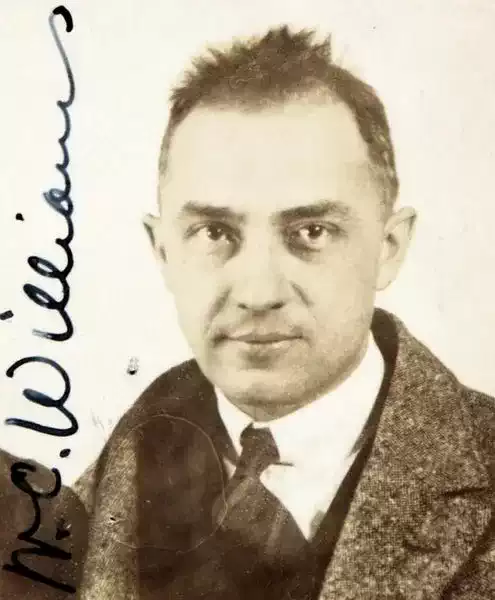
William Carlos Williams
Tract
Tract
I will teach you my townspeople
how to perform a funeral
for you have it over a troop
of artistsunless
one should scour the worldyou
have the ground sense necessary.
See! the hearse leads.
I begin with a design for a hearse.
For Christ's sake not blacknor
white either - and not polished!
Let it be whethered - like a farm wagon -
with gilt wheels (this could be
applied fresh at small expense)
or no wheels at all:
a rough dray to drag over the ground.
Knock the glass out!
My God - glass, my townspeople!
For what purpose? Is it for the dead
to look out or for us to see
the flowers or the lack of them -
or what?
To keep the rain and snow from him?
He will have a heavier rain soon:
pebbles and dirt and what not.
Let there be no glass -
and no upholstery, phew!
and no little brass rollers
and small easy wheels on the bottom -
my townspeople, what are you thinking of?
A rough plain hearse then
with gilt wheels and no top at all.
On this the coffin lies
by its own weight.
No wreathes pleaseespecially
no hot house flowers.
Some common memento is better,
something he prized and is known by:
his old clothes - a few books perhaps -
God knows what! You realize
how we are about these things
my townspeople -
something will be found - anything
even flowers if he had come to that.
So much for the hearse.
For heaven's sake though see to the driver!
Take off the silk hat! In fact
that's no place at all for him -
up there unceremoniously
dragging our friend out to his own dignity!
Bring him down - bring him down!
Low and inconspicuous! I'd not have him ride
on the wagon at all - damn him! -
the undertaker's understrapper!
Let him hold the reins
and walk at the side
and inconspicuously too!
Then briefly as to yourselves:
Walk behind - as they do in France,
seventh class, or if you ride
Hell take curtains! Go with some show
of inconvenience; sit openly -
to the weather as to grief.
Or do you think you can shut grief in?
What - from us? We who have perhaps
nothing to lose? Share with us
share with us - it will be money
in your pockets.
Go now
I think you are ready.
I will teach you my townspeople
how to perform a funeral
for you have it over a troop
of artistsunless
one should scour the worldyou
have the ground sense necessary.
See! the hearse leads.
I begin with a design for a hearse.
For Christ's sake not blacknor
white either - and not polished!
Let it be whethered - like a farm wagon -
with gilt wheels (this could be
applied fresh at small expense)
or no wheels at all:
a rough dray to drag over the ground.
Knock the glass out!
My God - glass, my townspeople!
For what purpose? Is it for the dead
to look out or for us to see
the flowers or the lack of them -
or what?
To keep the rain and snow from him?
He will have a heavier rain soon:
pebbles and dirt and what not.
Let there be no glass -
and no upholstery, phew!
and no little brass rollers
and small easy wheels on the bottom -
my townspeople, what are you thinking of?
A rough plain hearse then
with gilt wheels and no top at all.
On this the coffin lies
by its own weight.
No wreathes pleaseespecially
no hot house flowers.
Some common memento is better,
something he prized and is known by:
his old clothes - a few books perhaps -
God knows what! You realize
how we are about these things
my townspeople -
something will be found - anything
even flowers if he had come to that.
So much for the hearse.
For heaven's sake though see to the driver!
Take off the silk hat! In fact
that's no place at all for him -
up there unceremoniously
dragging our friend out to his own dignity!
Bring him down - bring him down!
Low and inconspicuous! I'd not have him ride
on the wagon at all - damn him! -
the undertaker's understrapper!
Let him hold the reins
and walk at the side
and inconspicuously too!
Then briefly as to yourselves:
Walk behind - as they do in France,
seventh class, or if you ride
Hell take curtains! Go with some show
of inconvenience; sit openly -
to the weather as to grief.
Or do you think you can shut grief in?
What - from us? We who have perhaps
nothing to lose? Share with us
share with us - it will be money
in your pockets.
Go now
I think you are ready.
482
William Carlos Williams
To a Friend Concerning Several Ladies
To a Friend Concerning Several Ladies
You know there is not much
that I desire, a few chrysanthemums
half lying on the grass, yellow
and brown and white, the
talk of a few people, the trees,
an expanse of dried leaves perhaps
with ditches among them.
But there comes
between me and these things
a letter
or even a look--well placed,
you understand,
so that I am confused, twisted
four ways and--left flat,
unable to lift the food to
my own mouth:
Here is what they say: Come!
and come! and come! And if
I do not go I remain stale to
myself and if I go--
I have watched
the city from a distance at night
and wondered why I wrote no poem.
Come! yes,
the city is ablaze for you
and you stand and look at it.
And they are right. There is
no good in the world except out of
a woman and certain women alone
for certain. But what if
I arrive like a turtle,
with my house on my back or
a fish ogling from under water?
It will not do. I must be
steaming with love, colored
like a flamingo. For what?
To have legs and a silly head
and to smell, pah! like a flamingo
that soils its own feathers behind.
Must I go home filled
with a bad poem?
And they say:
Who can answer these things
till he has tried? Your eyes
are half closed, you are a child,
oh, a sweet one, ready to play
but I will make a man of you and
with love on his shoulder--!
And in the marshes
the crickets run
on the sunny dike's top and
make burrows there, the water
reflects the reeds and the reeds
move on their stalks and rattle drily.
You know there is not much
that I desire, a few chrysanthemums
half lying on the grass, yellow
and brown and white, the
talk of a few people, the trees,
an expanse of dried leaves perhaps
with ditches among them.
But there comes
between me and these things
a letter
or even a look--well placed,
you understand,
so that I am confused, twisted
four ways and--left flat,
unable to lift the food to
my own mouth:
Here is what they say: Come!
and come! and come! And if
I do not go I remain stale to
myself and if I go--
I have watched
the city from a distance at night
and wondered why I wrote no poem.
Come! yes,
the city is ablaze for you
and you stand and look at it.
And they are right. There is
no good in the world except out of
a woman and certain women alone
for certain. But what if
I arrive like a turtle,
with my house on my back or
a fish ogling from under water?
It will not do. I must be
steaming with love, colored
like a flamingo. For what?
To have legs and a silly head
and to smell, pah! like a flamingo
that soils its own feathers behind.
Must I go home filled
with a bad poem?
And they say:
Who can answer these things
till he has tried? Your eyes
are half closed, you are a child,
oh, a sweet one, ready to play
but I will make a man of you and
with love on his shoulder--!
And in the marshes
the crickets run
on the sunny dike's top and
make burrows there, the water
reflects the reeds and the reeds
move on their stalks and rattle drily.
439
William Carlos Williams
Thursday
Thursday
I have had my dream--like others--
and it has come to nothing, so that
I remain now carelessly
with feet planted on the ground
and look up at the sky--
feeling my clothes about me,
the weight of my body in my shoes,
the rim of my hat, air passing in and out
at my nose--and decide to dream no more.
I have had my dream--like others--
and it has come to nothing, so that
I remain now carelessly
with feet planted on the ground
and look up at the sky--
feeling my clothes about me,
the weight of my body in my shoes,
the rim of my hat, air passing in and out
at my nose--and decide to dream no more.
483
William Carlos Williams
The Spouts
The Spouts
In this world of
as fine a pair of breasts
as ever I saw
the fountain in
Madison Square
spouts up of water
a white tree
that dies and lives
as the rocking water
in the basin
turns from the stonerim
back upon the jet
and rising there
reflectively drops down again.
In this world of
as fine a pair of breasts
as ever I saw
the fountain in
Madison Square
spouts up of water
a white tree
that dies and lives
as the rocking water
in the basin
turns from the stonerim
back upon the jet
and rising there
reflectively drops down again.
308
William Carlos Williams
The Term
The Term
A rumpled sheet
Of brown paper
About the length
And apparent bulk
Of a man was
Rolling with the
Wind slowly over
And over in
The street as
A car drove down
Upon it and
Crushed it to
The ground. Unlike
A man it rose
Again rolling
With the wind over
And over to be as
It was before.
Anonymous submission.
A rumpled sheet
Of brown paper
About the length
And apparent bulk
Of a man was
Rolling with the
Wind slowly over
And over in
The street as
A car drove down
Upon it and
Crushed it to
The ground. Unlike
A man it rose
Again rolling
With the wind over
And over to be as
It was before.
Anonymous submission.
313
William Carlos Williams
The Term
The Term
A rumpled sheet
Of brown paper
About the length
And apparent bulk
Of a man was
Rolling with the
Wind slowly over
And over in
The street as
A car drove down
Upon it and
Crushed it to
The ground. Unlike
A man it rose
Again rolling
With the wind over
And over to be as
It was before.
Anonymous submission.
A rumpled sheet
Of brown paper
About the length
And apparent bulk
Of a man was
Rolling with the
Wind slowly over
And over in
The street as
A car drove down
Upon it and
Crushed it to
The ground. Unlike
A man it rose
Again rolling
With the wind over
And over to be as
It was before.
Anonymous submission.
313
William Carlos Williams
The Lonely Street
The Lonely Street
School is over. It is too hot
to walk at ease. At ease
in light frocks they walk the streets
to while the time away.
They have grown tall. They hold
pink flames in their right hands.
In white from head to foot,
with sidelong, idle look--
in yellow, floating stuff,
black sash and stockings--
touching their avid mouths
with pink sugar on a stick--
like a carnation each holds in her hand--
they mount the lonely street.
School is over. It is too hot
to walk at ease. At ease
in light frocks they walk the streets
to while the time away.
They have grown tall. They hold
pink flames in their right hands.
In white from head to foot,
with sidelong, idle look--
in yellow, floating stuff,
black sash and stockings--
touching their avid mouths
with pink sugar on a stick--
like a carnation each holds in her hand--
they mount the lonely street.
425
William Carlos Williams
The Last Words of My English Grandmother
The Last Words of My English Grandmother
There were some dirty plates
and a glass of milk
beside her on a small table
near the rank, disheveled bed--
Wrinkled and nearly blind
she lay and snored
rousing with anger in her tones
to cry for food,
Gimme something to eat--
They're starving me--
I'm all right--I won't go
to the hospital.No, no, no
Give me something to eat!
Let me take you
to the hospital, I said
and after you are well
you can do as you please.
She smiled, Yes
you do what you please first
then I can do what I please--
Oh, oh, oh! she cried
as the ambulance men lifted
her to the stretcher--
Is this what you call
making me comfortable?
By now her mind was clear--
Oh you think you're smart
you young people,
she said, but I'll tell you
you don't know anything.
Then we started.
On the way
we passed a long row
of elms. She looked at them
awhile out of
the ambulance window and said,
What are all those
fuzzy looking things out there?
Trees?Well, I'm tired
of them and rolled her head away.
There were some dirty plates
and a glass of milk
beside her on a small table
near the rank, disheveled bed--
Wrinkled and nearly blind
she lay and snored
rousing with anger in her tones
to cry for food,
Gimme something to eat--
They're starving me--
I'm all right--I won't go
to the hospital.No, no, no
Give me something to eat!
Let me take you
to the hospital, I said
and after you are well
you can do as you please.
She smiled, Yes
you do what you please first
then I can do what I please--
Oh, oh, oh! she cried
as the ambulance men lifted
her to the stretcher--
Is this what you call
making me comfortable?
By now her mind was clear--
Oh you think you're smart
you young people,
she said, but I'll tell you
you don't know anything.
Then we started.
On the way
we passed a long row
of elms. She looked at them
awhile out of
the ambulance window and said,
What are all those
fuzzy looking things out there?
Trees?Well, I'm tired
of them and rolled her head away.
721
William Carlos Williams
Queen Anne's Lace
Queen Anne's Lace
Her body is not so white as
anemone petals nor so smooth--nor
so remote a thing. It is a field
of the wild carrot taking
thefield by force; the grass
does not raise above it.
Here is no question of whiteness,
white as can be, with a purple mole
at the center of each flower.
Each flower is a hand's span
of her whiteness. Wherever
his hand has lain there is
a tiny purple blossom under his touch
to which the fibres of her being
stem one by one, each to its end,
until the whole field is a
white desire, empty, a single stem,
a cluster, flower by flower,
a pious wish to whiteness gone over--
or nothing.
Her body is not so white as
anemone petals nor so smooth--nor
so remote a thing. It is a field
of the wild carrot taking
thefield by force; the grass
does not raise above it.
Here is no question of whiteness,
white as can be, with a purple mole
at the center of each flower.
Each flower is a hand's span
of her whiteness. Wherever
his hand has lain there is
a tiny purple blossom under his touch
to which the fibres of her being
stem one by one, each to its end,
until the whole field is a
white desire, empty, a single stem,
a cluster, flower by flower,
a pious wish to whiteness gone over--
or nothing.
499
William Carlos Williams
Portrait of a Lady
Portrait of a Lady
Your thighs are appletrees
whose blossoms touch the sky.
Which sky? The sky
where Watteau hung a lady's
slipper. Your knees
are a southern breeze -- or
a gust of snow. Agh! what
sort of man was Fragonard?
-- As if that answered
anything. -- Ah, yes. Below
the knees, since the tune
drops that way, it is
one of those white summer days,
the tall grass of your ankles
flickers upon the shore --
Which shore? --
the sand clings to my lips --
Which shore?
Agh, petals maybe. How
should I know?
Which shore? Which shore?
-- the petals from some hidden
appletree -- Which shore?
I said petals from an appletree.
Your thighs are appletrees
whose blossoms touch the sky.
Which sky? The sky
where Watteau hung a lady's
slipper. Your knees
are a southern breeze -- or
a gust of snow. Agh! what
sort of man was Fragonard?
-- As if that answered
anything. -- Ah, yes. Below
the knees, since the tune
drops that way, it is
one of those white summer days,
the tall grass of your ankles
flickers upon the shore --
Which shore? --
the sand clings to my lips --
Which shore?
Agh, petals maybe. How
should I know?
Which shore? Which shore?
-- the petals from some hidden
appletree -- Which shore?
I said petals from an appletree.
347
William Carlos Williams
Overture to a Dance of Locomotives
Overture to a Dance of Locomotives
Men with picked voices chant the names
of cities in a huge gallery: promises
that pull through descending stairways
to a deep rumbling.
The rubbing feet
of those coming to be carried quicken a
grey pavement into soft light that rocks
to and fro, under the domed ceiling,
across and across from pale
earthcolored walls of bare limestone.
Covertly the hands of a great clock
go round and round! Were they to
move quickly and at once the whole
secret would be out and the shuffling
of all ants be done forever.
A leaning pyramid of sunlight, narrowing
out at a high window, moves by the clock:
disaccordant hands straining out from
a center: inevitable postures infinitely
repeated--
two--twofour--twoeight!
Porters in red hats run on narrow platforms.
This way ma'am!
--important not to take
the wrong train!
Lights from the concrete
ceiling hang crooked but--
Poised horizontal
on glittering parallels the dingy cylinders
packed with a warm glow--inviting entry--
pull against the hour. But brakes can
hold a fixed posture till--
The whistle!
Not twoeight. Not twofour. Two!
Gliding windows. Colored cooks sweating
in a small kitchen. Taillights--
In time: twofour!
In time: twoeight!
--rivers are tunneled: trestles
cross oozy swampland: wheels repeating
the same gesture remain relatively
stationary: rails forever parallel
return on themselves infinitely.
The dance is sure.
Men with picked voices chant the names
of cities in a huge gallery: promises
that pull through descending stairways
to a deep rumbling.
The rubbing feet
of those coming to be carried quicken a
grey pavement into soft light that rocks
to and fro, under the domed ceiling,
across and across from pale
earthcolored walls of bare limestone.
Covertly the hands of a great clock
go round and round! Were they to
move quickly and at once the whole
secret would be out and the shuffling
of all ants be done forever.
A leaning pyramid of sunlight, narrowing
out at a high window, moves by the clock:
disaccordant hands straining out from
a center: inevitable postures infinitely
repeated--
two--twofour--twoeight!
Porters in red hats run on narrow platforms.
This way ma'am!
--important not to take
the wrong train!
Lights from the concrete
ceiling hang crooked but--
Poised horizontal
on glittering parallels the dingy cylinders
packed with a warm glow--inviting entry--
pull against the hour. But brakes can
hold a fixed posture till--
The whistle!
Not twoeight. Not twofour. Two!
Gliding windows. Colored cooks sweating
in a small kitchen. Taillights--
In time: twofour!
In time: twoeight!
--rivers are tunneled: trestles
cross oozy swampland: wheels repeating
the same gesture remain relatively
stationary: rails forever parallel
return on themselves infinitely.
The dance is sure.
564
William Carlos Williams
Overture to a Dance of Locomotives
Overture to a Dance of Locomotives
Men with picked voices chant the names
of cities in a huge gallery: promises
that pull through descending stairways
to a deep rumbling.
The rubbing feet
of those coming to be carried quicken a
grey pavement into soft light that rocks
to and fro, under the domed ceiling,
across and across from pale
earthcolored walls of bare limestone.
Covertly the hands of a great clock
go round and round! Were they to
move quickly and at once the whole
secret would be out and the shuffling
of all ants be done forever.
A leaning pyramid of sunlight, narrowing
out at a high window, moves by the clock:
disaccordant hands straining out from
a center: inevitable postures infinitely
repeated--
two--twofour--twoeight!
Porters in red hats run on narrow platforms.
This way ma'am!
--important not to take
the wrong train!
Lights from the concrete
ceiling hang crooked but--
Poised horizontal
on glittering parallels the dingy cylinders
packed with a warm glow--inviting entry--
pull against the hour. But brakes can
hold a fixed posture till--
The whistle!
Not twoeight. Not twofour. Two!
Gliding windows. Colored cooks sweating
in a small kitchen. Taillights--
In time: twofour!
In time: twoeight!
--rivers are tunneled: trestles
cross oozy swampland: wheels repeating
the same gesture remain relatively
stationary: rails forever parallel
return on themselves infinitely.
The dance is sure.
Men with picked voices chant the names
of cities in a huge gallery: promises
that pull through descending stairways
to a deep rumbling.
The rubbing feet
of those coming to be carried quicken a
grey pavement into soft light that rocks
to and fro, under the domed ceiling,
across and across from pale
earthcolored walls of bare limestone.
Covertly the hands of a great clock
go round and round! Were they to
move quickly and at once the whole
secret would be out and the shuffling
of all ants be done forever.
A leaning pyramid of sunlight, narrowing
out at a high window, moves by the clock:
disaccordant hands straining out from
a center: inevitable postures infinitely
repeated--
two--twofour--twoeight!
Porters in red hats run on narrow platforms.
This way ma'am!
--important not to take
the wrong train!
Lights from the concrete
ceiling hang crooked but--
Poised horizontal
on glittering parallels the dingy cylinders
packed with a warm glow--inviting entry--
pull against the hour. But brakes can
hold a fixed posture till--
The whistle!
Not twoeight. Not twofour. Two!
Gliding windows. Colored cooks sweating
in a small kitchen. Taillights--
In time: twofour!
In time: twoeight!
--rivers are tunneled: trestles
cross oozy swampland: wheels repeating
the same gesture remain relatively
stationary: rails forever parallel
return on themselves infinitely.
The dance is sure.
564
William Carlos Williams
Light Hearted Author
Light Hearted Author
The birches are mad with green points
the wood's edge is burning with their green,
burning, seething--No, no, no.
The birches are opening their leaves one
by one. Their delicate leaves unfold cold
and separate, one by one. Slender tassels
hang swaying from the delicate branch tips--
Oh, I cannot say it. There is no word.
Black is split at once into flowers. In
every bog and ditch, flares of
small fire, white flowers!--Agh,
the birches are mad, mad with their green.
The world is gone, torn into shreds
with this blessing. What have I left undone
that I should have undertaken?
O my brother, you redfaced, living man
ignorant, stupid whose feet are upon
this same dirt that I touch--and eat.
We are alone in this terror, alone,
face to face on this road, you and I,
wrapped by this flame!
Let the polished plows stay idle,
their gloss already on the black soil.
But that face of yours--!
Answer me. I will clutch you. I
will hug you, grip you. I will poke my face
into your face and force you to see me.
Take me in your arms, tell me the commonest
thing that is in your mind to say,
say anything. I will understand you--!
It is the madness of the birch leaves opening
cold, one by one.
My rooms will receive me. But my rooms
are no longer sweet spaces where comfort
is ready to wait on me with its crumbs.
A darkness has brushed them. The mass
of yellow tulips in the bowl is shrunken.
Every familiar object is changed and dwarfed.
I am shaken, broken against a might
that splits comfort, blows apart
my careful partitions, crushes my house
and leaves me--with shrinking heart
and startled, empty eyes--peering out
into a cold world.
In the spring I would be drunk! In the spring
I would be drunk and lie forgetting all things.
Your face! Give me your face, Yang Kue Fei!
your hands, your lips to drink!
Give me your wrists to drink--
I drag you, I am drowned in you, you
overwhelm me! Drink!
Save me! The shad bush is in the edge
of the clearing. The yards in a fury
of lilac blossoms are driving me mad with terror.
Drink and lie forgetting the world.
And coldly the birch leaves are opening one by one.
Coldly I observe them and wait for the end.
And it ends.
The birches are mad with green points
the wood's edge is burning with their green,
burning, seething--No, no, no.
The birches are opening their leaves one
by one. Their delicate leaves unfold cold
and separate, one by one. Slender tassels
hang swaying from the delicate branch tips--
Oh, I cannot say it. There is no word.
Black is split at once into flowers. In
every bog and ditch, flares of
small fire, white flowers!--Agh,
the birches are mad, mad with their green.
The world is gone, torn into shreds
with this blessing. What have I left undone
that I should have undertaken?
O my brother, you redfaced, living man
ignorant, stupid whose feet are upon
this same dirt that I touch--and eat.
We are alone in this terror, alone,
face to face on this road, you and I,
wrapped by this flame!
Let the polished plows stay idle,
their gloss already on the black soil.
But that face of yours--!
Answer me. I will clutch you. I
will hug you, grip you. I will poke my face
into your face and force you to see me.
Take me in your arms, tell me the commonest
thing that is in your mind to say,
say anything. I will understand you--!
It is the madness of the birch leaves opening
cold, one by one.
My rooms will receive me. But my rooms
are no longer sweet spaces where comfort
is ready to wait on me with its crumbs.
A darkness has brushed them. The mass
of yellow tulips in the bowl is shrunken.
Every familiar object is changed and dwarfed.
I am shaken, broken against a might
that splits comfort, blows apart
my careful partitions, crushes my house
and leaves me--with shrinking heart
and startled, empty eyes--peering out
into a cold world.
In the spring I would be drunk! In the spring
I would be drunk and lie forgetting all things.
Your face! Give me your face, Yang Kue Fei!
your hands, your lips to drink!
Give me your wrists to drink--
I drag you, I am drowned in you, you
overwhelm me! Drink!
Save me! The shad bush is in the edge
of the clearing. The yards in a fury
of lilac blossoms are driving me mad with terror.
Drink and lie forgetting the world.
And coldly the birch leaves are opening one by one.
Coldly I observe them and wait for the end.
And it ends.
380