

Poems in this topic
Life and Existence
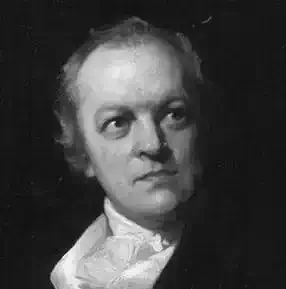
William Blake
On Another's Sorrow
On Another's Sorrow
Can I see another's woe,
And not be in sorrow too?
Can I see another's grief,
And not seek for kind relief?
Can I see a falling tear,
And not feel my sorrow's share?
Can a father see his child
Weep, nor be with sorrow filled?
Can a mother sit and hear
An infant groan, an infant fear?
No, no! never can it be!
Never, never can it be!
And can He who smiles on all
Hear the wren with sorrows small,
Hear the small bird's grief and care,
Hear the woes that infants bear --
And not sit beside the next,
Pouring pity in their breast,
And not sit the cradle near,
Weeping tear on infant's tear?
And not sit both night and day,
Wiping all our tears away?
Oh no! never can it be!
Never, never can it be!
He doth give his joy to all:
He becomes an infant small,
He becomes a man of woe,
He doth feel the sorrow too.
Think not thou canst sigh a sigh,
And thy Maker is not by:
Think not thou canst weep a tear,
And thy Maker is not year.
Oh He gives to us his joy,
That our grief He may destroy:
Till our grief is fled an gone
He doth sit by us and moan.
Can I see another's woe,
And not be in sorrow too?
Can I see another's grief,
And not seek for kind relief?
Can I see a falling tear,
And not feel my sorrow's share?
Can a father see his child
Weep, nor be with sorrow filled?
Can a mother sit and hear
An infant groan, an infant fear?
No, no! never can it be!
Never, never can it be!
And can He who smiles on all
Hear the wren with sorrows small,
Hear the small bird's grief and care,
Hear the woes that infants bear --
And not sit beside the next,
Pouring pity in their breast,
And not sit the cradle near,
Weeping tear on infant's tear?
And not sit both night and day,
Wiping all our tears away?
Oh no! never can it be!
Never, never can it be!
He doth give his joy to all:
He becomes an infant small,
He becomes a man of woe,
He doth feel the sorrow too.
Think not thou canst sigh a sigh,
And thy Maker is not by:
Think not thou canst weep a tear,
And thy Maker is not year.
Oh He gives to us his joy,
That our grief He may destroy:
Till our grief is fled an gone
He doth sit by us and moan.
519
William Blake
Night
Night
The sun descending in the west,
The evening star does shine;
The birds are silent in their nest,
And I must seek for mine.
The moon, like a flower,
In heaven's high bower,
With silent delight
Sits and smiles on the night.
Farewell, green fields and happy groves,
Where flocks have took delight.
Where lambs have nibbled, silent moves
The feet of angels bright;
Unseen they pour blessing,
And joy without ceasing,
On each bud and blossom,
And each sleeping bosom.
They look in every thoughtless nest,
Where birds are covered warm;
They visit caves of every beast,
To keep them all from harm.
If they see any weeping
That should have been sleeping,
They pour sleep on their head,
And sit down by their bed.
When wolves and tigers howl for prey,
They pitying stand and weep;
Seeking to drive their thirst away,
And keep them from the sheep.
But if they rush dreadful,
The angels, most heedful,
Receive each mild spirit,
New worlds to inherit.
And there the lion's ruddy eyes
Shall flow with tears of gold,
And pitying the tender cries,
And walking round the fold,
Saying, 'Wrath, by His meekness,
And, by His health, sickness
Is driven away
From our immortal day.
'And now beside thee, bleating lamb,
I can lie down and sleep;
Or think on Him who bore thy name,
Graze after thee and weep.
For, washed in life's river,
My bright mane for ever
Shall shine like the gold
As I guard o'er the fold.'
The sun descending in the west,
The evening star does shine;
The birds are silent in their nest,
And I must seek for mine.
The moon, like a flower,
In heaven's high bower,
With silent delight
Sits and smiles on the night.
Farewell, green fields and happy groves,
Where flocks have took delight.
Where lambs have nibbled, silent moves
The feet of angels bright;
Unseen they pour blessing,
And joy without ceasing,
On each bud and blossom,
And each sleeping bosom.
They look in every thoughtless nest,
Where birds are covered warm;
They visit caves of every beast,
To keep them all from harm.
If they see any weeping
That should have been sleeping,
They pour sleep on their head,
And sit down by their bed.
When wolves and tigers howl for prey,
They pitying stand and weep;
Seeking to drive their thirst away,
And keep them from the sheep.
But if they rush dreadful,
The angels, most heedful,
Receive each mild spirit,
New worlds to inherit.
And there the lion's ruddy eyes
Shall flow with tears of gold,
And pitying the tender cries,
And walking round the fold,
Saying, 'Wrath, by His meekness,
And, by His health, sickness
Is driven away
From our immortal day.
'And now beside thee, bleating lamb,
I can lie down and sleep;
Or think on Him who bore thy name,
Graze after thee and weep.
For, washed in life's river,
My bright mane for ever
Shall shine like the gold
As I guard o'er the fold.'
502
William Blake
Nurse's Song
Nurse's Song
When voices of children are heard on the green,
And whisperings are in the dale,
The days of my youth rise fresh in my mind,
My face turns green and pale.
Then come home, my children, the sun is gone down,
And the dews of night arise;
Your spring and your day are wasted in play,
And your winter and night in disguise.
When voices of children are heard on the green,
And whisperings are in the dale,
The days of my youth rise fresh in my mind,
My face turns green and pale.
Then come home, my children, the sun is gone down,
And the dews of night arise;
Your spring and your day are wasted in play,
And your winter and night in disguise.
411
William Blake
Nurse's Song
Nurse's Song
When voices of children are heard on the green,
And whisperings are in the dale,
The days of my youth rise fresh in my mind,
My face turns green and pale.
Then come home, my children, the sun is gone down,
And the dews of night arise;
Your spring and your day are wasted in play,
And your winter and night in disguise.
When voices of children are heard on the green,
And whisperings are in the dale,
The days of my youth rise fresh in my mind,
My face turns green and pale.
Then come home, my children, the sun is gone down,
And the dews of night arise;
Your spring and your day are wasted in play,
And your winter and night in disguise.
411
William Blake
Milton: The Sky is an Immortal Tent Built by the Sons of Los
Milton: The Sky is an Immortal Tent Built by the Sons of Los
The sky is an immortal tent built by the Sons of Los:
And every space that a man views around his dwelling-place
Standing on his own roof or in his garden on a mount
Of twenty-five cubits in height, such space is his universe:
And on its verge the sun rises and sets, the clouds bow
To meet the flat earth and the sea in such an order'd space:
The starry heavens reach no further, but here bend and set
On all sides, and the two Poles turn on their valves of gold:
And if he moves his dwelling-place, his heavens also move
Where'er he goes, and all his neighbourhood bewail his loss.
Such are the spaces called Earth and such its dimension.
As to that false appearance which appears to the reasoner
As of a globe rolling through voidness, it is a delusion of Ulro.
The microscope knows not of this nor the telescope: they alter
The ratio of the spectator's organs, but leave objects untouch'd.
For every space larger than a red globule of Man's blood
Is visionary, and is created by the Hammer of Los;
And every space smaller than a globule of Man's blood opens
Into Eternity of which this vegetable Earth is but a shadow.
The red globule is the unwearied sun by Los created
To measure time and space to mortal men every morning
The sky is an immortal tent built by the Sons of Los:
And every space that a man views around his dwelling-place
Standing on his own roof or in his garden on a mount
Of twenty-five cubits in height, such space is his universe:
And on its verge the sun rises and sets, the clouds bow
To meet the flat earth and the sea in such an order'd space:
The starry heavens reach no further, but here bend and set
On all sides, and the two Poles turn on their valves of gold:
And if he moves his dwelling-place, his heavens also move
Where'er he goes, and all his neighbourhood bewail his loss.
Such are the spaces called Earth and such its dimension.
As to that false appearance which appears to the reasoner
As of a globe rolling through voidness, it is a delusion of Ulro.
The microscope knows not of this nor the telescope: they alter
The ratio of the spectator's organs, but leave objects untouch'd.
For every space larger than a red globule of Man's blood
Is visionary, and is created by the Hammer of Los;
And every space smaller than a globule of Man's blood opens
Into Eternity of which this vegetable Earth is but a shadow.
The red globule is the unwearied sun by Los created
To measure time and space to mortal men every morning
442
William Blake
Milton: The Sky is an Immortal Tent Built by the Sons of Los
Milton: The Sky is an Immortal Tent Built by the Sons of Los
The sky is an immortal tent built by the Sons of Los:
And every space that a man views around his dwelling-place
Standing on his own roof or in his garden on a mount
Of twenty-five cubits in height, such space is his universe:
And on its verge the sun rises and sets, the clouds bow
To meet the flat earth and the sea in such an order'd space:
The starry heavens reach no further, but here bend and set
On all sides, and the two Poles turn on their valves of gold:
And if he moves his dwelling-place, his heavens also move
Where'er he goes, and all his neighbourhood bewail his loss.
Such are the spaces called Earth and such its dimension.
As to that false appearance which appears to the reasoner
As of a globe rolling through voidness, it is a delusion of Ulro.
The microscope knows not of this nor the telescope: they alter
The ratio of the spectator's organs, but leave objects untouch'd.
For every space larger than a red globule of Man's blood
Is visionary, and is created by the Hammer of Los;
And every space smaller than a globule of Man's blood opens
Into Eternity of which this vegetable Earth is but a shadow.
The red globule is the unwearied sun by Los created
To measure time and space to mortal men every morning
The sky is an immortal tent built by the Sons of Los:
And every space that a man views around his dwelling-place
Standing on his own roof or in his garden on a mount
Of twenty-five cubits in height, such space is his universe:
And on its verge the sun rises and sets, the clouds bow
To meet the flat earth and the sea in such an order'd space:
The starry heavens reach no further, but here bend and set
On all sides, and the two Poles turn on their valves of gold:
And if he moves his dwelling-place, his heavens also move
Where'er he goes, and all his neighbourhood bewail his loss.
Such are the spaces called Earth and such its dimension.
As to that false appearance which appears to the reasoner
As of a globe rolling through voidness, it is a delusion of Ulro.
The microscope knows not of this nor the telescope: they alter
The ratio of the spectator's organs, but leave objects untouch'd.
For every space larger than a red globule of Man's blood
Is visionary, and is created by the Hammer of Los;
And every space smaller than a globule of Man's blood opens
Into Eternity of which this vegetable Earth is but a shadow.
The red globule is the unwearied sun by Los created
To measure time and space to mortal men every morning
442
William Blake
Milton: And did those feet in ancient time
Milton: And did those feet in ancient time
And did those feet in ancient time
Walk upon England's mountains green?
And was the holy Lamb of God
On England's pleasant pastures seen?
And did the Countenance Divine
Shine forth upon our clouded hills?
And was Jerusalem builded here
Among these dark Satanic mills?
Bring me my bow of burning gold:
Bring me my arrows of desire:
Bring me my spear: O clouds unfold!
Bring me my chariot of fire.
I will not cease from mental fight,
Nor shall my sword sleep in my hand
Till we have built Jerusalem
In England's green and pleasant land.
And did those feet in ancient time
Walk upon England's mountains green?
And was the holy Lamb of God
On England's pleasant pastures seen?
And did the Countenance Divine
Shine forth upon our clouded hills?
And was Jerusalem builded here
Among these dark Satanic mills?
Bring me my bow of burning gold:
Bring me my arrows of desire:
Bring me my spear: O clouds unfold!
Bring me my chariot of fire.
I will not cease from mental fight,
Nor shall my sword sleep in my hand
Till we have built Jerusalem
In England's green and pleasant land.
345
William Blake
Little Vagabond, The
Little Vagabond, The
Dear mother, dear mother, the church is cold,
But the ale-house is healthy and pleasant and warm;
Besides I can tell where I am used well,
Such usage in Heaven will never do well.
But if at the church they would give us some ale,
And a pleasant fire our souls to regale,
We'd sing and we'd pray all the live-long day,
Nor ever once wish from the church to stray.
Then the parson might preach, and drink, and sing,
And we'd be as happy as birds in the spring;
And modest Dame Lurch, who is always at church,
Would not have bandy children, nor fasting, nor birch.
And God, like a father rejoicing to see
His children as pleasant and happy as he,
Would have no more quarrel with the Devil or the barrel,
But kiss him, and give him both drink and apparel.
Dear mother, dear mother, the church is cold,
But the ale-house is healthy and pleasant and warm;
Besides I can tell where I am used well,
Such usage in Heaven will never do well.
But if at the church they would give us some ale,
And a pleasant fire our souls to regale,
We'd sing and we'd pray all the live-long day,
Nor ever once wish from the church to stray.
Then the parson might preach, and drink, and sing,
And we'd be as happy as birds in the spring;
And modest Dame Lurch, who is always at church,
Would not have bandy children, nor fasting, nor birch.
And God, like a father rejoicing to see
His children as pleasant and happy as he,
Would have no more quarrel with the Devil or the barrel,
But kiss him, and give him both drink and apparel.
487
William Blake
Little Boy Found, The
Little Boy Found, The
The little boy lost in the lonely fen,
Led by the wandering light,
Began to cry, but God, ever nigh,
Appeared like his father, in white.
He kissed the child, and by the hand led,
And to his mother brought,
Who in sorrow pale, through the lonely dale,
The little boy weeping sought.
The little boy lost in the lonely fen,
Led by the wandering light,
Began to cry, but God, ever nigh,
Appeared like his father, in white.
He kissed the child, and by the hand led,
And to his mother brought,
Who in sorrow pale, through the lonely dale,
The little boy weeping sought.
423
William Blake
Jerusalem: I see the Four-fold Man, The Humanity in deadly sleep
Jerusalem: I see the Four-fold Man, The Humanity in deadly sleep
I see the Four-fold Man, The Humanity in deadly sleep
And its fallen Emanation, the Spectre and its cruel Shadow.
I see the Past, Present and Future existing all at once
Before me. O Divine Spirit, sustain me on thy wings,
That I may awake Albion from his long and cold repose;
For Bacon and Newton, sheath'd in dismal steel, their terrors hang
Like iron scourges over Albion: reasonings like vast serpents
Infold around my limbs, bruising my minute articulations.
I turn my eyes to the schools and universities of Europe
And there behold the Loom of Locke, whose Woof rages dire,
Wash'd by the Water-wheels of Newton: black the cloth
In heavy wreaths folds over every nation: cruel works
Of many Wheels I view, wheel without wheel, with cogs tyrannic
Moving by compulsion each other, not as those in Eden, which,
Wheel within wheel, in freedom revolve in harmony and peace.
I see the Four-fold Man, The Humanity in deadly sleep
And its fallen Emanation, the Spectre and its cruel Shadow.
I see the Past, Present and Future existing all at once
Before me. O Divine Spirit, sustain me on thy wings,
That I may awake Albion from his long and cold repose;
For Bacon and Newton, sheath'd in dismal steel, their terrors hang
Like iron scourges over Albion: reasonings like vast serpents
Infold around my limbs, bruising my minute articulations.
I turn my eyes to the schools and universities of Europe
And there behold the Loom of Locke, whose Woof rages dire,
Wash'd by the Water-wheels of Newton: black the cloth
In heavy wreaths folds over every nation: cruel works
Of many Wheels I view, wheel without wheel, with cogs tyrannic
Moving by compulsion each other, not as those in Eden, which,
Wheel within wheel, in freedom revolve in harmony and peace.
504
William Blake
Land of Dreams, The
Land of Dreams, The
Awake, awake, my little boy!
Thou wast thy mother's only joy;
Why dost thou weep in thy gentle sleep?
Awake! thy father does thee keep.
"O, what land is the Land of Dreams?
What are its mountains, and what are its streams?
O father! I saw my mother there,
Among the lilies by waters fair.
"Among the lambs, cloth?d in white,
She walk'd with her Thomas in sweet delight.
I wept for joy, like a dove I mourn;
O! when shall I again return?"
Dear child, I also by pleasant streams
Have wander'd all night in the Land of Dreams;
But tho' calm and warm the waters wide,
I could not get to the other side.
"Father, O father! what do we here
In this land of unbelief and fear?
The Land of Dreams is better far
Above the light of the morning star."
Awake, awake, my little boy!
Thou wast thy mother's only joy;
Why dost thou weep in thy gentle sleep?
Awake! thy father does thee keep.
"O, what land is the Land of Dreams?
What are its mountains, and what are its streams?
O father! I saw my mother there,
Among the lilies by waters fair.
"Among the lambs, cloth?d in white,
She walk'd with her Thomas in sweet delight.
I wept for joy, like a dove I mourn;
O! when shall I again return?"
Dear child, I also by pleasant streams
Have wander'd all night in the Land of Dreams;
But tho' calm and warm the waters wide,
I could not get to the other side.
"Father, O father! what do we here
In this land of unbelief and fear?
The Land of Dreams is better far
Above the light of the morning star."
487
William Blake
Jerusalem
Jerusalem
And did those feet in ancient time
Walk upon England's mountains green?
And was the holy Lamb of God
On England's pleasant pastures seen?
And did the Countenance Divine
Shine forth upon our clouded hills?
And was Jerusalem builded here
Among these dark Satanic mills?
Bring me my bow of burning gold:
Bring me my arrows of desire:
Bring me my spear: O clouds unfold!
Bring me my chariot of fire.
I will not cease from mental fight,
Nor shall my sword sleep in my hand
Till we have built Jerusalem
In England's green and pleasant land.
And did those feet in ancient time
Walk upon England's mountains green?
And was the holy Lamb of God
On England's pleasant pastures seen?
And did the Countenance Divine
Shine forth upon our clouded hills?
And was Jerusalem builded here
Among these dark Satanic mills?
Bring me my bow of burning gold:
Bring me my arrows of desire:
Bring me my spear: O clouds unfold!
Bring me my chariot of fire.
I will not cease from mental fight,
Nor shall my sword sleep in my hand
Till we have built Jerusalem
In England's green and pleasant land.
509
William Blake
Introduction to Songs of Experience
Introduction to Songs of Experience
Hear the voice of the Bard,
Who present, past, and future, sees;
Whose ears have heard
The Holy Word
That walk'd among the ancient trees;
Calling the lapsèd soul,
And weeping in the evening dew;
That might control
The starry pole,
And fallen, fallen light renew!
'O Earth, O Earth, return!
Arise from out the dewy grass!
Night is worn,
And the morn
Rises from the slumbrous mass.
'Turn away no more;
Why wilt thou turn away?
The starry floor,
The watery shore,
Is given thee till the break of day.'
Hear the voice of the Bard,
Who present, past, and future, sees;
Whose ears have heard
The Holy Word
That walk'd among the ancient trees;
Calling the lapsèd soul,
And weeping in the evening dew;
That might control
The starry pole,
And fallen, fallen light renew!
'O Earth, O Earth, return!
Arise from out the dewy grass!
Night is worn,
And the morn
Rises from the slumbrous mass.
'Turn away no more;
Why wilt thou turn away?
The starry floor,
The watery shore,
Is given thee till the break of day.'
408
William Blake
Introduction to Songs of Experience
Introduction to Songs of Experience
Hear the voice of the Bard,
Who present, past, and future, sees;
Whose ears have heard
The Holy Word
That walk'd among the ancient trees;
Calling the lapsèd soul,
And weeping in the evening dew;
That might control
The starry pole,
And fallen, fallen light renew!
'O Earth, O Earth, return!
Arise from out the dewy grass!
Night is worn,
And the morn
Rises from the slumbrous mass.
'Turn away no more;
Why wilt thou turn away?
The starry floor,
The watery shore,
Is given thee till the break of day.'
Hear the voice of the Bard,
Who present, past, and future, sees;
Whose ears have heard
The Holy Word
That walk'd among the ancient trees;
Calling the lapsèd soul,
And weeping in the evening dew;
That might control
The starry pole,
And fallen, fallen light renew!
'O Earth, O Earth, return!
Arise from out the dewy grass!
Night is worn,
And the morn
Rises from the slumbrous mass.
'Turn away no more;
Why wilt thou turn away?
The starry floor,
The watery shore,
Is given thee till the break of day.'
408
William Blake
If It Is True What the Prophets Write
If It Is True What the Prophets Write
If it is true, what the Prophets write,
That the heathen gods are all stocks and stones,
Shall we, for the sake of being polite,
Feed them with the juice of our marrow-bones?
And if Bezaleel and Aholiab drew
What the finger of God pointed to their view,
Shall we suffer the Roman and Grecian rods
To compel us to worship them as gods?
They stole them from the temple of the Lord
And worshipp'd them that they might make inspirèd art abhorr'd;
The wood and stone were call'd the holy things,
And their sublime intent given to their kings.
All the atonements of Jehovah spurn'd,
And criminals to sacrifices turn'd.
If it is true, what the Prophets write,
That the heathen gods are all stocks and stones,
Shall we, for the sake of being polite,
Feed them with the juice of our marrow-bones?
And if Bezaleel and Aholiab drew
What the finger of God pointed to their view,
Shall we suffer the Roman and Grecian rods
To compel us to worship them as gods?
They stole them from the temple of the Lord
And worshipp'd them that they might make inspirèd art abhorr'd;
The wood and stone were call'd the holy things,
And their sublime intent given to their kings.
All the atonements of Jehovah spurn'd,
And criminals to sacrifices turn'd.
451
William Blake
Infant Sorrow
Infant Sorrow
My mother groaned, my father wept,
Into the dangerous world I leapt;
Helpless, naked, piping loud,
Like a fiend hid in a cloud.
Struggling in my father's hands,
Striving against my swaddling bands,
Bound and weary, I thought best
To sulk upon my mother's breast.
My mother groaned, my father wept,
Into the dangerous world I leapt;
Helpless, naked, piping loud,
Like a fiend hid in a cloud.
Struggling in my father's hands,
Striving against my swaddling bands,
Bound and weary, I thought best
To sulk upon my mother's breast.
441
William Blake
I Saw a Chapel
I Saw a Chapel
I saw a chapel all of gold
That none did dare to enter in,
And many weeping stood without,
Weeping, mourning, worshipping.
I saw a serpent rise between
The white pillars of the door,
And he forc'd and forc'd and forc'd,
Down the golden hinges tore.
And along the pavement sweet,
Set with pearls and rubies bright,
All his slimy length he drew
Till upon the altar white
Vomiting his poison out
On the bread and on the wine.
So I turn'd into a sty
And laid me down among the swine.
I saw a chapel all of gold
That none did dare to enter in,
And many weeping stood without,
Weeping, mourning, worshipping.
I saw a serpent rise between
The white pillars of the door,
And he forc'd and forc'd and forc'd,
Down the golden hinges tore.
And along the pavement sweet,
Set with pearls and rubies bright,
All his slimy length he drew
Till upon the altar white
Vomiting his poison out
On the bread and on the wine.
So I turn'd into a sty
And laid me down among the swine.
492
William Blake
Holy Thursday (Innocence)
Holy Thursday (Innocence)
Twas on a Holy Thursday their innocent faces clean
The children walking two & two in red & blue & green
Grey headed beadles walked before with wands as white as snow
Till into the high dome of Pauls they like Thames waters flow
O what a multitude they seemed these flowers of London town
Seated in companies they sit with radiance all their own
The hum of multitudes was there but multitudes of lambs
Thousands of little boys & girls raising their innocent hands
Now like a mighty wind they raise to heaven the voice of song
Or like harmonious thunderings the seats of heaven among
Beneath them sit the aged men wise guardians of the poor
Then cherish pity, lest you drive an angel from your door
Twas on a Holy Thursday their innocent faces clean
The children walking two & two in red & blue & green
Grey headed beadles walked before with wands as white as snow
Till into the high dome of Pauls they like Thames waters flow
O what a multitude they seemed these flowers of London town
Seated in companies they sit with radiance all their own
The hum of multitudes was there but multitudes of lambs
Thousands of little boys & girls raising their innocent hands
Now like a mighty wind they raise to heaven the voice of song
Or like harmonious thunderings the seats of heaven among
Beneath them sit the aged men wise guardians of the poor
Then cherish pity, lest you drive an angel from your door
709
William Blake
Holy Thursday
Holy Thursday
'Twas on a Holy Thursday, their innocent faces clean,
Came children walking two and two, in read, and blue, and green:
Grey-headed beadles walked before, with wands as white as snow,
Till into the high dome of Paul's they like Thames waters flow.
Oh what a multitude they seemed, these flowers of London town!
Seated in companies they sit, with radiance all their own.
The hum of multitudes was there, but multitudes of lambs,
Thousands of little boys and girls raising their innocent hands.
Now like a mighty wild they raise to heaven the voice of song,
Or like harmonious thunderings the seats of heaven among:
Beneath them sit the aged man, wise guardians of the poor.
Then cherish pity, lest you drive an angel from your door.
'Twas on a Holy Thursday, their innocent faces clean,
Came children walking two and two, in read, and blue, and green:
Grey-headed beadles walked before, with wands as white as snow,
Till into the high dome of Paul's they like Thames waters flow.
Oh what a multitude they seemed, these flowers of London town!
Seated in companies they sit, with radiance all their own.
The hum of multitudes was there, but multitudes of lambs,
Thousands of little boys and girls raising their innocent hands.
Now like a mighty wild they raise to heaven the voice of song,
Or like harmonious thunderings the seats of heaven among:
Beneath them sit the aged man, wise guardians of the poor.
Then cherish pity, lest you drive an angel from your door.
845
William Blake
Grey Monk, The
Grey Monk, The
"I die, I die!" the Mother said,
"My children die for lack of bread.
What more has the merciless Tyrant said?"
The Monk sat down on the stony bed.
The blood red ran from the Grey Monk's side,
His hands and feet were wounded wide,
His body bent, his arms and knees
Like to the roots of ancient trees.
His eye was dry; no tear could flow:
A hollow groan first spoke his woe.
He trembled and shudder'd upon the bed;
At length with a feeble cry he said:
"When God commanded this hand to write
In the studious hours of deep midnight,
He told me the writing I wrote should prove
The bane of all that on Earth I lov'd.
My Brother starv'd between two walls,
His Children's cry my soul appalls;
I mock'd at the rack and griding chain,
My bent body mocks their torturing pain.
Thy father drew his sword in the North,
With his thousands strong he marched forth;
Thy Brother has arm'd himself in steel
To avenge the wrongs thy Children feel.
But vain the Sword and vain the Bow,
They never can work War's overthrow.
The Hermit's prayer and the Widow's tear
Alone can free the World from fear.
For a Tear is an intellectual thing,
And a Sigh is the sword of an Angel King,
And the bitter groan of the Martyr's woe
Is an arrow from the Almighty's bow.
The hand of Vengeance found the bed
To which the Purple Tyrant fled;
The iron hand crush'd the Tyrant's head
And became a Tyrant in his stead."
"I die, I die!" the Mother said,
"My children die for lack of bread.
What more has the merciless Tyrant said?"
The Monk sat down on the stony bed.
The blood red ran from the Grey Monk's side,
His hands and feet were wounded wide,
His body bent, his arms and knees
Like to the roots of ancient trees.
His eye was dry; no tear could flow:
A hollow groan first spoke his woe.
He trembled and shudder'd upon the bed;
At length with a feeble cry he said:
"When God commanded this hand to write
In the studious hours of deep midnight,
He told me the writing I wrote should prove
The bane of all that on Earth I lov'd.
My Brother starv'd between two walls,
His Children's cry my soul appalls;
I mock'd at the rack and griding chain,
My bent body mocks their torturing pain.
Thy father drew his sword in the North,
With his thousands strong he marched forth;
Thy Brother has arm'd himself in steel
To avenge the wrongs thy Children feel.
But vain the Sword and vain the Bow,
They never can work War's overthrow.
The Hermit's prayer and the Widow's tear
Alone can free the World from fear.
For a Tear is an intellectual thing,
And a Sigh is the sword of an Angel King,
And the bitter groan of the Martyr's woe
Is an arrow from the Almighty's bow.
The hand of Vengeance found the bed
To which the Purple Tyrant fled;
The iron hand crush'd the Tyrant's head
And became a Tyrant in his stead."
502
William Blake
Hear the Voice
Hear the Voice
HEAR the voice of the Bard,
Who present, past, and future, sees;
Whose ears have heard
The Holy Word
That walk'd among the ancient trees;
Calling the lapsed soul,
And weeping in the evening dew;
That might control
The starry pole,
And fallen, fallen light renew!
'O Earth, O Earth, return!
Arise from out the dewy grass!
Night is worn,
And the morn
Rises from the slumbrous mass.
'Turn away no more;
Why wilt thou turn away?
The starry floor,
The watery shore,
Is given thee till the break of day.'
HEAR the voice of the Bard,
Who present, past, and future, sees;
Whose ears have heard
The Holy Word
That walk'd among the ancient trees;
Calling the lapsed soul,
And weeping in the evening dew;
That might control
The starry pole,
And fallen, fallen light renew!
'O Earth, O Earth, return!
Arise from out the dewy grass!
Night is worn,
And the morn
Rises from the slumbrous mass.
'Turn away no more;
Why wilt thou turn away?
The starry floor,
The watery shore,
Is given thee till the break of day.'
361
William Blake
Four Zoas, The (excerpt)
Four Zoas, The (excerpt)
. "What is the price of Experience? do men buy it for a song?
. Or wisdom for a dance in the street? No, it is bought with the price
. Of all that a man hath, his house, his wife, his children.
. Wisdom is sold in the desolate market where none come to buy,
. And in the wither'd field where the farmer plows for bread in vain.
. It is an easy thing to triumph in the summer's sun
. And in the vintage and to sing on the waggon loaded with corn.
. It is an easy thing to talk of patience to the afflicted,
. To speak the laws of prudence to the houseless wanderer,
. To listen to the hungry raven's cry in wintry season
. When the red blood is fill'd with wine and with the marrow of lambs.
. It is an easy thing to laugh at wrathful elements,
. To hear the dog howl at the wintry door, the ox in the slaughter house moan;
. To see a god on every wind and a blessing on every blast;
. To hear sounds of love in the thunder storm that destroys our enemies' house;
. To rejoice in the blight that covers his field, and the sickness that cuts off his
children,
. While our olive and vine sing and laugh round our door, and our children bring
fruits and flowers.
. Then the groan and the dolor are quite forgotten, and the slave grinding at the
mill,
. And the captive in chains, and the poor in the prison, and the soldier in the field
. When the shatter'd bone hath laid him groaning among the happier dead.
. It is an easy thing to rejoice in the tents of prosperity:
. Thus could I sing and thus rejoice: but it is not so with me."
. "Compel the poor to live upon a crust of bread, by soft mild arts.
. Smile when they frown, frown when they smile; and when a man looks pale
. With labour and abstinence, say he looks healthy and happy;
. And when his children sicken, let them die; there are enough
. Born, even too many, and our earth will be overrun
. Without these arts. If you would make the poor live with temper,
. With pomp give every crust of bread you give; with gracious cunning
. Magnify small gifts; reduce the man to want a gift, and then give with pomp.
. Say he smiles if you hear him sigh. If pale, say he is ruddy.
. Preach temperance: say he is overgorg'd and drowns his wit
. In strong drink, though you know that bread and water are all
. He can afford. Flatter his wife, pity his children, till we can
. Reduce all to our will, as spaniels are taught with art."
. The sun has left his blackness and has found a fresher morning,
. And the mild moon rejoices in the clear and cloudless night,
. And Man walks forth from midst of the fires: the evil is all consum'd.
. His eyes behold the Angelic spheres arising night and day;
. The stars consum'd like a lamp blown out, and in their stead, behold
. The expanding eyes of Man behold the depths of wondrous worlds!
. One Earth, one sea beneath; nor erring globes wander, but stars
. Of fire rise up nightly from the ocean; and one sun
. Each morning, like a new born man, issues with songs and joy
. Calling the Plowman to his labour and the Shepherd to his rest.
. He walks upon the Eternal Mountains, raising his heavenly voice,
. Conversing with the animal forms of wisdom night and day,
. That, risen from the sea of fire, renew'd walk o'er the Earth;
. For Tharmas brought his flocks upon the hills, and in the vales
. Around the Eternal Man's bright tent, the little children play
. Among the woolly flocks. The hammer of Urthona sounds
. In the deep caves beneath; his limbs renew'd, his Lions roar
. Around the Furnaces and in evening sport upon the plains.
. They raise their faces from the earth, conversing with the Man:
. "How is it we have walk'd through fires and yet are not consum'd?
. How is it that all things are chang'd, even as in ancient times?"
. "What is the price of Experience? do men buy it for a song?
. Or wisdom for a dance in the street? No, it is bought with the price
. Of all that a man hath, his house, his wife, his children.
. Wisdom is sold in the desolate market where none come to buy,
. And in the wither'd field where the farmer plows for bread in vain.
. It is an easy thing to triumph in the summer's sun
. And in the vintage and to sing on the waggon loaded with corn.
. It is an easy thing to talk of patience to the afflicted,
. To speak the laws of prudence to the houseless wanderer,
. To listen to the hungry raven's cry in wintry season
. When the red blood is fill'd with wine and with the marrow of lambs.
. It is an easy thing to laugh at wrathful elements,
. To hear the dog howl at the wintry door, the ox in the slaughter house moan;
. To see a god on every wind and a blessing on every blast;
. To hear sounds of love in the thunder storm that destroys our enemies' house;
. To rejoice in the blight that covers his field, and the sickness that cuts off his
children,
. While our olive and vine sing and laugh round our door, and our children bring
fruits and flowers.
. Then the groan and the dolor are quite forgotten, and the slave grinding at the
mill,
. And the captive in chains, and the poor in the prison, and the soldier in the field
. When the shatter'd bone hath laid him groaning among the happier dead.
. It is an easy thing to rejoice in the tents of prosperity:
. Thus could I sing and thus rejoice: but it is not so with me."
. "Compel the poor to live upon a crust of bread, by soft mild arts.
. Smile when they frown, frown when they smile; and when a man looks pale
. With labour and abstinence, say he looks healthy and happy;
. And when his children sicken, let them die; there are enough
. Born, even too many, and our earth will be overrun
. Without these arts. If you would make the poor live with temper,
. With pomp give every crust of bread you give; with gracious cunning
. Magnify small gifts; reduce the man to want a gift, and then give with pomp.
. Say he smiles if you hear him sigh. If pale, say he is ruddy.
. Preach temperance: say he is overgorg'd and drowns his wit
. In strong drink, though you know that bread and water are all
. He can afford. Flatter his wife, pity his children, till we can
. Reduce all to our will, as spaniels are taught with art."
. The sun has left his blackness and has found a fresher morning,
. And the mild moon rejoices in the clear and cloudless night,
. And Man walks forth from midst of the fires: the evil is all consum'd.
. His eyes behold the Angelic spheres arising night and day;
. The stars consum'd like a lamp blown out, and in their stead, behold
. The expanding eyes of Man behold the depths of wondrous worlds!
. One Earth, one sea beneath; nor erring globes wander, but stars
. Of fire rise up nightly from the ocean; and one sun
. Each morning, like a new born man, issues with songs and joy
. Calling the Plowman to his labour and the Shepherd to his rest.
. He walks upon the Eternal Mountains, raising his heavenly voice,
. Conversing with the animal forms of wisdom night and day,
. That, risen from the sea of fire, renew'd walk o'er the Earth;
. For Tharmas brought his flocks upon the hills, and in the vales
. Around the Eternal Man's bright tent, the little children play
. Among the woolly flocks. The hammer of Urthona sounds
. In the deep caves beneath; his limbs renew'd, his Lions roar
. Around the Furnaces and in evening sport upon the plains.
. They raise their faces from the earth, conversing with the Man:
. "How is it we have walk'd through fires and yet are not consum'd?
. How is it that all things are chang'd, even as in ancient times?"
602
William Blake
From Milton: And did those feet
From Milton: And did those feet
And did those feet in ancient time
Walk upon England's mountains green?
And was the holy Lamb of God
On England's pleasant pastures seen?
And did the Countenance Divine
Shine forth upon our clouded hills?
And was Jerusalem builded here,
Among these dark Satanic Mills?
Bring me my Bow of burning gold:
Bring me my Arrows of desire:
Bring me my Spear:O clouds unfold!
Bring me my Chariot of fire!
I will not cease from Mental Fight,
Nor shall my Sword sleep in my hand,
Till we have built Jerusalem
In England's green & pleasant Land.
And did those feet in ancient time
Walk upon England's mountains green?
And was the holy Lamb of God
On England's pleasant pastures seen?
And did the Countenance Divine
Shine forth upon our clouded hills?
And was Jerusalem builded here,
Among these dark Satanic Mills?
Bring me my Bow of burning gold:
Bring me my Arrows of desire:
Bring me my Spear:O clouds unfold!
Bring me my Chariot of fire!
I will not cease from Mental Fight,
Nor shall my Sword sleep in my hand,
Till we have built Jerusalem
In England's green & pleasant Land.
427
William Blake
England! awake! awake! awake!
England! awake! awake! awake!
England! awake! awake! awake!
Jerusalem thy Sister calls!
Why wilt thou sleep the sleep of death
And close her from thy ancient walls?
Thy hills and valleys felt her feet
Gently upon their bosoms move:
Thy gates beheld sweet Zion's ways:
Then was a time of joy and love.
And now the time returns again:
Our souls exult, and London's towers
Receive the Lamb of God to dwell
In England's green and pleasant bowers.
England! awake! awake! awake!
Jerusalem thy Sister calls!
Why wilt thou sleep the sleep of death
And close her from thy ancient walls?
Thy hills and valleys felt her feet
Gently upon their bosoms move:
Thy gates beheld sweet Zion's ways:
Then was a time of joy and love.
And now the time returns again:
Our souls exult, and London's towers
Receive the Lamb of God to dwell
In England's green and pleasant bowers.
438