

Poems in this topic
Life and Existence

Wilfred Owen
Hospital Barge
Hospital Barge
Budging the sluggard ripples of the Somme,
A barge round old Cérisy slowly slewed.
Softly her engines down the current screwed,
And chuckled softly with contented hum,
Till fairy tinklings struck their croonings dumb.
The waters rumpling at the stern subdued;
The lock-gate took her bulging amplitude;
Gently from out the gurgling lock she swum.
One reading by that calm bank shaded eyes
To watch her lessening westward quietly.
Then, as she neared the bend, her funnel screamed.
And that long lamentation made him wise
How unto Avalon, in agony,
Kings passed in the dark barge, which Merlin dreamed.
Budging the sluggard ripples of the Somme,
A barge round old Cérisy slowly slewed.
Softly her engines down the current screwed,
And chuckled softly with contented hum,
Till fairy tinklings struck their croonings dumb.
The waters rumpling at the stern subdued;
The lock-gate took her bulging amplitude;
Gently from out the gurgling lock she swum.
One reading by that calm bank shaded eyes
To watch her lessening westward quietly.
Then, as she neared the bend, her funnel screamed.
And that long lamentation made him wise
How unto Avalon, in agony,
Kings passed in the dark barge, which Merlin dreamed.
195
Wilfred Owen
Futility
Futility
Move him into the sun--
Gently its touch awoke him once,
At home, whispering of fields unsown.
Always it awoke him, even in France,
Until this morning and this snow.
If anything might rouse him now
The kind old sun will know.
Think how it wakes the seeds--
Woke, once, the clays of a cold star.
Are limbs so dear-achieved, are sides
Full-nerved,--still warm,--too hard to stir?
Was it for this the clay grew tall?
--O what made fatuous sunbeams toil
To break earth's sleep at all?
Move him into the sun--
Gently its touch awoke him once,
At home, whispering of fields unsown.
Always it awoke him, even in France,
Until this morning and this snow.
If anything might rouse him now
The kind old sun will know.
Think how it wakes the seeds--
Woke, once, the clays of a cold star.
Are limbs so dear-achieved, are sides
Full-nerved,--still warm,--too hard to stir?
Was it for this the clay grew tall?
--O what made fatuous sunbeams toil
To break earth's sleep at all?
393
Wilfred Owen
Elegy in April and September
Elegy in April and September
Hush, thrush! Hush, missen-thrush, I listen...
I heard the flush of footsteps through the loose leaves,
And a low whistle by the water's brim.
Still! Daffodil! Nay, hail me not so gaily,-
Your gay gold lily daunts me and deceives,
Who follow gleams more golden and more slim.
Look, brook! O run and look, O run!
The vain reeds shook? - Yet search till gray sea heaves,
And I will stray among these fields for him.
Gaze, daisy! Stare through haze and glare,
And mark the hazardous stars all dawns and eves,
For my eye withers, and his star wanes dim.
Close, rose, and droop, heliotrope,
And shudder, hope! The shattering winter blows.
Drop, heliotrope, and close, rose...
Mourn, corn, and sigh, rye.
Men garner you, but youth's head lies forlorn.
Sigh, rye, and mourn, corn...
Brood, wood, and muse, yews,
The ways gods use we have not understood.
Muse, yews, and brood, wood...
Hush, thrush! Hush, missen-thrush, I listen...
I heard the flush of footsteps through the loose leaves,
And a low whistle by the water's brim.
Still! Daffodil! Nay, hail me not so gaily,-
Your gay gold lily daunts me and deceives,
Who follow gleams more golden and more slim.
Look, brook! O run and look, O run!
The vain reeds shook? - Yet search till gray sea heaves,
And I will stray among these fields for him.
Gaze, daisy! Stare through haze and glare,
And mark the hazardous stars all dawns and eves,
For my eye withers, and his star wanes dim.
Close, rose, and droop, heliotrope,
And shudder, hope! The shattering winter blows.
Drop, heliotrope, and close, rose...
Mourn, corn, and sigh, rye.
Men garner you, but youth's head lies forlorn.
Sigh, rye, and mourn, corn...
Brood, wood, and muse, yews,
The ways gods use we have not understood.
Muse, yews, and brood, wood...
187
Wilfred Owen
Conscious
Conscious
His fingers wake, and flutter up the bed.
His eyes come open with a pull of will,
Helped by the yellow may-flowers by his head.
A blind-cord drawls across the window-sill . . .
How smooth the floor of the ward is! what a rug!
And who's that talking, somewhere out of sight?
Why are they laughing? What's inside that jug?
"Nurse! Doctor!" "Yes; all right, all right."
But sudden dusk bewilders all the air --
There seems no time to want a drink of water.
Nurse looks so far away. And everywhere
Music and roses burnt through crimson slaughter.
Cold; cold; he's cold; and yet so hot:
And there's no light to see the voices by --
No time to dream, and ask -- he knows not what.
His fingers wake, and flutter up the bed.
His eyes come open with a pull of will,
Helped by the yellow may-flowers by his head.
A blind-cord drawls across the window-sill . . .
How smooth the floor of the ward is! what a rug!
And who's that talking, somewhere out of sight?
Why are they laughing? What's inside that jug?
"Nurse! Doctor!" "Yes; all right, all right."
But sudden dusk bewilders all the air --
There seems no time to want a drink of water.
Nurse looks so far away. And everywhere
Music and roses burnt through crimson slaughter.
Cold; cold; he's cold; and yet so hot:
And there's no light to see the voices by --
No time to dream, and ask -- he knows not what.
174
Wilfred Owen
Beauty: [Notes for an unfinished poem]
Beauty: [Notes for an unfinished poem]
The beautiful, the fair, the elegant,
Is that which pleases us, says Kant,
Without a thought of interest or advantage.
I used to watch men when they spoke of beauty
And measure their enthusiasm. One
An old man, seeing a ( ) setting sun,
Praised it ( ) a certain sense of duty
To the calm evening and his time of life.
I know another man that never says a Beauty
But of a horse; ( )
Men seldom speak of beauty, beauty as such,
Not even lovers think about it much.
Women of course consider it for hours
In mirrors; ( )
A shrapnel ball -
Just where the wet skin glistened when he swam -
Like a fully-opened sea-anemone.
We both said 'What a beauty! What a beauty, lad'
I knew that in that flower he saw a hope
Of living on, and seeing again the roses of his home.
Beauty is that which pleases and delights,
Not bringing personal advantage - Kant.
But later on I heard
A canker worked into that crimson flower
And that he sank with it
And laid it with the anemones off Dover.
The beautiful, the fair, the elegant,
Is that which pleases us, says Kant,
Without a thought of interest or advantage.
I used to watch men when they spoke of beauty
And measure their enthusiasm. One
An old man, seeing a ( ) setting sun,
Praised it ( ) a certain sense of duty
To the calm evening and his time of life.
I know another man that never says a Beauty
But of a horse; ( )
Men seldom speak of beauty, beauty as such,
Not even lovers think about it much.
Women of course consider it for hours
In mirrors; ( )
A shrapnel ball -
Just where the wet skin glistened when he swam -
Like a fully-opened sea-anemone.
We both said 'What a beauty! What a beauty, lad'
I knew that in that flower he saw a hope
Of living on, and seeing again the roses of his home.
Beauty is that which pleases and delights,
Not bringing personal advantage - Kant.
But later on I heard
A canker worked into that crimson flower
And that he sank with it
And laid it with the anemones off Dover.
236
Wilfred Owen
At a Calvary Near the Ancre
At a Calvary Near the Ancre
One ever hangs where shelled roads part.
In this war He too lost a limb,
But His disciples hide apart;
And now the Soldiers bear with Him.
Near Golgotha strolls many a priest,
And in their faces there is pride
That they were flesh-marked by the Beast
By whom the gentle Christ's denied
The scribes on all the people shove
And bawl allegiance to the state,
But they who love the greater love
Lay down their life; they do not hate
One ever hangs where shelled roads part.
In this war He too lost a limb,
But His disciples hide apart;
And now the Soldiers bear with Him.
Near Golgotha strolls many a priest,
And in their faces there is pride
That they were flesh-marked by the Beast
By whom the gentle Christ's denied
The scribes on all the people shove
And bawl allegiance to the state,
But they who love the greater love
Lay down their life; they do not hate
186
Wilfred Owen
A Terre
A Terre
(Being the philosophy of many Soldiers.)
Sit on the bed; I'm blind, and three parts shell,
Be careful; can't shake hands now; never shall.
Both arms have mutinied against me -- brutes.
My fingers fidget like ten idle brats.
I tried to peg out soldierly -- no use!
One dies of war like any old disease.
This bandage feels like pennies on my eyes.
I have my medals? -- Discs to make eyes close.
My glorious ribbons? -- Ripped from my own back
In scarlet shreds. (That's for your poetry book.)
A short life and a merry one, my brick!
We used to say we'd hate to live dead old, --
Yet now . . . I'd willingly be puffy, bald,
And patriotic. Buffers catch from boys
At least the jokes hurled at them. I suppose
Little I'd ever teach a son, but hitting,
Shooting, war, hunting, all the arts of hurting.
Well, that's what I learnt, -- that, and making money.
Your fifty years ahead seem none too many?
Tell me how long I've got? God! For one year
To help myself to nothing more than air!
One Spring! Is one too good to spare, too long?
Spring wind would work its own way to my lung,
And grow me legs as quick as lilac-shoots.
My servant's lamed, but listen how he shouts!
When I'm lugged out, he'll still be good for that.
Here in this mummy-case, you know, I've thought
How well I might have swept his floors for ever,
I'd ask no night off when the bustle's over,
Enjoying so the dirt. Who's prejudiced
Against a grimed hand when his own's quite dust,
Less live than specks that in the sun-shafts turn,
Less warm than dust that mixes with arms' tan?
I'd love to be a sweep, now, black as Town,
Yes, or a muckman. Must I be his load?
O Life, Life, let me breathe, -- a dug-out rat!
Not worse than ours the existences rats lead --
Nosing along at night down some safe vat,
They find a shell-proof home before they rot.
Dead men may envy living mites in cheese,
Or good germs even. Microbes have their joys,
And subdivide, and never come to death,
Certainly flowers have the easiest time on earth.
"I shall be one with nature, herb, and stone."
Shelley would tell me. Shelley would be stunned;
The dullest Tommy hugs that fancy now.
"Pushing up daisies," is their creed, you know.
To grain, then, go my fat, to buds my sap,
For all the usefulness there is in soap.
D'you think the Boche will ever stew man-soup?
Some day, no doubt, if . . .
Friend, be very sure
I shall be better off with plants that share
More peaceably the meadow and the shower.
Soft rains will touch me, -- as they could touch once,
And nothing but the sun shall make me ware.
Your guns may crash around me. I'll not hear;
Or, if I wince, I shall not know I wince.
Don't take my soul's poor comfort for your jest.
Soldiers may grow a soul when turned to fronds,
But here the thing's best left at home with friends.
My soul's a little grief, grappling your chest,
To climb your throat on sobs; easily chased
On other sighs and wiped by fresher winds.
Carry my crying spirit till it's weaned
To do without what blood remained these wounds.
(Being the philosophy of many Soldiers.)
Sit on the bed; I'm blind, and three parts shell,
Be careful; can't shake hands now; never shall.
Both arms have mutinied against me -- brutes.
My fingers fidget like ten idle brats.
I tried to peg out soldierly -- no use!
One dies of war like any old disease.
This bandage feels like pennies on my eyes.
I have my medals? -- Discs to make eyes close.
My glorious ribbons? -- Ripped from my own back
In scarlet shreds. (That's for your poetry book.)
A short life and a merry one, my brick!
We used to say we'd hate to live dead old, --
Yet now . . . I'd willingly be puffy, bald,
And patriotic. Buffers catch from boys
At least the jokes hurled at them. I suppose
Little I'd ever teach a son, but hitting,
Shooting, war, hunting, all the arts of hurting.
Well, that's what I learnt, -- that, and making money.
Your fifty years ahead seem none too many?
Tell me how long I've got? God! For one year
To help myself to nothing more than air!
One Spring! Is one too good to spare, too long?
Spring wind would work its own way to my lung,
And grow me legs as quick as lilac-shoots.
My servant's lamed, but listen how he shouts!
When I'm lugged out, he'll still be good for that.
Here in this mummy-case, you know, I've thought
How well I might have swept his floors for ever,
I'd ask no night off when the bustle's over,
Enjoying so the dirt. Who's prejudiced
Against a grimed hand when his own's quite dust,
Less live than specks that in the sun-shafts turn,
Less warm than dust that mixes with arms' tan?
I'd love to be a sweep, now, black as Town,
Yes, or a muckman. Must I be his load?
O Life, Life, let me breathe, -- a dug-out rat!
Not worse than ours the existences rats lead --
Nosing along at night down some safe vat,
They find a shell-proof home before they rot.
Dead men may envy living mites in cheese,
Or good germs even. Microbes have their joys,
And subdivide, and never come to death,
Certainly flowers have the easiest time on earth.
"I shall be one with nature, herb, and stone."
Shelley would tell me. Shelley would be stunned;
The dullest Tommy hugs that fancy now.
"Pushing up daisies," is their creed, you know.
To grain, then, go my fat, to buds my sap,
For all the usefulness there is in soap.
D'you think the Boche will ever stew man-soup?
Some day, no doubt, if . . .
Friend, be very sure
I shall be better off with plants that share
More peaceably the meadow and the shower.
Soft rains will touch me, -- as they could touch once,
And nothing but the sun shall make me ware.
Your guns may crash around me. I'll not hear;
Or, if I wince, I shall not know I wince.
Don't take my soul's poor comfort for your jest.
Soldiers may grow a soul when turned to fronds,
But here the thing's best left at home with friends.
My soul's a little grief, grappling your chest,
To climb your throat on sobs; easily chased
On other sighs and wiped by fresher winds.
Carry my crying spirit till it's weaned
To do without what blood remained these wounds.
187
Wilfred Owen
An Imperial Elegy
An Imperial Elegy
Not one corner of a foreign field
But a span as wide as Europe;
An appearance of a titan's grave,
And the length thereof a thousand miles,
It crossed all Europe like a mystic road,
Or as the Spirits' Pathway lieth on the night.
And I heard a voice crying
This is the Path of Glory.
Not one corner of a foreign field
But a span as wide as Europe;
An appearance of a titan's grave,
And the length thereof a thousand miles,
It crossed all Europe like a mystic road,
Or as the Spirits' Pathway lieth on the night.
And I heard a voice crying
This is the Path of Glory.
172
Wilfred Owen
War broke: and now the Winter of the world
War broke: and now the Winter of the world
With perishing great darkness closes in.
The foul tornado, centred at Berlin,
Is over all the width of Europe whirled,
Rending the sails of progress. Rent or furled
Are all Art's ensigns. Verse wails. Now begin
Famines of thought and feeling. Love's wine's thin.
The grain of human Autumn rots, down-hurled.
For after Spring had bloomed in early Greece,
And Summer blazed her glory out with Rome,
An Autumn softly fell, a harvest home,
A slow grand age, and rich with all increase.
But now, for us, wild Winter, and the need
Of sowings for new Spring, and blood for seed.
With perishing great darkness closes in.
The foul tornado, centred at Berlin,
Is over all the width of Europe whirled,
Rending the sails of progress. Rent or furled
Are all Art's ensigns. Verse wails. Now begin
Famines of thought and feeling. Love's wine's thin.
The grain of human Autumn rots, down-hurled.
For after Spring had bloomed in early Greece,
And Summer blazed her glory out with Rome,
An Autumn softly fell, a harvest home,
A slow grand age, and rich with all increase.
But now, for us, wild Winter, and the need
Of sowings for new Spring, and blood for seed.
194
Wilfred Owen
[I Saw His Round Mouth's Crimson]
[I Saw His Round Mouth's Crimson]
[I saw his round mouth's crimson deepen as it fell],
Like a Sun, in his last deep hour;
Watched the magnificent recession of farewell,
Clouding, half gleam, half glower,
And a last splendour burn the heavens of his cheek.
And in his eyes
The cold stars lighting, very old and bleak,
In different skies.
[I saw his round mouth's crimson deepen as it fell],
Like a Sun, in his last deep hour;
Watched the magnificent recession of farewell,
Clouding, half gleam, half glower,
And a last splendour burn the heavens of his cheek.
And in his eyes
The cold stars lighting, very old and bleak,
In different skies.
181
Wilfred Owen
[I Saw His Round Mouth's Crimson]
[I Saw His Round Mouth's Crimson]
[I saw his round mouth's crimson deepen as it fell],
Like a Sun, in his last deep hour;
Watched the magnificent recession of farewell,
Clouding, half gleam, half glower,
And a last splendour burn the heavens of his cheek.
And in his eyes
The cold stars lighting, very old and bleak,
In different skies.
[I saw his round mouth's crimson deepen as it fell],
Like a Sun, in his last deep hour;
Watched the magnificent recession of farewell,
Clouding, half gleam, half glower,
And a last splendour burn the heavens of his cheek.
And in his eyes
The cold stars lighting, very old and bleak,
In different skies.
181

Walter de la Mare
When the Rose is Faded
When the Rose is Faded
When the rose is faded,
Memory may still dwell on
Her beauty shadowed,
And the sweet smell gone.
That vanishing loveliness,
That burdening breath,
No bond of life hath then,
Nor grief of death.
'Tis the immortal thought
Whose passion still
Makes the changing
The unchangeable.
Oh, thus thy beauty,
Loveliest on earth to me,
Dark with no sorrow, shines
And burns, with thee.
When the rose is faded,
Memory may still dwell on
Her beauty shadowed,
And the sweet smell gone.
That vanishing loveliness,
That burdening breath,
No bond of life hath then,
Nor grief of death.
'Tis the immortal thought
Whose passion still
Makes the changing
The unchangeable.
Oh, thus thy beauty,
Loveliest on earth to me,
Dark with no sorrow, shines
And burns, with thee.
299
Walter de la Mare
When the Rose is Faded
When the Rose is Faded
When the rose is faded,
Memory may still dwell on
Her beauty shadowed,
And the sweet smell gone.
That vanishing loveliness,
That burdening breath,
No bond of life hath then,
Nor grief of death.
'Tis the immortal thought
Whose passion still
Makes the changing
The unchangeable.
Oh, thus thy beauty,
Loveliest on earth to me,
Dark with no sorrow, shines
And burns, with thee.
When the rose is faded,
Memory may still dwell on
Her beauty shadowed,
And the sweet smell gone.
That vanishing loveliness,
That burdening breath,
No bond of life hath then,
Nor grief of death.
'Tis the immortal thought
Whose passion still
Makes the changing
The unchangeable.
Oh, thus thy beauty,
Loveliest on earth to me,
Dark with no sorrow, shines
And burns, with thee.
299
Walter de la Mare
The Song of Finis
The Song of Finis
At the edge of All the Ages
A Knight sate on his steed,
His armor red and thin with rust
His soul from sorrow freed;
And he lifted up his visor
From a face of skin and bone,
And his horse turned head and whinnied
As the twain stood there alone.
No bird above that steep of time
Sang of a livelong quest;
No wind breathed,
Rest:
"Lone for an end!" cried Knight to steed,
Loosed an eager rein--
Charged with his challenge into space:
And quiet did quiet remain.
At the edge of All the Ages
A Knight sate on his steed,
His armor red and thin with rust
His soul from sorrow freed;
And he lifted up his visor
From a face of skin and bone,
And his horse turned head and whinnied
As the twain stood there alone.
No bird above that steep of time
Sang of a livelong quest;
No wind breathed,
Rest:
"Lone for an end!" cried Knight to steed,
Loosed an eager rein--
Charged with his challenge into space:
And quiet did quiet remain.
356
Walter de la Mare
The Song of Finis
The Song of Finis
At the edge of All the Ages
A Knight sate on his steed,
His armor red and thin with rust
His soul from sorrow freed;
And he lifted up his visor
From a face of skin and bone,
And his horse turned head and whinnied
As the twain stood there alone.
No bird above that steep of time
Sang of a livelong quest;
No wind breathed,
Rest:
"Lone for an end!" cried Knight to steed,
Loosed an eager rein--
Charged with his challenge into space:
And quiet did quiet remain.
At the edge of All the Ages
A Knight sate on his steed,
His armor red and thin with rust
His soul from sorrow freed;
And he lifted up his visor
From a face of skin and bone,
And his horse turned head and whinnied
As the twain stood there alone.
No bird above that steep of time
Sang of a livelong quest;
No wind breathed,
Rest:
"Lone for an end!" cried Knight to steed,
Loosed an eager rein--
Charged with his challenge into space:
And quiet did quiet remain.
356
Walter de la Mare
The Scribe
The Scribe
What lovely things
Thy hand hath made:
The smooth-plumed bird
In its emerald shade,
The seed of the grass,
The speck of the stone
Which the wayfaring ant
Stirs -- and hastes on!
Though I should sit
By some tarn in thy hills,
Using its ink
As the spirit wills
To write of Earth's wonders,
Its live, willed things,
Flit would the ages
On soundless wings
Ere unto Z
My pen drew nigh
Leviathan told,
And the honey-fly:
And still would remain
My wit to try --
My worn reeds broken,
The dark tarn dry,
All words forgotten --
Thou, Lord, and I.
What lovely things
Thy hand hath made:
The smooth-plumed bird
In its emerald shade,
The seed of the grass,
The speck of the stone
Which the wayfaring ant
Stirs -- and hastes on!
Though I should sit
By some tarn in thy hills,
Using its ink
As the spirit wills
To write of Earth's wonders,
Its live, willed things,
Flit would the ages
On soundless wings
Ere unto Z
My pen drew nigh
Leviathan told,
And the honey-fly:
And still would remain
My wit to try --
My worn reeds broken,
The dark tarn dry,
All words forgotten --
Thou, Lord, and I.
337
Walter de la Mare
The Keys of Morning
The Keys of Morning
While at her bedroom window once,
Learning her task for school,
Little Louisa lonely sat
In the morning clear and cool,
She slanted her small bead-brown eyes
Across the empty street,
And saw Death softly watching her
In the sunshine pale and sweet.
His was a long lean sallow face;
He sat with half-shut eyes,
Like a old sailor in a ship
Becalmed 'neath tropic skies.
Beside him in the dust he had set
His staff and shady hat;
These, peeping small, Louisa saw
Quite clearly where she sat -
The thinness of his coal-black locks,
His hands so long and lean
They scarcely seemed to grasp at all
The keys that hung between:
Both were of gold, but one was small,
And with this last did he
Wag in the air, as if to say,
"Come hither, child, to me!"
Louisa laid her lesson book
On the cold window-sill;
And in the sleepy sunshine house
Went softly down, until
She stood in the half-opened door,
And peeped. But strange to say
Where Death just now had sunning sat
Only a shadow lay:
Just the tall chimney's round-topped cowl,
And the small sun behind,
Had with its shadow in the dust
Called sleepy Death to mind.
But most she thought how strange it was
Two keys that he should bear,
And that, when beckoning, he should wag
The littlest in the air.
While at her bedroom window once,
Learning her task for school,
Little Louisa lonely sat
In the morning clear and cool,
She slanted her small bead-brown eyes
Across the empty street,
And saw Death softly watching her
In the sunshine pale and sweet.
His was a long lean sallow face;
He sat with half-shut eyes,
Like a old sailor in a ship
Becalmed 'neath tropic skies.
Beside him in the dust he had set
His staff and shady hat;
These, peeping small, Louisa saw
Quite clearly where she sat -
The thinness of his coal-black locks,
His hands so long and lean
They scarcely seemed to grasp at all
The keys that hung between:
Both were of gold, but one was small,
And with this last did he
Wag in the air, as if to say,
"Come hither, child, to me!"
Louisa laid her lesson book
On the cold window-sill;
And in the sleepy sunshine house
Went softly down, until
She stood in the half-opened door,
And peeped. But strange to say
Where Death just now had sunning sat
Only a shadow lay:
Just the tall chimney's round-topped cowl,
And the small sun behind,
Had with its shadow in the dust
Called sleepy Death to mind.
But most she thought how strange it was
Two keys that he should bear,
And that, when beckoning, he should wag
The littlest in the air.
330
Walter de la Mare
Music
Music
When music sounds, gone is the earth I know,
And all her lovely things even lovelier grow;
Her flowers in vision flame, her forest trees
Lift burdened branches, stilled with ecstasies.
When music sounds, out of the water rise
Naiads whose beauty dims my waking eyes,
Rapt in strange dreams burns each enchanted face,
With solemn echoing stirs their dwelling-place.
When music sounds, all that I was I am
Ere to this haunt of brooding dust I came;
And from Time's woods break into distant song
The swift-winged hours, as I hasten along.
When music sounds, gone is the earth I know,
And all her lovely things even lovelier grow;
Her flowers in vision flame, her forest trees
Lift burdened branches, stilled with ecstasies.
When music sounds, out of the water rise
Naiads whose beauty dims my waking eyes,
Rapt in strange dreams burns each enchanted face,
With solemn echoing stirs their dwelling-place.
When music sounds, all that I was I am
Ere to this haunt of brooding dust I came;
And from Time's woods break into distant song
The swift-winged hours, as I hasten along.
393
Walter de la Mare
Alexander
Alexander
It was the Great Alexander,
Capped with a golden helm,
Sate in the ages, in his floating ship,
In a dead calm.
Voices of sea-maids singing
Wandered across the deep:
The sailors labouring on their oars
Rowed as in sleep.
All the high pomp of Asia,
Charmed by that siren lay,
Out of their weary and dreaming minds
Faded away.
Like a bold boy sate their Captain,
His glamour withered and gone,
In the souls of his brooding mariners,
While the song pined on.
Time like a falling dew,
Life like the scene of a dream
Laid between slumber and slumber
Only did seem. . . .
O Alexander, then,
In all us mortals too,
Wax not so overbold
On the wave dark-blue!
Come the calm starry night,
Who then will hear
Aught save the singing
Of the sea-maids clear?
It was the Great Alexander,
Capped with a golden helm,
Sate in the ages, in his floating ship,
In a dead calm.
Voices of sea-maids singing
Wandered across the deep:
The sailors labouring on their oars
Rowed as in sleep.
All the high pomp of Asia,
Charmed by that siren lay,
Out of their weary and dreaming minds
Faded away.
Like a bold boy sate their Captain,
His glamour withered and gone,
In the souls of his brooding mariners,
While the song pined on.
Time like a falling dew,
Life like the scene of a dream
Laid between slumber and slumber
Only did seem. . . .
O Alexander, then,
In all us mortals too,
Wax not so overbold
On the wave dark-blue!
Come the calm starry night,
Who then will hear
Aught save the singing
Of the sea-maids clear?
375
Walter de la Mare
Alexander
Alexander
It was the Great Alexander,
Capped with a golden helm,
Sate in the ages, in his floating ship,
In a dead calm.
Voices of sea-maids singing
Wandered across the deep:
The sailors labouring on their oars
Rowed as in sleep.
All the high pomp of Asia,
Charmed by that siren lay,
Out of their weary and dreaming minds
Faded away.
Like a bold boy sate their Captain,
His glamour withered and gone,
In the souls of his brooding mariners,
While the song pined on.
Time like a falling dew,
Life like the scene of a dream
Laid between slumber and slumber
Only did seem. . . .
O Alexander, then,
In all us mortals too,
Wax not so overbold
On the wave dark-blue!
Come the calm starry night,
Who then will hear
Aught save the singing
Of the sea-maids clear?
It was the Great Alexander,
Capped with a golden helm,
Sate in the ages, in his floating ship,
In a dead calm.
Voices of sea-maids singing
Wandered across the deep:
The sailors labouring on their oars
Rowed as in sleep.
All the high pomp of Asia,
Charmed by that siren lay,
Out of their weary and dreaming minds
Faded away.
Like a bold boy sate their Captain,
His glamour withered and gone,
In the souls of his brooding mariners,
While the song pined on.
Time like a falling dew,
Life like the scene of a dream
Laid between slumber and slumber
Only did seem. . . .
O Alexander, then,
In all us mortals too,
Wax not so overbold
On the wave dark-blue!
Come the calm starry night,
Who then will hear
Aught save the singing
Of the sea-maids clear?
375
Walter de la Mare
A Song of Enchantment
A Song of Enchantment
A song of Enchantment I sang me there,
In a green-green wood, by waters fair,
Just as the words came up to me
I sang it under the wild wood tree.
Widdershins turned I, singing it low,
Watching the wild birds come and go;
No cloud in the deep dark blue to be seen
Under the thick-thatched branches green.
Twilight came: silence came:
The planet of Evening's silver flame;
By darkening paths I wandered through
Thickets trembling with drops of dew.
But the music is lost and the words are gone
Of the song I sang as I sat alone,
Ages and ages have fallen on me -
On the wood and the pool and the elder tree.
A song of Enchantment I sang me there,
In a green-green wood, by waters fair,
Just as the words came up to me
I sang it under the wild wood tree.
Widdershins turned I, singing it low,
Watching the wild birds come and go;
No cloud in the deep dark blue to be seen
Under the thick-thatched branches green.
Twilight came: silence came:
The planet of Evening's silver flame;
By darkening paths I wandered through
Thickets trembling with drops of dew.
But the music is lost and the words are gone
Of the song I sang as I sat alone,
Ages and ages have fallen on me -
On the wood and the pool and the elder tree.
301
Walter de la Mare
A Song of Enchantment
A Song of Enchantment
A song of Enchantment I sang me there,
In a green-green wood, by waters fair,
Just as the words came up to me
I sang it under the wild wood tree.
Widdershins turned I, singing it low,
Watching the wild birds come and go;
No cloud in the deep dark blue to be seen
Under the thick-thatched branches green.
Twilight came: silence came:
The planet of Evening's silver flame;
By darkening paths I wandered through
Thickets trembling with drops of dew.
But the music is lost and the words are gone
Of the song I sang as I sat alone,
Ages and ages have fallen on me -
On the wood and the pool and the elder tree.
A song of Enchantment I sang me there,
In a green-green wood, by waters fair,
Just as the words came up to me
I sang it under the wild wood tree.
Widdershins turned I, singing it low,
Watching the wild birds come and go;
No cloud in the deep dark blue to be seen
Under the thick-thatched branches green.
Twilight came: silence came:
The planet of Evening's silver flame;
By darkening paths I wandered through
Thickets trembling with drops of dew.
But the music is lost and the words are gone
Of the song I sang as I sat alone,
Ages and ages have fallen on me -
On the wood and the pool and the elder tree.
301
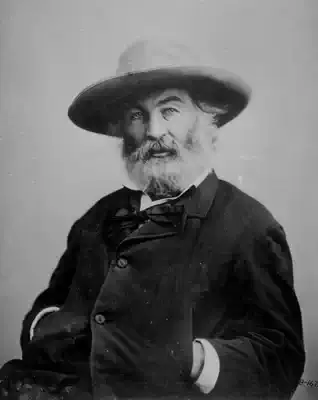
Walt Whitman
Years Of The Modern
Years Of The Modern
YEARS of the modern! years of the unperform'd!
Your horizon rises--I see it parting away for more august dramas;
I see not America only--I see not only Liberty's nation, but other
nations preparing;
I see tremendous entrances and exits--I see new combinations--I see
the solidarity of races;
I see that force advancing with irresistible power on the world's
stage;
(Have the old forces, the old wars, played their parts? are the acts
suitable to them closed?)
I see Freedom, completely arm'd, and victorious, and very haughty,
with Law on one side, and Peace on the other,
A stupendous Trio, all issuing forth against the idea of caste;
--What historic denouements are these we so rapidly approach?
I see men marching and countermarching by swift millions; 10
I see the frontiers and boundaries of the old aristocracies broken;
I see the landmarks of European kings removed;
I see this day the People beginning their landmarks, (all others give
way;)
--Never were such sharp questions ask'd as this day;
Never was average man, his soul, more energetic, more like a God;
Lo! how he urges and urges, leaving the masses no rest;
His daring foot is on land and sea everywhere--he colonizes the
Pacific, the archipelagoes;
With the steam-ship, the electric telegraph, the newspaper, the
wholesale engines of war,
With these, and the world-spreading factories, he interlinks all
geography, all lands;
--What whispers are these, O lands, running ahead of you, passing
under the seas? 20
Are all nations communing? is there going to be but one heart to the
globe?
Is humanity forming, en-masse?--for lo! tyrants tremble, crowns grow
dim;
The earth, restive, confronts a new era, perhaps a general divine
war;
No one knows what will happen next--such portents fill the days and
nights;
Years prophetical! the space ahead as I walk, as I vainly try to
pierce it, is full of phantoms;
Unborn deeds, things soon to be, project their shapes around me;
This incredible rush and heat--this strange extatic fever of dreams,
O years!
Your dreams, O year, how they penetrate through me! (I know not
whether I sleep or wake!)
The perform'd America and Europe grow dim, retiring in shadow behind
me,
The unperform'd, more gigantic than ever, advance, advance upon
me. 30
YEARS of the modern! years of the unperform'd!
Your horizon rises--I see it parting away for more august dramas;
I see not America only--I see not only Liberty's nation, but other
nations preparing;
I see tremendous entrances and exits--I see new combinations--I see
the solidarity of races;
I see that force advancing with irresistible power on the world's
stage;
(Have the old forces, the old wars, played their parts? are the acts
suitable to them closed?)
I see Freedom, completely arm'd, and victorious, and very haughty,
with Law on one side, and Peace on the other,
A stupendous Trio, all issuing forth against the idea of caste;
--What historic denouements are these we so rapidly approach?
I see men marching and countermarching by swift millions; 10
I see the frontiers and boundaries of the old aristocracies broken;
I see the landmarks of European kings removed;
I see this day the People beginning their landmarks, (all others give
way;)
--Never were such sharp questions ask'd as this day;
Never was average man, his soul, more energetic, more like a God;
Lo! how he urges and urges, leaving the masses no rest;
His daring foot is on land and sea everywhere--he colonizes the
Pacific, the archipelagoes;
With the steam-ship, the electric telegraph, the newspaper, the
wholesale engines of war,
With these, and the world-spreading factories, he interlinks all
geography, all lands;
--What whispers are these, O lands, running ahead of you, passing
under the seas? 20
Are all nations communing? is there going to be but one heart to the
globe?
Is humanity forming, en-masse?--for lo! tyrants tremble, crowns grow
dim;
The earth, restive, confronts a new era, perhaps a general divine
war;
No one knows what will happen next--such portents fill the days and
nights;
Years prophetical! the space ahead as I walk, as I vainly try to
pierce it, is full of phantoms;
Unborn deeds, things soon to be, project their shapes around me;
This incredible rush and heat--this strange extatic fever of dreams,
O years!
Your dreams, O year, how they penetrate through me! (I know not
whether I sleep or wake!)
The perform'd America and Europe grow dim, retiring in shadow behind
me,
The unperform'd, more gigantic than ever, advance, advance upon
me. 30
461
Walt Whitman
With Antecedents
With Antecedents
WITH antecedents;
With my fathers and mothers, and the accumulations of past ages;
With all which, had it not been, I would not now be here, as I am:
With Egypt, India, Phenicia, Greece and Rome;
With the Kelt, the Scandinavian, the Alb, and the Saxon;
With antique maritime ventures,--with laws, artizanship, wars and
journeys;
With the poet, the skald, the saga, the myth, and the oracle;
With the sale of slaves--with enthusiasts--with the troubadour, the
crusader, and the monk;
With those old continents whence we have come to this new continent;
With the fading kingdoms and kings over there; 10
With the fading religions and priests;
With the small shores we look back to from our own large and present
shores;
With countless years drawing themselves onward, and arrived at these
years;
You and Me arrived--America arrived, and making this year;
This year! sending itself ahead countless years to come.
O but it is not the years--it is I--it is You;
We touch all laws, and tally all antecedents;
We are the skald, the oracle, the monk, and the knight--we easily
include them, and more;
We stand amid time, beginningless and endless--we stand amid evil and
good;
All swings around us--there is as much darkness as light; 20
The very sun swings itself and its system of planets around us;
Its sun, and its again, all swing around us.
As for me, (torn, stormy, even as I, amid these vehement days,)
I have the idea of all, and am all, and believe in all;
I believe materialism is true, and spiritualism is true--I reject no
part.
Have I forgotten any part?
Come to me, whoever and whatever, till I give you recognition.
I respect Assyria, China, Teutonia, and the Hebrews;
I adopt each theory, myth, god, and demi-god;
I see that the old accounts, bibles, genealogies, are true, without
exception; 30
I assert that all past days were what they should have been;
And that they could no-how have been better than they were,
And that to-day is what it should be--and that America is,
And that to-day and America could no-how be better than they are.
In the name of These States, and in your and my name, the Past,
And in the name of These States, and in your and my name, the Present
time.
I know that the past was great, and the future will be great,
And I know that both curiously conjoint in the present time,
(For the sake of him I typify--for the common average man's sake-
your sake, if you are he;)
And that where I am, or you are, this present day, there is the
centre of all days, all races, 40
And there is the meaning, to us, of all that has ever come of races
and days, or ever will come.
WITH antecedents;
With my fathers and mothers, and the accumulations of past ages;
With all which, had it not been, I would not now be here, as I am:
With Egypt, India, Phenicia, Greece and Rome;
With the Kelt, the Scandinavian, the Alb, and the Saxon;
With antique maritime ventures,--with laws, artizanship, wars and
journeys;
With the poet, the skald, the saga, the myth, and the oracle;
With the sale of slaves--with enthusiasts--with the troubadour, the
crusader, and the monk;
With those old continents whence we have come to this new continent;
With the fading kingdoms and kings over there; 10
With the fading religions and priests;
With the small shores we look back to from our own large and present
shores;
With countless years drawing themselves onward, and arrived at these
years;
You and Me arrived--America arrived, and making this year;
This year! sending itself ahead countless years to come.
O but it is not the years--it is I--it is You;
We touch all laws, and tally all antecedents;
We are the skald, the oracle, the monk, and the knight--we easily
include them, and more;
We stand amid time, beginningless and endless--we stand amid evil and
good;
All swings around us--there is as much darkness as light; 20
The very sun swings itself and its system of planets around us;
Its sun, and its again, all swing around us.
As for me, (torn, stormy, even as I, amid these vehement days,)
I have the idea of all, and am all, and believe in all;
I believe materialism is true, and spiritualism is true--I reject no
part.
Have I forgotten any part?
Come to me, whoever and whatever, till I give you recognition.
I respect Assyria, China, Teutonia, and the Hebrews;
I adopt each theory, myth, god, and demi-god;
I see that the old accounts, bibles, genealogies, are true, without
exception; 30
I assert that all past days were what they should have been;
And that they could no-how have been better than they were,
And that to-day is what it should be--and that America is,
And that to-day and America could no-how be better than they are.
In the name of These States, and in your and my name, the Past,
And in the name of These States, and in your and my name, the Present
time.
I know that the past was great, and the future will be great,
And I know that both curiously conjoint in the present time,
(For the sake of him I typify--for the common average man's sake-
your sake, if you are he;)
And that where I am, or you are, this present day, there is the
centre of all days, all races, 40
And there is the meaning, to us, of all that has ever come of races
and days, or ever will come.
471