

Poems in this topic
Society and the World
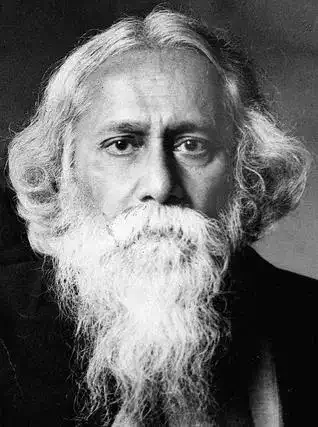
Rabindranath Tagore
Stray Birds 51 - 60
Stray Birds 51 - 60
51
YOUR idol is shattered in the dust
to prove that God's dust is greater than
your idol.
52
MAN does not reveal himself in his history,
he struggles up through it.
53
WHILE the glass lamp rebukes the earthen for calling it cousin,
the moon rises, and the glass lamp,
with a bland smile, calls her,
'My dear, dear sister.'
54
LIKE the meeting of the seagulls
and the waves we meet and come near.
The seagulls fly off,
the waves roll away and we depart.
55
MY day is done,
and I am like a boat drawn on the beach,
listening to the dance-music of t
he tide in the evening.
56
LIFE is given to us,
we earn it by giving it.
57
WE come nearest to the great
when we are great in humility.
58
THE sparrow is sorry for the peacock
at the burden of its tail.
59
NEVER be afraid of the moments-
thus sings the voice of the everlasting.
60
THE hurricane seeks the shortest road
by the no-road,
and suddenly ends its search in the Nowhere.
51
YOUR idol is shattered in the dust
to prove that God's dust is greater than
your idol.
52
MAN does not reveal himself in his history,
he struggles up through it.
53
WHILE the glass lamp rebukes the earthen for calling it cousin,
the moon rises, and the glass lamp,
with a bland smile, calls her,
'My dear, dear sister.'
54
LIKE the meeting of the seagulls
and the waves we meet and come near.
The seagulls fly off,
the waves roll away and we depart.
55
MY day is done,
and I am like a boat drawn on the beach,
listening to the dance-music of t
he tide in the evening.
56
LIFE is given to us,
we earn it by giving it.
57
WE come nearest to the great
when we are great in humility.
58
THE sparrow is sorry for the peacock
at the burden of its tail.
59
NEVER be afraid of the moments-
thus sings the voice of the everlasting.
60
THE hurricane seeks the shortest road
by the no-road,
and suddenly ends its search in the Nowhere.
551
Rabindranath Tagore
Prisoner
Prisoner
`Prisoner, tell me, who was it that bound you?'
`It was my master,' said the prisoner.
`I thought I could outdo everybody in the world in wealth and power,
and I amassed in my own treasure-house the money due to my king.
When sleep overcame me I lay upon the bed that was for my lord,
and on waking up I found I was a prisoner in my own treasure-house.'
`Prisoner, tell me, who was it that wrought this unbreakable chain?'
`It was I,' said the prisoner, `who forged this chain very carefully.
I thought my invincible power would hold the world captive
leaving me in a freedom undisturbed.
Thus night and day I worked at the chain
with huge fires and cruel hard strokes.
When at last the work was done
and the links were complete and unbreakable,
I found that it held me in its grip.'
`Prisoner, tell me, who was it that bound you?'
`It was my master,' said the prisoner.
`I thought I could outdo everybody in the world in wealth and power,
and I amassed in my own treasure-house the money due to my king.
When sleep overcame me I lay upon the bed that was for my lord,
and on waking up I found I was a prisoner in my own treasure-house.'
`Prisoner, tell me, who was it that wrought this unbreakable chain?'
`It was I,' said the prisoner, `who forged this chain very carefully.
I thought my invincible power would hold the world captive
leaving me in a freedom undisturbed.
Thus night and day I worked at the chain
with huge fires and cruel hard strokes.
When at last the work was done
and the links were complete and unbreakable,
I found that it held me in its grip.'
608
Rabindranath Tagore
Prisoner
Prisoner
`Prisoner, tell me, who was it that bound you?'
`It was my master,' said the prisoner.
`I thought I could outdo everybody in the world in wealth and power,
and I amassed in my own treasure-house the money due to my king.
When sleep overcame me I lay upon the bed that was for my lord,
and on waking up I found I was a prisoner in my own treasure-house.'
`Prisoner, tell me, who was it that wrought this unbreakable chain?'
`It was I,' said the prisoner, `who forged this chain very carefully.
I thought my invincible power would hold the world captive
leaving me in a freedom undisturbed.
Thus night and day I worked at the chain
with huge fires and cruel hard strokes.
When at last the work was done
and the links were complete and unbreakable,
I found that it held me in its grip.'
`Prisoner, tell me, who was it that bound you?'
`It was my master,' said the prisoner.
`I thought I could outdo everybody in the world in wealth and power,
and I amassed in my own treasure-house the money due to my king.
When sleep overcame me I lay upon the bed that was for my lord,
and on waking up I found I was a prisoner in my own treasure-house.'
`Prisoner, tell me, who was it that wrought this unbreakable chain?'
`It was I,' said the prisoner, `who forged this chain very carefully.
I thought my invincible power would hold the world captive
leaving me in a freedom undisturbed.
Thus night and day I worked at the chain
with huge fires and cruel hard strokes.
When at last the work was done
and the links were complete and unbreakable,
I found that it held me in its grip.'
608
Rabindranath Tagore
Prisoner
Prisoner
`Prisoner, tell me, who was it that bound you?'
`It was my master,' said the prisoner.
`I thought I could outdo everybody in the world in wealth and power,
and I amassed in my own treasure-house the money due to my king.
When sleep overcame me I lay upon the bed that was for my lord,
and on waking up I found I was a prisoner in my own treasure-house.'
`Prisoner, tell me, who was it that wrought this unbreakable chain?'
`It was I,' said the prisoner, `who forged this chain very carefully.
I thought my invincible power would hold the world captive
leaving me in a freedom undisturbed.
Thus night and day I worked at the chain
with huge fires and cruel hard strokes.
When at last the work was done
and the links were complete and unbreakable,
I found that it held me in its grip.'
`Prisoner, tell me, who was it that bound you?'
`It was my master,' said the prisoner.
`I thought I could outdo everybody in the world in wealth and power,
and I amassed in my own treasure-house the money due to my king.
When sleep overcame me I lay upon the bed that was for my lord,
and on waking up I found I was a prisoner in my own treasure-house.'
`Prisoner, tell me, who was it that wrought this unbreakable chain?'
`It was I,' said the prisoner, `who forged this chain very carefully.
I thought my invincible power would hold the world captive
leaving me in a freedom undisturbed.
Thus night and day I worked at the chain
with huge fires and cruel hard strokes.
When at last the work was done
and the links were complete and unbreakable,
I found that it held me in its grip.'
608
Rabindranath Tagore
Poems On Man
Poems On Man
Man goes into the noisy crowd
to drown his own clamour of silence.
Man is immortal; therefore he must die endlessly.
For life is a creative idea;
it can only find itself in changing forms.
Man's abiding happiness is not in getting anything
but in giving himself up to what is greater than himself,
to ideas which are larger than his individual life,
the idea of his country,
of humanity,
of God.
Man goes into the noisy crowd
to drown his own clamour of silence.
Man is immortal; therefore he must die endlessly.
For life is a creative idea;
it can only find itself in changing forms.
Man's abiding happiness is not in getting anything
but in giving himself up to what is greater than himself,
to ideas which are larger than his individual life,
the idea of his country,
of humanity,
of God.
488
Rabindranath Tagore
Playthings
Playthings
Child, how happy you are sitting in the dust, playing with a broken twig all the
morning.
I smile at your play with that little bit of a broken twig.
I am busy with my accounts, adding up figures by the hour.
Perhaps you glance at me and think, "What a stupid game to spoil your morning
with!"
Child, I have forgotten the art of being absorbed in sticks and mud-pies.
I seek out costly playthings, and gather lumps of gold and silver.
With whatever you find you create your glad games, I spend both my time and my
strength over things I never can obtain.
In my frail canoe I struggle to cross the sea of desire, and forget that I too am
playing a game.
Child, how happy you are sitting in the dust, playing with a broken twig all the
morning.
I smile at your play with that little bit of a broken twig.
I am busy with my accounts, adding up figures by the hour.
Perhaps you glance at me and think, "What a stupid game to spoil your morning
with!"
Child, I have forgotten the art of being absorbed in sticks and mud-pies.
I seek out costly playthings, and gather lumps of gold and silver.
With whatever you find you create your glad games, I spend both my time and my
strength over things I never can obtain.
In my frail canoe I struggle to cross the sea of desire, and forget that I too am
playing a game.
658
Rabindranath Tagore
O Fool
O Fool
O Fool, try to carry thyself upon thy own shoulders!
O beggar, to come beg at thy own door!
Leave all thy burdens on his hands who can bear all,
and never look behind in regret.
Thy desire at once puts out the light from the lamp it touches with its breath.
It is unholy---take not thy gifts through its unclean hands.
Accept only what is offered by sacred love.
O Fool, try to carry thyself upon thy own shoulders!
O beggar, to come beg at thy own door!
Leave all thy burdens on his hands who can bear all,
and never look behind in regret.
Thy desire at once puts out the light from the lamp it touches with its breath.
It is unholy---take not thy gifts through its unclean hands.
Accept only what is offered by sacred love.
529
Rabindranath Tagore
Lover's Gifts XLVII: The Road Is
Lover's Gifts XLVII: The Road Is
The road is my wedded companion. She speaks to me under my feet all
day, she sings to my dreams all night.
My meeting with her had no beginning, it begins endlessly at
each daybreak, renewing its summer in fresh flowers and songs, and
her every new kiss is the first kiss to me.
The road and I are lovers. I change my dress for her night
after night, leaving the tattered cumber of the old in the wayside
inns when the day dawns.
The road is my wedded companion. She speaks to me under my feet all
day, she sings to my dreams all night.
My meeting with her had no beginning, it begins endlessly at
each daybreak, renewing its summer in fresh flowers and songs, and
her every new kiss is the first kiss to me.
The road and I are lovers. I change my dress for her night
after night, leaving the tattered cumber of the old in the wayside
inns when the day dawns.
444
Rabindranath Tagore
Leave This
Leave This
Leave this chanting and singing and telling of beads!
Whom dost thou worship in this lonely dark corner of a temple with doors all shut?
Open thine eyes and see thy God is not before thee!
He is there where the tiller is tilling the hard ground
and where the pathmaker is breaking stones.
He is with them in sun and in shower,
and his garment is covered with dust.
Put off thy holy mantle and even like him come down on the dusty soil!
Deliverance?
Where is this deliverance to be found?
Our master himself has joyfully taken upon him the bonds of creation;
he is bound with us all for ever.
Come out of thy meditations and leave aside thy flowers and incense!
What harm is there if thy clothes become tattered and stained?
Meet him and stand by him in toil and in sweat of thy brow.
Leave this chanting and singing and telling of beads!
Whom dost thou worship in this lonely dark corner of a temple with doors all shut?
Open thine eyes and see thy God is not before thee!
He is there where the tiller is tilling the hard ground
and where the pathmaker is breaking stones.
He is with them in sun and in shower,
and his garment is covered with dust.
Put off thy holy mantle and even like him come down on the dusty soil!
Deliverance?
Where is this deliverance to be found?
Our master himself has joyfully taken upon him the bonds of creation;
he is bound with us all for ever.
Come out of thy meditations and leave aside thy flowers and incense!
What harm is there if thy clothes become tattered and stained?
Meet him and stand by him in toil and in sweat of thy brow.
824
Rabindranath Tagore
Leave This
Leave This
Leave this chanting and singing and telling of beads!
Whom dost thou worship in this lonely dark corner of a temple with doors all shut?
Open thine eyes and see thy God is not before thee!
He is there where the tiller is tilling the hard ground
and where the pathmaker is breaking stones.
He is with them in sun and in shower,
and his garment is covered with dust.
Put off thy holy mantle and even like him come down on the dusty soil!
Deliverance?
Where is this deliverance to be found?
Our master himself has joyfully taken upon him the bonds of creation;
he is bound with us all for ever.
Come out of thy meditations and leave aside thy flowers and incense!
What harm is there if thy clothes become tattered and stained?
Meet him and stand by him in toil and in sweat of thy brow.
Leave this chanting and singing and telling of beads!
Whom dost thou worship in this lonely dark corner of a temple with doors all shut?
Open thine eyes and see thy God is not before thee!
He is there where the tiller is tilling the hard ground
and where the pathmaker is breaking stones.
He is with them in sun and in shower,
and his garment is covered with dust.
Put off thy holy mantle and even like him come down on the dusty soil!
Deliverance?
Where is this deliverance to be found?
Our master himself has joyfully taken upon him the bonds of creation;
he is bound with us all for ever.
Come out of thy meditations and leave aside thy flowers and incense!
What harm is there if thy clothes become tattered and stained?
Meet him and stand by him in toil and in sweat of thy brow.
824
Rabindranath Tagore
Leave This
Leave This
Leave this chanting and singing and telling of beads!
Whom dost thou worship in this lonely dark corner of a temple with doors all shut?
Open thine eyes and see thy God is not before thee!
He is there where the tiller is tilling the hard ground
and where the pathmaker is breaking stones.
He is with them in sun and in shower,
and his garment is covered with dust.
Put off thy holy mantle and even like him come down on the dusty soil!
Deliverance?
Where is this deliverance to be found?
Our master himself has joyfully taken upon him the bonds of creation;
he is bound with us all for ever.
Come out of thy meditations and leave aside thy flowers and incense!
What harm is there if thy clothes become tattered and stained?
Meet him and stand by him in toil and in sweat of thy brow.
Leave this chanting and singing and telling of beads!
Whom dost thou worship in this lonely dark corner of a temple with doors all shut?
Open thine eyes and see thy God is not before thee!
He is there where the tiller is tilling the hard ground
and where the pathmaker is breaking stones.
He is with them in sun and in shower,
and his garment is covered with dust.
Put off thy holy mantle and even like him come down on the dusty soil!
Deliverance?
Where is this deliverance to be found?
Our master himself has joyfully taken upon him the bonds of creation;
he is bound with us all for ever.
Come out of thy meditations and leave aside thy flowers and incense!
What harm is there if thy clothes become tattered and stained?
Meet him and stand by him in toil and in sweat of thy brow.
824

Phillis Wheatley
To The Rev. Dr. Thomas Amory, On Reading His Sermons On Daily Devotion, In
To The Rev. Dr. Thomas Amory, On Reading His Sermons On Daily Devotion, In
Which that Duty Is Recommended And Assisted
TO cultivate in ev'ry noble mind
Habitual grace, and sentiments refin'd,
Thus while you strive to mend the human heart,
Thus while the heav'nly precepts you impart,
O may each bosom catch the sacred fire,
And youthful minds to Virtue's throne aspire!
When God's eternal ways you set in sight,
And Virtue shines in all her native light,
In vain would Vice her works in night conceal,
For Wisdom's eye pervades the sable veil.
Artists may paint the sun's effulgent rays,
But Amory's pen the brighter God displays:
While his great works in Amory's pages shine,
And while he proves his essence all divine,
The Atheist sure no more can boast aloud
Of chance, or nature, and exclude the God;
As if the clay without the potter's aid
Should rise in various forms, and shapes self-made,
Or worlds above with orb o'er orb profound
Self-mov'd could run the everlasting round.
It cannot be--unerring Wisdom guides
With eye propitious, and o'er all presides.
Still prosper, Amory! still may'st thou receive
The warmest blessings which a muse can give,
And when this transitory state is o'er,
When kingdoms fall, and fleeting Fame's no more,
May Amory triumph in immortal fame,
A nobler title, and superior name!
Which that Duty Is Recommended And Assisted
TO cultivate in ev'ry noble mind
Habitual grace, and sentiments refin'd,
Thus while you strive to mend the human heart,
Thus while the heav'nly precepts you impart,
O may each bosom catch the sacred fire,
And youthful minds to Virtue's throne aspire!
When God's eternal ways you set in sight,
And Virtue shines in all her native light,
In vain would Vice her works in night conceal,
For Wisdom's eye pervades the sable veil.
Artists may paint the sun's effulgent rays,
But Amory's pen the brighter God displays:
While his great works in Amory's pages shine,
And while he proves his essence all divine,
The Atheist sure no more can boast aloud
Of chance, or nature, and exclude the God;
As if the clay without the potter's aid
Should rise in various forms, and shapes self-made,
Or worlds above with orb o'er orb profound
Self-mov'd could run the everlasting round.
It cannot be--unerring Wisdom guides
With eye propitious, and o'er all presides.
Still prosper, Amory! still may'st thou receive
The warmest blessings which a muse can give,
And when this transitory state is o'er,
When kingdoms fall, and fleeting Fame's no more,
May Amory triumph in immortal fame,
A nobler title, and superior name!
261
Phillis Wheatley
To The Rev. Dr. Thomas Amory, On Reading His Sermons On Daily Devotion, In
To The Rev. Dr. Thomas Amory, On Reading His Sermons On Daily Devotion, In
Which that Duty Is Recommended And Assisted
TO cultivate in ev'ry noble mind
Habitual grace, and sentiments refin'd,
Thus while you strive to mend the human heart,
Thus while the heav'nly precepts you impart,
O may each bosom catch the sacred fire,
And youthful minds to Virtue's throne aspire!
When God's eternal ways you set in sight,
And Virtue shines in all her native light,
In vain would Vice her works in night conceal,
For Wisdom's eye pervades the sable veil.
Artists may paint the sun's effulgent rays,
But Amory's pen the brighter God displays:
While his great works in Amory's pages shine,
And while he proves his essence all divine,
The Atheist sure no more can boast aloud
Of chance, or nature, and exclude the God;
As if the clay without the potter's aid
Should rise in various forms, and shapes self-made,
Or worlds above with orb o'er orb profound
Self-mov'd could run the everlasting round.
It cannot be--unerring Wisdom guides
With eye propitious, and o'er all presides.
Still prosper, Amory! still may'st thou receive
The warmest blessings which a muse can give,
And when this transitory state is o'er,
When kingdoms fall, and fleeting Fame's no more,
May Amory triumph in immortal fame,
A nobler title, and superior name!
Which that Duty Is Recommended And Assisted
TO cultivate in ev'ry noble mind
Habitual grace, and sentiments refin'd,
Thus while you strive to mend the human heart,
Thus while the heav'nly precepts you impart,
O may each bosom catch the sacred fire,
And youthful minds to Virtue's throne aspire!
When God's eternal ways you set in sight,
And Virtue shines in all her native light,
In vain would Vice her works in night conceal,
For Wisdom's eye pervades the sable veil.
Artists may paint the sun's effulgent rays,
But Amory's pen the brighter God displays:
While his great works in Amory's pages shine,
And while he proves his essence all divine,
The Atheist sure no more can boast aloud
Of chance, or nature, and exclude the God;
As if the clay without the potter's aid
Should rise in various forms, and shapes self-made,
Or worlds above with orb o'er orb profound
Self-mov'd could run the everlasting round.
It cannot be--unerring Wisdom guides
With eye propitious, and o'er all presides.
Still prosper, Amory! still may'st thou receive
The warmest blessings which a muse can give,
And when this transitory state is o'er,
When kingdoms fall, and fleeting Fame's no more,
May Amory triumph in immortal fame,
A nobler title, and superior name!
261
Phillis Wheatley
To the Rt. Hon. William, Earl of Dartmouth
To the Rt. Hon. William, Earl of Dartmouth
Hail, happy day, when, smiling like the morn,
Fair Freedom rose New-England to adorn:
The northern clime beneath her genial ray,
Dartmouth, congratulates thy blissful sway:
Elate with hope her race no longer mourns,
Each soul expands, each grateful bosom burns,
While in thine hand with pleasure we behold
The silken reins, and Freedom's charms unfold.
Long lost to realms beneath the northern skies
She shines supreme, while hated faction dies:
Soon as appear'd the Goddess long desir'd,
Sick at the view, she languish'd and expir'd;
Thus from the splendors of the morning light
The owl in sadness seeks the caves of night.
No more, America, in mournful strain
Of wrongs, and grievance unredress'd complain,
No longer shalt thou dread the iron chain,
Which wanton Tyranny with lawless hand
Had made, and with it meant t' enslave the land.
Should you, my lord, while you peruse my song,
Wonder from whence my love of Freedom sprung,
Whence flow these wishes for the common good,
By feeling hearts alone best understood,
I, young in life, by seeming cruel fate
Was snatch'd from Afric's fancy'd happy seat:
What pangs excruciating must molest,
What sorrows labour in my parent's breast?
Steel'd was that soul and by no misery mov'd
That from a father seiz'd his babe belov'd:
Such, such my case. And can I then but pray
Others may never feel tyrannic sway?
For favours past, great Sir, our thanks are due,
And thee we ask thy favours to renew,
Since in thy pow'r, as in thy will before,
To sooth the griefs, which thou did'st once deplore.
May heav'nly grace the sacred sanction give
To all thy works, and thou for ever live
Not only on the wings of fleeting Fame,
Though praise immortal crowns the patriot's name,
But to conduct to heav'ns refulgent fane,
May fiery coursers sweep th' ethereal plain,
And bear thee upwards to that blest abode,
Where, like the prophet, thou shalt find thy God.
Hail, happy day, when, smiling like the morn,
Fair Freedom rose New-England to adorn:
The northern clime beneath her genial ray,
Dartmouth, congratulates thy blissful sway:
Elate with hope her race no longer mourns,
Each soul expands, each grateful bosom burns,
While in thine hand with pleasure we behold
The silken reins, and Freedom's charms unfold.
Long lost to realms beneath the northern skies
She shines supreme, while hated faction dies:
Soon as appear'd the Goddess long desir'd,
Sick at the view, she languish'd and expir'd;
Thus from the splendors of the morning light
The owl in sadness seeks the caves of night.
No more, America, in mournful strain
Of wrongs, and grievance unredress'd complain,
No longer shalt thou dread the iron chain,
Which wanton Tyranny with lawless hand
Had made, and with it meant t' enslave the land.
Should you, my lord, while you peruse my song,
Wonder from whence my love of Freedom sprung,
Whence flow these wishes for the common good,
By feeling hearts alone best understood,
I, young in life, by seeming cruel fate
Was snatch'd from Afric's fancy'd happy seat:
What pangs excruciating must molest,
What sorrows labour in my parent's breast?
Steel'd was that soul and by no misery mov'd
That from a father seiz'd his babe belov'd:
Such, such my case. And can I then but pray
Others may never feel tyrannic sway?
For favours past, great Sir, our thanks are due,
And thee we ask thy favours to renew,
Since in thy pow'r, as in thy will before,
To sooth the griefs, which thou did'st once deplore.
May heav'nly grace the sacred sanction give
To all thy works, and thou for ever live
Not only on the wings of fleeting Fame,
Though praise immortal crowns the patriot's name,
But to conduct to heav'ns refulgent fane,
May fiery coursers sweep th' ethereal plain,
And bear thee upwards to that blest abode,
Where, like the prophet, thou shalt find thy God.
238
Phillis Wheatley
To the Rt. Hon. William, Earl of Dartmouth
To the Rt. Hon. William, Earl of Dartmouth
Hail, happy day, when, smiling like the morn,
Fair Freedom rose New-England to adorn:
The northern clime beneath her genial ray,
Dartmouth, congratulates thy blissful sway:
Elate with hope her race no longer mourns,
Each soul expands, each grateful bosom burns,
While in thine hand with pleasure we behold
The silken reins, and Freedom's charms unfold.
Long lost to realms beneath the northern skies
She shines supreme, while hated faction dies:
Soon as appear'd the Goddess long desir'd,
Sick at the view, she languish'd and expir'd;
Thus from the splendors of the morning light
The owl in sadness seeks the caves of night.
No more, America, in mournful strain
Of wrongs, and grievance unredress'd complain,
No longer shalt thou dread the iron chain,
Which wanton Tyranny with lawless hand
Had made, and with it meant t' enslave the land.
Should you, my lord, while you peruse my song,
Wonder from whence my love of Freedom sprung,
Whence flow these wishes for the common good,
By feeling hearts alone best understood,
I, young in life, by seeming cruel fate
Was snatch'd from Afric's fancy'd happy seat:
What pangs excruciating must molest,
What sorrows labour in my parent's breast?
Steel'd was that soul and by no misery mov'd
That from a father seiz'd his babe belov'd:
Such, such my case. And can I then but pray
Others may never feel tyrannic sway?
For favours past, great Sir, our thanks are due,
And thee we ask thy favours to renew,
Since in thy pow'r, as in thy will before,
To sooth the griefs, which thou did'st once deplore.
May heav'nly grace the sacred sanction give
To all thy works, and thou for ever live
Not only on the wings of fleeting Fame,
Though praise immortal crowns the patriot's name,
But to conduct to heav'ns refulgent fane,
May fiery coursers sweep th' ethereal plain,
And bear thee upwards to that blest abode,
Where, like the prophet, thou shalt find thy God.
Hail, happy day, when, smiling like the morn,
Fair Freedom rose New-England to adorn:
The northern clime beneath her genial ray,
Dartmouth, congratulates thy blissful sway:
Elate with hope her race no longer mourns,
Each soul expands, each grateful bosom burns,
While in thine hand with pleasure we behold
The silken reins, and Freedom's charms unfold.
Long lost to realms beneath the northern skies
She shines supreme, while hated faction dies:
Soon as appear'd the Goddess long desir'd,
Sick at the view, she languish'd and expir'd;
Thus from the splendors of the morning light
The owl in sadness seeks the caves of night.
No more, America, in mournful strain
Of wrongs, and grievance unredress'd complain,
No longer shalt thou dread the iron chain,
Which wanton Tyranny with lawless hand
Had made, and with it meant t' enslave the land.
Should you, my lord, while you peruse my song,
Wonder from whence my love of Freedom sprung,
Whence flow these wishes for the common good,
By feeling hearts alone best understood,
I, young in life, by seeming cruel fate
Was snatch'd from Afric's fancy'd happy seat:
What pangs excruciating must molest,
What sorrows labour in my parent's breast?
Steel'd was that soul and by no misery mov'd
That from a father seiz'd his babe belov'd:
Such, such my case. And can I then but pray
Others may never feel tyrannic sway?
For favours past, great Sir, our thanks are due,
And thee we ask thy favours to renew,
Since in thy pow'r, as in thy will before,
To sooth the griefs, which thou did'st once deplore.
May heav'nly grace the sacred sanction give
To all thy works, and thou for ever live
Not only on the wings of fleeting Fame,
Though praise immortal crowns the patriot's name,
But to conduct to heav'ns refulgent fane,
May fiery coursers sweep th' ethereal plain,
And bear thee upwards to that blest abode,
Where, like the prophet, thou shalt find thy God.
238
Phillis Wheatley
To the Rt. Hon. William, Earl of Dartmouth
To the Rt. Hon. William, Earl of Dartmouth
Hail, happy day, when, smiling like the morn,
Fair Freedom rose New-England to adorn:
The northern clime beneath her genial ray,
Dartmouth, congratulates thy blissful sway:
Elate with hope her race no longer mourns,
Each soul expands, each grateful bosom burns,
While in thine hand with pleasure we behold
The silken reins, and Freedom's charms unfold.
Long lost to realms beneath the northern skies
She shines supreme, while hated faction dies:
Soon as appear'd the Goddess long desir'd,
Sick at the view, she languish'd and expir'd;
Thus from the splendors of the morning light
The owl in sadness seeks the caves of night.
No more, America, in mournful strain
Of wrongs, and grievance unredress'd complain,
No longer shalt thou dread the iron chain,
Which wanton Tyranny with lawless hand
Had made, and with it meant t' enslave the land.
Should you, my lord, while you peruse my song,
Wonder from whence my love of Freedom sprung,
Whence flow these wishes for the common good,
By feeling hearts alone best understood,
I, young in life, by seeming cruel fate
Was snatch'd from Afric's fancy'd happy seat:
What pangs excruciating must molest,
What sorrows labour in my parent's breast?
Steel'd was that soul and by no misery mov'd
That from a father seiz'd his babe belov'd:
Such, such my case. And can I then but pray
Others may never feel tyrannic sway?
For favours past, great Sir, our thanks are due,
And thee we ask thy favours to renew,
Since in thy pow'r, as in thy will before,
To sooth the griefs, which thou did'st once deplore.
May heav'nly grace the sacred sanction give
To all thy works, and thou for ever live
Not only on the wings of fleeting Fame,
Though praise immortal crowns the patriot's name,
But to conduct to heav'ns refulgent fane,
May fiery coursers sweep th' ethereal plain,
And bear thee upwards to that blest abode,
Where, like the prophet, thou shalt find thy God.
Hail, happy day, when, smiling like the morn,
Fair Freedom rose New-England to adorn:
The northern clime beneath her genial ray,
Dartmouth, congratulates thy blissful sway:
Elate with hope her race no longer mourns,
Each soul expands, each grateful bosom burns,
While in thine hand with pleasure we behold
The silken reins, and Freedom's charms unfold.
Long lost to realms beneath the northern skies
She shines supreme, while hated faction dies:
Soon as appear'd the Goddess long desir'd,
Sick at the view, she languish'd and expir'd;
Thus from the splendors of the morning light
The owl in sadness seeks the caves of night.
No more, America, in mournful strain
Of wrongs, and grievance unredress'd complain,
No longer shalt thou dread the iron chain,
Which wanton Tyranny with lawless hand
Had made, and with it meant t' enslave the land.
Should you, my lord, while you peruse my song,
Wonder from whence my love of Freedom sprung,
Whence flow these wishes for the common good,
By feeling hearts alone best understood,
I, young in life, by seeming cruel fate
Was snatch'd from Afric's fancy'd happy seat:
What pangs excruciating must molest,
What sorrows labour in my parent's breast?
Steel'd was that soul and by no misery mov'd
That from a father seiz'd his babe belov'd:
Such, such my case. And can I then but pray
Others may never feel tyrannic sway?
For favours past, great Sir, our thanks are due,
And thee we ask thy favours to renew,
Since in thy pow'r, as in thy will before,
To sooth the griefs, which thou did'st once deplore.
May heav'nly grace the sacred sanction give
To all thy works, and thou for ever live
Not only on the wings of fleeting Fame,
Though praise immortal crowns the patriot's name,
But to conduct to heav'ns refulgent fane,
May fiery coursers sweep th' ethereal plain,
And bear thee upwards to that blest abode,
Where, like the prophet, thou shalt find thy God.
238
Phillis Wheatley
To the Honourable T.H. Esq on the Death of His Daughter
To the Honourable T.H. Esq on the Death of His Daughter
While deep you mourn beneath the cypress-shade
The hand of Death, and your dear daughter laid
In dust, whose absence gives your tears to flow,
And racks your bosom with incessant woe,
Let Recollection take a tender part,
Assuage the raging tortures of your heart,
Still the wild tempest of tumultuous grief,
And pour the heav'nly nectar of relief:
Suspend the sigh, dear Sir, and check the groan,
Divinely bright your daughter's Virtues shone:
How free from scornful pride her gentle mind,
Which ne'er its aid to indigence declin'd!
Expanding free, it sought the means to prove
Unfailing charity, unbounded love!
She unreluctant flies to see no more
Her dear-lov'd parents on earth's dusky shore:
Impatient heav'n's resplendent goal to gain,
She with swift progress cuts the azure plain,
Where grief subsides, where changes are no more,
And life's tumultuous billows cease to roar;
She leaves her earthly mansion for the skies,
Where new creations feast her wond'ring eyes.
To heav'n's high mandate cheerfully resign'd
She mounts, and leaves the rolling globe behind;
She, who late wish'd that Leonard might return,
Has ceas'd to languish, and forgot to mourn;
To the same high empyreal mansions come,
She joins her spouse, and smiles upon the tomb:
And thus I hear her from the realms above:
"Lo! this the kingdom of celestial love!
"Could ye, fond parents, see our present bliss,
"How soon would you each sigh, each fear dismiss?
"Amidst unutter'd pleasures whilst I play
"In the fair sunshine of celestial day,
"As far as grief affects an happy soul
"So far doth grief my better mind control,
"To see on earth my aged parents mourn,
"And secret wish for T-----! to return:
"Let brighter scenes your ev'ning-hours employ:
"Converse with heav'n, and taste the promis'd joy"
While deep you mourn beneath the cypress-shade
The hand of Death, and your dear daughter laid
In dust, whose absence gives your tears to flow,
And racks your bosom with incessant woe,
Let Recollection take a tender part,
Assuage the raging tortures of your heart,
Still the wild tempest of tumultuous grief,
And pour the heav'nly nectar of relief:
Suspend the sigh, dear Sir, and check the groan,
Divinely bright your daughter's Virtues shone:
How free from scornful pride her gentle mind,
Which ne'er its aid to indigence declin'd!
Expanding free, it sought the means to prove
Unfailing charity, unbounded love!
She unreluctant flies to see no more
Her dear-lov'd parents on earth's dusky shore:
Impatient heav'n's resplendent goal to gain,
She with swift progress cuts the azure plain,
Where grief subsides, where changes are no more,
And life's tumultuous billows cease to roar;
She leaves her earthly mansion for the skies,
Where new creations feast her wond'ring eyes.
To heav'n's high mandate cheerfully resign'd
She mounts, and leaves the rolling globe behind;
She, who late wish'd that Leonard might return,
Has ceas'd to languish, and forgot to mourn;
To the same high empyreal mansions come,
She joins her spouse, and smiles upon the tomb:
And thus I hear her from the realms above:
"Lo! this the kingdom of celestial love!
"Could ye, fond parents, see our present bliss,
"How soon would you each sigh, each fear dismiss?
"Amidst unutter'd pleasures whilst I play
"In the fair sunshine of celestial day,
"As far as grief affects an happy soul
"So far doth grief my better mind control,
"To see on earth my aged parents mourn,
"And secret wish for T-----! to return:
"Let brighter scenes your ev'ning-hours employ:
"Converse with heav'n, and taste the promis'd joy"
249
Phillis Wheatley
To the King's Most Excellent Majesty,
To the King's Most Excellent Majesty,
Your subjects hope, dread Sire--
The crown upon your brows may flourish long,
And that your arm may in your God be strong!
O may your sceptre num'rous nations sway,
And all with love and readiness obey!
But how shall we the British king reward!
Rule thou in peace, our father, and our lord!
Midst the remembrance of thy favours past,
The meanest peasants most admire the last
May George, beloved by all the nations round,
Live with heav'ns choicest constant blessings crown'd!
Great God, direct, and guard him from on high,
And from his head let ev'ry evil fly!
And may each clime with equal gladness see
A monarch's smile can set his subjects free!
Your subjects hope, dread Sire--
The crown upon your brows may flourish long,
And that your arm may in your God be strong!
O may your sceptre num'rous nations sway,
And all with love and readiness obey!
But how shall we the British king reward!
Rule thou in peace, our father, and our lord!
Midst the remembrance of thy favours past,
The meanest peasants most admire the last
May George, beloved by all the nations round,
Live with heav'ns choicest constant blessings crown'd!
Great God, direct, and guard him from on high,
And from his head let ev'ry evil fly!
And may each clime with equal gladness see
A monarch's smile can set his subjects free!
222
Phillis Wheatley
To the King's Most Excellent Majesty,
To the King's Most Excellent Majesty,
Your subjects hope, dread Sire--
The crown upon your brows may flourish long,
And that your arm may in your God be strong!
O may your sceptre num'rous nations sway,
And all with love and readiness obey!
But how shall we the British king reward!
Rule thou in peace, our father, and our lord!
Midst the remembrance of thy favours past,
The meanest peasants most admire the last
May George, beloved by all the nations round,
Live with heav'ns choicest constant blessings crown'd!
Great God, direct, and guard him from on high,
And from his head let ev'ry evil fly!
And may each clime with equal gladness see
A monarch's smile can set his subjects free!
Your subjects hope, dread Sire--
The crown upon your brows may flourish long,
And that your arm may in your God be strong!
O may your sceptre num'rous nations sway,
And all with love and readiness obey!
But how shall we the British king reward!
Rule thou in peace, our father, and our lord!
Midst the remembrance of thy favours past,
The meanest peasants most admire the last
May George, beloved by all the nations round,
Live with heav'ns choicest constant blessings crown'd!
Great God, direct, and guard him from on high,
And from his head let ev'ry evil fly!
And may each clime with equal gladness see
A monarch's smile can set his subjects free!
222
Phillis Wheatley
To His Honour the Lieutenant-Governor
To His Honour the Lieutenant-Governor
All-Conquering Death! by thy resistless pow'r,
Hope's tow'ring plumage falls to rise no more!
Of scenes terrestrial how the glories fly,
Forget their splendors, and submit to die!
Who ere escap'd thee, but the saint of old
Beyond the flood in sacred annals told,
And the great sage, whom fiery coursers drew
To heav'n's bright portals from Elisha's view;
Wond'ring he gaz'd at the refulgent car,
Then snatch'd the mantle floating on the air.
From Death these only could exemption boast,
And without dying gain'd th' immortal coast.
Not falling millions sate the tyrant's mind,
Nor can the victor's progress be confin'd.
But cease thy strife with Death, fond Nature, cease:
He leads the virtuous to the realms of peace;
His to conduct to the immortal plains,
Where heav'n's Supreme in bliss and glory reigns.
There sits, illustrious Sir, thy beauteous spouse;
A gem-blaz'd circle beaming on her brows.
Hail'd with acclaim among the heav'nly choirs,
Her soul new-kindling with seraphic fires,
To notes divine she tunes the vocal strings,
While heav'n's high concave with the music rings.
Virtue's rewards can mortal pencil paint?
No--all descriptive arts, and eloquence are faint;
Nor canst thou, Oliver, assent refuse
To heav'nly tidings from the Afric muse.
As soon may change thy laws, eternal fate,
As the saint miss the glories I relate;
Or her Benevolence forgotten lie,
Which wip'd the trick'ling tear from Misry's eye.
Three amiable Daughters who died when just arrived to Womens Estate.
Whene'er the adverse winds were known to blow,
When loss to loss * ensu'd, and woe to woe,
Calm and serene beneath her father's hand
She sat resign'd to the divine command.
No longer then, great Sir, her death deplore,
And let us hear the mournful sigh no more,
Restrain the sorrow streaming from thine eye,
Be all thy future moments crown'd with joy!
Nor let thy wishes be to earth confin'd,
But soaring high pursue th' unbodied mind.
Forgive the muse, forgive th' advent'rous lays,
That fain thy soul to heav'nly scenes would raise.
All-Conquering Death! by thy resistless pow'r,
Hope's tow'ring plumage falls to rise no more!
Of scenes terrestrial how the glories fly,
Forget their splendors, and submit to die!
Who ere escap'd thee, but the saint of old
Beyond the flood in sacred annals told,
And the great sage, whom fiery coursers drew
To heav'n's bright portals from Elisha's view;
Wond'ring he gaz'd at the refulgent car,
Then snatch'd the mantle floating on the air.
From Death these only could exemption boast,
And without dying gain'd th' immortal coast.
Not falling millions sate the tyrant's mind,
Nor can the victor's progress be confin'd.
But cease thy strife with Death, fond Nature, cease:
He leads the virtuous to the realms of peace;
His to conduct to the immortal plains,
Where heav'n's Supreme in bliss and glory reigns.
There sits, illustrious Sir, thy beauteous spouse;
A gem-blaz'd circle beaming on her brows.
Hail'd with acclaim among the heav'nly choirs,
Her soul new-kindling with seraphic fires,
To notes divine she tunes the vocal strings,
While heav'n's high concave with the music rings.
Virtue's rewards can mortal pencil paint?
No--all descriptive arts, and eloquence are faint;
Nor canst thou, Oliver, assent refuse
To heav'nly tidings from the Afric muse.
As soon may change thy laws, eternal fate,
As the saint miss the glories I relate;
Or her Benevolence forgotten lie,
Which wip'd the trick'ling tear from Misry's eye.
Three amiable Daughters who died when just arrived to Womens Estate.
Whene'er the adverse winds were known to blow,
When loss to loss * ensu'd, and woe to woe,
Calm and serene beneath her father's hand
She sat resign'd to the divine command.
No longer then, great Sir, her death deplore,
And let us hear the mournful sigh no more,
Restrain the sorrow streaming from thine eye,
Be all thy future moments crown'd with joy!
Nor let thy wishes be to earth confin'd,
But soaring high pursue th' unbodied mind.
Forgive the muse, forgive th' advent'rous lays,
That fain thy soul to heav'nly scenes would raise.
220
Phillis Wheatley
To Captain H-----d, of the th Regiment
To Captain H-----d, of the th Regiment
Say, muse divine, can hostile scenes delight
The warrior's bosom in the fields of fight?
Lo! here the christian and the hero join
With mutual grace to form the man divine.
In H-----D see with pleasure and surprise,
Where valour kindles, and where virtue lies:
Go, hero brave, still grace the post of fame,
And add new glories to thine honour'd name,
Still to the field, and still to virtue true:
Britannia glories in no son like you.
Say, muse divine, can hostile scenes delight
The warrior's bosom in the fields of fight?
Lo! here the christian and the hero join
With mutual grace to form the man divine.
In H-----D see with pleasure and surprise,
Where valour kindles, and where virtue lies:
Go, hero brave, still grace the post of fame,
And add new glories to thine honour'd name,
Still to the field, and still to virtue true:
Britannia glories in no son like you.
183
Phillis Wheatley
To Captain H-----d, of the th Regiment
To Captain H-----d, of the th Regiment
Say, muse divine, can hostile scenes delight
The warrior's bosom in the fields of fight?
Lo! here the christian and the hero join
With mutual grace to form the man divine.
In H-----D see with pleasure and surprise,
Where valour kindles, and where virtue lies:
Go, hero brave, still grace the post of fame,
And add new glories to thine honour'd name,
Still to the field, and still to virtue true:
Britannia glories in no son like you.
Say, muse divine, can hostile scenes delight
The warrior's bosom in the fields of fight?
Lo! here the christian and the hero join
With mutual grace to form the man divine.
In H-----D see with pleasure and surprise,
Where valour kindles, and where virtue lies:
Go, hero brave, still grace the post of fame,
And add new glories to thine honour'd name,
Still to the field, and still to virtue true:
Britannia glories in no son like you.
183
Phillis Wheatley
To Captain H-----d, of the th Regiment
To Captain H-----d, of the th Regiment
Say, muse divine, can hostile scenes delight
The warrior's bosom in the fields of fight?
Lo! here the christian and the hero join
With mutual grace to form the man divine.
In H-----D see with pleasure and surprise,
Where valour kindles, and where virtue lies:
Go, hero brave, still grace the post of fame,
And add new glories to thine honour'd name,
Still to the field, and still to virtue true:
Britannia glories in no son like you.
Say, muse divine, can hostile scenes delight
The warrior's bosom in the fields of fight?
Lo! here the christian and the hero join
With mutual grace to form the man divine.
In H-----D see with pleasure and surprise,
Where valour kindles, and where virtue lies:
Go, hero brave, still grace the post of fame,
And add new glories to thine honour'd name,
Still to the field, and still to virtue true:
Britannia glories in no son like you.
183
Phillis Wheatley
To A Gentleman On His Voyage To Great-Britain For The Recovery Of His
To A Gentleman On His Voyage To Great-Britain For The Recovery Of His
Health
WHILE others chant of gay Elysian scenes,
Of balmy zephyrs, and of flow'ry plains,
My song more happy speaks a greater name,
Feels higher motives and a nobler flame.
For thee, O R-----, the muse attunes her strings,
And mounts sublime above inferior things.
I sing not now of green embow'ring woods,
I sing not now the daughters of the floods,
I sing not of the storms o'er ocean driv'n,
And how they howl'd along the waste of heav'n.
But I to R----- would paint the British shore,
And vast Atlantic, not untry'd before:
Thy life impair'd commands thee to arise,
Leave these bleak regions and inclement skies,
Where chilling winds return the winter past,
And nature shudders at the furious blast.
O thou stupendous, earth-enclosing main
Exert thy wonders to the world again!
If ere thy pow'r prolong'd the fleeting breath,
Turn'd back the shafts, and mock'd the gates of death,
If ere thine air dispens'd an healing pow'r,
Or snatch'd the victim from the fatal hour,
This equal case demands thine equal care,
And equal wonders may this patient share.
But unavailing, frantic is the dream
To hope thine aid without the aid of him
Who gave thee birth and taught thee where to flow,
And in thy waves his various blessings show.
May R----- return to view his native shore
Replete with vigour not his own before,
Then shall we see with pleasure and surprise,
And own thy work, great Ruler of the skies!
Health
WHILE others chant of gay Elysian scenes,
Of balmy zephyrs, and of flow'ry plains,
My song more happy speaks a greater name,
Feels higher motives and a nobler flame.
For thee, O R-----, the muse attunes her strings,
And mounts sublime above inferior things.
I sing not now of green embow'ring woods,
I sing not now the daughters of the floods,
I sing not of the storms o'er ocean driv'n,
And how they howl'd along the waste of heav'n.
But I to R----- would paint the British shore,
And vast Atlantic, not untry'd before:
Thy life impair'd commands thee to arise,
Leave these bleak regions and inclement skies,
Where chilling winds return the winter past,
And nature shudders at the furious blast.
O thou stupendous, earth-enclosing main
Exert thy wonders to the world again!
If ere thy pow'r prolong'd the fleeting breath,
Turn'd back the shafts, and mock'd the gates of death,
If ere thine air dispens'd an healing pow'r,
Or snatch'd the victim from the fatal hour,
This equal case demands thine equal care,
And equal wonders may this patient share.
But unavailing, frantic is the dream
To hope thine aid without the aid of him
Who gave thee birth and taught thee where to flow,
And in thy waves his various blessings show.
May R----- return to view his native shore
Replete with vigour not his own before,
Then shall we see with pleasure and surprise,
And own thy work, great Ruler of the skies!
238