

Poems in this topic
Others
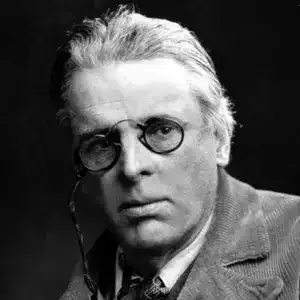
William Butler Yeats
King And No King
King And No King
WOULD it were anything but merely voice!'
The No King cried who after that was King,
Because he had not heard of anything
That balanced with a word is more than noise;
Yet Old Romance being kind, let him prevail
Somewhere or somehow that I have forgot,
Though he'd but cannon -- Whereas we that had thought
To have lit upon as clean and sweet a tale
Have been defeated by that pledge you gave
In momentary anger long ago;
And I that have not your faith, how shall I know
That in the blinding light beyond the grave
We'll find so good a thing as that we have lost?
The hourly kindness, the day's common speech.
The habitual content of each with each
Men neither soul nor body has been crossed.
WOULD it were anything but merely voice!'
The No King cried who after that was King,
Because he had not heard of anything
That balanced with a word is more than noise;
Yet Old Romance being kind, let him prevail
Somewhere or somehow that I have forgot,
Though he'd but cannon -- Whereas we that had thought
To have lit upon as clean and sweet a tale
Have been defeated by that pledge you gave
In momentary anger long ago;
And I that have not your faith, how shall I know
That in the blinding light beyond the grave
We'll find so good a thing as that we have lost?
The hourly kindness, the day's common speech.
The habitual content of each with each
Men neither soul nor body has been crossed.
480
William Butler Yeats
Introductory Lines (The Shadowy Waters)
Introductory Lines (The Shadowy Waters)
I walked among the seven woods of Coole:
Shan-walla, where a willow-hordered pond
Gathers the wild duck from the winter dawn;
Shady Kyle-dortha; sunnier Kyle-na-no,
Where many hundred squirrels are as happy
As though they had been hidden by green bough's
Where old age cannot find them; Paire-na-lee,
Where hazel and ash and privet blind the paths:
Dim Paire-na-carraig, where the wild bees fling
Their sudden fragrances on the green air;
Dim Paire-na-tarav, where enchanted eyes
Have seen immortal, mild, proud shadows walk;
Dim Inchy wood, that hides badger and fox
And marten-cat, and borders that old wood
Wise Buddy Early called the wicked wood:
Seven odours, seven murmurs, seven woods.
I had not eyes like those enchanted eyes,
Yet dreamed that beings happier than men
Moved round me in the shadows, and at night
My dreams were clown by voices and by fires;
And the images I have woven in this story
Of Forgael and Dectora and the empty waters
Moved round me in the voices and the fires,
And more I may not write of, for they that cleave
The waters of sleep can make a chattering tongue
Heavy like stone, their wisdom being half silence.
How shall I name you, immortal, mild, proud shadows?
I only know that all we know comes from you,
And that you come from Eden on flying feet.
Is Eden far away, or do you hide
From human thought, as hares and mice and coneys
That run before the reaping-hook and lie
In the last ridge of the barley? Do our woods
And winds and ponds cover more quiet woods,
More shining winds, more star-glimmering ponds?
Is Eden out of time and out of space?
And do you gather about us when pale light
Shining on water and fallen among leaves,
And winds blowing from flowers, and whirr of feathers
And the green quiet, have uplifted the heart?
I have made this poem for you, that men may read it
Before they read of Forgael and Dectora,
As men in the old times, before the harps began,
Poured out wine for the high invisible ones.
I walked among the seven woods of Coole:
Shan-walla, where a willow-hordered pond
Gathers the wild duck from the winter dawn;
Shady Kyle-dortha; sunnier Kyle-na-no,
Where many hundred squirrels are as happy
As though they had been hidden by green bough's
Where old age cannot find them; Paire-na-lee,
Where hazel and ash and privet blind the paths:
Dim Paire-na-carraig, where the wild bees fling
Their sudden fragrances on the green air;
Dim Paire-na-tarav, where enchanted eyes
Have seen immortal, mild, proud shadows walk;
Dim Inchy wood, that hides badger and fox
And marten-cat, and borders that old wood
Wise Buddy Early called the wicked wood:
Seven odours, seven murmurs, seven woods.
I had not eyes like those enchanted eyes,
Yet dreamed that beings happier than men
Moved round me in the shadows, and at night
My dreams were clown by voices and by fires;
And the images I have woven in this story
Of Forgael and Dectora and the empty waters
Moved round me in the voices and the fires,
And more I may not write of, for they that cleave
The waters of sleep can make a chattering tongue
Heavy like stone, their wisdom being half silence.
How shall I name you, immortal, mild, proud shadows?
I only know that all we know comes from you,
And that you come from Eden on flying feet.
Is Eden far away, or do you hide
From human thought, as hares and mice and coneys
That run before the reaping-hook and lie
In the last ridge of the barley? Do our woods
And winds and ponds cover more quiet woods,
More shining winds, more star-glimmering ponds?
Is Eden out of time and out of space?
And do you gather about us when pale light
Shining on water and fallen among leaves,
And winds blowing from flowers, and whirr of feathers
And the green quiet, have uplifted the heart?
I have made this poem for you, that men may read it
Before they read of Forgael and Dectora,
As men in the old times, before the harps began,
Poured out wine for the high invisible ones.
397
William Butler Yeats
In The Seven Woods
In The Seven Woods
I HAVE heard the pigeons of the Seven Woods
Make their faint thunder, and the garden bees
Hum in the lime-tree flowers; and put away
The unavailing outcries and the old bitterness
That empty the heart. I have forgot awhile
Tara uprooted, and new commonness
Upon the throne and crying about the streets
And hanging its paper flowers from post to post,
Because it is alone of all things happy.
I am contented, for I know that Quiet
Wanders laughing and eating her wild heart
Among pigeons and bees, while that Great Archer,
Who but awaits His hour to shoot, still hangs
A cloudy quiver over Pairc-na-lee.
I HAVE heard the pigeons of the Seven Woods
Make their faint thunder, and the garden bees
Hum in the lime-tree flowers; and put away
The unavailing outcries and the old bitterness
That empty the heart. I have forgot awhile
Tara uprooted, and new commonness
Upon the throne and crying about the streets
And hanging its paper flowers from post to post,
Because it is alone of all things happy.
I am contented, for I know that Quiet
Wanders laughing and eating her wild heart
Among pigeons and bees, while that Great Archer,
Who but awaits His hour to shoot, still hangs
A cloudy quiver over Pairc-na-lee.
374
William Butler Yeats
In Memory of Major Robert Gregory
In Memory of Major Robert Gregory
Now that we're almost settled in our house
I'll name the friends that cannot sup with us
Beside a fire of turf in th' ancient tower,
And having talked to some late hour
Climb up the narrow winding stairs to bed:
Discoverers of forgotten truth
Or mere companions of my youth,
All, all are in my thoughts to-night being dead.
Always we'd have the new friend meet the old
And we are hurt if either friend seem cold,
And there is salt to lengthen out the smart
In the affections of our heart,
And quarrels are blown up upon that head;
But not a friend that I would bring
This night can set us quarrelling,
For all that come into my mind are dead.
Lionel Johnson comes the first to mind,
That loved his learning better than mankind.
Though courteous to the worst; much falling he
Brooded upon sanctity
Till all his Greek and Latin learning seemed
A long blast upon the horn that brought
A little nearer to his thought
A measureless consummation that he dreamed.
And that enquiring man John Synge comes next,
That dying chose the living world for text
And never could have rested in the tomb
But that, long travelling, he had come
Towards nightfall upon certain set apart
In a most desolate stony place,
Towards nightfall upon a race
Passionate and simple like his heart.
And then I think of old George Pollexfen,
In muscular youth well known to Mayo men
For horsemanship at meets or at racecourses,
That could have shown how pure-bred horses
And solid men, for all their passion, live
But as the outrageous stars incline
By opposition, square and trine;
Having grown sluggish and contemplative.
They were my close companions many a year.
A portion of my mind and life, as it were,
And now their breathless faces seem to look
Out of some old picture-book;
I am accustomed to their lack of breath,
But not that my dear friend's dear son,
Our Sidney and our perfect man,
Could share in that discourtesy of death.
For all things the delighted eye now sees
Were loved by him: the old storm-broken trees
That cast their shadows upon road and bridge;
The tower set on the stream's edge;
The ford where drinking cattle make a stir
Nightly, and startled by that sound
The water-hen must change her ground;
He might have been your heartiest welcomer.
When with the Galway foxhounds he would ride
From Castle Taylor to the Roxborough side
Or Esserkelly plain, few kept his pace;
At Mooneen he had leaped a place
So perilous that half the astonished meet
Had shut their eyes; and where was it
He rode a race without a bit?
And yet his mind outran the horses' feet.
We dreamed that a great painter had been born
To cold Clare rock and Galway rock and thorn,
To that stern colour and that delicate line
That are our secret discipline
Wherein the gazing heart doubles her might.
Soldier, scholar, horseman, he,
And yet he had the intensity
To have published all to be a world's delight.
What other could so well have counselled us
In all lovely intricacies of a house
As he that practised or that understood
All work in metal or in wood,
In moulded plaster or in carven stone?
Soldier, scholar, horseman, he,
And all he did done perfectly
As though he had but that one trade alone.
Some burn damp faggots, others may consume
The entire combustible world in one small room
As though dried straw, and if we turn about
The bare chimney is gone black out
Because the work had finished in that flare.
Soldier, scholar, horseman, he,
As 'twere all life's epitome.
What made us dream that he could comb grey hair?
I had thought, seeing how bitter is that wind
That shakes the shutter, to have brought to mind
All those that manhood tried, or childhood loved
Or boyish intellect approved,
With some appropriatc commentary on each;
Until imagination brought
A fitter welcome; but a thought
Of that late death took all my heart for speech.
Now that we're almost settled in our house
I'll name the friends that cannot sup with us
Beside a fire of turf in th' ancient tower,
And having talked to some late hour
Climb up the narrow winding stairs to bed:
Discoverers of forgotten truth
Or mere companions of my youth,
All, all are in my thoughts to-night being dead.
Always we'd have the new friend meet the old
And we are hurt if either friend seem cold,
And there is salt to lengthen out the smart
In the affections of our heart,
And quarrels are blown up upon that head;
But not a friend that I would bring
This night can set us quarrelling,
For all that come into my mind are dead.
Lionel Johnson comes the first to mind,
That loved his learning better than mankind.
Though courteous to the worst; much falling he
Brooded upon sanctity
Till all his Greek and Latin learning seemed
A long blast upon the horn that brought
A little nearer to his thought
A measureless consummation that he dreamed.
And that enquiring man John Synge comes next,
That dying chose the living world for text
And never could have rested in the tomb
But that, long travelling, he had come
Towards nightfall upon certain set apart
In a most desolate stony place,
Towards nightfall upon a race
Passionate and simple like his heart.
And then I think of old George Pollexfen,
In muscular youth well known to Mayo men
For horsemanship at meets or at racecourses,
That could have shown how pure-bred horses
And solid men, for all their passion, live
But as the outrageous stars incline
By opposition, square and trine;
Having grown sluggish and contemplative.
They were my close companions many a year.
A portion of my mind and life, as it were,
And now their breathless faces seem to look
Out of some old picture-book;
I am accustomed to their lack of breath,
But not that my dear friend's dear son,
Our Sidney and our perfect man,
Could share in that discourtesy of death.
For all things the delighted eye now sees
Were loved by him: the old storm-broken trees
That cast their shadows upon road and bridge;
The tower set on the stream's edge;
The ford where drinking cattle make a stir
Nightly, and startled by that sound
The water-hen must change her ground;
He might have been your heartiest welcomer.
When with the Galway foxhounds he would ride
From Castle Taylor to the Roxborough side
Or Esserkelly plain, few kept his pace;
At Mooneen he had leaped a place
So perilous that half the astonished meet
Had shut their eyes; and where was it
He rode a race without a bit?
And yet his mind outran the horses' feet.
We dreamed that a great painter had been born
To cold Clare rock and Galway rock and thorn,
To that stern colour and that delicate line
That are our secret discipline
Wherein the gazing heart doubles her might.
Soldier, scholar, horseman, he,
And yet he had the intensity
To have published all to be a world's delight.
What other could so well have counselled us
In all lovely intricacies of a house
As he that practised or that understood
All work in metal or in wood,
In moulded plaster or in carven stone?
Soldier, scholar, horseman, he,
And all he did done perfectly
As though he had but that one trade alone.
Some burn damp faggots, others may consume
The entire combustible world in one small room
As though dried straw, and if we turn about
The bare chimney is gone black out
Because the work had finished in that flare.
Soldier, scholar, horseman, he,
As 'twere all life's epitome.
What made us dream that he could comb grey hair?
I had thought, seeing how bitter is that wind
That shakes the shutter, to have brought to mind
All those that manhood tried, or childhood loved
Or boyish intellect approved,
With some appropriatc commentary on each;
Until imagination brought
A fitter welcome; but a thought
Of that late death took all my heart for speech.
456
William Butler Yeats
In Memory Of Alfred Pollexfen
In Memory Of Alfred Pollexfen
FIVE-AND-TWENTY years have gone
Since old William pollexfen
Laid his strong bones down in death
By his wife Elizabeth
In the grey stone tomb he made.
And after twenty years they laid
In that tomb by him and her
His son George, the astrologer;
And Masons drove from miles away
To scatter the Acacia spray
Upon a melancholy man
Who had ended where his breath began.
Many a son and daughter lies
Far from the customary skies,
The Mall and Eades's grammar school,
In London or in Liverpool;
But where is laid the sailor John
That so many lands had known,
Quiet lands or unquiet seas
Where the Indians trade or Japanese?
He never found his rest ashore,
Moping for one voyage more.
Where have they laid the sailor John?
And yesterday the youngest son,
A humorous, unambitious man,
Was buried near the astrologer,
Yesterday in the tenth year
Since he who had been contented long.
A nobody in a great throng,
Decided he would journey home,
Now that his fiftieth year had come,
And 'Mr. Alfred' be again
Upon the lips of common men
Who carried in their memory
His childhood and his family.
At all these death-beds women heard
A visionary white sea-bird
Lamenting that a man should die;
And with that cry I have raised my cry.
FIVE-AND-TWENTY years have gone
Since old William pollexfen
Laid his strong bones down in death
By his wife Elizabeth
In the grey stone tomb he made.
And after twenty years they laid
In that tomb by him and her
His son George, the astrologer;
And Masons drove from miles away
To scatter the Acacia spray
Upon a melancholy man
Who had ended where his breath began.
Many a son and daughter lies
Far from the customary skies,
The Mall and Eades's grammar school,
In London or in Liverpool;
But where is laid the sailor John
That so many lands had known,
Quiet lands or unquiet seas
Where the Indians trade or Japanese?
He never found his rest ashore,
Moping for one voyage more.
Where have they laid the sailor John?
And yesterday the youngest son,
A humorous, unambitious man,
Was buried near the astrologer,
Yesterday in the tenth year
Since he who had been contented long.
A nobody in a great throng,
Decided he would journey home,
Now that his fiftieth year had come,
And 'Mr. Alfred' be again
Upon the lips of common men
Who carried in their memory
His childhood and his family.
At all these death-beds women heard
A visionary white sea-bird
Lamenting that a man should die;
And with that cry I have raised my cry.
465
William Butler Yeats
His Phoenix
His Phoenix
THERE is a queen in China, or maybe it's in Spain,
And birthdays and holidays such praises can be heard
Of her unblemished lineaments, a whiteness with no stain,
That she might be that sprightly girl trodden by a bird;
And there's a score of duchesses, surpassing woma-kind,
Or who have found a painter to make them so for pay
And smooth out stain and blemish with the elegance of his mind:
I knew a phoenix in my youth, so let them have their day.
The young men every night applaud their Gaby's laughing eye,
And Ruth St. Denis had more charm although she had poor luck;
From nineteen hundred nine or ten, Pavlova's had the cry
And there's a player in the States who gathers up her cloak
And flings herself out of the room when Juliet would be bride
With all a woman's passion, a child's imperious way,
And there are -- but no matter if there are scores beside:
I knew a phoenix in my youth, so let them have their day.
There's Margaret and Marjorie and Dorothy and Nan,
A Daphne and a Mary who live in privacy;
One's had her fill of lovers, another's had but one,
Another boasts, 'I pick and choose and have but two or three.'
If head and limb have beauty and the instep's high and light
They can spread out what sail they please for all I have to say,
Be but the breakers of men's hearts or engines of delight:
I knew a phoenix in my youth, so let them have their day.
There'll be that crowd, that barbarous crowd, through all the centuries,
And who can say but some young belle may walk and talk men wild
Who is my beauty's equal, though that my heart denies,
But not the exact likeness, the simplicity of a child,
And that proud look as though she had gazed into the burning sun,
And all the shapely body no tittle gone astray.
I mourn for that most lonely thing; and yet God's will be done:
I knew a phoenix in my youth, so let them have their day.
THERE is a queen in China, or maybe it's in Spain,
And birthdays and holidays such praises can be heard
Of her unblemished lineaments, a whiteness with no stain,
That she might be that sprightly girl trodden by a bird;
And there's a score of duchesses, surpassing woma-kind,
Or who have found a painter to make them so for pay
And smooth out stain and blemish with the elegance of his mind:
I knew a phoenix in my youth, so let them have their day.
The young men every night applaud their Gaby's laughing eye,
And Ruth St. Denis had more charm although she had poor luck;
From nineteen hundred nine or ten, Pavlova's had the cry
And there's a player in the States who gathers up her cloak
And flings herself out of the room when Juliet would be bride
With all a woman's passion, a child's imperious way,
And there are -- but no matter if there are scores beside:
I knew a phoenix in my youth, so let them have their day.
There's Margaret and Marjorie and Dorothy and Nan,
A Daphne and a Mary who live in privacy;
One's had her fill of lovers, another's had but one,
Another boasts, 'I pick and choose and have but two or three.'
If head and limb have beauty and the instep's high and light
They can spread out what sail they please for all I have to say,
Be but the breakers of men's hearts or engines of delight:
I knew a phoenix in my youth, so let them have their day.
There'll be that crowd, that barbarous crowd, through all the centuries,
And who can say but some young belle may walk and talk men wild
Who is my beauty's equal, though that my heart denies,
But not the exact likeness, the simplicity of a child,
And that proud look as though she had gazed into the burning sun,
And all the shapely body no tittle gone astray.
I mourn for that most lonely thing; and yet God's will be done:
I knew a phoenix in my youth, so let them have their day.
449
William Butler Yeats
His Confidence
His Confidence
Undying love to buy
I wrote upon
The corners of this eye
All wrongs done.
What payment were enough
For undying love?
I broke my heart in two
So hard I struck.
What matter? for I know
That out of rock,
Out of a desolate source,
Love leaps upon its course.
Undying love to buy
I wrote upon
The corners of this eye
All wrongs done.
What payment were enough
For undying love?
I broke my heart in two
So hard I struck.
What matter? for I know
That out of rock,
Out of a desolate source,
Love leaps upon its course.
297
William Butler Yeats
Her Triumph
Her Triumph
I did the dragon's will until you came
Because I had fancied love a casual
Improvisation, or a settled game
That followed if I let the kerchief fall:
Those deeds were best that gave the minute wings
And heavenly music if they gave it wit;
And then you stood among the dragon-rings.
I mocked, being crazy, but you mastered it
And broke the chain and set my ankles free,
Saint George or else a pagan Perseus;
And now we stare astonished at the sea,
And a miraculous strange bird shrieks at us.
I did the dragon's will until you came
Because I had fancied love a casual
Improvisation, or a settled game
That followed if I let the kerchief fall:
Those deeds were best that gave the minute wings
And heavenly music if they gave it wit;
And then you stood among the dragon-rings.
I mocked, being crazy, but you mastered it
And broke the chain and set my ankles free,
Saint George or else a pagan Perseus;
And now we stare astonished at the sea,
And a miraculous strange bird shrieks at us.
304
William Butler Yeats
High Talk
High Talk
PROCESSIONS that lack high stilts have nothing that catches the eye.
What if my great-granddad had a pair that were twenty foot high,
And mine were but fifteen foot, no modern Stalks upon higher,
Some rogue of the world stole them to patch up a fence or a fire.
Because piebald ponies, led bears, caged lions, ake but poor shows,
Because children demand Daddy-long-legs upon This timber toes,
Because women in the upper storeys demand a face at the pane,
That patching old heels they may shriek, I take to chisel and plane.
Malachi Stilt-Jack am I, whatever I learned has run wild, From collar to collar, from stilt
to stilt, from father to child.
All metaphor, Malachi, stilts and all. A barnacle goose
Far up in the stretches of night; night splits and the dawn breaks loose;
I, through the terrible novelty of light, stalk on, stalk on;
Those great sea-horses bare their teeth and laugh at the dawn.
PROCESSIONS that lack high stilts have nothing that catches the eye.
What if my great-granddad had a pair that were twenty foot high,
And mine were but fifteen foot, no modern Stalks upon higher,
Some rogue of the world stole them to patch up a fence or a fire.
Because piebald ponies, led bears, caged lions, ake but poor shows,
Because children demand Daddy-long-legs upon This timber toes,
Because women in the upper storeys demand a face at the pane,
That patching old heels they may shriek, I take to chisel and plane.
Malachi Stilt-Jack am I, whatever I learned has run wild, From collar to collar, from stilt
to stilt, from father to child.
All metaphor, Malachi, stilts and all. A barnacle goose
Far up in the stretches of night; night splits and the dawn breaks loose;
I, through the terrible novelty of light, stalk on, stalk on;
Those great sea-horses bare their teeth and laugh at the dawn.
408
William Butler Yeats
He Wishes His Beloved Were Dead
He Wishes His Beloved Were Dead
WERE you but lying cold and dead,
And lights were paling out of the West,
You would come hither, and bend your head,
And I would lay my head on your breast;
And you would murmur tender words,
Forgiving me, because you were dead:
Nor would you rise and hasten away,
Though you have the will of the wild birds,
But know your hair was bound and wound
About the stars and moon and sun:
O would, beloved, that you lay
Under the dock-leaves in the ground,
While lights were paling one by one.
WERE you but lying cold and dead,
And lights were paling out of the West,
You would come hither, and bend your head,
And I would lay my head on your breast;
And you would murmur tender words,
Forgiving me, because you were dead:
Nor would you rise and hasten away,
Though you have the will of the wild birds,
But know your hair was bound and wound
About the stars and moon and sun:
O would, beloved, that you lay
Under the dock-leaves in the ground,
While lights were paling one by one.
475
William Butler Yeats
Her Dream
Her Dream
I dreamed as in my bed I lay,
All night's fathomless wisdom come,
That I had shorn my locks away
And laid them on Love's lettered tomb:
But something bore them out of sight
In a great tumult of the air,
And after nailed upon the night
Berenice's burning hair.
I dreamed as in my bed I lay,
All night's fathomless wisdom come,
That I had shorn my locks away
And laid them on Love's lettered tomb:
But something bore them out of sight
In a great tumult of the air,
And after nailed upon the night
Berenice's burning hair.
262
William Butler Yeats
He Tells Of The Perfect Beauty
He Tells Of The Perfect Beauty
O CLOUD-PALE eyelids, dream-dimmed eyes,
The poets labouring all their days
To build a perfect beauty in rhyme
Are overthrown by a woman's gaze
And by the unlabouring brood of the skies:
And therefore my heart will bow, when dew
Is dropping sleep, until God burn time,
Before the unlabouring stars and you.
O CLOUD-PALE eyelids, dream-dimmed eyes,
The poets labouring all their days
To build a perfect beauty in rhyme
Are overthrown by a woman's gaze
And by the unlabouring brood of the skies:
And therefore my heart will bow, when dew
Is dropping sleep, until God burn time,
Before the unlabouring stars and you.
333
William Butler Yeats
He Tells Of The Perfect Beauty
He Tells Of The Perfect Beauty
O CLOUD-PALE eyelids, dream-dimmed eyes,
The poets labouring all their days
To build a perfect beauty in rhyme
Are overthrown by a woman's gaze
And by the unlabouring brood of the skies:
And therefore my heart will bow, when dew
Is dropping sleep, until God burn time,
Before the unlabouring stars and you.
O CLOUD-PALE eyelids, dream-dimmed eyes,
The poets labouring all their days
To build a perfect beauty in rhyme
Are overthrown by a woman's gaze
And by the unlabouring brood of the skies:
And therefore my heart will bow, when dew
Is dropping sleep, until God burn time,
Before the unlabouring stars and you.
333
William Butler Yeats
He Thinks Of Those Who Have Spoken Evil Of His Beloved
He Thinks Of Those Who Have Spoken Evil Of His Beloved
HALF close your eyelids, loosen your hair,
And dream about the great and their pride;
They have spoken against you everywhere,
But weigh this song with the great and their pride;
I made it out of a mouthful of air,
Their children's children shall say they have lied.
HALF close your eyelids, loosen your hair,
And dream about the great and their pride;
They have spoken against you everywhere,
But weigh this song with the great and their pride;
I made it out of a mouthful of air,
Their children's children shall say they have lied.
365
William Butler Yeats
He Thinks Of Those Who Have Spoken Evil Of His Beloved
He Thinks Of Those Who Have Spoken Evil Of His Beloved
HALF close your eyelids, loosen your hair,
And dream about the great and their pride;
They have spoken against you everywhere,
But weigh this song with the great and their pride;
I made it out of a mouthful of air,
Their children's children shall say they have lied.
HALF close your eyelids, loosen your hair,
And dream about the great and their pride;
They have spoken against you everywhere,
But weigh this song with the great and their pride;
I made it out of a mouthful of air,
Their children's children shall say they have lied.
365
William Butler Yeats
He Mourns For The Change That Has Come Upon Him And His Beloved, And
He Mourns For The Change That Has Come Upon Him And His Beloved, And
Longs For The End Of The World
DO you not hear me calling, white deer with no horns?
I have been changed to a hound with one red ear;
I have been in the Path of Stones and the Wood of Thorns,
For somebody hid hatred and hope and desire and fear
Under my feet that they follow you night and day.
A man with a hazel wand came without sound;
He changed me suddenly; I was looking another way;
And now my calling is but the calling of a hound;
And Time and Birth and Change are hurrying by.
I would that the Boar without bristles had come from the West
And had rooted the sun and moon and stars out of the sky
And lay in the darkness, grunting, and turning to his rest.
Longs For The End Of The World
DO you not hear me calling, white deer with no horns?
I have been changed to a hound with one red ear;
I have been in the Path of Stones and the Wood of Thorns,
For somebody hid hatred and hope and desire and fear
Under my feet that they follow you night and day.
A man with a hazel wand came without sound;
He changed me suddenly; I was looking another way;
And now my calling is but the calling of a hound;
And Time and Birth and Change are hurrying by.
I would that the Boar without bristles had come from the West
And had rooted the sun and moon and stars out of the sky
And lay in the darkness, grunting, and turning to his rest.
369
William Butler Yeats
He Reproves The Curlew
He Reproves The Curlew
O CURLEW, cry no more in the air,
Or only to the water in the West;
Because your crying brings to my mind
passion-dimmed eyes and long heavy hair
That was shaken out over my breast:
There is enough evil in the crying of wind.
O CURLEW, cry no more in the air,
Or only to the water in the West;
Because your crying brings to my mind
passion-dimmed eyes and long heavy hair
That was shaken out over my breast:
There is enough evil in the crying of wind.
260
William Butler Yeats
He Gives His Beloved Certain Rhymes
He Gives His Beloved Certain Rhymes
FASTEN your hair with a golden pin,
And bind up every wandering tress;
I bade my heart build these poor rhymes:
It worked at them, day out, day in,
Building a sorrowful loveliness
Out of the battles of old times.
You need but lift a pearl-pale hand,
And bind up your long hair and sigh;
And all men's hearts must burn and beat;
And candle-like foam on the dim sand,
And stars climbing the dew-dropping sky,
Live but to light your passing feet.
FASTEN your hair with a golden pin,
And bind up every wandering tress;
I bade my heart build these poor rhymes:
It worked at them, day out, day in,
Building a sorrowful loveliness
Out of the battles of old times.
You need but lift a pearl-pale hand,
And bind up your long hair and sigh;
And all men's hearts must burn and beat;
And candle-like foam on the dim sand,
And stars climbing the dew-dropping sky,
Live but to light your passing feet.
275
William Butler Yeats
He Gives His Beloved Certain Rhymes
He Gives His Beloved Certain Rhymes
FASTEN your hair with a golden pin,
And bind up every wandering tress;
I bade my heart build these poor rhymes:
It worked at them, day out, day in,
Building a sorrowful loveliness
Out of the battles of old times.
You need but lift a pearl-pale hand,
And bind up your long hair and sigh;
And all men's hearts must burn and beat;
And candle-like foam on the dim sand,
And stars climbing the dew-dropping sky,
Live but to light your passing feet.
FASTEN your hair with a golden pin,
And bind up every wandering tress;
I bade my heart build these poor rhymes:
It worked at them, day out, day in,
Building a sorrowful loveliness
Out of the battles of old times.
You need but lift a pearl-pale hand,
And bind up your long hair and sigh;
And all men's hearts must burn and beat;
And candle-like foam on the dim sand,
And stars climbing the dew-dropping sky,
Live but to light your passing feet.
275
William Butler Yeats
From The 'Antigone'
From The 'Antigone'
Overcome -- O bitter sweetness,
Inhabitant of the soft cheek of a girl --
The rich man and his affairs,
The fat flocks and the fields' fatness,
Mariners, rough harvesters;
Overcome Gods upon Parnassus;
Overcome the Empyrean; hurl
Heaven and Earth out of their places,
That in the Same calamity
Brother and brother, friend and friend,
Family and family,
City and city may contend,
By that great glory driven wild.
Pray I will and sing I must,
And yet I weep -- Oedipus' child
Descends into the loveless dust.
Overcome -- O bitter sweetness,
Inhabitant of the soft cheek of a girl --
The rich man and his affairs,
The fat flocks and the fields' fatness,
Mariners, rough harvesters;
Overcome Gods upon Parnassus;
Overcome the Empyrean; hurl
Heaven and Earth out of their places,
That in the Same calamity
Brother and brother, friend and friend,
Family and family,
City and city may contend,
By that great glory driven wild.
Pray I will and sing I must,
And yet I weep -- Oedipus' child
Descends into the loveless dust.
295
William Butler Yeats
Friends
Friends
NOW must I these three praise --
Three women that have wrought
What joy is in my days:
One because no thought,
Nor those unpassing cares,
No, not in these fifteen
Many-times-troubled years,
Could ever come between
Mind and delighted mind;
And one because her hand
Had strength that could unbind
What none can understand,
What none can have and thrive,
Youth's dreamy load, till she
So changed me that I live
Labouring in ecstasy.
And what of her that took
All till my youth was gone
With scarce a pitying look?
How could I praise that one?
When day begins to break
I count my good and bad,
Being wakeful for her sake,
Remembering what she had,
What eagle look still shows,
While up from my heart's root
So great a sweetness flows
I shake from head to foot.
NOW must I these three praise --
Three women that have wrought
What joy is in my days:
One because no thought,
Nor those unpassing cares,
No, not in these fifteen
Many-times-troubled years,
Could ever come between
Mind and delighted mind;
And one because her hand
Had strength that could unbind
What none can understand,
What none can have and thrive,
Youth's dreamy load, till she
So changed me that I live
Labouring in ecstasy.
And what of her that took
All till my youth was gone
With scarce a pitying look?
How could I praise that one?
When day begins to break
I count my good and bad,
Being wakeful for her sake,
Remembering what she had,
What eagle look still shows,
While up from my heart's root
So great a sweetness flows
I shake from head to foot.
386
William Butler Yeats
Fergus And The Druid
Fergus And The Druid
Fergus. This whole day have I followed in the rocks,
And you have changed and flowed from shape to shape,
First as a raven on whose ancient wings
Scarcely a feather lingered, then you seemed
A weasel moving on from stone to stone,
And now at last you wear a human shape,
A thin grey man half lost in gathering night.
Druid. What would you, king of the proud Red Branch kings?
Fergus. This would I Say, most wise of living souls:
Young subtle Conchubar sat close by me
When I gave judgment, and his words were wise,
And what to me was burden without end,
To him seemed easy, So I laid the crown
Upon his head to cast away my sorrow.
Druid. What would you, king of the proud Red Branch kings?
Fergus. A king and proud! and that is my despair.
I feast amid my people on the hill,
And pace the woods, and drive my chariot-wheels
In the white border of the murmuring sea;
And still I feel the crown upon my head
Druid. What would you, Fergus?
Fergus. Be no more a king
But learn the dreaming wisdom that is yours.
Druid. Look on my thin grey hair and hollow cheeks
And on these hands that may not lift the sword,
This body trembling like a wind-blown reed.
No woman's loved me, no man sought my help.
Fergus. A king is but a foolish labourer
Who wastes his blood to be another's dream.
Druid. Take, if you must, this little bag of dreams;
Unloose the cord, and they will wrap you round.
Fergus. I See my life go drifting like a river
From change to change; I have been many things --
A green drop in the surge, a gleam of light
Upon a sword, a fir-tree on a hill,
An old slave grinding at a heavy quern,
A king sitting upon a chair of gold --
And all these things were wonderful and great;
But now I have grown nothing, knowing all.
Ah! Druid, Druid, how great webs of sorrow
Lay hidden in the small slate-coloured thing!
Fergus. This whole day have I followed in the rocks,
And you have changed and flowed from shape to shape,
First as a raven on whose ancient wings
Scarcely a feather lingered, then you seemed
A weasel moving on from stone to stone,
And now at last you wear a human shape,
A thin grey man half lost in gathering night.
Druid. What would you, king of the proud Red Branch kings?
Fergus. This would I Say, most wise of living souls:
Young subtle Conchubar sat close by me
When I gave judgment, and his words were wise,
And what to me was burden without end,
To him seemed easy, So I laid the crown
Upon his head to cast away my sorrow.
Druid. What would you, king of the proud Red Branch kings?
Fergus. A king and proud! and that is my despair.
I feast amid my people on the hill,
And pace the woods, and drive my chariot-wheels
In the white border of the murmuring sea;
And still I feel the crown upon my head
Druid. What would you, Fergus?
Fergus. Be no more a king
But learn the dreaming wisdom that is yours.
Druid. Look on my thin grey hair and hollow cheeks
And on these hands that may not lift the sword,
This body trembling like a wind-blown reed.
No woman's loved me, no man sought my help.
Fergus. A king is but a foolish labourer
Who wastes his blood to be another's dream.
Druid. Take, if you must, this little bag of dreams;
Unloose the cord, and they will wrap you round.
Fergus. I See my life go drifting like a river
From change to change; I have been many things --
A green drop in the surge, a gleam of light
Upon a sword, a fir-tree on a hill,
An old slave grinding at a heavy quern,
A king sitting upon a chair of gold --
And all these things were wonderful and great;
But now I have grown nothing, knowing all.
Ah! Druid, Druid, how great webs of sorrow
Lay hidden in the small slate-coloured thing!
423
William Butler Yeats
Form the Green Helmet And Other Poems
Form the Green Helmet And Other Poems
HIS DREAM
I SWAYED upon the gaudy stem
The butt-end of a steering-oar,
And saw wherever I could turn
A crowd upon a shore.
And though I would have hushed the crowd,
There was no mother's son but said,
'What is the figure in a shroud
Upon a gaudy bed?'
And after running at the brim
Cried out upon that thing beneath
-- It had such dignity of limb --
By the sweet name of Death.
Though I'd my finger on my lip,
What could I but take up the song?
And running crowd and gaudy ship
Cried out the whole night long,
Crying amid the glittering sea,
Naming it with ecstatic breath,
Because it had such dignity,
By the sweet name of Death.
HIS DREAM
I SWAYED upon the gaudy stem
The butt-end of a steering-oar,
And saw wherever I could turn
A crowd upon a shore.
And though I would have hushed the crowd,
There was no mother's son but said,
'What is the figure in a shroud
Upon a gaudy bed?'
And after running at the brim
Cried out upon that thing beneath
-- It had such dignity of limb --
By the sweet name of Death.
Though I'd my finger on my lip,
What could I but take up the song?
And running crowd and gaudy ship
Cried out the whole night long,
Crying amid the glittering sea,
Naming it with ecstatic breath,
Because it had such dignity,
By the sweet name of Death.
371
William Butler Yeats
Fallen Majesty
Fallen Majesty
Although crowds gathered once if she but showed her face,
And even old men's eyes grew dim, this hand alone,
Like some last courtier at a gypsy camping-place
Babbling of fallen majesty, records what's gone.
The lineaments, a heart that laughter has made sweet,
These, these remain, but I record what's gone. A crowd
Will gather, and not know it walks the very street
Whereon a thing once walked that seemed a burning cloud.
Although crowds gathered once if she but showed her face,
And even old men's eyes grew dim, this hand alone,
Like some last courtier at a gypsy camping-place
Babbling of fallen majesty, records what's gone.
The lineaments, a heart that laughter has made sweet,
These, these remain, but I record what's gone. A crowd
Will gather, and not know it walks the very street
Whereon a thing once walked that seemed a burning cloud.
328