
Soul

Ella Wheeler Wilcox
Sorrow's Uses
The uses of sorrow I comprehend
Better and better at each year’s end.
Deeper and deeper I seem to see
Why and wherefore it has to be
Only after the dark, wet days
Do we fully rejoice in the sun’s bright rays.
Sweeter the crust tastes after the fast
Than the sated gourmand’s finest repast.
The faintest cheer sounds never amiss
To the actor who once has heard a hiss.
To one who the sadness of freedom knows,
Light seem the fetters love may impose.
And he who has dwelt with his heart alone,
Hears all the music in friendship’s tone.
So better and better I comprehend,
How sorrow ever would be our friend.
Read more →
Better and better at each year’s end.
Deeper and deeper I seem to see
Why and wherefore it has to be
Only after the dark, wet days
Do we fully rejoice in the sun’s bright rays.
Sweeter the crust tastes after the fast
Than the sated gourmand’s finest repast.
The faintest cheer sounds never amiss
To the actor who once has heard a hiss.
To one who the sadness of freedom knows,
Light seem the fetters love may impose.
And he who has dwelt with his heart alone,
Hears all the music in friendship’s tone.
So better and better I comprehend,
How sorrow ever would be our friend.
475
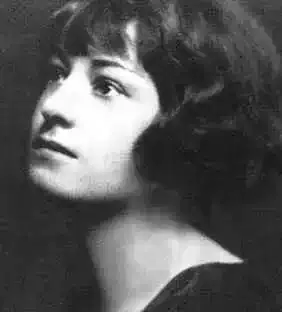
Dorothy Parker
Hearthside
Half across the world from me
Lie the lands I'll never see-
I, whose longing lives and dies
Where a ship has sailed away;
I, that never close my eyes
But to look upon Cathay.
Things I may not know nor tell
Wait, where older waters swell;
Ways that flowered at Sappho's tread,
Winds that sighed in Homer's strings,
Vibrant with the singing dead,
Golden with the dust of wings.
Under deeper skies than mine,
Quiet valleys dip and shine.
Where their tender grasses heal
Ancient scars of trench and tomb
I shall never walk: nor kneel
Where the bones of poets bloom.
If I seek a lovelier part,
Where I travel goes my heart;
Where I stray my thought must go;
With me wanders my desire.
Best to sit and watch the snow,
Turn the lock, and poke the fire.
Read more →
Lie the lands I'll never see-
I, whose longing lives and dies
Where a ship has sailed away;
I, that never close my eyes
But to look upon Cathay.
Things I may not know nor tell
Wait, where older waters swell;
Ways that flowered at Sappho's tread,
Winds that sighed in Homer's strings,
Vibrant with the singing dead,
Golden with the dust of wings.
Under deeper skies than mine,
Quiet valleys dip and shine.
Where their tender grasses heal
Ancient scars of trench and tomb
I shall never walk: nor kneel
Where the bones of poets bloom.
If I seek a lovelier part,
Where I travel goes my heart;
Where I stray my thought must go;
With me wanders my desire.
Best to sit and watch the snow,
Turn the lock, and poke the fire.
475

Johann Wolfgang von Goethe
Procemion
IN His blest name, who was His own creation,
Who from all time makes making his vocation;
The name of Him who makes our faith so bright,
Love, confidence, activity, and might;
In that One's name, who, named though oft He be,
Unknown is ever in Reality:
As far as ear can reach, or eyesight dim,
Thou findest but the known resembling Him;
How high so'er thy fiery spirit hovers,
Its simile and type it straight discovers
Onward thou'rt drawn, with feelings light and gay,
Where'er thou goest, smiling is the way;
No more thou numbrest, reckonest no time,
Each step is infinite, each step sublime.
WHAT God would outwardly alone control,
And on his finger whirl the mighty Whole?
He loves the inner world to move, to view
Nature in Him, Himself in Nature too,
So that what in Him works, and is, and lives,
The measure of His strength, His spirit gives.
WITHIN us all a universe doth dwell;
And hence each people's usage laudable,
That ev'ry one the Best that meets his eyes
As God, yea e'en his God, doth recognise;
To Him both earth and heaven surrenders he,
Fears Him, and loves Him too, if that may be.
Read more →
Who from all time makes making his vocation;
The name of Him who makes our faith so bright,
Love, confidence, activity, and might;
In that One's name, who, named though oft He be,
Unknown is ever in Reality:
As far as ear can reach, or eyesight dim,
Thou findest but the known resembling Him;
How high so'er thy fiery spirit hovers,
Its simile and type it straight discovers
Onward thou'rt drawn, with feelings light and gay,
Where'er thou goest, smiling is the way;
No more thou numbrest, reckonest no time,
Each step is infinite, each step sublime.
WHAT God would outwardly alone control,
And on his finger whirl the mighty Whole?
He loves the inner world to move, to view
Nature in Him, Himself in Nature too,
So that what in Him works, and is, and lives,
The measure of His strength, His spirit gives.
WITHIN us all a universe doth dwell;
And hence each people's usage laudable,
That ev'ry one the Best that meets his eyes
As God, yea e'en his God, doth recognise;
To Him both earth and heaven surrenders he,
Fears Him, and loves Him too, if that may be.
476

Alfred Lord Tennyson
By an Evolutionist
By an Evolutionist
The Lord let the house of a brute to the soul of a man,
And the man said, ‘Am I your debtor?’
And the Lord–‘Not yet; but make it as clean as you can,
And then I will let you a better.’
I.
If my body come from brutes, my soul uncertain or a fable,
Why not bask amid the senses while the sun of morning shines,
I, the finer brute rejoicing in my hounds, and in my stable,
Youth and health, and birth and wealth, and choice of women and of wines?
II.
What hast thou done for me, grim Old Age, save breaking my bones on the rack?
Would I had past in the morning that looks so bright from afar!
OLD AGE
Done for thee? starved the wild beast that was linkt with thee eighty years back.
Less weight now for the ladder-of-heaven that hangs on a star.
I.
If my body come from brutes, tho’ somewhat finer than their own,
I am heir, and this my kingdom. Shall the royal voice be mute?
No, but if the rebel subject seek to drag me from the throne,
Hold the sceptre, Human Soul, and rule thy province of the brute.
II.
I have climb’d to the snows of Age, and I gaze at a field in the Past.
Where I sank with the body at times in the sloughs of a low desire,
But I hear no yelp of the beast, and the Man is quiet at last,
As he stands on the heights of his life with a glimpse of a height that is higher.
Read more →
The Lord let the house of a brute to the soul of a man,
And the man said, ‘Am I your debtor?’
And the Lord–‘Not yet; but make it as clean as you can,
And then I will let you a better.’
I.
If my body come from brutes, my soul uncertain or a fable,
Why not bask amid the senses while the sun of morning shines,
I, the finer brute rejoicing in my hounds, and in my stable,
Youth and health, and birth and wealth, and choice of women and of wines?
II.
What hast thou done for me, grim Old Age, save breaking my bones on the rack?
Would I had past in the morning that looks so bright from afar!
OLD AGE
Done for thee? starved the wild beast that was linkt with thee eighty years back.
Less weight now for the ladder-of-heaven that hangs on a star.
I.
If my body come from brutes, tho’ somewhat finer than their own,
I am heir, and this my kingdom. Shall the royal voice be mute?
No, but if the rebel subject seek to drag me from the throne,
Hold the sceptre, Human Soul, and rule thy province of the brute.
II.
I have climb’d to the snows of Age, and I gaze at a field in the Past.
Where I sank with the body at times in the sloughs of a low desire,
But I hear no yelp of the beast, and the Man is quiet at last,
As he stands on the heights of his life with a glimpse of a height that is higher.
476

Ezra Pound
Envoi
Go, dumb-born book,
Tell her that sang me once that song of Lawes:
Hadst thou but song
As thou hast subjects known,
Then were there cause in thee that should condone
Even my faults that heavy upon me lie
And build her glories their longevity.
Tell her that sheds
Such treasure in the air,
Recking naught else but that her graces give
Life to the moment,
I would bid them live
As roses might, in magic amber laid,
Red overwrought with orange and all made
One substance and one colour
Braving time.
Tell her that goes
With song upon her lips
But sings not out the song, nor knows
The maker of it, some other mouth,
May be as fair as hers,
Might, in new ages, gain her worshippers,
When our two dusts with Waller's shall be laid,
Siftings on siftings in oblivion,
Till change hath broken down
All things save Beauty alone.
Read more →
Tell her that sang me once that song of Lawes:
Hadst thou but song
As thou hast subjects known,
Then were there cause in thee that should condone
Even my faults that heavy upon me lie
And build her glories their longevity.
Tell her that sheds
Such treasure in the air,
Recking naught else but that her graces give
Life to the moment,
I would bid them live
As roses might, in magic amber laid,
Red overwrought with orange and all made
One substance and one colour
Braving time.
Tell her that goes
With song upon her lips
But sings not out the song, nor knows
The maker of it, some other mouth,
May be as fair as hers,
Might, in new ages, gain her worshippers,
When our two dusts with Waller's shall be laid,
Siftings on siftings in oblivion,
Till change hath broken down
All things save Beauty alone.
476

John Keats
To Solitude
O Solitude! if I must with thee dwell,
Let it not be among the jumbled heap
Of murky buildings; climb with me the steep, -
Nature's observatory -- whence the dell,
Its flowery slopes, its river's crystal swell,
May seem a span; let me thy vigils keep
'Mongst boughs pavilion'd, where the deer's swift leap
Startles the wild bee from the foxglove bell.
But though I'll gladly trace these scenes with thee,
Yet the sweet converse of an innocent mind,
Whose words are images of thoughts refin'd,
Is my soul's pleasure; and it sure must be
Almost the highest bliss of human-kind,
When to thy haunts two kindred spirits flee.
Read more →
Let it not be among the jumbled heap
Of murky buildings; climb with me the steep, -
Nature's observatory -- whence the dell,
Its flowery slopes, its river's crystal swell,
May seem a span; let me thy vigils keep
'Mongst boughs pavilion'd, where the deer's swift leap
Startles the wild bee from the foxglove bell.
But though I'll gladly trace these scenes with thee,
Yet the sweet converse of an innocent mind,
Whose words are images of thoughts refin'd,
Is my soul's pleasure; and it sure must be
Almost the highest bliss of human-kind,
When to thy haunts two kindred spirits flee.
474

William Butler Yeats
He Wishes His Beloved Were Dead
WERE you but lying cold and dead,
And lights were paling out of the West,
You would come hither, and bend your head,
And I would lay my head on your breast;
And you would murmur tender words,
Forgiving me, because you were dead:
Nor would you rise and hasten away,
Though you have the will of the wild birds,
But know your hair was bound and wound
About the stars and moon and sun:
O would, beloved, that you lay
Under the dock-leaves in the ground,
While lights were paling one by one.
Read more →
And lights were paling out of the West,
You would come hither, and bend your head,
And I would lay my head on your breast;
And you would murmur tender words,
Forgiving me, because you were dead:
Nor would you rise and hasten away,
Though you have the will of the wild birds,
But know your hair was bound and wound
About the stars and moon and sun:
O would, beloved, that you lay
Under the dock-leaves in the ground,
While lights were paling one by one.
476
John Keats
To Homer
Standing aloof in giant ignorance,
Of thee I hear and of the Cyclades,
As one who sits ashore and longs perchance
To visit dolphin-coral in deep seas.
So thou wast blind;--but then the veil was rent,
For Jove uncurtain'd Heaven to let thee live,
And Neptune made for thee a spumy tent,
And Pan made sing for thee his forest-hive;
Aye on the shores of darkness there is light,
And precipices show untrodden green,
There is a budding morrow in midnight,
There is a triple sight in blindness keen;
Such seeing hadst thou, as it once befel
To Dian, Queen of Earth, and Heaven, and Hell.
Read more →
Of thee I hear and of the Cyclades,
As one who sits ashore and longs perchance
To visit dolphin-coral in deep seas.
So thou wast blind;--but then the veil was rent,
For Jove uncurtain'd Heaven to let thee live,
And Neptune made for thee a spumy tent,
And Pan made sing for thee his forest-hive;
Aye on the shores of darkness there is light,
And precipices show untrodden green,
There is a budding morrow in midnight,
There is a triple sight in blindness keen;
Such seeing hadst thou, as it once befel
To Dian, Queen of Earth, and Heaven, and Hell.
476
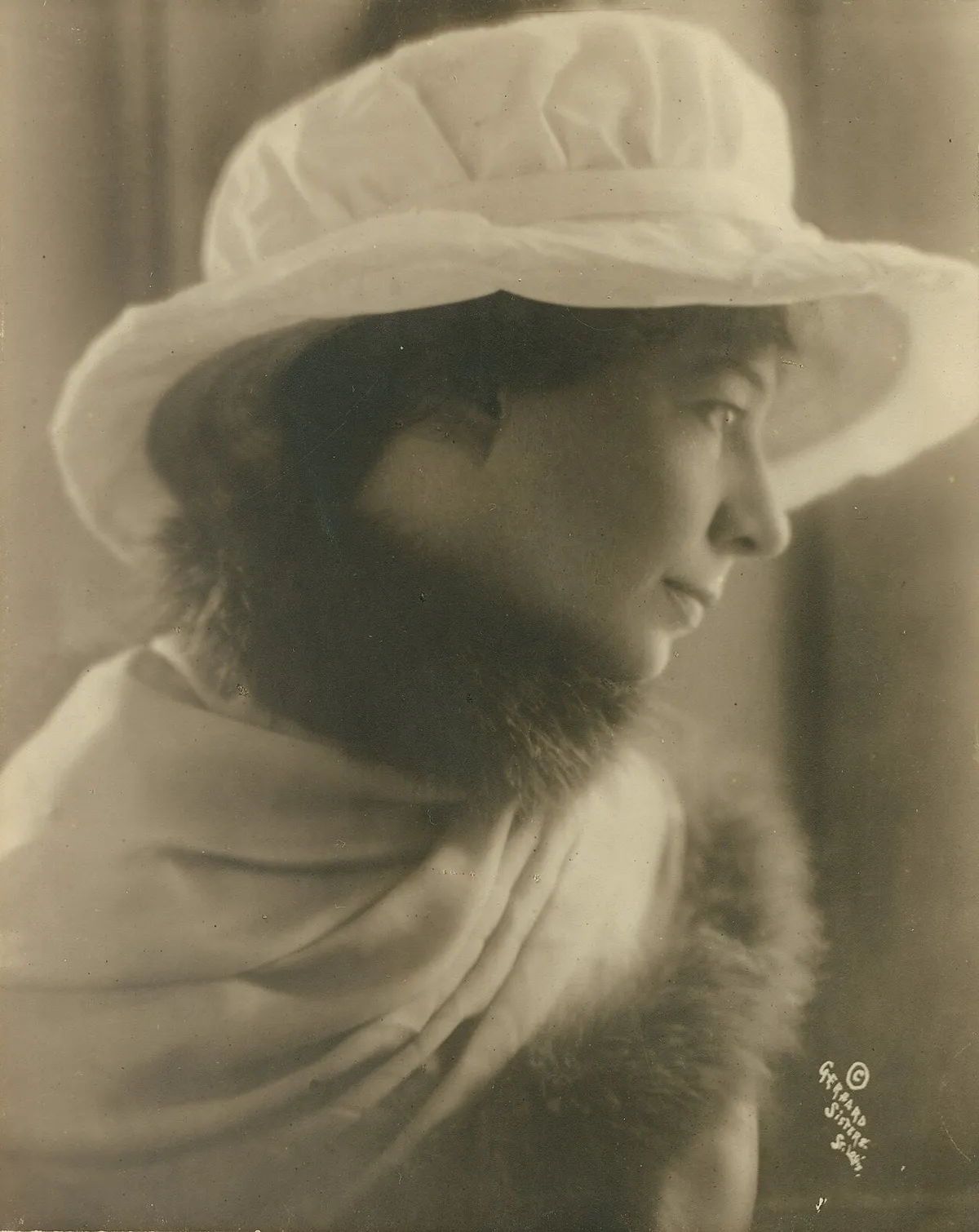
Sara Teasdale
Pain
Waves are the sea's white daughters,
And raindrops the children of rain,
But why for my shimmering body
Have I a mother like Pain?
Night is the mother of stars,
And wind the mother of foam --
The world is brimming with beauty,
But I must stay at home.
Read more →
And raindrops the children of rain,
But why for my shimmering body
Have I a mother like Pain?
Night is the mother of stars,
And wind the mother of foam --
The world is brimming with beauty,
But I must stay at home.
476

William Blake
The Book of Urizen: Chapter IX
. Then the Inhabitants of those Cities:
Felt their Nerves change into Marrow
And hardening Bones began
In swift diseases and torments,
In throbbings & shootings & grindings
Thro' all the coasts; till weaken'd
The Senses inward rush'd shrinking,
Beneath the dark net of infection.
. Till the shrunken eyes clouded over
Discernd not the woven hipocrisy
But the streaky slime in their heavens
Brought together by narrowing perceptions
Appeard transparent air; for their eyes
Grew small like the eyes of a man
And in reptile forms shrinking together
Of seven feet stature they remaind
. Six days they shrunk up from existence
And on the seventh day they rested
And they bless'd the seventh day, in sick hope:
And forgot their eternal life
. And their thirty cities divided
In form of a human heart
No more could they rise at will
In the infinite void, but bound down
To earth by their narrowing perceptions
They lived a period of years
Then left a noisom body
To the jaws of devouring darkness
. And their children wept, & built
Tombs in the desolate places,
And form'd laws of prudence, and call'd them
The eternal laws of God
. And the thirty cities remaind
Surrounded by salt floods, now call'd
Africa: its name was then Egypt.
. The remaining sons of Urizen
Beheld their brethren shrink together
Beneath the Net of Urizen;
Perswasion was in vain;
For the ears of the inhabitants,
Were wither'd, & deafen'd, & cold:
And their eyes could not discern,
Their brethren of other cities.
. So Fuzon call'd all together
The remaining children of Urizen:
And they left the pendulous earth:
They called it Egypt, & left it.
. And the salt ocean rolled englob'd.
Read more →
Felt their Nerves change into Marrow
And hardening Bones began
In swift diseases and torments,
In throbbings & shootings & grindings
Thro' all the coasts; till weaken'd
The Senses inward rush'd shrinking,
Beneath the dark net of infection.
. Till the shrunken eyes clouded over
Discernd not the woven hipocrisy
But the streaky slime in their heavens
Brought together by narrowing perceptions
Appeard transparent air; for their eyes
Grew small like the eyes of a man
And in reptile forms shrinking together
Of seven feet stature they remaind
. Six days they shrunk up from existence
And on the seventh day they rested
And they bless'd the seventh day, in sick hope:
And forgot their eternal life
. And their thirty cities divided
In form of a human heart
No more could they rise at will
In the infinite void, but bound down
To earth by their narrowing perceptions
They lived a period of years
Then left a noisom body
To the jaws of devouring darkness
. And their children wept, & built
Tombs in the desolate places,
And form'd laws of prudence, and call'd them
The eternal laws of God
. And the thirty cities remaind
Surrounded by salt floods, now call'd
Africa: its name was then Egypt.
. The remaining sons of Urizen
Beheld their brethren shrink together
Beneath the Net of Urizen;
Perswasion was in vain;
For the ears of the inhabitants,
Were wither'd, & deafen'd, & cold:
And their eyes could not discern,
Their brethren of other cities.
. So Fuzon call'd all together
The remaining children of Urizen:
And they left the pendulous earth:
They called it Egypt, & left it.
. And the salt ocean rolled englob'd.
475

Rudyard Kipling
The Prayer
My brother kneels, so saith Kabir,
To stone and brass in heathen wise,
But in my brother's voice I hear
My own unanswered agonies.
His God is as his fates assign,
His prayer is all the world's--and mine.
Read more →
To stone and brass in heathen wise,
But in my brother's voice I hear
My own unanswered agonies.
His God is as his fates assign,
His prayer is all the world's--and mine.
477

Claude Mckay
Rest in Peace
No more for you the city's thorny ways,
The ugly corners of the Negro belt;
The miseries and pains of these harsh days
By you will never, never again be felt.
No more, if still you wander, will you meet
With nights of unabating bitterness;
They cannot reach you in your safe retreat,
The city's hate, the city's prejudice!
'Twas sudden--but your menial task is done,
The dawn now breaks on you, the dark is over,
The sea is crossed, the longed-for port is won;
Farewell, oh, fare you well! my friend and lover.
Read more →
The ugly corners of the Negro belt;
The miseries and pains of these harsh days
By you will never, never again be felt.
No more, if still you wander, will you meet
With nights of unabating bitterness;
They cannot reach you in your safe retreat,
The city's hate, the city's prejudice!
'Twas sudden--but your menial task is done,
The dawn now breaks on you, the dark is over,
The sea is crossed, the longed-for port is won;
Farewell, oh, fare you well! my friend and lover.
474
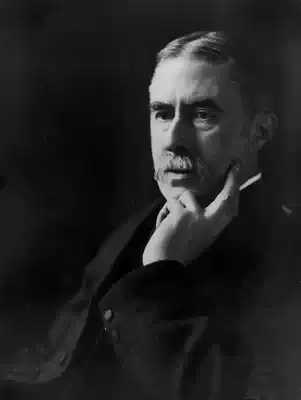
Alfred Edward Housman
Oh fair enough are sky and plain
Oh fair enough are sky and plain,
But I know fairer far:
Those are as beautiful again
That in the water are;
The pools and rivers wash so clean
The trees and clouds and air,
The like on earth was never seen,
And oh that I were there.
These are the thoughts I often think
As I stand gazing down
In act upon the cressy brink
To strip and dive and drown;
But in the golden-sanded brooks
And azure meres I spy
A silly lad that longs and looks
And wishes he were I.
Read more →
But I know fairer far:
Those are as beautiful again
That in the water are;
The pools and rivers wash so clean
The trees and clouds and air,
The like on earth was never seen,
And oh that I were there.
These are the thoughts I often think
As I stand gazing down
In act upon the cressy brink
To strip and dive and drown;
But in the golden-sanded brooks
And azure meres I spy
A silly lad that longs and looks
And wishes he were I.
474
Sara Teasdale
Places
Places I love come back to me like music,
Hush me and heal me when I am very tired;
I see the oak woods at Saxton's flaming
In a flare of crimson by the frost newly fired;
And I am thirsty for the spring in the valley
As for a kiss ungiven and long desired.
I know a bright world of snowy hills at Boonton,
A blue and white dazzling light on everything one sees,
The ice-covered branches of the hemlocks sparkle
Bending low and tinkling in the sharp thin breeze,
And iridescent crystals fall and crackle on the snow-crust
With the winter sun drawing cold blue shadows from the trees.
Violet now, in veil on veil of evening
The hills across from Cromwell grow dreamy and far;
A wood-thrush is singing soft as a viol
In the heart of the hollow where the dark pools are;
The primrose has opened her pale yellow flowers
And heaven is lighting star after star.
Places I love come back to me like music --
Mid-ocean, midnight, the waves buzz drowsily;
In the ship's deep churning the eerie phosphorescence
Is like the souls of people who were drowned at sea,
And I can hear a man's voice, speaking, hushed, insistent,
At midnight, in mid-ocean, hour on hour to me.
Read more →
Hush me and heal me when I am very tired;
I see the oak woods at Saxton's flaming
In a flare of crimson by the frost newly fired;
And I am thirsty for the spring in the valley
As for a kiss ungiven and long desired.
I know a bright world of snowy hills at Boonton,
A blue and white dazzling light on everything one sees,
The ice-covered branches of the hemlocks sparkle
Bending low and tinkling in the sharp thin breeze,
And iridescent crystals fall and crackle on the snow-crust
With the winter sun drawing cold blue shadows from the trees.
Violet now, in veil on veil of evening
The hills across from Cromwell grow dreamy and far;
A wood-thrush is singing soft as a viol
In the heart of the hollow where the dark pools are;
The primrose has opened her pale yellow flowers
And heaven is lighting star after star.
Places I love come back to me like music --
Mid-ocean, midnight, the waves buzz drowsily;
In the ship's deep churning the eerie phosphorescence
Is like the souls of people who were drowned at sea,
And I can hear a man's voice, speaking, hushed, insistent,
At midnight, in mid-ocean, hour on hour to me.
472
Sara Teasdale
The Answer
When I go back to earth
And all my joyous body
Puts off the red and white
That once had been so proud,
If men should pass above
With false and feeble pity,
My dust will find a voice
To answer them aloud:
"Be still, I am content,
Take back your poor compassion --
Joy was a flame in me
Too steady to destroy.
Lithe as a bending reed
Loving the storm that sways her --
I found more joy in sorrow
Than you could find in joy."
Read more →
And all my joyous body
Puts off the red and white
That once had been so proud,
If men should pass above
With false and feeble pity,
My dust will find a voice
To answer them aloud:
"Be still, I am content,
Take back your poor compassion --
Joy was a flame in me
Too steady to destroy.
Lithe as a bending reed
Loving the storm that sways her --
I found more joy in sorrow
Than you could find in joy."
474

Walt Whitman
With Antecedents
WITH antecedents;
With my fathers and mothers, and the accumulations of past ages;
With all which, had it not been, I would not now be here, as I am:
With Egypt, India, Phenicia, Greece and Rome;
With the Kelt, the Scandinavian, the Alb, and the Saxon;
With antique maritime ventures,--with laws, artizanship, wars and
journeys;
With the poet, the skald, the saga, the myth, and the oracle;
With the sale of slaves--with enthusiasts--with the troubadour, the
crusader, and the monk;
With those old continents whence we have come to this new continent;
With the fading kingdoms and kings over there;
With the fading religions and priests;
With the small shores we look back to from our own large and present
shores;
With countless years drawing themselves onward, and arrived at these
years;
You and Me arrived--America arrived, and making this year;
This year! sending itself ahead countless years to come.
O but it is not the years--it is I--it is You;
We touch all laws, and tally all antecedents;
We are the skald, the oracle, the monk, and the knight--we easily
include them, and more;
We stand amid time, beginningless and endless--we stand amid evil and
good;
All swings around us--there is as much darkness as light;
The very sun swings itself and its system of planets around us;
Its sun, and its again, all swing around us.
As for me, (torn, stormy, even as I, amid these vehement days,)
I have the idea of all, and am all, and believe in all;
I believe materialism is true, and spiritualism is true--I reject no
part.
Have I forgotten any part?
Come to me, whoever and whatever, till I give you recognition.
I respect Assyria, China, Teutonia, and the Hebrews;
I adopt each theory, myth, god, and demi-god;
I see that the old accounts, bibles, genealogies, are true, without
exception;
I assert that all past days were what they should have been;
And that they could no-how have been better than they were,
And that to-day is what it should be--and that America is,
And that to-day and America could no-how be better than they are.
In the name of These States, and in your and my name, the Past,
And in the name of These States, and in your and my name, the Present
time.
I know that the past was great, and the future will be great,
And I know that both curiously conjoint in the present time,
(For the sake of him I typify--for the common average man's sake-
your sake, if you are he;)
And that where I am, or you are, this present day, there is the
centre of all days, all races,
And there is the meaning, to us, of all that has ever come of races
and days, or ever will come.
Read more →
With my fathers and mothers, and the accumulations of past ages;
With all which, had it not been, I would not now be here, as I am:
With Egypt, India, Phenicia, Greece and Rome;
With the Kelt, the Scandinavian, the Alb, and the Saxon;
With antique maritime ventures,--with laws, artizanship, wars and
journeys;
With the poet, the skald, the saga, the myth, and the oracle;
With the sale of slaves--with enthusiasts--with the troubadour, the
crusader, and the monk;
With those old continents whence we have come to this new continent;
With the fading kingdoms and kings over there;
With the fading religions and priests;
With the small shores we look back to from our own large and present
shores;
With countless years drawing themselves onward, and arrived at these
years;
You and Me arrived--America arrived, and making this year;
This year! sending itself ahead countless years to come.
O but it is not the years--it is I--it is You;
We touch all laws, and tally all antecedents;
We are the skald, the oracle, the monk, and the knight--we easily
include them, and more;
We stand amid time, beginningless and endless--we stand amid evil and
good;
All swings around us--there is as much darkness as light;
The very sun swings itself and its system of planets around us;
Its sun, and its again, all swing around us.
As for me, (torn, stormy, even as I, amid these vehement days,)
I have the idea of all, and am all, and believe in all;
I believe materialism is true, and spiritualism is true--I reject no
part.
Have I forgotten any part?
Come to me, whoever and whatever, till I give you recognition.
I respect Assyria, China, Teutonia, and the Hebrews;
I adopt each theory, myth, god, and demi-god;
I see that the old accounts, bibles, genealogies, are true, without
exception;
I assert that all past days were what they should have been;
And that they could no-how have been better than they were,
And that to-day is what it should be--and that America is,
And that to-day and America could no-how be better than they are.
In the name of These States, and in your and my name, the Past,
And in the name of These States, and in your and my name, the Present
time.
I know that the past was great, and the future will be great,
And I know that both curiously conjoint in the present time,
(For the sake of him I typify--for the common average man's sake-
your sake, if you are he;)
And that where I am, or you are, this present day, there is the
centre of all days, all races,
And there is the meaning, to us, of all that has ever come of races
and days, or ever will come.
473

Robert Frost
On Looking Up by Chance at the Constellations
You'll wait a long, long time for anything much
To happen in heaven beyond the floats of cloud
And the Northern Lights that run like tingling nerves.
The sun and moon get crossed, but they never touch,
Nor strike out fire from each other nor crash out loud.
The planets seem to interfere in their curves -
But nothing ever happens, no harm is done.
We may as well go patiently on with our life,
And look elsewhere than to stars and moon and sun
For the shocks and changes we need to keep us sane.
It is true the longest drout will end in rain,
The longest peace in China will end in strife.
Still it wouldn't reward the watcher to stay awake
In hopes of seeing the calm of heaven break
On his particular time and personal sight.
That calm seems certainly safe to last to-night.
Read more →
To happen in heaven beyond the floats of cloud
And the Northern Lights that run like tingling nerves.
The sun and moon get crossed, but they never touch,
Nor strike out fire from each other nor crash out loud.
The planets seem to interfere in their curves -
But nothing ever happens, no harm is done.
We may as well go patiently on with our life,
And look elsewhere than to stars and moon and sun
For the shocks and changes we need to keep us sane.
It is true the longest drout will end in rain,
The longest peace in China will end in strife.
Still it wouldn't reward the watcher to stay awake
In hopes of seeing the calm of heaven break
On his particular time and personal sight.
That calm seems certainly safe to last to-night.
471
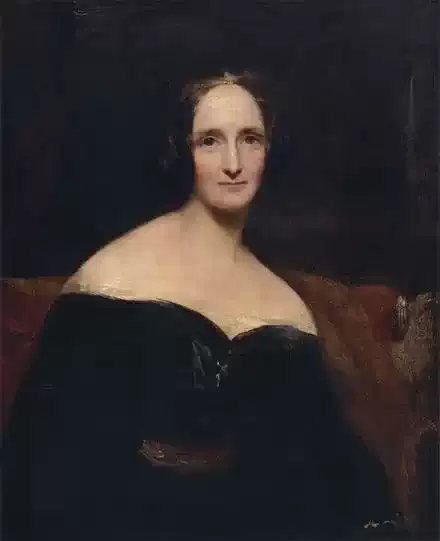
Percy Bysshe Shelley
Night
SWIFTLY walk o'er the western wave,
Spirit of Night!
Out of the misty eastern cave,--
Where, all the long and lone daylight,
Thou wovest dreams of joy and fear
Which make thee terrible and dear,--
Swift be thy flight!
Wrap thy form in a mantle grey,
Star-inwrought!
Blind with thine hair the eyes of Day;
Kiss her until she be wearied out.
Then wander o'er city and sea and land,
Touching all with thine opiate wand--
Come, long-sought!
When I arose and saw the dawn,
I sigh'd for thee;
When light rode high, and the dew was gone,
And noon lay heavy on flower and tree,
And the weary Day turn'd to his rest,
Lingering like an unloved guest,
I sigh'd for thee.
Thy brother Death came, and cried,
'Wouldst thou me?'
Thy sweet child Sleep, the filmy-eyed,
Murmur'd like a noontide bee,
'Shall I nestle near thy side?
Wouldst thou me?'--And I replied,
'No, not thee!'
Death will come when thou art dead,
Soon, too soon--
Sleep will come when thou art fled.
Of neither would I ask the boon
I ask of thee, beloved Night--
Swift be thine approaching flight,
Come soon, soon!
Read more →
Spirit of Night!
Out of the misty eastern cave,--
Where, all the long and lone daylight,
Thou wovest dreams of joy and fear
Which make thee terrible and dear,--
Swift be thy flight!
Wrap thy form in a mantle grey,
Star-inwrought!
Blind with thine hair the eyes of Day;
Kiss her until she be wearied out.
Then wander o'er city and sea and land,
Touching all with thine opiate wand--
Come, long-sought!
When I arose and saw the dawn,
I sigh'd for thee;
When light rode high, and the dew was gone,
And noon lay heavy on flower and tree,
And the weary Day turn'd to his rest,
Lingering like an unloved guest,
I sigh'd for thee.
Thy brother Death came, and cried,
'Wouldst thou me?'
Thy sweet child Sleep, the filmy-eyed,
Murmur'd like a noontide bee,
'Shall I nestle near thy side?
Wouldst thou me?'--And I replied,
'No, not thee!'
Death will come when thou art dead,
Soon, too soon--
Sleep will come when thou art fled.
Of neither would I ask the boon
I ask of thee, beloved Night--
Swift be thine approaching flight,
Come soon, soon!
471
Ella Wheeler Wilcox
Woman
Give us that grand word ‘woman’ once again,
And let’s have done with ‘lady’: one’s a term
Full of fine force, strong, beautiful, and firm,
Fit for the noblest use of tongue or pen;
And one’s a word for lackeys. One suggests
The Mother, Wife, and Sister! One the dame
Whose costly robe, mayhap, gives her the name,
One word upon its own strength leans and rests;
The other minces tiptoe. Who would be
The perfect woman must grow brave of heart
And broad of soul to play her troubled part
Well in life’s drama. While each day we see
The ‘perfect lady’ skilled in what to do
And what to say, grace in each tone and act
(‘Tis taught in schools, but needs some native tact) ,
Yet narrow in her mind as in her shoe.
Give the first place then to the nobler phrase,
And leave the lesser word for lesser praise.
Read more →
And let’s have done with ‘lady’: one’s a term
Full of fine force, strong, beautiful, and firm,
Fit for the noblest use of tongue or pen;
And one’s a word for lackeys. One suggests
The Mother, Wife, and Sister! One the dame
Whose costly robe, mayhap, gives her the name,
One word upon its own strength leans and rests;
The other minces tiptoe. Who would be
The perfect woman must grow brave of heart
And broad of soul to play her troubled part
Well in life’s drama. While each day we see
The ‘perfect lady’ skilled in what to do
And what to say, grace in each tone and act
(‘Tis taught in schools, but needs some native tact) ,
Yet narrow in her mind as in her shoe.
Give the first place then to the nobler phrase,
And leave the lesser word for lesser praise.
472
Ella Wheeler Wilcox
Our Atlas
Not Atlas, with his shoulders bent beneath the weighty world,
Bore such a burden as this man, on whom the Gods have hurled
The evils of old festering lands-yea, hurled them in their might
And left him standing all alone, to set the wrong things right.
It is the way the Fates have done since first Time's race began!
They open up Pandora's box before some chosen man;
And then, aloof, they wait and watch, to see if he will find
And wake the slumbering God that dwells in every mortal's mind.
Erect, our modern Atlas stands, with brave uplifted head,
And there is courage in his eyes, if in his heart be dread.
Not dread of foes, but dread of friends, who may not pull together,
To bring the lurching ship of State safe through the stormy weather.
Oh, never were there wilder waves or more stupendous seas,
Or rougher rocks or bleaker winds, or darker days than these.
Not Washington, not Lincoln knew so grave an hour of Time
As he who now stands face to face with War's world-shaking crime.
His brain is clear, his soul is brave, his heart is just and right,
He asks no honours of the earth, but favour in God's sight;
His aim is not to wear a crown or win imperial power,
But to use wisely for the race life's terrible great hour.
O Liberty, who lights the world with rays that come from God,
Shine on Columbia's troubled track, and make it bright and broad;
Shine on each heart, and give it strength to meet its pains and losses,
And give supernal strength to one who bears the whole world's crosses;
Take from his thought the fear of friends who may not pull together,
And bring the glorious ship of State safe through wild waves and weather.
Read more →
Bore such a burden as this man, on whom the Gods have hurled
The evils of old festering lands-yea, hurled them in their might
And left him standing all alone, to set the wrong things right.
It is the way the Fates have done since first Time's race began!
They open up Pandora's box before some chosen man;
And then, aloof, they wait and watch, to see if he will find
And wake the slumbering God that dwells in every mortal's mind.
Erect, our modern Atlas stands, with brave uplifted head,
And there is courage in his eyes, if in his heart be dread.
Not dread of foes, but dread of friends, who may not pull together,
To bring the lurching ship of State safe through the stormy weather.
Oh, never were there wilder waves or more stupendous seas,
Or rougher rocks or bleaker winds, or darker days than these.
Not Washington, not Lincoln knew so grave an hour of Time
As he who now stands face to face with War's world-shaking crime.
His brain is clear, his soul is brave, his heart is just and right,
He asks no honours of the earth, but favour in God's sight;
His aim is not to wear a crown or win imperial power,
But to use wisely for the race life's terrible great hour.
O Liberty, who lights the world with rays that come from God,
Shine on Columbia's troubled track, and make it bright and broad;
Shine on each heart, and give it strength to meet its pains and losses,
And give supernal strength to one who bears the whole world's crosses;
Take from his thought the fear of friends who may not pull together,
And bring the glorious ship of State safe through wild waves and weather.
472

Elizabeth Barrett Browning
Tears
THANK God, bless God, all ye who suffer not
More grief than ye can weep for. That is well--
That is light grieving ! lighter, none befell
Since Adam forfeited the primal lot.
Tears ! what are tears ? The babe weeps in its cot,
The mother singing, at her marriage-bell
The bride weeps, and before the oracle
Of high-faned hills the poet has forgot
Such moisture on his cheeks. Thank God for grace,
Ye who weep only ! If, as some have done,
Ye grope tear-blinded in a desert place
And touch but tombs,--look up I those tears will run
Soon in long rivers down the lifted face,
And leave the vision clear for stars and sun
Read more →
More grief than ye can weep for. That is well--
That is light grieving ! lighter, none befell
Since Adam forfeited the primal lot.
Tears ! what are tears ? The babe weeps in its cot,
The mother singing, at her marriage-bell
The bride weeps, and before the oracle
Of high-faned hills the poet has forgot
Such moisture on his cheeks. Thank God for grace,
Ye who weep only ! If, as some have done,
Ye grope tear-blinded in a desert place
And touch but tombs,--look up I those tears will run
Soon in long rivers down the lifted face,
And leave the vision clear for stars and sun
472
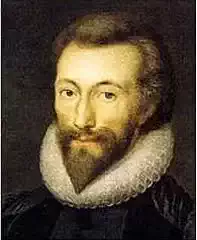
John Donne
The Legacy
When I died last, and, Dear, I die
As often as from thee I go,
Though it be but an hour ago,
And Lovers' hours be full eternity,
I can remember yet, that I
Something did say, and something did bestow;
Though I be dead, which sent me, I should be
Mine own executor and legacy.
I heard me say, "Tell her anon,
That myself, that is you, not I,
Did kill me," and when I felt me die,
I bid me send my heart, when I was gone,
But alas could there find none,
When I had ripp'd me, and search'd where hearts should lie;
It kill'd me again, that I who still was true,
In life, in my last will should cozen you.
Yet I found something like a heart,
But colors it, and corners had,
It was not good, it was not bad,
It was intire to none, and few had part.
As good as could be made by art
It seem'd, and therefore for our losses sad,
I meant to send this heart in stead of mine,
But oh, no man could hold it, for 'twas thine.
Read more →
As often as from thee I go,
Though it be but an hour ago,
And Lovers' hours be full eternity,
I can remember yet, that I
Something did say, and something did bestow;
Though I be dead, which sent me, I should be
Mine own executor and legacy.
I heard me say, "Tell her anon,
That myself, that is you, not I,
Did kill me," and when I felt me die,
I bid me send my heart, when I was gone,
But alas could there find none,
When I had ripp'd me, and search'd where hearts should lie;
It kill'd me again, that I who still was true,
In life, in my last will should cozen you.
Yet I found something like a heart,
But colors it, and corners had,
It was not good, it was not bad,
It was intire to none, and few had part.
As good as could be made by art
It seem'd, and therefore for our losses sad,
I meant to send this heart in stead of mine,
But oh, no man could hold it, for 'twas thine.
472
Elizabeth Barrett Browning
Comfort
SPEAK low to me, my Saviour, low and sweet
From out the hallelujahs, sweet and low
Lest I should fear and fall, and miss Thee so
Who art not missed by any that entreat.
Speak to mo as to Mary at thy feet !
And if no precious gums my hands bestow,
Let my tears drop like amber while I go
In reach of thy divinest voice complete
In humanest affection -- thus, in sooth,
To lose the sense of losing. As a child,
Whose song-bird seeks the wood for evermore
Is sung to in its stead by mother's mouth
Till, sinking on her breast, love-reconciled,
He sleeps the faster that he wept before.
Read more →
From out the hallelujahs, sweet and low
Lest I should fear and fall, and miss Thee so
Who art not missed by any that entreat.
Speak to mo as to Mary at thy feet !
And if no precious gums my hands bestow,
Let my tears drop like amber while I go
In reach of thy divinest voice complete
In humanest affection -- thus, in sooth,
To lose the sense of losing. As a child,
Whose song-bird seeks the wood for evermore
Is sung to in its stead by mother's mouth
Till, sinking on her breast, love-reconciled,
He sleeps the faster that he wept before.
472
William Blake
The Caverns of the Grave I've Seen
The Caverns of the Grave I've seen,
And these I show'd to England's Queen.
But now the Caves of Hell I view,
Who shall I dare to show them to?
What mighty soul i n Beauty's form
Shall dauntless view the infernal storm?
Egremont's Countess can control
The flames of Hell that round me roll;
If she refuse, I still go on
Till the Heavens and Earth are gone,
Still admir'd by noble minds,
Follow'd by Envy on the winds,
Re-engrav'd time after time,
Ever in their youthful prime,
My designs unchang'd remain.
Time may rage, but rage in vain.
For above Time's troubled fountains,
On the great Atlantic Mountains,
In my Golden House on high,
There they shine eternally.
Read more →
And these I show'd to England's Queen.
But now the Caves of Hell I view,
Who shall I dare to show them to?
What mighty soul i n Beauty's form
Shall dauntless view the infernal storm?
Egremont's Countess can control
The flames of Hell that round me roll;
If she refuse, I still go on
Till the Heavens and Earth are gone,
Still admir'd by noble minds,
Follow'd by Envy on the winds,
Re-engrav'd time after time,
Ever in their youthful prime,
My designs unchang'd remain.
Time may rage, but rage in vain.
For above Time's troubled fountains,
On the great Atlantic Mountains,
In my Golden House on high,
There they shine eternally.
472