
Soul

Elizabeth Barrett Browning
Sonnet XXXVII: Pardon, Oh, Pardon
Pardon, oh, pardon, that my soul should make,
Of all that strong divineness which I know
For thine and thee, an image only so
Formed of the sand, and fit to shift and break.
It is that distant years which did not take
Thy sovranty, recoiling with a blow,
Have forced my swimming brain to undergo
Their doubt and dread, and blindly to forsake
Thy purity of likeness and distort
Thy worthiest love to a worthless counterfeit:
As if a shipwrecked Pagan, safe in port,
His guardian sea-god to commemorate,
Should set a sculptured porpoise, gills a-snort
And vibrant tail, within the temple gate.
Read more →
Of all that strong divineness which I know
For thine and thee, an image only so
Formed of the sand, and fit to shift and break.
It is that distant years which did not take
Thy sovranty, recoiling with a blow,
Have forced my swimming brain to undergo
Their doubt and dread, and blindly to forsake
Thy purity of likeness and distort
Thy worthiest love to a worthless counterfeit:
As if a shipwrecked Pagan, safe in port,
His guardian sea-god to commemorate,
Should set a sculptured porpoise, gills a-snort
And vibrant tail, within the temple gate.
988

John Keats
Why did I laugh tonight? No voice will tell
Why did I laugh tonight? No voice will tell
No God, no demon of severe response
Deigns to reply from heaven or from hell
Then to my human heart I turn at once:
Heart, thou and I are here, sad and alone,
Say, why did I laugh? O mortal pain!
O darkness! darkness! Forever must I moan
To question heaven and hell and heart in vain?
Why did I laugh? I know this being's lease
My fancy to it's utmost blisses spreads
Yet would I on this very midnight cease
And all the world's gaudy ensigns see in shreds
Verse, fame and beauty are intense indeed
But death intenser, death is life's high meed.
Read more →
No God, no demon of severe response
Deigns to reply from heaven or from hell
Then to my human heart I turn at once:
Heart, thou and I are here, sad and alone,
Say, why did I laugh? O mortal pain!
O darkness! darkness! Forever must I moan
To question heaven and hell and heart in vain?
Why did I laugh? I know this being's lease
My fancy to it's utmost blisses spreads
Yet would I on this very midnight cease
And all the world's gaudy ensigns see in shreds
Verse, fame and beauty are intense indeed
But death intenser, death is life's high meed.
942
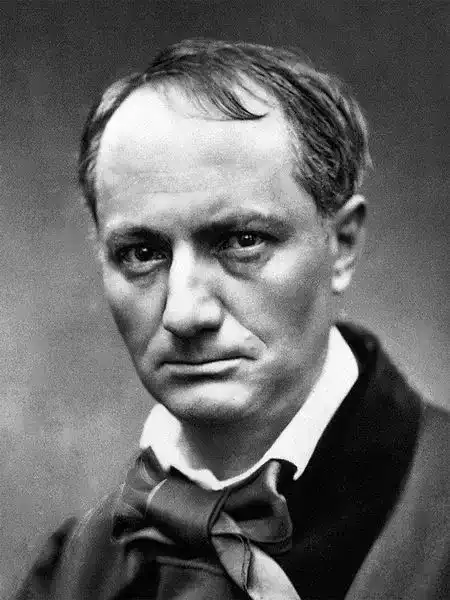
Charles Baudelaire
The Carcass
Remember that object we saw, dear soul,
In the sweetness of a summer morn:
At a bend of the path a loathsome carrion
On a bed with pebbles strewn,
With legs raised like a lustful woman,
Burning and sweating poisons,
It spread open, nonchalant and scornful,
Its belly, ripe with exhalations.
The sun shone onto the rotting heap,
As if to bring it to the boil,
And tender a hundredfold to vast Nature
All that together she had joined;
And the sky watched that superb carcass
Like a flower blossom out.
The stench was so strong that on the grass
You thought you would pass out.
Flies hummed upon the putrid belly,
Whence larvae in black battalions spread
And like a heavy liquid flowed
Along the tatters deliquescing.
All together it unfurled, and rose like a wave
And bubbling it sprang forth;
One might have believed that, with a faint breath filled,
The body, multiplying, lived.
And this world gave out a strange music
Like of running water and of wind,
Or of grain in a winnow
Rhythmically shaken and tossed.
Form was erased and all but a vision,
A sketch slow to take shape
On a forgotten canvas, which the artist finishes
From memory alone.
Behind the rocks a fretting bitch
Looked at us with fierce mien
Anxious to retrieve from the corpse
A morsel that she had dropped.
Yet to this rot you shall be like,
To this horrid corruption,
Star of my eyes, sun of desire,
You, my angel and my passion!
Yes, such you shall be, you, queen of all graces,
After the last sacraments,
When you go beneath the grass and waxy flowers,
To mold among the skeletons.
Then, oh my beauty! You must tell the vermin,
As it eats you up with kisses,
That I have preserved the form and essence divine
Of my decayed loves.
Read more →
In the sweetness of a summer morn:
At a bend of the path a loathsome carrion
On a bed with pebbles strewn,
With legs raised like a lustful woman,
Burning and sweating poisons,
It spread open, nonchalant and scornful,
Its belly, ripe with exhalations.
The sun shone onto the rotting heap,
As if to bring it to the boil,
And tender a hundredfold to vast Nature
All that together she had joined;
And the sky watched that superb carcass
Like a flower blossom out.
The stench was so strong that on the grass
You thought you would pass out.
Flies hummed upon the putrid belly,
Whence larvae in black battalions spread
And like a heavy liquid flowed
Along the tatters deliquescing.
All together it unfurled, and rose like a wave
And bubbling it sprang forth;
One might have believed that, with a faint breath filled,
The body, multiplying, lived.
And this world gave out a strange music
Like of running water and of wind,
Or of grain in a winnow
Rhythmically shaken and tossed.
Form was erased and all but a vision,
A sketch slow to take shape
On a forgotten canvas, which the artist finishes
From memory alone.
Behind the rocks a fretting bitch
Looked at us with fierce mien
Anxious to retrieve from the corpse
A morsel that she had dropped.
Yet to this rot you shall be like,
To this horrid corruption,
Star of my eyes, sun of desire,
You, my angel and my passion!
Yes, such you shall be, you, queen of all graces,
After the last sacraments,
When you go beneath the grass and waxy flowers,
To mold among the skeletons.
Then, oh my beauty! You must tell the vermin,
As it eats you up with kisses,
That I have preserved the form and essence divine
Of my decayed loves.
967

Antonio Roberval Miketen
Eight Song of Friendship
Close to the waves of the sea of Vigo
I come to remember a friend.
Birds shed feathers at the horizon
and the feathers, water from a spring
in Vigo, on the seaweeds
of the friend announce his delay.
From beyond comes, light as feathers,
the pain I do not want to lament.
But the svagulls fill with mist
the depth of my sorrow,
when, on the shores of the sea of Vigo
I come to remember a friend.
Read more →
I come to remember a friend.
Birds shed feathers at the horizon
and the feathers, water from a spring
in Vigo, on the seaweeds
of the friend announce his delay.
From beyond comes, light as feathers,
the pain I do not want to lament.
But the svagulls fill with mist
the depth of my sorrow,
when, on the shores of the sea of Vigo
I come to remember a friend.
1,022

Rudyard Kipling
By the Hoof of the Wild Goat
By the Hoof of the Wild Goat uptossed
From the cliff where she lay in the Sun
Fell the Stone
To the Tarn where the daylight is lost,
So she fell from the light of the Sun
And alone!
Now the fall was ordained from the first
With the Goat and the Cliff and the Tarn,
But the Stone
Knows only her life is accursed
As she sinks from the light of the Sun
And alone!
Oh Thou Who hast builded the World,
Oh Thou Who hast lighted the Sun,
Oh Thou Who hast darkened the Tarn,
Judge Thou
The sin of the Stone that was hurled
By the goat from the light of the Sun,
As she sinks in the mire of the Tarn,
Even now--even now--even now!
Read more →
From the cliff where she lay in the Sun
Fell the Stone
To the Tarn where the daylight is lost,
So she fell from the light of the Sun
And alone!
Now the fall was ordained from the first
With the Goat and the Cliff and the Tarn,
But the Stone
Knows only her life is accursed
As she sinks from the light of the Sun
And alone!
Oh Thou Who hast builded the World,
Oh Thou Who hast lighted the Sun,
Oh Thou Who hast darkened the Tarn,
Judge Thou
The sin of the Stone that was hurled
By the goat from the light of the Sun,
As she sinks in the mire of the Tarn,
Even now--even now--even now!
975

Oscar Wilde
Endymion
The apple trees are hung with gold,
And birds are loud in Arcady,
The sheep lie bleating in the fold,
The wild goat runs across the wold,
But yesterday his love he told,
I know he will come back to me.
O rising moon! O Lady moon!
Be you my lover's sentinel,
You cannot choose but know him well,
For he is shod with purple shoon,
You cannot choose but know my love,
For he a shepherd's crook doth bear,
And he is soft as any dove,
And brown and curly is his hair.
The turtle now has ceased to call
Upon her crimson-footed groom,
The grey wolf prowls about the stall,
The lily's singing seneschal
Sleeps in the lily-bell, and all
The violet hills are lost in gloom.
O risen moon! O holy moon!
Stand on the top of Helice,
And if my own true love you see,
Ah! if you see the purple shoon,
The hazel crook, the lad's brown hair,
The goat-skin wrapped about his arm,
Tell him that I am waiting where
The rushlight glimmers in the Farm.
The falling dew is cold and chill,
And no bird sings in Arcady,
The little fauns have left the hill,
Even the tired daffodil
Has closed its gilded doors, and still
My lover comes not back to me.
False moon! False moon! O waning moon!
Where is my own true lover gone,
Where are the lips vermilion,
The shepherd's crook, the purple shoon?
Why spread that silver pavilion,
Why wear that veil of drifting mist?
Ah! thou hast young Endymion
Thou hast the lips that should be kissed!
Read more →
And birds are loud in Arcady,
The sheep lie bleating in the fold,
The wild goat runs across the wold,
But yesterday his love he told,
I know he will come back to me.
O rising moon! O Lady moon!
Be you my lover's sentinel,
You cannot choose but know him well,
For he is shod with purple shoon,
You cannot choose but know my love,
For he a shepherd's crook doth bear,
And he is soft as any dove,
And brown and curly is his hair.
The turtle now has ceased to call
Upon her crimson-footed groom,
The grey wolf prowls about the stall,
The lily's singing seneschal
Sleeps in the lily-bell, and all
The violet hills are lost in gloom.
O risen moon! O holy moon!
Stand on the top of Helice,
And if my own true love you see,
Ah! if you see the purple shoon,
The hazel crook, the lad's brown hair,
The goat-skin wrapped about his arm,
Tell him that I am waiting where
The rushlight glimmers in the Farm.
The falling dew is cold and chill,
And no bird sings in Arcady,
The little fauns have left the hill,
Even the tired daffodil
Has closed its gilded doors, and still
My lover comes not back to me.
False moon! False moon! O waning moon!
Where is my own true lover gone,
Where are the lips vermilion,
The shepherd's crook, the purple shoon?
Why spread that silver pavilion,
Why wear that veil of drifting mist?
Ah! thou hast young Endymion
Thou hast the lips that should be kissed!
992
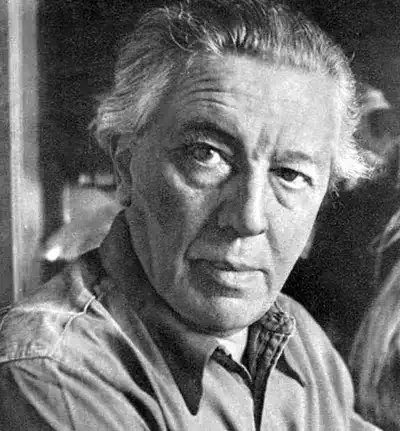
André Breton
The Spectral Attitudes
I attach no importance to life
I pin not the least of life's butterflies to importance
I do not matter to life
But the branches of salt the white branches
All the shadow bubbles
And the sea-anemones
Come down and breathe within my thoughts
They come from tears that are not mine
From steps I do not take that are steps twice
And of which the sand remembers the flood-tide
The bars are in the cage
And the birds come down from far above to sing before these bars
A subterranean passage unites all perfumes
A woman pledged herself there one day
This woman became so bright that I could no longer see her
With these eyes which have seen my own self burning
I was then already as old as I am now
And I watched over myself and my thoughts like a night watchman in an immense
factory Keeping watch alone
The circus always enchants the same tramlines
The plaster figures have lost nothing of their expression
They who bit the smile's fig
I know of a drapery in a forgotten town
If it pleased me to appear to you wrapped in this drapery
You would think that your end was approaching
Like mine
At last the fountains would understand that you must not say Fountain
The wolves are clothed in mirrors of snow
I have a boat detached from all climates
I am dragged along by an ice-pack with teeth of flame
I cut and cleave the wood of this tree that will always be green
A musician is caught up in the strings of his instrument
The skull and crossbones of the time of any childhood story
Goes on board a ship that is as yet its own ghost only
Perhaps there is a hilt to this sword
But already there is a duel in this hilt
During the duel the combatants are unarmed
Death is the least offence
The future never comes
The curtains that have never been raised
Float to the windows of houses that are to be built
The beds made of lilies
Slide beneath the lamps of dew
There will come an evening
The nuggets of light become still underneath the blue moss
The hands that tie and untie the knots of love and of air
Keep all their transparency for those who have eyes to see
They see the palms of hands
The crowns in eyes
But the brazier of crown and palms
Can scarcely be lit in the deepest part of the forest
There where the stags bend their heads to examine the years
Nothing more than a feeble beating is heard
From which sound a thousand louder or softer sounds proceed
And the beating goes on and on
There are dresses that vibrate
And their vibration is in unison with the beating
When I wish to see the faces of those that wear them
A great fog rises from the ground
At the bottom of the steeples behind the most elegant reservoirs of life and of wealth
In the gorges which hide themselves between two mountains
On the sea at the hour when the sun cools down
Those who make signs to me are separated by stars
And yet the carriage overturned at full speed
Carries as far as my last hesitation
That awaits me down there in the town where the statues of bronze
and of stone have changed places with statues of wax Banyans banyans.
Read more →
I pin not the least of life's butterflies to importance
I do not matter to life
But the branches of salt the white branches
All the shadow bubbles
And the sea-anemones
Come down and breathe within my thoughts
They come from tears that are not mine
From steps I do not take that are steps twice
And of which the sand remembers the flood-tide
The bars are in the cage
And the birds come down from far above to sing before these bars
A subterranean passage unites all perfumes
A woman pledged herself there one day
This woman became so bright that I could no longer see her
With these eyes which have seen my own self burning
I was then already as old as I am now
And I watched over myself and my thoughts like a night watchman in an immense
factory Keeping watch alone
The circus always enchants the same tramlines
The plaster figures have lost nothing of their expression
They who bit the smile's fig
I know of a drapery in a forgotten town
If it pleased me to appear to you wrapped in this drapery
You would think that your end was approaching
Like mine
At last the fountains would understand that you must not say Fountain
The wolves are clothed in mirrors of snow
I have a boat detached from all climates
I am dragged along by an ice-pack with teeth of flame
I cut and cleave the wood of this tree that will always be green
A musician is caught up in the strings of his instrument
The skull and crossbones of the time of any childhood story
Goes on board a ship that is as yet its own ghost only
Perhaps there is a hilt to this sword
But already there is a duel in this hilt
During the duel the combatants are unarmed
Death is the least offence
The future never comes
The curtains that have never been raised
Float to the windows of houses that are to be built
The beds made of lilies
Slide beneath the lamps of dew
There will come an evening
The nuggets of light become still underneath the blue moss
The hands that tie and untie the knots of love and of air
Keep all their transparency for those who have eyes to see
They see the palms of hands
The crowns in eyes
But the brazier of crown and palms
Can scarcely be lit in the deepest part of the forest
There where the stags bend their heads to examine the years
Nothing more than a feeble beating is heard
From which sound a thousand louder or softer sounds proceed
And the beating goes on and on
There are dresses that vibrate
And their vibration is in unison with the beating
When I wish to see the faces of those that wear them
A great fog rises from the ground
At the bottom of the steeples behind the most elegant reservoirs of life and of wealth
In the gorges which hide themselves between two mountains
On the sea at the hour when the sun cools down
Those who make signs to me are separated by stars
And yet the carriage overturned at full speed
Carries as far as my last hesitation
That awaits me down there in the town where the statues of bronze
and of stone have changed places with statues of wax Banyans banyans.
990

Emily Dickinson
Arcturus is his other name
"Arcturus" is his other name
I'd
rather call him "Star."
It's very mean of Science
To go and interfere!
I slew a worm the other day-
A "Savant" passing by
Murmured "Resurgam"-"Centipede"!
"Oh Lord-how frail are we"!
I pull a flower from the woods-
A monster with a glass
Computes the stamens in a breath-
And has her in a "class"!
Whereas I took the Butterfly
Aforetime in my hat-
He sits erect in "Cabinets"-
The Clover bells forgot.
What once was "Heaven"
Is "Zenith" now-
Where I proposed to go
When Time's brief masquerade was done
Is mapped and charted too.
What if the poles should frisk about
And stand upon their heads!
I hope I'm ready for "the worst"-
Whatever prank betides!
Perhaps the "Kingdom of Heaven's" changed-
I hope the "Children" there Won't be "new fashioned" when I come-
And laugh at me-and stare-
I hope the Father in the skies
Will lift his little girl-
Old fashioned-naught-everything-
Over the stile of "Pearl."
Read more →
I'd
rather call him "Star."
It's very mean of Science
To go and interfere!
I slew a worm the other day-
A "Savant" passing by
Murmured "Resurgam"-"Centipede"!
"Oh Lord-how frail are we"!
I pull a flower from the woods-
A monster with a glass
Computes the stamens in a breath-
And has her in a "class"!
Whereas I took the Butterfly
Aforetime in my hat-
He sits erect in "Cabinets"-
The Clover bells forgot.
What once was "Heaven"
Is "Zenith" now-
Where I proposed to go
When Time's brief masquerade was done
Is mapped and charted too.
What if the poles should frisk about
And stand upon their heads!
I hope I'm ready for "the worst"-
Whatever prank betides!
Perhaps the "Kingdom of Heaven's" changed-
I hope the "Children" there Won't be "new fashioned" when I come-
And laugh at me-and stare-
I hope the Father in the skies
Will lift his little girl-
Old fashioned-naught-everything-
Over the stile of "Pearl."
1,006
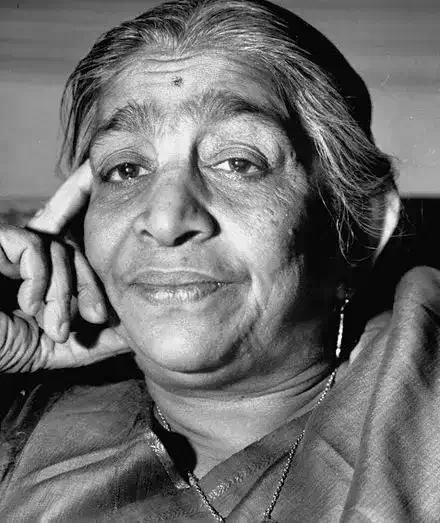
Sarojini Naidu
An Indian Love Song
He
Lift up the veils that darken the delicate moon
of thy glory and grace,
Withhold not, O love, from the night
of my longing the joy of thy luminous face,
Give me a spear of the scented keora
guarding thy pinioned curls,
Or a silken thread from the fringes
that trouble the dream of thy glimmering pearls;
Faint grows my soul with thy tresses' perfume
and the song of thy anklets' caprice,
Revive me, I pray, with the magical nectar
that dwells in the flower of thy kiss.
She
How shall I yield to the voice of thy pleading,
how shall I grant thy prayer,
Or give thee a rose-red silken tassel,
a scented leaf from my hair?
Or fling in the flame of thy heart's desire the veils that cover my face,
Profane the law of my father's creed for a foe
of my father's race?
Thy kinsmen have broken our sacred altars and slaughtered our sacred kine,
The feud of old faiths and the blood of old battles sever thy people and mine.
He
What are the sins of my race, Beloved,
what are my people to thee?
And what are thy shrines, and kine and kindred,
what are thy gods to me?
Love recks not of feuds and bitter follies,
of stranger, comrade or kin,
Alike in his ear sound the temple bells
and the cry of the muezzin.
For Love shall cancel the ancient wrong
and conquer the ancient rage,
Redeem with his tears the memoried sorrow
that sullied a bygone age.
Read more →
Lift up the veils that darken the delicate moon
of thy glory and grace,
Withhold not, O love, from the night
of my longing the joy of thy luminous face,
Give me a spear of the scented keora
guarding thy pinioned curls,
Or a silken thread from the fringes
that trouble the dream of thy glimmering pearls;
Faint grows my soul with thy tresses' perfume
and the song of thy anklets' caprice,
Revive me, I pray, with the magical nectar
that dwells in the flower of thy kiss.
She
How shall I yield to the voice of thy pleading,
how shall I grant thy prayer,
Or give thee a rose-red silken tassel,
a scented leaf from my hair?
Or fling in the flame of thy heart's desire the veils that cover my face,
Profane the law of my father's creed for a foe
of my father's race?
Thy kinsmen have broken our sacred altars and slaughtered our sacred kine,
The feud of old faiths and the blood of old battles sever thy people and mine.
He
What are the sins of my race, Beloved,
what are my people to thee?
And what are thy shrines, and kine and kindred,
what are thy gods to me?
Love recks not of feuds and bitter follies,
of stranger, comrade or kin,
Alike in his ear sound the temple bells
and the cry of the muezzin.
For Love shall cancel the ancient wrong
and conquer the ancient rage,
Redeem with his tears the memoried sorrow
that sullied a bygone age.
1,009

William Shakespeare
Sonnet 98: From you have I been absent in the spring
From you have I been absent in the spring,
When proud-pied April, dressed in all his trim,
Hath put a spirit of youth in every thing,
That heavy Saturn laughed and leaped with him.
Yet nor the lays of birds, nor the sweet smell
Of different flowers in odour and in hue
Could make me any summer's story tell,
Or from their proud lap pluck them where they grew.
Nor did I wonder at the lily's white,
Nor praise the deep vermilion in the rose;
They were but sweet, but figures of delight
Drawn after you, you pattern of all those.
Yet seemed it winter still, and you away,
As with your shadow I with these did play.
Read more →
When proud-pied April, dressed in all his trim,
Hath put a spirit of youth in every thing,
That heavy Saturn laughed and leaped with him.
Yet nor the lays of birds, nor the sweet smell
Of different flowers in odour and in hue
Could make me any summer's story tell,
Or from their proud lap pluck them where they grew.
Nor did I wonder at the lily's white,
Nor praise the deep vermilion in the rose;
They were but sweet, but figures of delight
Drawn after you, you pattern of all those.
Yet seemed it winter still, and you away,
As with your shadow I with these did play.
977
William Shakespeare
Sonnet 146: Poor soul, the centre of my sinful earth
Poor soul, the centre of my sinful earth,
[......] these rebel powers that thee array,
Why dost thou pine within and suffer dearth,
Painting thy outward walls so costly gay?
Why so large cost, having so short a lease,
Dost thou upon thy fading mansion spend?
Shall worms, inheritors of this excess,
Eat up thy charge? Is this thy body's end?
Then soul, live thou upon thy servant's loss
And let that pine to aggravate thy store;
Buy terms divine in selling hours of dross;
Within be fed, without be rich no more.
So shalt thou feed on Death, that feeds on men,
And, Death once dead, there's no more dying then.
Read more →
[......] these rebel powers that thee array,
Why dost thou pine within and suffer dearth,
Painting thy outward walls so costly gay?
Why so large cost, having so short a lease,
Dost thou upon thy fading mansion spend?
Shall worms, inheritors of this excess,
Eat up thy charge? Is this thy body's end?
Then soul, live thou upon thy servant's loss
And let that pine to aggravate thy store;
Buy terms divine in selling hours of dross;
Within be fed, without be rich no more.
So shalt thou feed on Death, that feeds on men,
And, Death once dead, there's no more dying then.
950
Elizabeth Barrett Browning
Sonnet 02 - But only three in all God's universe
II
But only three in all God's universe
Have heard this word thou hast said,-Himself, beside
Thee speaking, and me listening! and replied
One of us . . . that was God, . . . and laid the curse
So darkly on my eyelids, as to amerce
My sight from seeing thee,-that if I had died,
The deathweights, placed there, would have signified
Less absolute exclusion. 'Nay' is worse
From God than from all others, O my friend!
Men could not part us with their worldly jars,
Nor the seas change us, nor the tempests bend;
Our hands would touch for all the mountain-bars:
And, heaven being rolled between us at the end,
We should but vow the faster for the stars.
Read more →
But only three in all God's universe
Have heard this word thou hast said,-Himself, beside
Thee speaking, and me listening! and replied
One of us . . . that was God, . . . and laid the curse
So darkly on my eyelids, as to amerce
My sight from seeing thee,-that if I had died,
The deathweights, placed there, would have signified
Less absolute exclusion. 'Nay' is worse
From God than from all others, O my friend!
Men could not part us with their worldly jars,
Nor the seas change us, nor the tempests bend;
Our hands would touch for all the mountain-bars:
And, heaven being rolled between us at the end,
We should but vow the faster for the stars.
949
John Keats
Sonnet To Byron
Byron! how sweetly sad thy melody!
Attuning still the soul to tenderness,
As if soft Pity, with unusual stress,
Had touch'd her plaintive lute, and thou, being by,
Hadst caught the tones, nor suffer'd them to die.
O'ershadowing sorrow doth not make thee less
Delightful: thou thy griefs dost dress
With a bright halo, shining beamily,
As when a cloud the golden moon doth veil,
Its sides are ting'd with a resplendent glow,
Through the dark robe oft amber rays prevail,
And like fair veins in sable marble flow;
Still warble, dying swan! still tell the tale,
The enchanting tale, the tale of pleasing woe.
Read more →
Attuning still the soul to tenderness,
As if soft Pity, with unusual stress,
Had touch'd her plaintive lute, and thou, being by,
Hadst caught the tones, nor suffer'd them to die.
O'ershadowing sorrow doth not make thee less
Delightful: thou thy griefs dost dress
With a bright halo, shining beamily,
As when a cloud the golden moon doth veil,
Its sides are ting'd with a resplendent glow,
Through the dark robe oft amber rays prevail,
And like fair veins in sable marble flow;
Still warble, dying swan! still tell the tale,
The enchanting tale, the tale of pleasing woe.
964

John Milton
Paradise Lost: Book 08
The Angel ended, and in Adam's ear
So charming left his voice, that he a while
Thought him still speaking, still stood fixed to hear;
Then, as new waked, thus gratefully replied.
What thanks sufficient, or what recompence
Equal, have I to render thee, divine
Historian, who thus largely hast allayed
The thirst I had of knowledge, and vouchsafed
This friendly condescension to relate
Things, else by me unsearchable; now heard
With wonder, but delight, and, as is due,
With glory attributed to the high
Creator! Something yet of doubt remains,
Which only thy solution can resolve.
When I behold this goodly frame, this world,
Of Heaven and Earth consisting; and compute
Their magnitudes; this Earth, a spot, a grain,
An atom, with the firmament compared
And all her numbered stars, that seem to roll
Spaces incomprehensible, (for such
Their distance argues, and their swift return
Diurnal,) merely to officiate light
Round this opacous Earth, this punctual spot,
One day and night; in all her vast survey
Useless besides; reasoning I oft admire,
How Nature wise and frugal could commit
Such disproportions, with superfluous hand
So many nobler bodies to create,
Greater so manifold, to this one use,
For aught appears, and on their orbs impose
Such restless revolution day by day
Repeated; while the sedentary Earth,
That better might with far less compass move,
Served by more noble than herself, attains
Her end without least motion, and receives,
As tribute, such a sumless journey brought
Of incorporeal speed, her warmth and light;
Speed, to describe whose swiftness number fails.
So spake our sire, and by his countenance seemed
Entering on studious thoughts abstruse; which Eve
Perceiving, where she sat retired in sight,
With lowliness majestick from her seat,
And grace that won who saw to wish her stay,
Rose, and went forth among her fruits and flowers,
To visit how they prospered, bud and bloom,
Her nursery; they at her coming sprung,
And, touched by her fair tendance, gladlier grew.
Yet went she not, as not with such discourse
Delighted, or not capable her ear
Of what was high: such pleasure she reserved,
Adam relating, she sole auditress;
Her husband the relater she preferred
Before the Angel, and of him to ask
Chose rather; he, she knew, would intermix
Grateful digressions, and solve high dispute
With conjugal caresses: from his lip
Not words alone pleased her. O! when meet now
Such pairs, in love and mutual honour joined?
With Goddess-like demeanour forth she went,
Not unattended; for on her, as Queen,
A pomp of winning Graces waited still,
And from about her shot darts of desire
Into all eyes, to wish her still in sight.
And Raphael now, to Adam's doubt proposed,
Benevolent and facile thus replied.
To ask or search, I blame thee not; for Heaven
Is as the book of God before thee set,
Wherein to read his wonderous works, and learn
His seasons, hours, or days, or months, or years:
This to attain, whether Heaven move or Earth,
Imports not, if thou reckon right; the rest
From Man or Angel the great Architect
Did wisely to conceal, and not divulge
His secrets to be scanned by them who ought
Rather admire; or, if they list to try
Conjecture, he his fabrick of the Heavens
Hath left to their disputes, perhaps to move
His laughter at their quaint opinions wide
Hereafter; when they come to model Heaven
And calculate the stars, how they will wield
The mighty frame; how build, unbuild, contrive
To save appearances; how gird the sphere
With centrick and eccentrick scribbled o'er,
Cycle and epicycle, orb in orb:
Already by thy reasoning this I guess,
Who art to lead thy offspring, and supposest
That bodies bright and greater should not serve
The less not bright, nor Heaven such journeys run,
Earth sitting still, when she alone receives
The benefit: Consider first, that great
Or bright infers not excellence: the Earth
Though, in comparison of Heaven, so small,
Nor glistering, may of solid good contain
More plenty than the sun that barren shines;
Whose virtue on itself works no effect,
But in the fruitful Earth; there first received,
His beams, unactive else, their vigour find.
Yet not to Earth are those bright luminaries
Officious; but to thee, Earth's habitant.
And for the Heaven's wide circuit, let it speak
The Maker's high magnificence, who built
So spacious, and his line stretched out so far;
That Man may know he dwells not in his own;
An edifice too large for him to fill,
Lodged in a small partition; and the rest
Ordained for uses to his Lord best known.
The swiftness of those circles attribute,
Though numberless, to his Omnipotence,
That to corporeal substances could add
Speed almost spiritual: Me thou thinkest not slow,
Who since the morning-hour set out from Heaven
Where God resides, and ere mid-day arrived
In Eden; distance inexpressible
By numbers that have name. But this I urge,
Admitting motion in the Heavens, to show
Invalid that which thee to doubt it moved;
Not that I so affirm, though so it seem
To thee who hast thy dwelling here on Earth.
God, to remove his ways from human sense,
Placed Heaven from Earth so far, that earthly sight,
If it presume, might err in things too high,
And no advantage gain. What if the sun
Be center to the world; and other stars,
By his attractive virtue and their own
Incited, dance about him various rounds?
Their wandering course now high, now low, then hid,
Progressive, retrograde, or standing still,
In six thou seest; and what if seventh to these
The planet earth, so stedfast though she seem,
Insensibly three different motions move?
Which else to several spheres thou must ascribe,
Moved contrary with thwart obliquities;
Or save the sun his labour, and that swift
Nocturnal and diurnal rhomb supposed,
Invisible else above all stars, the wheel
Of day and night; which needs not thy belief,
If earth, industrious of herself, fetch day
Travelling east, and with her part averse
From the sun's beam meet night, her other part
Still luminous by his ray. What if that light,
Sent from her through the wide transpicuous air,
To the terrestrial moon be as a star,
Enlightening her by day, as she by night
This earth? reciprocal, if land be there,
Fields and inhabitants: Her spots thou seest
As clouds, and clouds may rain, and rain produce
Fruits in her softened soil for some to eat
Allotted there; and other suns perhaps,
With their attendant moons, thou wilt descry,
Communicating male and female light;
Which two great sexes animate the world,
Stored in each orb perhaps with some that live.
For such vast room in Nature unpossessed
By living soul, desart and desolate,
Only to shine, yet scarce to contribute
Each orb a glimpse of light, conveyed so far
Down to this habitable, which returns
Light back to them, is obvious to dispute.
But whether thus these things, or whether not;
But whether the sun, predominant in Heaven,
Rise on the earth; or earth rise on the sun;
He from the east his flaming road begin;
Or she from west her silent course advance,
With inoffensive pace that spinning sleeps
On her soft axle, while she paces even,
And bears thee soft with the smooth hair along;
Sollicit not thy thoughts with matters hid;
Leave them to God above; him serve, and fear!
Of other creatures, as him pleases best,
Wherever placed, let him dispose; joy thou
In what he gives to thee, this Paradise
And thy fair Eve; Heaven is for thee too high
To know what passes there; be lowly wise:
Think only what concerns thee, and thy being;
Dream not of other worlds, what creatures there
Live, in what state, condition, or degree;
Contented that thus far hath been revealed
Not of Earth only, but of highest Heaven.
To whom thus Adam, cleared of doubt, replied.
How fully hast thou satisfied me, pure
Intelligence of Heaven, Angel serene!
And, freed from intricacies, taught to live
The easiest way; nor with perplexing thoughts
To interrupt the sweet of life, from which
God hath bid dwell far off all anxious cares,
And not molest us; unless we ourselves
Seek them with wandering thoughts, and notions vain.
But apt the mind or fancy is to rove
Unchecked, and of her roving is no end;
Till warned, or by experience taught, she learn,
That, not to know at large of things remote
From use, obscure and subtle; but, to know
That which before us lies in daily life,
Is the prime wisdom: What is more, is fume,
Or emptiness, or fond impertinence:
And renders us, in things that most concern,
Unpractised, unprepared, and still to seek.
Therefore from this high pitch let us descend
A lower flight, and speak of things at hand
Useful; whence, haply, mention may arise
Of something not unseasonable to ask,
By sufferance, and thy wonted favour, deigned.
Thee I have heard relating what was done
Ere my remembrance: now, hear me relate
My story, which perhaps thou hast not heard;
And day is not yet spent; till then thou seest
How subtly to detain thee I devise;
Inviting thee to hear while I relate;
Fond! were it not in hope of thy reply:
For, while I sit with thee, I seem in Heaven;
And sweeter thy discourse is to my ear
Than fruits of palm-tree pleasantest to thirst
And hunger both, from labour, at the hour
Of sweet repast; they satiate, and soon fill,
Though pleasant; but thy words, with grace divine
Imbued, bring to their sweetness no satiety.
To whom thus Raphael answered heavenly meek.
Nor are thy lips ungraceful, Sire of men,
Nor tongue ineloquent; for God on thee
Abundantly his gifts hath also poured
Inward and outward both, his image fair:
Speaking, or mute, all comeliness and grace
Attends thee; and each word, each motion, forms;
Nor less think we in Heaven of thee on Earth
Than of our fellow-servant, and inquire
Gladly into the ways of God with Man:
For God, we see, hath honoured thee, and set
On Man his equal love: Say therefore on;
For I that day was absent, as befel,
Bound on a voyage uncouth and obscure,
Far on excursion toward the gates of Hell;
Squared in full legion (such command we had)
To see that none thence issued forth a spy,
Or enemy, while God was in his work;
Lest he, incensed at such eruption bold,
Destruction with creation might have mixed.
Not that they durst without his leave attempt;
But us he sends upon his high behests
For state, as Sovran King; and to inure
Our prompt obedience. Fast we found, fast shut,
The dismal gates, and barricadoed strong;
But long ere our approaching heard within
Noise, other than the sound of dance or song,
Torment, and loud lament, and furious rage.
Glad we returned up to the coasts of light
Ere sabbath-evening: so we had in charge.
But thy relation now; for I attend,
Pleased with thy words no less than thou with mine.
So spake the Godlike Power, and thus our Sire.
For Man to tell how human life began
Is hard; for who himself beginning knew
Desire with thee still longer to converse
Induced me. As new waked from soundest sleep,
Soft on the flowery herb I found me laid,
In balmy sweat; which with his beams the sun
Soon dried, and on the reeking moisture fed.
Straight toward Heaven my wondering eyes I turned,
And gazed a while the ample sky; till, raised
By quick instinctive motion, up I sprung,
As thitherward endeavouring, and upright
Stood on my feet: about me round I saw
Hill, dale, and shady woods, and sunny plains,
And liquid lapse of murmuring streams; by these,
Creatures that lived and moved, and walked, or flew;
Birds on the branches warbling; all things smiled;
With fragrance and with joy my heart o'erflowed.
Myself I then perused, and limb by limb
Surveyed, and sometimes went, and sometimes ran
With supple joints, as lively vigour led:
But who I was, or where, or from what cause,
Knew not; to speak I tried, and forthwith spake;
My tongue obeyed, and readily could name
Whate'er I saw. Thou Sun, said I, fair light,
And thou enlightened Earth, so fresh and gay,
Ye Hills, and Dales, ye Rivers, Woods, and Plains,
And ye that live and move, fair Creatures, tell,
Tell, if ye saw, how I came thus, how here?--
Not of myself;--by some great Maker then,
In goodness and in power pre-eminent:
Tell me, how may I know him, how adore,
From whom I have that thus I move and live,
And feel that I am happier than I know.--
While thus I called, and strayed I knew not whither,
From where I first drew air, and first beheld
This happy light; when, answer none returned,
On a green shady bank, profuse of flowers,
Pensive I sat me down: There gentle sleep
First found me, and with soft oppression seised
My droused sense, untroubled, though I thought
I then was passing to my former state
Insensible, and forthwith to dissolve:
When suddenly stood at my head a dream,
Whose inward apparition gently moved
My fancy to believe I yet had being,
And lived: One came, methought, of shape divine,
And said, 'Thy mansion wants thee, Adam; rise,
'First Man, of men innumerable ordained
'First Father! called by thee, I come thy guide
'To the garden of bliss, thy seat prepared.'
So saying, by the hand he took me raised,
And over fields and waters, as in air
Smooth-sliding without step, last led me up
A woody mountain; whose high top was plain,
A circuit wide, enclosed, with goodliest trees
Planted, with walks, and bowers; that what I saw
Of Earth before scarce pleasant seemed. Each tree,
Loaden with fairest fruit that hung to the eye
Tempting, stirred in me sudden appetite
To pluck and eat; whereat I waked, and found
Before mine eyes all real, as the dream
Had lively shadowed: Here had new begun
My wandering, had not he, who was my guide
Up hither, from among the trees appeared,
Presence Divine. Rejoicing, but with awe,
In adoration at his feet I fell
Submiss: He reared me, and 'Whom thou soughtest I am,'
Said mildly, 'Author of all this thou seest
'Above, or round about thee, or beneath.
'This Paradise I give thee, count it thine
'To till and keep, and of the fruit to eat:
'Of every tree that in the garden grows
'Eat freely with glad heart; fear here no dearth:
'But of the tree whose operation brings
'Knowledge of good and ill, which I have set
'The pledge of thy obedience and thy faith,
'Amid the garden by the tree of life,
'Remember what I warn thee, shun to taste,
'And shun the bitter consequence: for know,
'The day thou eatest thereof, my sole command
'Transgressed, inevitably thou shalt die,
'From that day mortal; and this happy state
'Shalt lose, expelled from hence into a world
'Of woe and sorrow.' Sternly he pronounced
The rigid interdiction, which resounds
Yet dreadful in mine ear, though in my choice
Not to incur; but soon his clear aspect
Returned, and gracious purpose thus renewed.
'Not only these fair bounds, but all the Earth
'To thee and to thy race I give; as lords
'Possess it, and all things that therein live,
'Or live in sea, or air; beast, fish, and fowl.
'In sign whereof, each bird and beast behold
'After their kinds; I bring them to receive
'From thee their names, and pay thee fealty
'With low subjection; understand the same
'Of fish within their watery residence,
'Not hither summoned, since they cannot change
'Their element, to draw the thinner air.'
As thus he spake, each bird and beast behold
Approaching two and two; these cowering low
With blandishment; each bird stooped on his wing.
I named them, as they passed, and understood
Their nature, with such knowledge God endued
My sudden apprehension: But in these
I found not what methought I wanted still;
And to the heavenly Vision thus presumed.
O, by what name, for thou above all these,
Above mankind, or aught than mankind higher,
Surpassest far my naming; how may I
Adore thee, Author of this universe,
And all this good to man? for whose well being
So amply, and with hands so liberal,
Thou hast provided all things: But with me
I see not who partakes. In solitude
What happiness, who can enjoy alone,
Or, all enjoying, what contentment find?
Thus I presumptuous; and the Vision bright,
As with a smile more brightened, thus replied.
What callest thou solitude? Is not the Earth
With various living creatures, and the air
Replenished, and all these at thy command
To come and play before thee? Knowest thou not
Their language and their ways? They also know,
And reason not contemptibly: With these
Find pastime, and bear rule; thy realm is large.
So spake the Universal Lord, and seemed
So ordering: I, with leave of speech implored,
And humble deprecation, thus replied.
Let not my words offend thee, Heavenly Power;
My Maker, be propitious while I speak.
Hast thou not made me here thy substitute,
And these inferiour far beneath me set?
Among unequals what society
Can sort, what harmony, or true delight?
Which must be mutual, in proportion due
Given and received; but, in disparity
The one intense, the other still remiss,
Cannot well suit with either, but soon prove
Tedious alike: Of fellowship I speak
Such as I seek, fit to participate
All rational delight: wherein the brute
Cannot be human consort: They rejoice
Each with their kind, lion with lioness;
So fitly them in pairs thou hast combined:
Much less can bird with beast, or fish with fowl
So well converse, nor with the ox the ape;
Worse then can man with beast, and least of all.
Whereto the Almighty answered, not displeased.
A nice and subtle happiness, I see,
Thou to thyself proposest, in the choice
Of thy associates, Adam! and wilt taste
No pleasure, though in pleasure, solitary.
What thinkest thou then of me, and this my state?
Seem I to thee sufficiently possessed
Of happiness, or not? who am alone
From all eternity; for none I know
Second to me or like, equal much less.
How have I then with whom to hold converse,
Save with the creatures which I made, and those
To me inferiour, infinite descents
Beneath what other creatures are to thee?
He ceased; I lowly answered. To attain
The highth and depth of thy eternal ways
All human thoughts come short, Supreme of things!
Thou in thyself art perfect, and in thee
Is no deficience found: Not so is Man,
But in degree; the cause of his desire
By conversation with his like to help
Or solace his defects. No need that thou
Shouldst propagate, already Infinite;
And through all numbers absolute, though One:
But Man by number is to manifest
His single imperfection, and beget
Like of his like, his image multiplied,
In unity defective; which requires
Collateral love, and dearest amity.
Thou in thy secresy although alone,
Best with thyself accompanied, seekest not
Social communication; yet, so pleased,
Canst raise thy creature to what highth thou wilt
Of union or communion, deified:
I, by conversing, cannot these erect
From prone; nor in their ways complacence find.
Thus I emboldened spake, and freedom used
Permissive, and acceptance found; which gained
This answer from the gracious Voice Divine.
Thus far to try thee, Adam, I was pleased;
And find thee knowing, not of beasts alone,
Which thou hast rightly named, but of thyself;
Expressing well the spirit within thee free,
My image, not imparted to the brute;
Whose fellowship therefore unmeet for thee
Good reason was thou freely shouldst dislike;
And be so minded still: I, ere thou spakest,
Knew it not good for Man to be alone;
And no such company as then thou sawest
Intended thee; for trial only brought,
To see how thou couldest judge of fit and meet:
What next I bring shall please thee, be assured,
Thy likeness, thy fit help, thy other self,
Thy wish exactly to thy heart's desire.
He ended, or I heard no more; for now
My earthly by his heavenly overpowered,
Which it had long stood under, strained to the highth
In that celestial colloquy sublime,
As with an object that excels the sense
Dazzled and spent, sunk down; and sought repair
Of sleep, which instantly fell on me, called
By Nature as in aid, and closed mine eyes.
Mine eyes he closed, but open left the cell
Of fancy, my internal sight; by which,
Abstract as in a trance, methought I saw,
Though sleeping, where I lay, and saw the shape
Still glorious before whom awake I stood:
Who stooping opened my left side, and took
From thence a rib, with cordial spirits warm,
And life-blood streaming fresh; wide was the wound,
But suddenly with flesh filled up and healed:
The rib he formed and fashioned with his hands;
Under his forming hands a creature grew,
Man-like, but different sex; so lovely fair,
That what seemed fair in all the world, seemed now
Mean, or in her summed up, in her contained
And in her looks; which from that time infused
Sweetness into my heart, unfelt before,
And into all things from her air inspired
The spirit of love and amorous delight.
She disappeared, and left me dark; I waked
To find her, or for ever to deplore
Her loss, and other pleasures all abjure:
When out of hope, behold her, not far off,
Such as I saw her in my dream, adorned
With what all Earth or Heaven could bestow
To make her amiable: On she came,
Led by her heavenly Maker, though unseen,
And guided by his voice; nor uninformed
Of nuptial sanctity, and marriage rites:
Grace was in all her steps, Heaven in her eye,
In every gesture dignity and love.
I, overjoyed, could not forbear aloud.
This turn hath made amends; thou hast fulfilled
Thy words, Creator bounteous and benign,
Giver of all things fair! but fairest this
Of all thy gifts! nor enviest. I now see
Bone of my bone, flesh of my flesh, myself
Before me: Woman is her name;of Man
Extracted: for this cause he shall forego
Father and mother, and to his wife adhere;
And they shall be one flesh, one heart, one soul.
She heard me thus; and though divinely brought,
Yet innocence, and virgin modesty,
Her virtue, and the conscience of her worth,
That would be wooed, and not unsought be won,
Not obvious, not obtrusive, but, retired,
The more desirable; or, to say all,
Nature herself, though pure of sinful thought,
Wrought in her so, that, seeing me, she turned:
I followed her; she what was honour knew,
And with obsequious majesty approved
My pleaded reason. To the nuptial bower
I led her blushing like the morn: All Heaven,
And happy constellations, on that hour
Shed their selectest influence; the Earth
Gave sign of gratulation, and each hill;
Joyous the birds; fresh gales and gentle airs
Whispered it to the woods, and from their wings
Flung rose, flung odours from the spicy shrub,
Disporting, till the amorous bird of night
Sung spousal, and bid haste the evening-star
On his hill top, to light the bridal lamp.
Thus have I told thee all my state, and brought
My story to the sum of earthly bliss,
Which I enjoy; and must confess to find
In all things else delight indeed, but such
As, used or not, works in the mind no change,
Nor vehement desire; these delicacies
I mean of taste, sight, smell, herbs, fruits, and flowers,
Walks, and the melody of birds: but here
Far otherwise, transported I behold,
Transported touch; here passion first I felt,
Commotion strange! in all enjoyments else
Superiour and unmoved; here only weak
Against the charm of Beauty's powerful glance.
Or Nature failed in me, and left some part
Not proof enough such object to sustain;
Or, from my side subducting, took perhaps
More than enough; at least on her bestowed
Too much of ornament, in outward show
Elaborate, of inward less exact.
For well I understand in the prime end
Of Nature her the inferiour, in the mind
And inward faculties, which most excel;
In outward also her resembling less
His image who made both, and less expressing
The character of that dominion given
O'er other creatures: Yet when I approach
Her loveliness, so absolute she seems
And in herself complete, so well to know
Her own, that what she wills to do or say,
Seems wisest, virtuousest, discreetest, best:
All higher knowledge in her presence falls
Degraded; Wisdom in discourse with her
Loses discountenanced, and like Folly shows;
Authority and Reason on her wait,
As one intended first, not after made
Occasionally; and, to consummate all,
Greatness of mind and Nobleness their seat
Build in her loveliest, and create an awe
About her, as a guard angelick placed.
To whom the Angel with contracted brow.
Accuse not Nature, she hath done her part;
Do thou but thine; and be not diffident
Of Wisdom; she deserts thee not, if thou
Dismiss not her, when most thou needest her nigh,
By attributing overmuch to things
Less excellent, as thou thyself perceivest.
For, what admirest thou, what transports thee so,
An outside? fair, no doubt, and worthy well
Thy cherishing, thy honouring, and thy love;
Not thy subjection: Weigh with her thyself;
Then value: Oft-times nothing profits more
Than self-esteem, grounded on just and right
Well managed; of that skill the more thou knowest,
The more she will acknowledge thee her head,
And to realities yield all her shows:
Made so adorn for thy delight the more,
So awful, that with honour thou mayest love
Thy mate, who sees when thou art seen least wise.
But if the sense of touch, whereby mankind
Is propagated, seem such dear delight
Beyond all other; think the same vouchsafed
To cattle and each beast; which would not be
To them made common and divulged, if aught
Therein enjoyed were worthy to subdue
The soul of man, or passion in him move.
What higher in her society thou findest
Attractive, human, rational, love still;
In loving thou dost well, in passion not,
Wherein true love consists not: Love refines
The thoughts, and heart enlarges; hath his seat
In reason, and is judicious; is the scale
By which to heavenly love thou mayest ascend,
Not sunk in carnal pleasure; for which cause,
Among the beasts no mate for thee was found.
To whom thus, half abashed, Adam replied.
Neither her outside formed so fair, nor aught
In procreation common to all kinds,
(Though higher of the genial bed by far,
And with mysterious reverence I deem,)
So much delights me, as those graceful acts,
Those thousand decencies, that daily flow
From all her words and actions mixed with love
And sweet compliance, which declare unfeigned
Union of mind, or in us both one soul;
Harmony to behold in wedded pair
More grateful than harmonious sound to the ear.
Yet these subject not; I to thee disclose
What inward thence I feel, not therefore foiled,
Who meet with various objects, from the sense
Variously representing; yet, still free,
Approve the best, and follow what I approve.
To love, thou blamest me not; for Love, thou sayest,
Leads up to Heaven, is both the way and guide;
Bear with me then, if lawful what I ask:
Love not the heavenly Spirits, and how their love
Express they? by looks only? or do they mix
Irradiance, virtual or immediate touch?
To whom the Angel, with a smile that glowed
Celestial rosy red, Love's proper hue,
Answered. Let it suffice thee that thou knowest
Us happy, and without love no happiness.
Whatever pure thou in the body enjoyest,
(And pure thou wert created) we enjoy
In eminence; and obstacle find none
Of membrane, joint, or limb, exclusive bars;
Easier than air with air, if Spirits embrace,
Total they mix, union of pure with pure
Desiring, nor restrained conveyance need,
As flesh to mix with flesh, or soul with soul.
But I can now no more; the parting sun
Beyond the Earth's green Cape and verdant Isles
Hesperian sets, my signal to depart.
Be strong, live happy, and love! But, first of all,
Him, whom to love is to obey, and keep
His great command; take heed lest passion sway
Thy judgement to do aught, which else free will
Would not admit: thine, and of all thy sons,
The weal or woe in thee is placed; beware!
I in thy persevering shall rejoice,
And all the Blest: Stand fast;to stand or fall
Free in thine own arbitrement it lies.
Perfect within, no outward aid require;
And all temptation to transgress repel.
So saying, he arose; whom Adam thus
Followed with benediction. Since to part,
Go, heavenly guest, ethereal Messenger,
Sent from whose sovran goodness I adore!
Gentle to me and affable hath been
Thy condescension, and shall be honoured ever
With grateful memory: Thou to mankind
Be good and friendly still, and oft return!
So parted they; the Angel up to Heaven
From the thick shade, and Adam to his bower.
Read more →
So charming left his voice, that he a while
Thought him still speaking, still stood fixed to hear;
Then, as new waked, thus gratefully replied.
What thanks sufficient, or what recompence
Equal, have I to render thee, divine
Historian, who thus largely hast allayed
The thirst I had of knowledge, and vouchsafed
This friendly condescension to relate
Things, else by me unsearchable; now heard
With wonder, but delight, and, as is due,
With glory attributed to the high
Creator! Something yet of doubt remains,
Which only thy solution can resolve.
When I behold this goodly frame, this world,
Of Heaven and Earth consisting; and compute
Their magnitudes; this Earth, a spot, a grain,
An atom, with the firmament compared
And all her numbered stars, that seem to roll
Spaces incomprehensible, (for such
Their distance argues, and their swift return
Diurnal,) merely to officiate light
Round this opacous Earth, this punctual spot,
One day and night; in all her vast survey
Useless besides; reasoning I oft admire,
How Nature wise and frugal could commit
Such disproportions, with superfluous hand
So many nobler bodies to create,
Greater so manifold, to this one use,
For aught appears, and on their orbs impose
Such restless revolution day by day
Repeated; while the sedentary Earth,
That better might with far less compass move,
Served by more noble than herself, attains
Her end without least motion, and receives,
As tribute, such a sumless journey brought
Of incorporeal speed, her warmth and light;
Speed, to describe whose swiftness number fails.
So spake our sire, and by his countenance seemed
Entering on studious thoughts abstruse; which Eve
Perceiving, where she sat retired in sight,
With lowliness majestick from her seat,
And grace that won who saw to wish her stay,
Rose, and went forth among her fruits and flowers,
To visit how they prospered, bud and bloom,
Her nursery; they at her coming sprung,
And, touched by her fair tendance, gladlier grew.
Yet went she not, as not with such discourse
Delighted, or not capable her ear
Of what was high: such pleasure she reserved,
Adam relating, she sole auditress;
Her husband the relater she preferred
Before the Angel, and of him to ask
Chose rather; he, she knew, would intermix
Grateful digressions, and solve high dispute
With conjugal caresses: from his lip
Not words alone pleased her. O! when meet now
Such pairs, in love and mutual honour joined?
With Goddess-like demeanour forth she went,
Not unattended; for on her, as Queen,
A pomp of winning Graces waited still,
And from about her shot darts of desire
Into all eyes, to wish her still in sight.
And Raphael now, to Adam's doubt proposed,
Benevolent and facile thus replied.
To ask or search, I blame thee not; for Heaven
Is as the book of God before thee set,
Wherein to read his wonderous works, and learn
His seasons, hours, or days, or months, or years:
This to attain, whether Heaven move or Earth,
Imports not, if thou reckon right; the rest
From Man or Angel the great Architect
Did wisely to conceal, and not divulge
His secrets to be scanned by them who ought
Rather admire; or, if they list to try
Conjecture, he his fabrick of the Heavens
Hath left to their disputes, perhaps to move
His laughter at their quaint opinions wide
Hereafter; when they come to model Heaven
And calculate the stars, how they will wield
The mighty frame; how build, unbuild, contrive
To save appearances; how gird the sphere
With centrick and eccentrick scribbled o'er,
Cycle and epicycle, orb in orb:
Already by thy reasoning this I guess,
Who art to lead thy offspring, and supposest
That bodies bright and greater should not serve
The less not bright, nor Heaven such journeys run,
Earth sitting still, when she alone receives
The benefit: Consider first, that great
Or bright infers not excellence: the Earth
Though, in comparison of Heaven, so small,
Nor glistering, may of solid good contain
More plenty than the sun that barren shines;
Whose virtue on itself works no effect,
But in the fruitful Earth; there first received,
His beams, unactive else, their vigour find.
Yet not to Earth are those bright luminaries
Officious; but to thee, Earth's habitant.
And for the Heaven's wide circuit, let it speak
The Maker's high magnificence, who built
So spacious, and his line stretched out so far;
That Man may know he dwells not in his own;
An edifice too large for him to fill,
Lodged in a small partition; and the rest
Ordained for uses to his Lord best known.
The swiftness of those circles attribute,
Though numberless, to his Omnipotence,
That to corporeal substances could add
Speed almost spiritual: Me thou thinkest not slow,
Who since the morning-hour set out from Heaven
Where God resides, and ere mid-day arrived
In Eden; distance inexpressible
By numbers that have name. But this I urge,
Admitting motion in the Heavens, to show
Invalid that which thee to doubt it moved;
Not that I so affirm, though so it seem
To thee who hast thy dwelling here on Earth.
God, to remove his ways from human sense,
Placed Heaven from Earth so far, that earthly sight,
If it presume, might err in things too high,
And no advantage gain. What if the sun
Be center to the world; and other stars,
By his attractive virtue and their own
Incited, dance about him various rounds?
Their wandering course now high, now low, then hid,
Progressive, retrograde, or standing still,
In six thou seest; and what if seventh to these
The planet earth, so stedfast though she seem,
Insensibly three different motions move?
Which else to several spheres thou must ascribe,
Moved contrary with thwart obliquities;
Or save the sun his labour, and that swift
Nocturnal and diurnal rhomb supposed,
Invisible else above all stars, the wheel
Of day and night; which needs not thy belief,
If earth, industrious of herself, fetch day
Travelling east, and with her part averse
From the sun's beam meet night, her other part
Still luminous by his ray. What if that light,
Sent from her through the wide transpicuous air,
To the terrestrial moon be as a star,
Enlightening her by day, as she by night
This earth? reciprocal, if land be there,
Fields and inhabitants: Her spots thou seest
As clouds, and clouds may rain, and rain produce
Fruits in her softened soil for some to eat
Allotted there; and other suns perhaps,
With their attendant moons, thou wilt descry,
Communicating male and female light;
Which two great sexes animate the world,
Stored in each orb perhaps with some that live.
For such vast room in Nature unpossessed
By living soul, desart and desolate,
Only to shine, yet scarce to contribute
Each orb a glimpse of light, conveyed so far
Down to this habitable, which returns
Light back to them, is obvious to dispute.
But whether thus these things, or whether not;
But whether the sun, predominant in Heaven,
Rise on the earth; or earth rise on the sun;
He from the east his flaming road begin;
Or she from west her silent course advance,
With inoffensive pace that spinning sleeps
On her soft axle, while she paces even,
And bears thee soft with the smooth hair along;
Sollicit not thy thoughts with matters hid;
Leave them to God above; him serve, and fear!
Of other creatures, as him pleases best,
Wherever placed, let him dispose; joy thou
In what he gives to thee, this Paradise
And thy fair Eve; Heaven is for thee too high
To know what passes there; be lowly wise:
Think only what concerns thee, and thy being;
Dream not of other worlds, what creatures there
Live, in what state, condition, or degree;
Contented that thus far hath been revealed
Not of Earth only, but of highest Heaven.
To whom thus Adam, cleared of doubt, replied.
How fully hast thou satisfied me, pure
Intelligence of Heaven, Angel serene!
And, freed from intricacies, taught to live
The easiest way; nor with perplexing thoughts
To interrupt the sweet of life, from which
God hath bid dwell far off all anxious cares,
And not molest us; unless we ourselves
Seek them with wandering thoughts, and notions vain.
But apt the mind or fancy is to rove
Unchecked, and of her roving is no end;
Till warned, or by experience taught, she learn,
That, not to know at large of things remote
From use, obscure and subtle; but, to know
That which before us lies in daily life,
Is the prime wisdom: What is more, is fume,
Or emptiness, or fond impertinence:
And renders us, in things that most concern,
Unpractised, unprepared, and still to seek.
Therefore from this high pitch let us descend
A lower flight, and speak of things at hand
Useful; whence, haply, mention may arise
Of something not unseasonable to ask,
By sufferance, and thy wonted favour, deigned.
Thee I have heard relating what was done
Ere my remembrance: now, hear me relate
My story, which perhaps thou hast not heard;
And day is not yet spent; till then thou seest
How subtly to detain thee I devise;
Inviting thee to hear while I relate;
Fond! were it not in hope of thy reply:
For, while I sit with thee, I seem in Heaven;
And sweeter thy discourse is to my ear
Than fruits of palm-tree pleasantest to thirst
And hunger both, from labour, at the hour
Of sweet repast; they satiate, and soon fill,
Though pleasant; but thy words, with grace divine
Imbued, bring to their sweetness no satiety.
To whom thus Raphael answered heavenly meek.
Nor are thy lips ungraceful, Sire of men,
Nor tongue ineloquent; for God on thee
Abundantly his gifts hath also poured
Inward and outward both, his image fair:
Speaking, or mute, all comeliness and grace
Attends thee; and each word, each motion, forms;
Nor less think we in Heaven of thee on Earth
Than of our fellow-servant, and inquire
Gladly into the ways of God with Man:
For God, we see, hath honoured thee, and set
On Man his equal love: Say therefore on;
For I that day was absent, as befel,
Bound on a voyage uncouth and obscure,
Far on excursion toward the gates of Hell;
Squared in full legion (such command we had)
To see that none thence issued forth a spy,
Or enemy, while God was in his work;
Lest he, incensed at such eruption bold,
Destruction with creation might have mixed.
Not that they durst without his leave attempt;
But us he sends upon his high behests
For state, as Sovran King; and to inure
Our prompt obedience. Fast we found, fast shut,
The dismal gates, and barricadoed strong;
But long ere our approaching heard within
Noise, other than the sound of dance or song,
Torment, and loud lament, and furious rage.
Glad we returned up to the coasts of light
Ere sabbath-evening: so we had in charge.
But thy relation now; for I attend,
Pleased with thy words no less than thou with mine.
So spake the Godlike Power, and thus our Sire.
For Man to tell how human life began
Is hard; for who himself beginning knew
Desire with thee still longer to converse
Induced me. As new waked from soundest sleep,
Soft on the flowery herb I found me laid,
In balmy sweat; which with his beams the sun
Soon dried, and on the reeking moisture fed.
Straight toward Heaven my wondering eyes I turned,
And gazed a while the ample sky; till, raised
By quick instinctive motion, up I sprung,
As thitherward endeavouring, and upright
Stood on my feet: about me round I saw
Hill, dale, and shady woods, and sunny plains,
And liquid lapse of murmuring streams; by these,
Creatures that lived and moved, and walked, or flew;
Birds on the branches warbling; all things smiled;
With fragrance and with joy my heart o'erflowed.
Myself I then perused, and limb by limb
Surveyed, and sometimes went, and sometimes ran
With supple joints, as lively vigour led:
But who I was, or where, or from what cause,
Knew not; to speak I tried, and forthwith spake;
My tongue obeyed, and readily could name
Whate'er I saw. Thou Sun, said I, fair light,
And thou enlightened Earth, so fresh and gay,
Ye Hills, and Dales, ye Rivers, Woods, and Plains,
And ye that live and move, fair Creatures, tell,
Tell, if ye saw, how I came thus, how here?--
Not of myself;--by some great Maker then,
In goodness and in power pre-eminent:
Tell me, how may I know him, how adore,
From whom I have that thus I move and live,
And feel that I am happier than I know.--
While thus I called, and strayed I knew not whither,
From where I first drew air, and first beheld
This happy light; when, answer none returned,
On a green shady bank, profuse of flowers,
Pensive I sat me down: There gentle sleep
First found me, and with soft oppression seised
My droused sense, untroubled, though I thought
I then was passing to my former state
Insensible, and forthwith to dissolve:
When suddenly stood at my head a dream,
Whose inward apparition gently moved
My fancy to believe I yet had being,
And lived: One came, methought, of shape divine,
And said, 'Thy mansion wants thee, Adam; rise,
'First Man, of men innumerable ordained
'First Father! called by thee, I come thy guide
'To the garden of bliss, thy seat prepared.'
So saying, by the hand he took me raised,
And over fields and waters, as in air
Smooth-sliding without step, last led me up
A woody mountain; whose high top was plain,
A circuit wide, enclosed, with goodliest trees
Planted, with walks, and bowers; that what I saw
Of Earth before scarce pleasant seemed. Each tree,
Loaden with fairest fruit that hung to the eye
Tempting, stirred in me sudden appetite
To pluck and eat; whereat I waked, and found
Before mine eyes all real, as the dream
Had lively shadowed: Here had new begun
My wandering, had not he, who was my guide
Up hither, from among the trees appeared,
Presence Divine. Rejoicing, but with awe,
In adoration at his feet I fell
Submiss: He reared me, and 'Whom thou soughtest I am,'
Said mildly, 'Author of all this thou seest
'Above, or round about thee, or beneath.
'This Paradise I give thee, count it thine
'To till and keep, and of the fruit to eat:
'Of every tree that in the garden grows
'Eat freely with glad heart; fear here no dearth:
'But of the tree whose operation brings
'Knowledge of good and ill, which I have set
'The pledge of thy obedience and thy faith,
'Amid the garden by the tree of life,
'Remember what I warn thee, shun to taste,
'And shun the bitter consequence: for know,
'The day thou eatest thereof, my sole command
'Transgressed, inevitably thou shalt die,
'From that day mortal; and this happy state
'Shalt lose, expelled from hence into a world
'Of woe and sorrow.' Sternly he pronounced
The rigid interdiction, which resounds
Yet dreadful in mine ear, though in my choice
Not to incur; but soon his clear aspect
Returned, and gracious purpose thus renewed.
'Not only these fair bounds, but all the Earth
'To thee and to thy race I give; as lords
'Possess it, and all things that therein live,
'Or live in sea, or air; beast, fish, and fowl.
'In sign whereof, each bird and beast behold
'After their kinds; I bring them to receive
'From thee their names, and pay thee fealty
'With low subjection; understand the same
'Of fish within their watery residence,
'Not hither summoned, since they cannot change
'Their element, to draw the thinner air.'
As thus he spake, each bird and beast behold
Approaching two and two; these cowering low
With blandishment; each bird stooped on his wing.
I named them, as they passed, and understood
Their nature, with such knowledge God endued
My sudden apprehension: But in these
I found not what methought I wanted still;
And to the heavenly Vision thus presumed.
O, by what name, for thou above all these,
Above mankind, or aught than mankind higher,
Surpassest far my naming; how may I
Adore thee, Author of this universe,
And all this good to man? for whose well being
So amply, and with hands so liberal,
Thou hast provided all things: But with me
I see not who partakes. In solitude
What happiness, who can enjoy alone,
Or, all enjoying, what contentment find?
Thus I presumptuous; and the Vision bright,
As with a smile more brightened, thus replied.
What callest thou solitude? Is not the Earth
With various living creatures, and the air
Replenished, and all these at thy command
To come and play before thee? Knowest thou not
Their language and their ways? They also know,
And reason not contemptibly: With these
Find pastime, and bear rule; thy realm is large.
So spake the Universal Lord, and seemed
So ordering: I, with leave of speech implored,
And humble deprecation, thus replied.
Let not my words offend thee, Heavenly Power;
My Maker, be propitious while I speak.
Hast thou not made me here thy substitute,
And these inferiour far beneath me set?
Among unequals what society
Can sort, what harmony, or true delight?
Which must be mutual, in proportion due
Given and received; but, in disparity
The one intense, the other still remiss,
Cannot well suit with either, but soon prove
Tedious alike: Of fellowship I speak
Such as I seek, fit to participate
All rational delight: wherein the brute
Cannot be human consort: They rejoice
Each with their kind, lion with lioness;
So fitly them in pairs thou hast combined:
Much less can bird with beast, or fish with fowl
So well converse, nor with the ox the ape;
Worse then can man with beast, and least of all.
Whereto the Almighty answered, not displeased.
A nice and subtle happiness, I see,
Thou to thyself proposest, in the choice
Of thy associates, Adam! and wilt taste
No pleasure, though in pleasure, solitary.
What thinkest thou then of me, and this my state?
Seem I to thee sufficiently possessed
Of happiness, or not? who am alone
From all eternity; for none I know
Second to me or like, equal much less.
How have I then with whom to hold converse,
Save with the creatures which I made, and those
To me inferiour, infinite descents
Beneath what other creatures are to thee?
He ceased; I lowly answered. To attain
The highth and depth of thy eternal ways
All human thoughts come short, Supreme of things!
Thou in thyself art perfect, and in thee
Is no deficience found: Not so is Man,
But in degree; the cause of his desire
By conversation with his like to help
Or solace his defects. No need that thou
Shouldst propagate, already Infinite;
And through all numbers absolute, though One:
But Man by number is to manifest
His single imperfection, and beget
Like of his like, his image multiplied,
In unity defective; which requires
Collateral love, and dearest amity.
Thou in thy secresy although alone,
Best with thyself accompanied, seekest not
Social communication; yet, so pleased,
Canst raise thy creature to what highth thou wilt
Of union or communion, deified:
I, by conversing, cannot these erect
From prone; nor in their ways complacence find.
Thus I emboldened spake, and freedom used
Permissive, and acceptance found; which gained
This answer from the gracious Voice Divine.
Thus far to try thee, Adam, I was pleased;
And find thee knowing, not of beasts alone,
Which thou hast rightly named, but of thyself;
Expressing well the spirit within thee free,
My image, not imparted to the brute;
Whose fellowship therefore unmeet for thee
Good reason was thou freely shouldst dislike;
And be so minded still: I, ere thou spakest,
Knew it not good for Man to be alone;
And no such company as then thou sawest
Intended thee; for trial only brought,
To see how thou couldest judge of fit and meet:
What next I bring shall please thee, be assured,
Thy likeness, thy fit help, thy other self,
Thy wish exactly to thy heart's desire.
He ended, or I heard no more; for now
My earthly by his heavenly overpowered,
Which it had long stood under, strained to the highth
In that celestial colloquy sublime,
As with an object that excels the sense
Dazzled and spent, sunk down; and sought repair
Of sleep, which instantly fell on me, called
By Nature as in aid, and closed mine eyes.
Mine eyes he closed, but open left the cell
Of fancy, my internal sight; by which,
Abstract as in a trance, methought I saw,
Though sleeping, where I lay, and saw the shape
Still glorious before whom awake I stood:
Who stooping opened my left side, and took
From thence a rib, with cordial spirits warm,
And life-blood streaming fresh; wide was the wound,
But suddenly with flesh filled up and healed:
The rib he formed and fashioned with his hands;
Under his forming hands a creature grew,
Man-like, but different sex; so lovely fair,
That what seemed fair in all the world, seemed now
Mean, or in her summed up, in her contained
And in her looks; which from that time infused
Sweetness into my heart, unfelt before,
And into all things from her air inspired
The spirit of love and amorous delight.
She disappeared, and left me dark; I waked
To find her, or for ever to deplore
Her loss, and other pleasures all abjure:
When out of hope, behold her, not far off,
Such as I saw her in my dream, adorned
With what all Earth or Heaven could bestow
To make her amiable: On she came,
Led by her heavenly Maker, though unseen,
And guided by his voice; nor uninformed
Of nuptial sanctity, and marriage rites:
Grace was in all her steps, Heaven in her eye,
In every gesture dignity and love.
I, overjoyed, could not forbear aloud.
This turn hath made amends; thou hast fulfilled
Thy words, Creator bounteous and benign,
Giver of all things fair! but fairest this
Of all thy gifts! nor enviest. I now see
Bone of my bone, flesh of my flesh, myself
Before me: Woman is her name;of Man
Extracted: for this cause he shall forego
Father and mother, and to his wife adhere;
And they shall be one flesh, one heart, one soul.
She heard me thus; and though divinely brought,
Yet innocence, and virgin modesty,
Her virtue, and the conscience of her worth,
That would be wooed, and not unsought be won,
Not obvious, not obtrusive, but, retired,
The more desirable; or, to say all,
Nature herself, though pure of sinful thought,
Wrought in her so, that, seeing me, she turned:
I followed her; she what was honour knew,
And with obsequious majesty approved
My pleaded reason. To the nuptial bower
I led her blushing like the morn: All Heaven,
And happy constellations, on that hour
Shed their selectest influence; the Earth
Gave sign of gratulation, and each hill;
Joyous the birds; fresh gales and gentle airs
Whispered it to the woods, and from their wings
Flung rose, flung odours from the spicy shrub,
Disporting, till the amorous bird of night
Sung spousal, and bid haste the evening-star
On his hill top, to light the bridal lamp.
Thus have I told thee all my state, and brought
My story to the sum of earthly bliss,
Which I enjoy; and must confess to find
In all things else delight indeed, but such
As, used or not, works in the mind no change,
Nor vehement desire; these delicacies
I mean of taste, sight, smell, herbs, fruits, and flowers,
Walks, and the melody of birds: but here
Far otherwise, transported I behold,
Transported touch; here passion first I felt,
Commotion strange! in all enjoyments else
Superiour and unmoved; here only weak
Against the charm of Beauty's powerful glance.
Or Nature failed in me, and left some part
Not proof enough such object to sustain;
Or, from my side subducting, took perhaps
More than enough; at least on her bestowed
Too much of ornament, in outward show
Elaborate, of inward less exact.
For well I understand in the prime end
Of Nature her the inferiour, in the mind
And inward faculties, which most excel;
In outward also her resembling less
His image who made both, and less expressing
The character of that dominion given
O'er other creatures: Yet when I approach
Her loveliness, so absolute she seems
And in herself complete, so well to know
Her own, that what she wills to do or say,
Seems wisest, virtuousest, discreetest, best:
All higher knowledge in her presence falls
Degraded; Wisdom in discourse with her
Loses discountenanced, and like Folly shows;
Authority and Reason on her wait,
As one intended first, not after made
Occasionally; and, to consummate all,
Greatness of mind and Nobleness their seat
Build in her loveliest, and create an awe
About her, as a guard angelick placed.
To whom the Angel with contracted brow.
Accuse not Nature, she hath done her part;
Do thou but thine; and be not diffident
Of Wisdom; she deserts thee not, if thou
Dismiss not her, when most thou needest her nigh,
By attributing overmuch to things
Less excellent, as thou thyself perceivest.
For, what admirest thou, what transports thee so,
An outside? fair, no doubt, and worthy well
Thy cherishing, thy honouring, and thy love;
Not thy subjection: Weigh with her thyself;
Then value: Oft-times nothing profits more
Than self-esteem, grounded on just and right
Well managed; of that skill the more thou knowest,
The more she will acknowledge thee her head,
And to realities yield all her shows:
Made so adorn for thy delight the more,
So awful, that with honour thou mayest love
Thy mate, who sees when thou art seen least wise.
But if the sense of touch, whereby mankind
Is propagated, seem such dear delight
Beyond all other; think the same vouchsafed
To cattle and each beast; which would not be
To them made common and divulged, if aught
Therein enjoyed were worthy to subdue
The soul of man, or passion in him move.
What higher in her society thou findest
Attractive, human, rational, love still;
In loving thou dost well, in passion not,
Wherein true love consists not: Love refines
The thoughts, and heart enlarges; hath his seat
In reason, and is judicious; is the scale
By which to heavenly love thou mayest ascend,
Not sunk in carnal pleasure; for which cause,
Among the beasts no mate for thee was found.
To whom thus, half abashed, Adam replied.
Neither her outside formed so fair, nor aught
In procreation common to all kinds,
(Though higher of the genial bed by far,
And with mysterious reverence I deem,)
So much delights me, as those graceful acts,
Those thousand decencies, that daily flow
From all her words and actions mixed with love
And sweet compliance, which declare unfeigned
Union of mind, or in us both one soul;
Harmony to behold in wedded pair
More grateful than harmonious sound to the ear.
Yet these subject not; I to thee disclose
What inward thence I feel, not therefore foiled,
Who meet with various objects, from the sense
Variously representing; yet, still free,
Approve the best, and follow what I approve.
To love, thou blamest me not; for Love, thou sayest,
Leads up to Heaven, is both the way and guide;
Bear with me then, if lawful what I ask:
Love not the heavenly Spirits, and how their love
Express they? by looks only? or do they mix
Irradiance, virtual or immediate touch?
To whom the Angel, with a smile that glowed
Celestial rosy red, Love's proper hue,
Answered. Let it suffice thee that thou knowest
Us happy, and without love no happiness.
Whatever pure thou in the body enjoyest,
(And pure thou wert created) we enjoy
In eminence; and obstacle find none
Of membrane, joint, or limb, exclusive bars;
Easier than air with air, if Spirits embrace,
Total they mix, union of pure with pure
Desiring, nor restrained conveyance need,
As flesh to mix with flesh, or soul with soul.
But I can now no more; the parting sun
Beyond the Earth's green Cape and verdant Isles
Hesperian sets, my signal to depart.
Be strong, live happy, and love! But, first of all,
Him, whom to love is to obey, and keep
His great command; take heed lest passion sway
Thy judgement to do aught, which else free will
Would not admit: thine, and of all thy sons,
The weal or woe in thee is placed; beware!
I in thy persevering shall rejoice,
And all the Blest: Stand fast;to stand or fall
Free in thine own arbitrement it lies.
Perfect within, no outward aid require;
And all temptation to transgress repel.
So saying, he arose; whom Adam thus
Followed with benediction. Since to part,
Go, heavenly guest, ethereal Messenger,
Sent from whose sovran goodness I adore!
Gentle to me and affable hath been
Thy condescension, and shall be honoured ever
With grateful memory: Thou to mankind
Be good and friendly still, and oft return!
So parted they; the Angel up to Heaven
From the thick shade, and Adam to his bower.
990
Antonio Roberval Miketen
For Simone
These hands of yours,
tiny little hands,
seaweeds in the silence,
bathed in light:
to what encounter,
tell me, daughter of mine,
to what fate
the fountain leads them?
Read more →
tiny little hands,
seaweeds in the silence,
bathed in light:
to what encounter,
tell me, daughter of mine,
to what fate
the fountain leads them?
980

William Blake
The Land of Dreams
Awake, awake, my little boy!
Thou wast thy mother's only joy;
Why dost thou weep in thy gentle sleep?
Awake! thy father does thee keep.
'O, what land is the Land of Dreams?
What are its mountains, and what are its streams?
O father! I saw my mother there,
Among the lilies by waters fair.
'Among the lambs, cloth?d in white,
She walk'd with her Thomas in sweet delight.
I wept for joy, like a dove I mourn;
O! when shall I again return?'
Dear child, I also by pleasant streams
Have wander'd all night in the Land of Dreams;
But tho' calm and warm the waters wide,
I could not get to the other side.
'Father, O father! what do we here
In this land of unbelief and fear?
The Land of Dreams is better far
Above the light of the morning star.'
Read more →
Thou wast thy mother's only joy;
Why dost thou weep in thy gentle sleep?
Awake! thy father does thee keep.
'O, what land is the Land of Dreams?
What are its mountains, and what are its streams?
O father! I saw my mother there,
Among the lilies by waters fair.
'Among the lambs, cloth?d in white,
She walk'd with her Thomas in sweet delight.
I wept for joy, like a dove I mourn;
O! when shall I again return?'
Dear child, I also by pleasant streams
Have wander'd all night in the Land of Dreams;
But tho' calm and warm the waters wide,
I could not get to the other side.
'Father, O father! what do we here
In this land of unbelief and fear?
The Land of Dreams is better far
Above the light of the morning star.'
962
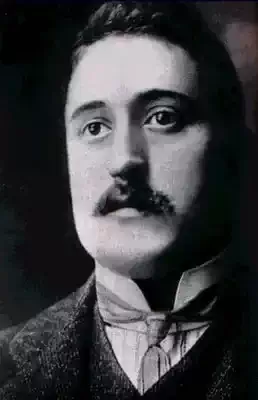
Guillaume Apollinaire
In the Sante
I
Before I got into my cell
I had to strip my body bare
I heard an ominous voice say Well
Guillaume what are you doing here
Lazarus steps into the ground
Not out of it as he was bid
Adieu Adieu O singing round
Of years and girls the life I led
II
I'm no longer myself in here
I know
I'm number fifteen in the eleventh
Row
The sunlight filters downward through
The panes
And on these lines bright clowns alight
Like stains
They dance under my eyes while my
Ears follow
The feet of one whose feet above
Sound hollow
III
In a bear-pit like a bear
Every morning round I tramp
Round and round and round and round
The sky is like an iron clamp
In a bear-pit like a bear
Every morning round I tramp
In the next cell at the sink
Someone lets the water run
With his bunch of keys that clink
Let the goaler go and come
In the next cell at the sink
Someone lets the water run
IV
How bored I am between bare wall and wall
Whose colour pales and pines
A fly on the paper with extremely small
Steps runs across these lines
What will become of me O God Who know
My pain Who gave it me
Have pity on my dry eyes and my pallor
My chair which creaks and is not free
And all these poor hearts beating in this prison
And Love beside me seated
Pity above all my unstable reason
And this despair which threatens to defeat it
V
How long these hours take to go
As long as a whole funeral
You'll mourn the time you mourned you know
It will be gone too soon like all
Time past
too fast too long ago
VI
I hear the noises of the city
In the turning world beyond me
I see a sky which has no pity
And bare prison walls around me
The daylight disappears and now
A lamp is lit within the prison
We're all alone here in my cell
Beautiful light Beloved reason
Read more →
Before I got into my cell
I had to strip my body bare
I heard an ominous voice say Well
Guillaume what are you doing here
Lazarus steps into the ground
Not out of it as he was bid
Adieu Adieu O singing round
Of years and girls the life I led
II
I'm no longer myself in here
I know
I'm number fifteen in the eleventh
Row
The sunlight filters downward through
The panes
And on these lines bright clowns alight
Like stains
They dance under my eyes while my
Ears follow
The feet of one whose feet above
Sound hollow
III
In a bear-pit like a bear
Every morning round I tramp
Round and round and round and round
The sky is like an iron clamp
In a bear-pit like a bear
Every morning round I tramp
In the next cell at the sink
Someone lets the water run
With his bunch of keys that clink
Let the goaler go and come
In the next cell at the sink
Someone lets the water run
IV
How bored I am between bare wall and wall
Whose colour pales and pines
A fly on the paper with extremely small
Steps runs across these lines
What will become of me O God Who know
My pain Who gave it me
Have pity on my dry eyes and my pallor
My chair which creaks and is not free
And all these poor hearts beating in this prison
And Love beside me seated
Pity above all my unstable reason
And this despair which threatens to defeat it
V
How long these hours take to go
As long as a whole funeral
You'll mourn the time you mourned you know
It will be gone too soon like all
Time past
too fast too long ago
VI
I hear the noises of the city
In the turning world beyond me
I see a sky which has no pity
And bare prison walls around me
The daylight disappears and now
A lamp is lit within the prison
We're all alone here in my cell
Beautiful light Beloved reason
918
Elizabeth Barrett Browning
Sonnet IX
Can it be right to give what I can give ?
To let thee sit beneath the fall of tears
As salt as mine, and hear the sighing years
Re-sighing on my lips renunciative
Through those infrequent smiles which fail to live
For all thy adjurations ? O my fears,
That this can scarce be right ! We are not peers,
So to be lovers; and I own, and grieve,
That givers of such gifts as mine are, must
Be counted with the ungenerous. Out, alas !
I will not soil thy purple with my dust,
Nor breathe my poison on thy Venice-glass,
Nor give thee any love--which were unjust.
Beloved, I only love thee ! let it pass.
Read more →
To let thee sit beneath the fall of tears
As salt as mine, and hear the sighing years
Re-sighing on my lips renunciative
Through those infrequent smiles which fail to live
For all thy adjurations ? O my fears,
That this can scarce be right ! We are not peers,
So to be lovers; and I own, and grieve,
That givers of such gifts as mine are, must
Be counted with the ungenerous. Out, alas !
I will not soil thy purple with my dust,
Nor breathe my poison on thy Venice-glass,
Nor give thee any love--which were unjust.
Beloved, I only love thee ! let it pass.
925
Vikram Seth
A Style Of Loving
Light now restricts itself
To the top half of trees;
The angled sun
Slants honey-coloured rays
That lessen to the ground
As we bike through
The corridor of Palm Drive
We two
Have reached a safety the years
Can claim to have created:
Unconsumated, therefore
Unjaded, unsated.
Picnic, movie, ice-cream;
Talk; to clear my head
Hot buttered rum - coffee for you;
And so not to bed
And so we have set the question
Aside, gently.
Were we to become lovers
Where would our best friends be?
You do not wish, nor I
To risk again
This savoured light for noon's
High joy or pain.
Read more →
To the top half of trees;
The angled sun
Slants honey-coloured rays
That lessen to the ground
As we bike through
The corridor of Palm Drive
We two
Have reached a safety the years
Can claim to have created:
Unconsumated, therefore
Unjaded, unsated.
Picnic, movie, ice-cream;
Talk; to clear my head
Hot buttered rum - coffee for you;
And so not to bed
And so we have set the question
Aside, gently.
Were we to become lovers
Where would our best friends be?
You do not wish, nor I
To risk again
This savoured light for noon's
High joy or pain.
923
Oscar Wilde
The Dole Of The King's Daughter (Breton)
Seven stars in the still water,
And seven in the sky;
Seven sins on the King's daughter,
Deep in her soul to lie.
Red roses are at her feet,
(Roses are red in her red-gold hair)
And O where her bosom and girdle meet
Red roses are hidden there.
Fair is the knight who lieth slain
Amid the rush and reed,
See the lean fishes that are fain
Upon dead men to feed.
Sweet is the page that lieth there,
(Cloth of gold is goodly prey,)
See the black ravens in the air,
Black, O black as the night are they.
What do they there so stark and dead?
(There is blood upon her hand)
Why are the lilies flecked with red?
(There is blood on the river sand.)
There are two that ride from the south and east,
And two from the north and west,
For the black raven a goodly feast,
For the King's daughter rest.
There is one man who loves her true,
(Red, O red, is the stain of gore!)
He hath duggen a grave by the darksome yew,
(One grave will do for four.)
No moon in the still heaven,
In the black water none,
The sins on her soul are seven,
The sin upon his is one.
Read more →
And seven in the sky;
Seven sins on the King's daughter,
Deep in her soul to lie.
Red roses are at her feet,
(Roses are red in her red-gold hair)
And O where her bosom and girdle meet
Red roses are hidden there.
Fair is the knight who lieth slain
Amid the rush and reed,
See the lean fishes that are fain
Upon dead men to feed.
Sweet is the page that lieth there,
(Cloth of gold is goodly prey,)
See the black ravens in the air,
Black, O black as the night are they.
What do they there so stark and dead?
(There is blood upon her hand)
Why are the lilies flecked with red?
(There is blood on the river sand.)
There are two that ride from the south and east,
And two from the north and west,
For the black raven a goodly feast,
For the King's daughter rest.
There is one man who loves her true,
(Red, O red, is the stain of gore!)
He hath duggen a grave by the darksome yew,
(One grave will do for four.)
No moon in the still heaven,
In the black water none,
The sins on her soul are seven,
The sin upon his is one.
905
John Keats
A Dream, After Reading Dante's Episode Of Paolo And Francesca
As Hermes once took to his feathers light,
When lulled Argus, baffled, swooned and slept,
So on a Delphic reed, my idle spright
So played, so charmed, so conquered, so bereft
The dragon-world of all its hundred eyes;
And seeing it asleep, so fled away,
Not to pure Ida with its snow-cold skies,
Nor unto Tempe, where Jove grieved a day;
But to that second circle of sad Hell,
Where in the gust, the whirlwind, and the flaw
Of rain and hail-stones, lovers need not tell
Their sorrows. Pale were the sweet lips I saw,
Pale were the lips I kissed, and fair the form
I floated with, about that melancholy storm.
Read more →
When lulled Argus, baffled, swooned and slept,
So on a Delphic reed, my idle spright
So played, so charmed, so conquered, so bereft
The dragon-world of all its hundred eyes;
And seeing it asleep, so fled away,
Not to pure Ida with its snow-cold skies,
Nor unto Tempe, where Jove grieved a day;
But to that second circle of sad Hell,
Where in the gust, the whirlwind, and the flaw
Of rain and hail-stones, lovers need not tell
Their sorrows. Pale were the sweet lips I saw,
Pale were the lips I kissed, and fair the form
I floated with, about that melancholy storm.
911
Oscar Wilde
Impression Du Matin
The Thames nocturne of blue and gold
Changed to a Harmony in grey:
A barge with ochre-coloured hay
Dropt from the wharf: and chill and cold
The yellow fog came creeping down
The bridges, till the houses' walls
Seemed changed to shadows and St. Paul's
Loomed like a bubble o'er the town.
Then suddenly arose the clang
Of waking life; the streets were stirred
With country waggons: and a bird
Flew to the glistening roofs and sang.
But one pale woman all alone,
The daylight kissing her wan hair,
Loitered beneath the gas lamps' flare,
With lips of flame and heart of stone.
Read more →
Changed to a Harmony in grey:
A barge with ochre-coloured hay
Dropt from the wharf: and chill and cold
The yellow fog came creeping down
The bridges, till the houses' walls
Seemed changed to shadows and St. Paul's
Loomed like a bubble o'er the town.
Then suddenly arose the clang
Of waking life; the streets were stirred
With country waggons: and a bird
Flew to the glistening roofs and sang.
But one pale woman all alone,
The daylight kissing her wan hair,
Loitered beneath the gas lamps' flare,
With lips of flame and heart of stone.
898

Rabindranath Tagore
Paper Boats
Day by day I float my paper boats one by one down the running
stream.
In bid black letters I write my name on them and the name of
the village where I live.
I hope that someone in some strange land will find them and
know who I am.
I load my little boats with shiuli flower from our garden, and
hope that these blooms of the dawn will be carried safely to land
in the night.
I launch my paper boats and look up into the sky and see the
little clouds setting thee white bulging sails.
I know not what playmate of mine in the sky sends them down
the air to race with my boats!
When night comes I bury my face in my arms and dream that my
paper boats float on and on under the midnight stars.
The fairies of sleep are sailing in them, and the lading ins
their baskets full of dreams.
Read more →
stream.
In bid black letters I write my name on them and the name of
the village where I live.
I hope that someone in some strange land will find them and
know who I am.
I load my little boats with shiuli flower from our garden, and
hope that these blooms of the dawn will be carried safely to land
in the night.
I launch my paper boats and look up into the sky and see the
little clouds setting thee white bulging sails.
I know not what playmate of mine in the sky sends them down
the air to race with my boats!
When night comes I bury my face in my arms and dream that my
paper boats float on and on under the midnight stars.
The fairies of sleep are sailing in them, and the lading ins
their baskets full of dreams.
926
Elizabeth Barrett Browning
Sonnet XIX: The Soul's Rialto
The soul's Rialto hath its merchandise;
I barter curl for curl upon that mart,
And from my poet's forehead to my heart
Receive this lock which outweighs argosies,--
As purply black, as erst to Pindar's eyes
The dim purpureal tresses gloomed athwart
The nine white Muse-brows. For this counterpart,...
The bay-crown's shade, Belovèd, I surmise,
Still lingers on thy curl, it so black!
Thus, with a fillet of smooth-kissing breath,
I tie the shadows safe from gliding back,
And lay the gift where nothing hindereth;
Here on my heart, as on thy brow, to lack
No natural heat till mine grows cold in death.
Read more →
I barter curl for curl upon that mart,
And from my poet's forehead to my heart
Receive this lock which outweighs argosies,--
As purply black, as erst to Pindar's eyes
The dim purpureal tresses gloomed athwart
The nine white Muse-brows. For this counterpart,...
The bay-crown's shade, Belovèd, I surmise,
Still lingers on thy curl, it so black!
Thus, with a fillet of smooth-kissing breath,
I tie the shadows safe from gliding back,
And lay the gift where nothing hindereth;
Here on my heart, as on thy brow, to lack
No natural heat till mine grows cold in death.
897