

Poems in this theme
Art
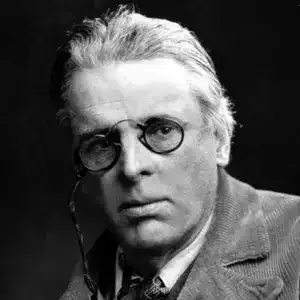
William Butler Yeats
Veronica's Napkin
Veronica's Napkin
THE Heavenly Circuit; Berenice's Hair;
Tent-pole of Eden; the tent's drapery;
Symbolical glory of thc earth and air!
The Father and His angelic hierarchy
That made the magnitude and glory there
Stood in the circuit of a needle's eye.
Some found a different pole, and where it stood
A pattern on a napkin dipped in blood.
THE Heavenly Circuit; Berenice's Hair;
Tent-pole of Eden; the tent's drapery;
Symbolical glory of thc earth and air!
The Father and His angelic hierarchy
That made the magnitude and glory there
Stood in the circuit of a needle's eye.
Some found a different pole, and where it stood
A pattern on a napkin dipped in blood.
314
William Butler Yeats
Upon A House Shaken By The Land Agitation
Upon A House Shaken By The Land Agitation
HOW should the world be luckier if this house,
Where passion and precision have been one
Time out of mind, became too ruinous
To breed the lidleSs eye that loves the sun?
And the sweet laughing eagle thoughts that grow
Where wings have memory of wings, and all
That comes of the best knit to the best? Although
Mean roof-trees were the sturdier for its fall.
How should their luck run high enough to reach
The gifts that govern men, and after these
To gradual Time's last gift, a written speech
Wrought of high laughter, loveliness and ease?
HOW should the world be luckier if this house,
Where passion and precision have been one
Time out of mind, became too ruinous
To breed the lidleSs eye that loves the sun?
And the sweet laughing eagle thoughts that grow
Where wings have memory of wings, and all
That comes of the best knit to the best? Although
Mean roof-trees were the sturdier for its fall.
How should their luck run high enough to reach
The gifts that govern men, and after these
To gradual Time's last gift, a written speech
Wrought of high laughter, loveliness and ease?
395
William Butler Yeats
To be Carved On A Stone At Thoor Ballylee
To be Carved On A Stone At Thoor Ballylee
I, THE poet William Yeats,
With old mill boards and sea-green slates,
And smithy work from the Gort forge,
Restored this tower for my wife George;
And may these characters remain
When all is ruin once again.
I, THE poet William Yeats,
With old mill boards and sea-green slates,
And smithy work from the Gort forge,
Restored this tower for my wife George;
And may these characters remain
When all is ruin once again.
252
William Butler Yeats
To A Wealthy Man Who Promised A Second Subscription To The Dublin
To A Wealthy Man Who Promised A Second Subscription To The Dublin
Municipal Gallery If It Were
You gave, but will not give again
Until enough of paudeen's pence
By Biddy's halfpennies have lain
To be 'some sort of evidence',
Before you'll put your guineas down,
That things it were a pride to give
Are what the blind and ignorant town
Imagines best to make it thrive.
What cared Duke Ercole, that bid
His mummers to the market-place,
What th' onion-sellers thought or did
So that his plautus set the pace
For the Italian comedies?
And Guidobaldo, when he made
That grammar school of courtesies
Where wit and beauty learned their trade
Upon Urbino's windy hill,
Had sent no runners to and fro
That he might learn the shepherds' will
And when they drove out Cosimo,
Indifferent how the rancour ran,
He gave the hours they had set free
To Michelozzo's latest plan
For the San Marco Library,
Whence turbulent Italy should draw
Delight in Art whoSe end is peace,
In logic and in natural law
By sucking at the dugs of Greece.
Your open hand but shows our loss,
For he knew better how to live.
Let paudeens play at pitch and toss,
Look up in the sun's eye and give
What the exultant heart calls good
That some new day may breed the best
Because you gave, not what they would,
But the right twigs for an eagle's nest!
Municipal Gallery If It Were
You gave, but will not give again
Until enough of paudeen's pence
By Biddy's halfpennies have lain
To be 'some sort of evidence',
Before you'll put your guineas down,
That things it were a pride to give
Are what the blind and ignorant town
Imagines best to make it thrive.
What cared Duke Ercole, that bid
His mummers to the market-place,
What th' onion-sellers thought or did
So that his plautus set the pace
For the Italian comedies?
And Guidobaldo, when he made
That grammar school of courtesies
Where wit and beauty learned their trade
Upon Urbino's windy hill,
Had sent no runners to and fro
That he might learn the shepherds' will
And when they drove out Cosimo,
Indifferent how the rancour ran,
He gave the hours they had set free
To Michelozzo's latest plan
For the San Marco Library,
Whence turbulent Italy should draw
Delight in Art whoSe end is peace,
In logic and in natural law
By sucking at the dugs of Greece.
Your open hand but shows our loss,
For he knew better how to live.
Let paudeens play at pitch and toss,
Look up in the sun's eye and give
What the exultant heart calls good
That some new day may breed the best
Because you gave, not what they would,
But the right twigs for an eagle's nest!
371
William Butler Yeats
The Players Ask For A Blessing On The Psalteries And On Themselves
The Players Ask For A Blessing On The Psalteries And On Themselves
Three Voices [together]. Hurry to bless the hands that play,
The mouths that speak, the notes and strings,
O masters of the glittering town!
O! lay the shrilly trumpet down,
Though drunken with the flags that sway
Over the ramparts and the towers,
And with the waving of your wings.
First Voice. Maybe they linger by the way.
One gathers up his purple gown;
One leans and mutters by the wall --
He dreads the weight of mortal hours.
Second Voice. O no, O no! they hurry down
Like plovers that have heard the call.
Third Voice. O kinsmen of the Three in One,
O kinsmen, bless the hands that play.
The notes they waken shall live on
When all this heavy history's done;
Our hands, our hands must ebb away.
Three Voices [together]. The proud and careless notes live on,
But bless our hands that ebb away.
Three Voices [together]. Hurry to bless the hands that play,
The mouths that speak, the notes and strings,
O masters of the glittering town!
O! lay the shrilly trumpet down,
Though drunken with the flags that sway
Over the ramparts and the towers,
And with the waving of your wings.
First Voice. Maybe they linger by the way.
One gathers up his purple gown;
One leans and mutters by the wall --
He dreads the weight of mortal hours.
Second Voice. O no, O no! they hurry down
Like plovers that have heard the call.
Third Voice. O kinsmen of the Three in One,
O kinsmen, bless the hands that play.
The notes they waken shall live on
When all this heavy history's done;
Our hands, our hands must ebb away.
Three Voices [together]. The proud and careless notes live on,
But bless our hands that ebb away.
355
William Butler Yeats
The Municipal Gallery Revisited
The Municipal Gallery Revisited
AROUND me the images of thirty years:
An ambush; pilgrims at the water-side;
Casement upon trial, half hidden by the bars,
Guarded; Griffith staring in hysterical pride;
Kevin O'Higgins' countenance that wears
A gentle questioning look that cannot hide
A soul incapable of remorse or rest;
A revolutionary soldier kneeling to be blessed;
An Abbot or Archbishop with an upraised hand
Blessing the Tricolour. 'This is not,' I say,
'The dead Ireland of my youth, but an Ireland
The poets have imagined, terrible and gay.'
Before a woman's portrait suddenly I stand,
Beautiful and gentle in her Venetian way.
I met her all but fifty years ago
For twenty minutes in some studio.
III
Heart-smitten with emotion I Sink down,
My heart recovering with covered eyes;
Wherever I had looked I had looked upon
My permanent or impermanent images:
Augusta Gregory's son; her sister's son,
Hugh Lane, 'onlie begetter' of all these;
Hazel Lavery living and dying, that tale
As though some ballad-singer had sung it all;
Mancini's portrait of Augusta Gregory,
'Greatest since Rembrandt,' according to John Synge;
A great ebullient portrait certainly;
But where is the brush that could show anything
Of all that pride and that humility?
And I am in despair that time may bring
Approved patterns of women or of men
But not that selfsame excellence again.
My mediaeval knees lack health until they bend,
But in that woman, in that household where
Honour had lived so long, all lacking found.
Childless I thought, 'My children may find here
Deep-rooted things,' but never foresaw its end,
And now that end has come I have not wept;
No fox can foul the lair the badger swept --
VI
(An image out of Spenser and the common tongue).
John Synge, I and Augusta Gregory, thought
All that we did, all that we said or sang
Must come from contact with the soil, from that
Contact everything Antaeus-like grew strong.
We three alone in modern times had brought
Everything down to that sole test again,
Dream of the noble and the beggar-man.
VII
And here's John Synge himself, that rooted man,
'Forgetting human words,' a grave deep face.
You that would judge me, do not judge alone
This book or that, come to this hallowed place
Where my friends' portraits hang and look thereon;
Ireland's history in their lineaments trace;
Think where man's glory most begins and ends,
And say my glory was I had such friends.
AROUND me the images of thirty years:
An ambush; pilgrims at the water-side;
Casement upon trial, half hidden by the bars,
Guarded; Griffith staring in hysterical pride;
Kevin O'Higgins' countenance that wears
A gentle questioning look that cannot hide
A soul incapable of remorse or rest;
A revolutionary soldier kneeling to be blessed;
An Abbot or Archbishop with an upraised hand
Blessing the Tricolour. 'This is not,' I say,
'The dead Ireland of my youth, but an Ireland
The poets have imagined, terrible and gay.'
Before a woman's portrait suddenly I stand,
Beautiful and gentle in her Venetian way.
I met her all but fifty years ago
For twenty minutes in some studio.
III
Heart-smitten with emotion I Sink down,
My heart recovering with covered eyes;
Wherever I had looked I had looked upon
My permanent or impermanent images:
Augusta Gregory's son; her sister's son,
Hugh Lane, 'onlie begetter' of all these;
Hazel Lavery living and dying, that tale
As though some ballad-singer had sung it all;
Mancini's portrait of Augusta Gregory,
'Greatest since Rembrandt,' according to John Synge;
A great ebullient portrait certainly;
But where is the brush that could show anything
Of all that pride and that humility?
And I am in despair that time may bring
Approved patterns of women or of men
But not that selfsame excellence again.
My mediaeval knees lack health until they bend,
But in that woman, in that household where
Honour had lived so long, all lacking found.
Childless I thought, 'My children may find here
Deep-rooted things,' but never foresaw its end,
And now that end has come I have not wept;
No fox can foul the lair the badger swept --
VI
(An image out of Spenser and the common tongue).
John Synge, I and Augusta Gregory, thought
All that we did, all that we said or sang
Must come from contact with the soil, from that
Contact everything Antaeus-like grew strong.
We three alone in modern times had brought
Everything down to that sole test again,
Dream of the noble and the beggar-man.
VII
And here's John Synge himself, that rooted man,
'Forgetting human words,' a grave deep face.
You that would judge me, do not judge alone
This book or that, come to this hallowed place
Where my friends' portraits hang and look thereon;
Ireland's history in their lineaments trace;
Think where man's glory most begins and ends,
And say my glory was I had such friends.
377
William Butler Yeats
Symbols
Symbols
A STORM BEATEN old watch-tower,
A blind hermit rings the hour.
All-destroying sword-blade still
Carried by the wandering fool.
Gold-sewn silk on the sword-blade,
Beauty and fool together laid.
A STORM BEATEN old watch-tower,
A blind hermit rings the hour.
All-destroying sword-blade still
Carried by the wandering fool.
Gold-sewn silk on the sword-blade,
Beauty and fool together laid.
294
William Butler Yeats
Sailing To Byzantium
Sailing To Byzantium
I
That is no country for old men. The young
In one another's arms, birds in the trees
---Those dying generations---at their song,
The salmon-falls, the mackerel-crowded seas,
Fish, flesh, or fowl commend all summer long
Whatever is begotten, born, and dies.
Caught in that sensual music all neglect
Monuments of unaging intellect.
II
An aged man is but a paltry thing,
A tattered coat upon a stick, unless
Soul clap its hands and sing, and louder sing
For every tatter in its mortal dress,
Nor is there singing school but studying
Monuments of its own magnificence;
And therefore I have sailed the seas and come
To the holy city of Byzantium.
III
O sages standing in God's holy fire
As in the gold mosaic of a wall,
Come from the holy fire, perne in a gyre,
And be the singing-masters of my soul.
Consume my heart away; sick with desire
And fastened to a dying animal
It knows not what it is; and gather me
Into the artifice of eternity.
IV
Once out of nature I shall never take
My bodily form from any natural thing,
But such a form as Grecian goldsmiths make
Of hammered gold and gold enamelling
To keep a drowsy Emperor awake;
Or set upon a golden bough to sing
To lords and ladies of Byzantium
Of what is past, or passing, or to come.
I
That is no country for old men. The young
In one another's arms, birds in the trees
---Those dying generations---at their song,
The salmon-falls, the mackerel-crowded seas,
Fish, flesh, or fowl commend all summer long
Whatever is begotten, born, and dies.
Caught in that sensual music all neglect
Monuments of unaging intellect.
II
An aged man is but a paltry thing,
A tattered coat upon a stick, unless
Soul clap its hands and sing, and louder sing
For every tatter in its mortal dress,
Nor is there singing school but studying
Monuments of its own magnificence;
And therefore I have sailed the seas and come
To the holy city of Byzantium.
III
O sages standing in God's holy fire
As in the gold mosaic of a wall,
Come from the holy fire, perne in a gyre,
And be the singing-masters of my soul.
Consume my heart away; sick with desire
And fastened to a dying animal
It knows not what it is; and gather me
Into the artifice of eternity.
IV
Once out of nature I shall never take
My bodily form from any natural thing,
But such a form as Grecian goldsmiths make
Of hammered gold and gold enamelling
To keep a drowsy Emperor awake;
Or set upon a golden bough to sing
To lords and ladies of Byzantium
Of what is past, or passing, or to come.
553
William Butler Yeats
Long-Legged Fly
Long-Legged Fly
THAT civilisation may not sink,
Its great battle lost,
Quiet the dog, tether the pony
To a distant post;
Our master Caesar is in the tent
Where the maps ate spread,
His eyes fixed upon nothing,
A hand under his head.
Like a long-legged fly upon the stream
His mind moves upon silence.
That the topless towers be burnt
And men recall that face,
Move most gently if move you must
In this lonely place.
She thinks, part woman, three parts a child,
That nobody looks; her feet
Practise a tinker shuffle
Picked up on a street.
Like a long-legged fly upon the stream
Her mind moves upon silence.
That girls at puberty may find
The first Adam in their thought,
Shut the door of the Pope's chapel,
Keep those children out.
There on that scaffolding reclines
Michael Angelo.
With no more sound than the mice make
His hand moves to and fro.
Like a long-leggedfly upon the stream
His mind moves upon silence.
THAT civilisation may not sink,
Its great battle lost,
Quiet the dog, tether the pony
To a distant post;
Our master Caesar is in the tent
Where the maps ate spread,
His eyes fixed upon nothing,
A hand under his head.
Like a long-legged fly upon the stream
His mind moves upon silence.
That the topless towers be burnt
And men recall that face,
Move most gently if move you must
In this lonely place.
She thinks, part woman, three parts a child,
That nobody looks; her feet
Practise a tinker shuffle
Picked up on a street.
Like a long-legged fly upon the stream
Her mind moves upon silence.
That girls at puberty may find
The first Adam in their thought,
Shut the door of the Pope's chapel,
Keep those children out.
There on that scaffolding reclines
Michael Angelo.
With no more sound than the mice make
His hand moves to and fro.
Like a long-leggedfly upon the stream
His mind moves upon silence.
347
William Butler Yeats
An Acre Of Grass
An Acre Of Grass
PICTURE and book remain,
An acre of green grass
For air and exercise,
Now strength of body goes;
Midnight, an old house
Where nothing stirs but a mouse.
My temptation is quiet.
Here at life's end
Neither loose imagination,
Nor the mill of the mind
Consuming its rag and bonc,
Can make the truth known.
Grant me an old man's frenzy,
Myself must I remake
Till I am Timon and Lear
Or that William Blake
Who beat upon the wall
Till Truth obeyed his call;
A mind Michael Angelo knew
That can pierce the clouds,
Or inspired by frenzy
Shake the dead in their shrouds;
Forgotten else by mankind,
An old man's eagle mind.
PICTURE and book remain,
An acre of green grass
For air and exercise,
Now strength of body goes;
Midnight, an old house
Where nothing stirs but a mouse.
My temptation is quiet.
Here at life's end
Neither loose imagination,
Nor the mill of the mind
Consuming its rag and bonc,
Can make the truth known.
Grant me an old man's frenzy,
Myself must I remake
Till I am Timon and Lear
Or that William Blake
Who beat upon the wall
Till Truth obeyed his call;
A mind Michael Angelo knew
That can pierce the clouds,
Or inspired by frenzy
Shake the dead in their shrouds;
Forgotten else by mankind,
An old man's eagle mind.
430
William Butler Yeats
After Long Silence
After Long Silence
Speech after long silence; it is right,
All other lovers being estranged or dead,
Unfriendly lamplight hid under its shade,
The curtains drawn upon unfriendly night,
That we descant and yet again descant
Upon the supreme theme of Art and Song:
Bodily decrepitude is wisdom; young
We loved each other and were ignorant.
Speech after long silence; it is right,
All other lovers being estranged or dead,
Unfriendly lamplight hid under its shade,
The curtains drawn upon unfriendly night,
That we descant and yet again descant
Upon the supreme theme of Art and Song:
Bodily decrepitude is wisdom; young
We loved each other and were ignorant.
312
William Butler Yeats
A Crazed Girl
A Crazed Girl
THAT crazed girl improvising her music.
Her poetry, dancing upon the shore,
Her soul in division from itself
Climbing, falling She knew not where,
Hiding amid the cargo of a steamship,
Her knee-cap broken, that girl I declare
A beautiful lofty thing, or a thing
Heroically lost, heroically found.
No matter what disaster occurred
She stood in desperate music wound,
Wound, wound, and she made in her triumph
Where the bales and the baskets lay
No common intelligible sound
But sang, 'O sea-starved, hungry sea.'
THAT crazed girl improvising her music.
Her poetry, dancing upon the shore,
Her soul in division from itself
Climbing, falling She knew not where,
Hiding amid the cargo of a steamship,
Her knee-cap broken, that girl I declare
A beautiful lofty thing, or a thing
Heroically lost, heroically found.
No matter what disaster occurred
She stood in desperate music wound,
Wound, wound, and she made in her triumph
Where the bales and the baskets lay
No common intelligible sound
But sang, 'O sea-starved, hungry sea.'
411
William Butler Yeats
A Coat
A Coat
I MADE my song a coat
Covered with embroideries
Out of old mythologies
From heel to throat;
But the fools caught it,
Wore it in the world's eyes
As though they'd wrought it.
Song, let them take it,
For there's more enterprise
In walking naked.
I MADE my song a coat
Covered with embroideries
Out of old mythologies
From heel to throat;
But the fools caught it,
Wore it in the world's eyes
As though they'd wrought it.
Song, let them take it,
For there's more enterprise
In walking naked.
375
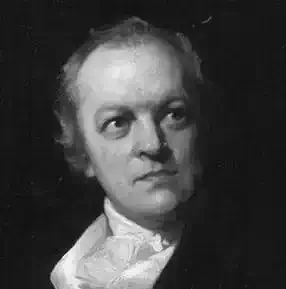
William Blake
To the Muses
To the Muses
Whether on Ida's shady brow,
Or in the chambers of the East,
The chambers of the sun, that now
From ancient melody have ceas'd;
Whether in Heav'n ye wander fair,
Or the green corners of the earth,
Or the blue regions of the air,
Where the melodious winds have birth;
Whether on crystal rocks ye rove,
Beneath the bosom of the sea
Wand'ring in many a coral grove,
Fair Nine, forsaking Poetry!
How have you left the ancient love
That bards of old enjoy'd in you!
The languid strings do scarcely move!
The sound is forc'd, the notes are few!
Whether on Ida's shady brow,
Or in the chambers of the East,
The chambers of the sun, that now
From ancient melody have ceas'd;
Whether in Heav'n ye wander fair,
Or the green corners of the earth,
Or the blue regions of the air,
Where the melodious winds have birth;
Whether on crystal rocks ye rove,
Beneath the bosom of the sea
Wand'ring in many a coral grove,
Fair Nine, forsaking Poetry!
How have you left the ancient love
That bards of old enjoy'd in you!
The languid strings do scarcely move!
The sound is forc'd, the notes are few!
458
William Blake
The Caverns of the Grave I've Seen
The Caverns of the Grave I've Seen
The Caverns of the Grave I've seen,
And these I show'd to England's Queen.
But now the Caves of Hell I view,
Who shall I dare to show them to?
What mighty soul i n Beauty's form
Shall dauntless view the infernal storm?
Egremont's Countess can control
The flames of Hell that round me roll;
If she refuse, I still go on
Till the Heavens and Earth are gone,
Still admir'd by noble minds,
Follow'd by Envy on the winds,
Re-engrav'd time after time,
Ever in their youthful prime,
My designs unchang'd remain.
Time may rage, but rage in vain.
For above Time's troubled fountains,
On the great Atlantic Mountains,
In my Golden House on high,
There they shine eternally.
The Caverns of the Grave I've seen,
And these I show'd to England's Queen.
But now the Caves of Hell I view,
Who shall I dare to show them to?
What mighty soul i n Beauty's form
Shall dauntless view the infernal storm?
Egremont's Countess can control
The flames of Hell that round me roll;
If she refuse, I still go on
Till the Heavens and Earth are gone,
Still admir'd by noble minds,
Follow'd by Envy on the winds,
Re-engrav'd time after time,
Ever in their youthful prime,
My designs unchang'd remain.
Time may rage, but rage in vain.
For above Time's troubled fountains,
On the great Atlantic Mountains,
In my Golden House on high,
There they shine eternally.
452
William Blake
If It Is True What the Prophets Write
If It Is True What the Prophets Write
If it is true, what the Prophets write,
That the heathen gods are all stocks and stones,
Shall we, for the sake of being polite,
Feed them with the juice of our marrow-bones?
And if Bezaleel and Aholiab drew
What the finger of God pointed to their view,
Shall we suffer the Roman and Grecian rods
To compel us to worship them as gods?
They stole them from the temple of the Lord
And worshipp'd them that they might make inspirèd art abhorr'd;
The wood and stone were call'd the holy things,
And their sublime intent given to their kings.
All the atonements of Jehovah spurn'd,
And criminals to sacrifices turn'd.
If it is true, what the Prophets write,
That the heathen gods are all stocks and stones,
Shall we, for the sake of being polite,
Feed them with the juice of our marrow-bones?
And if Bezaleel and Aholiab drew
What the finger of God pointed to their view,
Shall we suffer the Roman and Grecian rods
To compel us to worship them as gods?
They stole them from the temple of the Lord
And worshipp'd them that they might make inspirèd art abhorr'd;
The wood and stone were call'd the holy things,
And their sublime intent given to their kings.
All the atonements of Jehovah spurn'd,
And criminals to sacrifices turn'd.
426
William Blake
An Imitation of Spenser
An Imitation of Spenser
Golden Apollo, that thro' heaven wide
Scatter'st the rays of light, and truth's beams,
In lucent words my darkling verses dight,
And wash my earthy mind in thy clear streams,
That wisdom may descend in fairy dreams,
All while the jocund hours in thy train
Scatter their fancies at thy poet's feet;
And when thou yields to night thy wide domain,
Let rays of truth enlight his sleeping brain.
For brutish Pan in vain might thee assay
With tinkling sounds to dash thy nervous verse,
Sound without sense; yet in his rude affray,
(For ignorance is Folly's leasing nurse
And love of Folly needs none other's curse)
Midas the praise hath gain'd of lengthen'd ears,
For which himself might deem him ne'er the worse
To sit in council with his modern peers,
And judge of tinkling rimes and elegances terse.
And thou, Mercurius, that with wingèd brow
Dost mount aloft into the yielding sky,
And thro' Heav'n's halls thy airy flight dost throw,
Entering with holy feet to where on high
Jove weighs the counsel of futurity;
Then, laden with eternal fate, dost go
Down, like a falling star, from autumn sky,
And o'er the surface of the silent deep dost fly:
If thou arrivest at the sandy shore
Where nought but envious hissing adders dwell,
Thy golden rod, thrown on t he dusty floor,
Can charm to harmony with potent spell.
Such is sweet Eloquence, that does dispel
Envy and Hate that thirst for human gore;
And cause in sweet society to dwell
Vile savage minds that lurk in lonely cell
O Mercury, assist my lab'ring sense
That round the circle of the world would fly,
As the wing'd eagle scorns the tow'ry fence
Of Alpine hills round his high aëry,
And searches thro' the corners of the sky,
Sports in the clouds to hear the thunder's sound,
And see the wingèd lightnings as they fly;
Then, bosom'd in an amber cloud, around
Plumes his wide wings, and seeks Sol's palace high.
And thou, O warrior maid invincible,
Arm'd with the terrors of Almighty Jove,
Pallas, Minerva, maiden terrible,
Lov'st thou to walk the peaceful solemn grove,
In solemn gloom of branches interwove?
Or bear'st thy AEgis o'er the burning field,
Where, like the sea, the waves of battle move?
Or have thy soft piteous eyes beheld
The weary wanderer thro' the desert rove?
Or does th' afflicted man thy heav'nly bosom move?
Golden Apollo, that thro' heaven wide
Scatter'st the rays of light, and truth's beams,
In lucent words my darkling verses dight,
And wash my earthy mind in thy clear streams,
That wisdom may descend in fairy dreams,
All while the jocund hours in thy train
Scatter their fancies at thy poet's feet;
And when thou yields to night thy wide domain,
Let rays of truth enlight his sleeping brain.
For brutish Pan in vain might thee assay
With tinkling sounds to dash thy nervous verse,
Sound without sense; yet in his rude affray,
(For ignorance is Folly's leasing nurse
And love of Folly needs none other's curse)
Midas the praise hath gain'd of lengthen'd ears,
For which himself might deem him ne'er the worse
To sit in council with his modern peers,
And judge of tinkling rimes and elegances terse.
And thou, Mercurius, that with wingèd brow
Dost mount aloft into the yielding sky,
And thro' Heav'n's halls thy airy flight dost throw,
Entering with holy feet to where on high
Jove weighs the counsel of futurity;
Then, laden with eternal fate, dost go
Down, like a falling star, from autumn sky,
And o'er the surface of the silent deep dost fly:
If thou arrivest at the sandy shore
Where nought but envious hissing adders dwell,
Thy golden rod, thrown on t he dusty floor,
Can charm to harmony with potent spell.
Such is sweet Eloquence, that does dispel
Envy and Hate that thirst for human gore;
And cause in sweet society to dwell
Vile savage minds that lurk in lonely cell
O Mercury, assist my lab'ring sense
That round the circle of the world would fly,
As the wing'd eagle scorns the tow'ry fence
Of Alpine hills round his high aëry,
And searches thro' the corners of the sky,
Sports in the clouds to hear the thunder's sound,
And see the wingèd lightnings as they fly;
Then, bosom'd in an amber cloud, around
Plumes his wide wings, and seeks Sol's palace high.
And thou, O warrior maid invincible,
Arm'd with the terrors of Almighty Jove,
Pallas, Minerva, maiden terrible,
Lov'st thou to walk the peaceful solemn grove,
In solemn gloom of branches interwove?
Or bear'st thy AEgis o'er the burning field,
Where, like the sea, the waves of battle move?
Or have thy soft piteous eyes beheld
The weary wanderer thro' the desert rove?
Or does th' afflicted man thy heav'nly bosom move?
457

Walter de la Mare
The Scribe
The Scribe
What lovely things
Thy hand hath made:
The smooth-plumed bird
In its emerald shade,
The seed of the grass,
The speck of the stone
Which the wayfaring ant
Stirs -- and hastes on!
Though I should sit
By some tarn in thy hills,
Using its ink
As the spirit wills
To write of Earth's wonders,
Its live, willed things,
Flit would the ages
On soundless wings
Ere unto Z
My pen drew nigh
Leviathan told,
And the honey-fly:
And still would remain
My wit to try --
My worn reeds broken,
The dark tarn dry,
All words forgotten --
Thou, Lord, and I.
What lovely things
Thy hand hath made:
The smooth-plumed bird
In its emerald shade,
The seed of the grass,
The speck of the stone
Which the wayfaring ant
Stirs -- and hastes on!
Though I should sit
By some tarn in thy hills,
Using its ink
As the spirit wills
To write of Earth's wonders,
Its live, willed things,
Flit would the ages
On soundless wings
Ere unto Z
My pen drew nigh
Leviathan told,
And the honey-fly:
And still would remain
My wit to try --
My worn reeds broken,
The dark tarn dry,
All words forgotten --
Thou, Lord, and I.
315
Walter de la Mare
A Song of Enchantment
A Song of Enchantment
A song of Enchantment I sang me there,
In a green-green wood, by waters fair,
Just as the words came up to me
I sang it under the wild wood tree.
Widdershins turned I, singing it low,
Watching the wild birds come and go;
No cloud in the deep dark blue to be seen
Under the thick-thatched branches green.
Twilight came: silence came:
The planet of Evening's silver flame;
By darkening paths I wandered through
Thickets trembling with drops of dew.
But the music is lost and the words are gone
Of the song I sang as I sat alone,
Ages and ages have fallen on me -
On the wood and the pool and the elder tree.
A song of Enchantment I sang me there,
In a green-green wood, by waters fair,
Just as the words came up to me
I sang it under the wild wood tree.
Widdershins turned I, singing it low,
Watching the wild birds come and go;
No cloud in the deep dark blue to be seen
Under the thick-thatched branches green.
Twilight came: silence came:
The planet of Evening's silver flame;
By darkening paths I wandered through
Thickets trembling with drops of dew.
But the music is lost and the words are gone
Of the song I sang as I sat alone,
Ages and ages have fallen on me -
On the wood and the pool and the elder tree.
279
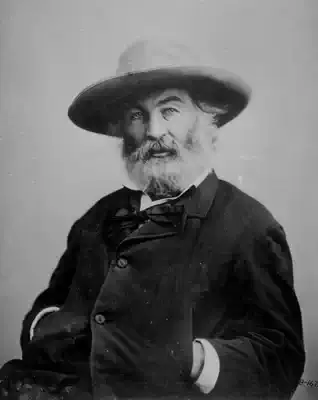
Walt Whitman
Song Of The Exposition
Song Of The Exposition
AFTER all, not to create only, or found only,
But to bring, perhaps from afar, what is already founded,
To give it our own identity, average, limitless, free;
To fill the gross, the torpid bulk with vital religious fire;
Not to repel or destroy, so much as accept, fuse, rehabilitate;
To obey, as well as command--to follow, more than to lead;
These also are the lessons of our New World;
--While how little the New, after all--how much the Old, Old World!
Long, long, long, has the grass been growing,
Long and long has the rain been falling, 10
Long has the globe been rolling round.
Come, Muse, migrate from Greece and Ionia;
Cross out, please, those immensely overpaid accounts,
That matter of Troy, and Achilles' wrath, and Eneas', Odysseus'
wanderings;
Placard "Removed" and "To Let" on the rocks of your snowy Parnassus;
Repeat at Jerusalem--place the notice high on Jaffa's gate, and on
Mount Moriah;
The same on the walls of your Gothic European Cathedrals, and German,
French and Spanish Castles;
For know a better, fresher, busier sphere--a wide, untried domain
awaits, demands you.
Responsive to our summons,
Or rather to her long-nurs'd inclination, 20
Join'd with an irresistible, natural gravitation,
She comes! this famous Female--as was indeed to be expected;
(For who, so-ever youthful, 'cute and handsome, would wish to stay in
mansions such as those,
When offer'd quarters with all the modern improvements,
With all the fun that 's going--and all the best society?)
She comes! I hear the rustling of her gown;
I scent the odor of her breath's delicious fragrance;
I mark her step divine--her curious eyes a-turning, rolling,
Upon this very scene.
The Dame of Dames! can I believe, then, 30
Those ancient temples classic, and castles strong and feudalistic,
could none of them restrain her?
Nor shades of Virgil and Dante--nor myriad memories, poems, old
associations, magnetize and hold on to her?
But that she 's left them all--and here?
Yes, if you will allow me to say so,
I, my friends, if you do not, can plainly see Her,
The same Undying Soul of Earth's, activity's, beauty's, heroism's
Expression,
Out from her evolutions hither come--submerged the strata of her
former themes,
Hidden and cover'd by to-day's--foundation of to-day's;
Ended, deceas'd, through time, her voice by Castaly's fountain;
Silent through time the broken-lipp'd Sphynx in Egypt--silent those
century-baffling tombs; 40
Closed for aye the epics of Asia's, Europe's helmeted warriors;
Calliope's call for ever closed--Clio, Melpomene, Thalia closed and
dead;
Seal'd the stately rhythmus of Una and Oriana--ended the quest of the
Holy Graal;
Jerusalem a handful of ashes blown by the wind--extinct;
The Crusaders' streams of shadowy, midnight troops, sped with the
sunrise;
Amadis, Tancred, utterly gone--Charlemagne, Roland, Oliver gone,
Palmerin, ogre, departed--vanish'd the turrets that Usk reflected,
Arthur vanish'd with all his knights--Merlin and Lancelot and
Galahad--all gone--dissolv'd utterly, like an exhalation;
Pass'd! pass'd! for us, for ever pass'd! that once so mighty World-now
void, inanimate, phantom World!
Embroider'd, dazzling World! with all its gorgeous legends, myths, 50
Its kings and barons proud--its priests, and warlike lords, and
courtly dames;
Pass'd to its charnel vault--laid on the shelf--coffin'd, with Crown
and Armor on,
Blazon'd with Shakspeare's purple page,
And dirged by Tennyson's sweet sad rhyme.
I say I see, my friends, if you do not, the Animus of all that World,
Escaped, bequeath'd, vital, fugacious as ever, leaving those dead
remains, and now this spot approaching, filling;
--And I can hear what maybe you do not--a terrible aesthetical
commotion,
With howling, desperate gulp of "flower" and "bower,"
With "Sonnet to Matilda's Eyebrow" quite, quite frantic;
With gushing, sentimental reading circles turn'd to ice or stone; 60
With many a squeak, (in metre choice,) from Boston, New York,
Philadelphia, London;
As she, the illustrious Emigré, (having, it is true, in her day,
although the same, changed, journey'd considerable,)
Making directly for this rendezvous--vigorously clearing a path for
herself--striding through the confusion,
By thud of machinery and shrill steam-whistle undismay'd,
Bluff'd not a bit by drain-pipe, gasometers, artificial fertilizers,
Smiling and pleased, with palpable intent to stay,
She 's here, install'd amid the kitchen ware!
But hold--don't I forget my manners?
To introduce the Stranger (what else indeed have I come for?) to
thee, Columbia:
In Liberty's name, welcome, Immortal! clasp hands, 70
And ever henceforth Sisters dear be both.
Fear not, O Muse! truly new ways and days receive, surround you,
(I candidly confess, a queer, queer race, of novel fashion,)
And yet the same old human race--the same within, without,
Faces and hearts the same--feelings the same--yearnings the same,
The same old love--beauty and use the same.
We do not blame thee, Elder World--nor separate ourselves from thee:
(Would the Son separate himself from the Father?)
Looking back on thee--seeing thee to thy duties, grandeurs, through
past ages bending, building,
We build to ours to-day. 80
Mightier than Egypt's tombs,
Fairer than Grecia's, Roma's temples,
Prouder than Milan's statued, spired Cathedral,
More picturesque than Rhenish castle-keeps,
We plan, even now, to raise, beyond them all,
Thy great Cathedral, sacred Industry--no tomb,
A Keep for life for practical Invention.
As in a waking vision,
E'en while I chant, I see it rise--I scan and prophesy outside and
in,
Its manifold ensemble. 90
Around a Palace,
Loftier, fairer, ampler than any yet,
Earth's modern Wonder, History's Seven outstripping,
High rising tier on tier, with glass and iron façades.
Gladdening the sun and sky--enhued in cheerfulest hues,
Bronze, lilac, robin's-egg, marine and crimson,
Over whose golden roof shall flaunt, beneath thy banner, Freedom,
The banners of The States, the flags of every land,
A brood of lofty, fair, but lesser Palaces shall cluster.
Somewhere within the walls of all, 100
Shall all that forwards perfect human life be started,
Tried, taught, advanced, visibly exhibited.
Here shall you trace in flowing operation,
In every state of practical, busy movement,
The rills of Civilization.
Materials here, under your eye, shall change their shape, as if by
magic;
The cotton shall be pick'd almost in the very field,
Shall be dried, clean'd, ginn'd, baled, spun into thread and cloth,
before you:
You shall see hands at work at all the old processes, and all the new
ones;
You shall see the various grains, and how flour is made, and then
bread baked by the bakers; 110
You shall see the crude ores of California and Nevada passing on and
on till they become bullion;
You shall watch how the printer sets type, and learn what a composing
stick is;
You shall mark, in amazement, the Hoe press whirling its cylinders,
shedding the printed leaves steady and fast:
The photograph, model, watch, pin, nail, shall be created before you.
In large calm halls, a stately Museum shall teach you the infinite,
solemn lessons of Minerals;
In another, woods, plants, Vegetation shall be illustrated--in
another Animals, animal life and development.
One stately house shall be the Music House;
Others for other Arts--Learning, the Sciences, shall all be here;
None shall be slighted--none but shall here be honor'd, help'd,
exampled.
This, this and these, America, shall be your Pyramids and
Obelisks, 120
Your Alexandrian Pharos, gardens of Babylon,
Your temple at Olympia.
The male and female many laboring not,
Shall ever here confront the laboring many,
With precious benefits to both--glory to all,
To thee, America--and thee, Eternal Muse.
And here shall ye inhabit, Powerful Matrons!
In your vast state, vaster than all the old;
Echoed through long, long centuries to come,
To sound of different, prouder songs, with stronger themes, 130
Practical, peaceful life--the people's life--the People themselves,
Lifted, illumin'd, bathed in peace--elate, secure in peace.
Away with themes of war! away with War itself!
Hence from my shuddering sight, to never more return, that show of
blacken'd, mutilated corpses!
That hell unpent, and raid of blood--fit for wild tigers, or for lop
tongued wolves--not reasoning men!
And in its stead speed Industry's campaigns!
With thy undaunted armies, Engineering!
Thy pennants, Labor, loosen'd to the breeze!
Thy bugles sounding loud and clear!
Away with old romance! 140
Away with novels, plots, and plays of foreign courts!
Away with love-verses, sugar'd in rhyme--the intrigues, amours of
idlers,
Fitted for only banquets of the night, where dancers to late music
slide;
The unhealthy pleasures, extravagant dissipations of the few,
With perfumes, heat and wine, beneath the dazzling chandeliers.
To you, ye Reverent, sane Sisters,
To this resplendent day, the present scene,
These eyes and ears that like some broad parterre bloom up around,
before me,
I raise a voice for far superber themes for poets and for Art,
To exalt the present and the real, 150
To teach the average man the glory of his daily walk and trade,
To sing, in songs, how exercise and chemical life are never to be
baffled;
Boldly to thee, America, to-day! and thee, Immortal Muse!
To practical, manual work, for each and all--to plough, hoe, dig,
To plant and tend the tree, the berry, the vegetables, flowers,
For every man to see to it that he really do something--for every
woman too;
To use the hammer, and the saw, (rip or cross-cut,)
To cultivate a turn for carpentering, plastering, painting,
To work as tailor, tailoress, nurse, hostler, porter,
To invent a little--something ingenious--to aid the washing, cooking,
cleaning, 160
And hold it no disgrace to take a hand at them themselves.
I say I bring thee, Muse, to-day and here,
All occupations, duties broad and close,
Toil, healthy toil and sweat, endless, without cessation,
The old, old general burdens, interests, joys,
The family, parentage, childhood, husband and wife,
The house-comforts--the house itself, and all its belongings,
Food and its preservations--chemistry applied to it;
Whatever forms the average, strong, complete, sweet-blooded Man or
Woman--the perfect, longeve Personality,
And helps its present life to health and happiness--and shapes its
Soul, 170
For the eternal Real Life to come.
With latest materials, works,
Steam-power, the great Express lines, gas, petroleum,
These triumphs of our time, the Atlantic's delicate cable,
The Pacific Railroad, the Suez canal, the Mont Cenis tunnel;
Science advanced, in grandeur and reality, analyzing every thing,
This world all spann'd with iron rails--with lines of steamships
threading every sea,
Our own Rondure, the current globe I bring.
And thou, high-towering One--America!
Thy swarm of offspring towering high--yet higher thee, above all
towering, 180
With Victory on thy left, and at thy right hand Law;
Thou Union, holding all--fusing, absorbing, tolerating all,
Thee, ever thee, I bring.
Thou--also thou, a world!
With all thy wide geographies, manifold, different, distant,
Rounding by thee in One--one common orbic language,
One common indivisible destiny and Union.
And by the spells which ye vouchsafe,
To those, your ministers in earnest,
I here personify and call my themes, 190
To make them pass before ye.
Behold, America! (And thou, ineffable Guest and Sister!)
For thee come trooping up thy waters and thy lands:
Behold! thy fields and farms, thy far-off woods and mountains,
As in procession coming.
Behold! the sea itself!
And on its limitless, heaving breast, thy ships:
See! where their white sails, bellying in the wind, speckle the green
and blue!
See! thy steamers coming and going, steaming in or out of port!
See! dusky and undulating, their long pennants of smoke! 200
Behold, in Oregon, far in the north and west,
Or in Maine, far in the north and east, thy cheerful axemen,
Wielding all day their axes!
Behold, on the lakes, thy pilots at their wheels--thy oarsmen!
Behold how the ash writhes under those muscular arms!
There by the furnace, and there by the anvil,
Behold thy sturdy blacksmiths, swinging their sledges;
Overhand so steady--overhand they turn and fall, with joyous clank,
Like a tumult of laughter.
Behold! (for still the procession moves,) 210
Behold, Mother of All, thy countless sailors, boatmen, coasters!
The myriads of thy young and old mechanics!
Mark--mark the spirit of invention everywhere--thy rapid patents,
Thy continual workshops, foundries, risen or rising;
See, from their chimneys, how the tall flame-fires stream!
Mark, thy interminable farms, North, South,
Thy wealthy Daughter-States, Eastern, and Western,
The varied products of Ohio, Pennsylvania, Missouri, Georgia, Texas,
and the rest;
Thy limitless crops--grass, wheat, sugar, corn, rice, hemp, hops,
Thy barns all fill'd--thy endless freight-trains, and thy bulging
store-houses, 220
The grapes that ripen on thy vines--the apples in thy orchards,
Thy incalculable lumber, beef, pork, potatoes--thy coal--thy gold and
silver,
The inexhaustible iron in thy mines.
All thine, O sacred Union!
Ship, farm, shop, barns, factories, mines,
City and State--North, South, item and aggregate,
We dedicate, dread Mother, all to thee!
Protectress absolute, thou! Bulwark of all!
For well we know that while thou givest each and all, (generous as
God,)
Without thee, neither all nor each, nor land, home, 230
Ship, nor mine--nor any here, this day, secure,
Nor aught, nor any day secure.
And thou, thy Emblem, waving over all!
Delicate beauty! a word to thee, (it may be salutary;)
Remember, thou hast not always been, as here to-day, so comfortably
ensovereign'd;
In other scenes than these have I observ'd thee, flag;
Not quite so trim and whole, and freshly blooming, in folds of
stainless silk;
But I have seen thee, bunting, to tatters torn, upon thy splinter'd
staff,
Or clutch'd to some young color-bearer's breast, with desperate
hands,
Savagely struggled for, for life or death--fought over long, 240
'Mid cannon's thunder-crash, and many a curse, and groan and yell-and
rifle-volleys cracking sharp,
And moving masses, as wild demons surging--and lives as nothing
risk'd,
For thy mere remnant, grimed with dirt and smoke, and sopp'd in
blood;
For sake of that, my beauty--and that thou might'st dally, as now,
secure up there,
Many a good man have I seen go under.
Now here, and these, and hence, in peace all thine, O Flag!
And here, and hence, for thee, O universal Muse! and thou for them!
And here and hence, O Union, all the work and workmen thine!
The poets, women, sailors, soldiers, farmers, miners, students thine!
None separate from Thee--henceforth one only, we and Thou; 250
(For the blood of the children--what is it only the blood Maternal?
And lives and works--what are they all at last except the roads to
Faith and Death?)
While we rehearse our measureless wealth, it is for thee, dear
Mother!
We own it all and several to-day indissoluble in Thee;
--Think not our chant, our show, merely for products gross, or
lucre--it is for Thee, the Soul, electric, spiritual!
Our farms, inventions, crops, we own in Thee! Cities and States in
Thee!
Our freedom all in Thee! our very lives in Thee!
AFTER all, not to create only, or found only,
But to bring, perhaps from afar, what is already founded,
To give it our own identity, average, limitless, free;
To fill the gross, the torpid bulk with vital religious fire;
Not to repel or destroy, so much as accept, fuse, rehabilitate;
To obey, as well as command--to follow, more than to lead;
These also are the lessons of our New World;
--While how little the New, after all--how much the Old, Old World!
Long, long, long, has the grass been growing,
Long and long has the rain been falling, 10
Long has the globe been rolling round.
Come, Muse, migrate from Greece and Ionia;
Cross out, please, those immensely overpaid accounts,
That matter of Troy, and Achilles' wrath, and Eneas', Odysseus'
wanderings;
Placard "Removed" and "To Let" on the rocks of your snowy Parnassus;
Repeat at Jerusalem--place the notice high on Jaffa's gate, and on
Mount Moriah;
The same on the walls of your Gothic European Cathedrals, and German,
French and Spanish Castles;
For know a better, fresher, busier sphere--a wide, untried domain
awaits, demands you.
Responsive to our summons,
Or rather to her long-nurs'd inclination, 20
Join'd with an irresistible, natural gravitation,
She comes! this famous Female--as was indeed to be expected;
(For who, so-ever youthful, 'cute and handsome, would wish to stay in
mansions such as those,
When offer'd quarters with all the modern improvements,
With all the fun that 's going--and all the best society?)
She comes! I hear the rustling of her gown;
I scent the odor of her breath's delicious fragrance;
I mark her step divine--her curious eyes a-turning, rolling,
Upon this very scene.
The Dame of Dames! can I believe, then, 30
Those ancient temples classic, and castles strong and feudalistic,
could none of them restrain her?
Nor shades of Virgil and Dante--nor myriad memories, poems, old
associations, magnetize and hold on to her?
But that she 's left them all--and here?
Yes, if you will allow me to say so,
I, my friends, if you do not, can plainly see Her,
The same Undying Soul of Earth's, activity's, beauty's, heroism's
Expression,
Out from her evolutions hither come--submerged the strata of her
former themes,
Hidden and cover'd by to-day's--foundation of to-day's;
Ended, deceas'd, through time, her voice by Castaly's fountain;
Silent through time the broken-lipp'd Sphynx in Egypt--silent those
century-baffling tombs; 40
Closed for aye the epics of Asia's, Europe's helmeted warriors;
Calliope's call for ever closed--Clio, Melpomene, Thalia closed and
dead;
Seal'd the stately rhythmus of Una and Oriana--ended the quest of the
Holy Graal;
Jerusalem a handful of ashes blown by the wind--extinct;
The Crusaders' streams of shadowy, midnight troops, sped with the
sunrise;
Amadis, Tancred, utterly gone--Charlemagne, Roland, Oliver gone,
Palmerin, ogre, departed--vanish'd the turrets that Usk reflected,
Arthur vanish'd with all his knights--Merlin and Lancelot and
Galahad--all gone--dissolv'd utterly, like an exhalation;
Pass'd! pass'd! for us, for ever pass'd! that once so mighty World-now
void, inanimate, phantom World!
Embroider'd, dazzling World! with all its gorgeous legends, myths, 50
Its kings and barons proud--its priests, and warlike lords, and
courtly dames;
Pass'd to its charnel vault--laid on the shelf--coffin'd, with Crown
and Armor on,
Blazon'd with Shakspeare's purple page,
And dirged by Tennyson's sweet sad rhyme.
I say I see, my friends, if you do not, the Animus of all that World,
Escaped, bequeath'd, vital, fugacious as ever, leaving those dead
remains, and now this spot approaching, filling;
--And I can hear what maybe you do not--a terrible aesthetical
commotion,
With howling, desperate gulp of "flower" and "bower,"
With "Sonnet to Matilda's Eyebrow" quite, quite frantic;
With gushing, sentimental reading circles turn'd to ice or stone; 60
With many a squeak, (in metre choice,) from Boston, New York,
Philadelphia, London;
As she, the illustrious Emigré, (having, it is true, in her day,
although the same, changed, journey'd considerable,)
Making directly for this rendezvous--vigorously clearing a path for
herself--striding through the confusion,
By thud of machinery and shrill steam-whistle undismay'd,
Bluff'd not a bit by drain-pipe, gasometers, artificial fertilizers,
Smiling and pleased, with palpable intent to stay,
She 's here, install'd amid the kitchen ware!
But hold--don't I forget my manners?
To introduce the Stranger (what else indeed have I come for?) to
thee, Columbia:
In Liberty's name, welcome, Immortal! clasp hands, 70
And ever henceforth Sisters dear be both.
Fear not, O Muse! truly new ways and days receive, surround you,
(I candidly confess, a queer, queer race, of novel fashion,)
And yet the same old human race--the same within, without,
Faces and hearts the same--feelings the same--yearnings the same,
The same old love--beauty and use the same.
We do not blame thee, Elder World--nor separate ourselves from thee:
(Would the Son separate himself from the Father?)
Looking back on thee--seeing thee to thy duties, grandeurs, through
past ages bending, building,
We build to ours to-day. 80
Mightier than Egypt's tombs,
Fairer than Grecia's, Roma's temples,
Prouder than Milan's statued, spired Cathedral,
More picturesque than Rhenish castle-keeps,
We plan, even now, to raise, beyond them all,
Thy great Cathedral, sacred Industry--no tomb,
A Keep for life for practical Invention.
As in a waking vision,
E'en while I chant, I see it rise--I scan and prophesy outside and
in,
Its manifold ensemble. 90
Around a Palace,
Loftier, fairer, ampler than any yet,
Earth's modern Wonder, History's Seven outstripping,
High rising tier on tier, with glass and iron façades.
Gladdening the sun and sky--enhued in cheerfulest hues,
Bronze, lilac, robin's-egg, marine and crimson,
Over whose golden roof shall flaunt, beneath thy banner, Freedom,
The banners of The States, the flags of every land,
A brood of lofty, fair, but lesser Palaces shall cluster.
Somewhere within the walls of all, 100
Shall all that forwards perfect human life be started,
Tried, taught, advanced, visibly exhibited.
Here shall you trace in flowing operation,
In every state of practical, busy movement,
The rills of Civilization.
Materials here, under your eye, shall change their shape, as if by
magic;
The cotton shall be pick'd almost in the very field,
Shall be dried, clean'd, ginn'd, baled, spun into thread and cloth,
before you:
You shall see hands at work at all the old processes, and all the new
ones;
You shall see the various grains, and how flour is made, and then
bread baked by the bakers; 110
You shall see the crude ores of California and Nevada passing on and
on till they become bullion;
You shall watch how the printer sets type, and learn what a composing
stick is;
You shall mark, in amazement, the Hoe press whirling its cylinders,
shedding the printed leaves steady and fast:
The photograph, model, watch, pin, nail, shall be created before you.
In large calm halls, a stately Museum shall teach you the infinite,
solemn lessons of Minerals;
In another, woods, plants, Vegetation shall be illustrated--in
another Animals, animal life and development.
One stately house shall be the Music House;
Others for other Arts--Learning, the Sciences, shall all be here;
None shall be slighted--none but shall here be honor'd, help'd,
exampled.
This, this and these, America, shall be your Pyramids and
Obelisks, 120
Your Alexandrian Pharos, gardens of Babylon,
Your temple at Olympia.
The male and female many laboring not,
Shall ever here confront the laboring many,
With precious benefits to both--glory to all,
To thee, America--and thee, Eternal Muse.
And here shall ye inhabit, Powerful Matrons!
In your vast state, vaster than all the old;
Echoed through long, long centuries to come,
To sound of different, prouder songs, with stronger themes, 130
Practical, peaceful life--the people's life--the People themselves,
Lifted, illumin'd, bathed in peace--elate, secure in peace.
Away with themes of war! away with War itself!
Hence from my shuddering sight, to never more return, that show of
blacken'd, mutilated corpses!
That hell unpent, and raid of blood--fit for wild tigers, or for lop
tongued wolves--not reasoning men!
And in its stead speed Industry's campaigns!
With thy undaunted armies, Engineering!
Thy pennants, Labor, loosen'd to the breeze!
Thy bugles sounding loud and clear!
Away with old romance! 140
Away with novels, plots, and plays of foreign courts!
Away with love-verses, sugar'd in rhyme--the intrigues, amours of
idlers,
Fitted for only banquets of the night, where dancers to late music
slide;
The unhealthy pleasures, extravagant dissipations of the few,
With perfumes, heat and wine, beneath the dazzling chandeliers.
To you, ye Reverent, sane Sisters,
To this resplendent day, the present scene,
These eyes and ears that like some broad parterre bloom up around,
before me,
I raise a voice for far superber themes for poets and for Art,
To exalt the present and the real, 150
To teach the average man the glory of his daily walk and trade,
To sing, in songs, how exercise and chemical life are never to be
baffled;
Boldly to thee, America, to-day! and thee, Immortal Muse!
To practical, manual work, for each and all--to plough, hoe, dig,
To plant and tend the tree, the berry, the vegetables, flowers,
For every man to see to it that he really do something--for every
woman too;
To use the hammer, and the saw, (rip or cross-cut,)
To cultivate a turn for carpentering, plastering, painting,
To work as tailor, tailoress, nurse, hostler, porter,
To invent a little--something ingenious--to aid the washing, cooking,
cleaning, 160
And hold it no disgrace to take a hand at them themselves.
I say I bring thee, Muse, to-day and here,
All occupations, duties broad and close,
Toil, healthy toil and sweat, endless, without cessation,
The old, old general burdens, interests, joys,
The family, parentage, childhood, husband and wife,
The house-comforts--the house itself, and all its belongings,
Food and its preservations--chemistry applied to it;
Whatever forms the average, strong, complete, sweet-blooded Man or
Woman--the perfect, longeve Personality,
And helps its present life to health and happiness--and shapes its
Soul, 170
For the eternal Real Life to come.
With latest materials, works,
Steam-power, the great Express lines, gas, petroleum,
These triumphs of our time, the Atlantic's delicate cable,
The Pacific Railroad, the Suez canal, the Mont Cenis tunnel;
Science advanced, in grandeur and reality, analyzing every thing,
This world all spann'd with iron rails--with lines of steamships
threading every sea,
Our own Rondure, the current globe I bring.
And thou, high-towering One--America!
Thy swarm of offspring towering high--yet higher thee, above all
towering, 180
With Victory on thy left, and at thy right hand Law;
Thou Union, holding all--fusing, absorbing, tolerating all,
Thee, ever thee, I bring.
Thou--also thou, a world!
With all thy wide geographies, manifold, different, distant,
Rounding by thee in One--one common orbic language,
One common indivisible destiny and Union.
And by the spells which ye vouchsafe,
To those, your ministers in earnest,
I here personify and call my themes, 190
To make them pass before ye.
Behold, America! (And thou, ineffable Guest and Sister!)
For thee come trooping up thy waters and thy lands:
Behold! thy fields and farms, thy far-off woods and mountains,
As in procession coming.
Behold! the sea itself!
And on its limitless, heaving breast, thy ships:
See! where their white sails, bellying in the wind, speckle the green
and blue!
See! thy steamers coming and going, steaming in or out of port!
See! dusky and undulating, their long pennants of smoke! 200
Behold, in Oregon, far in the north and west,
Or in Maine, far in the north and east, thy cheerful axemen,
Wielding all day their axes!
Behold, on the lakes, thy pilots at their wheels--thy oarsmen!
Behold how the ash writhes under those muscular arms!
There by the furnace, and there by the anvil,
Behold thy sturdy blacksmiths, swinging their sledges;
Overhand so steady--overhand they turn and fall, with joyous clank,
Like a tumult of laughter.
Behold! (for still the procession moves,) 210
Behold, Mother of All, thy countless sailors, boatmen, coasters!
The myriads of thy young and old mechanics!
Mark--mark the spirit of invention everywhere--thy rapid patents,
Thy continual workshops, foundries, risen or rising;
See, from their chimneys, how the tall flame-fires stream!
Mark, thy interminable farms, North, South,
Thy wealthy Daughter-States, Eastern, and Western,
The varied products of Ohio, Pennsylvania, Missouri, Georgia, Texas,
and the rest;
Thy limitless crops--grass, wheat, sugar, corn, rice, hemp, hops,
Thy barns all fill'd--thy endless freight-trains, and thy bulging
store-houses, 220
The grapes that ripen on thy vines--the apples in thy orchards,
Thy incalculable lumber, beef, pork, potatoes--thy coal--thy gold and
silver,
The inexhaustible iron in thy mines.
All thine, O sacred Union!
Ship, farm, shop, barns, factories, mines,
City and State--North, South, item and aggregate,
We dedicate, dread Mother, all to thee!
Protectress absolute, thou! Bulwark of all!
For well we know that while thou givest each and all, (generous as
God,)
Without thee, neither all nor each, nor land, home, 230
Ship, nor mine--nor any here, this day, secure,
Nor aught, nor any day secure.
And thou, thy Emblem, waving over all!
Delicate beauty! a word to thee, (it may be salutary;)
Remember, thou hast not always been, as here to-day, so comfortably
ensovereign'd;
In other scenes than these have I observ'd thee, flag;
Not quite so trim and whole, and freshly blooming, in folds of
stainless silk;
But I have seen thee, bunting, to tatters torn, upon thy splinter'd
staff,
Or clutch'd to some young color-bearer's breast, with desperate
hands,
Savagely struggled for, for life or death--fought over long, 240
'Mid cannon's thunder-crash, and many a curse, and groan and yell-and
rifle-volleys cracking sharp,
And moving masses, as wild demons surging--and lives as nothing
risk'd,
For thy mere remnant, grimed with dirt and smoke, and sopp'd in
blood;
For sake of that, my beauty--and that thou might'st dally, as now,
secure up there,
Many a good man have I seen go under.
Now here, and these, and hence, in peace all thine, O Flag!
And here, and hence, for thee, O universal Muse! and thou for them!
And here and hence, O Union, all the work and workmen thine!
The poets, women, sailors, soldiers, farmers, miners, students thine!
None separate from Thee--henceforth one only, we and Thou; 250
(For the blood of the children--what is it only the blood Maternal?
And lives and works--what are they all at last except the roads to
Faith and Death?)
While we rehearse our measureless wealth, it is for thee, dear
Mother!
We own it all and several to-day indissoluble in Thee;
--Think not our chant, our show, merely for products gross, or
lucre--it is for Thee, the Soul, electric, spiritual!
Our farms, inventions, crops, we own in Thee! Cities and States in
Thee!
Our freedom all in Thee! our very lives in Thee!
439
Walt Whitman
Proud Music Of The Storm
Proud Music Of The Storm
PROUD music of the storm!
Blast that careers so free, whistling across the prairies!
Strong hum of forest tree-tops! Wind of the mountains!
Personified dim shapes! you hidden orchestras!
You serenades of phantoms, with instruments alert,
Blending, with Nature's rhythmus, all the tongues of nations;
You chords left us by vast composers! you choruses!
You formless, free, religious dances! you from the Orient!
You undertone of rivers, roar of pouring cataracts;
You sounds from distant guns, with galloping cavalry! 10
Echoes of camps, with all the different bugle-calls!
Trooping tumultuous, filling the midnight late, bending me powerless,
Entering my lonesome slumber-chamber--Why have you seiz'd me?
Come forward, O my Soul, and let the rest retire;
Listen--lose not--it is toward thee they tend;
Parting the midnight, entering my slumber-chamber,
For thee they sing and dance, O Soul.
A festival song!
The duet of the bridegroom and the bride--a marriage-march,
With lips of love, and hearts of lovers, fill'd to the brim with
love; 20
The red-flush'd cheeks, and perfumes--the cortege swarming, full of
friendly faces, young and old,
To flutes' clear notes, and sounding harps' cantabile.
Now loud approaching drums!
Victoria! see'st thou in powder-smoke the banners torn but flying?
the rout of the baffled?
Hearest those shouts of a conquering army?
(Ah, Soul, the sobs of women--the wounded groaning in agony,
The hiss and crackle of flames--the blacken'd ruins--the embers of
cities,
The dirge and desolation of mankind.)
Now airs antique and medieval fill me!
I see and hear old harpers with their harps, at Welsh festivals: 30
I hear the minnesingers, singing their lays of love,
I hear the minstrels, gleemen, troubadours, of the feudal ages.
Now the great organ sounds,
Tremulous--while underneath, (as the hid footholds of the earth,
On which arising, rest, and leaping forth, depend,
All shapes of beauty, grace and strength--all hues we know,
Green blades of grass, and warbling birds--children that gambol and
play--the clouds of heaven above,)
The strong base stands, and its pulsations intermits not,
Bathing, supporting, merging all the rest--maternity of all the rest;
And with it every instrument in multitudes, 40
The players playing--all the world's musicians,
The solemn hymns and masses, rousing adoration,
All passionate heart-chants, sorrowful appeals,
The measureless sweet vocalists of ages,
And for their solvent setting, Earth's own diapason,
Of winds and woods and mighty ocean waves;
A new composite orchestra--binder of years and climes--ten-fold
renewer,
As of the far-back days the poets tell--the Paradiso,
The straying thence, the separation long, but now the wandering done,
The journey done, the Journeyman come home, 50
And Man and Art, with Nature fused again.
Tutti! for Earth and Heaven!
The Almighty Leader now for me, for once has signal'd with his wand.
The manly strophe of the husbands of the world,
And all the wives responding.
The tongues of violins!
(I think, O tongues, ye tell this heart, that cannot tell itself;
This brooding, yearning heart, that cannot tell itself.)
Ah, from a little child,
Thou knowest, Soul, how to me all sounds became music; 60
My mother's voice, in lullaby or hymn;
(The voice--O tender voices--memory's loving voices!
Last miracle of all--O dearest mother's, sister's, voices;)
The rain, the growing corn, the breeze among the long-leav'd corn,
The measur'd sea-surf, beating on the sand,
The twittering bird, the hawk's sharp scream,
The wild-fowl's notes at night, as flying low, migrating north or
south,
The psalm in the country church, or mid the clustering trees, the
open air camp-meeting,
The fiddler in the tavern--the glee, the long-strung sailor-song,
The lowing cattle, bleating sheep--the crowing cock at dawn. 70
All songs of current lands come sounding 'round me,
The German airs of friendship, wine and love,
Irish ballads, merry jigs and dances--English warbles,
Chansons of France, Scotch tunes--and o'er the rest,
Italia's peerless compositions.
Across the stage, with pallor on her face, yet lurid passion,
Stalks Norma, brandishing the dagger in her hand.
I see poor crazed Lucia's eyes' unnatural gleam;
Her hair down her back falls loose and dishevell'd.
I see where Ernani, walking the bridal garden, 80
Amid the scent of night-roses, radiant, holding his bride by the
hand,
Hears the infernal call, the death-pledge of the horn.
To crossing swords, and grey hairs bared to heaven,
The clear, electric base and baritone of the world,
The trombone duo--Libertad forever!
From Spanish chestnut trees' dense shade,
By old and heavy convent walls, a wailing song,
Song of lost love--the torch of youth and life quench'd in despair,
Song of the dying swan--Fernando's heart is breaking.
Awaking from her woes at last, retriev'd Amina sings; 90
Copious as stars, and glad as morning light, the torrents of her joy.
(The teeming lady comes!
The lustrious orb--Venus contralto--the blooming mother,
Sister of loftiest gods--Alboni's self I hear.)
I hear those odes, symphonies, operas;
I hear in the William Tell, the music of an arous'd and angry people;
I hear Meyerbeer's Huguenots, the Prophet, or Robert;
Gounod's Faust, or Mozart's Don Juan.
I hear the dance-music of all nations,
The waltz, (some delicious measure, lapsing, bathing me in
bliss;) 100
The bolero, to tinkling guitars and clattering castanets.
I see religious dances old and new,
I hear the sound of the Hebrew lyre,
I see the Crusaders marching, bearing the cross on high, to the
martial clang of cymbals;
I hear dervishes monotonously chanting, interspers'd with frantic
shouts, as they spin around, turning always towards Mecca;
I see the rapt religious dances of the Persians and the Arabs;
Again, at Eleusis, home of Ceres, I see the modern Greeks dancing,
I hear them clapping their hands, as they bend their bodies,
I hear the metrical shuffling of their feet.
I see again the wild old Corybantian dance, the performers wounding
each other; 110
I see the Roman youth, to the shrill sound of flageolets, throwing
and catching their weapons,
As they fall on their knees, and rise again.
I hear from the Mussulman mosque the muezzin calling;
I see the worshippers within, (nor form, nor sermon, argument, nor
word,
But silent, strange, devout--rais'd, glowing heads--extatic faces.)
I hear the Egyptian harp of many strings,
The primitive chants of the Nile boatmen;
The sacred imperial hymns of China,
To the delicate sounds of the king, (the stricken wood and stone;)
Or to Hindu flutes, and the fretting twang of the vina, 120
A band of bayaderes.
Now Asia, Africa leave me--Europe, seizing, inflates me;
To organs huge, and bands, I hear as from vast concourses of voices,
Luther's strong hymn, Eine feste Burg ist unser Gott;
Rossini's Stabat Mater dolorosa;
Or, floating in some high cathedral dim, with gorgeous color'd
windows,
The passionate Agnus Dei, or Gloria in Excelsis.
Composers! mighty maestros!
And you, sweet singers of old lands--Soprani! Tenori! Bassi!
To you a new bard, carolling free in the west,
Obeisant, sends his love. 130
(Such led to thee, O Soul!
All senses, shows and objects, lead to thee,
But now, it seems to me, sound leads o'er all the rest.)
I hear the annual singing of the children in St. Paul's Cathedral;
Or, under the high roof of some colossal hall, the symphonies,
oratorios of Beethoven, Handel, or Haydn;
The Creation, in billows of godhood laves me.
Give me to hold all sounds, (I, madly struggling, cry,)
Fill me with all the voices of the universe,
Endow me with their throbbings--Nature's also,
The tempests, waters, winds--operas and chants--marches and
dances, 140
Utter--pour in--for I would take them all.
Then I woke softly,
And pausing, questioning awhile the music of my dream,
And questioning all those reminiscences--the tempest in its fury,
And all the songs of sopranos and tenors,
And those rapt oriental dances, of religious fervor,
And the sweet varied instruments, and the diapason of organs,
And all the artless plaints of love, and grief and death,
I said to my silent, curious Soul, out of the bed of the slumber
chamber,
Come, for I have found the clue I sought so long, 150
Let us go forth refresh'd amid the day,
Cheerfully tallying life, walking the world, the real,
Nourish'd henceforth by our celestial dream.
And I said, moreover,
Haply, what thou hast heard, O Soul, was not the sound of winds,
Nor dream of raging storm, nor sea-hawk's flapping wings, nor harsh
scream,
Nor vocalism of sun-bright Italy,
Nor German organ majestic--nor vast concourse of voices--nor layers
of harmonies;
Nor strophes of husbands and wives--nor sound of marching soldiers,
Nor flutes, nor harps, nor the bugle-calls of camps; 160
But, to a new rhythmus fitted for thee,
Poems, bridging the way from Life to Death, vaguely wafted in night
air, uncaught, unwritten,
Which, let us go forth in the bold day, and write.
PROUD music of the storm!
Blast that careers so free, whistling across the prairies!
Strong hum of forest tree-tops! Wind of the mountains!
Personified dim shapes! you hidden orchestras!
You serenades of phantoms, with instruments alert,
Blending, with Nature's rhythmus, all the tongues of nations;
You chords left us by vast composers! you choruses!
You formless, free, religious dances! you from the Orient!
You undertone of rivers, roar of pouring cataracts;
You sounds from distant guns, with galloping cavalry! 10
Echoes of camps, with all the different bugle-calls!
Trooping tumultuous, filling the midnight late, bending me powerless,
Entering my lonesome slumber-chamber--Why have you seiz'd me?
Come forward, O my Soul, and let the rest retire;
Listen--lose not--it is toward thee they tend;
Parting the midnight, entering my slumber-chamber,
For thee they sing and dance, O Soul.
A festival song!
The duet of the bridegroom and the bride--a marriage-march,
With lips of love, and hearts of lovers, fill'd to the brim with
love; 20
The red-flush'd cheeks, and perfumes--the cortege swarming, full of
friendly faces, young and old,
To flutes' clear notes, and sounding harps' cantabile.
Now loud approaching drums!
Victoria! see'st thou in powder-smoke the banners torn but flying?
the rout of the baffled?
Hearest those shouts of a conquering army?
(Ah, Soul, the sobs of women--the wounded groaning in agony,
The hiss and crackle of flames--the blacken'd ruins--the embers of
cities,
The dirge and desolation of mankind.)
Now airs antique and medieval fill me!
I see and hear old harpers with their harps, at Welsh festivals: 30
I hear the minnesingers, singing their lays of love,
I hear the minstrels, gleemen, troubadours, of the feudal ages.
Now the great organ sounds,
Tremulous--while underneath, (as the hid footholds of the earth,
On which arising, rest, and leaping forth, depend,
All shapes of beauty, grace and strength--all hues we know,
Green blades of grass, and warbling birds--children that gambol and
play--the clouds of heaven above,)
The strong base stands, and its pulsations intermits not,
Bathing, supporting, merging all the rest--maternity of all the rest;
And with it every instrument in multitudes, 40
The players playing--all the world's musicians,
The solemn hymns and masses, rousing adoration,
All passionate heart-chants, sorrowful appeals,
The measureless sweet vocalists of ages,
And for their solvent setting, Earth's own diapason,
Of winds and woods and mighty ocean waves;
A new composite orchestra--binder of years and climes--ten-fold
renewer,
As of the far-back days the poets tell--the Paradiso,
The straying thence, the separation long, but now the wandering done,
The journey done, the Journeyman come home, 50
And Man and Art, with Nature fused again.
Tutti! for Earth and Heaven!
The Almighty Leader now for me, for once has signal'd with his wand.
The manly strophe of the husbands of the world,
And all the wives responding.
The tongues of violins!
(I think, O tongues, ye tell this heart, that cannot tell itself;
This brooding, yearning heart, that cannot tell itself.)
Ah, from a little child,
Thou knowest, Soul, how to me all sounds became music; 60
My mother's voice, in lullaby or hymn;
(The voice--O tender voices--memory's loving voices!
Last miracle of all--O dearest mother's, sister's, voices;)
The rain, the growing corn, the breeze among the long-leav'd corn,
The measur'd sea-surf, beating on the sand,
The twittering bird, the hawk's sharp scream,
The wild-fowl's notes at night, as flying low, migrating north or
south,
The psalm in the country church, or mid the clustering trees, the
open air camp-meeting,
The fiddler in the tavern--the glee, the long-strung sailor-song,
The lowing cattle, bleating sheep--the crowing cock at dawn. 70
All songs of current lands come sounding 'round me,
The German airs of friendship, wine and love,
Irish ballads, merry jigs and dances--English warbles,
Chansons of France, Scotch tunes--and o'er the rest,
Italia's peerless compositions.
Across the stage, with pallor on her face, yet lurid passion,
Stalks Norma, brandishing the dagger in her hand.
I see poor crazed Lucia's eyes' unnatural gleam;
Her hair down her back falls loose and dishevell'd.
I see where Ernani, walking the bridal garden, 80
Amid the scent of night-roses, radiant, holding his bride by the
hand,
Hears the infernal call, the death-pledge of the horn.
To crossing swords, and grey hairs bared to heaven,
The clear, electric base and baritone of the world,
The trombone duo--Libertad forever!
From Spanish chestnut trees' dense shade,
By old and heavy convent walls, a wailing song,
Song of lost love--the torch of youth and life quench'd in despair,
Song of the dying swan--Fernando's heart is breaking.
Awaking from her woes at last, retriev'd Amina sings; 90
Copious as stars, and glad as morning light, the torrents of her joy.
(The teeming lady comes!
The lustrious orb--Venus contralto--the blooming mother,
Sister of loftiest gods--Alboni's self I hear.)
I hear those odes, symphonies, operas;
I hear in the William Tell, the music of an arous'd and angry people;
I hear Meyerbeer's Huguenots, the Prophet, or Robert;
Gounod's Faust, or Mozart's Don Juan.
I hear the dance-music of all nations,
The waltz, (some delicious measure, lapsing, bathing me in
bliss;) 100
The bolero, to tinkling guitars and clattering castanets.
I see religious dances old and new,
I hear the sound of the Hebrew lyre,
I see the Crusaders marching, bearing the cross on high, to the
martial clang of cymbals;
I hear dervishes monotonously chanting, interspers'd with frantic
shouts, as they spin around, turning always towards Mecca;
I see the rapt religious dances of the Persians and the Arabs;
Again, at Eleusis, home of Ceres, I see the modern Greeks dancing,
I hear them clapping their hands, as they bend their bodies,
I hear the metrical shuffling of their feet.
I see again the wild old Corybantian dance, the performers wounding
each other; 110
I see the Roman youth, to the shrill sound of flageolets, throwing
and catching their weapons,
As they fall on their knees, and rise again.
I hear from the Mussulman mosque the muezzin calling;
I see the worshippers within, (nor form, nor sermon, argument, nor
word,
But silent, strange, devout--rais'd, glowing heads--extatic faces.)
I hear the Egyptian harp of many strings,
The primitive chants of the Nile boatmen;
The sacred imperial hymns of China,
To the delicate sounds of the king, (the stricken wood and stone;)
Or to Hindu flutes, and the fretting twang of the vina, 120
A band of bayaderes.
Now Asia, Africa leave me--Europe, seizing, inflates me;
To organs huge, and bands, I hear as from vast concourses of voices,
Luther's strong hymn, Eine feste Burg ist unser Gott;
Rossini's Stabat Mater dolorosa;
Or, floating in some high cathedral dim, with gorgeous color'd
windows,
The passionate Agnus Dei, or Gloria in Excelsis.
Composers! mighty maestros!
And you, sweet singers of old lands--Soprani! Tenori! Bassi!
To you a new bard, carolling free in the west,
Obeisant, sends his love. 130
(Such led to thee, O Soul!
All senses, shows and objects, lead to thee,
But now, it seems to me, sound leads o'er all the rest.)
I hear the annual singing of the children in St. Paul's Cathedral;
Or, under the high roof of some colossal hall, the symphonies,
oratorios of Beethoven, Handel, or Haydn;
The Creation, in billows of godhood laves me.
Give me to hold all sounds, (I, madly struggling, cry,)
Fill me with all the voices of the universe,
Endow me with their throbbings--Nature's also,
The tempests, waters, winds--operas and chants--marches and
dances, 140
Utter--pour in--for I would take them all.
Then I woke softly,
And pausing, questioning awhile the music of my dream,
And questioning all those reminiscences--the tempest in its fury,
And all the songs of sopranos and tenors,
And those rapt oriental dances, of religious fervor,
And the sweet varied instruments, and the diapason of organs,
And all the artless plaints of love, and grief and death,
I said to my silent, curious Soul, out of the bed of the slumber
chamber,
Come, for I have found the clue I sought so long, 150
Let us go forth refresh'd amid the day,
Cheerfully tallying life, walking the world, the real,
Nourish'd henceforth by our celestial dream.
And I said, moreover,
Haply, what thou hast heard, O Soul, was not the sound of winds,
Nor dream of raging storm, nor sea-hawk's flapping wings, nor harsh
scream,
Nor vocalism of sun-bright Italy,
Nor German organ majestic--nor vast concourse of voices--nor layers
of harmonies;
Nor strophes of husbands and wives--nor sound of marching soldiers,
Nor flutes, nor harps, nor the bugle-calls of camps; 160
But, to a new rhythmus fitted for thee,
Poems, bridging the way from Life to Death, vaguely wafted in night
air, uncaught, unwritten,
Which, let us go forth in the bold day, and write.
508
Walt Whitman
Other May Praise What They Like
Other May Praise What They Like
OTHERS may praise what they like;
But I, from the banks of the running Missouri, praise nothing, in
art, or aught else,
Till it has well inhaled the atmosphere of this river--also the
western prairie-scent,
And fully exudes it again.
OTHERS may praise what they like;
But I, from the banks of the running Missouri, praise nothing, in
art, or aught else,
Till it has well inhaled the atmosphere of this river--also the
western prairie-scent,
And fully exudes it again.
325
Walt Whitman
My Picture-Callery
My Picture-Callery
IN a little house keep I pictures suspended, it is not a fix'd house,
It is round, it is only a few inches from one side to the other;
Yet behold, it has room for all the shows of the world, all memories?
Here the tableaus of life, and here the groupings of death;
Here, do you know this? this is cicerone himself,
With finger rais'd he points to the prodigal pictures.
IN a little house keep I pictures suspended, it is not a fix'd house,
It is round, it is only a few inches from one side to the other;
Yet behold, it has room for all the shows of the world, all memories?
Here the tableaus of life, and here the groupings of death;
Here, do you know this? this is cicerone himself,
With finger rais'd he points to the prodigal pictures.
363
Walt Whitman
Had I the Choice
Had I the Choice
Had I the choice to tally greatest bards,
To limn their portraits, stately, beautiful, and emulate at will,
Homer with all his wars and warriors--Hector, Achilles, Ajax,
Or Shakespeare's woe-entangled Hamlet, Lear, Othello--Tennyson's fair ladies,
Meter or wit the best, or choice conceit to weild in perfect rhyme, delight of singers;
These, these, O sea, all these I'd gladly barter,
Would you the undulation of one wave, its trick to me transfer,
Or breathe one breath of yours upon my verse,
And leave its odor there.
Had I the choice to tally greatest bards,
To limn their portraits, stately, beautiful, and emulate at will,
Homer with all his wars and warriors--Hector, Achilles, Ajax,
Or Shakespeare's woe-entangled Hamlet, Lear, Othello--Tennyson's fair ladies,
Meter or wit the best, or choice conceit to weild in perfect rhyme, delight of singers;
These, these, O sea, all these I'd gladly barter,
Would you the undulation of one wave, its trick to me transfer,
Or breathe one breath of yours upon my verse,
And leave its odor there.
345