

Poems in this theme
Home and Household
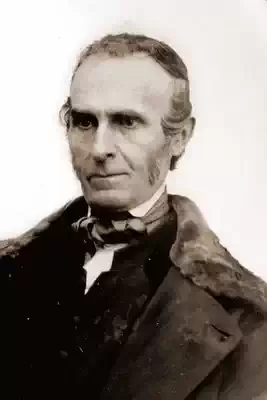
John Greenleaf Whittier
Hymn For The House Of Worship At Georgetown, Erected In Memory Of A
Hymn For The House Of Worship At Georgetown, Erected In Memory Of A
Mother
Thou dwellest not, O Lord of all
In temples which thy children raise;
Our work to thine is mean and small,
And brief to thy eternal days.
Forgive the weakness and the pride,
If marred thereby our gift may be,
For love, at least, has sanctified
The altar that we rear to thee.
The heart and not the hand has wrought
From sunken base to tower above
The image of a tender thought,
The memory of a deathless love!
And though should never sound of speech
Or organ echo from its wall,
Its stones would pious lessons teach,
Its shade in benedictions fall.
Here should the dove of peace be found,
And blessings and not curses given;
Nor strife profane, nor hatred wound,
The mingled loves of earth and heaven.
Thou, who didst soothe with dying breath
The dear one watching by Thy cross,
Forgetful of the pains of death
In sorrow for her mighty loss,
In memory of that tender claim,
O Mother-born, the offering take,
And make it worthy of Thy name,
And bless it for a mother's sake!
Mother
Thou dwellest not, O Lord of all
In temples which thy children raise;
Our work to thine is mean and small,
And brief to thy eternal days.
Forgive the weakness and the pride,
If marred thereby our gift may be,
For love, at least, has sanctified
The altar that we rear to thee.
The heart and not the hand has wrought
From sunken base to tower above
The image of a tender thought,
The memory of a deathless love!
And though should never sound of speech
Or organ echo from its wall,
Its stones would pious lessons teach,
Its shade in benedictions fall.
Here should the dove of peace be found,
And blessings and not curses given;
Nor strife profane, nor hatred wound,
The mingled loves of earth and heaven.
Thou, who didst soothe with dying breath
The dear one watching by Thy cross,
Forgetful of the pains of death
In sorrow for her mighty loss,
In memory of that tender claim,
O Mother-born, the offering take,
And make it worthy of Thy name,
And bless it for a mother's sake!
201
John Greenleaf Whittier
Haverhill
Haverhill
1640-1890.
O river winding to the sea!
We call the old time back to thee;
From forest paths and water-ways
The century-woven veil we raise.
The voices of to-day are dumb,
Unheard its sounds that go and come;
We listen, through long-lapsing years,
To footsteps of the pioneers.
Gone steepled town and cultured plain,
The wilderness returns again,
The drear, untrodden solitude,
The gloom and mystery of the wood!
Once more the bear and panther prowl,
The wolf repeats his hungry howl,
And, peering through his leafy screen,
The Indian's copper face is seen.
We see, their rude-built huts beside,
Grave men and women anxious-eyed,
And wistful youth remembering still
Dear homes in England's Haverhill.
We summon forth to mortal view
Dark Passaquo and Saggahew,-Wild
chiefs, who owned the mighty sway
Of wizard Passaconaway.
Weird memories of the border town,
By old tradition handed down,
In chance and change before us pass
Like pictures in a magic glass,-
The terrors of the midnight raid,
The-death-concealing ambuscade,
The winter march, through deserts wild,
Of captive mother, wife, and child.
Ah! bleeding hands alone subdued
And tamed the savage habitude
Of forests hiding beasts of prey,
And human shapes as fierce as they.
Slow from the plough the woods withdrew,
Slowly each year the corn-lands grew;
Nor fire, nor frost, nor foe could kill
The Saxon energy of will.
And never in the hamlet's bound
Was lack of sturdy manhood found,
And never failed the kindred good
Of brave and helpful womanhood.
That hamlet now a city is,
Its log-built huts are palaces;
The wood-path of the settler's cow
Is Traffic's crowded highway now.
And far and wide it stretches still,
Along its southward sloping hill,
And overlooks on either hand
A rich and many-watered land.
And, gladdening all the landscape, fair
As Pison was to Eden's pair,
Our river to its valley brings
The blessing of its mountain springs.
And Nature holds with narrowing space,
From mart and crowd, her old-time grace,
And guards with fondly jealous arms
The wild growths of outlying farms.
Her sunsets on Kenoza fall,
Her autumn leaves by Saltonstall;
No lavished gold can richer make
Her opulence of hill and lake.
Wise was the choice which led out sires
To kindle here their household fires,
And share the large content of all
Whose lines in pleasant places fall.
More dear, as years on years advance,
We prize the old inheritance,
And feel, as far and wide we roam,
That all we seek we leave at home.
Our palms are pines, our oranges
Are apples on our orchard trees;
Our thrushes are our nightingales,
Our larks the blackbirds of our vales.
No incense which the Orient burns
Is sweeter than our hillside ferns;
What tropic splendor can outvie
Our autumn woods, our sunset sky?
If, where the slow years came and went,
And left not affluence, but content,
Now flashes in our dazzled eyes
The electric light of enterprise;
And if the old idyllic ease
Seems lost in keen activities,
And crowded workshops now replace
The hearth's and farm-field's rustic grace;
No dull, mechanic round of toil
Life's morning charm can quite despoil;
And youth and beauty, hand in hand,
Will always find enchanted land.
No task is ill where hand and brain
And skill and strength have equal gain,
And each shall each in honor hold,
And simple manhood outweigh gold.
Earth shall be near to Heaven when all
That severs man from man shall fall,
For, here or there, salvation's plan
Alone is love of God and man.
O dwellers by the Merrimac,
The heirs of centuries at your back,
Still reaping where you have not sown,
A broader field is now your own.
Hold fast your Puritan heritage,
But let the free thought of the age
Its light and hope and sweetness add
To the stern faith the fathers had.
Adrift on Time's returnless tide,
As waves that follow waves, we glide.
God grant we leave upon the shore
Some waif of good it lacked before;
Some seed, or flower, or plant of worth,
Some added beauty to the earth;
Some larger hope, some thought to make
The sad world happier for its sake.
As tenants of uncertain stay,
So may we live our little day
That only grateful hearts shall fill
The homes we leave in Haverhill.
The singer of a farewell rhyme,
Upon whose outmost verge of time
The shades of night are falling down,
I pray, God bless the good old town!
1640-1890.
O river winding to the sea!
We call the old time back to thee;
From forest paths and water-ways
The century-woven veil we raise.
The voices of to-day are dumb,
Unheard its sounds that go and come;
We listen, through long-lapsing years,
To footsteps of the pioneers.
Gone steepled town and cultured plain,
The wilderness returns again,
The drear, untrodden solitude,
The gloom and mystery of the wood!
Once more the bear and panther prowl,
The wolf repeats his hungry howl,
And, peering through his leafy screen,
The Indian's copper face is seen.
We see, their rude-built huts beside,
Grave men and women anxious-eyed,
And wistful youth remembering still
Dear homes in England's Haverhill.
We summon forth to mortal view
Dark Passaquo and Saggahew,-Wild
chiefs, who owned the mighty sway
Of wizard Passaconaway.
Weird memories of the border town,
By old tradition handed down,
In chance and change before us pass
Like pictures in a magic glass,-
The terrors of the midnight raid,
The-death-concealing ambuscade,
The winter march, through deserts wild,
Of captive mother, wife, and child.
Ah! bleeding hands alone subdued
And tamed the savage habitude
Of forests hiding beasts of prey,
And human shapes as fierce as they.
Slow from the plough the woods withdrew,
Slowly each year the corn-lands grew;
Nor fire, nor frost, nor foe could kill
The Saxon energy of will.
And never in the hamlet's bound
Was lack of sturdy manhood found,
And never failed the kindred good
Of brave and helpful womanhood.
That hamlet now a city is,
Its log-built huts are palaces;
The wood-path of the settler's cow
Is Traffic's crowded highway now.
And far and wide it stretches still,
Along its southward sloping hill,
And overlooks on either hand
A rich and many-watered land.
And, gladdening all the landscape, fair
As Pison was to Eden's pair,
Our river to its valley brings
The blessing of its mountain springs.
And Nature holds with narrowing space,
From mart and crowd, her old-time grace,
And guards with fondly jealous arms
The wild growths of outlying farms.
Her sunsets on Kenoza fall,
Her autumn leaves by Saltonstall;
No lavished gold can richer make
Her opulence of hill and lake.
Wise was the choice which led out sires
To kindle here their household fires,
And share the large content of all
Whose lines in pleasant places fall.
More dear, as years on years advance,
We prize the old inheritance,
And feel, as far and wide we roam,
That all we seek we leave at home.
Our palms are pines, our oranges
Are apples on our orchard trees;
Our thrushes are our nightingales,
Our larks the blackbirds of our vales.
No incense which the Orient burns
Is sweeter than our hillside ferns;
What tropic splendor can outvie
Our autumn woods, our sunset sky?
If, where the slow years came and went,
And left not affluence, but content,
Now flashes in our dazzled eyes
The electric light of enterprise;
And if the old idyllic ease
Seems lost in keen activities,
And crowded workshops now replace
The hearth's and farm-field's rustic grace;
No dull, mechanic round of toil
Life's morning charm can quite despoil;
And youth and beauty, hand in hand,
Will always find enchanted land.
No task is ill where hand and brain
And skill and strength have equal gain,
And each shall each in honor hold,
And simple manhood outweigh gold.
Earth shall be near to Heaven when all
That severs man from man shall fall,
For, here or there, salvation's plan
Alone is love of God and man.
O dwellers by the Merrimac,
The heirs of centuries at your back,
Still reaping where you have not sown,
A broader field is now your own.
Hold fast your Puritan heritage,
But let the free thought of the age
Its light and hope and sweetness add
To the stern faith the fathers had.
Adrift on Time's returnless tide,
As waves that follow waves, we glide.
God grant we leave upon the shore
Some waif of good it lacked before;
Some seed, or flower, or plant of worth,
Some added beauty to the earth;
Some larger hope, some thought to make
The sad world happier for its sake.
As tenants of uncertain stay,
So may we live our little day
That only grateful hearts shall fill
The homes we leave in Haverhill.
The singer of a farewell rhyme,
Upon whose outmost verge of time
The shades of night are falling down,
I pray, God bless the good old town!
264
John Greenleaf Whittier
Chalkey Hall
Chalkey Hall
How bland and sweet the greeting of this breeze
To him who flies
From crowded street and red wall's weary gleam,
Till far behind him like a hideous dream
The close dark city lies
Here, while the market murmurs, while men throng
The marble floor
Of Mammon's altar, from the crush and din
Of the world's madness let me gather in
My better thoughts once more.
Oh, once again revive, while on my ear
The cry of Gain
And low hoarse hum of Traffic die away,
Ye blessed memories of my early day
Like sere grass wet with rain!
Once more let God's green earth and sunset air
Old feelings waken;
Through weary years of toil and strife and ill,
Oh, let me feel that my good angel still
Hath not his trust forsaken.
And well do time and place befit my mood
Beneath the arms
Of this embracing wood, a good man made
His home, like Abraham resting in the shade
Of Mamre's lonely palms.
Here, rich with autumn gifts of countless years,
The virgin soil
Turned from the share he guided, and in rain
And summer sunshine throve the fruits and grain
Which blessed his honest toil.
Here, from his voyages on the stormy seas,
Weary and worn,
He came to meet his children and to bless
The Giver of all good in thankfulness
And praise for his return.
And here his neighbors gathered in to greet
Their friend again,
Safe from the wave and the destroying gales,
Which reap untimely green Bermuda's vales,
And vex the Carib main.
To hear the good man tell of simple truth,
Sown in an hour
Of weakness in some far-off Indian isle,
From the parched bosom of a barren soil,
Raised up in life and power.
How at those gatherings in Barbadian vales,
A tendering love
Came o'er him, like the gentle rain from heaven,
And words of fitness to his lips were given,
And strength as from above.
How the sad captive listened to the Word,
Until his chain
Grew lighter, and his wounded spirit felt
The healing balm of consolation melt
Upon its life-long pain
How the armed warrior sat him down to hear
Of Peace and Truth,
And the proud ruler and his Creole dame,
Jewelled and gorgeous in her beauty came,
And fair and bright-eyed youth.
Oh, far away beneath New England's sky,
Even when a boy,
Following my plough by Merrimac's green shore,
His simple record I have pondered o'er
With deep and quiet joy.
And hence this scene, in sunset glory warm,-Its
woods around,
Its still stream winding on in light and shade,
Its soft, green meadows and its upland glade,-To
me is holy ground.
And dearer far than haunts where Genius keeps
His vigils still;
Than that where Avon's son of song is laid,
Or Vaucluse hallowed by its Petrarch's shade,
Or Virgil's laurelled hill.
To the gray walls of fallen Paraclete,
To Juliet's urn,
Fair Arno and Sorrento's orange-grove,
Where Tasso sang, let young Romance and Love
Like brother pilgrims turn.
But here a deeper and serener charm
To all is given;
And blessed memories of the faithful dead
O'er wood and vale and meadow-stream have shed
The holy hues of Heaven!
How bland and sweet the greeting of this breeze
To him who flies
From crowded street and red wall's weary gleam,
Till far behind him like a hideous dream
The close dark city lies
Here, while the market murmurs, while men throng
The marble floor
Of Mammon's altar, from the crush and din
Of the world's madness let me gather in
My better thoughts once more.
Oh, once again revive, while on my ear
The cry of Gain
And low hoarse hum of Traffic die away,
Ye blessed memories of my early day
Like sere grass wet with rain!
Once more let God's green earth and sunset air
Old feelings waken;
Through weary years of toil and strife and ill,
Oh, let me feel that my good angel still
Hath not his trust forsaken.
And well do time and place befit my mood
Beneath the arms
Of this embracing wood, a good man made
His home, like Abraham resting in the shade
Of Mamre's lonely palms.
Here, rich with autumn gifts of countless years,
The virgin soil
Turned from the share he guided, and in rain
And summer sunshine throve the fruits and grain
Which blessed his honest toil.
Here, from his voyages on the stormy seas,
Weary and worn,
He came to meet his children and to bless
The Giver of all good in thankfulness
And praise for his return.
And here his neighbors gathered in to greet
Their friend again,
Safe from the wave and the destroying gales,
Which reap untimely green Bermuda's vales,
And vex the Carib main.
To hear the good man tell of simple truth,
Sown in an hour
Of weakness in some far-off Indian isle,
From the parched bosom of a barren soil,
Raised up in life and power.
How at those gatherings in Barbadian vales,
A tendering love
Came o'er him, like the gentle rain from heaven,
And words of fitness to his lips were given,
And strength as from above.
How the sad captive listened to the Word,
Until his chain
Grew lighter, and his wounded spirit felt
The healing balm of consolation melt
Upon its life-long pain
How the armed warrior sat him down to hear
Of Peace and Truth,
And the proud ruler and his Creole dame,
Jewelled and gorgeous in her beauty came,
And fair and bright-eyed youth.
Oh, far away beneath New England's sky,
Even when a boy,
Following my plough by Merrimac's green shore,
His simple record I have pondered o'er
With deep and quiet joy.
And hence this scene, in sunset glory warm,-Its
woods around,
Its still stream winding on in light and shade,
Its soft, green meadows and its upland glade,-To
me is holy ground.
And dearer far than haunts where Genius keeps
His vigils still;
Than that where Avon's son of song is laid,
Or Vaucluse hallowed by its Petrarch's shade,
Or Virgil's laurelled hill.
To the gray walls of fallen Paraclete,
To Juliet's urn,
Fair Arno and Sorrento's orange-grove,
Where Tasso sang, let young Romance and Love
Like brother pilgrims turn.
But here a deeper and serener charm
To all is given;
And blessed memories of the faithful dead
O'er wood and vale and meadow-stream have shed
The holy hues of Heaven!
310
John Greenleaf Whittier
Among the Hills
Among the Hills
PRELUDE
ALONG the roadside, like the flowers of gold
That tawny Incas for their gardens wrought,
Heavy with sunshine droops the golden-rod,
And the red pennons of the cardinal-flowers
Hang motionless upon their upright staves.
The sky is hot and hazy, and the wind,
Vying-weary with its long flight from the south,
Unfelt; yet, closely scanned, yon maple leaf
With faintest motion, as one stirs in dreams,
Confesses it. The locust by the wall
Stabs the noon-silence with his sharp alarm.
A single hay-cart down the dusty road
Creaks slowly, with its driver fast asleep
On the load’s top. Against the neighboring hill,
Huddled along the stone wall’s shady side,
The sheep show white, as if a snowdrift still
Defied the dog-star. Through the open door
A drowsy smell of flowers-gray heliotrope,
And white sweet clover, and shy mignonette—
Comes faintly in, and silent chorus lends
To the pervading symphony of peace.
No time is this for hands long over-worn
To task their strength; and (unto Him be praise
Who giveth quietness!) the stress and strain
Of years that did the work of centuries
Have ceased, and we can draw our breath once more
Freely and full. So, as yon harvesters
Make glad their nooning underneath the elms
With tale and riddle and old snatch of song,
I lay aside grave themes, and idly turn
The leaves of memory’s sketch-book, dreaming o’er
Old summer pictures of the quiet hills,
And human life, as quiet, at their feet.
And yet not idly all. A farmer’s son,
Proud of field-lore and harvest craft, and feeling
All their fine possibilities, how rich
And restful even poverty and toil
Become when beauty, harmony, and love
Sit at their humble hearth as angels sat
At evening in the patriarch’s tent, when man
Makes labor noble, and his farmer’s frock
The symbol of a Christian chivalry
Tender and just and generous to her
Who clothes with grace all duty; still, I know
Too well the picture has another side,—
How wearily the grind of toil goes on
Where love is wanting, how the eye and ear
And heart are starved amidst the plenitude
Of nature, and how hard and colorless
Is life without an atmosphere. I look
Across the lapse of half a century,
And call to mind old homesteads, where no flower
Told that the spring had come, but evil weeds,
Nightshade and rough-leaved burdock in the place
Of the sweet doorway greeting of the rose
And honeysuckle, where the house walls seemed
Blistering in sun, without a tree or vine
To cast the tremulous shadow of its leaves
Across the curtainless windows, from whose panes
Fluttered the signal rags of shiftlessness.
Within, the cluttered kitchen-floor, unwashed
(Broom-clean I think they called it); the best room
Stifling with cellar damp, shut from the air
In hot midsummer, bookless, pictureless,
Save the inevitable sampler hung
Over the fireplace, or a mourning piece,
A green-haired woman, peony-cheeked, beneath
Impossible willows; the wide-throated hearth
Bristling with faded pine-boughs half concealing
The piled-up rubbish at the chimney’s back;
And, in sad keeping with all things about them,
Shrill, querulous-women, sour and sullen men,
Untidy, loveless, old before their time,
With scarce a human interest save their own
Monotonous round of small economies,
Or the poor scandal of the neighborhood;
Blind to the beauty everywhere revealed,
Treading the May-flowers with regardless feet;
For them the song-sparrow and the bobolink
Sang not, nor winds made music in the leaves;
For them in vain October’s holocaust
Burned, gold and crimson, over all the hills,
The sacramental mystery of the woods.
Church-goers, fearful of the unseen Powers,
But grumbling over pulpit-tax and pew-rent,
Saving, as shrewd economists, their souls
And winter pork with the least possible outlay
Of salt and sanctity; in daily life
Showing as little actual comprehension
Of Christian charity and love and duty,
As if the Sermon on the Mount had been
Outdated like a last year’s almanac
Rich in broad woodlands and in half-tilled fields,
And yet so pinched and bare and comfortless,
The veriest straggler limping on his rounds,
The sun and air his sole inheritance,
Laughed at a poverty that paid its taxes,
And hugged his rags in self-complacency!
Not such should be the homesteads of a land
Where whoso wisely wills and acts may dwell
As king and lawgiver, in broad-acred state,
With beauty, art, taste, culture, books, to make
His hour of leisure richer than a life
Of fourscore to the barons of old time,
Our yeoman should be equal to his home
Set in the fair, green valleys, purple walled,
A man to match his mountains, not to creep
Dwarfed and abased below them. I would fain
In this light way (of which I needs must own
With the knife-grinder of whom Canning sings,
“Story, God bless you! I have none to tell you!”)
Invite the eye to see and heart to feel
The beauty and the joy within their reach,—
Home, and home loves, and the beatitudes
Of nature free to all. Haply in years
That wait to take the places of our own,
Heard where some breezy balcony looks down
On happy homes, or where the lake in the moon
Sleeps dreaming of the mountains, fair as Ruth,
In the old Hebrew pastoral, at the feet
Of Boaz, even this simple lay of mine
May seem the burden of a prophecy,
Finding its late fulfilment in a change
Slow as the oak’s growth, lifting manhood up
Through broader culture, finer manners, love,
And reverence, to the level of the hills.
O Golden Age, whose light is of the dawn,
And not of sunset, forward, not behind,
Flood the new heavens and earth, and with thee bring
All the old virtues, whatsoever things
Are pure and honest and of good repute,
But add thereto whatever bard has sung
Or seer has told of when in trance and dream
They saw the Happy Isles of prophecy
Let Justice hold her scale, and Truth divide
Between the right and wrong; but give the heart
The freedom of its fair inheritance;
Let the poor prisoner, cramped and starved so long,
At Nature’s table feast his ear and eye
With joy and wonder; let all harmonies
Of sound, form, color, motion, wait upon
The princely guest, whether in soft attire
Of leisure clad, or the coarse frock of toil,
And, lending life to the dead form of faith,
Give human nature reverence for the sake
Of One who bore it, making it divine
With the ineffable tenderness of God;
Let common need, the brotherhood of prayer,
The heirship of an unknown destiny,
The unsolved mystery round about us, make
A man more precious than the gold of Ophir.
Sacred, inviolate, unto whom all things
Should minister, as outward types and signs
Of the eternal beauty which fulfils
The one great purpose of creation, Love,
The sole necessity of Earth and Heaven!
. . . . .
For weeks the clouds had raked the hills
And vexed the vales with raining,
And all the woods were sad with mist,
And all the brooks complaining.
At last, a sudden night-storm tore
The mountain veils asunder,
And swept the valleys clean before
The bosom of the thunder.
Through Sandwich notch the west-wind sang
Good morrow to the cotter;
And once again Chocorua’s horn
Of shadow pierced the water.
Above his broad lake Ossipee,
Once more the sunshine wearing,
Stooped, tracing on that silver shield
His grim armorial bearing.
Clear drawn against the hard blue sky,
The peaks had winter’s keenness;
And, close on autumn’s frost, the vales
Had more than June’s fresh greenness.
Again the sodden forest floors
With golden lights were checkered,
Once more rejoicing leaves in wind
And sunshine danced and flickered.
It was as if the summer’s late
Atoning for it’s sadness
Had borrowed every season’s charm
To end its days in gladness.
I call to mind those banded vales
Of shadow and of shining,
Through which, my hostess at my side,
I drove in day’s declining.
We held our sideling way above
The river’s whitening shallows,
By homesteads old, with wide-flung barns
Swept through and through by swallows,—
By maple orchards, belts of pine
And larches climbing darkly
The mountain slopes, and, over all,
The great peaks rising starkly.
You should have seen that long hill-range
With gaps of brightness riven,—
How through each pass and hollow streamed
The purpling lights of heaven,—
Rivers of gold-mist flowing down
From far celestial fountains,—
The great sun flaming through the rifts
Beyond the wall of mountains.
We paused at last where home-bound cows
Brought down the pasture’s treasure,
And in the barn the rhythmic flails
Beat out a harvest measure.
We heard the night-hawk’s sullen plunge,
The crow his tree-mates calling:
The shadows lengthening down the slopes
About our feet were falling.
And through them smote the level sun
In broken lines of splendor,
Touched the gray rocks and made the green
Of the shorn grass more tender.
The maples bending o’er the gate,
Their arch of leaves just tinted
With yellow warmth, the golden glow
Of coming autumn hinted.
Keen white between the farm-house showed,
And smiled on porch and trellis,
The fair democracy of flowers
That equals cot and palace.
And weaving garlands for her dog,
’Twixt chidings and caresses,
A human flower of childhood shook
The sunshine from her tresses.
On either hand we saw the signs
Of fancy and of shrewdness,
Where taste had wound its arms of vines
Round thrift’s uncomely rudeness.
The sun-brown farmer in his frock
Shook hands, and called to Mary
Bare-armed, as Juno might, she came,
White-aproned from her dairy.
Her air, her smile, her motions, told
Of womanly completeness;
A music as of household songs
Was in her voice of sweetness.
Not fair alone in curve and line,
But something more and better,
The secret charm eluding art,
Its spirit, not its letter;—
An inborn grace that nothing lacked
Of culture or appliance,
The warmth of genial courtesy,
The calm of self-reliance.
Before her queenly womanhood
How dared our hostess utter
The paltry errand of her need
To buy her fresh-churned butter?
She led the way with housewife pride,
Her goodly store disclosing,
Full tenderly the golden balls
With practised hands disposing.
Then, while along the western hills
We watched the changeful glory
Of sunset, on our homeward way,
I heard her simple story.
The early crickets sang; the stream
Plashed through my friend’s narration:
Her rustic patois of the hills
Lost in my free-translation.
“More wise,” she said, “than those who swarm
Our hills in middle summer,
She came, when June’s first roses blow,
To greet the early comer.
“From school and ball and rout she came,
The city’s fair, pale daughter,
To drink the wine of mountain air
Beside the Bearcamp Water.
“Her step grew firmer on the hills
That watch our homesteads over;
On cheek and lip, from summer fields,
She caught the bloom of clover.
“For health comes sparkling in the streams
From cool Chocorua stealing:
There’s iron in our Northern winds;
Our pines are trees of healing.
“She sat beneath the broad-armed elms
That skirt the mowing-meadow,
And watched the gentle west-wind weave
The grass with shine and shadow.
“Beside her, from the summer heat
To share her grateful screening,
With forehead bared, the farmer stood,
Upon his pitchfork leaning.
“Framed in its damp, dark locks, his face
Had nothing mean or common,—
Strong, manly, true, the tenderness
And pride beloved of woman.
“She looked up, glowing with the health
The country air had brought her,
And, laughing, said: ‘You lack a wife,
Your mother lacks a daughter.
“‘To mend your frock and bake your bread
You do not need a lady:
Be sure among these brown old homes
Is some one waiting ready,—
“‘Some fair, sweet girl with skilful hand
And cheerful heart for treasure,
Who never played with ivory keys,
Or danced the polka’s measure.’
“He bent his black brows to a frown,
He set his white teeth tightly.
‘’T is well,’ he said, ‘for one like you
To choose for me so lightly.
“You think, because my life is rude
I take no note of sweetness:
I tell you love has naught to do
With meetness or unmeetness.
“‘Itself its best excuse, it asks
No leave of pride or fashion
When silken zone or homespun frock
It stirs with throbs of passion.
“‘You think me deaf and blind: you bring
Your winning graces hither
As free as if from cradle-time
We two had played together.
“‘You tempt me with your laughing eyes,
Your cheek of sundown’s blushes,
A motion as of waving grain,
A music as of thrushes.
“‘The plaything of your summer sport,
The spells you weave around me
You cannot at your will undo,
Nor leave me as you found me.
“‘You go as lightly as you came,
Your life is well without me;
What care you that these hills will close
Like prison-walls about me?
“‘No mood is mine to seek a wife,
Or daughter for my mother
Who loves you loses in that love
All power to love another!
“‘I dare your pity or your scorn,
With pride your own exceeding;
I fling my heart into your lap
Without a word of pleading.’
“She looked up in his face of pain
So archly, yet so tender
‘And if I lend you mine,’ she said,
‘Will you forgive the lender?
“‘Nor frock nor tan can hide the man;
And see you not, my farmer,
How weak and fond a woman waits
Behind this silken armor?
“‘I love you: on that love alone,
And not my worth, presuming,
Will you not trust for summer fruit
The tree in May-day blooming?’
“Alone the hangbird overhead,
His hair-swung cradle straining,
Looked down to see love’s miracle,—
The giving that is gaining.
“And so the farmer found a wife,
His mother found a daughter
There looks no happier home than hers
On pleasant Bearcamp Water.
“Flowers spring to blossom where she walks
The careful ways of duty;
Our hard, stiff lines of life with her
Are flowing curves of beauty.
“Our homes are cheerier for her sake,
Our door-yards brighter blooming,
And all about the social air
Is sweeter for her coming.
“Unspoken homilies of peace
Her daily life is preaching;
The still refreshment of the dew
Is her unconscious teaching.
“And never tenderer hand than hers
Unknits the brow of ailing;
Her garments to the sick man’s ear
Have music in their trailing.
“And when, in pleasant harvest moons,
The youthful huskers gather,
Or sleigh-drives on the mountain ways
Defy the winter weather,—
“In sugar-camps, when south and warm
The winds of March are blowing,
And sweetly from its thawing veins
The maple’s blood is flowing,—
“In summer, where some lilied pond
Its virgin zone is baring,
Or where the ruddy autumn fire
Lights up the apple-paring,—
“The coarseness of a ruder time
Her finer mirth displaces,
A subtler sense of pleasure fills
Each rustic sport she graces.
“Her presence lends its warmth and health
To all who come before it.
If woman lost us Eden, such
As she alone restore it.
“For larger life and wiser aims
The farmer is her debtor;
Who holds to his another’s heart
Must needs be worse or better.
“Through her his civic service shows
A purer-toned ambition;
No double consciousness divides
The man and politician.
“In party’s doubtful ways he trusts
Her instincts to determine;
At the loud polls, the thought of her
Recalls Christ’s Mountain Sermon.
“He owns her logic of the heart,
And wisdom of unreason,
Supplying, while he doubts and weighs,
The needed word in season.
“He sees with pride her richer thought,
Her fancy’s freer ranges;
And love thus deepened to respect
Is proof against all changes.
“And if she walks at ease in ways
His feet are slow to travel,
And if she reads with cultured eyes
What his may scarce unravel,
“Still clearer, for her keener sight
Of beauty and of wonder,
He learns the meaning of the hills
He dwelt from childhood under.
“And higher, warmed with summer lights,
Or winter-crowned and hoary,
The ridged horizon lifts for him
Its inner veils of glory.
“He has his own free, bookless lore,
The lessons nature taught him,
The wisdom which the woods and hills
And toiling men have brought him:
“The steady force of will whereby
Her flexile grace seems sweeter;
The sturdy counterpoise which makes
Her woman’s life completer.
“A latent fire of soul which lacks
No breath of love to fan it;
And wit, that, like his native brooks,
Plays over solid granite.
“How dwarfed against his manliness
She sees the poor pretension,
The wants, the aims, the follies, born
Of fashion and convention.
“How life behind its accidents
Stands strong and self-sustaining,
The human fact transcending all
The losing and the gaining.
“And so in grateful interchange
Of teacher and of hearer,
Their lives their true distinctness keep
While daily drawing nearer.
“And if the husband or the wife
In home’s strong light discovers
Such slight defaults as failed to meet
The blinded eyes of lovers,
“Why need we care to ask?—who dreams
Without their thorns of roses,
Or wonders that the truest steel
The readiest spark discloses?
“For still in mutual sufferance lies
The secret of true living;
Love scarce is love that never knows
The sweetness of forgiving.
“We send the Squire to General Court,
He takes his young wife thither;
No prouder man election day
Rides through the sweet June weather.
“He sees with eyes of manly trust
All hearts to her inclining;
Not less for him his household light
That others share its shining.”
Thus, while my hostess spake, there grew
Before me, warmer tinted
And outlined with a tenderer grace,
The picture that she hinted.
The sunset smouldered as we drove
Beneath the deep hill-shadows.
Below us wreaths of white fog walked
Like ghosts the haunted meadows.
Sounding the summer night, the stars
Dropped down their golden plummets;
The pale arc of the Northern lights
Rose o’er the mountain summits,—
Until, at last, beneath its bridge,
We heard the Bearcamp flowing,
And saw across the mapled lawn
The welcome home lights glowing;—
And, musing on the tale I heard,
’T were well, thought I, if often
To rugged farm-life came the gift
To harmonize and soften;—
If more and more we found the troth
Of fact and fancy plighted,
And culture’s charm and labor’s strength
In rural homes united,—
The simple life, the homely hearth,
With beauty’s sphere surrounding,
And blessing toil where toil abounds
With graces more abounding.
PRELUDE
ALONG the roadside, like the flowers of gold
That tawny Incas for their gardens wrought,
Heavy with sunshine droops the golden-rod,
And the red pennons of the cardinal-flowers
Hang motionless upon their upright staves.
The sky is hot and hazy, and the wind,
Vying-weary with its long flight from the south,
Unfelt; yet, closely scanned, yon maple leaf
With faintest motion, as one stirs in dreams,
Confesses it. The locust by the wall
Stabs the noon-silence with his sharp alarm.
A single hay-cart down the dusty road
Creaks slowly, with its driver fast asleep
On the load’s top. Against the neighboring hill,
Huddled along the stone wall’s shady side,
The sheep show white, as if a snowdrift still
Defied the dog-star. Through the open door
A drowsy smell of flowers-gray heliotrope,
And white sweet clover, and shy mignonette—
Comes faintly in, and silent chorus lends
To the pervading symphony of peace.
No time is this for hands long over-worn
To task their strength; and (unto Him be praise
Who giveth quietness!) the stress and strain
Of years that did the work of centuries
Have ceased, and we can draw our breath once more
Freely and full. So, as yon harvesters
Make glad their nooning underneath the elms
With tale and riddle and old snatch of song,
I lay aside grave themes, and idly turn
The leaves of memory’s sketch-book, dreaming o’er
Old summer pictures of the quiet hills,
And human life, as quiet, at their feet.
And yet not idly all. A farmer’s son,
Proud of field-lore and harvest craft, and feeling
All their fine possibilities, how rich
And restful even poverty and toil
Become when beauty, harmony, and love
Sit at their humble hearth as angels sat
At evening in the patriarch’s tent, when man
Makes labor noble, and his farmer’s frock
The symbol of a Christian chivalry
Tender and just and generous to her
Who clothes with grace all duty; still, I know
Too well the picture has another side,—
How wearily the grind of toil goes on
Where love is wanting, how the eye and ear
And heart are starved amidst the plenitude
Of nature, and how hard and colorless
Is life without an atmosphere. I look
Across the lapse of half a century,
And call to mind old homesteads, where no flower
Told that the spring had come, but evil weeds,
Nightshade and rough-leaved burdock in the place
Of the sweet doorway greeting of the rose
And honeysuckle, where the house walls seemed
Blistering in sun, without a tree or vine
To cast the tremulous shadow of its leaves
Across the curtainless windows, from whose panes
Fluttered the signal rags of shiftlessness.
Within, the cluttered kitchen-floor, unwashed
(Broom-clean I think they called it); the best room
Stifling with cellar damp, shut from the air
In hot midsummer, bookless, pictureless,
Save the inevitable sampler hung
Over the fireplace, or a mourning piece,
A green-haired woman, peony-cheeked, beneath
Impossible willows; the wide-throated hearth
Bristling with faded pine-boughs half concealing
The piled-up rubbish at the chimney’s back;
And, in sad keeping with all things about them,
Shrill, querulous-women, sour and sullen men,
Untidy, loveless, old before their time,
With scarce a human interest save their own
Monotonous round of small economies,
Or the poor scandal of the neighborhood;
Blind to the beauty everywhere revealed,
Treading the May-flowers with regardless feet;
For them the song-sparrow and the bobolink
Sang not, nor winds made music in the leaves;
For them in vain October’s holocaust
Burned, gold and crimson, over all the hills,
The sacramental mystery of the woods.
Church-goers, fearful of the unseen Powers,
But grumbling over pulpit-tax and pew-rent,
Saving, as shrewd economists, their souls
And winter pork with the least possible outlay
Of salt and sanctity; in daily life
Showing as little actual comprehension
Of Christian charity and love and duty,
As if the Sermon on the Mount had been
Outdated like a last year’s almanac
Rich in broad woodlands and in half-tilled fields,
And yet so pinched and bare and comfortless,
The veriest straggler limping on his rounds,
The sun and air his sole inheritance,
Laughed at a poverty that paid its taxes,
And hugged his rags in self-complacency!
Not such should be the homesteads of a land
Where whoso wisely wills and acts may dwell
As king and lawgiver, in broad-acred state,
With beauty, art, taste, culture, books, to make
His hour of leisure richer than a life
Of fourscore to the barons of old time,
Our yeoman should be equal to his home
Set in the fair, green valleys, purple walled,
A man to match his mountains, not to creep
Dwarfed and abased below them. I would fain
In this light way (of which I needs must own
With the knife-grinder of whom Canning sings,
“Story, God bless you! I have none to tell you!”)
Invite the eye to see and heart to feel
The beauty and the joy within their reach,—
Home, and home loves, and the beatitudes
Of nature free to all. Haply in years
That wait to take the places of our own,
Heard where some breezy balcony looks down
On happy homes, or where the lake in the moon
Sleeps dreaming of the mountains, fair as Ruth,
In the old Hebrew pastoral, at the feet
Of Boaz, even this simple lay of mine
May seem the burden of a prophecy,
Finding its late fulfilment in a change
Slow as the oak’s growth, lifting manhood up
Through broader culture, finer manners, love,
And reverence, to the level of the hills.
O Golden Age, whose light is of the dawn,
And not of sunset, forward, not behind,
Flood the new heavens and earth, and with thee bring
All the old virtues, whatsoever things
Are pure and honest and of good repute,
But add thereto whatever bard has sung
Or seer has told of when in trance and dream
They saw the Happy Isles of prophecy
Let Justice hold her scale, and Truth divide
Between the right and wrong; but give the heart
The freedom of its fair inheritance;
Let the poor prisoner, cramped and starved so long,
At Nature’s table feast his ear and eye
With joy and wonder; let all harmonies
Of sound, form, color, motion, wait upon
The princely guest, whether in soft attire
Of leisure clad, or the coarse frock of toil,
And, lending life to the dead form of faith,
Give human nature reverence for the sake
Of One who bore it, making it divine
With the ineffable tenderness of God;
Let common need, the brotherhood of prayer,
The heirship of an unknown destiny,
The unsolved mystery round about us, make
A man more precious than the gold of Ophir.
Sacred, inviolate, unto whom all things
Should minister, as outward types and signs
Of the eternal beauty which fulfils
The one great purpose of creation, Love,
The sole necessity of Earth and Heaven!
. . . . .
For weeks the clouds had raked the hills
And vexed the vales with raining,
And all the woods were sad with mist,
And all the brooks complaining.
At last, a sudden night-storm tore
The mountain veils asunder,
And swept the valleys clean before
The bosom of the thunder.
Through Sandwich notch the west-wind sang
Good morrow to the cotter;
And once again Chocorua’s horn
Of shadow pierced the water.
Above his broad lake Ossipee,
Once more the sunshine wearing,
Stooped, tracing on that silver shield
His grim armorial bearing.
Clear drawn against the hard blue sky,
The peaks had winter’s keenness;
And, close on autumn’s frost, the vales
Had more than June’s fresh greenness.
Again the sodden forest floors
With golden lights were checkered,
Once more rejoicing leaves in wind
And sunshine danced and flickered.
It was as if the summer’s late
Atoning for it’s sadness
Had borrowed every season’s charm
To end its days in gladness.
I call to mind those banded vales
Of shadow and of shining,
Through which, my hostess at my side,
I drove in day’s declining.
We held our sideling way above
The river’s whitening shallows,
By homesteads old, with wide-flung barns
Swept through and through by swallows,—
By maple orchards, belts of pine
And larches climbing darkly
The mountain slopes, and, over all,
The great peaks rising starkly.
You should have seen that long hill-range
With gaps of brightness riven,—
How through each pass and hollow streamed
The purpling lights of heaven,—
Rivers of gold-mist flowing down
From far celestial fountains,—
The great sun flaming through the rifts
Beyond the wall of mountains.
We paused at last where home-bound cows
Brought down the pasture’s treasure,
And in the barn the rhythmic flails
Beat out a harvest measure.
We heard the night-hawk’s sullen plunge,
The crow his tree-mates calling:
The shadows lengthening down the slopes
About our feet were falling.
And through them smote the level sun
In broken lines of splendor,
Touched the gray rocks and made the green
Of the shorn grass more tender.
The maples bending o’er the gate,
Their arch of leaves just tinted
With yellow warmth, the golden glow
Of coming autumn hinted.
Keen white between the farm-house showed,
And smiled on porch and trellis,
The fair democracy of flowers
That equals cot and palace.
And weaving garlands for her dog,
’Twixt chidings and caresses,
A human flower of childhood shook
The sunshine from her tresses.
On either hand we saw the signs
Of fancy and of shrewdness,
Where taste had wound its arms of vines
Round thrift’s uncomely rudeness.
The sun-brown farmer in his frock
Shook hands, and called to Mary
Bare-armed, as Juno might, she came,
White-aproned from her dairy.
Her air, her smile, her motions, told
Of womanly completeness;
A music as of household songs
Was in her voice of sweetness.
Not fair alone in curve and line,
But something more and better,
The secret charm eluding art,
Its spirit, not its letter;—
An inborn grace that nothing lacked
Of culture or appliance,
The warmth of genial courtesy,
The calm of self-reliance.
Before her queenly womanhood
How dared our hostess utter
The paltry errand of her need
To buy her fresh-churned butter?
She led the way with housewife pride,
Her goodly store disclosing,
Full tenderly the golden balls
With practised hands disposing.
Then, while along the western hills
We watched the changeful glory
Of sunset, on our homeward way,
I heard her simple story.
The early crickets sang; the stream
Plashed through my friend’s narration:
Her rustic patois of the hills
Lost in my free-translation.
“More wise,” she said, “than those who swarm
Our hills in middle summer,
She came, when June’s first roses blow,
To greet the early comer.
“From school and ball and rout she came,
The city’s fair, pale daughter,
To drink the wine of mountain air
Beside the Bearcamp Water.
“Her step grew firmer on the hills
That watch our homesteads over;
On cheek and lip, from summer fields,
She caught the bloom of clover.
“For health comes sparkling in the streams
From cool Chocorua stealing:
There’s iron in our Northern winds;
Our pines are trees of healing.
“She sat beneath the broad-armed elms
That skirt the mowing-meadow,
And watched the gentle west-wind weave
The grass with shine and shadow.
“Beside her, from the summer heat
To share her grateful screening,
With forehead bared, the farmer stood,
Upon his pitchfork leaning.
“Framed in its damp, dark locks, his face
Had nothing mean or common,—
Strong, manly, true, the tenderness
And pride beloved of woman.
“She looked up, glowing with the health
The country air had brought her,
And, laughing, said: ‘You lack a wife,
Your mother lacks a daughter.
“‘To mend your frock and bake your bread
You do not need a lady:
Be sure among these brown old homes
Is some one waiting ready,—
“‘Some fair, sweet girl with skilful hand
And cheerful heart for treasure,
Who never played with ivory keys,
Or danced the polka’s measure.’
“He bent his black brows to a frown,
He set his white teeth tightly.
‘’T is well,’ he said, ‘for one like you
To choose for me so lightly.
“You think, because my life is rude
I take no note of sweetness:
I tell you love has naught to do
With meetness or unmeetness.
“‘Itself its best excuse, it asks
No leave of pride or fashion
When silken zone or homespun frock
It stirs with throbs of passion.
“‘You think me deaf and blind: you bring
Your winning graces hither
As free as if from cradle-time
We two had played together.
“‘You tempt me with your laughing eyes,
Your cheek of sundown’s blushes,
A motion as of waving grain,
A music as of thrushes.
“‘The plaything of your summer sport,
The spells you weave around me
You cannot at your will undo,
Nor leave me as you found me.
“‘You go as lightly as you came,
Your life is well without me;
What care you that these hills will close
Like prison-walls about me?
“‘No mood is mine to seek a wife,
Or daughter for my mother
Who loves you loses in that love
All power to love another!
“‘I dare your pity or your scorn,
With pride your own exceeding;
I fling my heart into your lap
Without a word of pleading.’
“She looked up in his face of pain
So archly, yet so tender
‘And if I lend you mine,’ she said,
‘Will you forgive the lender?
“‘Nor frock nor tan can hide the man;
And see you not, my farmer,
How weak and fond a woman waits
Behind this silken armor?
“‘I love you: on that love alone,
And not my worth, presuming,
Will you not trust for summer fruit
The tree in May-day blooming?’
“Alone the hangbird overhead,
His hair-swung cradle straining,
Looked down to see love’s miracle,—
The giving that is gaining.
“And so the farmer found a wife,
His mother found a daughter
There looks no happier home than hers
On pleasant Bearcamp Water.
“Flowers spring to blossom where she walks
The careful ways of duty;
Our hard, stiff lines of life with her
Are flowing curves of beauty.
“Our homes are cheerier for her sake,
Our door-yards brighter blooming,
And all about the social air
Is sweeter for her coming.
“Unspoken homilies of peace
Her daily life is preaching;
The still refreshment of the dew
Is her unconscious teaching.
“And never tenderer hand than hers
Unknits the brow of ailing;
Her garments to the sick man’s ear
Have music in their trailing.
“And when, in pleasant harvest moons,
The youthful huskers gather,
Or sleigh-drives on the mountain ways
Defy the winter weather,—
“In sugar-camps, when south and warm
The winds of March are blowing,
And sweetly from its thawing veins
The maple’s blood is flowing,—
“In summer, where some lilied pond
Its virgin zone is baring,
Or where the ruddy autumn fire
Lights up the apple-paring,—
“The coarseness of a ruder time
Her finer mirth displaces,
A subtler sense of pleasure fills
Each rustic sport she graces.
“Her presence lends its warmth and health
To all who come before it.
If woman lost us Eden, such
As she alone restore it.
“For larger life and wiser aims
The farmer is her debtor;
Who holds to his another’s heart
Must needs be worse or better.
“Through her his civic service shows
A purer-toned ambition;
No double consciousness divides
The man and politician.
“In party’s doubtful ways he trusts
Her instincts to determine;
At the loud polls, the thought of her
Recalls Christ’s Mountain Sermon.
“He owns her logic of the heart,
And wisdom of unreason,
Supplying, while he doubts and weighs,
The needed word in season.
“He sees with pride her richer thought,
Her fancy’s freer ranges;
And love thus deepened to respect
Is proof against all changes.
“And if she walks at ease in ways
His feet are slow to travel,
And if she reads with cultured eyes
What his may scarce unravel,
“Still clearer, for her keener sight
Of beauty and of wonder,
He learns the meaning of the hills
He dwelt from childhood under.
“And higher, warmed with summer lights,
Or winter-crowned and hoary,
The ridged horizon lifts for him
Its inner veils of glory.
“He has his own free, bookless lore,
The lessons nature taught him,
The wisdom which the woods and hills
And toiling men have brought him:
“The steady force of will whereby
Her flexile grace seems sweeter;
The sturdy counterpoise which makes
Her woman’s life completer.
“A latent fire of soul which lacks
No breath of love to fan it;
And wit, that, like his native brooks,
Plays over solid granite.
“How dwarfed against his manliness
She sees the poor pretension,
The wants, the aims, the follies, born
Of fashion and convention.
“How life behind its accidents
Stands strong and self-sustaining,
The human fact transcending all
The losing and the gaining.
“And so in grateful interchange
Of teacher and of hearer,
Their lives their true distinctness keep
While daily drawing nearer.
“And if the husband or the wife
In home’s strong light discovers
Such slight defaults as failed to meet
The blinded eyes of lovers,
“Why need we care to ask?—who dreams
Without their thorns of roses,
Or wonders that the truest steel
The readiest spark discloses?
“For still in mutual sufferance lies
The secret of true living;
Love scarce is love that never knows
The sweetness of forgiving.
“We send the Squire to General Court,
He takes his young wife thither;
No prouder man election day
Rides through the sweet June weather.
“He sees with eyes of manly trust
All hearts to her inclining;
Not less for him his household light
That others share its shining.”
Thus, while my hostess spake, there grew
Before me, warmer tinted
And outlined with a tenderer grace,
The picture that she hinted.
The sunset smouldered as we drove
Beneath the deep hill-shadows.
Below us wreaths of white fog walked
Like ghosts the haunted meadows.
Sounding the summer night, the stars
Dropped down their golden plummets;
The pale arc of the Northern lights
Rose o’er the mountain summits,—
Until, at last, beneath its bridge,
We heard the Bearcamp flowing,
And saw across the mapled lawn
The welcome home lights glowing;—
And, musing on the tale I heard,
’T were well, thought I, if often
To rugged farm-life came the gift
To harmonize and soften;—
If more and more we found the troth
Of fact and fancy plighted,
And culture’s charm and labor’s strength
In rural homes united,—
The simple life, the homely hearth,
With beauty’s sphere surrounding,
And blessing toil where toil abounds
With graces more abounding.
302
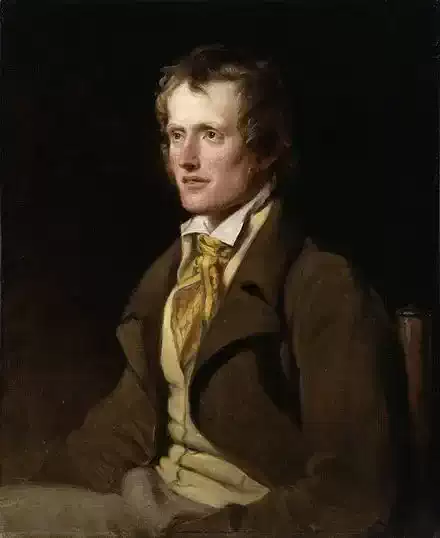
John Clare
The Wood-Cutter's Night Song
The Wood-Cutter's Night Song
Welcome, red and roundy sun,
Dropping lowly in the west;
Now my hard day's work is done,
I'm as happy as the best.
Joyful are the thoughts of home,
Now I'm ready for my chair,
So, till morrow-morning's come,
Bill and mittens, lie ye there!
Though to leave your pretty song,
Little birds, it gives me pain,
Yet to-morrow is not long,
Then I'm with you all again.
If I stop, and stand about,
Well I know how things will be,
Judy will be looking out
Every now-and-then for me.
So fare ye well! and hold your tongues,
Sing no more until I come;
They're not worthy of your songs
That never care to drop a crumb.
All day long I love the oaks,
But, at nights, yon little cot,
Where I see the chimney smokes,
Is by far the prettiest spot.
Wife and children all are there,
To revive with pleasant looks,
Table ready set, and chair,
Supper hanging on the hooks.
Soon as ever I get in,
When my faggot down I fling,
Little prattlers they begin
Teasing me to talk and sing.
Welcome, red and roundy sun,
Dropping lowly in the west;
Now my hard day's work is done,
I'm as happy as the best.
Joyful are the thoughts of home,
Now I'm ready for my chair,
So, till morrow-morning's come,
Bill and mittens, lie ye there!
Welcome, red and roundy sun,
Dropping lowly in the west;
Now my hard day's work is done,
I'm as happy as the best.
Joyful are the thoughts of home,
Now I'm ready for my chair,
So, till morrow-morning's come,
Bill and mittens, lie ye there!
Though to leave your pretty song,
Little birds, it gives me pain,
Yet to-morrow is not long,
Then I'm with you all again.
If I stop, and stand about,
Well I know how things will be,
Judy will be looking out
Every now-and-then for me.
So fare ye well! and hold your tongues,
Sing no more until I come;
They're not worthy of your songs
That never care to drop a crumb.
All day long I love the oaks,
But, at nights, yon little cot,
Where I see the chimney smokes,
Is by far the prettiest spot.
Wife and children all are there,
To revive with pleasant looks,
Table ready set, and chair,
Supper hanging on the hooks.
Soon as ever I get in,
When my faggot down I fling,
Little prattlers they begin
Teasing me to talk and sing.
Welcome, red and roundy sun,
Dropping lowly in the west;
Now my hard day's work is done,
I'm as happy as the best.
Joyful are the thoughts of home,
Now I'm ready for my chair,
So, till morrow-morning's come,
Bill and mittens, lie ye there!
872
John Clare
The Shepherd's Calendar - October
The Shepherd's Calendar - October
Nature now spreads around in dreary hue
A pall to cover all that summer knew
Yet in the poets solitary way
Some pleasing objects for his praise delay
Somthing that makes him pause and turn again
As every trifle will his eye detain
The free horse rustling through the stubble land
And bawling herd boy with his motly band
Of hogs and sheep and cows who feed their fill
Oer cleard fields rambling where so ere they will
The geese flock gabbling in the splashy fields
And quaking ducks in pondweeds half conseald
Or seeking worms along the homclose sward
Right glad of freedom from the prison yard
While every cart rut dribbles its low tide
And every hollow splashing sports provide
The hedger stopping gaps wi pointed bough
Made by intruding horse and blundering cow
The milk maid tripping on her morning way
And fodderers oft tho early cutting hay
Dropping the littering forkfulls from his back
Side where the thorn fence circles round the stack
The cotter journying wi his noisev swine
Along the wood side where the brambles twine
Shaking from dinted cups the acorns brown
And from the hedges red awes dashing down
And nutters rustling in the yellow woods
Scaring from their snug lairs the pheasant broods
And squirrels secret toils oer winter dreams
Picking the brown nuts from the yellow beams
And hunters from the thickets avenue
In scarlet jackets startling on the view
Skiming a moment oer the russet plain
Then hiding in the colord woods again
The ploping guns sharp momentary shock
Which eccho bustles from her cave to mock
The sticking groups in many a ragged set
Brushing the woods their harmless loads to get
And gipseys camps in some snug shelterd nook
Where old lane hedges like the pasture brook
Run crooking as they will by wood and dell
In such lone spots these wild wood roamers dwell
On commons where no farmers claims appear
Nor tyrant justice rides to interfere
Such the abodes neath hedge or spreading oak
And but discovered by its curling smoak
Puffing and peeping up as wills the breeze
Between the branches of the colord trees
Such are the pictures that october yields
To please the poet as he walks the fields
Oft dames in faded cloak of red or grey
Loiters along the mornings dripping way
Wi wicker basket on their witherd arms
Searching the hedges of home close or farms
Where brashy elder trees to autum fade
Each cotters mossy hut and garden shade
Whose glossy berrys picturesquly weaves
Their swathy bunches mid the yellow leaves
Where the pert sparrow stains his little bill
And tutling robin picks his meals at will
Black ripening to the wan suns misty ray
Here the industrious huswives wend their way
Pulling the brittle branches carefull down
And hawking loads of berrys to the town
Wi unpretending skill yet half divine
To press and make their eldern berry wine
That bottld up becomes a rousing charm
To kindle winters icy bosom warm
That wi its merry partner nut brown beer
Makes up the peasants christmass keeping cheer
While nature like fair woman in decay
Which pale consumption hourly wastes away
Upon her waining features pale and chill
Wears dreams of beauty that seem lovely still
Among the heath furze still delights to dwell
Quaking as if with cold the harvest bell
The mushroom buttons each moist morning brings
Like spots of snow in the green tawney rings
And fuzz balls swelld like bladders in the grass
Which oft the merry laughing milking lass
Will stoop to gather in her sportive airs
And slive in mimickd fondness unawares
To smut the brown cheek of the teazing swain
Wi the black powder which their balls contain
Who feigns offence at first that love may speed
Then charms a kiss to recompence the deed
The flying clouds urged on in swiftest pace
Like living things as if they runned a race
The winds that oer each coming tempest broods
Waking like spirits in their startling moods
Fluttering the sear leaves on the blasting lea
That litters under every fading tree
And pausing oft as falls the pattering rain
Then gathering strength and twirling them again
The startld stockdove hurried wizzing bye
As the still hawk hangs oer him in the sky
Crows from the oak trees qawking as they spring
Dashing the acorns down wi beating wing
Waking the woodlands sleep in noises low
Pattring on crimpt brakes withering brown below
While from their hollow nest the squirrels (pop)
Adown the tree to pick them as they drop
The starnel crowds that dim the muddy light
The crows and jackdaws flapping home at night
And puddock circling round its lazy flight
Round the wild sweeing wood in motion slow
Before it perches on the oaks below
And hugh black beetles revelling alone
In the dull evening with their heavy drone
Buzzing from barn door straw and hovel sides
Where fodderd cattle from the night abides
These pictures linger thro the shortning day
And cheer the lone bards mellancholy way
And now and then a solitary boy
Journeying and muttering oer his dreams of joy
Nature now spreads around in dreary hue
A pall to cover all that summer knew
Yet in the poets solitary way
Some pleasing objects for his praise delay
Somthing that makes him pause and turn again
As every trifle will his eye detain
The free horse rustling through the stubble land
And bawling herd boy with his motly band
Of hogs and sheep and cows who feed their fill
Oer cleard fields rambling where so ere they will
The geese flock gabbling in the splashy fields
And quaking ducks in pondweeds half conseald
Or seeking worms along the homclose sward
Right glad of freedom from the prison yard
While every cart rut dribbles its low tide
And every hollow splashing sports provide
The hedger stopping gaps wi pointed bough
Made by intruding horse and blundering cow
The milk maid tripping on her morning way
And fodderers oft tho early cutting hay
Dropping the littering forkfulls from his back
Side where the thorn fence circles round the stack
The cotter journying wi his noisev swine
Along the wood side where the brambles twine
Shaking from dinted cups the acorns brown
And from the hedges red awes dashing down
And nutters rustling in the yellow woods
Scaring from their snug lairs the pheasant broods
And squirrels secret toils oer winter dreams
Picking the brown nuts from the yellow beams
And hunters from the thickets avenue
In scarlet jackets startling on the view
Skiming a moment oer the russet plain
Then hiding in the colord woods again
The ploping guns sharp momentary shock
Which eccho bustles from her cave to mock
The sticking groups in many a ragged set
Brushing the woods their harmless loads to get
And gipseys camps in some snug shelterd nook
Where old lane hedges like the pasture brook
Run crooking as they will by wood and dell
In such lone spots these wild wood roamers dwell
On commons where no farmers claims appear
Nor tyrant justice rides to interfere
Such the abodes neath hedge or spreading oak
And but discovered by its curling smoak
Puffing and peeping up as wills the breeze
Between the branches of the colord trees
Such are the pictures that october yields
To please the poet as he walks the fields
Oft dames in faded cloak of red or grey
Loiters along the mornings dripping way
Wi wicker basket on their witherd arms
Searching the hedges of home close or farms
Where brashy elder trees to autum fade
Each cotters mossy hut and garden shade
Whose glossy berrys picturesquly weaves
Their swathy bunches mid the yellow leaves
Where the pert sparrow stains his little bill
And tutling robin picks his meals at will
Black ripening to the wan suns misty ray
Here the industrious huswives wend their way
Pulling the brittle branches carefull down
And hawking loads of berrys to the town
Wi unpretending skill yet half divine
To press and make their eldern berry wine
That bottld up becomes a rousing charm
To kindle winters icy bosom warm
That wi its merry partner nut brown beer
Makes up the peasants christmass keeping cheer
While nature like fair woman in decay
Which pale consumption hourly wastes away
Upon her waining features pale and chill
Wears dreams of beauty that seem lovely still
Among the heath furze still delights to dwell
Quaking as if with cold the harvest bell
The mushroom buttons each moist morning brings
Like spots of snow in the green tawney rings
And fuzz balls swelld like bladders in the grass
Which oft the merry laughing milking lass
Will stoop to gather in her sportive airs
And slive in mimickd fondness unawares
To smut the brown cheek of the teazing swain
Wi the black powder which their balls contain
Who feigns offence at first that love may speed
Then charms a kiss to recompence the deed
The flying clouds urged on in swiftest pace
Like living things as if they runned a race
The winds that oer each coming tempest broods
Waking like spirits in their startling moods
Fluttering the sear leaves on the blasting lea
That litters under every fading tree
And pausing oft as falls the pattering rain
Then gathering strength and twirling them again
The startld stockdove hurried wizzing bye
As the still hawk hangs oer him in the sky
Crows from the oak trees qawking as they spring
Dashing the acorns down wi beating wing
Waking the woodlands sleep in noises low
Pattring on crimpt brakes withering brown below
While from their hollow nest the squirrels (pop)
Adown the tree to pick them as they drop
The starnel crowds that dim the muddy light
The crows and jackdaws flapping home at night
And puddock circling round its lazy flight
Round the wild sweeing wood in motion slow
Before it perches on the oaks below
And hugh black beetles revelling alone
In the dull evening with their heavy drone
Buzzing from barn door straw and hovel sides
Where fodderd cattle from the night abides
These pictures linger thro the shortning day
And cheer the lone bards mellancholy way
And now and then a solitary boy
Journeying and muttering oer his dreams of joy
326
John Clare
The Shepherds Calendar - February - A Thaw
The Shepherds Calendar - February - A Thaw
The snow is gone from cottage tops
The thatch moss glows in brighter green
And eves in quick succession drops
Where grinning ides once hath been
Pit patting Wi a pleasant noise
In tubs set by the cottage door
And ducks and geese wi happy joys
Douse in the yard pond brimming oer
The sun peeps thro the window pane
Which childern mark wi laughing eye
And in the wet street steal again
To tell each other spring is nigh
And as young hope the past recalls
In playing groups will often draw
Building beside the sunny walls
Their spring-play-huts of sticks or straw
And oft in pleasures dreams they hie
Round homsteads by the village side
Scratting the hedgrow mosses bye
Where painted pooty shells abide
Mistaking oft the ivy spray
For leaves that come wi budding spring
And wondering in their search for play
Why birds delay to build and sing
The milkmaid singing leaves her bed
As glad as happy thoughts can be
While magpies chatter oer her head
As jocund in the change as she
Her cows around the closes stray
Nor lingering wait the foddering boy
Tossing the molehills in their play
And staring round in frolic joy
Ploughmen go whistling to their toils
And yoke again the rested plough
And mingling oer the mellow soils
Boys' shouts and whips are noising now
The shepherd now is often seen
By warm banks oer his work to bend
Or oer a gate or stile to lean
Chattering to a passing friend
Odd hive bees fancying winter oer
And dreaming in their combs of spring
Creeps on the slab beside their door
And strokes its legs upon its wing
While wild ones half asleep are humming
Round snowdrop bells a feeble note
And pigions coo of summer coming
Picking their feathers on the cote
The barking dogs by lane and wood
Drive sheep afield from foddering ground
And eccho in her summer mood
Briskly mocks the cheery sound
The flocks as from a prison broke
Shake their wet fleeces in the sun
While following fast a misty smoke
Reeks from the moist grass as they run
Nor more behind his masters heels
The dog creeps oer his winter pace
But cocks his tail and oer the fields
Runs many a wild and random chase
Following in spite of chiding calls
The startld cat wi harmless glee
Scaring her up the weed green walls
Or mossy mottld apple tree
As crows from morning perches flye
He barks and follows them in vain
Een larks will catch his nimble eye
And off he starts and barks again
Wi breathless haste and blinded guess
Oft following where the hare hath gone
Forgetting in his joys excess
His frolic puppy days are done
The gossips saunter in the sun
As at the spring from door to door
Of matters in the village done
And secret newsings mutterd oer
Young girls when they each other meet
Will stand their tales of love to tell
While going on errands down the street
Or fetching water from the well
A calm of pleasure listens round
And almost whispers winter bye
While fancy dreams of summer sounds
And quiet rapture fills the eye
The sun beams on the hedges lye
The south wind murmurs summer soft
And maids hang out white cloaths to dry
Around the eldern skirted croft
Each barns green thatch reeks in the sun
Its mate the happy sparrow calls
And as nest building spring begun
Peeps in the holes about the walls
The wren a sunny side the stack
Wi short tail ever on the strunt
Cockd gadding up above his back
Again for dancing gnats will hunt
The gladdend swine bolt from the sty
And round the yard in freedom run
Or stretching in their slumbers lye
Beside the cottage in the sun
The young horse whinneys to its mate
And sickens from the threshers door
Rubbing the straw yards banded gate
Longing for freedom on the moor
Hens leave their roosts wi cackling calls
To see the barn door free from snow
And cocks flye up the mossy walls
To clap their spangld wings and crow
About the steeples sunny top
The jackdaw flocks resemble spring
And in the stone archd windows pop
Wi summer noise and wanton wing
The small birds think their wants are oer
To see the snow hills fret again
And from the barns chaff litterd door
Betake them to the greening plain
The woodmans robin startles coy
Nor longer at his elbow comes
To peck wi hungers eager joy
Mong mossy stulps the litterd crumbs
Neath hedge and walls that screen the wind
The gnats for play will Hock together
And een poor flyes odd hopes will find
To venture in the mocking weather
From out their hiding holes again
Wi feeble pace they often creep
Along the sun warmd window pane
Like dreaming things that walk in sleep
The mavis thrush wi wild delight
Upon the orchards dripping tree
Mutters to see the day so bright
Spring scraps of young hopes poesy
And oft dame stops her burring wheel
To hear the robins note once more
That tutles while he pecks his meal
From sweet briar hips beside the door
The hedghog from its hollow root
Sees the wood moss clear of snow
And hunts each hedge for fallen fruit
Crab hip and winter bitten sloe
And oft when checkd by sudden fears
As shepherd dog his haunt espies
He rolls up in a ball of spears
And all his barking rage defies
Thus nature of the spring will dream
While south winds thaw but soon again
Frost breaths upon the stiffening stream
And numbs it into ice-the plain
Soon wears its merry garb of white
And icicles that fret at noon
Will eke their icy tails at night
Beneath the chilly stars and moon
Nature soon sickens of her joys
And all is sad and dumb again
Save merry shouts of sliding boys
About the frozen furrowd plain
The foddering boy forgets his song
And silent goes wi folded arms
And croodling shepherds bend along
Crouching to the whizzing storms
The snow is gone from cottage tops
The thatch moss glows in brighter green
And eves in quick succession drops
Where grinning ides once hath been
Pit patting Wi a pleasant noise
In tubs set by the cottage door
And ducks and geese wi happy joys
Douse in the yard pond brimming oer
The sun peeps thro the window pane
Which childern mark wi laughing eye
And in the wet street steal again
To tell each other spring is nigh
And as young hope the past recalls
In playing groups will often draw
Building beside the sunny walls
Their spring-play-huts of sticks or straw
And oft in pleasures dreams they hie
Round homsteads by the village side
Scratting the hedgrow mosses bye
Where painted pooty shells abide
Mistaking oft the ivy spray
For leaves that come wi budding spring
And wondering in their search for play
Why birds delay to build and sing
The milkmaid singing leaves her bed
As glad as happy thoughts can be
While magpies chatter oer her head
As jocund in the change as she
Her cows around the closes stray
Nor lingering wait the foddering boy
Tossing the molehills in their play
And staring round in frolic joy
Ploughmen go whistling to their toils
And yoke again the rested plough
And mingling oer the mellow soils
Boys' shouts and whips are noising now
The shepherd now is often seen
By warm banks oer his work to bend
Or oer a gate or stile to lean
Chattering to a passing friend
Odd hive bees fancying winter oer
And dreaming in their combs of spring
Creeps on the slab beside their door
And strokes its legs upon its wing
While wild ones half asleep are humming
Round snowdrop bells a feeble note
And pigions coo of summer coming
Picking their feathers on the cote
The barking dogs by lane and wood
Drive sheep afield from foddering ground
And eccho in her summer mood
Briskly mocks the cheery sound
The flocks as from a prison broke
Shake their wet fleeces in the sun
While following fast a misty smoke
Reeks from the moist grass as they run
Nor more behind his masters heels
The dog creeps oer his winter pace
But cocks his tail and oer the fields
Runs many a wild and random chase
Following in spite of chiding calls
The startld cat wi harmless glee
Scaring her up the weed green walls
Or mossy mottld apple tree
As crows from morning perches flye
He barks and follows them in vain
Een larks will catch his nimble eye
And off he starts and barks again
Wi breathless haste and blinded guess
Oft following where the hare hath gone
Forgetting in his joys excess
His frolic puppy days are done
The gossips saunter in the sun
As at the spring from door to door
Of matters in the village done
And secret newsings mutterd oer
Young girls when they each other meet
Will stand their tales of love to tell
While going on errands down the street
Or fetching water from the well
A calm of pleasure listens round
And almost whispers winter bye
While fancy dreams of summer sounds
And quiet rapture fills the eye
The sun beams on the hedges lye
The south wind murmurs summer soft
And maids hang out white cloaths to dry
Around the eldern skirted croft
Each barns green thatch reeks in the sun
Its mate the happy sparrow calls
And as nest building spring begun
Peeps in the holes about the walls
The wren a sunny side the stack
Wi short tail ever on the strunt
Cockd gadding up above his back
Again for dancing gnats will hunt
The gladdend swine bolt from the sty
And round the yard in freedom run
Or stretching in their slumbers lye
Beside the cottage in the sun
The young horse whinneys to its mate
And sickens from the threshers door
Rubbing the straw yards banded gate
Longing for freedom on the moor
Hens leave their roosts wi cackling calls
To see the barn door free from snow
And cocks flye up the mossy walls
To clap their spangld wings and crow
About the steeples sunny top
The jackdaw flocks resemble spring
And in the stone archd windows pop
Wi summer noise and wanton wing
The small birds think their wants are oer
To see the snow hills fret again
And from the barns chaff litterd door
Betake them to the greening plain
The woodmans robin startles coy
Nor longer at his elbow comes
To peck wi hungers eager joy
Mong mossy stulps the litterd crumbs
Neath hedge and walls that screen the wind
The gnats for play will Hock together
And een poor flyes odd hopes will find
To venture in the mocking weather
From out their hiding holes again
Wi feeble pace they often creep
Along the sun warmd window pane
Like dreaming things that walk in sleep
The mavis thrush wi wild delight
Upon the orchards dripping tree
Mutters to see the day so bright
Spring scraps of young hopes poesy
And oft dame stops her burring wheel
To hear the robins note once more
That tutles while he pecks his meal
From sweet briar hips beside the door
The hedghog from its hollow root
Sees the wood moss clear of snow
And hunts each hedge for fallen fruit
Crab hip and winter bitten sloe
And oft when checkd by sudden fears
As shepherd dog his haunt espies
He rolls up in a ball of spears
And all his barking rage defies
Thus nature of the spring will dream
While south winds thaw but soon again
Frost breaths upon the stiffening stream
And numbs it into ice-the plain
Soon wears its merry garb of white
And icicles that fret at noon
Will eke their icy tails at night
Beneath the chilly stars and moon
Nature soon sickens of her joys
And all is sad and dumb again
Save merry shouts of sliding boys
About the frozen furrowd plain
The foddering boy forgets his song
And silent goes wi folded arms
And croodling shepherds bend along
Crouching to the whizzing storms
322
John Clare
The Old Cottagers
The Old Cottagers
The little cottage stood alone, the pride
Of solitude surrounded every side.
Bean fields in blossom almost reached the wall;
A garden with its hawthorn hedge was all
The space between.--Green light did pass
Through one small window, where a looking-glass
Placed in the parlour, richly there revealed
A spacious landscape and a blooming field.
The pasture cows that herded on the moor
Printed their footsteps to the very door,
Where little summer flowers with seasons blow
And scarcely gave the eldern leave to grow.
The cuckoo that one listens far away
Sung in the orchard trees for half the day;
And where the robin lives, the village guest,
In the old weedy hedge the leafy nest
Of the coy nightingale was yearly found,
Safe from all eyes as in the loneliest ground;
And little chats that in bean stalks will lie
A nest with cobwebs there will build, and fly
Upon the kidney bean that twines and towers
Up little poles in wreaths of scarlet flowers.
There a lone couple lived, secluded there
From all the world considers joy or care,
Lived to themselves, a long lone journey trod,
And through their Bible talked aloud to God;
While one small close and cow their wants maintained,
But little needing, and but little gained.
Their neighbour's name was peace, with her they went,
With tottering age, and dignified content,
Through a rich length of years and quiet days,
And filled the neighbouring village with their praise.
The little cottage stood alone, the pride
Of solitude surrounded every side.
Bean fields in blossom almost reached the wall;
A garden with its hawthorn hedge was all
The space between.--Green light did pass
Through one small window, where a looking-glass
Placed in the parlour, richly there revealed
A spacious landscape and a blooming field.
The pasture cows that herded on the moor
Printed their footsteps to the very door,
Where little summer flowers with seasons blow
And scarcely gave the eldern leave to grow.
The cuckoo that one listens far away
Sung in the orchard trees for half the day;
And where the robin lives, the village guest,
In the old weedy hedge the leafy nest
Of the coy nightingale was yearly found,
Safe from all eyes as in the loneliest ground;
And little chats that in bean stalks will lie
A nest with cobwebs there will build, and fly
Upon the kidney bean that twines and towers
Up little poles in wreaths of scarlet flowers.
There a lone couple lived, secluded there
From all the world considers joy or care,
Lived to themselves, a long lone journey trod,
And through their Bible talked aloud to God;
While one small close and cow their wants maintained,
But little needing, and but little gained.
Their neighbour's name was peace, with her they went,
With tottering age, and dignified content,
Through a rich length of years and quiet days,
And filled the neighbouring village with their praise.
360
John Clare
The Flitting
The Flitting
I've left my own old home of homes,
Green fields and every pleasant place;
The summer like a stranger comes,
I pause and hardly know her face.
I miss the hazel's happy green,
The blue bell's quiet hanging blooms,
Where envy's sneer was never seen,
Where staring malice never comes.
I miss the heath, its yellow furze,
Molehills and rabbit tracks that lead
Through beesom, ling, and teazel burrs
That spread a wilderness indeed;
The woodland oaks and all below
That their white powdered branches shield,
The mossy paths: the very crow
Croaks music in my native field.
I sit me in my corner chair
That seems to feel itself from home,
And hear bird music here and there
From hawthorn hedge and orchard come;
I hear, but all is strange and new:
I sat on my old bench in June,
The sailing puddock's shrill 'peelew'
On Royce Wood seemed a sweeter tune.
I walk adown the narrow lane,
The nightingale is singing now,
But like to me she seems at loss
For Royce Wood and its shielding bough.
I lean upon the window sill,
The trees and summer happy seem;
Green, sunny green they shine, but still
My heart goes far away to dream.
Of happiness, and thoughts arise
With home-bred pictures many a one,
Green lanes that shut out burning skies
And old crooked stiles to rest upon;
Above them hangs the maple tree,
Below grass swells a velvet hill,
And little footpaths sweet to see
Go seeking sweeter places still,
With bye and bye a brook to cross
Oer which a little arch is thrown:
No brook is here, I feel the loss
From home and friends and all alone.
--The stone pit with its shelvy sides
Seemed hanging rocks in my esteem;
I miss the prospect far and wide
From Langley Bush, and so I seem
Alone and in a stranger scene,
Far, far from spots my heart esteems,
The closen with their ancient green,
Heaths, woods, and pastures, sunny streams.
The hawthorns here were hung with may,
But still they seem in deader green,
The sun een seems to lose its way
Nor knows the quarter it is in.
I dwell in trifles like a child,
I feel as ill becomes a man,
And still my thoughts like weedlings wild
Grow up to blossom where they can.
They turn to places known so long
I feel that joy was dwelling there,
So home-fed pleasure fills the song
That has no present joys to hear.
I read in books for happiness,
But books are like the sea to joy,
They change--as well give age the glass
To hunt its visage when a boy.
For books they follow fashions new
And throw all old esteems away,
In crowded streets flowers never grew,
But many there hath died away.
Some sing the pomps of chivalry
As legends of the ancient time,
Where gold and pearls and mystery
Are shadows painted for sublime;
But passions of sublimity
Belong to plain and simpler things,
And David underneath a tree
Sought when a shepherd Salem's springs,
Where moss did into cushions spring,
Forming a seat of velvet hue,
A small unnoticed trifling thing
To all but heaven's hailing dew.
And David's crown hath passed away,
Yet poesy breathes his shepherd-skill,
His palace lost--and to this day
The little moss is blossoming still.
Strange scenes mere shadows are to me,
Vague impersonifying things;
I love with my old haunts to be
By quiet woods and gravel springs,
Where little pebbles wear as smooth
As hermits' beads by gentle floods,
Whose noises do my spirits soothe
And warm them into singing moods.
Here every tree is strange to me,
All foreign things where eer I go,
There's none where boyhood made a swee
Or clambered up to rob a crow.
No hollow tree or woodland bower
Well known when joy was beating high,
Where beauty ran to shun a shower
And love took pains to keep her dry,
And laid the sheaf upon the ground
To keep her from the dripping grass,
And ran for stocks and set them round
Till scarce a drop of rain could pass
Through; where the maidens they reclined
And sung sweet ballads now forgot,
Which brought sweet memories to the mind,
But here no memory knows them not.
There have I sat by many a tree
And leaned oer many a rural stile,
And conned my thoughts as joys to me,
Nought heeding who might frown or smile.
Twas nature's beauty that inspired
My heart with rapture not its own,
And she's a fame that never tires;
How could I feel myself alone?
No, pasture molehills used to lie
And talk to me of sunny days,
And then the glad sheep resting bye
All still in ruminating praise
Of summer and the pleasant place
And every weed and blossom too
Was looking upward in my face
With friendship's welcome 'how do ye do?'
All tenants of an ancient place
And heirs of noble heritage,
Coeval they with Adam's race
And blest with more substantial age.
For when the world first saw the sun
These little flowers beheld him too,
And when his love for earth begun
They were the first his smiles to woo.
There little lambtoe bunches springs
In red tinged and begolden dye
For ever, and like China kings
They come but never seem to die.
There may-bloom with its little threads
Still comes upon the thorny bowers
And neer forgets those prickly heads
Like fairy pins amid the flowers.
And still they bloom as on the day
They first crowned wilderness and rock,
When Abel haply wreathed with may
The firstlings of his little flock,
And Eve might from the matted thorn
To deck her lone and lovely brow
Reach that same rose that heedless scorn
Misnames as the dog rosey now.
Give me no high-flown fangled things,
No haughty pomp in marching chime,
Where muses play on golden strings
And splendour passes for sublime,
Where cities stretch as far as fame
And fancy's straining eye can go,
And piled until the sky for shame
Is stooping far away below.
I love the verse that mild and bland
Breathes of green fields and open sky,
I love the muse that in her hand
Bears flowers of native poesy;
Who walks nor skips the pasture brook
In scorn, but by the drinking horse
Leans oer its little brig to look
How far the sallows lean across,
And feels a rapture in her breast
Upon their root-fringed grains to mark
A hermit morehen's sedgy nest
Just like a naiad's summer bark.
She counts the eggs she cannot reach
Admires the spot and loves it well,
And yearns, so nature's lessons teach,
Amid such neighbourhoods to dwell.
I love the muse who sits her down
Upon the molehill's little lap,
Who feels no fear to stain her gown
And pauses by the hedgerow gap;
Not with that affectation, praise
Of song, to sing and never see
A field flower grown in all her days
Or een a forest's aged tree.
Een here my simple feelings nurse
A love for every simple weed,
And een this little shepherd's purse
Grieves me to cut it up; indeed
I feel at times a love and joy
For every weed and every thing,
A feeling kindred from a boy,
A feeling brought with every Spring.
And why? this shepherd's purse that grows
In this strange spot, in days gone bye
Grew in the little garden rows
Of my old home now left; and I
Feel what I never felt before,
This weed an ancient neighbour here,
And though I own the spot no more
Its every trifle makes it dear.
The ivy at the parlour end,
The woodbine at the garden gate,
Are all and each affection's friend
That render parting desolate.
But times will change and friends must part
And nature still can make amends;
Their memory lingers round the heart
Like life whose essence is its friends.
Time looks on pomp with vengeful mood
Or killing apathy's disdain;
So where old marble cities stood
Poor persecuted weeds remain.
She feels a love for little things
That very few can feel beside,
And still the grass eternal springs
Where castles stood and grandeur died.
I've left my own old home of homes,
Green fields and every pleasant place;
The summer like a stranger comes,
I pause and hardly know her face.
I miss the hazel's happy green,
The blue bell's quiet hanging blooms,
Where envy's sneer was never seen,
Where staring malice never comes.
I miss the heath, its yellow furze,
Molehills and rabbit tracks that lead
Through beesom, ling, and teazel burrs
That spread a wilderness indeed;
The woodland oaks and all below
That their white powdered branches shield,
The mossy paths: the very crow
Croaks music in my native field.
I sit me in my corner chair
That seems to feel itself from home,
And hear bird music here and there
From hawthorn hedge and orchard come;
I hear, but all is strange and new:
I sat on my old bench in June,
The sailing puddock's shrill 'peelew'
On Royce Wood seemed a sweeter tune.
I walk adown the narrow lane,
The nightingale is singing now,
But like to me she seems at loss
For Royce Wood and its shielding bough.
I lean upon the window sill,
The trees and summer happy seem;
Green, sunny green they shine, but still
My heart goes far away to dream.
Of happiness, and thoughts arise
With home-bred pictures many a one,
Green lanes that shut out burning skies
And old crooked stiles to rest upon;
Above them hangs the maple tree,
Below grass swells a velvet hill,
And little footpaths sweet to see
Go seeking sweeter places still,
With bye and bye a brook to cross
Oer which a little arch is thrown:
No brook is here, I feel the loss
From home and friends and all alone.
--The stone pit with its shelvy sides
Seemed hanging rocks in my esteem;
I miss the prospect far and wide
From Langley Bush, and so I seem
Alone and in a stranger scene,
Far, far from spots my heart esteems,
The closen with their ancient green,
Heaths, woods, and pastures, sunny streams.
The hawthorns here were hung with may,
But still they seem in deader green,
The sun een seems to lose its way
Nor knows the quarter it is in.
I dwell in trifles like a child,
I feel as ill becomes a man,
And still my thoughts like weedlings wild
Grow up to blossom where they can.
They turn to places known so long
I feel that joy was dwelling there,
So home-fed pleasure fills the song
That has no present joys to hear.
I read in books for happiness,
But books are like the sea to joy,
They change--as well give age the glass
To hunt its visage when a boy.
For books they follow fashions new
And throw all old esteems away,
In crowded streets flowers never grew,
But many there hath died away.
Some sing the pomps of chivalry
As legends of the ancient time,
Where gold and pearls and mystery
Are shadows painted for sublime;
But passions of sublimity
Belong to plain and simpler things,
And David underneath a tree
Sought when a shepherd Salem's springs,
Where moss did into cushions spring,
Forming a seat of velvet hue,
A small unnoticed trifling thing
To all but heaven's hailing dew.
And David's crown hath passed away,
Yet poesy breathes his shepherd-skill,
His palace lost--and to this day
The little moss is blossoming still.
Strange scenes mere shadows are to me,
Vague impersonifying things;
I love with my old haunts to be
By quiet woods and gravel springs,
Where little pebbles wear as smooth
As hermits' beads by gentle floods,
Whose noises do my spirits soothe
And warm them into singing moods.
Here every tree is strange to me,
All foreign things where eer I go,
There's none where boyhood made a swee
Or clambered up to rob a crow.
No hollow tree or woodland bower
Well known when joy was beating high,
Where beauty ran to shun a shower
And love took pains to keep her dry,
And laid the sheaf upon the ground
To keep her from the dripping grass,
And ran for stocks and set them round
Till scarce a drop of rain could pass
Through; where the maidens they reclined
And sung sweet ballads now forgot,
Which brought sweet memories to the mind,
But here no memory knows them not.
There have I sat by many a tree
And leaned oer many a rural stile,
And conned my thoughts as joys to me,
Nought heeding who might frown or smile.
Twas nature's beauty that inspired
My heart with rapture not its own,
And she's a fame that never tires;
How could I feel myself alone?
No, pasture molehills used to lie
And talk to me of sunny days,
And then the glad sheep resting bye
All still in ruminating praise
Of summer and the pleasant place
And every weed and blossom too
Was looking upward in my face
With friendship's welcome 'how do ye do?'
All tenants of an ancient place
And heirs of noble heritage,
Coeval they with Adam's race
And blest with more substantial age.
For when the world first saw the sun
These little flowers beheld him too,
And when his love for earth begun
They were the first his smiles to woo.
There little lambtoe bunches springs
In red tinged and begolden dye
For ever, and like China kings
They come but never seem to die.
There may-bloom with its little threads
Still comes upon the thorny bowers
And neer forgets those prickly heads
Like fairy pins amid the flowers.
And still they bloom as on the day
They first crowned wilderness and rock,
When Abel haply wreathed with may
The firstlings of his little flock,
And Eve might from the matted thorn
To deck her lone and lovely brow
Reach that same rose that heedless scorn
Misnames as the dog rosey now.
Give me no high-flown fangled things,
No haughty pomp in marching chime,
Where muses play on golden strings
And splendour passes for sublime,
Where cities stretch as far as fame
And fancy's straining eye can go,
And piled until the sky for shame
Is stooping far away below.
I love the verse that mild and bland
Breathes of green fields and open sky,
I love the muse that in her hand
Bears flowers of native poesy;
Who walks nor skips the pasture brook
In scorn, but by the drinking horse
Leans oer its little brig to look
How far the sallows lean across,
And feels a rapture in her breast
Upon their root-fringed grains to mark
A hermit morehen's sedgy nest
Just like a naiad's summer bark.
She counts the eggs she cannot reach
Admires the spot and loves it well,
And yearns, so nature's lessons teach,
Amid such neighbourhoods to dwell.
I love the muse who sits her down
Upon the molehill's little lap,
Who feels no fear to stain her gown
And pauses by the hedgerow gap;
Not with that affectation, praise
Of song, to sing and never see
A field flower grown in all her days
Or een a forest's aged tree.
Een here my simple feelings nurse
A love for every simple weed,
And een this little shepherd's purse
Grieves me to cut it up; indeed
I feel at times a love and joy
For every weed and every thing,
A feeling kindred from a boy,
A feeling brought with every Spring.
And why? this shepherd's purse that grows
In this strange spot, in days gone bye
Grew in the little garden rows
Of my old home now left; and I
Feel what I never felt before,
This weed an ancient neighbour here,
And though I own the spot no more
Its every trifle makes it dear.
The ivy at the parlour end,
The woodbine at the garden gate,
Are all and each affection's friend
That render parting desolate.
But times will change and friends must part
And nature still can make amends;
Their memory lingers round the heart
Like life whose essence is its friends.
Time looks on pomp with vengeful mood
Or killing apathy's disdain;
So where old marble cities stood
Poor persecuted weeds remain.
She feels a love for little things
That very few can feel beside,
And still the grass eternal springs
Where castles stood and grandeur died.
391
John Clare
Little Trotty Wagtail
Little Trotty Wagtail
Little trotty wagtail he went in the rain,
And tittering, tottering sideways he neer got straight again,
He stooped to get a worm, and looked up to get a fly,
And then he flew away ere his feathers they were dry.
Little trotty wagtail, he waddled in the mud,
And left his little footmarks, trample where he would.
He waddled in the water-pudge, and waggle went his tail,
And chirrupt up his wings to dry upon the garden rail.
Little trotty wagtail, you nimble all about,
And in the dimpling water-pudge you waddle in and out;
Your home is nigh at hand, and in the warm pig-stye,
So, little Master Wagtail, I'll bid you a good-bye.
Little trotty wagtail he went in the rain,
And tittering, tottering sideways he neer got straight again,
He stooped to get a worm, and looked up to get a fly,
And then he flew away ere his feathers they were dry.
Little trotty wagtail, he waddled in the mud,
And left his little footmarks, trample where he would.
He waddled in the water-pudge, and waggle went his tail,
And chirrupt up his wings to dry upon the garden rail.
Little trotty wagtail, you nimble all about,
And in the dimpling water-pudge you waddle in and out;
Your home is nigh at hand, and in the warm pig-stye,
So, little Master Wagtail, I'll bid you a good-bye.
368
John Clare
House Or Window Flies
House Or Window Flies
These little window dwellers, in cottages and halls, were always
entertaining to me; after dancing in the window all day from sunrise
to sunset they would sip of the tea, drink of the beer, and eat of the
sugar, and be welcome all summer long. They look like things of mind
or fairies, and seem pleased or dull as the weather permits. In many
clean cottages and genteel houses, they are allowed every liberty to
creep, fly, or do as they like; and seldom or ever do wrong. In fact
they are the small or dwarfish portion of our own family, and so many
fairy familiars that we know and treat as one of ourselves.
These little window dwellers, in cottages and halls, were always
entertaining to me; after dancing in the window all day from sunrise
to sunset they would sip of the tea, drink of the beer, and eat of the
sugar, and be welcome all summer long. They look like things of mind
or fairies, and seem pleased or dull as the weather permits. In many
clean cottages and genteel houses, they are allowed every liberty to
creep, fly, or do as they like; and seldom or ever do wrong. In fact
they are the small or dwarfish portion of our own family, and so many
fairy familiars that we know and treat as one of ourselves.
354
John Clare
Hen's Nest
Hen's Nest
Among the orchard weeds, from every search,
Snugly and sure, the old hen’s nest is made,
Who cackles every morning from her perch
To tell the servant girl new eggs are laid;
Who lays her washing by, and far and near
Goes seeking all about from day to day,
And stung with nettles tramples everywhere;
But still the cackling pullet lays away.
The boy on Sundays goes the stack to pull
In hopes to find her there, but naught is seen,
And takes his hat and thinks to find it full,
She’s laid so long so many might have been.
But naught is found and all is given o’er
Till the young brood come chirping to the door.
Among the orchard weeds, from every search,
Snugly and sure, the old hen’s nest is made,
Who cackles every morning from her perch
To tell the servant girl new eggs are laid;
Who lays her washing by, and far and near
Goes seeking all about from day to day,
And stung with nettles tramples everywhere;
But still the cackling pullet lays away.
The boy on Sundays goes the stack to pull
In hopes to find her there, but naught is seen,
And takes his hat and thinks to find it full,
She’s laid so long so many might have been.
But naught is found and all is given o’er
Till the young brood come chirping to the door.
452
John Clare
Early Spring
Early Spring
The Spring is come, and Spring flowers coming too,
The crocus, patty kay, the rich hearts' ease;
The polyanthus peeps with blebs of dew,
And daisy flowers; the buds swell on the trees;
While oer the odd flowers swim grandfather bees
In the old homestead rests the cottage cow;
The dogs sit on their haunches near the pail,
The least one to the stranger growls 'bow wow,'
Then hurries to the door and cocks his tail,
To knaw the unfinished bone; the placid cow
Looks oer the gate; the thresher's lumping flail
Is all the noise the spring encounters now.
The Spring is come, and Spring flowers coming too,
The crocus, patty kay, the rich hearts' ease;
The polyanthus peeps with blebs of dew,
And daisy flowers; the buds swell on the trees;
While oer the odd flowers swim grandfather bees
In the old homestead rests the cottage cow;
The dogs sit on their haunches near the pail,
The least one to the stranger growls 'bow wow,'
Then hurries to the door and cocks his tail,
To knaw the unfinished bone; the placid cow
Looks oer the gate; the thresher's lumping flail
Is all the noise the spring encounters now.
407
John Clare
A World For Love
A World For Love
Oh, the world is all too rude for thee, with much ado and care;
Oh, this world is but a rude world, and hurts a thing so fair;
Was there a nook in which the world had never been to sear,
That place would prove a paradise when thou and Love were near.
And there to pluck the blackberry, and there to reach the sloe,
How joyously and happily would Love thy partner go;
Then rest when weary on a bank, where not a grassy blade
Had eer been bent by Trouble's feet, and Love thy pillow made.
For Summer would be ever green, though sloes were in their prime,
And Winter smile his frowns to Spring, in beauty's happy clime;
And months would come, and months would go, and all in sunny mood,
And everything inspired by thee grow beautifully good.
And there to make a cot unknown to any care and pain,
And there to shut the door alone on singing wind and rain--
Far, far away from all the world, more rude than rain or wind,
Oh, who could wish a sweeter home, or better place to find?
Than thus to love and live with thee, thou beautiful delight!
Than thus to live and love with thee the summer day and night!
The Earth itself, where thou hadst rest, would surely smile to see
Herself grow Eden once again, possest of Love and thee
Oh, the world is all too rude for thee, with much ado and care;
Oh, this world is but a rude world, and hurts a thing so fair;
Was there a nook in which the world had never been to sear,
That place would prove a paradise when thou and Love were near.
And there to pluck the blackberry, and there to reach the sloe,
How joyously and happily would Love thy partner go;
Then rest when weary on a bank, where not a grassy blade
Had eer been bent by Trouble's feet, and Love thy pillow made.
For Summer would be ever green, though sloes were in their prime,
And Winter smile his frowns to Spring, in beauty's happy clime;
And months would come, and months would go, and all in sunny mood,
And everything inspired by thee grow beautifully good.
And there to make a cot unknown to any care and pain,
And there to shut the door alone on singing wind and rain--
Far, far away from all the world, more rude than rain or wind,
Oh, who could wish a sweeter home, or better place to find?
Than thus to love and live with thee, thou beautiful delight!
Than thus to live and love with thee the summer day and night!
The Earth itself, where thou hadst rest, would surely smile to see
Herself grow Eden once again, possest of Love and thee
401
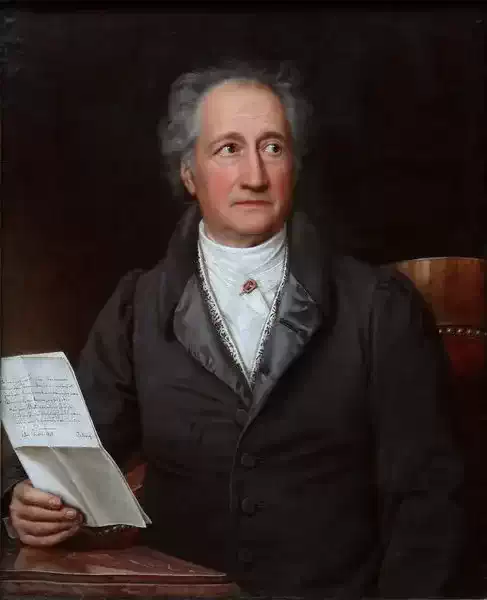
Johann Wolfgang von Goethe
Hermann And Dorothea - VIII. Melpomene
Hermann And Dorothea - VIII. Melpomene
HERMANN AND DOROTHEA.
So tow'rd the sun, now fast sinking to rest, the two walk'd together,
Whilst he veil'd himself deep in clouds which thunder portended.
Out-of his veil now here, now there, with fiery glances
Beaming over the plain with rays foreboding and lurid.
'May this threatening weather,' said Hermann, 'not bring to us shortly
Hail and violent rain, for well does the harvest now promise.'
And they both rejoiced in the corn so lofty and waving,
Well nigh reaching the heads of the two tall figures that walk'd there.
Then the maiden spoke to her friendly leader as follows
'Generous youth, to whom I shall owe a kind destiny shortly,
Shelter and home, when so many poor exiles must weather the tempest,
In the first place tell me all about your good parents,
Whom I intend to serve with all my soul from hence-forward;
Knowing one's master, 'tis easier far to give satisfaction,
By rememb'ring the things which he deems of the highest importance,
And on which he has set his heart with the greatest decision.
Tell me, then, how best I can win your father and mother.'
Then the good and sensible youth made answer as follows
'You are indeed quite right, my kind and excellent maiden,
To begin by asking about the tastes of my parents!
For I have hitherto striven in vain to satisfy Father,
When I look'd after the inn, as well as my regular duty,
Working early and late in the field, and tending the vineyard.
Mother indeed was contented; she knew how to value my efforts;
And she will certainly hold you to be an excellent maiden,
If you take care of the house, as though the dwelling your own were.
But my father's unlike her; he's fond of outward appearance.
Gentle maiden, deem me not cold and void of all feeling,
If I disclose my father's nature to you, who're a stranger.
Yes, such words have never before escaped, I assure von
Out of my mouth, which is little accustom'd to babble and chatter;
But you have managed to worm all my secrets from out of my bosom.
Well, my worthy father the graces of life holds in honour,
Wishes for outward signs of love, as well as of rev'rence,
And would doubtless be satisfied with an inferior servant
Who understood this fancy, and hate a better, who did not.'
Cheerfully she replied, with gentle movement increasing
Through the darkening path the speed at which she was walking:
I in truth shall hope to satisfy both of your parents,
For your mother's character my own nature resembles,
And to external graces have I from my youth been accustom'd.
Our old neighbours, the French, in their earlier days laid much stress on
Courteous demeanour; 'twas common alike to nobles and burghers,
And to peasants, and each enjoin'd it on all his acquaintance.
in the same way, on the side of the Germans, the children were train'd up
Every morning, with plenty of kissing of hands and of curtsies,
To salute their parents, and always to act with politeness.
All that I have learnt, and all I have practised since childhood,
All that comes from my heart,--I will practise it all with the old man.
But on what terms shall I--I scarcely dare ask such a question,--
Be with yourself, the only son, and hereafter my master?'
Thus she spoke, and at that moment they came to the peartree.
Down from the skies the moon at her full was shining in glory;
Night had arrived, and the last pale gleam of the sunset had vanish'd.
So before them were lying, in masses all heap'd up together,
Lights as clear as the day, and shadows of night and of darkness.
And the friendly question was heard by Hermann with pleasure,
Under the shade of the noble tree at the spot which he loved so
Which that day had witness'd his tears at the fate of the exile.
And whilst they sat themselves down, to take a little repose there,
Thus the loving youth spoke, whilst he seized the hand of the maiden
'Let your heart give the answer, and always obey what it tells you!'
But he ventured to say no more, however propitious
Was the moment; he feard that a No would be her sole answer,
Ah! and he felt the ring on her finger, that sorrowful token.
So by the side of each other they quietly sat and in silence,
But the maiden began to speak, and said, 'How delightful
Is the light of the moon! The clearness of day it resembles.
Yonder I see in the town the houses and courtyards quite plainly,
In the gable a window; methinks all the panes I can reckon.'
'That which you see,' replied the youth, who spoke with an effort,
'That is our house down to which I now am about to conduct you,
And that window yonder belongs to my room in the attic,
Which will probably soon be yours, as we're making great changes.
All these fields are ours, and ripe for the harvest to-morrow;
Here in the shade we are wont to rest, enjoying our meal-time.
But let us now descend across the vineyard and garden,
For observe how the threatening storm is hitherward rolling,
Lightening first, and then eclipsing the beautiful full moon.'
So the pair arose, and wauder'd down by the corn-field,
Through the powerful corn, in the nightly clearness rejoicing;
And they reach'd the vineyard, and through its dark shadows proceeded.
So he guided her down the numerous tiers of the flat stones
Which, in an unhewn state, served as steps to the walk through the foliage.
Slowly she descended, and placed her hands on his shoulders;
And, with a quivering light, the moon through the foliage o'erlook'd them,
Till by storm-clouds envelop'd, she left the couple in darkness.
Then the strong youth supported the maiden, who on him was leaning;
She, however, not knowing the path, or observing the rough steps,
Slipp'd as she walk'd, her foot gave way, and she well nigh was falling.
Hastily held out his arm the youth with nimbleness thoughtful,
And held up his beloved one; she gently sank on his shoulders,
Breast was press'd against breast, and cheek against cheek, and so stood he
Fix'd like a marble statue, restrained by a firm resolution;
He embraced her no closer, thoughall her weight he supported;
So he felt his noble burden, the warmth of her bosom,
And her balmy breath, against his warm lips exhaling,
Bearing with manly feelings the woman's heroical greatness.
But she conceal'd the pain which she felt, and jestingly spoke thus
'It betokens misfortune,--so scrupulous people inform us,--
For the foot to give way on entering a house, near the threshold.
I should have wish'd, in truth, for a sign of some happier omen!
Let us tarry a little, for fear your parents should blame you
For their limping servant, and you should be thought a bad landlord.'
HERMANN AND DOROTHEA.
So tow'rd the sun, now fast sinking to rest, the two walk'd together,
Whilst he veil'd himself deep in clouds which thunder portended.
Out-of his veil now here, now there, with fiery glances
Beaming over the plain with rays foreboding and lurid.
'May this threatening weather,' said Hermann, 'not bring to us shortly
Hail and violent rain, for well does the harvest now promise.'
And they both rejoiced in the corn so lofty and waving,
Well nigh reaching the heads of the two tall figures that walk'd there.
Then the maiden spoke to her friendly leader as follows
'Generous youth, to whom I shall owe a kind destiny shortly,
Shelter and home, when so many poor exiles must weather the tempest,
In the first place tell me all about your good parents,
Whom I intend to serve with all my soul from hence-forward;
Knowing one's master, 'tis easier far to give satisfaction,
By rememb'ring the things which he deems of the highest importance,
And on which he has set his heart with the greatest decision.
Tell me, then, how best I can win your father and mother.'
Then the good and sensible youth made answer as follows
'You are indeed quite right, my kind and excellent maiden,
To begin by asking about the tastes of my parents!
For I have hitherto striven in vain to satisfy Father,
When I look'd after the inn, as well as my regular duty,
Working early and late in the field, and tending the vineyard.
Mother indeed was contented; she knew how to value my efforts;
And she will certainly hold you to be an excellent maiden,
If you take care of the house, as though the dwelling your own were.
But my father's unlike her; he's fond of outward appearance.
Gentle maiden, deem me not cold and void of all feeling,
If I disclose my father's nature to you, who're a stranger.
Yes, such words have never before escaped, I assure von
Out of my mouth, which is little accustom'd to babble and chatter;
But you have managed to worm all my secrets from out of my bosom.
Well, my worthy father the graces of life holds in honour,
Wishes for outward signs of love, as well as of rev'rence,
And would doubtless be satisfied with an inferior servant
Who understood this fancy, and hate a better, who did not.'
Cheerfully she replied, with gentle movement increasing
Through the darkening path the speed at which she was walking:
I in truth shall hope to satisfy both of your parents,
For your mother's character my own nature resembles,
And to external graces have I from my youth been accustom'd.
Our old neighbours, the French, in their earlier days laid much stress on
Courteous demeanour; 'twas common alike to nobles and burghers,
And to peasants, and each enjoin'd it on all his acquaintance.
in the same way, on the side of the Germans, the children were train'd up
Every morning, with plenty of kissing of hands and of curtsies,
To salute their parents, and always to act with politeness.
All that I have learnt, and all I have practised since childhood,
All that comes from my heart,--I will practise it all with the old man.
But on what terms shall I--I scarcely dare ask such a question,--
Be with yourself, the only son, and hereafter my master?'
Thus she spoke, and at that moment they came to the peartree.
Down from the skies the moon at her full was shining in glory;
Night had arrived, and the last pale gleam of the sunset had vanish'd.
So before them were lying, in masses all heap'd up together,
Lights as clear as the day, and shadows of night and of darkness.
And the friendly question was heard by Hermann with pleasure,
Under the shade of the noble tree at the spot which he loved so
Which that day had witness'd his tears at the fate of the exile.
And whilst they sat themselves down, to take a little repose there,
Thus the loving youth spoke, whilst he seized the hand of the maiden
'Let your heart give the answer, and always obey what it tells you!'
But he ventured to say no more, however propitious
Was the moment; he feard that a No would be her sole answer,
Ah! and he felt the ring on her finger, that sorrowful token.
So by the side of each other they quietly sat and in silence,
But the maiden began to speak, and said, 'How delightful
Is the light of the moon! The clearness of day it resembles.
Yonder I see in the town the houses and courtyards quite plainly,
In the gable a window; methinks all the panes I can reckon.'
'That which you see,' replied the youth, who spoke with an effort,
'That is our house down to which I now am about to conduct you,
And that window yonder belongs to my room in the attic,
Which will probably soon be yours, as we're making great changes.
All these fields are ours, and ripe for the harvest to-morrow;
Here in the shade we are wont to rest, enjoying our meal-time.
But let us now descend across the vineyard and garden,
For observe how the threatening storm is hitherward rolling,
Lightening first, and then eclipsing the beautiful full moon.'
So the pair arose, and wauder'd down by the corn-field,
Through the powerful corn, in the nightly clearness rejoicing;
And they reach'd the vineyard, and through its dark shadows proceeded.
So he guided her down the numerous tiers of the flat stones
Which, in an unhewn state, served as steps to the walk through the foliage.
Slowly she descended, and placed her hands on his shoulders;
And, with a quivering light, the moon through the foliage o'erlook'd them,
Till by storm-clouds envelop'd, she left the couple in darkness.
Then the strong youth supported the maiden, who on him was leaning;
She, however, not knowing the path, or observing the rough steps,
Slipp'd as she walk'd, her foot gave way, and she well nigh was falling.
Hastily held out his arm the youth with nimbleness thoughtful,
And held up his beloved one; she gently sank on his shoulders,
Breast was press'd against breast, and cheek against cheek, and so stood he
Fix'd like a marble statue, restrained by a firm resolution;
He embraced her no closer, thoughall her weight he supported;
So he felt his noble burden, the warmth of her bosom,
And her balmy breath, against his warm lips exhaling,
Bearing with manly feelings the woman's heroical greatness.
But she conceal'd the pain which she felt, and jestingly spoke thus
'It betokens misfortune,--so scrupulous people inform us,--
For the foot to give way on entering a house, near the threshold.
I should have wish'd, in truth, for a sign of some happier omen!
Let us tarry a little, for fear your parents should blame you
For their limping servant, and you should be thought a bad landlord.'
377
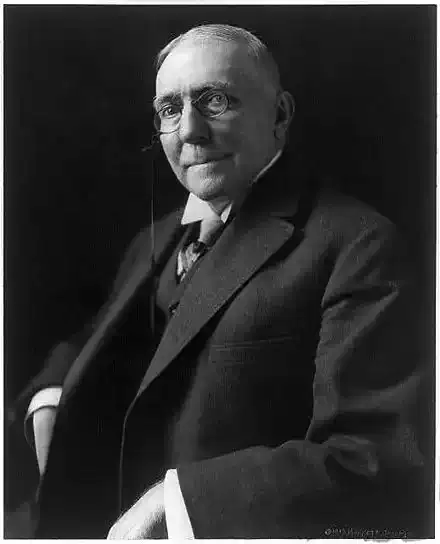
James Whitcomb Riley
Uncle Mart's Poem
Uncle Mart's Poem
THE OLD SNOW-MAN
Ho! the old Snow-Man
That Noey Bixler made!
He looked as fierce and sassy
As a soldier on parade!-'
Cause Noey, when he made him,
While we all wuz gone, you see,
He made him, jist a-purpose,
Jist as fierce as he could be!--
But when we all got _ust_ to him,
Nobody wuz afraid
Of the old Snow-Man
That Noey Bixler made!
'Cause Noey told us 'bout him
And what he made him fer:-He'd
come to feed, that morning
He found we wuzn't here;
And so the notion struck him,
When we all come taggin' home
'Tud _s'prise_ us ef a' old Snow-Man
'Ud meet us when we come!
So, when he'd fed the stock, and milked,
And ben back home, and chopped
His wood, and et his breakfast, he
Jist grabbed his mitts and hopped
Right in on that-air old Snow-Man
That he laid out he'd make
Er bust a trace _a-tryin_'--jist
Fer old-acquaintance sake!--
But work like that wuz lots more fun.
He said, than when he played!
Ho! the old Snow-Man
That Noey Bixler made!
He started with a big snow-ball,
And rolled it all around;
And as he rolled, more snow 'ud stick
And pull up off the ground.--
He rolled and rolled all round the yard-'
Cause we could see the _track_,
All wher' the snow come off, you know,
And left it wet and black.
He got the Snow-Man's _legs-part_ rolled--
In front the kitchen-door,--
And then he hat to turn in then
And roll and roll some more!--
He rolled the yard all round agin,
And round the house, at that--
Clean round the house and back to wher'
The blame legs-half wuz at!
He said he missed his dinner, too--
Jist clean fergot and stayed
There workin'. Ho! the old Snow-Man
That Noey Bixler made!
And Noey said he hat to _hump_
To git the _top-half_ on
The _legs-half!_--When he _did_, he said,
His wind wuz purt'-nigh gone.--
He said, I jucks! he jist drapped down
There on the old porch-floor
And panted like a dog!--And then
He up! and rolled some more!--
The _last_ batch--that wuz fer his head,-And--
time he'd got it right
And clumb and fixed it on, he said--
He hat to quit fer night!--
And _then_, he said, he'd kep' right on
Ef they'd ben any _moon_
To work by! So he crawled in bed--
And _could_ a-slep' tel _noon_,
He wuz so plum wore out! he said,--
But it wuz washin'-day,
And hat to cut a cord o' wood
'Fore he could git away!
But, last, he got to work agin,--
With spade, and gouge, and hoe,
And trowel, too--(All tools 'ud do
What _Noey_ said, you know!)
He cut his eyebrows out like cliffs--
And his cheekbones and chin
Stuck _furder_ out--and his old _nose_
Stuck out as fur-agin!
He made his eyes o' walnuts,
And his whiskers out o' this
Here buggy-cushion stuffin'--_moss_,
The teacher says it is.
And then he made a' old wood'-gun,
Set keerless-like, you know,
Acrost one shoulder--kindo' like
Big Foot, er Adam Poe--
Er, mayby, Simon Girty,
The dinged old Renegade!
_Wooh!_ the old Snow-Man
That Noey Bixler made!
And there he stood, all fierce and grim,
A stern, heroic form:
What was the winter blast to him,
And what the driving storm?--
What wonder that the children pressed
Their faces at the pane
And scratched away the frost, in pride
To look on him again?--
What wonder that, with yearning bold,
Their all of love and care
Went warmest through the keenest cold
To that Snow-Man out there!
But the old Snow-Man--
What a dubious delight
He grew at last when Spring came on
And days waxed warm and bright.--
Alone he stood--all kith and kin
Of snow and ice were gone;--
Alone, with constant teardrops in
His eyes and glittering on
His thin, pathetic beard of black--
Grief in a hopeless cause!-Hope--
hope is for the man that _dies_--
What for the man that _thaws!_
O Hero of a hero's make!--
Let _marble_ melt and fade,
But never _you_--you old Snow-Man
That Noey Bixler made!
THE OLD SNOW-MAN
Ho! the old Snow-Man
That Noey Bixler made!
He looked as fierce and sassy
As a soldier on parade!-'
Cause Noey, when he made him,
While we all wuz gone, you see,
He made him, jist a-purpose,
Jist as fierce as he could be!--
But when we all got _ust_ to him,
Nobody wuz afraid
Of the old Snow-Man
That Noey Bixler made!
'Cause Noey told us 'bout him
And what he made him fer:-He'd
come to feed, that morning
He found we wuzn't here;
And so the notion struck him,
When we all come taggin' home
'Tud _s'prise_ us ef a' old Snow-Man
'Ud meet us when we come!
So, when he'd fed the stock, and milked,
And ben back home, and chopped
His wood, and et his breakfast, he
Jist grabbed his mitts and hopped
Right in on that-air old Snow-Man
That he laid out he'd make
Er bust a trace _a-tryin_'--jist
Fer old-acquaintance sake!--
But work like that wuz lots more fun.
He said, than when he played!
Ho! the old Snow-Man
That Noey Bixler made!
He started with a big snow-ball,
And rolled it all around;
And as he rolled, more snow 'ud stick
And pull up off the ground.--
He rolled and rolled all round the yard-'
Cause we could see the _track_,
All wher' the snow come off, you know,
And left it wet and black.
He got the Snow-Man's _legs-part_ rolled--
In front the kitchen-door,--
And then he hat to turn in then
And roll and roll some more!--
He rolled the yard all round agin,
And round the house, at that--
Clean round the house and back to wher'
The blame legs-half wuz at!
He said he missed his dinner, too--
Jist clean fergot and stayed
There workin'. Ho! the old Snow-Man
That Noey Bixler made!
And Noey said he hat to _hump_
To git the _top-half_ on
The _legs-half!_--When he _did_, he said,
His wind wuz purt'-nigh gone.--
He said, I jucks! he jist drapped down
There on the old porch-floor
And panted like a dog!--And then
He up! and rolled some more!--
The _last_ batch--that wuz fer his head,-And--
time he'd got it right
And clumb and fixed it on, he said--
He hat to quit fer night!--
And _then_, he said, he'd kep' right on
Ef they'd ben any _moon_
To work by! So he crawled in bed--
And _could_ a-slep' tel _noon_,
He wuz so plum wore out! he said,--
But it wuz washin'-day,
And hat to cut a cord o' wood
'Fore he could git away!
But, last, he got to work agin,--
With spade, and gouge, and hoe,
And trowel, too--(All tools 'ud do
What _Noey_ said, you know!)
He cut his eyebrows out like cliffs--
And his cheekbones and chin
Stuck _furder_ out--and his old _nose_
Stuck out as fur-agin!
He made his eyes o' walnuts,
And his whiskers out o' this
Here buggy-cushion stuffin'--_moss_,
The teacher says it is.
And then he made a' old wood'-gun,
Set keerless-like, you know,
Acrost one shoulder--kindo' like
Big Foot, er Adam Poe--
Er, mayby, Simon Girty,
The dinged old Renegade!
_Wooh!_ the old Snow-Man
That Noey Bixler made!
And there he stood, all fierce and grim,
A stern, heroic form:
What was the winter blast to him,
And what the driving storm?--
What wonder that the children pressed
Their faces at the pane
And scratched away the frost, in pride
To look on him again?--
What wonder that, with yearning bold,
Their all of love and care
Went warmest through the keenest cold
To that Snow-Man out there!
But the old Snow-Man--
What a dubious delight
He grew at last when Spring came on
And days waxed warm and bright.--
Alone he stood--all kith and kin
Of snow and ice were gone;--
Alone, with constant teardrops in
His eyes and glittering on
His thin, pathetic beard of black--
Grief in a hopeless cause!-Hope--
hope is for the man that _dies_--
What for the man that _thaws!_
O Hero of a hero's make!--
Let _marble_ melt and fade,
But never _you_--you old Snow-Man
That Noey Bixler made!
350
James Whitcomb Riley
The Old Home By The Mill
The Old Home By The Mill
This is 'The old Home by the Mill'--far we still call it so,
Although the old mill, roof and sill, is all gone long ago.
The old home, though, and old folks, and the old spring, and a few
Old cat-tails, weeds and hartychokes, is left to welcome you!
Here, Marg'et, fetch the man a tin to drink out of' Our spring
Keeps kindo-sorto cavin' in, but don't 'taste' anything!
She's kindo agein', Marg'et is--'the old process,' like me,
All ham-stringed up with rheumatiz, and on in seventy-three.
Jes' me and Marg'et lives alone here--like in long ago;
The childern all put off and gone, and married, don't you know?
One's millin' way out West somewhere; two other miller-boys
In Minnyopolis they air; and one's in Illinoise.
The oldest gyrl--the first that went--married and died right here;
The next lives in Winn's Settlement--for purt' nigh thirty year!
And youngest one--was allus far the old home here--but no!--
Her man turns in and he packs her 'way off to Idyho!
I don't miss them like _Marg'et_ does--'cause I got _her_, you see;
And when she pines for them--that's 'cause _she's_ only jes' got
_me_!
I laugh, and joke her 'bout it all.--But talkin' sense, I'll say,
When she was tuk so bad last Fall, I laughed the t'other way!
I haint so favorble impressed 'bout dyin'; but ef I
Found I was only second-best when _us two_ come to die,
I'd 'dopt the 'new process' in full, ef _Marg'et_ died, you see,-I'd
jes' crawl in my grave and pull the green grass over me!
This is 'The old Home by the Mill'--far we still call it so,
Although the old mill, roof and sill, is all gone long ago.
The old home, though, and old folks, and the old spring, and a few
Old cat-tails, weeds and hartychokes, is left to welcome you!
Here, Marg'et, fetch the man a tin to drink out of' Our spring
Keeps kindo-sorto cavin' in, but don't 'taste' anything!
She's kindo agein', Marg'et is--'the old process,' like me,
All ham-stringed up with rheumatiz, and on in seventy-three.
Jes' me and Marg'et lives alone here--like in long ago;
The childern all put off and gone, and married, don't you know?
One's millin' way out West somewhere; two other miller-boys
In Minnyopolis they air; and one's in Illinoise.
The oldest gyrl--the first that went--married and died right here;
The next lives in Winn's Settlement--for purt' nigh thirty year!
And youngest one--was allus far the old home here--but no!--
Her man turns in and he packs her 'way off to Idyho!
I don't miss them like _Marg'et_ does--'cause I got _her_, you see;
And when she pines for them--that's 'cause _she's_ only jes' got
_me_!
I laugh, and joke her 'bout it all.--But talkin' sense, I'll say,
When she was tuk so bad last Fall, I laughed the t'other way!
I haint so favorble impressed 'bout dyin'; but ef I
Found I was only second-best when _us two_ come to die,
I'd 'dopt the 'new process' in full, ef _Marg'et_ died, you see,-I'd
jes' crawl in my grave and pull the green grass over me!
283
James Whitcomb Riley
The Little Town O' Tailholt
The Little Town O' Tailholt
You kin boast about yer cities, and their stiddy growth and size,
And brag about yer County-seats, and business enterprise,
And railroads, and factories, and all sich foolery--
But the little Town o' Tailholt is big enough fer me!
You kin harp about yer churches, with their steeples in the clouds,
And gas about yer graded streets, and blow about yer crowds;
You kin talk about yer 'theaters,' and all you've got to see--
But the little Town o' Tailholt is show enough fer me!
They hain't no style in our town-- hit's little-like and small--
They hain't no 'churches,' nuther--, jes' the meetin' house is all;
They's no sidewalks, to speak of-- but the highway's allus free,
And the little Town o' Tailholt is wide enough fer me!
Some find it discommodin'-like, I'm willin' to admit,
To hev but one post-office, and a womern keepin' hit,
And the drug-store, and shoe-shop, and grocery, all three--
But the little Town o' Tailholt is handy 'nough fer me!
You kin smile and turn yer nose up, and joke and hev yer fun,
And laugh and holler 'Tail-holts is better holts'n none!
Ef the city suits you better w'y, hit's where you'd ort'o be--
But the little Town o' Tailholt's good enough fer me!
You kin boast about yer cities, and their stiddy growth and size,
And brag about yer County-seats, and business enterprise,
And railroads, and factories, and all sich foolery--
But the little Town o' Tailholt is big enough fer me!
You kin harp about yer churches, with their steeples in the clouds,
And gas about yer graded streets, and blow about yer crowds;
You kin talk about yer 'theaters,' and all you've got to see--
But the little Town o' Tailholt is show enough fer me!
They hain't no style in our town-- hit's little-like and small--
They hain't no 'churches,' nuther--, jes' the meetin' house is all;
They's no sidewalks, to speak of-- but the highway's allus free,
And the little Town o' Tailholt is wide enough fer me!
Some find it discommodin'-like, I'm willin' to admit,
To hev but one post-office, and a womern keepin' hit,
And the drug-store, and shoe-shop, and grocery, all three--
But the little Town o' Tailholt is handy 'nough fer me!
You kin smile and turn yer nose up, and joke and hev yer fun,
And laugh and holler 'Tail-holts is better holts'n none!
Ef the city suits you better w'y, hit's where you'd ort'o be--
But the little Town o' Tailholt's good enough fer me!
265
James Whitcomb Riley
The Hoosier Folk-Child
The Hoosier Folk-Child
The Hoosier Folk-Child--all unsung--
Unlettered all of mind and tongue;
Unmastered, unmolested--made
Most wholly frank and unafraid:
Untaught of any school--unvexed
Of law or creed--all unperplexed--
Unsermoned, aye, and undefiled,
An all imperfect-perfect child--
A type which (Heaven forgive us!) you
And I do tardy honor to,
And so, profane the sanctities
Of our most sacred memories.
Who, growing thus from boy to man,
That dares not be American?
Go, Pride, with prudent underbuzz--
Go _whistle_! as the Folk-Child does.
The Hoosier Folk-Child's world is not
Much wider than the stable-lot
Between the house and highway fence
That bounds the home his father rents.
His playmates mostly are the ducks
And chickens, and the boy that 'shucks
Corn by the shock,' and talks of town,
And whether eggs are 'up' or 'down,'
And prophesies in boastful tone
Of 'owning horses of his own,'
And 'being his own man,' and 'when
He gets to be, what he'll do then.'--
Takes out his jack-knife dreamily
And makes the Folk-Child two or three
Crude corn-stalk figures,--a wee span
Of horses and a little man.
The Hoosier Folk-Child's eyes are wise
And wide and round as Brownies' eyes:
The smile they wear is ever blent
With all-expectant wonderment,--
On homeliest things they bend a look
As rapt as o'er a picture-book,
And seem to ask, whate'er befall,
The happy reason of it all:--
Why grass is all so glad a green,
And leaves--and what their lispings mean;--
Why buds grow on the boughs, and why
They burst in blossom by and by--
As though the orchard in the breeze
Had shook and popped its _popcorn-trees_,
To lure and whet, as well they might,
Some seven-league giant's appetite!
The Hoosier Folk-Child's chubby face
Has scant refinement, caste or grace,--
From crown to chin, and cheek to cheek,
It bears the grimy water-streak
Of rinsings such as some long rain
Might drool across the window-pane
Wherethrough he peers, with troubled frown,
As some lorn team drives by for town.
His brow is elfed with wispish hair,
With tangles in it here and there,
As though the warlocks snarled it so
At midmirk when the moon sagged low,
And boughs did toss and skreek and shake,
And children moaned themselves awake,
With fingers clutched, and starting sight
Blind as the blackness of the night!
The Hoosier Folk-Child!--Rich is he
In all the wealth of poverty!
He owns nor title nor estate,
Nor speech but half articulate,--
He owns nor princely robe nor crown;--
Yet, draped in patched and faded brown,
He owns the bird-songs of the hills--
The laughter of the April rills;
And his are all the diamonds set.
In Morning's dewy coronet,--
And his the Dusk's first minted stars
That twinkle through the pasture-bars,
And litter all the skies at night
With glittering scraps of silver light;--
The rainbow's bar, from rim to rim,
In beaten gold, belongs to him.
The Hoosier Folk-Child--all unsung--
Unlettered all of mind and tongue;
Unmastered, unmolested--made
Most wholly frank and unafraid:
Untaught of any school--unvexed
Of law or creed--all unperplexed--
Unsermoned, aye, and undefiled,
An all imperfect-perfect child--
A type which (Heaven forgive us!) you
And I do tardy honor to,
And so, profane the sanctities
Of our most sacred memories.
Who, growing thus from boy to man,
That dares not be American?
Go, Pride, with prudent underbuzz--
Go _whistle_! as the Folk-Child does.
The Hoosier Folk-Child's world is not
Much wider than the stable-lot
Between the house and highway fence
That bounds the home his father rents.
His playmates mostly are the ducks
And chickens, and the boy that 'shucks
Corn by the shock,' and talks of town,
And whether eggs are 'up' or 'down,'
And prophesies in boastful tone
Of 'owning horses of his own,'
And 'being his own man,' and 'when
He gets to be, what he'll do then.'--
Takes out his jack-knife dreamily
And makes the Folk-Child two or three
Crude corn-stalk figures,--a wee span
Of horses and a little man.
The Hoosier Folk-Child's eyes are wise
And wide and round as Brownies' eyes:
The smile they wear is ever blent
With all-expectant wonderment,--
On homeliest things they bend a look
As rapt as o'er a picture-book,
And seem to ask, whate'er befall,
The happy reason of it all:--
Why grass is all so glad a green,
And leaves--and what their lispings mean;--
Why buds grow on the boughs, and why
They burst in blossom by and by--
As though the orchard in the breeze
Had shook and popped its _popcorn-trees_,
To lure and whet, as well they might,
Some seven-league giant's appetite!
The Hoosier Folk-Child's chubby face
Has scant refinement, caste or grace,--
From crown to chin, and cheek to cheek,
It bears the grimy water-streak
Of rinsings such as some long rain
Might drool across the window-pane
Wherethrough he peers, with troubled frown,
As some lorn team drives by for town.
His brow is elfed with wispish hair,
With tangles in it here and there,
As though the warlocks snarled it so
At midmirk when the moon sagged low,
And boughs did toss and skreek and shake,
And children moaned themselves awake,
With fingers clutched, and starting sight
Blind as the blackness of the night!
The Hoosier Folk-Child!--Rich is he
In all the wealth of poverty!
He owns nor title nor estate,
Nor speech but half articulate,--
He owns nor princely robe nor crown;--
Yet, draped in patched and faded brown,
He owns the bird-songs of the hills--
The laughter of the April rills;
And his are all the diamonds set.
In Morning's dewy coronet,--
And his the Dusk's first minted stars
That twinkle through the pasture-bars,
And litter all the skies at night
With glittering scraps of silver light;--
The rainbow's bar, from rim to rim,
In beaten gold, belongs to him.
346
James Whitcomb Riley
The Home-Going
The Home-Going
We must get home--for we have been away
So long it seems forever and a day!
And O so very homesick we have grown,
The laughter of the world is like a moan
In our tired hearing, and its songs as vain,--
We must get home--we must get home again!
We must get home: It hurts so, staying here,
Where fond hearts must be wept out tear by tear,
And where to wear wet lashes means, at best,
When most our lack, the least our hope of rest
When most our need of joy, the more our pain--
We must get home--we must get home again!
We must get home: All is so quiet there:
The touch of loving hands on brow and hair--
Dim rooms, wherein the sunshine is made mild---
The lost love of the mother and the child
Restored in restful lullabies of rain.--
We must get home--we must get home again!
We must get home, where, as we nod and drowse,
Time humors us and tiptoes through the house,
And loves us best when sleeping baby-wise,
With dreams--not tear-drops--brimming our clenched eyes,--
Pure dreams that know nor taint nor earthly stain--
We must get home--we must get home again!
We must get home; and, unremembering there
All gain of all ambitions otherwhere,
Rest--from the feverish victory, and the crown
Of conquest whose waste glory weighs us down.-Fame's
fairest gifts we toss back with disdain--
We must get home--we must get home again!
We must get home--for we have been away
So long it seems forever and a day!
And O so very homesick we have grown,
The laughter of the world is like a moan
In our tired hearing, and its songs as vain,--
We must get home--we must get home again!
We must get home: It hurts so, staying here,
Where fond hearts must be wept out tear by tear,
And where to wear wet lashes means, at best,
When most our lack, the least our hope of rest
When most our need of joy, the more our pain--
We must get home--we must get home again!
We must get home: All is so quiet there:
The touch of loving hands on brow and hair--
Dim rooms, wherein the sunshine is made mild---
The lost love of the mother and the child
Restored in restful lullabies of rain.--
We must get home--we must get home again!
We must get home, where, as we nod and drowse,
Time humors us and tiptoes through the house,
And loves us best when sleeping baby-wise,
With dreams--not tear-drops--brimming our clenched eyes,--
Pure dreams that know nor taint nor earthly stain--
We must get home--we must get home again!
We must get home; and, unremembering there
All gain of all ambitions otherwhere,
Rest--from the feverish victory, and the crown
Of conquest whose waste glory weighs us down.-Fame's
fairest gifts we toss back with disdain--
We must get home--we must get home again!
351
James Whitcomb Riley
Our Hired Girl
Our Hired Girl
1
2
3
4
6
7
8
9
11
12
13
14
Our hired girl, she's 'Lizabuth Ann;
An' she can cook best things to eat!
She ist puts dough in our pie-pan,
An' pours in somepin' 'at's good an' sweet;
An' nen she salts it all on top
With cinnamon; an' nen she'll stop
An' stoop an' slide it, ist as slow,
In th' old cook-stove, so's 'twon't slop
An' git all spilled; nen bakes it, so
It's custard-pie, first thing you know!
An' nen she'll say,
"Clear out o' my way!
They's time fer work, an' time fer play!
Take yer dough, an' run, child, run!
Er I cain't git no cookin' done!"
16
17
18
19
21
22
23
24
26
27
28
29
When our hired girl 'tends like she's mad,
An' says folks got to walk the chalk
When she's around, er wisht they had!
I play out on our porch an' talk
To Th' Raggedy Man 'at mows our lawn;
An' he says, "Whew!" an' nen leans on
His old crook-scythe, and blinks his eyes,
An' sniffs all 'round an' says, "I swawn!
Ef my old nose don't tell me lies,
It 'pears like I smell custard-pies!"
An' nen he'll say,
"Clear out o' my way!
They's time fer work, an' time fer play!
Take yer dough, an' run, child, run!
Er she cain't git no cookin' done!"
31
32
33
34
Wunst our hired girl, when she
Got the supper, an' we all et,
An' it wuz night, an' Ma an' me
An' Pa went wher' the "Social" met, --
An' nen when we come home, an' see
36
37
38
A light in the kitchen door, an' we
Heerd a maccordeun, Pa says, "Lan'O'-
Gracious! who can her beau be?"
39 An' I marched in, an' 'Lizabuth Ann
41
42
43
44
Wuz parchin' corn fer The Raggedy Man!
Better say,
"Clear out o' the way!
They's time fer work, an' time fer play!
Take the hint, an' run, child, run!
Er we cain't git no courtin' done!"
1
2
3
4
6
7
8
9
11
12
13
14
Our hired girl, she's 'Lizabuth Ann;
An' she can cook best things to eat!
She ist puts dough in our pie-pan,
An' pours in somepin' 'at's good an' sweet;
An' nen she salts it all on top
With cinnamon; an' nen she'll stop
An' stoop an' slide it, ist as slow,
In th' old cook-stove, so's 'twon't slop
An' git all spilled; nen bakes it, so
It's custard-pie, first thing you know!
An' nen she'll say,
"Clear out o' my way!
They's time fer work, an' time fer play!
Take yer dough, an' run, child, run!
Er I cain't git no cookin' done!"
16
17
18
19
21
22
23
24
26
27
28
29
When our hired girl 'tends like she's mad,
An' says folks got to walk the chalk
When she's around, er wisht they had!
I play out on our porch an' talk
To Th' Raggedy Man 'at mows our lawn;
An' he says, "Whew!" an' nen leans on
His old crook-scythe, and blinks his eyes,
An' sniffs all 'round an' says, "I swawn!
Ef my old nose don't tell me lies,
It 'pears like I smell custard-pies!"
An' nen he'll say,
"Clear out o' my way!
They's time fer work, an' time fer play!
Take yer dough, an' run, child, run!
Er she cain't git no cookin' done!"
31
32
33
34
Wunst our hired girl, when she
Got the supper, an' we all et,
An' it wuz night, an' Ma an' me
An' Pa went wher' the "Social" met, --
An' nen when we come home, an' see
36
37
38
A light in the kitchen door, an' we
Heerd a maccordeun, Pa says, "Lan'O'-
Gracious! who can her beau be?"
39 An' I marched in, an' 'Lizabuth Ann
41
42
43
44
Wuz parchin' corn fer The Raggedy Man!
Better say,
"Clear out o' the way!
They's time fer work, an' time fer play!
Take the hint, an' run, child, run!
Er we cain't git no courtin' done!"
306
James Whitcomb Riley
Old Fashioned Roses
Old Fashioned Roses
They ain't no style about 'em,
And they're sorto' pale and faded,
Yit the doorway here, without 'em,
Would be lonesomer, and shaded
With a good 'eal blacker shudder
Than the morning-glories makes,
And the sunshine would look sadder
Fer their good old-fashion' sakes.
I like 'em 'cause they kindo'--
Sorto' make a feller like 'em!
And I tell you, when I find a
Bunch out whur the sun kin strike 'em,
It allus sets me thinkin'
O' the ones 'at used to grow
And peek in thro' the chinkin'
O' the cabin, don't you know!
And then I think o' mother,
And how she ust to love 'em--
When they wuzn't any other,
'Less she found 'em up above 'em!
And her eyes, afore she shut 'em,
Whispered with a smile and said
We must pick a bunch and putt 'em
In her hand when she wuz dead.
But as I wuz a-sayin',
They ain't no style about 'em
Very gaudy er displayin',
But I wouldn't be without 'em--,
'Cause I'm happier in these posies,
And the hollyhawks and sich,
Than the hummin'-bird 'at noses
In the roses of the rich.
They ain't no style about 'em,
And they're sorto' pale and faded,
Yit the doorway here, without 'em,
Would be lonesomer, and shaded
With a good 'eal blacker shudder
Than the morning-glories makes,
And the sunshine would look sadder
Fer their good old-fashion' sakes.
I like 'em 'cause they kindo'--
Sorto' make a feller like 'em!
And I tell you, when I find a
Bunch out whur the sun kin strike 'em,
It allus sets me thinkin'
O' the ones 'at used to grow
And peek in thro' the chinkin'
O' the cabin, don't you know!
And then I think o' mother,
And how she ust to love 'em--
When they wuzn't any other,
'Less she found 'em up above 'em!
And her eyes, afore she shut 'em,
Whispered with a smile and said
We must pick a bunch and putt 'em
In her hand when she wuz dead.
But as I wuz a-sayin',
They ain't no style about 'em
Very gaudy er displayin',
But I wouldn't be without 'em--,
'Cause I'm happier in these posies,
And the hollyhawks and sich,
Than the hummin'-bird 'at noses
In the roses of the rich.
292
James Whitcomb Riley
Mylo Jones's Wife
Mylo Jones's Wife
'Mylo Jones's wife' was all
I heerd, mighty near, last Fall--
Visitun relations down
T'other side of Morgantown!
Mylo Jones's wife she does
This and that, and 'those' and 'thus'!-Can't
'bide babies in her sight--
Ner no childern, day and night,
Whoopin' round the premises--
NER NO NOTHIN' ELSE, I guess!
Mylo Jones's wife she 'lows
She's the boss of her own house!-Mylo--
consequences is--
Stays whare things seem SOME like HIS,--
Uses, mostly, with the stock--
Coaxin' 'Old Kate' not to balk,
Ner kick hoss-flies' branes out, ner
Act, I s'pose, so much like HER!
Yit the wimmern-folks tells you
She's PERFECTION.--Yes they do!
Mylo's wife she says she's found
Home hain't home with MEN-FOLKS round
When they's work like HERN to do-
Picklin' pears and BUTCHERN, too,
And a-rendern lard, and then
Cookin' fer a pack of men
To come trackin' up the flore
SHE'S scrubbed TEL she'll scrub no MORE!--
Yit she'd keep things clean ef they
Made her scrub tel Jedgmunt Day!
Mylo Jones's wife she sews
Carpet-rags and patches clothes
Jest year IN and OUT!--and yit
Whare's the livin' use of it?
She asts Mylo that.--And he
Gits back whare he'd ruther be,
With his team;--jest PLOWS--and don't
Never sware--like some folks won't!
Think ef HE'D CUT LOOSE, I gum!
'D he'p his heavenly chances some!
Mylo's wife don't see no use,
Ner no reason ner excuse
Fer his pore relations to
Hang round like they allus do!
Thare 'bout onc't a year--and SHE--
She jest GA'NTS 'em, folks tells me,
On spiced pears!--Pass Mylo one,
He says 'No, he don't chuse none!'
Workin'men like Mylo they
'D ort to have MEAT ev'ry day!
Dad-burn Mylo Jones's wife!
Ruther rake a blame caseknife
'Crost my wizzen than to see
Sich a womern rulin' ME!--
Ruther take and turn in and
Raise a fool mule-colt by hand'
MYLO, though--od-rot the man!--
Jest keeps ca'm--like some folks CAN--
And 'lows sich as her, I s'pose,
Is MAN'S HE'PMEET'--Mercy knows!
'Mylo Jones's wife' was all
I heerd, mighty near, last Fall--
Visitun relations down
T'other side of Morgantown!
Mylo Jones's wife she does
This and that, and 'those' and 'thus'!-Can't
'bide babies in her sight--
Ner no childern, day and night,
Whoopin' round the premises--
NER NO NOTHIN' ELSE, I guess!
Mylo Jones's wife she 'lows
She's the boss of her own house!-Mylo--
consequences is--
Stays whare things seem SOME like HIS,--
Uses, mostly, with the stock--
Coaxin' 'Old Kate' not to balk,
Ner kick hoss-flies' branes out, ner
Act, I s'pose, so much like HER!
Yit the wimmern-folks tells you
She's PERFECTION.--Yes they do!
Mylo's wife she says she's found
Home hain't home with MEN-FOLKS round
When they's work like HERN to do-
Picklin' pears and BUTCHERN, too,
And a-rendern lard, and then
Cookin' fer a pack of men
To come trackin' up the flore
SHE'S scrubbed TEL she'll scrub no MORE!--
Yit she'd keep things clean ef they
Made her scrub tel Jedgmunt Day!
Mylo Jones's wife she sews
Carpet-rags and patches clothes
Jest year IN and OUT!--and yit
Whare's the livin' use of it?
She asts Mylo that.--And he
Gits back whare he'd ruther be,
With his team;--jest PLOWS--and don't
Never sware--like some folks won't!
Think ef HE'D CUT LOOSE, I gum!
'D he'p his heavenly chances some!
Mylo's wife don't see no use,
Ner no reason ner excuse
Fer his pore relations to
Hang round like they allus do!
Thare 'bout onc't a year--and SHE--
She jest GA'NTS 'em, folks tells me,
On spiced pears!--Pass Mylo one,
He says 'No, he don't chuse none!'
Workin'men like Mylo they
'D ort to have MEAT ev'ry day!
Dad-burn Mylo Jones's wife!
Ruther rake a blame caseknife
'Crost my wizzen than to see
Sich a womern rulin' ME!--
Ruther take and turn in and
Raise a fool mule-colt by hand'
MYLO, though--od-rot the man!--
Jest keeps ca'm--like some folks CAN--
And 'lows sich as her, I s'pose,
Is MAN'S HE'PMEET'--Mercy knows!
295
James Whitcomb Riley
Lockerbie Street
Lockerbie Street
Such a dear little street it is, nestled away
From the noise of the city and heat of the day,
In cool shady coverts of whispering trees,
With their leaves lifted up to shake hands with the breeze
Which in all its wide wanderings never may meet
With a resting-place fairer than Lockerbie street!
There is such a relief, from the clangor and din
Of the heart of the town, to go loitering in
Through the dim, narrow walks, with the sheltering shade
Of the trees waving over the long promenade,
And littering lightly the ways of our feet
With the gold of the sunshine of Lockerbie street.
And the nights that come down the dark pathways of dusk,
With the stars in their tresses, and odors of musk
In their moon-woven raiments, bespangled with dews,
And looped up with lilies for lovers to use
In the songs that they sing to the tinkle and beat
Of their sweet serenadings through Lockerbie street.
O my Lockerbie street! You are fair to be seen--
Be it noon of the day, or the rare and serene
Afternoon of the night-- you are one to my heart,
And I love you above all the phrases of art,
For no language could frame and no lips could repeat
My rhyme-haunted raptures of Lockerbie street.
Such a dear little street it is, nestled away
From the noise of the city and heat of the day,
In cool shady coverts of whispering trees,
With their leaves lifted up to shake hands with the breeze
Which in all its wide wanderings never may meet
With a resting-place fairer than Lockerbie street!
There is such a relief, from the clangor and din
Of the heart of the town, to go loitering in
Through the dim, narrow walks, with the sheltering shade
Of the trees waving over the long promenade,
And littering lightly the ways of our feet
With the gold of the sunshine of Lockerbie street.
And the nights that come down the dark pathways of dusk,
With the stars in their tresses, and odors of musk
In their moon-woven raiments, bespangled with dews,
And looped up with lilies for lovers to use
In the songs that they sing to the tinkle and beat
Of their sweet serenadings through Lockerbie street.
O my Lockerbie street! You are fair to be seen--
Be it noon of the day, or the rare and serene
Afternoon of the night-- you are one to my heart,
And I love you above all the phrases of art,
For no language could frame and no lips could repeat
My rhyme-haunted raptures of Lockerbie street.
322