

Poems in this theme
Consciousness and Self-Knowledge

William Shakespeare
Sonnet 84: Who is it that says most, which can say more
Sonnet 84: Who is it that says most, which can say more
Who is it that says most, which can say more,
Than this rich praise, that you alone, are you,
In whose confine immured is the store
Which should example where your equal grew?
Lean penury within that pen doth dwell
That to his subject lends not some small glory;
But he that writes of you, if he can tell
That you are you, so dignifies his story.
Let him but copy what in you is writ,
Not making worse what nature made so clear,
And such a counterpart shall fame his wit,
Making his style admired every where.
You to your beauteous blessings add a curse,
Being fond on praise, which makes your praises worse.
Who is it that says most, which can say more,
Than this rich praise, that you alone, are you,
In whose confine immured is the store
Which should example where your equal grew?
Lean penury within that pen doth dwell
That to his subject lends not some small glory;
But he that writes of you, if he can tell
That you are you, so dignifies his story.
Let him but copy what in you is writ,
Not making worse what nature made so clear,
And such a counterpart shall fame his wit,
Making his style admired every where.
You to your beauteous blessings add a curse,
Being fond on praise, which makes your praises worse.
331
William Shakespeare
Sonnet 8: Music to hear, why hear'st thou music sadly?
Sonnet 8: Music to hear, why hear'st thou music sadly?
Music to hear, why hear'st thou music sadly?
Sweets with sweets war not, joy delights in joy.
Why lov'st thou that which thou receiv'st not gladly,
Or else receiv'st with pleasure thine annoy?
If the true concord of well-tunèd sounds,
By unions married, do offend thine ear,
They do but sweetly chide thee, who confounds
In singleness the parts that thou shouldst bear.
Mark how one string, sweet husband to another,
Strikes each in each by mutual ordering,
Resembling sire and child and happy mother,
Who, all in one, one pleasing note do sing;
Whose speechless song being many, seeming one,
Sings this to thee: "Thou single wilt prove none."
Music to hear, why hear'st thou music sadly?
Sweets with sweets war not, joy delights in joy.
Why lov'st thou that which thou receiv'st not gladly,
Or else receiv'st with pleasure thine annoy?
If the true concord of well-tunèd sounds,
By unions married, do offend thine ear,
They do but sweetly chide thee, who confounds
In singleness the parts that thou shouldst bear.
Mark how one string, sweet husband to another,
Strikes each in each by mutual ordering,
Resembling sire and child and happy mother,
Who, all in one, one pleasing note do sing;
Whose speechless song being many, seeming one,
Sings this to thee: "Thou single wilt prove none."
323
William Shakespeare
Sonnet 74: But be contented when that fell arrest
Sonnet 74: But be contented when that fell arrest
But be contented when that fell arrest
Without all bail shall carry me away;
My life hath in this line some interest,
Which for memorial still with thee shall stay.
When thou reviewest this, thou dost review
The very part was consecrate to thee,
The earth can have but earth, which is his due;
My spirit is thine the better part of me.
So then thou hast but lost the dregs of life,
The prey of worms, my body being dead,
The coward conquest of a wretch's knife,
Too base of thee to be rememberèd,
The worth of that is that which it contains,
And that is this, and this with thee remains.
But be contented when that fell arrest
Without all bail shall carry me away;
My life hath in this line some interest,
Which for memorial still with thee shall stay.
When thou reviewest this, thou dost review
The very part was consecrate to thee,
The earth can have but earth, which is his due;
My spirit is thine the better part of me.
So then thou hast but lost the dregs of life,
The prey of worms, my body being dead,
The coward conquest of a wretch's knife,
Too base of thee to be rememberèd,
The worth of that is that which it contains,
And that is this, and this with thee remains.
244
William Shakespeare
Sonnet 69: Those parts of thee that the world's eye doth view
Sonnet 69: Those parts of thee that the world's eye doth view
Those parts of thee that the world's eye doth view
Want nothing that the thought of hearts can mend;
All tongues, the voice of souls, give thee that due,
Utt'ring bare truth, even so as foes commend.
Thy outward thus with outward praise is crowned,
But those same tongues that give thee so thine own
In other accents do this praise confound
By seeing farther than the eye hath shown.
They look into the beauty of thy mind,
And that, in guess, they measure by thy deeds;
Then churls their thoughts, although their eyes were kind,
To thy fair flower add the rank smell of weeds.
But why thy odour matcheth not thy show,
The soil is this, that thou dost common grow.
Those parts of thee that the world's eye doth view
Want nothing that the thought of hearts can mend;
All tongues, the voice of souls, give thee that due,
Utt'ring bare truth, even so as foes commend.
Thy outward thus with outward praise is crowned,
But those same tongues that give thee so thine own
In other accents do this praise confound
By seeing farther than the eye hath shown.
They look into the beauty of thy mind,
And that, in guess, they measure by thy deeds;
Then churls their thoughts, although their eyes were kind,
To thy fair flower add the rank smell of weeds.
But why thy odour matcheth not thy show,
The soil is this, that thou dost common grow.
325
William Shakespeare
Sonnet 62: Sin of self-love possesseth all mine eye
Sonnet 62: Sin of self-love possesseth all mine eye
Sin of self-love possesseth all mine eye,
And all my soul, and all my every part;
And for this sin there is no remedy,
It is so grounded inward in my heart.
Methinks no face so gracious is as mine,
No shape so true, no truth of such account;
And for my self mine own worth do define,
As I all other in all worths surmount.
But when my glass shows me myself indeed
Beated and chapped with tanned antiquity,
Mine own self-love quite contrary I read;
Self so self-loving were iniquity.
'Tis thee, myself, that for my self I praise,
Painting my age with beauty of thy days.
Sin of self-love possesseth all mine eye,
And all my soul, and all my every part;
And for this sin there is no remedy,
It is so grounded inward in my heart.
Methinks no face so gracious is as mine,
No shape so true, no truth of such account;
And for my self mine own worth do define,
As I all other in all worths surmount.
But when my glass shows me myself indeed
Beated and chapped with tanned antiquity,
Mine own self-love quite contrary I read;
Self so self-loving were iniquity.
'Tis thee, myself, that for my self I praise,
Painting my age with beauty of thy days.
299
William Shakespeare
Sonnet 46: Mine eye and heart are at a mortal war
Sonnet 46: Mine eye and heart are at a mortal war
Mine eye and heart are at a mortal war
How to divide the conquest of thy sight;
Mine eye my heart thy picture's sight would bar,
My heart mine eye the freedom of that right,
My heart doth plead that thou in him dost lie—
A closet never pierced with crystal eyes—
But the defendant doth that plea deny,
And says in him thy fair appearance lies.
To 'cide this title is impanellèd
A quest of thoughts, all tenants to the heart,
And by their verdict is determinèd
The clear eye's moiety, and the dear heart's part.
As thus, mine eye's due is thy outward part,
And my heart's right thy inward love of heart.
Mine eye and heart are at a mortal war
How to divide the conquest of thy sight;
Mine eye my heart thy picture's sight would bar,
My heart mine eye the freedom of that right,
My heart doth plead that thou in him dost lie—
A closet never pierced with crystal eyes—
But the defendant doth that plea deny,
And says in him thy fair appearance lies.
To 'cide this title is impanellèd
A quest of thoughts, all tenants to the heart,
And by their verdict is determinèd
The clear eye's moiety, and the dear heart's part.
As thus, mine eye's due is thy outward part,
And my heart's right thy inward love of heart.
328
William Shakespeare
Sonnet 146:
Sonnet 146:
Poor soul, the centre of my sinful earth,
[……] these rebel powers that thee array,
Why dost thou pine within and suffer dearth,
Painting thy outward walls so costly gay?
Why so large cost, having so short a lease,
Dost thou upon thy fading mansion spend?
Shall worms, inheritors of this excess,
Eat up thy charge? Is this thy body's end?
Then soul, live thou upon thy servant's loss
And let that pine to aggravate thy store;
Buy terms divine in selling hours of dross;
Within be fed, without be rich no more.
So shalt thou feed on Death, that feeds on men,
And, Death once dead, there's no more dying then.
Poor soul, the centre of my sinful earth,
[……] these rebel powers that thee array,
Why dost thou pine within and suffer dearth,
Painting thy outward walls so costly gay?
Why so large cost, having so short a lease,
Dost thou upon thy fading mansion spend?
Shall worms, inheritors of this excess,
Eat up thy charge? Is this thy body's end?
Then soul, live thou upon thy servant's loss
And let that pine to aggravate thy store;
Buy terms divine in selling hours of dross;
Within be fed, without be rich no more.
So shalt thou feed on Death, that feeds on men,
And, Death once dead, there's no more dying then.
276
William Shakespeare
Sonnet 121:Tis better to be vile than vile esteemed
Sonnet 121:Tis better to be vile than vile esteemed
'Tis better to be vile than vile esteemed,
When not to be receives reproach of being;
And the just pleasure lost, which is so deemed
Not by our feeling, but by others' seeing:
For why should others' false adulterate eyes
Give salutation to my sportive blood?
Or on my frailties why are frailer spies,
Which in their wills count bad what I think good?
No, I am that I am, and they that level
At my abuses reckon up their own:
I may be straight though they themselves be bevel;
By their rank thoughts, my deeds must not be shown;
Unless this general evil they maintain,
All men are bad and in their badness reign.
'Tis better to be vile than vile esteemed,
When not to be receives reproach of being;
And the just pleasure lost, which is so deemed
Not by our feeling, but by others' seeing:
For why should others' false adulterate eyes
Give salutation to my sportive blood?
Or on my frailties why are frailer spies,
Which in their wills count bad what I think good?
No, I am that I am, and they that level
At my abuses reckon up their own:
I may be straight though they themselves be bevel;
By their rank thoughts, my deeds must not be shown;
Unless this general evil they maintain,
All men are bad and in their badness reign.
300
William Shakespeare
Sonnet 122: Thy gift, thy tables, are within my brain
Sonnet 122: Thy gift, thy tables, are within my brain
Thy gift, thy tables, are within my brain
Full charactered with lasting memory,
Which shall above that idle rank remain
Beyond all date even to eternity—
Or at the least, so long as brain and heart
Have faculty by nature to subsist;
Till each to razed oblivion yield his part
Of thee, thy record never can be missed.
That poor retention could not so much hold,
Nor need I tallies thy dear love to score;
Therefore to give them from me was I bold,
To trust those tables that receive thee more.
To keep an adjunct to remember thee
Were to import forgetfulness in me.
Thy gift, thy tables, are within my brain
Full charactered with lasting memory,
Which shall above that idle rank remain
Beyond all date even to eternity—
Or at the least, so long as brain and heart
Have faculty by nature to subsist;
Till each to razed oblivion yield his part
Of thee, thy record never can be missed.
That poor retention could not so much hold,
Nor need I tallies thy dear love to score;
Therefore to give them from me was I bold,
To trust those tables that receive thee more.
To keep an adjunct to remember thee
Were to import forgetfulness in me.
238
William Shakespeare
Sonnet 113: Since I left you, mine eye is in my mind
Sonnet 113: Since I left you, mine eye is in my mind
Since I left you, mine eye is in my mind,
And that which governs me to go about
Doth part his function, and is partly blind,
Seems seeing, but effectually is out;
For it no form delivers to the heart
Of bird, of flower, or shape which it doth latch;
Of his quick objects hath the mind no part,
Nor his own vision holds what it doth catch;
For if it see the rud'st or gentlest sight,
The most sweet-favour or deformed'st creature,
The mountain or the sea, the day or night,
The crow or dove, it shapes them to your feature.
Incapable of more, replete with you,
My most true mind thus maketh mine untrue.
Since I left you, mine eye is in my mind,
And that which governs me to go about
Doth part his function, and is partly blind,
Seems seeing, but effectually is out;
For it no form delivers to the heart
Of bird, of flower, or shape which it doth latch;
Of his quick objects hath the mind no part,
Nor his own vision holds what it doth catch;
For if it see the rud'st or gentlest sight,
The most sweet-favour or deformed'st creature,
The mountain or the sea, the day or night,
The crow or dove, it shapes them to your feature.
Incapable of more, replete with you,
My most true mind thus maketh mine untrue.
378
William Shakespeare
Sonnet 111: O, for my sake do you with Fortune chide
Sonnet 111: O, for my sake do you with Fortune chide
O, for my sake do you with Fortune chide,
The guilty goddess of my harmful deeds,
That did not better for my life provide
Than public means which public manners breeds.
Thence comes it that my name receives a brand,
And almost thence my nature is subdued
To what it works in, like the dyer's hand.
Pity me then, and wish I were renewed,
Whilst like a willing patient I will drink
Potions of eisel 'gainst my strong infection;
No bitterness that I will bitter think,
Nor double penance to correct correction.
Pity me then, dear friend, and I assure ye
Even that your pity is enough to cure me.
O, for my sake do you with Fortune chide,
The guilty goddess of my harmful deeds,
That did not better for my life provide
Than public means which public manners breeds.
Thence comes it that my name receives a brand,
And almost thence my nature is subdued
To what it works in, like the dyer's hand.
Pity me then, and wish I were renewed,
Whilst like a willing patient I will drink
Potions of eisel 'gainst my strong infection;
No bitterness that I will bitter think,
Nor double penance to correct correction.
Pity me then, dear friend, and I assure ye
Even that your pity is enough to cure me.
240
William Shakespeare
Not from the stars do I my judgment pluck (Sonnet 14)
Not from the stars do I my judgment pluck (Sonnet 14)
Not from the stars do I my judgment pluck,
And yet methinks I have astronomy;
But not to tell of good or evil luck,
Of plagues, of dearths, or seasons' quality;
Nor can I fortune to brief minutes tell,
Pointing to each his thunder, rain, and wind,
Or say with princes if it shall go well
By oft predict that I in heaven find.
But from thine eyes my knowledge I derive,
And, constant stars, in them I read such art
As truth and beauty shall together thrive
If from thyself to store thou wouldst convert:
Or else of thee this I prognosticate,
Thy end is truth's and beauty's doom and date.
Not from the stars do I my judgment pluck,
And yet methinks I have astronomy;
But not to tell of good or evil luck,
Of plagues, of dearths, or seasons' quality;
Nor can I fortune to brief minutes tell,
Pointing to each his thunder, rain, and wind,
Or say with princes if it shall go well
By oft predict that I in heaven find.
But from thine eyes my knowledge I derive,
And, constant stars, in them I read such art
As truth and beauty shall together thrive
If from thyself to store thou wouldst convert:
Or else of thee this I prognosticate,
Thy end is truth's and beauty's doom and date.
334
William Shakespeare
All the World's a Stage
All the World's a Stage
All the world's a stage,
And all the men and women merely players;
They have their exits and their entrances,
And one man in his time plays many parts,
His acts being seven ages. At first, the infant,
Mewling and puking in the nurse's arms.
Then the whining schoolboy, with his satchel
And shining morning face, creeping like snail
Unwillingly to school. And then the lover,
Sighing like furnace, with a woeful ballad
Made to his mistress' eyebrow. Then a soldier,
Full of strange oaths and bearded like the pard,
Jealous in honor, sudden and quick in quarrel,
Seeking the bubble reputation
Even in the cannon's mouth. And then the justice,
In fair round belly with good capon lined,
With eyes severe and beard of formal cut,
Full of wise saws and modern instances;
And so he plays his part. The sixth age shifts
Into the lean and slippered pantaloon,
With spectacles on nose and pouch on side;
His youthful hose, well saved, a world too wide
For his shrunk shank, and his big manly voice,
Turning again toward childish treble, pipes
And whistles in his sound. Last scene of all,
That ends this strange eventful history,
Is second childishness and mere oblivion,
Sans teeth, sans eyes, sans taste, sans everything.
All the world's a stage,
And all the men and women merely players;
They have their exits and their entrances,
And one man in his time plays many parts,
His acts being seven ages. At first, the infant,
Mewling and puking in the nurse's arms.
Then the whining schoolboy, with his satchel
And shining morning face, creeping like snail
Unwillingly to school. And then the lover,
Sighing like furnace, with a woeful ballad
Made to his mistress' eyebrow. Then a soldier,
Full of strange oaths and bearded like the pard,
Jealous in honor, sudden and quick in quarrel,
Seeking the bubble reputation
Even in the cannon's mouth. And then the justice,
In fair round belly with good capon lined,
With eyes severe and beard of formal cut,
Full of wise saws and modern instances;
And so he plays his part. The sixth age shifts
Into the lean and slippered pantaloon,
With spectacles on nose and pouch on side;
His youthful hose, well saved, a world too wide
For his shrunk shank, and his big manly voice,
Turning again toward childish treble, pipes
And whistles in his sound. Last scene of all,
That ends this strange eventful history,
Is second childishness and mere oblivion,
Sans teeth, sans eyes, sans taste, sans everything.
467
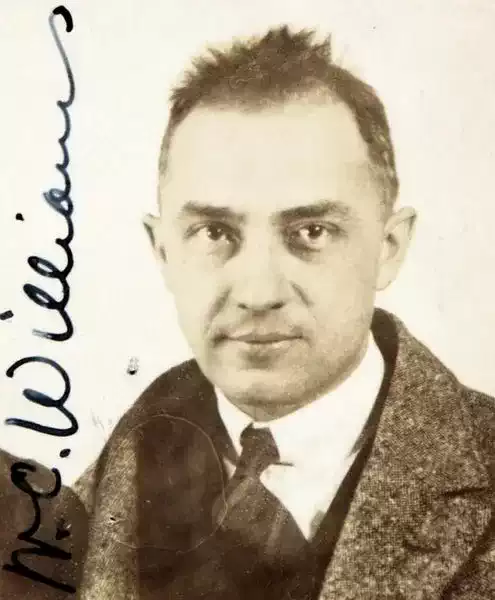
William Carlos Williams
To a Friend Concerning Several Ladies
To a Friend Concerning Several Ladies
You know there is not much
that I desire, a few chrysanthemums
half lying on the grass, yellow
and brown and white, the
talk of a few people, the trees,
an expanse of dried leaves perhaps
with ditches among them.
But there comes
between me and these things
a letter
or even a look--well placed,
you understand,
so that I am confused, twisted
four ways and--left flat,
unable to lift the food to
my own mouth:
Here is what they say: Come!
and come! and come! And if
I do not go I remain stale to
myself and if I go--
I have watched
the city from a distance at night
and wondered why I wrote no poem.
Come! yes,
the city is ablaze for you
and you stand and look at it.
And they are right. There is
no good in the world except out of
a woman and certain women alone
for certain. But what if
I arrive like a turtle,
with my house on my back or
a fish ogling from under water?
It will not do. I must be
steaming with love, colored
like a flamingo. For what?
To have legs and a silly head
and to smell, pah! like a flamingo
that soils its own feathers behind.
Must I go home filled
with a bad poem?
And they say:
Who can answer these things
till he has tried? Your eyes
are half closed, you are a child,
oh, a sweet one, ready to play
but I will make a man of you and
with love on his shoulder--!
And in the marshes
the crickets run
on the sunny dike's top and
make burrows there, the water
reflects the reeds and the reeds
move on their stalks and rattle drily.
You know there is not much
that I desire, a few chrysanthemums
half lying on the grass, yellow
and brown and white, the
talk of a few people, the trees,
an expanse of dried leaves perhaps
with ditches among them.
But there comes
between me and these things
a letter
or even a look--well placed,
you understand,
so that I am confused, twisted
four ways and--left flat,
unable to lift the food to
my own mouth:
Here is what they say: Come!
and come! and come! And if
I do not go I remain stale to
myself and if I go--
I have watched
the city from a distance at night
and wondered why I wrote no poem.
Come! yes,
the city is ablaze for you
and you stand and look at it.
And they are right. There is
no good in the world except out of
a woman and certain women alone
for certain. But what if
I arrive like a turtle,
with my house on my back or
a fish ogling from under water?
It will not do. I must be
steaming with love, colored
like a flamingo. For what?
To have legs and a silly head
and to smell, pah! like a flamingo
that soils its own feathers behind.
Must I go home filled
with a bad poem?
And they say:
Who can answer these things
till he has tried? Your eyes
are half closed, you are a child,
oh, a sweet one, ready to play
but I will make a man of you and
with love on his shoulder--!
And in the marshes
the crickets run
on the sunny dike's top and
make burrows there, the water
reflects the reeds and the reeds
move on their stalks and rattle drily.
409
William Carlos Williams
Great Mullen
Great Mullen
One leaves his leaves at home
beomg a mullen and sends up a lighthouse
to peer from: I will have my way,
yellow--A mast with a lantern, ten
fifty, a hundred, smaller and smaller
as they grow more--Liar, liar, liar!
You come from her! I can smell djer-kiss
on your clothes. Ha! you come to me,
you, I am a point of dew on a grass-stem.
Why are you sending heat down on me
from your lantern?--You are cowdung, a
dead stick with the bark off. She is
squirting on us both. She has has her
hand on you!--well?--She has defiled
ME.--Your leaves are dull, thick
and hairy.--Every hair on my body will
hold you off from me. You are a
dungcake, birdlime on a fencerail.--
I love you, straight, yellow
finger of God pointing to--her!
Liar, broken weed, dungcake, you have--
I am a cricket waving his antennae
and you are high, grey and straight. Ha!
One leaves his leaves at home
beomg a mullen and sends up a lighthouse
to peer from: I will have my way,
yellow--A mast with a lantern, ten
fifty, a hundred, smaller and smaller
as they grow more--Liar, liar, liar!
You come from her! I can smell djer-kiss
on your clothes. Ha! you come to me,
you, I am a point of dew on a grass-stem.
Why are you sending heat down on me
from your lantern?--You are cowdung, a
dead stick with the bark off. She is
squirting on us both. She has has her
hand on you!--well?--She has defiled
ME.--Your leaves are dull, thick
and hairy.--Every hair on my body will
hold you off from me. You are a
dungcake, birdlime on a fencerail.--
I love you, straight, yellow
finger of God pointing to--her!
Liar, broken weed, dungcake, you have--
I am a cricket waving his antennae
and you are high, grey and straight. Ha!
418
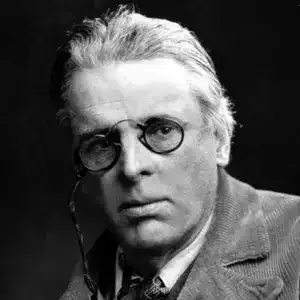
William Butler Yeats
The Results Of Thought
The Results Of Thought
ACQUAINTANCE; companion;
One dear brilliant woman;
The best-endowed, the elect,
All by their youth undone,
All, all, by that inhuman
Bitter glory wrecked.
But I have straightened out
Ruin, wreck and wrack;
I toiled long years and at length
Came to so deep a thought
I can summon back
All their wholesome strength.
What images are these
That turn dull-eyed away,
Or Shift Time's filthy load,
Straighten aged knees,
Hesitate or stay?
What heads shake or nod?
ACQUAINTANCE; companion;
One dear brilliant woman;
The best-endowed, the elect,
All by their youth undone,
All, all, by that inhuman
Bitter glory wrecked.
But I have straightened out
Ruin, wreck and wrack;
I toiled long years and at length
Came to so deep a thought
I can summon back
All their wholesome strength.
What images are these
That turn dull-eyed away,
Or Shift Time's filthy load,
Straighten aged knees,
Hesitate or stay?
What heads shake or nod?
320
William Butler Yeats
The People
The People
'WHAT have I earned for all that work,' I said,
'For all that I have done at my own charge?
The daily spite of this unmannerly town,
Where who has served the most is most defaned,
The reputation of his lifetime lost
Between the night and morning. I might have lived,
And you know well how great the longing has been,
Where every day my footfall Should have lit
In the green shadow of Ferrara wall;
Or climbed among the images of the past --
The unperturbed and courtly images --
Evening and morning, the steep street of Urbino
To where the Duchess and her people talked
The stately midnight through until they stood
In their great window looking at the dawn;
I might have had no friend that could not mix
Courtesy and passion into one like those
That saw the wicks grow yellow in the dawn;
I might have used the one substantial right
My trade allows: chosen my company,
And chosen what scenery had pleased me best.
Thereon my phoenix answered in reproof,
'The drunkards, pilferers of public funds,
All the dishonest crowd I had driven away,
When my luck changed and they dared meet my face,
Crawled from obscurity, and set upon me
Those I had served and some that I had fed;
Yet never have I, now nor any time,
Complained of the people.'
All I could reply
Was: 'You, that have not lived in thought but deed,
Can have the purity of a natural force,
But I, whose virtues are the definitions
Of the analytic mind, can neither close
The eye of the mind nor keep my tongue from speech.'
And yet, because my heart leaped at her words,
I was abashed, and now they come to mind
After nine years, I sink my head abashed.
'WHAT have I earned for all that work,' I said,
'For all that I have done at my own charge?
The daily spite of this unmannerly town,
Where who has served the most is most defaned,
The reputation of his lifetime lost
Between the night and morning. I might have lived,
And you know well how great the longing has been,
Where every day my footfall Should have lit
In the green shadow of Ferrara wall;
Or climbed among the images of the past --
The unperturbed and courtly images --
Evening and morning, the steep street of Urbino
To where the Duchess and her people talked
The stately midnight through until they stood
In their great window looking at the dawn;
I might have had no friend that could not mix
Courtesy and passion into one like those
That saw the wicks grow yellow in the dawn;
I might have used the one substantial right
My trade allows: chosen my company,
And chosen what scenery had pleased me best.
Thereon my phoenix answered in reproof,
'The drunkards, pilferers of public funds,
All the dishonest crowd I had driven away,
When my luck changed and they dared meet my face,
Crawled from obscurity, and set upon me
Those I had served and some that I had fed;
Yet never have I, now nor any time,
Complained of the people.'
All I could reply
Was: 'You, that have not lived in thought but deed,
Can have the purity of a natural force,
But I, whose virtues are the definitions
Of the analytic mind, can neither close
The eye of the mind nor keep my tongue from speech.'
And yet, because my heart leaped at her words,
I was abashed, and now they come to mind
After nine years, I sink my head abashed.
437
William Butler Yeats
The Lady's First Song
The Lady's First Song
I TURN round
Like a dumb beast in a show.
Neither know what I am
Nor where I go,
My language beaten
Into one name;
I am in love
And that is my shame.
What hurts the soul
My soul adores,
No better than a beast
Upon all fours.
I TURN round
Like a dumb beast in a show.
Neither know what I am
Nor where I go,
My language beaten
Into one name;
I am in love
And that is my shame.
What hurts the soul
My soul adores,
No better than a beast
Upon all fours.
347
William Butler Yeats
The Coming Of Wisdom With Time
The Coming Of Wisdom With Time
THOUGH leaves are many, the root is one;
Through all the lying days of my youth
I swayed my leaves and flowers in the sun;
Now I may wither into the truth.
THOUGH leaves are many, the root is one;
Through all the lying days of my youth
I swayed my leaves and flowers in the sun;
Now I may wither into the truth.
329
William Butler Yeats
The Apparitions
The Apparitions
BECAUSE there is safety in derision
I talked about an apparition,
I took no trouble to convince,
Or seem plausible to a man of sense.
Distrustful of thar popular eye
Whether it be bold or sly.
Fifteen apparitions have I seen;
The worst a coat upon a coat-hanger.
I have found nothing half so good
As my long-planned half solitude,
Where I can sit up half the night
With some friend that has the wit
Not to allow his looks to tell
When I am unintelligible.
Fifteen apparitions have I seen;
The worst a coat upon a coat-hanger.
When a man grows old his joy
Grows more deep day after day,
His empty heart is full at length,
But he has need of all that strength
Because of the increasing Night
That opens her mystery and fright.
Fifteen apparitions have I seen;
The worst a coat upon a coat-hanger.
BECAUSE there is safety in derision
I talked about an apparition,
I took no trouble to convince,
Or seem plausible to a man of sense.
Distrustful of thar popular eye
Whether it be bold or sly.
Fifteen apparitions have I seen;
The worst a coat upon a coat-hanger.
I have found nothing half so good
As my long-planned half solitude,
Where I can sit up half the night
With some friend that has the wit
Not to allow his looks to tell
When I am unintelligible.
Fifteen apparitions have I seen;
The worst a coat upon a coat-hanger.
When a man grows old his joy
Grows more deep day after day,
His empty heart is full at length,
But he has need of all that strength
Because of the increasing Night
That opens her mystery and fright.
Fifteen apparitions have I seen;
The worst a coat upon a coat-hanger.
360
William Butler Yeats
Stream And Sun At Glendalough
Stream And Sun At Glendalough
THROUGH intricate motions ran
Stream and gliding sun
And all my heart seemed gay:
Some stupid thing that I had done
Made my attention stray.
Repentance keeps my heart impure;
But what am I that dare
Fancy that I can
Better conduct myself or have more
Sense than a common man?
What motion of the sun or stream
Or eyelid shot the gleam
That pierced my body through?
What made me live like these that seem
Self-born, born anew?
THROUGH intricate motions ran
Stream and gliding sun
And all my heart seemed gay:
Some stupid thing that I had done
Made my attention stray.
Repentance keeps my heart impure;
But what am I that dare
Fancy that I can
Better conduct myself or have more
Sense than a common man?
What motion of the sun or stream
Or eyelid shot the gleam
That pierced my body through?
What made me live like these that seem
Self-born, born anew?
434
William Butler Yeats
Man And The Echo
Man And The Echo
Man. In a cleft that's christened Alt
Under broken stone I halt
At the bottom of a pit
That broad noon has never lit,
And shout a secret to the stone.
All that I have said and done,
Now that I am old and ill,
Turns into a question till
I lie awake night after night
And never get the answers right.
Did that play of mine send out
Certain men the English shot?
Did words of mine put too great strain
On that woman's reeling brain?
Could my spoken words have checked
That whereby a house lay wrecked?
And all seems evil until I
Sleepless would lie down and die.
Echo. Lie down and die.
Man. That were to shirk
The spiritual intellect's great work,
And shirk it in vain. There is no release
In a bodkin or disease,
Nor can there be work so great
As that which cleans man's dirty slate.
While man can still his body keep
Wine or love drug him to sleep,
Waking he thanks the Lord that he
Has body and its stupidity,
But body gone he sleeps no more,
And till his intellect grows sure
That all's arranged in one clear view,
pursues the thoughts that I pursue,
Then stands in judgment on his soul,
And, all work done, dismisses all
Out of intellect and sight
And sinks at last into the night.
Echo. Into the night.
Man. O Rocky Voice,
Shall we in that great night rejoice?
What do we know but that we face
One another in this place?
But hush, for I have lost the theme,
Its joy or night-seem but a dream;
Up there some hawk or owl has struck,
Dropping out of sky or rock,
A stricken rabbit is crying out,
And its cry distracts my thought.
Man. In a cleft that's christened Alt
Under broken stone I halt
At the bottom of a pit
That broad noon has never lit,
And shout a secret to the stone.
All that I have said and done,
Now that I am old and ill,
Turns into a question till
I lie awake night after night
And never get the answers right.
Did that play of mine send out
Certain men the English shot?
Did words of mine put too great strain
On that woman's reeling brain?
Could my spoken words have checked
That whereby a house lay wrecked?
And all seems evil until I
Sleepless would lie down and die.
Echo. Lie down and die.
Man. That were to shirk
The spiritual intellect's great work,
And shirk it in vain. There is no release
In a bodkin or disease,
Nor can there be work so great
As that which cleans man's dirty slate.
While man can still his body keep
Wine or love drug him to sleep,
Waking he thanks the Lord that he
Has body and its stupidity,
But body gone he sleeps no more,
And till his intellect grows sure
That all's arranged in one clear view,
pursues the thoughts that I pursue,
Then stands in judgment on his soul,
And, all work done, dismisses all
Out of intellect and sight
And sinks at last into the night.
Echo. Into the night.
Man. O Rocky Voice,
Shall we in that great night rejoice?
What do we know but that we face
One another in this place?
But hush, for I have lost the theme,
Its joy or night-seem but a dream;
Up there some hawk or owl has struck,
Dropping out of sky or rock,
A stricken rabbit is crying out,
And its cry distracts my thought.
381
William Butler Yeats
Crazy Jane On The Day Of Judgment
Crazy Jane On The Day Of Judgment
'Love is all
Unsatisfied
That cannot take the whole
Body and soul';
And that is what Jane said.
'Take the sour
If you take me
I can scoff and lour
And scold for an hour.'
"That's certainly the case,' said he.
'Naked I lay,
The grass my bed;
Naked and hidden away,
That black day';
And that is what Jane said.
'What can be shown?
What true love be?
All could be known or shown
If Time were but gone.'
'That's certainly the case,' said he.
'Love is all
Unsatisfied
That cannot take the whole
Body and soul';
And that is what Jane said.
'Take the sour
If you take me
I can scoff and lour
And scold for an hour.'
"That's certainly the case,' said he.
'Naked I lay,
The grass my bed;
Naked and hidden away,
That black day';
And that is what Jane said.
'What can be shown?
What true love be?
All could be known or shown
If Time were but gone.'
'That's certainly the case,' said he.
427
William Butler Yeats
Before The World Was Made
Before The World Was Made
If I make the lashes dark
And the eyes more bright
And the lips more scarlet,
Or ask if all be right
From mirror after mirror,
No vanity's displayed:
I'm looking for the face I had
Before the world was made.
What if I look upon a man
As though on my beloved,
And my blood be cold the while
And my heart unmoved?
Why should he think me cruel
Or that he is betrayed?
I'd have him love the thing that was
Before the world was made.
If I make the lashes dark
And the eyes more bright
And the lips more scarlet,
Or ask if all be right
From mirror after mirror,
No vanity's displayed:
I'm looking for the face I had
Before the world was made.
What if I look upon a man
As though on my beloved,
And my blood be cold the while
And my heart unmoved?
Why should he think me cruel
Or that he is betrayed?
I'd have him love the thing that was
Before the world was made.
263