

Poems in this theme
Consciousness and Self-Knowledge
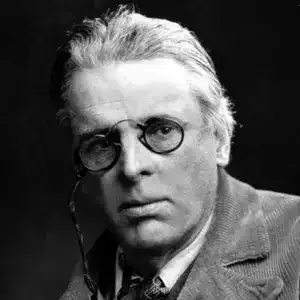
William Butler Yeats
An Acre Of Grass
An Acre Of Grass
PICTURE and book remain,
An acre of green grass
For air and exercise,
Now strength of body goes;
Midnight, an old house
Where nothing stirs but a mouse.
My temptation is quiet.
Here at life's end
Neither loose imagination,
Nor the mill of the mind
Consuming its rag and bonc,
Can make the truth known.
Grant me an old man's frenzy,
Myself must I remake
Till I am Timon and Lear
Or that William Blake
Who beat upon the wall
Till Truth obeyed his call;
A mind Michael Angelo knew
That can pierce the clouds,
Or inspired by frenzy
Shake the dead in their shrouds;
Forgotten else by mankind,
An old man's eagle mind.
PICTURE and book remain,
An acre of green grass
For air and exercise,
Now strength of body goes;
Midnight, an old house
Where nothing stirs but a mouse.
My temptation is quiet.
Here at life's end
Neither loose imagination,
Nor the mill of the mind
Consuming its rag and bonc,
Can make the truth known.
Grant me an old man's frenzy,
Myself must I remake
Till I am Timon and Lear
Or that William Blake
Who beat upon the wall
Till Truth obeyed his call;
A mind Michael Angelo knew
That can pierce the clouds,
Or inspired by frenzy
Shake the dead in their shrouds;
Forgotten else by mankind,
An old man's eagle mind.
430
William Butler Yeats
Adam's Curse
Adam's Curse
WE sat together at one summer's end,
That beautiful mild woman, your close friend,
And you and I, and talked of poetry.
I said, 'A line will take us hours maybe;
Yet if it does not seem a moment's thought,
Our stitching and unstitching has been naught.
Better go down upon your marrow-bones
And scrub a kitchen pavement, or break stones
Like an old pauper, in all kinds of weather;
For to articulate sweet sounds together
Is to work harder than all these, and yet
Be thought an idler by the noisy set
Of bankers, schoolmasters, and clergymen
The martyrs call the world.'
And thereupon
That beautiful mild woman for whose sake
There's many a one shall find out all heartache
On finding that her voice is sweet and low
Replied, 'To be born woman is to know --
Although they do not talk of it at school --
That we must labour to be beautiful.'
I said, 'It's certain there is no fine thing
Since Adam's fall but needs much labouring.
There have been lovers who thought love should be
So much compounded of high courtesy
That they would sigh and quote with learned looks
precedents out of beautiful old books;
Yet now it seems an idle trade enough.'
We sat grown quiet at the name of love;
We saw the last embers of daylight die,
And in the trembling blue-green of the sky
A moon, worn as if it had been a shell
Washed by time's waters as they rose and fell
About the stars and broke in days and years.
I had a thought for no one's but your ears:
That you were beautiful, and that I strove
To love you in the old high way of love;
That it had all seemed happy, and yet we'd grown
As weary-hearted as that hollow moon.
WE sat together at one summer's end,
That beautiful mild woman, your close friend,
And you and I, and talked of poetry.
I said, 'A line will take us hours maybe;
Yet if it does not seem a moment's thought,
Our stitching and unstitching has been naught.
Better go down upon your marrow-bones
And scrub a kitchen pavement, or break stones
Like an old pauper, in all kinds of weather;
For to articulate sweet sounds together
Is to work harder than all these, and yet
Be thought an idler by the noisy set
Of bankers, schoolmasters, and clergymen
The martyrs call the world.'
And thereupon
That beautiful mild woman for whose sake
There's many a one shall find out all heartache
On finding that her voice is sweet and low
Replied, 'To be born woman is to know --
Although they do not talk of it at school --
That we must labour to be beautiful.'
I said, 'It's certain there is no fine thing
Since Adam's fall but needs much labouring.
There have been lovers who thought love should be
So much compounded of high courtesy
That they would sigh and quote with learned looks
precedents out of beautiful old books;
Yet now it seems an idle trade enough.'
We sat grown quiet at the name of love;
We saw the last embers of daylight die,
And in the trembling blue-green of the sky
A moon, worn as if it had been a shell
Washed by time's waters as they rose and fell
About the stars and broke in days and years.
I had a thought for no one's but your ears:
That you were beautiful, and that I strove
To love you in the old high way of love;
That it had all seemed happy, and yet we'd grown
As weary-hearted as that hollow moon.
405
William Butler Yeats
A Man Young And Old: IV. The Death Of The Hare
A Man Young And Old: IV. The Death Of The Hare
I have pointed out the yelling pack,
The hare leap to the wood,
And when I pass a compliment
Rejoice as lover should
At the drooping of an eye,
At the mantling of the blood.
Then suddenly my heart is wrung
By her distracted air
And I remember wildness lost
And after, swept from there,
Am set down standing in the wood
At the death of the hare.
I have pointed out the yelling pack,
The hare leap to the wood,
And when I pass a compliment
Rejoice as lover should
At the drooping of an eye,
At the mantling of the blood.
Then suddenly my heart is wrung
By her distracted air
And I remember wildness lost
And after, swept from there,
Am set down standing in the wood
At the death of the hare.
337
William Butler Yeats
A Man Young And Old
A Man Young And Old
I
First Love
THOUGH nurtured like the sailing moon
In beauty's murderous brood,
She walked awhile and blushed awhile
And on my pathway stood
Until I thought her body bore
A heart of flesh and blood.
But since I laid a hand thereon
And found a heart of stone
I have attempted many things
And not a thing is done,
For every hand is lunatic
That travels on the moon.
She smiled and that transfigured me
And left me but a lout,
Maundering here, and maundering there,
Emptier of thought
Than the heavenly circuit of its stars
When the moon sails out.
II
Human Dignity
Like the moon her kindness is,
If kindness I may call
What has no comprehension in't,
But is the same for all
As though my sorrow were a scene
Upon a painted wall.
So like a bit of stone I lie
Under a broken tree.
I could recover if I shrieked
My heart's agony
To passing bird, but I am dumb
From human dignity.
III
The Mermaid
A mermaid found a swimming lad,
Picked him for her own,
Pressed her body to his body,
Laughed; and plunging down
Forgot in cruel happiness
That even lovers drown.
IV
The Death of the Hare
I have pointed out the yelling pack,
The hare leap to the wood,
And when I pass a compliment
Rejoice as lover should
At the drooping of an eye,
At the mantling of the blood.
Then' suddenly my heart is wrung
By her distracted air
And I remember wildness lost
And after, swept from there,
Am set down standing in the wood
At the death of the hare.
V
The Empty Cup
A crazy man that found a cup,
When all but dead of thirst,
Hardly dared to wet his mouth
Imagining, moon-accursed,
That another mouthful
And his beating heart would burst.
October last I found it too
But found it dry as bone,
And for that reason am I crazed
And my sleep is gone.
VI
His Memories
We should be hidden from their eyes,
Being but holy shows
And bodies broken like a thorn
Whereon the bleak north blows,
To think of buried Hector
And that none living knows.
The women take so little stock
In what I do or say
They'd sooner leave their cosseting
To hear a jackass bray;
My arms are like the twisted thorn
And yet there beauty lay;
The first of all the tribe lay there
And did such pleasure take --
She who had brought great Hector down
And put all Troy to wreck --
That she cried into this ear,
'Strike me if I shriek.'
VII
The Friends of his Youth
Laughter not time destroyed my voice
And put that crack in it,
And when the moon's pot-bellied
I get a laughing fit,
For that old Madge comes down the lane,
A stone upon her breast,
And a cloak wrapped about the stone,
And she can get no rest
With singing hush and hush-a-bye;
She that has been wild
And barren as a breaking wave
Thinks that the stone's a child.
And Peter that had great affairs
And was a pushing man
Shrieks, 'I am King of the Peacocks,'
And perches on a stone;
And then I laugh till tears run down
And the heart thumps at my side,
Remembering that her shriek was love
And that he shrieks from pride.
VIII
Summer and Spring
We sat under an old thorn-tree
And talked away the night,
Told all that had been said or done
Since first we saw the light,
And when we talked of growing up
Knew that we'd halved a soul
And fell the one in t'other's arms
That we might make it whole;
Then peter had a murdering look,
For it seemed that he and she
Had spoken of their childish days
Under that very tree.
O what a bursting out there was,
And what a blossoming,
When we had all the summer-time
And she had all the spring!
IX
The Secrets of the Old
I have old women's sectets now
That had those of the young;
Madge tells me what I dared not think
When my blood was strong,
And what had drowned a lover once
Sounds like an old song.
Though Margery is stricken dumb
If thrown in Madge's way,
We three make up a solitude;
For none alive to-day
Can know the stories that we know
Or say the things we say:
How such a man pleased women most
Of all that are gone,
How such a pair loved many years
And such a pair but one,
Stories of the bed of straw
Or the bed of down.
X
His Wildness
O bid me mount and sail up there
Amid the cloudy wrack,
For peg and Meg and Paris' love
That had so straight a back,
Are gone away, and some that stay
Have changed their silk for sack.
Were I but there and none to hear
I'd have a peacock cry,
For that is natural to a man
That lives in memory,
Being all alone I'd nurse a stone
And sing it lullaby.
XI
From 'Oedipus at Colonus'
Endure what life God gives and ask no longer span;
Cease to remember the delights of youth, travel-wearied aged man;
Delight becomes death-longing if all longing else be vain.
Even from that delight memory treasures so,
Death, despair, division of families, all entanglements of mankind grow,
As that old wandering beggar and these God-hated children know.
In the long echoing street the laughing dancers throng,
The bride is catried to the bridegroom's chamber
through torchlight and tumultuous song;
I celebrate the silent kiss that ends short life or long.
Never to have lived is best, ancient writers say;
Never to have drawn the breath of life, never to have
looked into the eye of day;
The second best's a gay goodnight and quickly turn away.
I
First Love
THOUGH nurtured like the sailing moon
In beauty's murderous brood,
She walked awhile and blushed awhile
And on my pathway stood
Until I thought her body bore
A heart of flesh and blood.
But since I laid a hand thereon
And found a heart of stone
I have attempted many things
And not a thing is done,
For every hand is lunatic
That travels on the moon.
She smiled and that transfigured me
And left me but a lout,
Maundering here, and maundering there,
Emptier of thought
Than the heavenly circuit of its stars
When the moon sails out.
II
Human Dignity
Like the moon her kindness is,
If kindness I may call
What has no comprehension in't,
But is the same for all
As though my sorrow were a scene
Upon a painted wall.
So like a bit of stone I lie
Under a broken tree.
I could recover if I shrieked
My heart's agony
To passing bird, but I am dumb
From human dignity.
III
The Mermaid
A mermaid found a swimming lad,
Picked him for her own,
Pressed her body to his body,
Laughed; and plunging down
Forgot in cruel happiness
That even lovers drown.
IV
The Death of the Hare
I have pointed out the yelling pack,
The hare leap to the wood,
And when I pass a compliment
Rejoice as lover should
At the drooping of an eye,
At the mantling of the blood.
Then' suddenly my heart is wrung
By her distracted air
And I remember wildness lost
And after, swept from there,
Am set down standing in the wood
At the death of the hare.
V
The Empty Cup
A crazy man that found a cup,
When all but dead of thirst,
Hardly dared to wet his mouth
Imagining, moon-accursed,
That another mouthful
And his beating heart would burst.
October last I found it too
But found it dry as bone,
And for that reason am I crazed
And my sleep is gone.
VI
His Memories
We should be hidden from their eyes,
Being but holy shows
And bodies broken like a thorn
Whereon the bleak north blows,
To think of buried Hector
And that none living knows.
The women take so little stock
In what I do or say
They'd sooner leave their cosseting
To hear a jackass bray;
My arms are like the twisted thorn
And yet there beauty lay;
The first of all the tribe lay there
And did such pleasure take --
She who had brought great Hector down
And put all Troy to wreck --
That she cried into this ear,
'Strike me if I shriek.'
VII
The Friends of his Youth
Laughter not time destroyed my voice
And put that crack in it,
And when the moon's pot-bellied
I get a laughing fit,
For that old Madge comes down the lane,
A stone upon her breast,
And a cloak wrapped about the stone,
And she can get no rest
With singing hush and hush-a-bye;
She that has been wild
And barren as a breaking wave
Thinks that the stone's a child.
And Peter that had great affairs
And was a pushing man
Shrieks, 'I am King of the Peacocks,'
And perches on a stone;
And then I laugh till tears run down
And the heart thumps at my side,
Remembering that her shriek was love
And that he shrieks from pride.
VIII
Summer and Spring
We sat under an old thorn-tree
And talked away the night,
Told all that had been said or done
Since first we saw the light,
And when we talked of growing up
Knew that we'd halved a soul
And fell the one in t'other's arms
That we might make it whole;
Then peter had a murdering look,
For it seemed that he and she
Had spoken of their childish days
Under that very tree.
O what a bursting out there was,
And what a blossoming,
When we had all the summer-time
And she had all the spring!
IX
The Secrets of the Old
I have old women's sectets now
That had those of the young;
Madge tells me what I dared not think
When my blood was strong,
And what had drowned a lover once
Sounds like an old song.
Though Margery is stricken dumb
If thrown in Madge's way,
We three make up a solitude;
For none alive to-day
Can know the stories that we know
Or say the things we say:
How such a man pleased women most
Of all that are gone,
How such a pair loved many years
And such a pair but one,
Stories of the bed of straw
Or the bed of down.
X
His Wildness
O bid me mount and sail up there
Amid the cloudy wrack,
For peg and Meg and Paris' love
That had so straight a back,
Are gone away, and some that stay
Have changed their silk for sack.
Were I but there and none to hear
I'd have a peacock cry,
For that is natural to a man
That lives in memory,
Being all alone I'd nurse a stone
And sing it lullaby.
XI
From 'Oedipus at Colonus'
Endure what life God gives and ask no longer span;
Cease to remember the delights of youth, travel-wearied aged man;
Delight becomes death-longing if all longing else be vain.
Even from that delight memory treasures so,
Death, despair, division of families, all entanglements of mankind grow,
As that old wandering beggar and these God-hated children know.
In the long echoing street the laughing dancers throng,
The bride is catried to the bridegroom's chamber
through torchlight and tumultuous song;
I celebrate the silent kiss that ends short life or long.
Never to have lived is best, ancient writers say;
Never to have drawn the breath of life, never to have
looked into the eye of day;
The second best's a gay goodnight and quickly turn away.
529
William Butler Yeats
A First Confession
A First Confession
I admit the briar
Entangled in my hair
Did not injure me;
My blenching and trembling,
Nothing but dissembling,
Nothing but coquetry.
I long for truth, and yet
I cannot stay from that
My better self disowns,
For a man's attention
Brings such satisfaction
To the craving in my bones.
Brightness that I pull back
From the Zodiac,
Why those questioning eyes
That are fixed upon me?
What can they do but shun me
If empty night replies?
I admit the briar
Entangled in my hair
Did not injure me;
My blenching and trembling,
Nothing but dissembling,
Nothing but coquetry.
I long for truth, and yet
I cannot stay from that
My better self disowns,
For a man's attention
Brings such satisfaction
To the craving in my bones.
Brightness that I pull back
From the Zodiac,
Why those questioning eyes
That are fixed upon me?
What can they do but shun me
If empty night replies?
350
William Butler Yeats
A Dialogue Of Self And Soul
A Dialogue Of Self And Soul
i{My Soul} I summon to the winding ancient stair;
Set all your mind upon the steep ascent,
Upon the broken, crumbling battlement,
Upon the breathless starlit air,
'Upon the star that marks the hidden pole;
Fix every wandering thought upon
That quarter where all thought is done:
Who can distinguish darkness from the soul
i{My Self}. The consecretes blade upon my knees
Is Sato's ancient blade, still as it was,
Still razor-keen, still like a looking-glass
Unspotted by the centuries;
That flowering, silken, old embroidery, torn
From some court-lady's dress and round
The wodden scabbard bound and wound
Can, tattered, still protect, faded adorn
i{My Soul.} Why should the imagination of a man
Long past his prime remember things that are
Emblematical of love and war?
Think of ancestral night that can,
If but imagination scorn the earth
And interllect is wandering
To this and that and t'other thing,
Deliver from the crime of death and birth.
i{My self.} Montashigi, third of his family, fashioned it
Five hundred years ago, about it lie
Flowers from I know not what embroidery -Heart's
purple -- and all these I set
For emblems of the day against the tower
Emblematical of the night,
And claim as by a soldier's right
A charter to commit the crime once more.
i{My Soul.} Such fullness in that quarter overflows
And falls into the basin of the mind
That man is stricken deaf and dumb and blind,
For intellect no longer knows
i{Is} from the i{Ought,} or i{knower} from the i{Known -- }
That is to say, ascends to Heaven;
Only the dead can be forgiven;
But when I think of that my tongue's a stone.
i{My Self.} A living man is blind and drinks his drop.
What matter if the ditches are impure?
What matter if I live it all once more?
Endure that toil of growing up;
The ignominy of boyhood; the distress
Of boyhood changing into man;
The unfinished man and his pain
Brought face to face with his own clumsiness;
The finished man among his enemies? --
How in the name of Heaven can he escape
That defiling and disfigured shape
The mirror of malicious eyes
Casts upon his eyes until at last
He thinks that shape must be his shape?
And what's the good of an escape
If honour find him in the wintry blast?
I am content to live it all again
And yet again, if it be life to pitch
Into the frog-spawn of a blind man's ditch,
A blind man battering blind men;
Or into that most fecund ditch of all,
The folly that man does
Or must suffer, if he woos
A proud woman not kindred of his soul.
I am content to follow to its source
Every event in action or in thought;
Measure the lot; forgive myself the lot!
When such as I cast out remorse
So great a sweetness flows into the breast
We must laugh and we must sing,
We are blest by everything,
Everything we look upon is blest.
i{My Soul} I summon to the winding ancient stair;
Set all your mind upon the steep ascent,
Upon the broken, crumbling battlement,
Upon the breathless starlit air,
'Upon the star that marks the hidden pole;
Fix every wandering thought upon
That quarter where all thought is done:
Who can distinguish darkness from the soul
i{My Self}. The consecretes blade upon my knees
Is Sato's ancient blade, still as it was,
Still razor-keen, still like a looking-glass
Unspotted by the centuries;
That flowering, silken, old embroidery, torn
From some court-lady's dress and round
The wodden scabbard bound and wound
Can, tattered, still protect, faded adorn
i{My Soul.} Why should the imagination of a man
Long past his prime remember things that are
Emblematical of love and war?
Think of ancestral night that can,
If but imagination scorn the earth
And interllect is wandering
To this and that and t'other thing,
Deliver from the crime of death and birth.
i{My self.} Montashigi, third of his family, fashioned it
Five hundred years ago, about it lie
Flowers from I know not what embroidery -Heart's
purple -- and all these I set
For emblems of the day against the tower
Emblematical of the night,
And claim as by a soldier's right
A charter to commit the crime once more.
i{My Soul.} Such fullness in that quarter overflows
And falls into the basin of the mind
That man is stricken deaf and dumb and blind,
For intellect no longer knows
i{Is} from the i{Ought,} or i{knower} from the i{Known -- }
That is to say, ascends to Heaven;
Only the dead can be forgiven;
But when I think of that my tongue's a stone.
i{My Self.} A living man is blind and drinks his drop.
What matter if the ditches are impure?
What matter if I live it all once more?
Endure that toil of growing up;
The ignominy of boyhood; the distress
Of boyhood changing into man;
The unfinished man and his pain
Brought face to face with his own clumsiness;
The finished man among his enemies? --
How in the name of Heaven can he escape
That defiling and disfigured shape
The mirror of malicious eyes
Casts upon his eyes until at last
He thinks that shape must be his shape?
And what's the good of an escape
If honour find him in the wintry blast?
I am content to live it all again
And yet again, if it be life to pitch
Into the frog-spawn of a blind man's ditch,
A blind man battering blind men;
Or into that most fecund ditch of all,
The folly that man does
Or must suffer, if he woos
A proud woman not kindred of his soul.
I am content to follow to its source
Every event in action or in thought;
Measure the lot; forgive myself the lot!
When such as I cast out remorse
So great a sweetness flows into the breast
We must laugh and we must sing,
We are blest by everything,
Everything we look upon is blest.
505
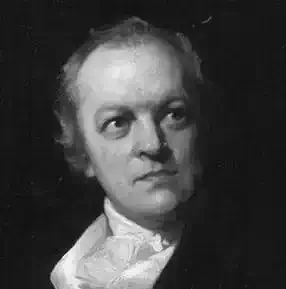
William Blake
The Fly
The Fly
Little Fly,
Thy summer's play
My thoughtless hand
Has brushed away.
Am not I
A fly like thee?
Or art not thou
A man like me?
For I dance
And drink, and sing,
Till some blind hand
Shall brush my wing.
If thought is life
And strength and breath
And the want
Of thought is death;
Then am I
A happy fly,
If I live,
Or if I die.
Little Fly,
Thy summer's play
My thoughtless hand
Has brushed away.
Am not I
A fly like thee?
Or art not thou
A man like me?
For I dance
And drink, and sing,
Till some blind hand
Shall brush my wing.
If thought is life
And strength and breath
And the want
Of thought is death;
Then am I
A happy fly,
If I live,
Or if I die.
356
William Blake
Milton: The Sky is an Immortal Tent Built by the Sons of Los
Milton: The Sky is an Immortal Tent Built by the Sons of Los
The sky is an immortal tent built by the Sons of Los:
And every space that a man views around his dwelling-place
Standing on his own roof or in his garden on a mount
Of twenty-five cubits in height, such space is his universe:
And on its verge the sun rises and sets, the clouds bow
To meet the flat earth and the sea in such an order'd space:
The starry heavens reach no further, but here bend and set
On all sides, and the two Poles turn on their valves of gold:
And if he moves his dwelling-place, his heavens also move
Where'er he goes, and all his neighbourhood bewail his loss.
Such are the spaces called Earth and such its dimension.
As to that false appearance which appears to the reasoner
As of a globe rolling through voidness, it is a delusion of Ulro.
The microscope knows not of this nor the telescope: they alter
The ratio of the spectator's organs, but leave objects untouch'd.
For every space larger than a red globule of Man's blood
Is visionary, and is created by the Hammer of Los;
And every space smaller than a globule of Man's blood opens
Into Eternity of which this vegetable Earth is but a shadow.
The red globule is the unwearied sun by Los created
To measure time and space to mortal men every morning
The sky is an immortal tent built by the Sons of Los:
And every space that a man views around his dwelling-place
Standing on his own roof or in his garden on a mount
Of twenty-five cubits in height, such space is his universe:
And on its verge the sun rises and sets, the clouds bow
To meet the flat earth and the sea in such an order'd space:
The starry heavens reach no further, but here bend and set
On all sides, and the two Poles turn on their valves of gold:
And if he moves his dwelling-place, his heavens also move
Where'er he goes, and all his neighbourhood bewail his loss.
Such are the spaces called Earth and such its dimension.
As to that false appearance which appears to the reasoner
As of a globe rolling through voidness, it is a delusion of Ulro.
The microscope knows not of this nor the telescope: they alter
The ratio of the spectator's organs, but leave objects untouch'd.
For every space larger than a red globule of Man's blood
Is visionary, and is created by the Hammer of Los;
And every space smaller than a globule of Man's blood opens
Into Eternity of which this vegetable Earth is but a shadow.
The red globule is the unwearied sun by Los created
To measure time and space to mortal men every morning
420
William Blake
Book of Thel, The
Book of Thel, The
THEL'S MOTTO
Does the Eagle know what is in the pit?
Or wilt thou go ask the Mole?
Can Wisdom be put in a silver rod?
Or Love in a golden bowl?
I
. The daughters of the Seraphim led round their sunny flocks,
. All but the youngest: she in paleness sought the secret air,
. To fade away like morning beauty from her mortal day:
. Down by the river of Adona her soft voice is heard,
. And thus her gentle lamentation falls like morning dew:
. "O life of this our spring! why fades the lotus of the water,
. Why fade these children of the spring, born but to smile and fall?
. Ah! Thel is like a wat'ry bow, and like a parting cloud;
. Like a reflection in a glass; like shadows in the water;
. Like dreams of infants, like a smile upon an infant's face;
. Like the dove's voice; like transient day; like music in the air.
. Ah! gentle may I lay me down, and gentle rest my head,
. And gentle sleep the sleep of death, and gentle hear the voice
. Of him that walketh in the garden in the evening time."
. The Lily of the valley, breathing in the humble grass,
. Answer'd the lovely maid and said: "I am a wat'ry weed,
. And I am very small and love to dwell in lowly vales;
. So weak, the gilded butterfly scarce perches on my head.
. Yet I am visited from heaven, and he that smiles on all
. Walks in the valley and each morn over me spreads his hand,
. Saying, 'Rejoice, thou humble grass, thou new-born lily-flower,
. Thou gentle maid of silent valleys and of modest brooks;
. For thou shalt be clothed in light, and fed with morning manna,
. Till summer's heat melts thee beside the fountains and the springs
. To flourish in eternal vales.' Then why should Thel complain?
. Why should the mistress of the vales of Har utter a sigh?"
. She ceas'd and smil'd in tears, then sat down in her silver shrine.
. Thel answer'd: "O thou little virgin of the peaceful valley,
. Giving to those that cannot crave, the voiceless, the o'ertired;
. Thy breath doth nourish the innocent lamb, he smells thy milky garments,
. He crops thy flowers while thou sittest smiling in his face,
. Wiping his mild and meekin mouth from all contagious taints.
. Thy wine doth purify the golden honey; thy perfume,
. Which thou dost scatter on every little blade of grass that springs,
. Revives the milked cow, and tames the fire-breathing steed.
. But Thel is like a faint cloud kindled at the rising sun:
. I vanish from my pearly throne, and who shall find my place?"
. "Queen of the vales," the Lily answer'd, "ask the tender cloud,
. And it shall tell thee why it glitters in the morning sky,
. And why it scatters its bright beauty thro' the humid air.
. Descend, O little Cloud, and hover before the eyes of Thel."
. The Cloud descended, and the Lily bow'd her modest head
. And went to mind her numerous charge among the verdant grass.
II
. "O little Cloud," the virgin said, "I charge thee tell to me
. Why thou complainest not when in one hour thou fade away:
. Then we shall seek thee, but not find. Ah! Thel is like to thee:
. I pass away: yet I complain, and no one hears my voice."
. The Cloud then shew'd his golden head and his bright form emerg'd,
. Hovering and glittering on the air before the face of Thel.
. "O virgin, know'st thou not our steeds drink of the golden springs
. Where Luvah doth renew his horses? Look'st thou on my youth,
. And fearest thou, because I vanish and am seen no more,
. Nothing remains? O maid, I tell thee, when I pass away
. It is to tenfold life, to love, to peace and raptures holy:
. Unseen descending, weigh my light wings upon balmy flowers,
. And court the fair-eyed dew to take me to her shining tent:
. The weeping virgin trembling kneels before the risen sun,
. Till we arise link'd in a golden band and never part,
. But walk united, bearing food to all our tender flowers."
. "Dost thou, O little Cloud? I fear that I am not like thee,
. For I walk thro' the vales of Har, and smell the sweetest flowers,
. But I feed not the little flowers; I hear the warbling birds,
. But I feed not the warbling birds; they fly and seek their food:
. But Thel delights in these no more, because I fade away;
. And all shall say, 'Without a use this shining woman liv'd,
. Or did she only live to be at death the food of worms?' "
. The Cloud reclin'd upon his airy throne and answer'd thus:
. "Then if thou art the food of worms, O virgin of the skies,
. How great thy use, how great thy blessing! Every thing that lives
. Lives not alone nor for itself. Fear not, and I will call
. The weak worm from its lowly bed, and thou shalt hear its voice,
. Come forth, worm of the silent valley, to thy pensive queen."
. The helpless worm arose, and sat upon the Lily's leaf,
. And the bright Cloud sail'd on, to find his partner in the vale.
III
. Then Thel astonish'd view'd the Worm upon its dewy bed.
. "Art thou a Worm? Image of weakness, art thou but a Worm?
. I see thee like an infant wrapped in the Lily's leaf
. Ah! weep not, little voice, thou canst not speak, but thou canst weep.
. Is this a Worm? I see thee lay helpless and naked, weeping,
. And none to answer, none to cherish thee with mother's smiles."
. The Clod of Clay heard the Worm's voice and rais'd her pitying head:
. She bow'd over the weeping infant, and her life exhal'd
. In milky fondness: then on Thel she fix'd her humble eyes.
. "O beauty of the vales of Har! we live not for ourselves.
. Thou seest me the meanest thing, and so I am indeed.
. My bosom of itself is cold, and of itself is dark;
. But he, that loves the lowly, pours his oil upon my head,
. And kisses me, and binds his nuptial bands around my breast,
. And says: 'Thou mother of my children, I have loved thee
. And I have given thee a crown that none can take away.'
. But how this is, sweet maid, I know not, and I cannot know;
. I ponder, and I cannot ponder; yet I live and love."
. The daughter of beauty wip'd her pitying tears with her white veil,
. And said: "Alas! I knew not this, and therefore did I weep.
. That God would love a Worm I knew, and punish the evil foot
. That wilful bruis'd its helpless form; but that he cherish'd it
. With milk and oil I never knew, and therefore did I weep;
. And I complain'd in the mild air, because I fade away,
. And lay me down in thy cold bed, and leave my shining lot."
. "Queen of the vales," the matron Clay answer'd, "I heard thy sighs,
. And all thy moans flew o'er my roof, but I have call'd them down.
. Wilt thou, O Queen, enter my house? 'Tis given thee to enter
. And to return: fear nothing, enter with thy virgin feet."
IV
. The eternal gates' terrific porter lifted the northern bar:
. Thel enter'd in and saw the secrets of the land unknown.
. She saw the couches of the dead, and where the fibrous roots
. Of every heart on earth infixes deep its restless twists:
. A land of sorrows and of tears where never smile was seen.
. She wander'd in the land of clouds thro' valleys dark, list'ning
. Dolours and lamentations; waiting oft beside a dewy grave
. She stood in silence, list'ning to the voices of the ground,
. Till to her own grave plot she came, and there she sat down,
. And heard this voice of sorrow breathed from the hollow pit.
. "Why cannot the Ear be closed to its own destruction?
. Or the glist'ning Eye to the poison of a smile?
. Why are Eyelids stor'd with arrows ready drawn,
. Where a thousand fighting men in ambush lie?
. Or an Eye of gifts and graces show'ring fruits and coined gold?
. Why a Tongue impress'd with honey from every wind?
. Why an Ear, a whirlpool fierce to draw creations in?
. Why a Nostril wide inhaling terror, trembling, and affright?
. Why a tender curb upon the youthful burning boy?
. Why a little curtain of flesh on the bed of our desire?"
. The Virgin started from her seat, and with a shriek
. Fled back unhinder'd till she came into the vales of Har.
THEL'S MOTTO
Does the Eagle know what is in the pit?
Or wilt thou go ask the Mole?
Can Wisdom be put in a silver rod?
Or Love in a golden bowl?
I
. The daughters of the Seraphim led round their sunny flocks,
. All but the youngest: she in paleness sought the secret air,
. To fade away like morning beauty from her mortal day:
. Down by the river of Adona her soft voice is heard,
. And thus her gentle lamentation falls like morning dew:
. "O life of this our spring! why fades the lotus of the water,
. Why fade these children of the spring, born but to smile and fall?
. Ah! Thel is like a wat'ry bow, and like a parting cloud;
. Like a reflection in a glass; like shadows in the water;
. Like dreams of infants, like a smile upon an infant's face;
. Like the dove's voice; like transient day; like music in the air.
. Ah! gentle may I lay me down, and gentle rest my head,
. And gentle sleep the sleep of death, and gentle hear the voice
. Of him that walketh in the garden in the evening time."
. The Lily of the valley, breathing in the humble grass,
. Answer'd the lovely maid and said: "I am a wat'ry weed,
. And I am very small and love to dwell in lowly vales;
. So weak, the gilded butterfly scarce perches on my head.
. Yet I am visited from heaven, and he that smiles on all
. Walks in the valley and each morn over me spreads his hand,
. Saying, 'Rejoice, thou humble grass, thou new-born lily-flower,
. Thou gentle maid of silent valleys and of modest brooks;
. For thou shalt be clothed in light, and fed with morning manna,
. Till summer's heat melts thee beside the fountains and the springs
. To flourish in eternal vales.' Then why should Thel complain?
. Why should the mistress of the vales of Har utter a sigh?"
. She ceas'd and smil'd in tears, then sat down in her silver shrine.
. Thel answer'd: "O thou little virgin of the peaceful valley,
. Giving to those that cannot crave, the voiceless, the o'ertired;
. Thy breath doth nourish the innocent lamb, he smells thy milky garments,
. He crops thy flowers while thou sittest smiling in his face,
. Wiping his mild and meekin mouth from all contagious taints.
. Thy wine doth purify the golden honey; thy perfume,
. Which thou dost scatter on every little blade of grass that springs,
. Revives the milked cow, and tames the fire-breathing steed.
. But Thel is like a faint cloud kindled at the rising sun:
. I vanish from my pearly throne, and who shall find my place?"
. "Queen of the vales," the Lily answer'd, "ask the tender cloud,
. And it shall tell thee why it glitters in the morning sky,
. And why it scatters its bright beauty thro' the humid air.
. Descend, O little Cloud, and hover before the eyes of Thel."
. The Cloud descended, and the Lily bow'd her modest head
. And went to mind her numerous charge among the verdant grass.
II
. "O little Cloud," the virgin said, "I charge thee tell to me
. Why thou complainest not when in one hour thou fade away:
. Then we shall seek thee, but not find. Ah! Thel is like to thee:
. I pass away: yet I complain, and no one hears my voice."
. The Cloud then shew'd his golden head and his bright form emerg'd,
. Hovering and glittering on the air before the face of Thel.
. "O virgin, know'st thou not our steeds drink of the golden springs
. Where Luvah doth renew his horses? Look'st thou on my youth,
. And fearest thou, because I vanish and am seen no more,
. Nothing remains? O maid, I tell thee, when I pass away
. It is to tenfold life, to love, to peace and raptures holy:
. Unseen descending, weigh my light wings upon balmy flowers,
. And court the fair-eyed dew to take me to her shining tent:
. The weeping virgin trembling kneels before the risen sun,
. Till we arise link'd in a golden band and never part,
. But walk united, bearing food to all our tender flowers."
. "Dost thou, O little Cloud? I fear that I am not like thee,
. For I walk thro' the vales of Har, and smell the sweetest flowers,
. But I feed not the little flowers; I hear the warbling birds,
. But I feed not the warbling birds; they fly and seek their food:
. But Thel delights in these no more, because I fade away;
. And all shall say, 'Without a use this shining woman liv'd,
. Or did she only live to be at death the food of worms?' "
. The Cloud reclin'd upon his airy throne and answer'd thus:
. "Then if thou art the food of worms, O virgin of the skies,
. How great thy use, how great thy blessing! Every thing that lives
. Lives not alone nor for itself. Fear not, and I will call
. The weak worm from its lowly bed, and thou shalt hear its voice,
. Come forth, worm of the silent valley, to thy pensive queen."
. The helpless worm arose, and sat upon the Lily's leaf,
. And the bright Cloud sail'd on, to find his partner in the vale.
III
. Then Thel astonish'd view'd the Worm upon its dewy bed.
. "Art thou a Worm? Image of weakness, art thou but a Worm?
. I see thee like an infant wrapped in the Lily's leaf
. Ah! weep not, little voice, thou canst not speak, but thou canst weep.
. Is this a Worm? I see thee lay helpless and naked, weeping,
. And none to answer, none to cherish thee with mother's smiles."
. The Clod of Clay heard the Worm's voice and rais'd her pitying head:
. She bow'd over the weeping infant, and her life exhal'd
. In milky fondness: then on Thel she fix'd her humble eyes.
. "O beauty of the vales of Har! we live not for ourselves.
. Thou seest me the meanest thing, and so I am indeed.
. My bosom of itself is cold, and of itself is dark;
. But he, that loves the lowly, pours his oil upon my head,
. And kisses me, and binds his nuptial bands around my breast,
. And says: 'Thou mother of my children, I have loved thee
. And I have given thee a crown that none can take away.'
. But how this is, sweet maid, I know not, and I cannot know;
. I ponder, and I cannot ponder; yet I live and love."
. The daughter of beauty wip'd her pitying tears with her white veil,
. And said: "Alas! I knew not this, and therefore did I weep.
. That God would love a Worm I knew, and punish the evil foot
. That wilful bruis'd its helpless form; but that he cherish'd it
. With milk and oil I never knew, and therefore did I weep;
. And I complain'd in the mild air, because I fade away,
. And lay me down in thy cold bed, and leave my shining lot."
. "Queen of the vales," the matron Clay answer'd, "I heard thy sighs,
. And all thy moans flew o'er my roof, but I have call'd them down.
. Wilt thou, O Queen, enter my house? 'Tis given thee to enter
. And to return: fear nothing, enter with thy virgin feet."
IV
. The eternal gates' terrific porter lifted the northern bar:
. Thel enter'd in and saw the secrets of the land unknown.
. She saw the couches of the dead, and where the fibrous roots
. Of every heart on earth infixes deep its restless twists:
. A land of sorrows and of tears where never smile was seen.
. She wander'd in the land of clouds thro' valleys dark, list'ning
. Dolours and lamentations; waiting oft beside a dewy grave
. She stood in silence, list'ning to the voices of the ground,
. Till to her own grave plot she came, and there she sat down,
. And heard this voice of sorrow breathed from the hollow pit.
. "Why cannot the Ear be closed to its own destruction?
. Or the glist'ning Eye to the poison of a smile?
. Why are Eyelids stor'd with arrows ready drawn,
. Where a thousand fighting men in ambush lie?
. Or an Eye of gifts and graces show'ring fruits and coined gold?
. Why a Tongue impress'd with honey from every wind?
. Why an Ear, a whirlpool fierce to draw creations in?
. Why a Nostril wide inhaling terror, trembling, and affright?
. Why a tender curb upon the youthful burning boy?
. Why a little curtain of flesh on the bed of our desire?"
. The Virgin started from her seat, and with a shriek
. Fled back unhinder'd till she came into the vales of Har.
488
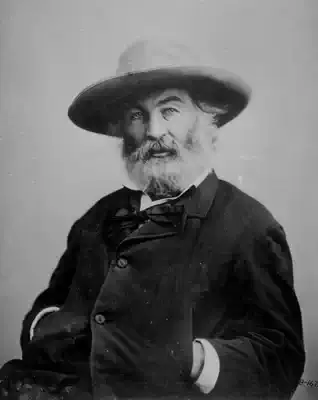
Walt Whitman
With Antecedents
With Antecedents
WITH antecedents;
With my fathers and mothers, and the accumulations of past ages;
With all which, had it not been, I would not now be here, as I am:
With Egypt, India, Phenicia, Greece and Rome;
With the Kelt, the Scandinavian, the Alb, and the Saxon;
With antique maritime ventures,--with laws, artizanship, wars and
journeys;
With the poet, the skald, the saga, the myth, and the oracle;
With the sale of slaves--with enthusiasts--with the troubadour, the
crusader, and the monk;
With those old continents whence we have come to this new continent;
With the fading kingdoms and kings over there; 10
With the fading religions and priests;
With the small shores we look back to from our own large and present
shores;
With countless years drawing themselves onward, and arrived at these
years;
You and Me arrived--America arrived, and making this year;
This year! sending itself ahead countless years to come.
O but it is not the years--it is I--it is You;
We touch all laws, and tally all antecedents;
We are the skald, the oracle, the monk, and the knight--we easily
include them, and more;
We stand amid time, beginningless and endless--we stand amid evil and
good;
All swings around us--there is as much darkness as light; 20
The very sun swings itself and its system of planets around us;
Its sun, and its again, all swing around us.
As for me, (torn, stormy, even as I, amid these vehement days,)
I have the idea of all, and am all, and believe in all;
I believe materialism is true, and spiritualism is true--I reject no
part.
Have I forgotten any part?
Come to me, whoever and whatever, till I give you recognition.
I respect Assyria, China, Teutonia, and the Hebrews;
I adopt each theory, myth, god, and demi-god;
I see that the old accounts, bibles, genealogies, are true, without
exception; 30
I assert that all past days were what they should have been;
And that they could no-how have been better than they were,
And that to-day is what it should be--and that America is,
And that to-day and America could no-how be better than they are.
In the name of These States, and in your and my name, the Past,
And in the name of These States, and in your and my name, the Present
time.
I know that the past was great, and the future will be great,
And I know that both curiously conjoint in the present time,
(For the sake of him I typify--for the common average man's sake-
your sake, if you are he;)
And that where I am, or you are, this present day, there is the
centre of all days, all races, 40
And there is the meaning, to us, of all that has ever come of races
and days, or ever will come.
WITH antecedents;
With my fathers and mothers, and the accumulations of past ages;
With all which, had it not been, I would not now be here, as I am:
With Egypt, India, Phenicia, Greece and Rome;
With the Kelt, the Scandinavian, the Alb, and the Saxon;
With antique maritime ventures,--with laws, artizanship, wars and
journeys;
With the poet, the skald, the saga, the myth, and the oracle;
With the sale of slaves--with enthusiasts--with the troubadour, the
crusader, and the monk;
With those old continents whence we have come to this new continent;
With the fading kingdoms and kings over there; 10
With the fading religions and priests;
With the small shores we look back to from our own large and present
shores;
With countless years drawing themselves onward, and arrived at these
years;
You and Me arrived--America arrived, and making this year;
This year! sending itself ahead countless years to come.
O but it is not the years--it is I--it is You;
We touch all laws, and tally all antecedents;
We are the skald, the oracle, the monk, and the knight--we easily
include them, and more;
We stand amid time, beginningless and endless--we stand amid evil and
good;
All swings around us--there is as much darkness as light; 20
The very sun swings itself and its system of planets around us;
Its sun, and its again, all swing around us.
As for me, (torn, stormy, even as I, amid these vehement days,)
I have the idea of all, and am all, and believe in all;
I believe materialism is true, and spiritualism is true--I reject no
part.
Have I forgotten any part?
Come to me, whoever and whatever, till I give you recognition.
I respect Assyria, China, Teutonia, and the Hebrews;
I adopt each theory, myth, god, and demi-god;
I see that the old accounts, bibles, genealogies, are true, without
exception; 30
I assert that all past days were what they should have been;
And that they could no-how have been better than they were,
And that to-day is what it should be--and that America is,
And that to-day and America could no-how be better than they are.
In the name of These States, and in your and my name, the Past,
And in the name of These States, and in your and my name, the Present
time.
I know that the past was great, and the future will be great,
And I know that both curiously conjoint in the present time,
(For the sake of him I typify--for the common average man's sake-
your sake, if you are he;)
And that where I am, or you are, this present day, there is the
centre of all days, all races, 40
And there is the meaning, to us, of all that has ever come of races
and days, or ever will come.
447
Walt Whitman
Who Is Now Reading This?
Who Is Now Reading This?
May-be one is now reading this who knows some wrong-doing of my past
life,
Or may-be a stranger is reading this who has secretly loved me,
Or may-be one who meets all my grand assumptions and egotisms with
derision,
Or may-be one who is puzzled at me.
As if I were not puzzled at myself!
Or as if I never deride myself! (O conscience-struck! O selfconvicted!)
Or as if I do not secretly love strangers! (O tenderly, a long time,
and never avow it;)
Or as if I did not see, perfectly well, interior in myself, the stuff
of wrong-doing,
Or as if it could cease transpiring from me until it must cease. 10
May-be one is now reading this who knows some wrong-doing of my past
life,
Or may-be a stranger is reading this who has secretly loved me,
Or may-be one who meets all my grand assumptions and egotisms with
derision,
Or may-be one who is puzzled at me.
As if I were not puzzled at myself!
Or as if I never deride myself! (O conscience-struck! O selfconvicted!)
Or as if I do not secretly love strangers! (O tenderly, a long time,
and never avow it;)
Or as if I did not see, perfectly well, interior in myself, the stuff
of wrong-doing,
Or as if it could cease transpiring from me until it must cease. 10
537
Walt Whitman
What General Has A Good Army
What General Has A Good Army
WHAT General has a good army in himself, has a good army;
He happy in himself, or she happy in herself, is happy,
But I tell you you cannot be happy by others, any more than you can
beget or conceive a child by others.
WHAT General has a good army in himself, has a good army;
He happy in himself, or she happy in herself, is happy,
But I tell you you cannot be happy by others, any more than you can
beget or conceive a child by others.
401
Walt Whitman
What Am I, After All?
What Am I, After All?
WHAT am I, after all, but a child, pleas'd with the sound of my own
name? repeating it over and over;
I stand apart to hear--it never tires me.
To you, your name also;
Did you think there was nothing but two or three pronunciations in
the sound of your name?
WHAT am I, after all, but a child, pleas'd with the sound of my own
name? repeating it over and over;
I stand apart to hear--it never tires me.
To you, your name also;
Did you think there was nothing but two or three pronunciations in
the sound of your name?
348
Walt Whitman
Visor'd
Visor'd
A MASK--a perpetual natural disguiser of herself,
Concealing her face, concealing her form,
Changes and transformations every hour, every moment,
Falling upon her even when she sleeps.
A MASK--a perpetual natural disguiser of herself,
Concealing her face, concealing her form,
Changes and transformations every hour, every moment,
Falling upon her even when she sleeps.
353
Walt Whitman
To Oratists
To Oratists
TO ORATISTS--to male or female,
Vocalism, measure, concentration, determination, and the divine power
to use words.
Are you full-lung'd and limber-lipp'd from long trial? from vigorous
practice? from physique?
Do you move in these broad lands as broad as they?
Come duly to the divine power to use words?
For only at last, after many years--after chastity, friendship,
procreation, prudence, and nakedness;
After treading ground and breasting river and lake;
After a loosen'd throat--after absorbing eras, temperaments, races-
after knowledge, freedom, crimes;
After complete faith--after clarifyings, elevations, and removing
obstructions;
After these, and more, it is just possible there comes to a man, a
woman, the divine power to use words. 10
Then toward that man or that woman, swiftly hasten all--None refuse,
all attend;
Armies, ships, antiquities, the dead, libraries, paintings, machines,
cities, hate, despair, amity, pain, theft, murder, aspiration,
form in close ranks;
They debouch as they are wanted to march obediently through the mouth
of that man, or that woman.
.... O I see arise orators fit for inland America;
And I see it is as slow to become an orator as to become a man;
And I see that all power is folded in a great vocalism.
Of a great vocalism, the merciless light thereof shall pour, and the
storm rage,
Every flash shall be a revelation, an insult,
The glaring flame on depths, on heights, on suns, on stars,
On the interior and exterior of man or woman, 20
On the laws of Nature--on passive materials,
On what you called death--(and what to you therefore was death,
As far as there can be death.)
TO ORATISTS--to male or female,
Vocalism, measure, concentration, determination, and the divine power
to use words.
Are you full-lung'd and limber-lipp'd from long trial? from vigorous
practice? from physique?
Do you move in these broad lands as broad as they?
Come duly to the divine power to use words?
For only at last, after many years--after chastity, friendship,
procreation, prudence, and nakedness;
After treading ground and breasting river and lake;
After a loosen'd throat--after absorbing eras, temperaments, races-
after knowledge, freedom, crimes;
After complete faith--after clarifyings, elevations, and removing
obstructions;
After these, and more, it is just possible there comes to a man, a
woman, the divine power to use words. 10
Then toward that man or that woman, swiftly hasten all--None refuse,
all attend;
Armies, ships, antiquities, the dead, libraries, paintings, machines,
cities, hate, despair, amity, pain, theft, murder, aspiration,
form in close ranks;
They debouch as they are wanted to march obediently through the mouth
of that man, or that woman.
.... O I see arise orators fit for inland America;
And I see it is as slow to become an orator as to become a man;
And I see that all power is folded in a great vocalism.
Of a great vocalism, the merciless light thereof shall pour, and the
storm rage,
Every flash shall be a revelation, an insult,
The glaring flame on depths, on heights, on suns, on stars,
On the interior and exterior of man or woman, 20
On the laws of Nature--on passive materials,
On what you called death--(and what to you therefore was death,
As far as there can be death.)
477
Walt Whitman
To A Historian
To A Historian
YOU who celebrate bygones!
Who have explored the outward, the surfaces of the races--the life
that has exhibited itself;
Who have treated of man as the creature of politics, aggregates,
rulers and priests;
I, habitan of the Alleghanies, treating of him as he is in himself,
in his own rights,
Pressing the pulse of the life that has seldom exhibited itself, (the
great pride of man in himself;)
Chanter of Personality, outlining what is yet to be,
I project the history of the future.
YOU who celebrate bygones!
Who have explored the outward, the surfaces of the races--the life
that has exhibited itself;
Who have treated of man as the creature of politics, aggregates,
rulers and priests;
I, habitan of the Alleghanies, treating of him as he is in himself,
in his own rights,
Pressing the pulse of the life that has seldom exhibited itself, (the
great pride of man in himself;)
Chanter of Personality, outlining what is yet to be,
I project the history of the future.
424
Walt Whitman
This Compost
This Compost
SOMETHING startles me where I thought I was safest;
I withdraw from the still woods I loved;
I will not go now on the pastures to walk;
I will not strip the clothes from my body to meet my lover the sea;
I will not touch my flesh to the earth, as to other flesh, to renew
me.
O how can it be that the ground does not sicken?
How can you be alive, you growths of spring?
How can you furnish health, you blood of herbs, roots, orchards,
grain?
Are they not continually putting distemper'd corpses within you?
Is not every continent work'd over and over with sour dead? 10
Where have you disposed of their carcasses?
Those drunkards and gluttons of so many generations;
Where have you drawn off all the foul liquid and meat?
I do not see any of it upon you to-day--or perhaps I am deceiv'd;
I will run a furrow with my plough--I will press my spade through the
sod, and turn it up underneath;
I am sure I shall expose some of the foul meat.
Behold this compost! behold it well!
Perhaps every mite has once form'd part of a sick person--Yet behold!
The grass of spring covers the prairies,
The bean bursts noislessly through the mould in the garden, 20
The delicate spear of the onion pierces upward,
The apple-buds cluster together on the apple-branches,
The resurrection of the wheat appears with pale visage out of its
graves,
The tinge awakes over the willow-tree and the mulberry-tree,
The he-birds carol mornings and evenings, while the she-birds sit on
their nests,
The young of poultry break through the hatch'd eggs,
The new-born of animals appear--the calf is dropt from the cow, the
colt from the mare,
Out of its little hill faithfully rise the potato's dark green
leaves,
Out of its hill rises the yellow maize-stalk--the lilacs bloom in the
door-yards;
The summer growth is innocent and disdainful above all those strata
of sour dead. 30
What chemistry!
That the winds are really not infectious,
That this is no cheat, this transparent green-wash of the sea, which
is so amorous after me,
That it is safe to allow it to lick my naked body all over with its
tongues,
That it will not endanger me with the fevers that have deposited
themselves in it,
That all is clean forever and forever.
That the cool drink from the well tastes so good,
That blackberries are so flavorous and juicy,
That the fruits of the apple-orchard, and of the orange-orchard--that
melons, grapes, peaches, plums, will none of them poison me,
That when I recline on the grass I do not catch any disease, 40
Though probably every spear of grass rises out of what was once a
catching disease.
Now I am terrified at the Earth! it is that calm and patient,
It grows such sweet things out of such corruptions,
It turns harmless and stainless on its axis, with such endless
successions of diseas'd corpses,
It distils such exquisite winds out of such infused fetor,
It renews with such unwitting looks, its prodigal, annual, sumptuous
crops,
It gives such divine materials to men, and accepts such leavings from
them at last.
SOMETHING startles me where I thought I was safest;
I withdraw from the still woods I loved;
I will not go now on the pastures to walk;
I will not strip the clothes from my body to meet my lover the sea;
I will not touch my flesh to the earth, as to other flesh, to renew
me.
O how can it be that the ground does not sicken?
How can you be alive, you growths of spring?
How can you furnish health, you blood of herbs, roots, orchards,
grain?
Are they not continually putting distemper'd corpses within you?
Is not every continent work'd over and over with sour dead? 10
Where have you disposed of their carcasses?
Those drunkards and gluttons of so many generations;
Where have you drawn off all the foul liquid and meat?
I do not see any of it upon you to-day--or perhaps I am deceiv'd;
I will run a furrow with my plough--I will press my spade through the
sod, and turn it up underneath;
I am sure I shall expose some of the foul meat.
Behold this compost! behold it well!
Perhaps every mite has once form'd part of a sick person--Yet behold!
The grass of spring covers the prairies,
The bean bursts noislessly through the mould in the garden, 20
The delicate spear of the onion pierces upward,
The apple-buds cluster together on the apple-branches,
The resurrection of the wheat appears with pale visage out of its
graves,
The tinge awakes over the willow-tree and the mulberry-tree,
The he-birds carol mornings and evenings, while the she-birds sit on
their nests,
The young of poultry break through the hatch'd eggs,
The new-born of animals appear--the calf is dropt from the cow, the
colt from the mare,
Out of its little hill faithfully rise the potato's dark green
leaves,
Out of its hill rises the yellow maize-stalk--the lilacs bloom in the
door-yards;
The summer growth is innocent and disdainful above all those strata
of sour dead. 30
What chemistry!
That the winds are really not infectious,
That this is no cheat, this transparent green-wash of the sea, which
is so amorous after me,
That it is safe to allow it to lick my naked body all over with its
tongues,
That it will not endanger me with the fevers that have deposited
themselves in it,
That all is clean forever and forever.
That the cool drink from the well tastes so good,
That blackberries are so flavorous and juicy,
That the fruits of the apple-orchard, and of the orange-orchard--that
melons, grapes, peaches, plums, will none of them poison me,
That when I recline on the grass I do not catch any disease, 40
Though probably every spear of grass rises out of what was once a
catching disease.
Now I am terrified at the Earth! it is that calm and patient,
It grows such sweet things out of such corruptions,
It turns harmless and stainless on its axis, with such endless
successions of diseas'd corpses,
It distils such exquisite winds out of such infused fetor,
It renews with such unwitting looks, its prodigal, annual, sumptuous
crops,
It gives such divine materials to men, and accepts such leavings from
them at last.
445
Walt Whitman
The Sleepers
The Sleepers
I WANDER all night in my vision,
Stepping with light feet, swiftly and noiselessly stepping and
stopping,
Bending with open eyes over the shut eyes of sleepers,
Wandering and confused, lost to myself, ill-assorted, contradictory,
Pausing, gazing, bending, and stopping.
How solemn they look there, stretch'd and still!
How quiet they breathe, the little children in their cradles!
The wretched features of ennuyés, the white features of
corpses, the livid faces of drunkards, the sick-gray faces of
onanists,
The gash'd bodies on battle-fields, the insane in their strong-door'd
rooms, the sacred idiots, the new-born emerging from gates, and
the dying emerging from gates,
The night pervades them and infolds them. 10
The married couple sleep calmly in their bed--he with his palm on the
hip of the wife, and she with her palm on the hip of the
husband,
The sisters sleep lovingly side by side in their bed,
The men sleep lovingly side by side in theirs,
And the mother sleeps, with her little child carefully wrapt.
The blind sleep, and the deaf and dumb sleep,
The prisoner sleeps well in the prison--the run-away son sleeps;
The murderer that is to be hung next day--how does he sleep?
And the murder'd person--how does he sleep?
The female that loves unrequited sleeps,
And the male that loves unrequited sleeps, 20
The head of the money-maker that plotted all day sleeps,
And the enraged and treacherous dispositions--all, all sleep.
I stand in the dark with drooping eyes by the worst-suffering and the
most restless,
I pass my hands soothingly to and fro a few inches from them,
The restless sink in their beds--they fitfully sleep.
Now I pierce the darkness--new beings appear,
The earth recedes from me into the night,
I saw that it was beautiful, and I see that what is not the earth is
beautiful.
I go from bedside to bedside--I sleep close with the other sleepers,
each in turn,
I dream in my dream all the dreams of the other dreamers, 30
And I become the other dreamers.
I am a dance--Play up, there! the fit is whirling me fast!
I am the ever-laughing--it is new moon and twilight,
I see the hiding of douceurs--I see nimble ghosts whichever way I
look,
Cache, and cache again, deep in the ground and sea, and where it is
neither ground or sea.
Well do they do their jobs, those journeymen divine,
Only from me can they hide nothing, and would not if they could,
I reckon I am their boss, and they make me a pet besides,
And surround me and lead me, and run ahead when I walk,
To lift their cunning covers, to signify me with stretch'd arms, and
resume the way; 40
Onward we move! a gay gang of blackguards! with mirth-shouting music,
and wild-flapping pennants of joy!
I am the actor, the actress, the voter, the politician;
The emigrant and the exile, the criminal that stood in the box,
He who has been famous, and he who shall be famous after to-day,
The stammerer, the well-form'd person, the wasted or feeble person.
I am she who adorn'd herself and folded her hair expectantly,
My truant lover has come, and it is dark.
Double yourself and receive me, darkness!
Receive me and my lover too--he will not let me go without him.
I roll myself upon you, as upon a bed--I resign myself to the
dusk. 50
He whom I call answers me, and takes the place of my lover,
He rises with me silently from the bed.
Darkness! you are gentler than my lover--his flesh was sweaty and
panting,
I feel the hot moisture yet that he left me.
My hands are spread forth, I pass them in all directions,
I would sound up the shadowy shore to which you are journeying.
Be careful, darkness! already, what was it touch'd me?
I thought my lover had gone, else darkness and he are one,
I hear the heart-beat--I follow, I fade away.
O hot-cheek'd and blushing! O foolish hectic! 60
O for pity's sake, no one must see me now! my clothes were stolen
while I was abed,
Now I am thrust forth, where shall I run?
Pier that I saw dimly last night, when I look'd from the windows!
Pier out from the main, let me catch myself with you, and stay--I
will not chafe you,
I feel ashamed to go naked about the world.
I am curious to know where my feet stand--and what this is flooding
me, childhood or manhood--and the hunger that crosses the
bridge between.
The cloth laps a first sweet eating and drinking,
Laps life-swelling yolks--laps ear of rose-corn, milky and just
ripen'd;
The white teeth stay, and the boss-tooth advances in darkness,
And liquor is spill'd on lips and bosoms by touching glasses, and the
best liquor afterward. 70
I descend my western course, my sinews are flaccid,
Perfume and youth course through me, and I am their wake.
It is my face yellow and wrinkled, instead of the old woman's,
I sit low in a straw-bottom chair, and carefully darn my grandson's
stockings.
It is I too, the sleepless widow, looking out on the winter midnight,
I see the sparkles of starshine on the icy and pallid earth.
A shroud I see, and I am the shroud--I wrap a body, and lie in the
coffin,
It is dark here under ground--it is not evil or pain here--it is
blank here, for reasons.
It seems to me that everything in the light and air ought to be
happy,
Whoever is not in his coffin and the dark grave, let him know he has
enough. 80
I see a beautiful gigantic swimmer, swimming naked through the eddies
of the sea,
His brown hair lies close and even to his head--he strikes out with
courageous arms--he urges himself with his legs,
I see his white body--I see his undaunted eyes,
I hate the swift-running eddies that would dash him head-foremost on
the rocks.
What are you doing, you ruffianly red-trickled waves?
Will you kill the courageous giant? Will you kill him in the prime of
his middle age?
Steady and long he struggles,
He is baffled, bang'd, bruis'd--he holds out while his strength holds
out,
The slapping eddies are spotted with his blood--they bear him away-they
roll him, swing him, turn him,
His beautiful body is borne in the circling eddies, it is continually
bruis'd on rocks, 90
Swiftly and out of sight is borne the brave corpse.
I turn, but do not extricate myself,
Confused, a past-reading, another, but with darkness yet.
The beach is cut by the razory ice-wind--the wreck-guns sound,
The tempest lulls--the moon comes floundering through the drifts.
I look where the ship helplessly heads end on--I hear the burst as
she strikes--I hear the howls of dismay--they grow fainter and
fainter.
I cannot aid with my wringing fingers,
I can but rush to the surf, and let it drench me and freeze upon me.
I search with the crowd--not one of the company is wash'd to us
alive;
In the morning I help pick up the dead and lay them in rows in a
barn. 100
Now of the older war-days, the defeat at Brooklyn,
Washington stands inside the lines--he stands on the intrench'd
hills, amid a crowd of officers,
His face is cold and damp--he cannot repress the weeping drops,
He lifts the glass perpetually to his eyes--the color is blanch'd
from his cheeks,
He sees the slaughter of the southern braves confided to him by their
parents.
The same, at last and at last, when peace is declared,
He stands in the room of the old tavern--the well-belov'd soldiers
all pass through,
The officers speechless and slow draw near in their turns,
The chief encircles their necks with his arm, and kisses them on the
cheek,
He kisses lightly the wet cheeks one after another--he shakes hands,
and bids good-by to the army. 110
Now I tell what my mother told me to-day as we sat at dinner
together,
Of when she was a nearly grown girl, living home with her parents on
the old homestead.
A red squaw came one breakfast time to the old homestead,
On her back she carried a bundle of rushes for rush-bottoming chairs,
Her hair, straight, shiny, coarse, black, profuse, half-envelop'd her
face,
Her step was free and elastic, and her voice sounded exquisitely as
she spoke.
My mother look'd in delight and amazement at the stranger,
She look'd at the freshness of her tall-borne face, and full and
pliant limbs,
The more she look'd upon her, she loved her,
Never before had she seen such wonderful beauty and purity, 120
She made her sit on a bench by the jamb of the fireplace--she cook'd
food for her,
She had no work to give her, but she gave her remembrance and
fondness.
The red squaw staid all the forenoon, and toward the middle of the
afternoon she went away,
O my mother was loth to have her go away!
All the week she thought of her--she watch'd for her many a month,
She remember'd her many a winter and many a summer,
But the red squaw never came, nor was heard of there again.
Now Lucifer was not dead--or if he was, I am his sorrowful terrible
heir;
I have been wrong'd--I am oppress'd--I hate him that oppresses me,
I will either destroy him, or he shall release me. 130
Damn him! how he does defile me!
How he informs against my brother and sister, and takes pay for their
blood!
How he laughs when I look down the bend, after the steamboat that
carries away my woman!
Now the vast dusk bulk that is the whale's bulk, it seems mine;
Warily, sportsman! though I lie so sleepy and sluggish, the tap of my
flukes is death.
A show of the summer softness! a contact of something unseen! an
amour of the light and air!
I am jealous, and overwhelm'd with friendliness,
And will go gallivant with the light and air myself,
And have an unseen something to be in contact with them also.
O love and summer! you are in the dreams, and in me! 140
Autumn and winter are in the dreams--the farmer goes with his thrift,
The droves and crops increase, and the barns are well-fill'd.
Elements merge in the night--ships make tacks in the dreams,
The sailor sails--the exile returns home,
The fugitive returns unharm'd--the immigrant is back beyond months
and years,
The poor Irishman lives in the simple house of his childhood, with
the well-known neighbors and faces,
They warmly welcome him--he is barefoot again, he forgets he is well
off;
The Dutchman voyages home, and the Scotchman and Welshman voyage
home, and the native of the Mediterranean voyages home,
To every port of England, France, Spain, enter well-fill'd ships,
The Swiss foots it toward his hills--the Prussian goes his way, the
Hungarian his way, and the Pole his way, 150
The Swede returns, and the Dane and Norwegian return.
The homeward bound, and the outward bound,
The beautiful lost swimmer, the ennuyé, the onanist, the
female that loves unrequited, the money-maker,
The actor and actress, those through with their parts, and those
waiting to commence,
The affectionate boy, the husband and wife, the voter, the nominee
that is chosen, and the nominee that has fail'd,
The great already known, and the great any time after to-day,
The stammerer, the sick, the perfect-form'd, the homely,
The criminal that stood in the box, the judge that sat and sentenced
him, the fluent lawyers, the jury, the audience,
The laugher and weeper, the dancer, the midnight widow, the red
squaw,
The consumptive, the erysipelite, the idiot, he that is wrong'd, 160
The antipodes, and every one between this and them in the dark,
I swear they are averaged now--one is no better than the other,
The night and sleep have liken'd them and restored them.
I swear they are all beautiful;
Every one that sleeps is beautiful--everything in the dim light is
beautiful,
The wildest and bloodiest is over, and all is peace.
Peace is always beautiful, The myth of heaven indicates peace and
night.
The myth of heaven indicates the Soul;
The Soul is always beautiful--it appears more or it appears less--it
comes, or it lags behind, 170
It comes from its embower'd garden, and looks pleasantly on itself,
and encloses the world,
Perfect and clean the genitals previously jetting, and perfect and
clean the womb cohering,
The head well-grown, proportion'd and plumb, and the bowels and
joints proportion'd and plumb.
The Soul is always beautiful,
The universe is duly in order, everything is in its place,
What has arrived is in its place, and what waits is in its place;
The twisted skull waits, the watery or rotten blood waits,
The child of the glutton or venerealee waits long, and the child of
the drunkard waits long, and the drunkard himself waits long,
The sleepers that lived and died wait--the far advanced are to go on
in their turns, and the far behind are to come on in their
turns,
The diverse shall be no less diverse, but they shall flow and unite-they
unite now. 180
The sleepers are very beautiful as they lie unclothed,
They flow hand in hand over the whole earth, from east to west, as
they lie unclothed,
The Asiatic and African are hand in hand--the European and American
are hand in hand,
Learn'd and unlearn'd are hand in hand, and male and female are hand
in hand,
The bare arm of the girl crosses the bare breast of her lover--they
press close without lust--his lips press her neck,
The father holds his grown or ungrown son in his arms with
measureless love, and the son holds the father in his arms with
measureless love,
The white hair of the mother shines on the white wrist of the
daughter,
The breath of the boy goes with the breath of the man, friend is
inarm'd by friend,
The scholar kisses the teacher, and the teacher kisses the scholar-the
wrong'd is made right,
The call of the slave is one with the master's call, and the master
salutes the slave, 190
The felon steps forth from the prison--the insane becomes sane--the
suffering of sick persons is reliev'd,
The sweatings and fevers stop--the throat that was unsound is sound-the
lungs of the consumptive are resumed--the poor distress'd
head is free,
The joints of the rheumatic move as smoothly as ever, and smoother
than ever,
Stiflings and passages open--the paralyzed become supple,
The swell'd and convuls'd and congested awake to themselves in
condition,
They pass the invigoration of the night, and the chemistry of the
night, and awake.
I too pass from the night,
I stay a while away, O night, but I return to you again, and love
you.
Why should I be afraid to trust myself to you?
I am not afraid--I have been well brought forward by you; 200
I love the rich running day, but I do not desert her in whom I lay so
long,
I know not how I came of you, and I know not where I go with you--but
I know I came well, and shall go well.
I will stop only a time with the night, and rise betimes;
I will duly pass the day, O my mother, and duly return to you.
I WANDER all night in my vision,
Stepping with light feet, swiftly and noiselessly stepping and
stopping,
Bending with open eyes over the shut eyes of sleepers,
Wandering and confused, lost to myself, ill-assorted, contradictory,
Pausing, gazing, bending, and stopping.
How solemn they look there, stretch'd and still!
How quiet they breathe, the little children in their cradles!
The wretched features of ennuyés, the white features of
corpses, the livid faces of drunkards, the sick-gray faces of
onanists,
The gash'd bodies on battle-fields, the insane in their strong-door'd
rooms, the sacred idiots, the new-born emerging from gates, and
the dying emerging from gates,
The night pervades them and infolds them. 10
The married couple sleep calmly in their bed--he with his palm on the
hip of the wife, and she with her palm on the hip of the
husband,
The sisters sleep lovingly side by side in their bed,
The men sleep lovingly side by side in theirs,
And the mother sleeps, with her little child carefully wrapt.
The blind sleep, and the deaf and dumb sleep,
The prisoner sleeps well in the prison--the run-away son sleeps;
The murderer that is to be hung next day--how does he sleep?
And the murder'd person--how does he sleep?
The female that loves unrequited sleeps,
And the male that loves unrequited sleeps, 20
The head of the money-maker that plotted all day sleeps,
And the enraged and treacherous dispositions--all, all sleep.
I stand in the dark with drooping eyes by the worst-suffering and the
most restless,
I pass my hands soothingly to and fro a few inches from them,
The restless sink in their beds--they fitfully sleep.
Now I pierce the darkness--new beings appear,
The earth recedes from me into the night,
I saw that it was beautiful, and I see that what is not the earth is
beautiful.
I go from bedside to bedside--I sleep close with the other sleepers,
each in turn,
I dream in my dream all the dreams of the other dreamers, 30
And I become the other dreamers.
I am a dance--Play up, there! the fit is whirling me fast!
I am the ever-laughing--it is new moon and twilight,
I see the hiding of douceurs--I see nimble ghosts whichever way I
look,
Cache, and cache again, deep in the ground and sea, and where it is
neither ground or sea.
Well do they do their jobs, those journeymen divine,
Only from me can they hide nothing, and would not if they could,
I reckon I am their boss, and they make me a pet besides,
And surround me and lead me, and run ahead when I walk,
To lift their cunning covers, to signify me with stretch'd arms, and
resume the way; 40
Onward we move! a gay gang of blackguards! with mirth-shouting music,
and wild-flapping pennants of joy!
I am the actor, the actress, the voter, the politician;
The emigrant and the exile, the criminal that stood in the box,
He who has been famous, and he who shall be famous after to-day,
The stammerer, the well-form'd person, the wasted or feeble person.
I am she who adorn'd herself and folded her hair expectantly,
My truant lover has come, and it is dark.
Double yourself and receive me, darkness!
Receive me and my lover too--he will not let me go without him.
I roll myself upon you, as upon a bed--I resign myself to the
dusk. 50
He whom I call answers me, and takes the place of my lover,
He rises with me silently from the bed.
Darkness! you are gentler than my lover--his flesh was sweaty and
panting,
I feel the hot moisture yet that he left me.
My hands are spread forth, I pass them in all directions,
I would sound up the shadowy shore to which you are journeying.
Be careful, darkness! already, what was it touch'd me?
I thought my lover had gone, else darkness and he are one,
I hear the heart-beat--I follow, I fade away.
O hot-cheek'd and blushing! O foolish hectic! 60
O for pity's sake, no one must see me now! my clothes were stolen
while I was abed,
Now I am thrust forth, where shall I run?
Pier that I saw dimly last night, when I look'd from the windows!
Pier out from the main, let me catch myself with you, and stay--I
will not chafe you,
I feel ashamed to go naked about the world.
I am curious to know where my feet stand--and what this is flooding
me, childhood or manhood--and the hunger that crosses the
bridge between.
The cloth laps a first sweet eating and drinking,
Laps life-swelling yolks--laps ear of rose-corn, milky and just
ripen'd;
The white teeth stay, and the boss-tooth advances in darkness,
And liquor is spill'd on lips and bosoms by touching glasses, and the
best liquor afterward. 70
I descend my western course, my sinews are flaccid,
Perfume and youth course through me, and I am their wake.
It is my face yellow and wrinkled, instead of the old woman's,
I sit low in a straw-bottom chair, and carefully darn my grandson's
stockings.
It is I too, the sleepless widow, looking out on the winter midnight,
I see the sparkles of starshine on the icy and pallid earth.
A shroud I see, and I am the shroud--I wrap a body, and lie in the
coffin,
It is dark here under ground--it is not evil or pain here--it is
blank here, for reasons.
It seems to me that everything in the light and air ought to be
happy,
Whoever is not in his coffin and the dark grave, let him know he has
enough. 80
I see a beautiful gigantic swimmer, swimming naked through the eddies
of the sea,
His brown hair lies close and even to his head--he strikes out with
courageous arms--he urges himself with his legs,
I see his white body--I see his undaunted eyes,
I hate the swift-running eddies that would dash him head-foremost on
the rocks.
What are you doing, you ruffianly red-trickled waves?
Will you kill the courageous giant? Will you kill him in the prime of
his middle age?
Steady and long he struggles,
He is baffled, bang'd, bruis'd--he holds out while his strength holds
out,
The slapping eddies are spotted with his blood--they bear him away-they
roll him, swing him, turn him,
His beautiful body is borne in the circling eddies, it is continually
bruis'd on rocks, 90
Swiftly and out of sight is borne the brave corpse.
I turn, but do not extricate myself,
Confused, a past-reading, another, but with darkness yet.
The beach is cut by the razory ice-wind--the wreck-guns sound,
The tempest lulls--the moon comes floundering through the drifts.
I look where the ship helplessly heads end on--I hear the burst as
she strikes--I hear the howls of dismay--they grow fainter and
fainter.
I cannot aid with my wringing fingers,
I can but rush to the surf, and let it drench me and freeze upon me.
I search with the crowd--not one of the company is wash'd to us
alive;
In the morning I help pick up the dead and lay them in rows in a
barn. 100
Now of the older war-days, the defeat at Brooklyn,
Washington stands inside the lines--he stands on the intrench'd
hills, amid a crowd of officers,
His face is cold and damp--he cannot repress the weeping drops,
He lifts the glass perpetually to his eyes--the color is blanch'd
from his cheeks,
He sees the slaughter of the southern braves confided to him by their
parents.
The same, at last and at last, when peace is declared,
He stands in the room of the old tavern--the well-belov'd soldiers
all pass through,
The officers speechless and slow draw near in their turns,
The chief encircles their necks with his arm, and kisses them on the
cheek,
He kisses lightly the wet cheeks one after another--he shakes hands,
and bids good-by to the army. 110
Now I tell what my mother told me to-day as we sat at dinner
together,
Of when she was a nearly grown girl, living home with her parents on
the old homestead.
A red squaw came one breakfast time to the old homestead,
On her back she carried a bundle of rushes for rush-bottoming chairs,
Her hair, straight, shiny, coarse, black, profuse, half-envelop'd her
face,
Her step was free and elastic, and her voice sounded exquisitely as
she spoke.
My mother look'd in delight and amazement at the stranger,
She look'd at the freshness of her tall-borne face, and full and
pliant limbs,
The more she look'd upon her, she loved her,
Never before had she seen such wonderful beauty and purity, 120
She made her sit on a bench by the jamb of the fireplace--she cook'd
food for her,
She had no work to give her, but she gave her remembrance and
fondness.
The red squaw staid all the forenoon, and toward the middle of the
afternoon she went away,
O my mother was loth to have her go away!
All the week she thought of her--she watch'd for her many a month,
She remember'd her many a winter and many a summer,
But the red squaw never came, nor was heard of there again.
Now Lucifer was not dead--or if he was, I am his sorrowful terrible
heir;
I have been wrong'd--I am oppress'd--I hate him that oppresses me,
I will either destroy him, or he shall release me. 130
Damn him! how he does defile me!
How he informs against my brother and sister, and takes pay for their
blood!
How he laughs when I look down the bend, after the steamboat that
carries away my woman!
Now the vast dusk bulk that is the whale's bulk, it seems mine;
Warily, sportsman! though I lie so sleepy and sluggish, the tap of my
flukes is death.
A show of the summer softness! a contact of something unseen! an
amour of the light and air!
I am jealous, and overwhelm'd with friendliness,
And will go gallivant with the light and air myself,
And have an unseen something to be in contact with them also.
O love and summer! you are in the dreams, and in me! 140
Autumn and winter are in the dreams--the farmer goes with his thrift,
The droves and crops increase, and the barns are well-fill'd.
Elements merge in the night--ships make tacks in the dreams,
The sailor sails--the exile returns home,
The fugitive returns unharm'd--the immigrant is back beyond months
and years,
The poor Irishman lives in the simple house of his childhood, with
the well-known neighbors and faces,
They warmly welcome him--he is barefoot again, he forgets he is well
off;
The Dutchman voyages home, and the Scotchman and Welshman voyage
home, and the native of the Mediterranean voyages home,
To every port of England, France, Spain, enter well-fill'd ships,
The Swiss foots it toward his hills--the Prussian goes his way, the
Hungarian his way, and the Pole his way, 150
The Swede returns, and the Dane and Norwegian return.
The homeward bound, and the outward bound,
The beautiful lost swimmer, the ennuyé, the onanist, the
female that loves unrequited, the money-maker,
The actor and actress, those through with their parts, and those
waiting to commence,
The affectionate boy, the husband and wife, the voter, the nominee
that is chosen, and the nominee that has fail'd,
The great already known, and the great any time after to-day,
The stammerer, the sick, the perfect-form'd, the homely,
The criminal that stood in the box, the judge that sat and sentenced
him, the fluent lawyers, the jury, the audience,
The laugher and weeper, the dancer, the midnight widow, the red
squaw,
The consumptive, the erysipelite, the idiot, he that is wrong'd, 160
The antipodes, and every one between this and them in the dark,
I swear they are averaged now--one is no better than the other,
The night and sleep have liken'd them and restored them.
I swear they are all beautiful;
Every one that sleeps is beautiful--everything in the dim light is
beautiful,
The wildest and bloodiest is over, and all is peace.
Peace is always beautiful, The myth of heaven indicates peace and
night.
The myth of heaven indicates the Soul;
The Soul is always beautiful--it appears more or it appears less--it
comes, or it lags behind, 170
It comes from its embower'd garden, and looks pleasantly on itself,
and encloses the world,
Perfect and clean the genitals previously jetting, and perfect and
clean the womb cohering,
The head well-grown, proportion'd and plumb, and the bowels and
joints proportion'd and plumb.
The Soul is always beautiful,
The universe is duly in order, everything is in its place,
What has arrived is in its place, and what waits is in its place;
The twisted skull waits, the watery or rotten blood waits,
The child of the glutton or venerealee waits long, and the child of
the drunkard waits long, and the drunkard himself waits long,
The sleepers that lived and died wait--the far advanced are to go on
in their turns, and the far behind are to come on in their
turns,
The diverse shall be no less diverse, but they shall flow and unite-they
unite now. 180
The sleepers are very beautiful as they lie unclothed,
They flow hand in hand over the whole earth, from east to west, as
they lie unclothed,
The Asiatic and African are hand in hand--the European and American
are hand in hand,
Learn'd and unlearn'd are hand in hand, and male and female are hand
in hand,
The bare arm of the girl crosses the bare breast of her lover--they
press close without lust--his lips press her neck,
The father holds his grown or ungrown son in his arms with
measureless love, and the son holds the father in his arms with
measureless love,
The white hair of the mother shines on the white wrist of the
daughter,
The breath of the boy goes with the breath of the man, friend is
inarm'd by friend,
The scholar kisses the teacher, and the teacher kisses the scholar-the
wrong'd is made right,
The call of the slave is one with the master's call, and the master
salutes the slave, 190
The felon steps forth from the prison--the insane becomes sane--the
suffering of sick persons is reliev'd,
The sweatings and fevers stop--the throat that was unsound is sound-the
lungs of the consumptive are resumed--the poor distress'd
head is free,
The joints of the rheumatic move as smoothly as ever, and smoother
than ever,
Stiflings and passages open--the paralyzed become supple,
The swell'd and convuls'd and congested awake to themselves in
condition,
They pass the invigoration of the night, and the chemistry of the
night, and awake.
I too pass from the night,
I stay a while away, O night, but I return to you again, and love
you.
Why should I be afraid to trust myself to you?
I am not afraid--I have been well brought forward by you; 200
I love the rich running day, but I do not desert her in whom I lay so
long,
I know not how I came of you, and I know not where I go with you--but
I know I came well, and shall go well.
I will stop only a time with the night, and rise betimes;
I will duly pass the day, O my mother, and duly return to you.
539
Walt Whitman
The Imprisoned Soul
The Imprisoned Soul
AT the last, tenderly,
From the walls of the powerful, fortress'd house,
From the clasp of the knitted locks--from the keep of the well-closed
doors,
Let me be wafted.
Let me glide noiselessly forth;
With the key of softness unlock the locks--with a whisper
Set ope the doors, O soul!
Tenderly! be not impatient!
(Strong is your hold, O mortal flesh!
Strong is your hold, O love!)
AT the last, tenderly,
From the walls of the powerful, fortress'd house,
From the clasp of the knitted locks--from the keep of the well-closed
doors,
Let me be wafted.
Let me glide noiselessly forth;
With the key of softness unlock the locks--with a whisper
Set ope the doors, O soul!
Tenderly! be not impatient!
(Strong is your hold, O mortal flesh!
Strong is your hold, O love!)
396
Walt Whitman
Tests
Tests
ALL submit to them, where they sit, inner, secure, unapproachable to
analysis, in the Soul;
Not traditions--not the outer authorities are the judges--they are
the judges of outer authorities, and of all traditions;
They corroborate as they go, only whatever corroborates themselves,
and touches themselves;
For all that, they have it forever in themselves to corroborate far
and near, without one exception.
ALL submit to them, where they sit, inner, secure, unapproachable to
analysis, in the Soul;
Not traditions--not the outer authorities are the judges--they are
the judges of outer authorities, and of all traditions;
They corroborate as they go, only whatever corroborates themselves,
and touches themselves;
For all that, they have it forever in themselves to corroborate far
and near, without one exception.
354
Walt Whitman
That Music Always Round Me
That Music Always Round Me
THAT music always round me, unceasing, unbeginning--yet long untaught
I did not hear;
But now the chorus I hear, and am elated;
A tenor, strong, ascending, with power and health, with glad notes of
day-break I hear,
A soprano, at intervals, sailing buoyantly over the tops of immense
waves,
A transparent bass, shuddering lusciously under and through the
universe,
The triumphant tutti--the funeral wailings, with sweet flutes and
violins--all these I fill myself with;
I hear not the volumes of sound merely--I am moved by the exquisite
meanings,
I listen to the different voices winding in and out, striving,
contending with fiery vehemence to excel each other in emotion;
I do not think the performers know themselves--but now I think I
begin to know them.
THAT music always round me, unceasing, unbeginning--yet long untaught
I did not hear;
But now the chorus I hear, and am elated;
A tenor, strong, ascending, with power and health, with glad notes of
day-break I hear,
A soprano, at intervals, sailing buoyantly over the tops of immense
waves,
A transparent bass, shuddering lusciously under and through the
universe,
The triumphant tutti--the funeral wailings, with sweet flutes and
violins--all these I fill myself with;
I hear not the volumes of sound merely--I am moved by the exquisite
meanings,
I listen to the different voices winding in and out, striving,
contending with fiery vehemence to excel each other in emotion;
I do not think the performers know themselves--but now I think I
begin to know them.
451
Walt Whitman
Song of Myself, I, II, VI & LII
Song of Myself, I, II, VI & LII
I Celebrate myself, and sing myself,
And what I assume you shall assume,
For every atom belonging to me as good belongs to you.
I loafe and invite my soul,
I lean and loafe at my ease observing a spear of summer grass.
My tongue, every atom of my blood, form'd from this soil,
this air,
Born here of parents born here from parents the same, and
their parents the same,
I, now thirty-seven years old in perfect health begin,
Hoping to cease not till death.
Creeds and schools in abeyance,
Retiring back a while sufficed at what they are, but never
forgotten,
I harbor for good or bad, I permit to speak at every hazard,
Nature without check with original energy.
I Celebrate myself, and sing myself,
And what I assume you shall assume,
For every atom belonging to me as good belongs to you.
I loafe and invite my soul,
I lean and loafe at my ease observing a spear of summer grass.
My tongue, every atom of my blood, form'd from this soil,
this air,
Born here of parents born here from parents the same, and
their parents the same,
I, now thirty-seven years old in perfect health begin,
Hoping to cease not till death.
Creeds and schools in abeyance,
Retiring back a while sufficed at what they are, but never
forgotten,
I harbor for good or bad, I permit to speak at every hazard,
Nature without check with original energy.
455
Walt Whitman
Song At Sunset
Song At Sunset
SPLENDOR of ended day, floating and filling me!
Hour prophetic--hour resuming the past!
Inflating my throat--you, divine average!
You, Earth and Life, till the last ray gleams, I sing.
Open mouth of my Soul, uttering gladness,
Eyes of my Soul, seeing perfection,
Natural life of me, faithfully praising things;
Corroborating forever the triumph of things.
Illustrious every one!
Illustrious what we name space--sphere of unnumber'd spirits; 10
Illustrious the mystery of motion, in all beings, even the tiniest
insect;
Illustrious the attribute of speech--the senses--the body;
Illustrious the passing light! Illustrious the pale reflection on the
new moon in the western sky!
Illustrious whatever I see, or hear, or touch, to the last.
Good in all,
In the satisfaction and aplomb of animals,
In the annual return of the seasons,
In the hilarity of youth,
In the strength and flush of manhood,
In the grandeur and exquisiteness of old age, 20
In the superb vistas of Death.
Wonderful to depart;
Wonderful to be here!
The heart, to jet the all-alike and innocent blood!
To breathe the air, how delicious!
To speak! to walk! to seize something by the hand!
To prepare for sleep, for bed--to look on my rose-color'd flesh;
To be conscious of my body, so satisfied, so large;
To be this incredible God I am;
To have gone forth among other Gods--these men and women I love. 30
Wonderful how I celebrate you and myself!
How my thoughts play subtly at the spectacles around!
How the clouds pass silently overhead!
How the earth darts on and on! and how the sun, moon, stars, dart on
and on!
How the water sports and sings! (Surely it is alive!)
How the trees rise and stand up--with strong trunks--with branches
and leaves!
(Surely there is something more in each of the tree--some living
Soul.)
O amazement of things! even the least particle!
O spirituality of things!
O strain musical, flowing through ages and continents--now reaching
me and America! 40
I take your strong chords--I intersperse them, and cheerfully pass
them forward.
I too carol the sun, usher'd, or at noon, or, as now, setting,
I too throb to the brain and beauty of the earth, and of all the
growths of the earth,
I too have felt the resistless call of myself.
As I sail'd down the Mississippi,
As I wander'd over the prairies,
As I have lived--As I have look'd through my windows, my eyes,
As I went forth in the morning--As I beheld the light breaking in the
east;
As I bathed on the beach of the Eastern Sea, and again on the beach
of the Western Sea;
As I roam'd the streets of inland Chicago--whatever streets I have
roam'd; 50
Or cities, or silent woods, or peace, or even amid the sights of war;
Wherever I have been, I have charged myself with contentment and
triumph.
I sing the Equalities, modern or old,
I sing the endless finales of things;
I say Nature continues--Glory continues;
I praise with electric voice;
For I do not see one imperfection in the universe;
And I do not see one cause or result lamentable at last in the
universe.
O setting sun! though the time has come,
I still warble under you, if none else does, unmitigated
adoration. 60
SPLENDOR of ended day, floating and filling me!
Hour prophetic--hour resuming the past!
Inflating my throat--you, divine average!
You, Earth and Life, till the last ray gleams, I sing.
Open mouth of my Soul, uttering gladness,
Eyes of my Soul, seeing perfection,
Natural life of me, faithfully praising things;
Corroborating forever the triumph of things.
Illustrious every one!
Illustrious what we name space--sphere of unnumber'd spirits; 10
Illustrious the mystery of motion, in all beings, even the tiniest
insect;
Illustrious the attribute of speech--the senses--the body;
Illustrious the passing light! Illustrious the pale reflection on the
new moon in the western sky!
Illustrious whatever I see, or hear, or touch, to the last.
Good in all,
In the satisfaction and aplomb of animals,
In the annual return of the seasons,
In the hilarity of youth,
In the strength and flush of manhood,
In the grandeur and exquisiteness of old age, 20
In the superb vistas of Death.
Wonderful to depart;
Wonderful to be here!
The heart, to jet the all-alike and innocent blood!
To breathe the air, how delicious!
To speak! to walk! to seize something by the hand!
To prepare for sleep, for bed--to look on my rose-color'd flesh;
To be conscious of my body, so satisfied, so large;
To be this incredible God I am;
To have gone forth among other Gods--these men and women I love. 30
Wonderful how I celebrate you and myself!
How my thoughts play subtly at the spectacles around!
How the clouds pass silently overhead!
How the earth darts on and on! and how the sun, moon, stars, dart on
and on!
How the water sports and sings! (Surely it is alive!)
How the trees rise and stand up--with strong trunks--with branches
and leaves!
(Surely there is something more in each of the tree--some living
Soul.)
O amazement of things! even the least particle!
O spirituality of things!
O strain musical, flowing through ages and continents--now reaching
me and America! 40
I take your strong chords--I intersperse them, and cheerfully pass
them forward.
I too carol the sun, usher'd, or at noon, or, as now, setting,
I too throb to the brain and beauty of the earth, and of all the
growths of the earth,
I too have felt the resistless call of myself.
As I sail'd down the Mississippi,
As I wander'd over the prairies,
As I have lived--As I have look'd through my windows, my eyes,
As I went forth in the morning--As I beheld the light breaking in the
east;
As I bathed on the beach of the Eastern Sea, and again on the beach
of the Western Sea;
As I roam'd the streets of inland Chicago--whatever streets I have
roam'd; 50
Or cities, or silent woods, or peace, or even amid the sights of war;
Wherever I have been, I have charged myself with contentment and
triumph.
I sing the Equalities, modern or old,
I sing the endless finales of things;
I say Nature continues--Glory continues;
I praise with electric voice;
For I do not see one imperfection in the universe;
And I do not see one cause or result lamentable at last in the
universe.
O setting sun! though the time has come,
I still warble under you, if none else does, unmitigated
adoration. 60
467
Walt Whitman
Solid, Ironical, Rolling Orb
Solid, Ironical, Rolling Orb
SOLID, ironical, rolling orb!
Master of all, and matter of fact!--at last I accept your terms;
Bringing to practical, vulgar tests, of all my ideal dreams,
And of me, as lover and hero.
SOLID, ironical, rolling orb!
Master of all, and matter of fact!--at last I accept your terms;
Bringing to practical, vulgar tests, of all my ideal dreams,
And of me, as lover and hero.
415