

Poems in this theme
Creativity and Inspiration

Sarah Teasdale
The Net
The Net
I made you many and many a song,
Yet never one told all you are --
It was as though a net of words
Were flung to catch a star;
It was as though I curved my hand
And dipped sea-water eagerly,
Only to find it lost the blue
Dark splendor of the sea.
I made you many and many a song,
Yet never one told all you are --
It was as though a net of words
Were flung to catch a star;
It was as though I curved my hand
And dipped sea-water eagerly,
Only to find it lost the blue
Dark splendor of the sea.
414
Sarah Teasdale
Song Making
Song Making
My heart cried like a beaten child
Ceaselessly all night long;
I had to take my own cries
And thread them into a song.
One was a cry at black midnight
And one when the first cock crew --
My heart was like a beaten child,
But no one ever knew.
Life, you have put me in your debt
And I must serve you long --
But oh, the debt is terrible
That must be paid in song.
My heart cried like a beaten child
Ceaselessly all night long;
I had to take my own cries
And thread them into a song.
One was a cry at black midnight
And one when the first cock crew --
My heart was like a beaten child,
But no one ever knew.
Life, you have put me in your debt
And I must serve you long --
But oh, the debt is terrible
That must be paid in song.
429
Sarah Teasdale
What Do I Care?
"What Do I Care?"
What do I care, in the dreams and the languor of spring,
That my songs do not show me at all?
For they are a fragrance, and I am a flint and a fire,
I am an answer, they are only a call.
But what do I care, for love will be over so soon,
Let my heart have its say and my mind stand idly by,
For my mind is proud and strong enough to be silent,
It is my heart that makes my songs, not I.
What do I care, in the dreams and the languor of spring,
That my songs do not show me at all?
For they are a fragrance, and I am a flint and a fire,
I am an answer, they are only a call.
But what do I care, for love will be over so soon,
Let my heart have its say and my mind stand idly by,
For my mind is proud and strong enough to be silent,
It is my heart that makes my songs, not I.
365
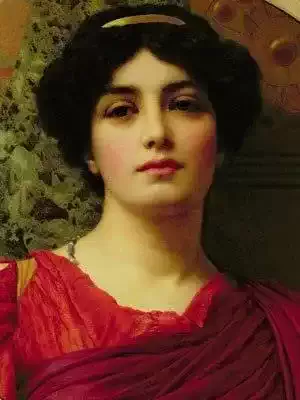
Safo
I took my lyre and said
I took my lyre and said
I took my lyre and said:
Come now, my heavenly
tortoise shell: become
a speaking instrument
I took my lyre and said:
Come now, my heavenly
tortoise shell: become
a speaking instrument
375
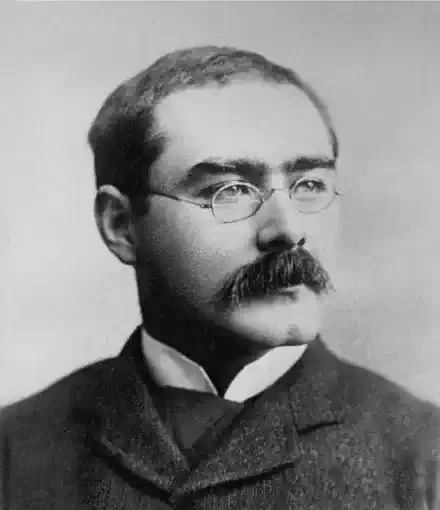
Rudyard Kipling
The Playmate
The Playmate
She is not Folly -- that I know.
Her steadfast eyelids tell me so
When, at the hour the lights divide,
She steals as summonsed to my side.
When, finger on the pursed lip
In secret, mirthful fellowship,
She, heralding new -- framed delights,
Breathes, "This shall be a Night of Nights!"
Then, out of Time and out of Space,
Is built an Hour and a Place
Where all an earnest, baffled Earth
Blunders and trips to make us mirth;
Whence from the trivial flux of Things,
Rise inconceived miscarryings,
Outrageous but immortal, shown,
Of Her great love, to me alone...
She is not Wisdom, but, maybe,
Wiser than all the Norns is She:
And more than Wisdom I prefer
To wait on Her, -- to wait on Her!
She is not Folly -- that I know.
Her steadfast eyelids tell me so
When, at the hour the lights divide,
She steals as summonsed to my side.
When, finger on the pursed lip
In secret, mirthful fellowship,
She, heralding new -- framed delights,
Breathes, "This shall be a Night of Nights!"
Then, out of Time and out of Space,
Is built an Hour and a Place
Where all an earnest, baffled Earth
Blunders and trips to make us mirth;
Whence from the trivial flux of Things,
Rise inconceived miscarryings,
Outrageous but immortal, shown,
Of Her great love, to me alone...
She is not Wisdom, but, maybe,
Wiser than all the Norns is She:
And more than Wisdom I prefer
To wait on Her, -- to wait on Her!
436
Rudyard Kipling
The Inventor
The Inventor
R. W. Emerson
Time and Space decreed his lot,
But little Man was quick to note:
When Time and Space said Man might not,
Bravely he answered, "Nay! I mote."
I looked on old New England.
Time and Space stood fast.
Men built altars to Distance
At every mile they passed.
Yet sleek with oil, a Force was hid
Making mock of all they did,
Ready at the appointed hour
To yield up to Prometheus
The secular and well-drilled Power
The Gods secreted thus.
And over high Wantastiquer
Emulous my lightnings ran,
Unregarded but after,
To fall in with my plan.
I beheld two ministries,
One of air and one of earth--
At a thought I married these,
And my New Age came to birth!
For rarely my purpose errs
Though oft it seems to pause,
And rods and cylinders
Obey my planets' laws.
Oil I drew from the well,
And Franklin's spark from its blue;
Time and Distance fell,
And Man went forth anew.
On the prairie and in the street
So long as my chariots roll
I bind wings to Adam's feet,
And, presently, to his soul!
R. W. Emerson
Time and Space decreed his lot,
But little Man was quick to note:
When Time and Space said Man might not,
Bravely he answered, "Nay! I mote."
I looked on old New England.
Time and Space stood fast.
Men built altars to Distance
At every mile they passed.
Yet sleek with oil, a Force was hid
Making mock of all they did,
Ready at the appointed hour
To yield up to Prometheus
The secular and well-drilled Power
The Gods secreted thus.
And over high Wantastiquer
Emulous my lightnings ran,
Unregarded but after,
To fall in with my plan.
I beheld two ministries,
One of air and one of earth--
At a thought I married these,
And my New Age came to birth!
For rarely my purpose errs
Though oft it seems to pause,
And rods and cylinders
Obey my planets' laws.
Oil I drew from the well,
And Franklin's spark from its blue;
Time and Distance fell,
And Man went forth anew.
On the prairie and in the street
So long as my chariots roll
I bind wings to Adam's feet,
And, presently, to his soul!
429
Rudyard Kipling
A Dedication
A Dedication
And they were stronger hands than mine
That digged the Ruby from the earth--
More cunning brains that made it worth
The large desire of a king,
And stouter hearts that through the brine
Went down the perfect Pearl to bring.
Lo, I have wrought in common clay
Rude figures of a rough-hewn race,
Since pearls strew not the market-place
In this my town of banishment,
Where with the shifting dust I play,
And eat the bread of discontent.
Yet is there life in that I make.
thou who knowest, turn and see--
As thou hast power over me
So have I power over these,
Because I wrought them for thy sake,
And breathed in them mine agonies.
Small mirth was in the making--now
I lift the cloth that cloaks the clay,
And, wearied, at thy feet I lay
My wares, ere I go forth to sell.
The long bazar will praise, but thou--
Heart of my heart--have I done well?
And they were stronger hands than mine
That digged the Ruby from the earth--
More cunning brains that made it worth
The large desire of a king,
And stouter hearts that through the brine
Went down the perfect Pearl to bring.
Lo, I have wrought in common clay
Rude figures of a rough-hewn race,
Since pearls strew not the market-place
In this my town of banishment,
Where with the shifting dust I play,
And eat the bread of discontent.
Yet is there life in that I make.
thou who knowest, turn and see--
As thou hast power over me
So have I power over these,
Because I wrought them for thy sake,
And breathed in them mine agonies.
Small mirth was in the making--now
I lift the cloth that cloaks the clay,
And, wearied, at thy feet I lay
My wares, ere I go forth to sell.
The long bazar will praise, but thou--
Heart of my heart--have I done well?
494

Robert W. Service
Toilet Seats
Toilet Seats
While I am emulating Keats
My brother fabrics toilet seats,
The which, they say, are works of art,
Aesthetic features of the mart;
So exquisitely are they made
With plastic of a pastel shade,
Of topaz, ivory or rose,
Inviting to serene repose.
Rajahs I'm told have seats of gold,-(
They must, I fear, be very cold).
But Tom's have thermostatic heat,
With sympathy your grace to greet.
Like silver they are neon lit,
Making a halo as you sit:
Then lo! they play with dulset tone
A melody by Mendelssohn.
Oh were I lyrical as Yeats
I would not sing of toilet seats,
But rather serenade a star,--
Yet I must take things as they are.
For even kings must coyly own
Them as essential as a throne:
So as I tug the Muse's teats
I envy Tom his toilet seats.
While I am emulating Keats
My brother fabrics toilet seats,
The which, they say, are works of art,
Aesthetic features of the mart;
So exquisitely are they made
With plastic of a pastel shade,
Of topaz, ivory or rose,
Inviting to serene repose.
Rajahs I'm told have seats of gold,-(
They must, I fear, be very cold).
But Tom's have thermostatic heat,
With sympathy your grace to greet.
Like silver they are neon lit,
Making a halo as you sit:
Then lo! they play with dulset tone
A melody by Mendelssohn.
Oh were I lyrical as Yeats
I would not sing of toilet seats,
But rather serenade a star,--
Yet I must take things as they are.
For even kings must coyly own
Them as essential as a throne:
So as I tug the Muse's teats
I envy Tom his toilet seats.
209
Robert W. Service
Prelude
Prelude
To smite Apollo's lyre I am unable;
Of loveliness, alas! I cannot sing.
My lot it i, across the tavern table,
To start a chorus to the strumming string.
I have no gift to touch your heart to pity;
I have no power to ring the note of pain:
All I can do is pipe a pot-house ditty,
Or roar a Rabelaisian refrain.
Behold yon minstrel of the empty belly,
Who seeks to please the bored and waiting throng,
Outside the Opera with ukulele,
And raucous strains of syncopated song.
His rag-time mocks their eager hearts a-hunger
For golden voices, melody divine:
Yet . . . throw a penny to the ballad-monger;
Yet . . . listen idly to this song of mine.
For with a humble heart I clank rhyme's fetters,
And bare my buttocks to the critic knout;
A graceless hobo in the Land of Letters,
Piping my ditties of the down-and-out.
A bar-room bard . . . so if a coin you're flinging,
Pay me a pot, and let me dream and booze;
To stars of scorn my dour defiance ringing,
With battered banjo and a strumpet Muse.
To smite Apollo's lyre I am unable;
Of loveliness, alas! I cannot sing.
My lot it i, across the tavern table,
To start a chorus to the strumming string.
I have no gift to touch your heart to pity;
I have no power to ring the note of pain:
All I can do is pipe a pot-house ditty,
Or roar a Rabelaisian refrain.
Behold yon minstrel of the empty belly,
Who seeks to please the bored and waiting throng,
Outside the Opera with ukulele,
And raucous strains of syncopated song.
His rag-time mocks their eager hearts a-hunger
For golden voices, melody divine:
Yet . . . throw a penny to the ballad-monger;
Yet . . . listen idly to this song of mine.
For with a humble heart I clank rhyme's fetters,
And bare my buttocks to the critic knout;
A graceless hobo in the Land of Letters,
Piping my ditties of the down-and-out.
A bar-room bard . . . so if a coin you're flinging,
Pay me a pot, and let me dream and booze;
To stars of scorn my dour defiance ringing,
With battered banjo and a strumpet Muse.
190
Robert W. Service
Picture Dealer
Picture Dealer
There were twin artists A. and B.
Who painted pictures two,
And hung them in my galley
For everyone to view;
The one exhibited by A.
The name "A Sphere" did bear,
While strangely brother B's display
Was catalogued: "A Square".
Now although A. (and this is queer)
Could squeeze a pretty tube,
The picture that he called a Sphere
Was blocky as a cube;
While B. (though no hint he disclosed
To pull the public leg)
The Square he placidly exposed
Was oval as an egg.
Thought I: To sell these pictures two
I never will be able;
There's only one thing I can do,
That's change around the label.
The rotund one I called a Sphere,
The cornered one a Square . . .
And yet, I thought: It's very queer,
Unbought they linger there.
Then strange as it may well appear,
Derision did I bare,
And blandly dubbed the Square a Sphere
And tabbed the Sphere a Square.
Behold the answer I had found,
For to my glad dismay
The curious came crowding round:
A sold the daubs next day.
Well, maybe A. and B. were right,
Not mugs like you and me,
With something missing in our sight
That only artists see.
So what it is and what it ain't
I'll never more discuss . . .
These guys believe in what they paint,
Or . . . are they spoofing us?
There were twin artists A. and B.
Who painted pictures two,
And hung them in my galley
For everyone to view;
The one exhibited by A.
The name "A Sphere" did bear,
While strangely brother B's display
Was catalogued: "A Square".
Now although A. (and this is queer)
Could squeeze a pretty tube,
The picture that he called a Sphere
Was blocky as a cube;
While B. (though no hint he disclosed
To pull the public leg)
The Square he placidly exposed
Was oval as an egg.
Thought I: To sell these pictures two
I never will be able;
There's only one thing I can do,
That's change around the label.
The rotund one I called a Sphere,
The cornered one a Square . . .
And yet, I thought: It's very queer,
Unbought they linger there.
Then strange as it may well appear,
Derision did I bare,
And blandly dubbed the Square a Sphere
And tabbed the Sphere a Square.
Behold the answer I had found,
For to my glad dismay
The curious came crowding round:
A sold the daubs next day.
Well, maybe A. and B. were right,
Not mugs like you and me,
With something missing in our sight
That only artists see.
So what it is and what it ain't
I'll never more discuss . . .
These guys believe in what they paint,
Or . . . are they spoofing us?
168
Robert W. Service
My Picture
My Picture
I made a picture; all my heart
I put in it, and all I knew
Of canvas-cunning and of Art,
Of tenderness and passion true.
A worshipped Master came to see;
Oh he was kind and gentle, too.
He studied it with sympathy,
And sensed what I had sought to do.
Said he: "Your paint is fresh and fair,
And I can praise it without cease;
And yet a touch just here and there
Would make of it a masterpiece."
He took the brush from out my hand;
He touched it here, he touched it there.
So well he seemed to understand,
And momently it grew more fair.
Oh there was nothing I could say,
And there was nothing I could do.
I thanked him, and he went his way,
And then - I slashed my picture through.
For though his brush with soft caress
Had made my daub a thing divine,
Oh God! I wept with bitterness,
. . . It wasn't mine, it wasn't mine.
I made a picture; all my heart
I put in it, and all I knew
Of canvas-cunning and of Art,
Of tenderness and passion true.
A worshipped Master came to see;
Oh he was kind and gentle, too.
He studied it with sympathy,
And sensed what I had sought to do.
Said he: "Your paint is fresh and fair,
And I can praise it without cease;
And yet a touch just here and there
Would make of it a masterpiece."
He took the brush from out my hand;
He touched it here, he touched it there.
So well he seemed to understand,
And momently it grew more fair.
Oh there was nothing I could say,
And there was nothing I could do.
I thanked him, and he went his way,
And then - I slashed my picture through.
For though his brush with soft caress
Had made my daub a thing divine,
Oh God! I wept with bitterness,
. . . It wasn't mine, it wasn't mine.
238
Robert W. Service
My Masterpiece
My Masterpiece
It's slim and trim and bound in blue;
Its leaves are crisp and edged with gold;
Its words are simple, stalwart too;
Its thoughts are tender, wise and bold.
Its pages scintillate with wit;
Its pathos clutches at my throat:
Oh, how I love each line of it!
That Little Book I Never Wrote.
In dreams I see it praised and prized
By all, from plowman unto peer;
It's pencil-marked and memorized,
It's loaned (and not returned, I fear);
It's worn and torn and travel-tossed,
And even dusky natives quote
That classic that the world has lost,
The Little Book I Never Wrote.
Poor ghost! For homes you've failed to cheer,
For grieving hearts uncomforted,
Don't haunt me now. . . . Alas! I fear
The fire of Inspiration's dead.
A humdrum way I go to-night,
From all I hoped and dreamed remote:
Too late . . . a better man must write
That Little Book I Never Wrote.
It's slim and trim and bound in blue;
Its leaves are crisp and edged with gold;
Its words are simple, stalwart too;
Its thoughts are tender, wise and bold.
Its pages scintillate with wit;
Its pathos clutches at my throat:
Oh, how I love each line of it!
That Little Book I Never Wrote.
In dreams I see it praised and prized
By all, from plowman unto peer;
It's pencil-marked and memorized,
It's loaned (and not returned, I fear);
It's worn and torn and travel-tossed,
And even dusky natives quote
That classic that the world has lost,
The Little Book I Never Wrote.
Poor ghost! For homes you've failed to cheer,
For grieving hearts uncomforted,
Don't haunt me now. . . . Alas! I fear
The fire of Inspiration's dead.
A humdrum way I go to-night,
From all I hoped and dreamed remote:
Too late . . . a better man must write
That Little Book I Never Wrote.
193
Robert W. Service
Inspiration
Inspiration
How often have I started out
With no thought in my noodle,
And wandered here and there about,
Where fancy bade me toddle;
Till feeling faunlike in my glee
I've voiced some gay distiches,
Returning joyfully to tea,
A poem in my britches.
A-squatting on a thymy slope
With vast of sky about me,
I've scribbled on an envelope
The rhymes the hills would shout me;
The couplets that the trees would call,
The lays the breezes proffered . . .
Oh no, I didn't think at all -
I took what Nature offered.
For that's the way you ought to write -
Without a trace of trouble;
Be super-charged with high delight
And let the words out-bubble;
Be voice of vale and wood and stream
Without design or proem:
Then rouse from out a golden dream
To find you've made a poem.
So I'll go forth with mind a blank,
And sea and sky will spell me;
And lolling on a thymy bank
I'll take down what they tell me;
As Mother Nature speaks to me
Her words I'll gaily docket,
So I'll come singing home to tea
A poem in my pocket.
How often have I started out
With no thought in my noodle,
And wandered here and there about,
Where fancy bade me toddle;
Till feeling faunlike in my glee
I've voiced some gay distiches,
Returning joyfully to tea,
A poem in my britches.
A-squatting on a thymy slope
With vast of sky about me,
I've scribbled on an envelope
The rhymes the hills would shout me;
The couplets that the trees would call,
The lays the breezes proffered . . .
Oh no, I didn't think at all -
I took what Nature offered.
For that's the way you ought to write -
Without a trace of trouble;
Be super-charged with high delight
And let the words out-bubble;
Be voice of vale and wood and stream
Without design or proem:
Then rouse from out a golden dream
To find you've made a poem.
So I'll go forth with mind a blank,
And sea and sky will spell me;
And lolling on a thymy bank
I'll take down what they tell me;
As Mother Nature speaks to me
Her words I'll gaily docket,
So I'll come singing home to tea
A poem in my pocket.
157
Robert W. Service
Farewell To Verse
Farewell To Verse
In youth when oft my muse was dumb,
My fancy nighly dead,
To make my inspiration come
I stood upon my head;
And thus I let the blood down flow
Into my cerebellum,
And published every Spring or so
Slim tomes in vellum.
Alas! I am rheumatic now,
Grey is my crown;
I can no more with brooding brow
Stand upside-down.
I fear I might in such a pose
Burst brain blood-vessel;
And that would be a woeful close
To my rhyme wrestle.
If to write verse I must reverse
I fear I'm stymied;
In ink of prose I must immerse
A pen de-rhymèd.
No more to spank the lyric lyre
Like Keats or Browning,
May I inspire the Sacred Fire
My Upside-downing.
In youth when oft my muse was dumb,
My fancy nighly dead,
To make my inspiration come
I stood upon my head;
And thus I let the blood down flow
Into my cerebellum,
And published every Spring or so
Slim tomes in vellum.
Alas! I am rheumatic now,
Grey is my crown;
I can no more with brooding brow
Stand upside-down.
I fear I might in such a pose
Burst brain blood-vessel;
And that would be a woeful close
To my rhyme wrestle.
If to write verse I must reverse
I fear I'm stymied;
In ink of prose I must immerse
A pen de-rhymèd.
No more to spank the lyric lyre
Like Keats or Browning,
May I inspire the Sacred Fire
My Upside-downing.
183
Robert W. Service
Dedication To Providence
Dedication To Providence
I loved to toy with tuneful rhyme,
My fancies into verse to weave;
For as I walked my words would chime
So bell-like I could scarce believe;
My rhymes rippled like a brook,
My stanzas bloomed like blossoms gay:
And that is why I dream this book
A verseman's holiday.
The palm-blades brindle in the blaze
Of sunsets splendouring the sea;
The Gloaming is a lilac haze
That impish stars stab eagerly. . . .
O Land of Song! Oh golden clime!
O happy me, whose work is play!
Please take this tribute of my rhymes:
A verseman's holiday.
I loved to toy with tuneful rhyme,
My fancies into verse to weave;
For as I walked my words would chime
So bell-like I could scarce believe;
My rhymes rippled like a brook,
My stanzas bloomed like blossoms gay:
And that is why I dream this book
A verseman's holiday.
The palm-blades brindle in the blaze
Of sunsets splendouring the sea;
The Gloaming is a lilac haze
That impish stars stab eagerly. . . .
O Land of Song! Oh golden clime!
O happy me, whose work is play!
Please take this tribute of my rhymes:
A verseman's holiday.
213
Robert W. Service
Amateur Poet
Amateur Poet
You see that sheaf of slender books
Upon the topmost shelf,
At which no browser ever looks,
Because they're by . . . myself;
They're neatly bound in navy blue,
But no one ever heeds;
Their print is clear and candid too,
Yet no one ever reads.
Poor wistful books! How much they cost
To me in time and gold!
I count them now as labour lost,
For none I ever sold;
No copy could I give away,
For all my friends would shrink,
And look at me as if to say:
"What waste of printer's ink!"
And as I gaze at them on high,
Although my eyes are sad,
I cannot help but breathe a sigh
To think what joy I had -
What ecstasy as I would seek
To make my rhyme come right,
And find at last the phrase unique
Flash fulgent in my sight.
Maybe that rapture was my gain
Far more than cheap success;
So I'll forget my striving vain,
And blot out bitterness.
Oh records of my radiant youth,
No broken heart I'll rue,
For all my best of love and truth
Is there, alive in you.
You see that sheaf of slender books
Upon the topmost shelf,
At which no browser ever looks,
Because they're by . . . myself;
They're neatly bound in navy blue,
But no one ever heeds;
Their print is clear and candid too,
Yet no one ever reads.
Poor wistful books! How much they cost
To me in time and gold!
I count them now as labour lost,
For none I ever sold;
No copy could I give away,
For all my friends would shrink,
And look at me as if to say:
"What waste of printer's ink!"
And as I gaze at them on high,
Although my eyes are sad,
I cannot help but breathe a sigh
To think what joy I had -
What ecstasy as I would seek
To make my rhyme come right,
And find at last the phrase unique
Flash fulgent in my sight.
Maybe that rapture was my gain
Far more than cheap success;
So I'll forget my striving vain,
And blot out bitterness.
Oh records of my radiant youth,
No broken heart I'll rue,
For all my best of love and truth
Is there, alive in you.
266
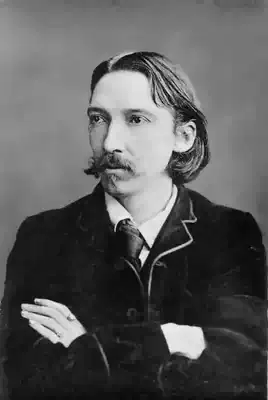
Robert Louis Stevenson
To the Muse
To the Muse
Resign the rhapsody, the dream,
To men of larger reach;
Be ours the quest of a plain theme,
The piety of speech.
As monkish scribes from morning break
Toiled till the close of light,
Nor thought a day too long to make
One line or letter bright:
We also with an ardent mind,
Time, wealth, and fame forgot,
Our glory in our patience find
And skim, and skim the pot:
Till last, when round the house we hear
The evensong of birds,
One corner of blue heaven appear
In our clear well of words.
Leave, leave it then, muse of my heart!
Sans finish and sans frame,
Leave unadorned by needless art
The picture as it came.
Resign the rhapsody, the dream,
To men of larger reach;
Be ours the quest of a plain theme,
The piety of speech.
As monkish scribes from morning break
Toiled till the close of light,
Nor thought a day too long to make
One line or letter bright:
We also with an ardent mind,
Time, wealth, and fame forgot,
Our glory in our patience find
And skim, and skim the pot:
Till last, when round the house we hear
The evensong of birds,
One corner of blue heaven appear
In our clear well of words.
Leave, leave it then, muse of my heart!
Sans finish and sans frame,
Leave unadorned by needless art
The picture as it came.
325
Robert Louis Stevenson
To Sydney
To Sydney
NOT thine where marble-still and white
Old statues share the tempered light
And mock the uneven modern flight,
But in the stream
Of daily sorrow and delight
To seek a theme.
I too, O friend, have steeled my heart
Boldly to choose the better part,
To leave the beaten ways of art,
And wholly free
To dare, beyond the scanty chart,
The deeper sea.
All vain restrictions left behind,
Frail bark! I loose my anchored mind
And large, before the prosperous wind
Desert the strand -
A new Columbus sworn to find
The morning land.
Nor too ambitious, friend. To thee
I own my weakness. Not for me
To sing the enfranchised nations' glee,
Or count the cost
Of warships foundered far at sea
And battles lost.
High on the far-seen, sunny hills,
Morning-content my bosom fills;
Well-pleased, I trace the wandering rills
And learn their birth.
Far off, the clash of sovereign wills
May shake the earth.
The nimble circuit of the wheel,
The uncertain poise of merchant weal,
Heaven of famine, fire and steel
When nations fall;
These, heedful, from afar I feel -
I mark them all.
But not, my friend, not these I sing,
My voice shall fill a narrower ring.
Tired souls, that flag upon the wing,
I seek to cheer:
Brave wines to strengthen hope I bring,
Life's cantineer!
Some song that shall be suppling oil
To weary muscles strained with toil,
Shall hearten for the daily moil,
Or widely read
Make sweet for him that tills the soil
His daily bread.
Such songs in my flushed hours I dream
(High thought) instead of armour gleam
Or warrior cantos ream by ream
To load the shelves -
Songs with a lilt of words, that seem
To sing themselves.
NOT thine where marble-still and white
Old statues share the tempered light
And mock the uneven modern flight,
But in the stream
Of daily sorrow and delight
To seek a theme.
I too, O friend, have steeled my heart
Boldly to choose the better part,
To leave the beaten ways of art,
And wholly free
To dare, beyond the scanty chart,
The deeper sea.
All vain restrictions left behind,
Frail bark! I loose my anchored mind
And large, before the prosperous wind
Desert the strand -
A new Columbus sworn to find
The morning land.
Nor too ambitious, friend. To thee
I own my weakness. Not for me
To sing the enfranchised nations' glee,
Or count the cost
Of warships foundered far at sea
And battles lost.
High on the far-seen, sunny hills,
Morning-content my bosom fills;
Well-pleased, I trace the wandering rills
And learn their birth.
Far off, the clash of sovereign wills
May shake the earth.
The nimble circuit of the wheel,
The uncertain poise of merchant weal,
Heaven of famine, fire and steel
When nations fall;
These, heedful, from afar I feel -
I mark them all.
But not, my friend, not these I sing,
My voice shall fill a narrower ring.
Tired souls, that flag upon the wing,
I seek to cheer:
Brave wines to strengthen hope I bring,
Life's cantineer!
Some song that shall be suppling oil
To weary muscles strained with toil,
Shall hearten for the daily moil,
Or widely read
Make sweet for him that tills the soil
His daily bread.
Such songs in my flushed hours I dream
(High thought) instead of armour gleam
Or warrior cantos ream by ream
To load the shelves -
Songs with a lilt of words, that seem
To sing themselves.
422
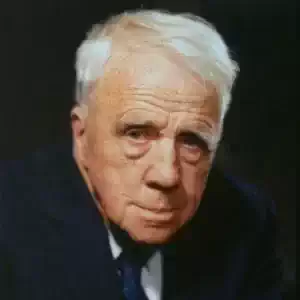
Robert Frost
The Aim Was Song
The Aim Was Song
Before man to blow to right
The wind once blew itself untaught,
And did its loudest day and night
In any rough place where it caught.
Man came to tell it what was wrong:
It hadn't found the place to blow;
It blew too hard - the aim was song.
And listen - how it ought to go!
He took a little in his mouth,
And held it long enough for north
To be converted into south,
And then by measure blew it forth.
By measure. It was word and note,
The wind the wind had meant to be -
A little through the lips and throat.
The aim was song - the wind could see.
Before man to blow to right
The wind once blew itself untaught,
And did its loudest day and night
In any rough place where it caught.
Man came to tell it what was wrong:
It hadn't found the place to blow;
It blew too hard - the aim was song.
And listen - how it ought to go!
He took a little in his mouth,
And held it long enough for north
To be converted into south,
And then by measure blew it forth.
By measure. It was word and note,
The wind the wind had meant to be -
A little through the lips and throat.
The aim was song - the wind could see.
484

Robert Browning
Popularity
Popularity
I.
Stand still, true poet that you are!
I know you; let me try and draw you.
Some night you'll fail us: when afar
You rise, remember one man saw you,
Knew you, and named a star!
II.
My star, God's glow-worm! Why extend
That loving hand of his which leads you
Yet locks you safe from end to end
Of this dark world, unless he needs you,
just saves your light to spend?
III.
His clenched hand shall unclose at last,
I know, and let out all the beauty:
My poet holds the future fast,
Accepts the coming ages' duty,
Their present for this past.
IV.
That day, the earth's feast-master's brow
Shall clear, to God the chalice raising;
``Others give best at first, but thou
``Forever set'st our table praising,
``Keep'st the good wine till now!''
V.
Meantime, I'll draw you as you stand,
With few or none to watch and wonder:
I'll say---a fisher, on the sand
By Tyre the old, with ocean-plunder,
A netful, brought to land.
VI.
Who has not heard how Tyrian shells
Enclosed the blue, that dye of dyes
Whereof one drop worked miracles,
And coloured like Astarte's<*> eyes
Raw silk the merchant sells?
VII.
And each bystander of them all
Could criticize, and quote tradition
How depths of blue sublimed some pall
---To get which, pricked a king's ambition
Worth sceptre, crown and ball.
VIII.
Yet there's the dye, in that rough mesh,
The sea has only just o'erwhispered!
Live whelks, each lip's beard dripping fresh,
As if they still the water's lisp heard
Through foam the rock-weeds thresh.
IX.
Enough to furnish Solomon
Such hangings for his cedar-house,
That, when gold-robed he took the throne
In that abyss of blue, the Spouse
Might swear his presence shone
X.
Most like the centre-spike of gold
Which burns deep in the blue-bell's womb,
What time, with ardours manifold,
The bee goes singing to her groom,
Drunken and overbold.
XI.
Mere conchs! not fit for warp or woof!
Till cunning come to pound and squeeze
And clarify,---refine to proof
The liquor filtered by degrees,
While the world stands aloof.
XII.
And there's the extract, flasked and fine,
And priced and saleable at last!
And Hobbs, Nobbs, Stokes and Nokes combine
To paint the future from the past,
Put blue into their line.
XIII.
Hobbs hints blue,---Straight he turtle eats:
Nobbs prints blue,---claret crowns his cup:
Nokes outdares Stokes in azure feats,---
Both gorge. Who fished the murex<*> up?
What porridge had John Keats?
* The Syrian Venus.
* Molluscs from which the famous Tyrian
* purple dye was obtained.
I.
Stand still, true poet that you are!
I know you; let me try and draw you.
Some night you'll fail us: when afar
You rise, remember one man saw you,
Knew you, and named a star!
II.
My star, God's glow-worm! Why extend
That loving hand of his which leads you
Yet locks you safe from end to end
Of this dark world, unless he needs you,
just saves your light to spend?
III.
His clenched hand shall unclose at last,
I know, and let out all the beauty:
My poet holds the future fast,
Accepts the coming ages' duty,
Their present for this past.
IV.
That day, the earth's feast-master's brow
Shall clear, to God the chalice raising;
``Others give best at first, but thou
``Forever set'st our table praising,
``Keep'st the good wine till now!''
V.
Meantime, I'll draw you as you stand,
With few or none to watch and wonder:
I'll say---a fisher, on the sand
By Tyre the old, with ocean-plunder,
A netful, brought to land.
VI.
Who has not heard how Tyrian shells
Enclosed the blue, that dye of dyes
Whereof one drop worked miracles,
And coloured like Astarte's<*> eyes
Raw silk the merchant sells?
VII.
And each bystander of them all
Could criticize, and quote tradition
How depths of blue sublimed some pall
---To get which, pricked a king's ambition
Worth sceptre, crown and ball.
VIII.
Yet there's the dye, in that rough mesh,
The sea has only just o'erwhispered!
Live whelks, each lip's beard dripping fresh,
As if they still the water's lisp heard
Through foam the rock-weeds thresh.
IX.
Enough to furnish Solomon
Such hangings for his cedar-house,
That, when gold-robed he took the throne
In that abyss of blue, the Spouse
Might swear his presence shone
X.
Most like the centre-spike of gold
Which burns deep in the blue-bell's womb,
What time, with ardours manifold,
The bee goes singing to her groom,
Drunken and overbold.
XI.
Mere conchs! not fit for warp or woof!
Till cunning come to pound and squeeze
And clarify,---refine to proof
The liquor filtered by degrees,
While the world stands aloof.
XII.
And there's the extract, flasked and fine,
And priced and saleable at last!
And Hobbs, Nobbs, Stokes and Nokes combine
To paint the future from the past,
Put blue into their line.
XIII.
Hobbs hints blue,---Straight he turtle eats:
Nobbs prints blue,---claret crowns his cup:
Nokes outdares Stokes in azure feats,---
Both gorge. Who fished the murex<*> up?
What porridge had John Keats?
* The Syrian Venus.
* Molluscs from which the famous Tyrian
* purple dye was obtained.
342
Robert Browning
Abt Vogler
Abt Vogler
Would that the structure brave, the manifold music I build,
Bidding my organ obey, calling its keys to their work,
Claiming each slave of the sound, at a touch, as when Solomon willed
Armies of angels that soar, legions of demons that lurk,
Man, brute, reptile, fly,--alien of end and of aim,
Adverse, each from the other heaven-high, hell-deep removed,--
Should rush into sight at once as he named the ineffable Name,
And pile him a palace straight, to pleasure the princess he loved!
Would it might tarry like his, the beautiful building of mine,
This which my keys in a crowd pressed and importuned to raise!
Ah, one and all, how they helped, would dispart now and now combine,
Zealous to hasten the work, heighten their master his praise!
And one would bury his brow with a blind plunge down to hell,
Burrow awhile and build, broad on the roots of things,
Then up again swim into sight, having based me my palace well,
Founded it, fearless of flame, flat on the nether springs.
And another would mount and march, like the excellent minion he was,
Ay, another and yet another, one crowd but with many a crest,
Raising my rampired walls of gold as transparent as glass,
Eager to do and die, yield each his place to the rest:
For higher still and higher (as a runner tips with fire,
When a great illumination surprises a festal night--
Outlining round and round Rome's dome from space to spire)
Up, the pinnacled glory reached, and the pride of my soul was in sight.
In sight? Not half! for it seemed, it was certain, to match man's birth,
Nature in turn conceived, obeying an impulse as I;
And the emulous heaven yearned down, made effort to reach the earth,
As the earth had done her best, in my passion, to scale the sky:
Novel splendours burst forth, grew familiar and dwelt with mine,
Not a point nor peak but found and fixed its wandering star;
Meteor-moons, balls of blaze: and they did not pale nor pine,
For earth had attained to heaven, there was no more near nor far.
Nay more; for there wanted not who walked in the glare and glow,
Presences plain in the place; or, fresh from the Protoplast,
Furnished for ages to come, when a kindlier wind should blow,
Lured now to begin and live, in a house to their liking at last;
Or else the wonderful Dead who have passed through the body and gone,
But were back once more to breathe in an old world worth their new:
What never had been, was now; what was, as it shall be anon;
And what is,--shall I say, matched both? for I was made perfect too.
All through my keys that gave their sounds to a wish of my soul,
All through my soul that praised as its wish flowed visibly forth,
All through music and me! For think, had I painted the whole,
Why, there it had stood, to see, nor the process so wonder-worth:
Had I written the same, made verse--still, effect proceeds from cause,
Ye know why the forms are fair, ye hear how the tale is told;
It is all triumphant art, but art in obedience to laws,
Painter and poet are proud in the artist-list enrolled:--
But here is the finger of God, a flash of the will that can,
Existent behind all laws, that made them and, lo, they are!
And I know not if, save in this, such gift be allowed to man,
That out of three sounds he frame, not a fourth sound, but a star.
Consider it well: each tone of our scale in itself is nought;
It is everywhere in the world--loud, soft, and all is said:
Give it to me to use! I mix it with two in my thought:
And, there! Ye have heard and seen: consider and bow the head!
Well, it is gone at last, the palace of music I reared;
Gone! and the good tears start, the praises that come too slow;
For one is assured at first, one scarce can say that he feared,
That he even gave it a thought, the gone thing was to go.
Never to be again! But many more of the kind
As good, nay, better, perchance: is this your comfort to me?
To me, who must be saved because I cling with my mind
To the same, same self, same love, same God: ay, what was, shall be.
Therefore to whom turn I but to thee, the ineffable Name?
Builder and maker, thou, of houses not made with hands!
What, have fear of change from thee who art ever the same?
Doubt that thy power can fill the heart that thy power expands?
There shall never be one lost good! What was, shall live as before;
The evil is null, is nought, is silence implying sound;
What was good shall be good, with, for evil, so much good more;
On the earth the broken arcs; in the heaven, a perfect round.
All we have willed or hoped or dreamed of good shall exist;
Not its semblance, but itself; no beauty, nor good, nor power
Whose voice has gone forth, but each survives for the melodist
When eternity affirms the conception of an hour.
The high that proved too high, the heroic for earth too hard,
The passion that left the ground to lose itself in the sky,
Are music sent up to God by the lover and the bard;
Enough that he heard it once: we shall hear it by and by.
And what is our failure here but a triumph's evidence
For the fulness of the days? Have we withered or agonized?
Why else was the pause prolonged but that singing might issue thence?
Why rushed the discords in, but that harmony should be prized?
Sorrow is hard to bear, and doubt is slow to clear,
Each sufferer says his say, his scheme of the weal and woe:
But God has a few of us whom he whispers in the ear;
The rest may reason and welcome; 'tis we musicians know.
Well, it is earth with me; silence resumes her reign:
I will be patient and proud, and soberly acquiesce.
Give me the keys. I feel for the common chord again,
Sliding by semitones till I sink to the minor,--yes,
And I blunt it into a ninth, and I stand on alien ground,
Surveying awhile the heights I rolled from into the deep;
Which, hark, I have dared and done, for my resting-place is found,
The C Major of this life: so, now I will try to sleep.
Would that the structure brave, the manifold music I build,
Bidding my organ obey, calling its keys to their work,
Claiming each slave of the sound, at a touch, as when Solomon willed
Armies of angels that soar, legions of demons that lurk,
Man, brute, reptile, fly,--alien of end and of aim,
Adverse, each from the other heaven-high, hell-deep removed,--
Should rush into sight at once as he named the ineffable Name,
And pile him a palace straight, to pleasure the princess he loved!
Would it might tarry like his, the beautiful building of mine,
This which my keys in a crowd pressed and importuned to raise!
Ah, one and all, how they helped, would dispart now and now combine,
Zealous to hasten the work, heighten their master his praise!
And one would bury his brow with a blind plunge down to hell,
Burrow awhile and build, broad on the roots of things,
Then up again swim into sight, having based me my palace well,
Founded it, fearless of flame, flat on the nether springs.
And another would mount and march, like the excellent minion he was,
Ay, another and yet another, one crowd but with many a crest,
Raising my rampired walls of gold as transparent as glass,
Eager to do and die, yield each his place to the rest:
For higher still and higher (as a runner tips with fire,
When a great illumination surprises a festal night--
Outlining round and round Rome's dome from space to spire)
Up, the pinnacled glory reached, and the pride of my soul was in sight.
In sight? Not half! for it seemed, it was certain, to match man's birth,
Nature in turn conceived, obeying an impulse as I;
And the emulous heaven yearned down, made effort to reach the earth,
As the earth had done her best, in my passion, to scale the sky:
Novel splendours burst forth, grew familiar and dwelt with mine,
Not a point nor peak but found and fixed its wandering star;
Meteor-moons, balls of blaze: and they did not pale nor pine,
For earth had attained to heaven, there was no more near nor far.
Nay more; for there wanted not who walked in the glare and glow,
Presences plain in the place; or, fresh from the Protoplast,
Furnished for ages to come, when a kindlier wind should blow,
Lured now to begin and live, in a house to their liking at last;
Or else the wonderful Dead who have passed through the body and gone,
But were back once more to breathe in an old world worth their new:
What never had been, was now; what was, as it shall be anon;
And what is,--shall I say, matched both? for I was made perfect too.
All through my keys that gave their sounds to a wish of my soul,
All through my soul that praised as its wish flowed visibly forth,
All through music and me! For think, had I painted the whole,
Why, there it had stood, to see, nor the process so wonder-worth:
Had I written the same, made verse--still, effect proceeds from cause,
Ye know why the forms are fair, ye hear how the tale is told;
It is all triumphant art, but art in obedience to laws,
Painter and poet are proud in the artist-list enrolled:--
But here is the finger of God, a flash of the will that can,
Existent behind all laws, that made them and, lo, they are!
And I know not if, save in this, such gift be allowed to man,
That out of three sounds he frame, not a fourth sound, but a star.
Consider it well: each tone of our scale in itself is nought;
It is everywhere in the world--loud, soft, and all is said:
Give it to me to use! I mix it with two in my thought:
And, there! Ye have heard and seen: consider and bow the head!
Well, it is gone at last, the palace of music I reared;
Gone! and the good tears start, the praises that come too slow;
For one is assured at first, one scarce can say that he feared,
That he even gave it a thought, the gone thing was to go.
Never to be again! But many more of the kind
As good, nay, better, perchance: is this your comfort to me?
To me, who must be saved because I cling with my mind
To the same, same self, same love, same God: ay, what was, shall be.
Therefore to whom turn I but to thee, the ineffable Name?
Builder and maker, thou, of houses not made with hands!
What, have fear of change from thee who art ever the same?
Doubt that thy power can fill the heart that thy power expands?
There shall never be one lost good! What was, shall live as before;
The evil is null, is nought, is silence implying sound;
What was good shall be good, with, for evil, so much good more;
On the earth the broken arcs; in the heaven, a perfect round.
All we have willed or hoped or dreamed of good shall exist;
Not its semblance, but itself; no beauty, nor good, nor power
Whose voice has gone forth, but each survives for the melodist
When eternity affirms the conception of an hour.
The high that proved too high, the heroic for earth too hard,
The passion that left the ground to lose itself in the sky,
Are music sent up to God by the lover and the bard;
Enough that he heard it once: we shall hear it by and by.
And what is our failure here but a triumph's evidence
For the fulness of the days? Have we withered or agonized?
Why else was the pause prolonged but that singing might issue thence?
Why rushed the discords in, but that harmony should be prized?
Sorrow is hard to bear, and doubt is slow to clear,
Each sufferer says his say, his scheme of the weal and woe:
But God has a few of us whom he whispers in the ear;
The rest may reason and welcome; 'tis we musicians know.
Well, it is earth with me; silence resumes her reign:
I will be patient and proud, and soberly acquiesce.
Give me the keys. I feel for the common chord again,
Sliding by semitones till I sink to the minor,--yes,
And I blunt it into a ninth, and I stand on alien ground,
Surveying awhile the heights I rolled from into the deep;
Which, hark, I have dared and done, for my resting-place is found,
The C Major of this life: so, now I will try to sleep.
705
Roald Dahl
Television
Television
The most important thing we've learned,
So far as children are concerned,
Is never, NEVER, NEVER let
Them near your television set --
Or better still, just don't install
The idiotic thing at all.
In almost every house we've been,
We've watched them gaping at the screen.
They loll and slop and lounge about,
And stare until their eyes pop out.
(Last week in someone's place we saw
A dozen eyeballs on the floor.)
They sit and stare and stare and sit
Until they're hypnotised by it,
Until they're absolutely drunk
With all that shocking ghastly junk.
Oh yes, we know it keeps them still,
They don't climb out the window sill,
They never fight or kick or punch,
They leave you free to cook the lunch
And wash the dishes in the sink --
But did you ever stop to think,
To wonder just exactly what
This does to your beloved tot?
IT ROTS THE SENSE IN THE HEAD!
IT KILLS IMAGINATION DEAD!
IT CLOGS AND CLUTTERS UP THE MIND!
IT MAKES A CHILD SO DULL AND BLIND
HE CAN NO LONGER UNDERSTAND
A FANTASY, A FAIRYLAND!
HIS BRAIN BECOMES AS SOFT AS CHEESE!
HIS POWERS OF THINKING RUST AND FREEZE!
HE CANNOT THINK -- HE ONLY SEES!
'All right!' you'll cry. 'All right!' you'll say,
'But if we take the set away,
What shall we do to entertain
Our darling children? Please explain!'
We'll answer this by asking you,
'What used the darling ones to do?
'How used they keep themselves contented
Before this monster was invented?'
Have you forgotten? Don't you know?
We'll say it very loud and slow:
THEY ... USED ... TO ... READ! They'd READ and READ,
AND READ and READ, and then proceed
To READ some more. Great Scott! Gadzooks!
One half their lives was reading books!
The nursery shelves held books galore!
Books cluttered up the nursery floor!
And in the bedroom, by the bed,
More books were waiting to be read!
Such wondrous, fine, fantastic tales
Of dragons, gypsies, queens, and whales
And treasure isles, and distant shores
Where smugglers rowed with muffled oars,
And pirates wearing purple pants,
And sailing ships and elephants,
And cannibals crouching 'round the pot,
Stirring away at something hot.
(It smells so good, what can it be?
Good gracious, it's Penelope.)
The younger ones had Beatrix Potter
With Mr. Tod, the dirty rotter,
And Squirrel Nutkin, Pigling Bland,
And Mrs. Tiggy-Winkle and-
Just How The Camel Got His Hump,
And How the Monkey Lost His Rump,
And Mr. Toad, and bless my soul,
There's Mr. Rate and Mr. Mole-
Oh, books, what books they used to know,
Those children living long ago!
So please, oh please, we beg, we pray,
Go throw your TV set away,
And in its place you can install
A lovely bookshelf on the wall.
Then fill the shelves with lots of books,
Ignoring all the dirty looks,
The screams and yells, the bites and kicks,
And children hitting you with sticks-
Fear not, because we promise you
That, in about a week or two
Of having nothing else to do,
They'll now begin to feel the need
Of having something to read.
And once they start -- oh boy, oh boy!
You watch the slowly growing joy
That fills their hearts. They'll grow so keen
They'll wonder what they'd ever seen
In that ridiculous machine,
That nauseating, foul, unclean,
Repulsive television screen!
And later, each and every kid
Will love you more for what you did.
The most important thing we've learned,
So far as children are concerned,
Is never, NEVER, NEVER let
Them near your television set --
Or better still, just don't install
The idiotic thing at all.
In almost every house we've been,
We've watched them gaping at the screen.
They loll and slop and lounge about,
And stare until their eyes pop out.
(Last week in someone's place we saw
A dozen eyeballs on the floor.)
They sit and stare and stare and sit
Until they're hypnotised by it,
Until they're absolutely drunk
With all that shocking ghastly junk.
Oh yes, we know it keeps them still,
They don't climb out the window sill,
They never fight or kick or punch,
They leave you free to cook the lunch
And wash the dishes in the sink --
But did you ever stop to think,
To wonder just exactly what
This does to your beloved tot?
IT ROTS THE SENSE IN THE HEAD!
IT KILLS IMAGINATION DEAD!
IT CLOGS AND CLUTTERS UP THE MIND!
IT MAKES A CHILD SO DULL AND BLIND
HE CAN NO LONGER UNDERSTAND
A FANTASY, A FAIRYLAND!
HIS BRAIN BECOMES AS SOFT AS CHEESE!
HIS POWERS OF THINKING RUST AND FREEZE!
HE CANNOT THINK -- HE ONLY SEES!
'All right!' you'll cry. 'All right!' you'll say,
'But if we take the set away,
What shall we do to entertain
Our darling children? Please explain!'
We'll answer this by asking you,
'What used the darling ones to do?
'How used they keep themselves contented
Before this monster was invented?'
Have you forgotten? Don't you know?
We'll say it very loud and slow:
THEY ... USED ... TO ... READ! They'd READ and READ,
AND READ and READ, and then proceed
To READ some more. Great Scott! Gadzooks!
One half their lives was reading books!
The nursery shelves held books galore!
Books cluttered up the nursery floor!
And in the bedroom, by the bed,
More books were waiting to be read!
Such wondrous, fine, fantastic tales
Of dragons, gypsies, queens, and whales
And treasure isles, and distant shores
Where smugglers rowed with muffled oars,
And pirates wearing purple pants,
And sailing ships and elephants,
And cannibals crouching 'round the pot,
Stirring away at something hot.
(It smells so good, what can it be?
Good gracious, it's Penelope.)
The younger ones had Beatrix Potter
With Mr. Tod, the dirty rotter,
And Squirrel Nutkin, Pigling Bland,
And Mrs. Tiggy-Winkle and-
Just How The Camel Got His Hump,
And How the Monkey Lost His Rump,
And Mr. Toad, and bless my soul,
There's Mr. Rate and Mr. Mole-
Oh, books, what books they used to know,
Those children living long ago!
So please, oh please, we beg, we pray,
Go throw your TV set away,
And in its place you can install
A lovely bookshelf on the wall.
Then fill the shelves with lots of books,
Ignoring all the dirty looks,
The screams and yells, the bites and kicks,
And children hitting you with sticks-
Fear not, because we promise you
That, in about a week or two
Of having nothing else to do,
They'll now begin to feel the need
Of having something to read.
And once they start -- oh boy, oh boy!
You watch the slowly growing joy
That fills their hearts. They'll grow so keen
They'll wonder what they'd ever seen
In that ridiculous machine,
That nauseating, foul, unclean,
Repulsive television screen!
And later, each and every kid
Will love you more for what you did.
291
Roald Dahl
Of dragons, gypsies, queens, and whales
Of dragons, gypsies, queens, and whales
And treasure isles, and distant shores
Where smugglers rowed with muffled oars,
And pirates wearing purple pants,
And sailing ships and elephants,
And cannibals crouching 'round the pot,
Stirring away at something hot.
(It smells so good, what can it be?
Good gracious, it's Penelope.)
The younger ones had Beatrix Potter
With Mr. Tod, the dirty rotter,
And Squirrel Nutkin, Pigling Bland,
And Mrs. Tiggy-Winkle and-
Just How The Camel Got His Hump,
And How the Monkey Lost His Rump,
And Mr. Toad, and bless my soul,
There's Mr. Rat and Mr. Mole-
Oh, books, what books they used to know,
Those children living long ago!
So please, oh please, we beg, we pray,
Go throw your TV set away,
And in its place you can install
A lovely bookshelf on the wall.
Then fill the shelves with lots of books,
Ignoring all the dirty looks,
The screams and yells, the bites and kicks,
And children hitting you with sticks-
Fear not, because we promise you
That, in about a week or two
Of having nothing else to do,
They'll now begin to feel the need
Of having something to read.
And once they start -- oh boy, oh boy!
You watch the slowly growing joy
That fills their hearts. They'll grow so keen
They'll wonder what they'd ever seen
In that ridiculous machine,
That nauseating, foul, unclean,
Repulsive television screen!
And later, each and every kid
Will love you more for what you did.
And treasure isles, and distant shores
Where smugglers rowed with muffled oars,
And pirates wearing purple pants,
And sailing ships and elephants,
And cannibals crouching 'round the pot,
Stirring away at something hot.
(It smells so good, what can it be?
Good gracious, it's Penelope.)
The younger ones had Beatrix Potter
With Mr. Tod, the dirty rotter,
And Squirrel Nutkin, Pigling Bland,
And Mrs. Tiggy-Winkle and-
Just How The Camel Got His Hump,
And How the Monkey Lost His Rump,
And Mr. Toad, and bless my soul,
There's Mr. Rat and Mr. Mole-
Oh, books, what books they used to know,
Those children living long ago!
So please, oh please, we beg, we pray,
Go throw your TV set away,
And in its place you can install
A lovely bookshelf on the wall.
Then fill the shelves with lots of books,
Ignoring all the dirty looks,
The screams and yells, the bites and kicks,
And children hitting you with sticks-
Fear not, because we promise you
That, in about a week or two
Of having nothing else to do,
They'll now begin to feel the need
Of having something to read.
And once they start -- oh boy, oh boy!
You watch the slowly growing joy
That fills their hearts. They'll grow so keen
They'll wonder what they'd ever seen
In that ridiculous machine,
That nauseating, foul, unclean,
Repulsive television screen!
And later, each and every kid
Will love you more for what you did.
294
Ralph Waldo Emerson
Merlin I
Merlin I
Thy trivial harp will never please
Or fill my craving ear;
Its chords should ring as blows the breeze,
Free, peremptory, clear.
No jingling serenader's art,
Nor tinkle of piano strings,
Can make the wild blood start
In its mystic springs.
The kingly bard
Must smite the chords rudely and hard,
As with hammer or with mace,
That they may render back
Artful thunder that conveys
Secrets of the solar track,
Sparks of the supersolar blaze.
Merlin's blows are strokes of fate,
Chiming with the forest-tone,
When boughs buffet boughs in the wood;
Chiming with the gasp and moan
Of the ice-imprisoned flood;
With the pulse of manly hearts,
With the voice of orators,
With the din of city arts,
With the cannonade of wars.
With the marches of the brave,
And prayers of might from martyrs' cave.
Great is the art,
Great be the manners of the bard!
He shall not his brain encumber
With the coil of rhythm and number,
But, leaving rule and pale forethought,
He shall aye climb
For his rhyme:
Pass in, pass in, the angels say,
In to the upper doors;
Nor count compartments of the floors,
But mount to Paradise
By the stairway of surprise.
Blameless master of the games,
King of sport that never shames;
He shall daily joy dispense
Hid in song's sweet influence.
Things more cheerly live and go,
What time the subtle mind
Plays aloud the tune whereto
Their pulses beat,
And march their feet,
And their members are combined.
By Sybarites beguiled
He shall no task decline;
Merlin's mighty line,
Extremes of nature reconciled,
Bereaved a tyrant of his will,
And made the lion mild.
Songs can the tempest still,
Scattered on the stormy air,
Mould the year to fair increase,
And bring in poetic peace.
He shall not seek to weave,
In weak unhappy times,
Efficacious rhymes;
Wait his returning strength,
Bird, that from the nadir's floor,
To the zenith's top could soar,
The soaring orbit of the muse exceeds that journey's length!
Nor, profane, affect to hit
Or compass that by meddling wit,
Which only the propitious mind
Publishes when 'tis inclined.
There are open hours
When the god's will sallies free,
And the dull idiot might see
The flowing fortunes of a thousand years;
Sudden, at unawares,
Self-moved fly-to the doors,
Nor sword of angels could reveal
What they conceal.
Thy trivial harp will never please
Or fill my craving ear;
Its chords should ring as blows the breeze,
Free, peremptory, clear.
No jingling serenader's art,
Nor tinkle of piano strings,
Can make the wild blood start
In its mystic springs.
The kingly bard
Must smite the chords rudely and hard,
As with hammer or with mace,
That they may render back
Artful thunder that conveys
Secrets of the solar track,
Sparks of the supersolar blaze.
Merlin's blows are strokes of fate,
Chiming with the forest-tone,
When boughs buffet boughs in the wood;
Chiming with the gasp and moan
Of the ice-imprisoned flood;
With the pulse of manly hearts,
With the voice of orators,
With the din of city arts,
With the cannonade of wars.
With the marches of the brave,
And prayers of might from martyrs' cave.
Great is the art,
Great be the manners of the bard!
He shall not his brain encumber
With the coil of rhythm and number,
But, leaving rule and pale forethought,
He shall aye climb
For his rhyme:
Pass in, pass in, the angels say,
In to the upper doors;
Nor count compartments of the floors,
But mount to Paradise
By the stairway of surprise.
Blameless master of the games,
King of sport that never shames;
He shall daily joy dispense
Hid in song's sweet influence.
Things more cheerly live and go,
What time the subtle mind
Plays aloud the tune whereto
Their pulses beat,
And march their feet,
And their members are combined.
By Sybarites beguiled
He shall no task decline;
Merlin's mighty line,
Extremes of nature reconciled,
Bereaved a tyrant of his will,
And made the lion mild.
Songs can the tempest still,
Scattered on the stormy air,
Mould the year to fair increase,
And bring in poetic peace.
He shall not seek to weave,
In weak unhappy times,
Efficacious rhymes;
Wait his returning strength,
Bird, that from the nadir's floor,
To the zenith's top could soar,
The soaring orbit of the muse exceeds that journey's length!
Nor, profane, affect to hit
Or compass that by meddling wit,
Which only the propitious mind
Publishes when 'tis inclined.
There are open hours
When the god's will sallies free,
And the dull idiot might see
The flowing fortunes of a thousand years;
Sudden, at unawares,
Self-moved fly-to the doors,
Nor sword of angels could reveal
What they conceal.
375