

Poems in this theme
Culture and Tradition
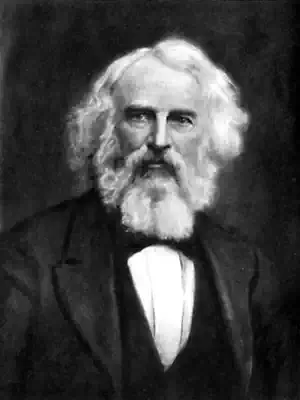
Henry Wadsworth Longfellow
Tales Of A Wayside Inn : Part 3. Interlude II.
Tales Of A Wayside Inn : Part 3. Interlude II.
Well pleased all listened to the tale,
That drew, the Student said, its pith
And marrow from the ancient myth
Of some one with an iron flail;
Or that portentous Man of Brass
Hephaestus made in days of yore,
Who stalked about the Cretan shore,
And saw the ships appear and pass,
And threw stones at the Argonauts,
Being filled with indiscriminate ire
That tangled and perplexed his thoughts;
But, like a hospitable host,
When strangers landed on the coast,
Heated himself red-hot with fire,
And hugged them in his arms, and pressed
Their bodies to his burning breast.
The Poet answered: 'No, not thus
The legend rose; it sprang at first
Out of the hunger and the thirst
In all men for the marvellous.
And thus it filled and satisfied
The imagination of mankind,
And this ideal to the mind
Was truer than historic fact.
Fancy enlarged and multiplied
The tenors of the awful name
Of Charlemagne, till he became
Armipotent in every act,
And, clothed in mystery, appeared
Not what men saw, but what they feared.
Besides, unless my memory fail,
Your some one with an iron flail
Is not an ancient myth at all,
But comes much later on the scene
As Talus in the Faerie Queene,
The iron groom of Artegall,
Who threshed out falsehood and deceit,
And truth upheld, and righted wrong,
As was, as is the swallow, fleet,
And as the lion is, was strong.'
The Theologian said: 'Perchance
Your chronicler in writing this
Had in his mind the Anabasis,
Where Xenophon describes the advance
Of Artaxerxes to the fight;
At first the low gray cloud of dust,
And then a blackness o'er the fields
As of a passing thunder-gust,
Then flash of brazen armor bright,
And ranks of men, and spears up-thrust,
Bowmen and troops with wicker shields,
And cavalry equipped in white,
And chariots ranged in front of these
With scythes upon their axle-trees.'
To this the Student answered: 'Well,
I also have a tale to tell
Of Charlemagne; a tale that throws
A softer light, more tinged with rose,
Than your grim apparition cast
Upon the darkness of the past.
Listen, and hear in English rhyme
What the good Monk of Lauresheim
Gives as the gossip of his time,
In mediaeval Latin prose.'
Well pleased all listened to the tale,
That drew, the Student said, its pith
And marrow from the ancient myth
Of some one with an iron flail;
Or that portentous Man of Brass
Hephaestus made in days of yore,
Who stalked about the Cretan shore,
And saw the ships appear and pass,
And threw stones at the Argonauts,
Being filled with indiscriminate ire
That tangled and perplexed his thoughts;
But, like a hospitable host,
When strangers landed on the coast,
Heated himself red-hot with fire,
And hugged them in his arms, and pressed
Their bodies to his burning breast.
The Poet answered: 'No, not thus
The legend rose; it sprang at first
Out of the hunger and the thirst
In all men for the marvellous.
And thus it filled and satisfied
The imagination of mankind,
And this ideal to the mind
Was truer than historic fact.
Fancy enlarged and multiplied
The tenors of the awful name
Of Charlemagne, till he became
Armipotent in every act,
And, clothed in mystery, appeared
Not what men saw, but what they feared.
Besides, unless my memory fail,
Your some one with an iron flail
Is not an ancient myth at all,
But comes much later on the scene
As Talus in the Faerie Queene,
The iron groom of Artegall,
Who threshed out falsehood and deceit,
And truth upheld, and righted wrong,
As was, as is the swallow, fleet,
And as the lion is, was strong.'
The Theologian said: 'Perchance
Your chronicler in writing this
Had in his mind the Anabasis,
Where Xenophon describes the advance
Of Artaxerxes to the fight;
At first the low gray cloud of dust,
And then a blackness o'er the fields
As of a passing thunder-gust,
Then flash of brazen armor bright,
And ranks of men, and spears up-thrust,
Bowmen and troops with wicker shields,
And cavalry equipped in white,
And chariots ranged in front of these
With scythes upon their axle-trees.'
To this the Student answered: 'Well,
I also have a tale to tell
Of Charlemagne; a tale that throws
A softer light, more tinged with rose,
Than your grim apparition cast
Upon the darkness of the past.
Listen, and hear in English rhyme
What the good Monk of Lauresheim
Gives as the gossip of his time,
In mediaeval Latin prose.'
276
Henry Wadsworth Longfellow
Tales Of A Wayside Inn : Part 1. The Theologian's Tale; Torquemada
Tales Of A Wayside Inn : Part 1. The Theologian's Tale; Torquemada
In the heroic days when Ferdinand
And Isabella ruled the Spanish land,
And Torquemada, with his subtle brain,
Ruled them, as Grand Inquisitor of Spain,
In a great castle near Valladolid,
Moated and high and by fair woodlands hid,
There dwelt, as from the chronicles we learn,
An old Hidalgo proud and taciturn,
Whose name has perished, with his towers of stone,
And all his actions save this one alone;
This one, so terrible, perhaps 't were best
If it, too, were forgotten with the rest;
Unless, perchance, our eyes can see therein
The martyrdom triumphant o'er the sin;
A double picture, with its gloom and glow,
The splendor overhead, the death below.
This sombre man counted each day as lost
On which his feet no sacred threshold crossed;
And when he chanced the passing Host to meet,
He knelt and prayed devoutly in the street;
Oft he confessed; and with each mutinous thought,
As with wild beasts at Ephesus, he fought.
In deep contrition scourged himself in Lent,
Walked in processions, with his head down bent,
At plays of Corpus Christi oft was seen,
And on Palm Sunday bore his bough of green.
His sole diversion was to hunt the boar
Through tangled thickets of the forest hoar,
Or with his jingling mules to hurry down
To some grand bull-fight in the neighboring town,
Or in the crowd with lighted taper stand,
When Jews were burned, or banished from the land.
Then stirred within him a tumultuous joy;
The demon whose delight is to destroy
Shook him, and shouted with a trumpet tone,
Kill! kill! and let the Lord find out his own!'
And now, in that old castle in the wood,
His daughters, in the dawn of womanhood,
Returning from their convent school, had made
Resplendent with their bloom the forest shade,
Reminding him of their dead mother's face,
When first she came into that gloomy place,--
A memory in his heart as dim and sweet
As moonlight in a solitary street,
Where the same rays, that lift the sea, are thrown
Lovely but powerless upon walls of stone.
These two fair daughters of a mother dead
Were all the dream had left him as it fled.
A joy at first, and then a growing care,
As if a voice within him cried, 'Beware!?
A vague presentiment of impending doom,
Like ghostly footsteps in a vacant room,
Haunted him day and night; a formless fear
That death to some one of his house was near,
With dark surmises of a hidden crime,
Made life itself a death before its time.
Jealous, suspicious, with no sense of shame,
A spy upon his daughters he became;
With velvet slippers, noiseless on the floors,
He glided softly through half-open doors;
Now in the room, and now upon the stair,
He stood beside them ere they were aware;
He listened in the passage when they talked,
He watched them from the casement when they walked,
He saw the gypsy haunt the river's side,
He saw the monk among the cork-trees glide;
And, tortured by the mystery and the doubt
Of some dark secret, past his finding out,
Baffled he paused; then reassured again
Pursued the flying phantom of his brain.
He watched them even when they knelt in church;
And then, descending lower in his search,
Questioned the servants, and with eager eyes
Listened incredulous to their replies;
The gypsy? none had seen her in the wood!
The monk? a mendicant in search of food!
At length the awful revelation came,
Crushing at once his pride of birth and name;
The hopes his yearning bosom forward cast,
And the ancestral glories of the past,
All fell together, crumbling in disgrace,
A turret rent from battlement to base.
His daughters talking in the dead of night
In their own chamber, and without a light,
Listening, as he was wont, he overheard,
And learned the dreadful secret, word by word;
And hurrying from his castle, with a cry
He raised his hands to the unpitying sky,
Repeating one dread word, till bush and tree
Caught it, and shuddering answered, 'Heresy!'
Wrapped in his cloak, his hat drawn o'er his face,
Now hurrying forward, now with lingering pace,
He walked all night the alleys of his park,
With one unseen companion in the dark,
The demon who within him lay in wait,
And by his presence turned his love to hate,
Forever muttering in an undertone,
'Kill! kill! and let the Lord find out his own!'
Upon the morrow, after early Mass,
While yet the dew was glistening on the grass,
And all the woods were musical with birds,
The old Hidalgo, uttering fearful words,
Walked homeward with the Priest, and in his room
Summoned his trembling daughters to their doom.
When questioned, with brief answers they replied,
Nor when accused evaded or denied;
Expostulations, passionate appeals,
All that the human heart most fears or feels,
In vain the Priest with earnest voice essayed;
In vain the father threatened, wept, and prayed;
Until at last he said, with haughty mien,
'The Holy Office, then, must intervene!'
And now the Grand Inquisitor of Spain,
With all the fifty horsemen of his train,
His awful name resounding, like the blast
Of funeral trumpets, as he onward passed,
Came to Valladolid, and there began
To harry the rich Jews with fire and ban.
To him the Hidalgo went, and at the gate
Demanded audience on affairs of state,
And in a secret chamber stood before
A venerable graybeard of fourscore,
Dressed in the hood and habit of a friar;
Out of his eyes flashed a consuming fire,
And in his hand the mystic horn he held,
Which poison and all noxious charms dispelled.
He heard in silence the Hidalgo's tale,
Then answered in a voice that made him quail:
'Son of the Church! when Abraham of old
To sacrifice his only son was told,
He did not pause to parley nor protest,
But hastened to obey the Lord's behest.
In him it was accounted righteousness;
The Holy Church expects of thee no less!'
A sacred frenzy seized the father's brain,
And Mercy from that hour implored in vain.
Ah! who will e'er believe the words I say?
His daughters he accused, and the same day
They both were cast into the dungeon's gloom,
That dismal antechamber of the tomb,
Arraigned, condemned, and sentenced to the flame,
The secret torture and the public shame.
Then to the Grand Inquisitor once more
The Hidalgo went, more eager than before,
And said: 'When Abraham offered up his son,
He clave the wood wherewith it might be done.
By his example taught, let me too bring
Wood from the forest for my offering!'
And the deep voice, without a pause, replied:
'Son of the Church! by faith now justified,
Complete thy sacrifice, even as thou wilt;
The Church absolves thy conscience from all guilt!'
Then this most wretched father went his way
Into the woods, that round his castle lay,
Where once his daughters in their childhood played
With their young mother in the sun and shade.
Now all the leaves had fallen; the branches bare
Made a perpetual moaning in the air,
And screaming from their eyries overhead
The ravens sailed athwart the sky of lead.
With his own hands he lopped the boughs and bound
Fagots, that crackled with foreboding sound,
And on his mules, caparisoned and gay
With bells and tassels, sent them on their way.
Then with his mind on one dark purpose bent,
Again to the Inquisitor he went,
And said: 'Behold, the fagots I have brought,
And now, lest my atonement be as naught,
Grant me one more request, one last desire,--
With my own hand to light the funeral fire!'
And Torquemada answered from his seat,
'Son of the Church! Thine offering is complete;
Her servants through all ages shall not cease
To magnify thy deed. Depart in peace!'
Upon the market-place, builded of stone
The scaffold rose, whereon Death claimed his own.
At the four corners, in stern attitude,
Four statues of the Hebrew Prophets stood,
Gazing with calm indifference in their eyes
Upon this place of human sacrifice,
Round which was gathering fast the eager crowd,
With clamor of voices dissonant and loud,
And every roof and window was alive
With restless gazers, swarming like a hive.
The church-bells tolled, the chant of monks drew near,
Loud trumpets stammered forth their notes of fear,
A line of torches smoked along the street,
There was a stir, a rush, a tramp of feet,
And, with its banners floating in the air,
Slowly the long procession crossed the square,
And, to the statues of the Prophets bound,
The victims stood, with fagots piled around.
Then all the air a blast of trumpets shook,
And louder sang the monks with bell and book,
And the Hidalgo, lofty, stern, and proud,
Lifted his torch, and, bursting through the crowd,
Lighted in haste the fagots, and then fled,
Lest those imploring eyes should strike him dead!
O pitiless skies! why did your clouds retain
For peasants' fields their floods of hoarded rain?
O pitiless earth! why open no abyss
To bury in its chasm a crime like this?
That night a mingled column of fire and smoke
From the dark thickets of the forest broke,
And, glaring o'er the landscape leagues away,
Made all the fields and hamlets bright as day.
Wrapped in a sheet of flame the castle blazed,
And as the villagers in terror gazed,
They saw the figure of that cruel knight
Lean from a window in the turret's height,
His ghastly face illumined with the glare,
His hands upraised above his head in prayer,
Till the floor sank beneath him, and he fell
Down the black hollow of that burning well.
Three centuries and more above his bones
Have piled the oblivious years like funeral stones;
His name has perished with him, and no trace
Remains on earth of his afflicted race;
But Torquemada's name, with clouds o'ercast,
Looms in the distant landscape of the Past,
Like a burnt tower upon a blackened heath,
Lit by the fires of burning woods beneath!
In the heroic days when Ferdinand
And Isabella ruled the Spanish land,
And Torquemada, with his subtle brain,
Ruled them, as Grand Inquisitor of Spain,
In a great castle near Valladolid,
Moated and high and by fair woodlands hid,
There dwelt, as from the chronicles we learn,
An old Hidalgo proud and taciturn,
Whose name has perished, with his towers of stone,
And all his actions save this one alone;
This one, so terrible, perhaps 't were best
If it, too, were forgotten with the rest;
Unless, perchance, our eyes can see therein
The martyrdom triumphant o'er the sin;
A double picture, with its gloom and glow,
The splendor overhead, the death below.
This sombre man counted each day as lost
On which his feet no sacred threshold crossed;
And when he chanced the passing Host to meet,
He knelt and prayed devoutly in the street;
Oft he confessed; and with each mutinous thought,
As with wild beasts at Ephesus, he fought.
In deep contrition scourged himself in Lent,
Walked in processions, with his head down bent,
At plays of Corpus Christi oft was seen,
And on Palm Sunday bore his bough of green.
His sole diversion was to hunt the boar
Through tangled thickets of the forest hoar,
Or with his jingling mules to hurry down
To some grand bull-fight in the neighboring town,
Or in the crowd with lighted taper stand,
When Jews were burned, or banished from the land.
Then stirred within him a tumultuous joy;
The demon whose delight is to destroy
Shook him, and shouted with a trumpet tone,
Kill! kill! and let the Lord find out his own!'
And now, in that old castle in the wood,
His daughters, in the dawn of womanhood,
Returning from their convent school, had made
Resplendent with their bloom the forest shade,
Reminding him of their dead mother's face,
When first she came into that gloomy place,--
A memory in his heart as dim and sweet
As moonlight in a solitary street,
Where the same rays, that lift the sea, are thrown
Lovely but powerless upon walls of stone.
These two fair daughters of a mother dead
Were all the dream had left him as it fled.
A joy at first, and then a growing care,
As if a voice within him cried, 'Beware!?
A vague presentiment of impending doom,
Like ghostly footsteps in a vacant room,
Haunted him day and night; a formless fear
That death to some one of his house was near,
With dark surmises of a hidden crime,
Made life itself a death before its time.
Jealous, suspicious, with no sense of shame,
A spy upon his daughters he became;
With velvet slippers, noiseless on the floors,
He glided softly through half-open doors;
Now in the room, and now upon the stair,
He stood beside them ere they were aware;
He listened in the passage when they talked,
He watched them from the casement when they walked,
He saw the gypsy haunt the river's side,
He saw the monk among the cork-trees glide;
And, tortured by the mystery and the doubt
Of some dark secret, past his finding out,
Baffled he paused; then reassured again
Pursued the flying phantom of his brain.
He watched them even when they knelt in church;
And then, descending lower in his search,
Questioned the servants, and with eager eyes
Listened incredulous to their replies;
The gypsy? none had seen her in the wood!
The monk? a mendicant in search of food!
At length the awful revelation came,
Crushing at once his pride of birth and name;
The hopes his yearning bosom forward cast,
And the ancestral glories of the past,
All fell together, crumbling in disgrace,
A turret rent from battlement to base.
His daughters talking in the dead of night
In their own chamber, and without a light,
Listening, as he was wont, he overheard,
And learned the dreadful secret, word by word;
And hurrying from his castle, with a cry
He raised his hands to the unpitying sky,
Repeating one dread word, till bush and tree
Caught it, and shuddering answered, 'Heresy!'
Wrapped in his cloak, his hat drawn o'er his face,
Now hurrying forward, now with lingering pace,
He walked all night the alleys of his park,
With one unseen companion in the dark,
The demon who within him lay in wait,
And by his presence turned his love to hate,
Forever muttering in an undertone,
'Kill! kill! and let the Lord find out his own!'
Upon the morrow, after early Mass,
While yet the dew was glistening on the grass,
And all the woods were musical with birds,
The old Hidalgo, uttering fearful words,
Walked homeward with the Priest, and in his room
Summoned his trembling daughters to their doom.
When questioned, with brief answers they replied,
Nor when accused evaded or denied;
Expostulations, passionate appeals,
All that the human heart most fears or feels,
In vain the Priest with earnest voice essayed;
In vain the father threatened, wept, and prayed;
Until at last he said, with haughty mien,
'The Holy Office, then, must intervene!'
And now the Grand Inquisitor of Spain,
With all the fifty horsemen of his train,
His awful name resounding, like the blast
Of funeral trumpets, as he onward passed,
Came to Valladolid, and there began
To harry the rich Jews with fire and ban.
To him the Hidalgo went, and at the gate
Demanded audience on affairs of state,
And in a secret chamber stood before
A venerable graybeard of fourscore,
Dressed in the hood and habit of a friar;
Out of his eyes flashed a consuming fire,
And in his hand the mystic horn he held,
Which poison and all noxious charms dispelled.
He heard in silence the Hidalgo's tale,
Then answered in a voice that made him quail:
'Son of the Church! when Abraham of old
To sacrifice his only son was told,
He did not pause to parley nor protest,
But hastened to obey the Lord's behest.
In him it was accounted righteousness;
The Holy Church expects of thee no less!'
A sacred frenzy seized the father's brain,
And Mercy from that hour implored in vain.
Ah! who will e'er believe the words I say?
His daughters he accused, and the same day
They both were cast into the dungeon's gloom,
That dismal antechamber of the tomb,
Arraigned, condemned, and sentenced to the flame,
The secret torture and the public shame.
Then to the Grand Inquisitor once more
The Hidalgo went, more eager than before,
And said: 'When Abraham offered up his son,
He clave the wood wherewith it might be done.
By his example taught, let me too bring
Wood from the forest for my offering!'
And the deep voice, without a pause, replied:
'Son of the Church! by faith now justified,
Complete thy sacrifice, even as thou wilt;
The Church absolves thy conscience from all guilt!'
Then this most wretched father went his way
Into the woods, that round his castle lay,
Where once his daughters in their childhood played
With their young mother in the sun and shade.
Now all the leaves had fallen; the branches bare
Made a perpetual moaning in the air,
And screaming from their eyries overhead
The ravens sailed athwart the sky of lead.
With his own hands he lopped the boughs and bound
Fagots, that crackled with foreboding sound,
And on his mules, caparisoned and gay
With bells and tassels, sent them on their way.
Then with his mind on one dark purpose bent,
Again to the Inquisitor he went,
And said: 'Behold, the fagots I have brought,
And now, lest my atonement be as naught,
Grant me one more request, one last desire,--
With my own hand to light the funeral fire!'
And Torquemada answered from his seat,
'Son of the Church! Thine offering is complete;
Her servants through all ages shall not cease
To magnify thy deed. Depart in peace!'
Upon the market-place, builded of stone
The scaffold rose, whereon Death claimed his own.
At the four corners, in stern attitude,
Four statues of the Hebrew Prophets stood,
Gazing with calm indifference in their eyes
Upon this place of human sacrifice,
Round which was gathering fast the eager crowd,
With clamor of voices dissonant and loud,
And every roof and window was alive
With restless gazers, swarming like a hive.
The church-bells tolled, the chant of monks drew near,
Loud trumpets stammered forth their notes of fear,
A line of torches smoked along the street,
There was a stir, a rush, a tramp of feet,
And, with its banners floating in the air,
Slowly the long procession crossed the square,
And, to the statues of the Prophets bound,
The victims stood, with fagots piled around.
Then all the air a blast of trumpets shook,
And louder sang the monks with bell and book,
And the Hidalgo, lofty, stern, and proud,
Lifted his torch, and, bursting through the crowd,
Lighted in haste the fagots, and then fled,
Lest those imploring eyes should strike him dead!
O pitiless skies! why did your clouds retain
For peasants' fields their floods of hoarded rain?
O pitiless earth! why open no abyss
To bury in its chasm a crime like this?
That night a mingled column of fire and smoke
From the dark thickets of the forest broke,
And, glaring o'er the landscape leagues away,
Made all the fields and hamlets bright as day.
Wrapped in a sheet of flame the castle blazed,
And as the villagers in terror gazed,
They saw the figure of that cruel knight
Lean from a window in the turret's height,
His ghastly face illumined with the glare,
His hands upraised above his head in prayer,
Till the floor sank beneath him, and he fell
Down the black hollow of that burning well.
Three centuries and more above his bones
Have piled the oblivious years like funeral stones;
His name has perished with him, and no trace
Remains on earth of his afflicted race;
But Torquemada's name, with clouds o'ercast,
Looms in the distant landscape of the Past,
Like a burnt tower upon a blackened heath,
Lit by the fires of burning woods beneath!
286
Henry Wadsworth Longfellow
Tales Of A Wayside Inn : Part 1. The Musician's Tale; The Saga of King Olaf XI.
Tales Of A Wayside Inn : Part 1. The Musician's Tale; The Saga of King Olaf XI.
-- Bishop Sigurd At Salten Fiord
Loud the anngy wind was wailing
As King Olaf's ships came sailing
Northward out of Drontheim haven
To the mouth of Salten Fiord.
Though the flying sea-spray drenches
Fore and aft the rowers' benches,
Not a single heart is craven
Of the champions there on board.
All without the Fiord was quiet
But within it storm and riot,
Such as on his Viking cruises
Raud the Strong was wont to ride.
And the sea through all its tide-ways
Swept the reeling vessels sideways,
As the leaves are swept through sluices,
When the flood-gates open wide.
''T is the warlock! 't is the demon
Raud!' cried Sigurd to the seamen;
'But the Lord is not affrighted
By the witchcraft of his foes.'
To the ship's bow he ascended,
By his choristers attended,
Round him were the tapers lighted,
And the sacred incense rose.
On the bow stood Bishop Sigurd,
In his robes, as one transfigured,
And the Crucifix he planted
High amid the rain and mist.
Then with holy water sprinkled
All the ship; the mass-bells tinkled.
Loud the monks around him chanted,
Loud he read the Evangelist.
As into the Fiord they darted,
On each side the water parted;
Down a path like silver molten
Steadily rowed King Olaf's ships;
Steadily burned all night the tapers,
And the White Christ through the vapors
Gleamed across the Fiord of Salten,
As through John's Apocalypse,--
Till at last they reached Raud's dwelling
On the little isle of Gelling;
Not a guard was at the doorway,
Not a glimmer of light was seen.
But at anchor, carved and gilded,
Lay the dragon-ship he builded;
'T was the grandest ship in Norway,
With its crest and scales of green.
Up the stairway, softly creeping,
To the loft where Raud was sleeping,
With their fists they burst asunder
Bolt and bar that held the door.
Drunken with sleep and ale they found him,
Dragged him from his bed and bound him,
While he stared with stupid wonder,
At the look and garb they wore.
Then King Olaf said: 'O Sea-King!
Little time have we for speaking,
Choose between the good and evil;
Be baptized, or thou shalt die!?
But in scorn the heathen scoffer
Answered: 'I disdain thine offer;
Neither fear I God nor Devil;
Thee and thy Gospel I defy!'
Then between his jaws distended,
When his frantic struggles ended,
Through King Olaf's horn an adder,
Touched by fire, they forced to glide.
Sharp his tooth was as an arrow,
As he gnawed through bone and marrow;
But without a groan or shudder,
Raud the Strong blaspheming died.
Then baptized they all that region,
Swarthy Lap and fair Norwegian,
Far as swims the salmon, leaping,
Up the streams of Salten Fiord.
In their temples Thor and Odin
Lay in dust and ashes trodden,
As King Olaf, onward sweeping,
Preached the Gospel with his sword.
Then he took the carved and gilded
Dragon-ship that Raud had builded,
And the tiller single-handed,
Grasping, steered into the main.
Southward sailed the sea-gulls o'er him,
Southward sailed the ship that bore him,
Till at Drontheim haven landed
Olaf and his crew again.
-- Bishop Sigurd At Salten Fiord
Loud the anngy wind was wailing
As King Olaf's ships came sailing
Northward out of Drontheim haven
To the mouth of Salten Fiord.
Though the flying sea-spray drenches
Fore and aft the rowers' benches,
Not a single heart is craven
Of the champions there on board.
All without the Fiord was quiet
But within it storm and riot,
Such as on his Viking cruises
Raud the Strong was wont to ride.
And the sea through all its tide-ways
Swept the reeling vessels sideways,
As the leaves are swept through sluices,
When the flood-gates open wide.
''T is the warlock! 't is the demon
Raud!' cried Sigurd to the seamen;
'But the Lord is not affrighted
By the witchcraft of his foes.'
To the ship's bow he ascended,
By his choristers attended,
Round him were the tapers lighted,
And the sacred incense rose.
On the bow stood Bishop Sigurd,
In his robes, as one transfigured,
And the Crucifix he planted
High amid the rain and mist.
Then with holy water sprinkled
All the ship; the mass-bells tinkled.
Loud the monks around him chanted,
Loud he read the Evangelist.
As into the Fiord they darted,
On each side the water parted;
Down a path like silver molten
Steadily rowed King Olaf's ships;
Steadily burned all night the tapers,
And the White Christ through the vapors
Gleamed across the Fiord of Salten,
As through John's Apocalypse,--
Till at last they reached Raud's dwelling
On the little isle of Gelling;
Not a guard was at the doorway,
Not a glimmer of light was seen.
But at anchor, carved and gilded,
Lay the dragon-ship he builded;
'T was the grandest ship in Norway,
With its crest and scales of green.
Up the stairway, softly creeping,
To the loft where Raud was sleeping,
With their fists they burst asunder
Bolt and bar that held the door.
Drunken with sleep and ale they found him,
Dragged him from his bed and bound him,
While he stared with stupid wonder,
At the look and garb they wore.
Then King Olaf said: 'O Sea-King!
Little time have we for speaking,
Choose between the good and evil;
Be baptized, or thou shalt die!?
But in scorn the heathen scoffer
Answered: 'I disdain thine offer;
Neither fear I God nor Devil;
Thee and thy Gospel I defy!'
Then between his jaws distended,
When his frantic struggles ended,
Through King Olaf's horn an adder,
Touched by fire, they forced to glide.
Sharp his tooth was as an arrow,
As he gnawed through bone and marrow;
But without a groan or shudder,
Raud the Strong blaspheming died.
Then baptized they all that region,
Swarthy Lap and fair Norwegian,
Far as swims the salmon, leaping,
Up the streams of Salten Fiord.
In their temples Thor and Odin
Lay in dust and ashes trodden,
As King Olaf, onward sweeping,
Preached the Gospel with his sword.
Then he took the carved and gilded
Dragon-ship that Raud had builded,
And the tiller single-handed,
Grasping, steered into the main.
Southward sailed the sea-gulls o'er him,
Southward sailed the ship that bore him,
Till at Drontheim haven landed
Olaf and his crew again.
252
Henry Wadsworth Longfellow
Tales Of A Wayside Inn : Part 1. The Musician's Tale; The Saga of King Olaf IX.
Tales Of A Wayside Inn : Part 1. The Musician's Tale; The Saga of King Olaf IX.
-- Thangbrand The Priest
Short of stature, large of limb,
Burly face and russet beard,
All the women stared at him,
When in Iceland he appeared.
'Look!' they said,
With nodding head,
'There goes Thangbrand, Olaf's Priest.'
All the prayers he knew by rote,
He could preach like Chrysostome,
From the Fathers he could quote,
He had even been at Rome,
A learned clerk,
A man of mark,
Was this Thangbrand, Olaf's Priest.
He was quarrelsome and loud,
And impatient of control,
Boisterous in the market crowd,
Boisterous at the wassail-bowl,
Everywhere
Would drink and swear,
Swaggering Thangbrand, Olaf's Priest
In his house this malcontent
Could the King no longer bear,
So to Iceland he was sent
To convert the heathen there,
And away
One summer day
Sailed this Thangbrand, Olaf's Priest.
There in Iceland, o'er their books
Pored the people day and night,
But he did not like their looks,
Nor the songs they used to write.
'All this rhyme
Is waste of time!'
Grumbled Thangbrand, Olaf's Priest.
To the alehouse, where he sat
Came the Scalds and Saga-men;
Is it to be wondered at,
That they quarrelled now and then,
When o'er his beer
Began to leer
Drunken Thangbrand, Olaf's Priest?
All the folk in Altafiord
Boasted of their island grand;
Saying in a single word,
'Iceland is the finest land
That the sun
Doth shine upon!'
Loud laughed Thangbrand, Olaf's Priest.
And he answered: 'What's the use
Of this bragging up and down,
When three women and one goose
Make a market in your town!'
Every Scald
Satires drawled
On poor Thangbrand, Olaf's Priest.
Something worse they did than that;
And what vexed him most of all
Was a figure in shovel hat,
Drawn in charcoal on the wall;
With words that go
Sprawling below,
'This is Thangbrand, Olaf's Priest.'
Hardly knowing what he did,
Then he smote them might and main,
Thorvald Veile and Veterlid
Lay there in the alehouse slain.
'To-day we are gold,
To-morrow mould!'
Muttered Thangbrand, Olaf's Priest.
Much in fear of axe and rope,
Back to Norway sailed he then.
'O King Olaf! little hope
Is there of these Iceland men!'
Meekly said,
With bending head,
Pious Thangbrand, Olaf's Priest.
-- Thangbrand The Priest
Short of stature, large of limb,
Burly face and russet beard,
All the women stared at him,
When in Iceland he appeared.
'Look!' they said,
With nodding head,
'There goes Thangbrand, Olaf's Priest.'
All the prayers he knew by rote,
He could preach like Chrysostome,
From the Fathers he could quote,
He had even been at Rome,
A learned clerk,
A man of mark,
Was this Thangbrand, Olaf's Priest.
He was quarrelsome and loud,
And impatient of control,
Boisterous in the market crowd,
Boisterous at the wassail-bowl,
Everywhere
Would drink and swear,
Swaggering Thangbrand, Olaf's Priest
In his house this malcontent
Could the King no longer bear,
So to Iceland he was sent
To convert the heathen there,
And away
One summer day
Sailed this Thangbrand, Olaf's Priest.
There in Iceland, o'er their books
Pored the people day and night,
But he did not like their looks,
Nor the songs they used to write.
'All this rhyme
Is waste of time!'
Grumbled Thangbrand, Olaf's Priest.
To the alehouse, where he sat
Came the Scalds and Saga-men;
Is it to be wondered at,
That they quarrelled now and then,
When o'er his beer
Began to leer
Drunken Thangbrand, Olaf's Priest?
All the folk in Altafiord
Boasted of their island grand;
Saying in a single word,
'Iceland is the finest land
That the sun
Doth shine upon!'
Loud laughed Thangbrand, Olaf's Priest.
And he answered: 'What's the use
Of this bragging up and down,
When three women and one goose
Make a market in your town!'
Every Scald
Satires drawled
On poor Thangbrand, Olaf's Priest.
Something worse they did than that;
And what vexed him most of all
Was a figure in shovel hat,
Drawn in charcoal on the wall;
With words that go
Sprawling below,
'This is Thangbrand, Olaf's Priest.'
Hardly knowing what he did,
Then he smote them might and main,
Thorvald Veile and Veterlid
Lay there in the alehouse slain.
'To-day we are gold,
To-morrow mould!'
Muttered Thangbrand, Olaf's Priest.
Much in fear of axe and rope,
Back to Norway sailed he then.
'O King Olaf! little hope
Is there of these Iceland men!'
Meekly said,
With bending head,
Pious Thangbrand, Olaf's Priest.
325
Henry Wadsworth Longfellow
Tales Of A Wayside Inn : Part 1. Interlude I.
Tales Of A Wayside Inn : Part 1. Interlude I.
The Landlord ended thus his tale,
Then rising took down from its nail
The sword that hung there, dim with dust
And cleaving to its sheath with rust,
And said, 'This sword was in the fight.'
The Poet seized it, and exclaimed,
'It is the sword of a good knight,
Though homespun was his coat-of-mail;
What matter if it be not named
Joyeuse, Colada, Durindale,
Excalibar, or Aroundight,
Or other name the books record?
Your ancestor, who bore this sword
As Colonel of the Volunteers,
Mounted upon his old gray mare,
Seen here and there and everywhere,
To me a grander shape appears
Than old Sir William, or what not,
Clinking about in foreign lands
With iron gauntlets on his hands,
And on his head an iron pot!'
All laughed; the Landlord's face grew red
As his escutcheon on the wall;
He could not comprehend at all
The drift of what the Poet said;
For those who had been longest dead
Were always greatest in his eyes;
And be was speechless with surprise
To see Sir William's pluméd head
Brought to a level with the rest,
And made the subject of a jest.
And this perceiving, to appease
The Landlord's wrath, the others' fears,
The Student said, with careless ease,
'The ladies and the cavaliers,
The arms, the loves, the courtesies,
The deeds of high emprise, I sing!
Thus Ariosto says, in words
That have the stately stride and ring
Of arméd knights and clashing swords.
Now listen to the tale I bring;
Listen! though not to me belong
The flowing draperies of his song,
The words that rouse, the voice that charms.
The Landlord's tale was one of arms,
Only a tale of love is mine,
Blending the human and divine,
A tale of the Decameron, told
In Palmieri's garden old,
By Fiametta, laurel-crowned,
While her companions lay around,
And heard the intermingled sound
Of airs that on their errands sped,
And wild birds gossiping overhead,
And lisp of leaves, and fountain's fall,
And her own voice more sweet than all,
Telling the tale, which, wanting these,
Perchance may lose its power to please.'
The Landlord ended thus his tale,
Then rising took down from its nail
The sword that hung there, dim with dust
And cleaving to its sheath with rust,
And said, 'This sword was in the fight.'
The Poet seized it, and exclaimed,
'It is the sword of a good knight,
Though homespun was his coat-of-mail;
What matter if it be not named
Joyeuse, Colada, Durindale,
Excalibar, or Aroundight,
Or other name the books record?
Your ancestor, who bore this sword
As Colonel of the Volunteers,
Mounted upon his old gray mare,
Seen here and there and everywhere,
To me a grander shape appears
Than old Sir William, or what not,
Clinking about in foreign lands
With iron gauntlets on his hands,
And on his head an iron pot!'
All laughed; the Landlord's face grew red
As his escutcheon on the wall;
He could not comprehend at all
The drift of what the Poet said;
For those who had been longest dead
Were always greatest in his eyes;
And be was speechless with surprise
To see Sir William's pluméd head
Brought to a level with the rest,
And made the subject of a jest.
And this perceiving, to appease
The Landlord's wrath, the others' fears,
The Student said, with careless ease,
'The ladies and the cavaliers,
The arms, the loves, the courtesies,
The deeds of high emprise, I sing!
Thus Ariosto says, in words
That have the stately stride and ring
Of arméd knights and clashing swords.
Now listen to the tale I bring;
Listen! though not to me belong
The flowing draperies of his song,
The words that rouse, the voice that charms.
The Landlord's tale was one of arms,
Only a tale of love is mine,
Blending the human and divine,
A tale of the Decameron, told
In Palmieri's garden old,
By Fiametta, laurel-crowned,
While her companions lay around,
And heard the intermingled sound
Of airs that on their errands sped,
And wild birds gossiping overhead,
And lisp of leaves, and fountain's fall,
And her own voice more sweet than all,
Telling the tale, which, wanting these,
Perchance may lose its power to please.'
267
Henry Wadsworth Longfellow
Picture-Writing
Picture-Writing
In those days said Hiawatha,
"Lo! how all things fade and perish!
From the memory of the old men
Pass away the great traditions,
The achievements of the warriors,
The adventures of the hunters,
All the wisdom of the Medas,
All the craft of the Wabenos,
All the marvellous dreams and visions
Of the Jossakeeds, the Prophets!
"Great men die and are forgotten,
Wise men speak; their words of wisdom
Perish in the ears that hear them,
Do not reach the generations
That, as yet unborn, are waiting
In the great, mysterious darkness
Of the speechless days that shall be!
"On the grave-posts of our fathers
Are no signs, no figures painted;
Who are in those graves we know not,
Only know they are our fathers.
Of what kith they are and kindred,
From what old, ancestral Totem,
Be it Eagle, Bear, or Beaver,
They descended, this we know not,
Only know they are our fathers.
"Face to face we speak together,
But we cannot speak when absent,
Cannot send our voices from us
To the friends that dwell afar off;
Cannot send a secret message,
But the bearer learns our secret,
May pervert it, may betray it,
May reveal it unto others."
Thus said Hiawatha, walking
In the solitary forest,
Pondering, musing in the forest,
On the welfare of his people.
From his pouch he took his colors,
Took his paints of different colors,
On the smooth bark of a birch-tree
Painted many shapes and figures,
Wonderful and mystic figures,
And each figure had a meaning,
Each some word or thought suggested.
Gitche Manito the Mighty,
He, the Master of Life, was painted
As an egg, with points projecting
To the four winds of the heavens.
Everywhere is the Great Spirit,
Was the meaning of this symbol.
Gitche Manito the Mighty,
He the dreadful Spirit of Evil,
As a serpent was depicted,
As Kenabeek, the great serpent.
Very crafty, very cunning,
Is the creeping Spirit of Evil,
Was the meaning of this symbol.
Life and Death he drew as circles,
Life was white, but Death was darkened;
Sun and moon and stars he painted,
Man and beast, and fish and reptile,
Forests, mountains, lakes, and rivers.
For the earth he drew a straight line,
For the sky a bow above it;
White the space between for daytime,
Filled with little stars for night-time;
On the left a point for sunrise,
On the right a point for sunset,
On the top a point for noontide,
And for rain and cloudy weather
Waving lines descending from it.
Footprints pointing towards a wigwam
Were a sign of invitation,
Were a sign of guests assembling;
Bloody hands with palms uplifted
Were a symbol of destruction,
Were a hostile sign and symbol.
All these things did Hiawatha
Show unto his wondering people,
And interpreted their meaning,
And he said: "Behold, your grave-posts
Have no mark, no sign, nor symbol,
Go and paint them all with figures;
Each one with its household symbol,
With its own ancestral Totem;
So that those who follow after
May distinguish them and know them."
And they painted on the grave-posts
On the graves yet unforgotten,
Each his own ancestral Totem,
Each the symbol of his household;
Figures of the Bear and Reindeer,
Of the Turtle, Crane, and Beaver,
Each inverted as a token
That the owner was departed,
That the chief who bore the symbol
Lay beneath in dust and ashes.
And the Jossakeeds, the Prophets,
The Wabenos, the Magicians,
And the Medicine-men, the Medas,
Painted upon bark and deer-skin
Figures for the songs they chanted,
For each song a separate symbol,
Figures mystical and awful,
Figures strange and brightly colored;
And each figure had its meaning,
Each some magic song suggested.
The Great Spirit, the Creator,
Flashing light through all the heaven;
The Great Serpent, the Kenabeek,
With his bloody crest erected,
Creeping, looking into heaven;
In the sky the sun, that listens,
And the moon eclipsed and dying;
Owl and eagle, crane and hen-hawk,
And the cormorant, bird of magic;
Headless men, that walk the heavens,
Bodies lying pierced with arrows,
Bloody hands of death uplifted,
Flags on graves, and great war-captains
Grasping both the earth and heaven!
Such as these the shapes they painted
On the birch-bark and the deer-skin;
Songs of war and songs of hunting,
Songs of medicine and of magic,
All were written in these figures,
For each figure had its meaning,
Each its separate song recorded.
Nor forgotten was the Love-Song,
The most subtle of all medicines,
The most potent spell of magic,
Dangerous more than war or hunting!
Thus the Love-Song was recorded,
Symbol and interpretation.
First a human figure standing,
Painted in the brightest scarlet;
`T Is the lover, the musician,
And the meaning is, "My painting
Makes me powerful over others."
Then the figure seated, singing,
Playing on a drum of magic,
And the interpretation, "Listen!
`T Is my voice you hear, my singing!"
Then the same red figure seated
In the shelter of a wigwam,
And the meaning of the symbol,
"I will come and sit beside you
In the mystery of my passion!"
Then two figures, man and woman,
Standing hand in hand together
With their hands so clasped together
That they seemed in one united,
And the words thus represented
Are, "I see your heart within you,
And your cheeks are red with blushes!"
Next the maiden on an island,
In the centre of an Island;
And the song this shape suggested
Was, "Though you were at a distance,
Were upon some far-off island,
Such the spell I cast upon you,
Such the magic power of passion,
I could straightway draw you to me!"
Then the figure of the maiden
Sleeping, and the lover near her,
Whispering to her in her slumbers,
Saying, "Though you were far from me
In the land of Sleep and Silence,
Still the voice of love would reach you!"
And the last of all the figures
Was a heart within a circle,
Drawn within a magic circle;
And the image had this meaning:
"Naked lies your heart before me,
To your naked heart I whisper!"
Thus it was that Hiawatha,
In his wisdom, taught the people
All the mysteries of painting,
All the art of Picture-Writing,
On the smooth bark of the birch-tree,
On the white skin of the reindeer,
On the grave-posts of the village.
In those days said Hiawatha,
"Lo! how all things fade and perish!
From the memory of the old men
Pass away the great traditions,
The achievements of the warriors,
The adventures of the hunters,
All the wisdom of the Medas,
All the craft of the Wabenos,
All the marvellous dreams and visions
Of the Jossakeeds, the Prophets!
"Great men die and are forgotten,
Wise men speak; their words of wisdom
Perish in the ears that hear them,
Do not reach the generations
That, as yet unborn, are waiting
In the great, mysterious darkness
Of the speechless days that shall be!
"On the grave-posts of our fathers
Are no signs, no figures painted;
Who are in those graves we know not,
Only know they are our fathers.
Of what kith they are and kindred,
From what old, ancestral Totem,
Be it Eagle, Bear, or Beaver,
They descended, this we know not,
Only know they are our fathers.
"Face to face we speak together,
But we cannot speak when absent,
Cannot send our voices from us
To the friends that dwell afar off;
Cannot send a secret message,
But the bearer learns our secret,
May pervert it, may betray it,
May reveal it unto others."
Thus said Hiawatha, walking
In the solitary forest,
Pondering, musing in the forest,
On the welfare of his people.
From his pouch he took his colors,
Took his paints of different colors,
On the smooth bark of a birch-tree
Painted many shapes and figures,
Wonderful and mystic figures,
And each figure had a meaning,
Each some word or thought suggested.
Gitche Manito the Mighty,
He, the Master of Life, was painted
As an egg, with points projecting
To the four winds of the heavens.
Everywhere is the Great Spirit,
Was the meaning of this symbol.
Gitche Manito the Mighty,
He the dreadful Spirit of Evil,
As a serpent was depicted,
As Kenabeek, the great serpent.
Very crafty, very cunning,
Is the creeping Spirit of Evil,
Was the meaning of this symbol.
Life and Death he drew as circles,
Life was white, but Death was darkened;
Sun and moon and stars he painted,
Man and beast, and fish and reptile,
Forests, mountains, lakes, and rivers.
For the earth he drew a straight line,
For the sky a bow above it;
White the space between for daytime,
Filled with little stars for night-time;
On the left a point for sunrise,
On the right a point for sunset,
On the top a point for noontide,
And for rain and cloudy weather
Waving lines descending from it.
Footprints pointing towards a wigwam
Were a sign of invitation,
Were a sign of guests assembling;
Bloody hands with palms uplifted
Were a symbol of destruction,
Were a hostile sign and symbol.
All these things did Hiawatha
Show unto his wondering people,
And interpreted their meaning,
And he said: "Behold, your grave-posts
Have no mark, no sign, nor symbol,
Go and paint them all with figures;
Each one with its household symbol,
With its own ancestral Totem;
So that those who follow after
May distinguish them and know them."
And they painted on the grave-posts
On the graves yet unforgotten,
Each his own ancestral Totem,
Each the symbol of his household;
Figures of the Bear and Reindeer,
Of the Turtle, Crane, and Beaver,
Each inverted as a token
That the owner was departed,
That the chief who bore the symbol
Lay beneath in dust and ashes.
And the Jossakeeds, the Prophets,
The Wabenos, the Magicians,
And the Medicine-men, the Medas,
Painted upon bark and deer-skin
Figures for the songs they chanted,
For each song a separate symbol,
Figures mystical and awful,
Figures strange and brightly colored;
And each figure had its meaning,
Each some magic song suggested.
The Great Spirit, the Creator,
Flashing light through all the heaven;
The Great Serpent, the Kenabeek,
With his bloody crest erected,
Creeping, looking into heaven;
In the sky the sun, that listens,
And the moon eclipsed and dying;
Owl and eagle, crane and hen-hawk,
And the cormorant, bird of magic;
Headless men, that walk the heavens,
Bodies lying pierced with arrows,
Bloody hands of death uplifted,
Flags on graves, and great war-captains
Grasping both the earth and heaven!
Such as these the shapes they painted
On the birch-bark and the deer-skin;
Songs of war and songs of hunting,
Songs of medicine and of magic,
All were written in these figures,
For each figure had its meaning,
Each its separate song recorded.
Nor forgotten was the Love-Song,
The most subtle of all medicines,
The most potent spell of magic,
Dangerous more than war or hunting!
Thus the Love-Song was recorded,
Symbol and interpretation.
First a human figure standing,
Painted in the brightest scarlet;
`T Is the lover, the musician,
And the meaning is, "My painting
Makes me powerful over others."
Then the figure seated, singing,
Playing on a drum of magic,
And the interpretation, "Listen!
`T Is my voice you hear, my singing!"
Then the same red figure seated
In the shelter of a wigwam,
And the meaning of the symbol,
"I will come and sit beside you
In the mystery of my passion!"
Then two figures, man and woman,
Standing hand in hand together
With their hands so clasped together
That they seemed in one united,
And the words thus represented
Are, "I see your heart within you,
And your cheeks are red with blushes!"
Next the maiden on an island,
In the centre of an Island;
And the song this shape suggested
Was, "Though you were at a distance,
Were upon some far-off island,
Such the spell I cast upon you,
Such the magic power of passion,
I could straightway draw you to me!"
Then the figure of the maiden
Sleeping, and the lover near her,
Whispering to her in her slumbers,
Saying, "Though you were far from me
In the land of Sleep and Silence,
Still the voice of love would reach you!"
And the last of all the figures
Was a heart within a circle,
Drawn within a magic circle;
And the image had this meaning:
"Naked lies your heart before me,
To your naked heart I whisper!"
Thus it was that Hiawatha,
In his wisdom, taught the people
All the mysteries of painting,
All the art of Picture-Writing,
On the smooth bark of the birch-tree,
On the white skin of the reindeer,
On the grave-posts of the village.
295
Henry Wadsworth Longfellow
Oliver Basselin. (Birds Of Passage. Flight The First)
Oliver Basselin. (Birds Of Passage. Flight The First)
In the Valley of the Vire
Still is seen an ancient mill,
With its gables quaint and queer,
And beneath the window-sill,
On the stone,
These words alone:
'Oliver Basselin lived here.'
Far above it, on the steep,
Ruined stands the old Chateau;
Nothing but the donjon-keep
Left for shelter or for show.
Its vacant eyes
Stare at the skies,
Stare at the valley green and deep.
Once a convent, old and brown,
Looked, but ah! it looks no more,
From the neighboring hillside down
On the rushing and the roar
Of the stream
Whose sunny gleam
Cheers the little Norman town.
In that darksome mill of stone,
To the water's dash and din,
Careless, humble, and unknown,
Sang the poet Basselin
Songs that fill
That ancient mill
With a splendor of its own.
Never feeling of unrest
Broke the pleasant dream he dreamed;
Only made to be his nest,
All the lovely valley seemed;
No desire
Of soaring higher
Stirred or fluttered in his breast.
True, his songs were not divine;
Were not songs of that high art,
Which, as winds do in the pine,
Find an answer in each heart;
But the mirth
Of this green earth
Laughed and revelled in his line.
From the alehouse and the inn,
Opening on the narrow street,
Came the loud, convivial din,
Singing and applause of feet,
The laughing lays
That in those days
Sang the poet Basselin.
In the castle, cased in steel,
Knights, who fought at Agincourt,
Watched and waited, spur on heel;
But the poet sang for sport
Songs that rang
Another clang,
Songs that lowlier hearts could feel.
In the convent, clad in gray,
Sat the monks in lonely cells,
Paced the cloisters, knelt to pray,
And the poet heard their bells;
But his rhymes
Found other chimes,
Nearer to the earth than they.
Gone are all the barons bold,
Gone are all the knights and squires,
Gone the abbot stern and cold,
And the brotherhood of friars;
Not a name
Remains to fame,
From those mouldering days of old!
But the poet's memory here
Of the landscape makes a part;
Like the river, swift and clear,
Flows his song through many a heart;
Haunting still
That ancient mill,
In the Valley of the Vire.
In the Valley of the Vire
Still is seen an ancient mill,
With its gables quaint and queer,
And beneath the window-sill,
On the stone,
These words alone:
'Oliver Basselin lived here.'
Far above it, on the steep,
Ruined stands the old Chateau;
Nothing but the donjon-keep
Left for shelter or for show.
Its vacant eyes
Stare at the skies,
Stare at the valley green and deep.
Once a convent, old and brown,
Looked, but ah! it looks no more,
From the neighboring hillside down
On the rushing and the roar
Of the stream
Whose sunny gleam
Cheers the little Norman town.
In that darksome mill of stone,
To the water's dash and din,
Careless, humble, and unknown,
Sang the poet Basselin
Songs that fill
That ancient mill
With a splendor of its own.
Never feeling of unrest
Broke the pleasant dream he dreamed;
Only made to be his nest,
All the lovely valley seemed;
No desire
Of soaring higher
Stirred or fluttered in his breast.
True, his songs were not divine;
Were not songs of that high art,
Which, as winds do in the pine,
Find an answer in each heart;
But the mirth
Of this green earth
Laughed and revelled in his line.
From the alehouse and the inn,
Opening on the narrow street,
Came the loud, convivial din,
Singing and applause of feet,
The laughing lays
That in those days
Sang the poet Basselin.
In the castle, cased in steel,
Knights, who fought at Agincourt,
Watched and waited, spur on heel;
But the poet sang for sport
Songs that rang
Another clang,
Songs that lowlier hearts could feel.
In the convent, clad in gray,
Sat the monks in lonely cells,
Paced the cloisters, knelt to pray,
And the poet heard their bells;
But his rhymes
Found other chimes,
Nearer to the earth than they.
Gone are all the barons bold,
Gone are all the knights and squires,
Gone the abbot stern and cold,
And the brotherhood of friars;
Not a name
Remains to fame,
From those mouldering days of old!
But the poet's memory here
Of the landscape makes a part;
Like the river, swift and clear,
Flows his song through many a heart;
Haunting still
That ancient mill,
In the Valley of the Vire.
263
Henry Wadsworth Longfellow
Introduction To The Song Of Hiawatha
Introduction To The Song Of Hiawatha
Should you ask me,
whence these stories?
Whence these legends and traditions,
With the odors of the forest
With the dew and damp of meadows,
With the curling smoke of wigwams,
With the rushing of great rivers,
With their frequent repetitions,
And their wild reverberations
As of thunder in the mountains?
I should answer, I should tell you,
"From the forests and the prairies,
From the great lakes of the Northland,
From the land of the Ojibways,
From the land of the Dacotahs,
From the mountains, moors, and fen-lands
Where the heron, the Shuh-shuh-gah,
Feeds among the reeds and rushes.
I repeat them as I heard them
From the lips of Nawadaha,
The musician, the sweet singer."
Should you ask where Nawadaha
Found these songs so wild and wayward,
Found these legends and traditions,
I should answer, I should tell you,
"In the bird's-nests of the forest,
In the lodges of the beaver,
In the hoofprint of the bison,
In the eyry of the eagle!
"All the wild-fowl sang them to him,
In the moorlands and the fen-lands,
In the melancholy marshes;
Chetowaik, the plover, sang them,
Mahng, the loon, the wild-goose, Wawa,
The blue heron, the Shuh-shuh-gah,
And the grouse, the Mushkodasa!"
If still further you should ask me,
Saying, "Who was Nawadaha?
Tell us of this Nawadaha,"
I should answer your inquiries
Straightway in such words as follow.
"In the vale of Tawasentha,
In the green and silent valley,
By the pleasant water-courses,
Dwelt the singer Nawadaha.
Round about the Indian village
Spread the meadows and the corn-fields,
And beyond them stood the forest,
Stood the groves of singing pine-trees,
Green in Summer, white in Winter,
Ever sighing, ever singing.
"And the pleasant water-courses,
You could trace them through the valley,
By the rushing in the Spring-time,
By the alders in the Summer,
By the white fog in the Autumn,
By the black line in the Winter;
And beside them dwelt the singer,
In the vale of Tawasentha,
In the green and silent valley.
"There he sang of Hiawatha,
Sang the Song of Hiawatha,
Sang his wondrous birth and being,
How he prayed and how be fasted,
How he lived, and toiled, and suffered,
That the tribes of men might prosper,
That he might advance his people!"
Ye who love the haunts of Nature,
Love the sunshine of the meadow,
Love the shadow of the forest,
Love the wind among the branches,
And the rain-shower and the snow-storm,
And the rushing of great rivers
Through their palisades of pine-trees,
And the thunder in the mountains,
Whose innumerable echoes
Flap like eagles in their eyries;-
Listen to these wild traditions,
To this Song of Hiawatha!
Ye who love a nation's legends,
Love the ballads of a people,
That like voices from afar off
Call to us to pause and listen,
Speak in tones so plain and childlike,
Scarcely can the ear distinguish
Whether they are sung or spoken;-
Listen to this Indian Legend,
To this Song of Hiawatha!
Ye whose hearts are fresh and simple,
Who have faith in God and Nature,
Who believe that in all ages
Every human heart is human,
That in even savage bosoms
There are longings, yearnings, strivings
For the good they comprehend not,
That the feeble hands and helpless,
Groping blindly in the darkness,
Touch God's right hand in that darkness
And are lifted up and strengthened;-
Listen to this simple story,
To this Song of Hiawatha!
Ye, who sometimes, in your rambles
Through the green lanes of the country,
Where the tangled barberry-bushes
Hang their tufts of crimson berries
Over stone walls gray with mosses,
Pause by some neglected graveyard,
For a while to muse, and ponder
On a half-effaced inscription,
Written with little skill of song-craft,
Homely phrases, but each letter
Full of hope and yet of heart-break,
Full of all the tender pathos
Of the Here and the Hereafter;
Stay and read this rude inscription,
Read this Song of Hiawatha!
Should you ask me,
whence these stories?
Whence these legends and traditions,
With the odors of the forest
With the dew and damp of meadows,
With the curling smoke of wigwams,
With the rushing of great rivers,
With their frequent repetitions,
And their wild reverberations
As of thunder in the mountains?
I should answer, I should tell you,
"From the forests and the prairies,
From the great lakes of the Northland,
From the land of the Ojibways,
From the land of the Dacotahs,
From the mountains, moors, and fen-lands
Where the heron, the Shuh-shuh-gah,
Feeds among the reeds and rushes.
I repeat them as I heard them
From the lips of Nawadaha,
The musician, the sweet singer."
Should you ask where Nawadaha
Found these songs so wild and wayward,
Found these legends and traditions,
I should answer, I should tell you,
"In the bird's-nests of the forest,
In the lodges of the beaver,
In the hoofprint of the bison,
In the eyry of the eagle!
"All the wild-fowl sang them to him,
In the moorlands and the fen-lands,
In the melancholy marshes;
Chetowaik, the plover, sang them,
Mahng, the loon, the wild-goose, Wawa,
The blue heron, the Shuh-shuh-gah,
And the grouse, the Mushkodasa!"
If still further you should ask me,
Saying, "Who was Nawadaha?
Tell us of this Nawadaha,"
I should answer your inquiries
Straightway in such words as follow.
"In the vale of Tawasentha,
In the green and silent valley,
By the pleasant water-courses,
Dwelt the singer Nawadaha.
Round about the Indian village
Spread the meadows and the corn-fields,
And beyond them stood the forest,
Stood the groves of singing pine-trees,
Green in Summer, white in Winter,
Ever sighing, ever singing.
"And the pleasant water-courses,
You could trace them through the valley,
By the rushing in the Spring-time,
By the alders in the Summer,
By the white fog in the Autumn,
By the black line in the Winter;
And beside them dwelt the singer,
In the vale of Tawasentha,
In the green and silent valley.
"There he sang of Hiawatha,
Sang the Song of Hiawatha,
Sang his wondrous birth and being,
How he prayed and how be fasted,
How he lived, and toiled, and suffered,
That the tribes of men might prosper,
That he might advance his people!"
Ye who love the haunts of Nature,
Love the sunshine of the meadow,
Love the shadow of the forest,
Love the wind among the branches,
And the rain-shower and the snow-storm,
And the rushing of great rivers
Through their palisades of pine-trees,
And the thunder in the mountains,
Whose innumerable echoes
Flap like eagles in their eyries;-
Listen to these wild traditions,
To this Song of Hiawatha!
Ye who love a nation's legends,
Love the ballads of a people,
That like voices from afar off
Call to us to pause and listen,
Speak in tones so plain and childlike,
Scarcely can the ear distinguish
Whether they are sung or spoken;-
Listen to this Indian Legend,
To this Song of Hiawatha!
Ye whose hearts are fresh and simple,
Who have faith in God and Nature,
Who believe that in all ages
Every human heart is human,
That in even savage bosoms
There are longings, yearnings, strivings
For the good they comprehend not,
That the feeble hands and helpless,
Groping blindly in the darkness,
Touch God's right hand in that darkness
And are lifted up and strengthened;-
Listen to this simple story,
To this Song of Hiawatha!
Ye, who sometimes, in your rambles
Through the green lanes of the country,
Where the tangled barberry-bushes
Hang their tufts of crimson berries
Over stone walls gray with mosses,
Pause by some neglected graveyard,
For a while to muse, and ponder
On a half-effaced inscription,
Written with little skill of song-craft,
Homely phrases, but each letter
Full of hope and yet of heart-break,
Full of all the tender pathos
Of the Here and the Hereafter;
Stay and read this rude inscription,
Read this Song of Hiawatha!
428
Henry Wadsworth Longfellow
Hiawatha's Wedding-Feast
Hiawatha's Wedding-Feast
You shall hear how Pau-Puk-Keewis,
How the handsome Yenadizze
Danced at Hiawatha's wedding;
How the gentle Chibiabos,
He the sweetest of musicians,
Sang his songs of love and longing;
How Iagoo, the great boaster,
He the marvellous story-teller,
Told his tales of strange adventure,
That the feast might be more joyous,
That the time might pass more gayly,
And the guests be more contented.
Sumptuous was the feast Nokomis
Made at Hiawatha's wedding;
All the bowls were made of bass-wood,
White and polished very smoothly,
All the spoons of horn of bison,
Black and polished very smoothly.
She had sent through all the village
Messengers with wands of willow,
As a sign of invitation,
As a token of the feasting;
And the wedding guests assembled,
Clad in all their richest raiment,
Robes of fur and belts of wampum,
Splendid with their paint and plumage,
Beautiful with beads and tassels.
First they ate the sturgeon, Nahma,
And the pike, the Maskenozha,
Caught and cooked by old Nokomis;
Then on pemican they feasted,
Pemican and buffalo marrow,
Haunch of deer and hump of bison,
Yellow cakes of the Mondamin,
And the wild rice of the river.
But the gracious Hiawatha,
And the lovely Laughing Water,
And the careful old Nokomis,
Tasted not the food before them,
Only waited on the others
Only served their guests in silence.
And when all the guests had finished,
Old Nokomis, brisk and busy,
From an ample pouch of otter,
Filled the red-stone pipes for smoking
With tobacco from the South-land,
Mixed with bark of the red willow,
And with herbs and leaves of fragrance.
Then she said, "O Pau-Puk-Keewis,
Dance for us your merry dances,
Dance the Beggar's Dance to please us,
That the feast may be more joyous,
That the time may pass more gayly,
And our guests be more contented!"
Then the handsome Pau-Puk-Keewis,
He the idle Yenadizze,
He the merry mischief-maker,
Whom the people called the Storm-Fool,
Rose among the guests assembled.
Skilled was he in sports and pastimes,
In the merry dance of snow-shoes,
In the play of quoits and ball-play;
Skilled was he in games of hazard,
In all games of skill and hazard,
Pugasaing, the Bowl and Counters,
Kuntassoo, the Game of Plum-stones.
Though the warriors called him Faint-Heart,
Called him coward, Shaugodaya,
Idler, gambler, Yenadizze,
Little heeded he their jesting,
Little cared he for their insults,
For the women and the maidens
Loved the handsome Pau-Puk-Keewis.
He was dressed in shirt of doeskin,
White and soft, and fringed with ermine,
All inwrought with beads of wampum;
He was dressed in deer-skin leggings,
Fringed with hedgehog quills and ermine,
And in moccasins of buck-skin,
Thick with quills and beads embroidered.
On his head were plumes of swan's down,
On his heels were tails of foxes,
In one hand a fan of feathers,
And a pipe was in the other.
Barred with streaks of red and yellow,
Streaks of blue and bright vermilion,
Shone the face of Pau-Puk-Keewis.
From his forehead fell his tresses,
Smooth, and parted like a woman's,
Shining bright with oil, and plaited,
Hung with braids of scented grasses,
As among the guests assembled,
To the sound of flutes and singing,
To the sound of drums and voices,
Rose the handsome Pau-Puk-Keewis,
And began his mystic dances.
First he danced a solemn measure,
Very slow in step and gesture,
In and out among the pine-trees,
Through the shadows and the sunshine,
Treading softly like a panther.
Then more swiftly and still swifter,
Whirling, spinning round in circles,
Leaping o'er the guests assembled,
Eddying round and round the wigwam,
Till the leaves went whirling with him,
Till the dust and wind together
Swept in eddies round about him.
Then along the sandy margin
Of the lake, the Big-Sea-Water,
On he sped with frenzied gestures,
Stamped upon the sand, and tossed it
Wildly in the air around him;
Till the wind became a whirlwind,
Till the sand was blown and sifted
Like great snowdrifts o'er the landscape,
Heaping all the shores with Sand Dunes,
Sand Hills of the Nagow Wudjoo!
Thus the merry Pau-Puk-Keewis
Danced his Beggar's Dance to please them,
And, returning, sat down laughing
There among the guests assembled,
Sat and fanned himself serenely
With his fan of turkey-feathers.
Then they said to Chibiabos,
To the friend of Hiawatha,
To the sweetest of all singers,
To the best of all musicians,
"Sing to us, O Chibiabos!
Songs of love and songs of longing,
That the feast may be more joyous,
That the time may pass more gayly,
And our guests be more contented!"
And the gentle Chibiabos
Sang in accents sweet and tender,
Sang in tones of deep emotion,
Songs of love and songs of longing;
Looking still at Hiawatha,
Looking at fair Laughing Water,
Sang he softly, sang in this wise:
"Onaway! Awake, beloved!
Thou the wild-flower of the forest!
Thou the wild-bird of the prairie!
Thou with eyes so soft and fawn-like!
"If thou only lookest at me,
I am happy, I am happy,
As the lilies of the prairie,
When they feel the dew upon them!
"Sweet thy breath is as the fragrance
Of the wild-flowers in the morning,
As their fragrance is at evening,
In the Moon when leaves are falling.
"Does not all the blood within me
Leap to meet thee, leap to meet thee,
As the springs to meet the sunshine,
In the Moon when nights are brightest?
"Onaway! my heart sings to thee,
Sings with joy when thou art near me,
As the sighing, singing branches
In the pleasant Moon of Strawberries!
"When thou art not pleased, beloved,
Then my heart is sad and darkened,
As the shining river darkens
When the clouds drop shadows on it!
"When thou smilest, my beloved,
Then my troubled heart is brightened,
As in sunshine gleam the ripples
That the cold wind makes in rivers.
"Smiles the earth, and smile the waters,
Smile the cloudless skies above us,
But I lose the way of smiling
When thou art no longer near me!
"I myself, myself! behold me!
Blood of my beating heart, behold me!
Oh awake, awake, beloved!
Onaway! awake, beloved!"
Thus the gentle Chibiabos
Sang his song of love and longing;
And Iagoo, the great boaster,
He the marvellous story-teller,
He the friend of old Nokomis,
Jealous of the sweet musician,
Jealous of the applause they gave him,
Saw in all the eyes around him,
Saw in all their looks and gestures,
That the wedding guests assembled
Longed to hear his pleasant stories,
His immeasurable falsehoods.
Very boastful was Iagoo;
Never heard he an adventure
But himself had met a greater;
Never any deed of daring
But himself had done a bolder;
Never any marvellous story
But himself could tell a stranger.
Would you listen to his boasting,
Would you only give him credence,
No one ever shot an arrow
Half so far and high as he had;
Ever caught so many fishes,
Ever killed so many reindeer,
Ever trapped so many beaver!
None could run so fast as he could,
None could dive so deep as he could,
None could swim so far as he could;
None had made so many journeys,
None had seen so many wonders,
As this wonderful Iagoo,
As this marvellous story-teller!
Thus his name became a by-word
And a jest among the people;
And whene'er a boastful hunter
Praised his own address too highly,
Or a warrior, home returning,
Talked too much of his achievements,
All his hearers cried, "Iagoo!
Here's Iagoo come among us!"
He it was who carved the cradle
Of the little Hiawatha,
Carved its framework out of linden,
Bound it strong with reindeer sinews;
He it was who taught him later
How to make his bows and arrows,
How to make the bows of ash-tree,
And the arrows of the oak-tree.
So among the guests assembled
At my Hiawatha's wedding
Sat Iagoo, old and ugly,
Sat the marvellous story-teller.
And they said, "O good Iagoo,
Tell us now a tale of wonder,
Tell us of some strange adventure,
That the feast may be more joyous,
That the time may pass more gayly,
And our guests be more contented!"
And Iagoo answered straightway,
"You shall hear a tale of wonder,
You shall hear the strange adventures
Of Osseo, the Magician,
From the Evening Star descending."
You shall hear how Pau-Puk-Keewis,
How the handsome Yenadizze
Danced at Hiawatha's wedding;
How the gentle Chibiabos,
He the sweetest of musicians,
Sang his songs of love and longing;
How Iagoo, the great boaster,
He the marvellous story-teller,
Told his tales of strange adventure,
That the feast might be more joyous,
That the time might pass more gayly,
And the guests be more contented.
Sumptuous was the feast Nokomis
Made at Hiawatha's wedding;
All the bowls were made of bass-wood,
White and polished very smoothly,
All the spoons of horn of bison,
Black and polished very smoothly.
She had sent through all the village
Messengers with wands of willow,
As a sign of invitation,
As a token of the feasting;
And the wedding guests assembled,
Clad in all their richest raiment,
Robes of fur and belts of wampum,
Splendid with their paint and plumage,
Beautiful with beads and tassels.
First they ate the sturgeon, Nahma,
And the pike, the Maskenozha,
Caught and cooked by old Nokomis;
Then on pemican they feasted,
Pemican and buffalo marrow,
Haunch of deer and hump of bison,
Yellow cakes of the Mondamin,
And the wild rice of the river.
But the gracious Hiawatha,
And the lovely Laughing Water,
And the careful old Nokomis,
Tasted not the food before them,
Only waited on the others
Only served their guests in silence.
And when all the guests had finished,
Old Nokomis, brisk and busy,
From an ample pouch of otter,
Filled the red-stone pipes for smoking
With tobacco from the South-land,
Mixed with bark of the red willow,
And with herbs and leaves of fragrance.
Then she said, "O Pau-Puk-Keewis,
Dance for us your merry dances,
Dance the Beggar's Dance to please us,
That the feast may be more joyous,
That the time may pass more gayly,
And our guests be more contented!"
Then the handsome Pau-Puk-Keewis,
He the idle Yenadizze,
He the merry mischief-maker,
Whom the people called the Storm-Fool,
Rose among the guests assembled.
Skilled was he in sports and pastimes,
In the merry dance of snow-shoes,
In the play of quoits and ball-play;
Skilled was he in games of hazard,
In all games of skill and hazard,
Pugasaing, the Bowl and Counters,
Kuntassoo, the Game of Plum-stones.
Though the warriors called him Faint-Heart,
Called him coward, Shaugodaya,
Idler, gambler, Yenadizze,
Little heeded he their jesting,
Little cared he for their insults,
For the women and the maidens
Loved the handsome Pau-Puk-Keewis.
He was dressed in shirt of doeskin,
White and soft, and fringed with ermine,
All inwrought with beads of wampum;
He was dressed in deer-skin leggings,
Fringed with hedgehog quills and ermine,
And in moccasins of buck-skin,
Thick with quills and beads embroidered.
On his head were plumes of swan's down,
On his heels were tails of foxes,
In one hand a fan of feathers,
And a pipe was in the other.
Barred with streaks of red and yellow,
Streaks of blue and bright vermilion,
Shone the face of Pau-Puk-Keewis.
From his forehead fell his tresses,
Smooth, and parted like a woman's,
Shining bright with oil, and plaited,
Hung with braids of scented grasses,
As among the guests assembled,
To the sound of flutes and singing,
To the sound of drums and voices,
Rose the handsome Pau-Puk-Keewis,
And began his mystic dances.
First he danced a solemn measure,
Very slow in step and gesture,
In and out among the pine-trees,
Through the shadows and the sunshine,
Treading softly like a panther.
Then more swiftly and still swifter,
Whirling, spinning round in circles,
Leaping o'er the guests assembled,
Eddying round and round the wigwam,
Till the leaves went whirling with him,
Till the dust and wind together
Swept in eddies round about him.
Then along the sandy margin
Of the lake, the Big-Sea-Water,
On he sped with frenzied gestures,
Stamped upon the sand, and tossed it
Wildly in the air around him;
Till the wind became a whirlwind,
Till the sand was blown and sifted
Like great snowdrifts o'er the landscape,
Heaping all the shores with Sand Dunes,
Sand Hills of the Nagow Wudjoo!
Thus the merry Pau-Puk-Keewis
Danced his Beggar's Dance to please them,
And, returning, sat down laughing
There among the guests assembled,
Sat and fanned himself serenely
With his fan of turkey-feathers.
Then they said to Chibiabos,
To the friend of Hiawatha,
To the sweetest of all singers,
To the best of all musicians,
"Sing to us, O Chibiabos!
Songs of love and songs of longing,
That the feast may be more joyous,
That the time may pass more gayly,
And our guests be more contented!"
And the gentle Chibiabos
Sang in accents sweet and tender,
Sang in tones of deep emotion,
Songs of love and songs of longing;
Looking still at Hiawatha,
Looking at fair Laughing Water,
Sang he softly, sang in this wise:
"Onaway! Awake, beloved!
Thou the wild-flower of the forest!
Thou the wild-bird of the prairie!
Thou with eyes so soft and fawn-like!
"If thou only lookest at me,
I am happy, I am happy,
As the lilies of the prairie,
When they feel the dew upon them!
"Sweet thy breath is as the fragrance
Of the wild-flowers in the morning,
As their fragrance is at evening,
In the Moon when leaves are falling.
"Does not all the blood within me
Leap to meet thee, leap to meet thee,
As the springs to meet the sunshine,
In the Moon when nights are brightest?
"Onaway! my heart sings to thee,
Sings with joy when thou art near me,
As the sighing, singing branches
In the pleasant Moon of Strawberries!
"When thou art not pleased, beloved,
Then my heart is sad and darkened,
As the shining river darkens
When the clouds drop shadows on it!
"When thou smilest, my beloved,
Then my troubled heart is brightened,
As in sunshine gleam the ripples
That the cold wind makes in rivers.
"Smiles the earth, and smile the waters,
Smile the cloudless skies above us,
But I lose the way of smiling
When thou art no longer near me!
"I myself, myself! behold me!
Blood of my beating heart, behold me!
Oh awake, awake, beloved!
Onaway! awake, beloved!"
Thus the gentle Chibiabos
Sang his song of love and longing;
And Iagoo, the great boaster,
He the marvellous story-teller,
He the friend of old Nokomis,
Jealous of the sweet musician,
Jealous of the applause they gave him,
Saw in all the eyes around him,
Saw in all their looks and gestures,
That the wedding guests assembled
Longed to hear his pleasant stories,
His immeasurable falsehoods.
Very boastful was Iagoo;
Never heard he an adventure
But himself had met a greater;
Never any deed of daring
But himself had done a bolder;
Never any marvellous story
But himself could tell a stranger.
Would you listen to his boasting,
Would you only give him credence,
No one ever shot an arrow
Half so far and high as he had;
Ever caught so many fishes,
Ever killed so many reindeer,
Ever trapped so many beaver!
None could run so fast as he could,
None could dive so deep as he could,
None could swim so far as he could;
None had made so many journeys,
None had seen so many wonders,
As this wonderful Iagoo,
As this marvellous story-teller!
Thus his name became a by-word
And a jest among the people;
And whene'er a boastful hunter
Praised his own address too highly,
Or a warrior, home returning,
Talked too much of his achievements,
All his hearers cried, "Iagoo!
Here's Iagoo come among us!"
He it was who carved the cradle
Of the little Hiawatha,
Carved its framework out of linden,
Bound it strong with reindeer sinews;
He it was who taught him later
How to make his bows and arrows,
How to make the bows of ash-tree,
And the arrows of the oak-tree.
So among the guests assembled
At my Hiawatha's wedding
Sat Iagoo, old and ugly,
Sat the marvellous story-teller.
And they said, "O good Iagoo,
Tell us now a tale of wonder,
Tell us of some strange adventure,
That the feast may be more joyous,
That the time may pass more gayly,
And our guests be more contented!"
And Iagoo answered straightway,
"You shall hear a tale of wonder,
You shall hear the strange adventures
Of Osseo, the Magician,
From the Evening Star descending."
355
Henry Wadsworth Longfellow
Flowers-De-Luce: Noël
Flowers-De-Luce: Noël
Quand les astres de Noël
Brillaient, palpitaient au ciel,
Six gaillards, et chacun ivre,
Chantaient gaiment dans le givre,
'Bons amis,
Allons donc chez Agassiz!'
Ces illustres Pelerins
D'Outre-Mer adroits et fins,
Se donnant des airs de pretre,
A l'envi se vantaient d'etre
'Bons amis,
De Jean Rudolphe Agassiz!'
Oeil-de-Perdrix, grand farceur,
Sans reproche et sans pudeur,
Dans son patois de Bourgogne,
Bredouillait comme un ivrogne,
'Bons amis,
J'ai danse chez Agassiz!'
Verzenay le Champenois,
Bon Francais, point New-Yorquois,
Mais des environs d'Avize,
Fredonne a mainte reprise,
'Bons amis,
J'ai chante chez Agassiz!'
A cote marchait un vieux
Hidalgo, mais non mousseux;
Dans le temps de Charlemagne
Fut son pere Grand d'Espagne!
'Bons amis,
J'ai dine chez Agassiz!'
Derriere eux un Bordelais,
Gascon, s'il en fut jamais,
Parfume de poesie
Riait, chantait, plein de vie,
'Bons amis,
J'ai soupe chez Agassiz!'
Avec ce beau cadet roux,
Bras dessus et bras dessous,
Mine altiere et couleur terne,
Vint le Sire de Sauterne;
'Bons amis,
J'ai couche chez Agassiz!'
Mais le dernier de ces preux,
Etait un pauvre Chartreux,
Qui disait, d'un ton robuste,
'Benedictions sur le Juste!
Bons amis,
Benissons Pere Agassiz!'
Ils arrivent trois a trois,
Montent l'escalier de bois
Clopin-clopant! quel gendarme
Peut permettre ce vacarme,
Bons amis,
A la porte d'Agassiz!
'Ouvrer donc, mon bon Seigneur,
Ouvrez vite et n'ayez peur;
Ouvrez, ouvrez, car nous sommes
Gens de bien et gentilshommes,
Bons amis
De la famille Agassiz!'
Chut, ganaches! taisez-vous!
C'en est trop de vos glouglous;
Epargnez aux Philosophes
Vos abominables strophes!
Bons amis,
Respectez mon Agassiz!
Quand les astres de Noël
Brillaient, palpitaient au ciel,
Six gaillards, et chacun ivre,
Chantaient gaiment dans le givre,
'Bons amis,
Allons donc chez Agassiz!'
Ces illustres Pelerins
D'Outre-Mer adroits et fins,
Se donnant des airs de pretre,
A l'envi se vantaient d'etre
'Bons amis,
De Jean Rudolphe Agassiz!'
Oeil-de-Perdrix, grand farceur,
Sans reproche et sans pudeur,
Dans son patois de Bourgogne,
Bredouillait comme un ivrogne,
'Bons amis,
J'ai danse chez Agassiz!'
Verzenay le Champenois,
Bon Francais, point New-Yorquois,
Mais des environs d'Avize,
Fredonne a mainte reprise,
'Bons amis,
J'ai chante chez Agassiz!'
A cote marchait un vieux
Hidalgo, mais non mousseux;
Dans le temps de Charlemagne
Fut son pere Grand d'Espagne!
'Bons amis,
J'ai dine chez Agassiz!'
Derriere eux un Bordelais,
Gascon, s'il en fut jamais,
Parfume de poesie
Riait, chantait, plein de vie,
'Bons amis,
J'ai soupe chez Agassiz!'
Avec ce beau cadet roux,
Bras dessus et bras dessous,
Mine altiere et couleur terne,
Vint le Sire de Sauterne;
'Bons amis,
J'ai couche chez Agassiz!'
Mais le dernier de ces preux,
Etait un pauvre Chartreux,
Qui disait, d'un ton robuste,
'Benedictions sur le Juste!
Bons amis,
Benissons Pere Agassiz!'
Ils arrivent trois a trois,
Montent l'escalier de bois
Clopin-clopant! quel gendarme
Peut permettre ce vacarme,
Bons amis,
A la porte d'Agassiz!
'Ouvrer donc, mon bon Seigneur,
Ouvrez vite et n'ayez peur;
Ouvrez, ouvrez, car nous sommes
Gens de bien et gentilshommes,
Bons amis
De la famille Agassiz!'
Chut, ganaches! taisez-vous!
C'en est trop de vos glouglous;
Epargnez aux Philosophes
Vos abominables strophes!
Bons amis,
Respectez mon Agassiz!
235
Henry Wadsworth Longfellow
Evangeline: Part The First. IV.
Evangeline: Part The First. IV.
PLEASANTLY rose next morn the sun on the village of Grand-Pré.
Pleasantly gleamed in the soft, sweet air the Basin of Minas,
Where the ships, with their wavering shadows, were riding at anchor.
Life had long been astir in the village, and clamorous labor
Knocked with its hundred hands at the golden gates of the morning.
Now from the country around, from the farms and neighboring hamlets,
Came in their holiday dresses the blithe Acadian peasants.
Many a glad good morrow and jocund laugh from the young folk
Made the bright air brighter, as up from the numerous meadows,
Where no path could be seen but the track of wheels in the greensward,
Group after group appeared, and joined, or passed on the highway.
Long ere noon, in the village all sounds of labor were silenced.
Thronged were the streets with people; and noisy groups at the house-doors
Sat in the cheerful sun, and rejoiced and gossiped together,
Every house was an inn, where all were welcomed and feasted;
For with this simple people, who lived like brothers together,
All things were held in common, and what one had was another's.
Yet under Benedict's roof hospitality seemed more abundant:
For Evangeline stood among the guests of her father;
Bright was her face with smiles, and words of welcome and gladness
Fell from her beautiful lips, and blessed the cup as she gave it.
Under the open sky, in the odorous air of the orchard,
Bending with golden fruit, was spread the feast of betrothal.
There in the shade of the porch were the priest and the notary seated;
There good Benedict sat, and sturdy Basil the blacksmith.
Not far withdrawn from these, by the cider-press and the beehives,
Michael the fiddler was placed, with the gayest of hearts and of waistcoats.
Shadow and light from the leaves alternately played on his snow-white
Hair, as it waved in the wind; and the jolly face of the fiddler
Glowed like a living coal when the ashes are blown from the embers.
Gayly the old man sang to the vibrant sound of his fiddle,
Tous les Bourgeois de Chartres, and Le Carillon de Dunkerque,
And anon with his wooden shoes beat time to the music.
Merrily, merrily whirled the wheels of the dizzying dances
Under the orchard-trees and down the path to the meadows;
Old folk and young together, and children mingled among them.
Fairest of all the maids was Evangeline, Benedict's daughter!
Noblest of all the youths was Gabriel, son of the blacksmith!
So passed the morning away. And lo! with a summons sonorous
Sounded the bell from its tower, and over the meadows a drum beat.
Thronged erelong was the church with men. Without, in the churchyard,
Waited the women. They stood by the graves, and hung on the headstones
Garlands of autumn-leaves and evergreens fresh from the forest.
Then came the guard from the ships, and marching proudly among them
Entered the sacred portal. With loud and dissonant clangor
Echoed the sound of their brazen drums from ceiling and casement,-
Echoed a moment only, and slowly the ponderous portal
Closed, and in silence the crowd awaited the will of the soldiers.
Then uprose their commander, and spake from the steps of the altar,
Holding aloft in his hands, with its seals, the royal commission.
'You are convened this day,' he said, 'by his Majesty's orders.
Clement and kind has he been; but how you have answered his kindness,
Let your own hearts reply! To my natural make and my temper
Painful the task is I do, which to you I know must be grievous.
Yet must I bow and obey, and deliver the will of our monarch;
Namely, that all your lands, and dwellings, and cattle of all kinds
Forfeited be to the crown; and that you yourselves from this province
Be transported to other lands. God grant you may dwell there
Ever as faithful subjects, a happy and peaceable people!
Prisoners now I declare you; for such is his Majesty's pleasure!'
As, when the air is serene in the sultry solstice of summer,
Suddenly gathers a storm, and the deadly sling of the hailstones
Beats down the farmer's corn in the field and shatters his windows,
Hiding the sun, and strewing the ground with thatch from the house-roofs,
Bellowing fly the herds, and seek to break their enclosures;
So on the hearts of the people descended the words of the speaker.
Silent a moment they stood in speechless wonder, and then rose
Louder and ever louder a wail of sorrow and anger,
And, by one impulse moved, they madly rushed to the door-way.
Vain was the hope of escape; and cries and fierce imprecations
Rang through the house of prayer; and high o'er the heads of the others
Rose, with his arms uplifted, the figure of Basil the blacksmith,
As, on a stormy sea, a spar is tossed by the billows.
Flushed was his face and distorted with passion; and wildly he shouted,'
Down with the tyrants of England! we never have sworn them allegiance!
Death to these foreign soldiers, who seize on our homes and our harvests!'
More he fain would have said, but the merciless hand of a soldier
Smote him upon the mouth, and dragged him down to the pavement.
In the midst of the strife and tumult of angry contention,
Lo! the door of the chancel opened, and Father Felician
Entered, with serious mien, and ascended the steps of the altar.
Raising his reverend hand, with a gesture he awed into silence
All that clamorous throng; and thus he spake to his people;
Deep were his tones and solemn; in accents measured and mournful
Spake he, as, after the tocsin's alarum, distinctly the clock strikes.
'What is this that ye do, my children? what madness has seized you?
Forty years of my life have I labored among you, and taught you,
Not in word alone, but in deed, to love one another!
Is this the fruit of my toils, of my vigils and prayers and privations?
Have you so soon forgotten all lessons of love and forgiveness?
This is the house of the Prince of Peace, and would you profane it
Thus with violent deeds and hearts overflowing with hatred?
Lo! where the crucified Christ from his cross is gazing upon you!
See! in those sorrowful eyes what meekness and holy compassion!
Hark! how those lips still repeat the prayer, `O Father, forgive them!'
Let us repeat that prayer in the hour when the wicked assail us,
Let us repeat it now, and say, `O Father, forgive them!' '
Few were his words of rebuke, but deep in the hearts of his people
Sank they, and sobs of contrition succeeded the passionate outbreak,
And they repeated his prayer, and said, 'O Father, forgive them!'
Then came the evening service. The tapers gleamed from the altar.
Fervent and deep was the voice of the priest, and the people responded,
Not with their lips alone, but their hearts; and the Ave Maria
Sang they, and fell on their knees, and their souls, with devotion translated,
Rose on the ardor of prayer, like Elijah ascending to heaven.
Meanwhile had spread in the village the tidings of ill, and on all sides
Wandered, wailing, from house to house the women and children.
Long at her father's door Evangeline stood, with her right hand
Shielding her eyes from the level rays of the sun, that, descending,
Lighted the village street with mysterious splendor, and roofed each
Peasant's cottage with golden thatch, and emblazoned its windows.
Long within had been spread the snow-white cloth on the table;
There stood the wheaten loaf, and the honey fragrant with wild-flowers;
There stood the tankard of ale, and the cheese fresh brought from the dairy,
And, at the head of the board, the great arm-chair of the farmer.
Thus did Evangeline wait at her father's door, as the sunset
Threw the long shadows of trees o'er the broad ambrosial meadows.
Ah! on her spirit within a deeper shadow had fallen,
And from the fields of her soul a fragrance celestial ascended,-
Charity, meekness, love, and hope, and forgiveness, and patience!
Then, all-forgetful of self, she wandered into the village,
Cheering with looks and words the disconsolate hearts of the women,
As o'er the darkening fields with lingering steps they departed,
Urged by their household cares, and the weary feet of their children.
Down sank the great red sun, and in golden, glimmering vapors
Veiled the light of his face, like the Prophet descending from Sinai.
Sweetly over the village the bell of the Angelus sounded.
Meanwhile, amid the gloom, by the church Evangeline lingered.
All was silent within; and in vain at the door and the windows
Stood she, and listened and looked, till, overcome by emotion,
'Gabriel!' cried she aloud with tremulous voice; but no answer
Came from the graves of the dead, nor the gloomier grave of the living.
Slowly at length she returned to the tenantless house of her father.
Smouldered the fire on the hearth, on the board stood the supper untasted,
Empty and drear was each room, and haunted with phantoms of terror.
Sadly echoed her step on the stair and the floor of her chamber.
In the dead of the night she heard the whispering rain fall
Loud on the withered leaves of the sycamore-tree by the window.
Keenly the lightning flashed; and the voice of the echoing thunder
Told her that God was in heaven, and governed the world he created!
Then she remembered the tale she had heard of the justice of Heaven;
Soothed was her troubled soul, and she peacefully slumbered till morning.
PLEASANTLY rose next morn the sun on the village of Grand-Pré.
Pleasantly gleamed in the soft, sweet air the Basin of Minas,
Where the ships, with their wavering shadows, were riding at anchor.
Life had long been astir in the village, and clamorous labor
Knocked with its hundred hands at the golden gates of the morning.
Now from the country around, from the farms and neighboring hamlets,
Came in their holiday dresses the blithe Acadian peasants.
Many a glad good morrow and jocund laugh from the young folk
Made the bright air brighter, as up from the numerous meadows,
Where no path could be seen but the track of wheels in the greensward,
Group after group appeared, and joined, or passed on the highway.
Long ere noon, in the village all sounds of labor were silenced.
Thronged were the streets with people; and noisy groups at the house-doors
Sat in the cheerful sun, and rejoiced and gossiped together,
Every house was an inn, where all were welcomed and feasted;
For with this simple people, who lived like brothers together,
All things were held in common, and what one had was another's.
Yet under Benedict's roof hospitality seemed more abundant:
For Evangeline stood among the guests of her father;
Bright was her face with smiles, and words of welcome and gladness
Fell from her beautiful lips, and blessed the cup as she gave it.
Under the open sky, in the odorous air of the orchard,
Bending with golden fruit, was spread the feast of betrothal.
There in the shade of the porch were the priest and the notary seated;
There good Benedict sat, and sturdy Basil the blacksmith.
Not far withdrawn from these, by the cider-press and the beehives,
Michael the fiddler was placed, with the gayest of hearts and of waistcoats.
Shadow and light from the leaves alternately played on his snow-white
Hair, as it waved in the wind; and the jolly face of the fiddler
Glowed like a living coal when the ashes are blown from the embers.
Gayly the old man sang to the vibrant sound of his fiddle,
Tous les Bourgeois de Chartres, and Le Carillon de Dunkerque,
And anon with his wooden shoes beat time to the music.
Merrily, merrily whirled the wheels of the dizzying dances
Under the orchard-trees and down the path to the meadows;
Old folk and young together, and children mingled among them.
Fairest of all the maids was Evangeline, Benedict's daughter!
Noblest of all the youths was Gabriel, son of the blacksmith!
So passed the morning away. And lo! with a summons sonorous
Sounded the bell from its tower, and over the meadows a drum beat.
Thronged erelong was the church with men. Without, in the churchyard,
Waited the women. They stood by the graves, and hung on the headstones
Garlands of autumn-leaves and evergreens fresh from the forest.
Then came the guard from the ships, and marching proudly among them
Entered the sacred portal. With loud and dissonant clangor
Echoed the sound of their brazen drums from ceiling and casement,-
Echoed a moment only, and slowly the ponderous portal
Closed, and in silence the crowd awaited the will of the soldiers.
Then uprose their commander, and spake from the steps of the altar,
Holding aloft in his hands, with its seals, the royal commission.
'You are convened this day,' he said, 'by his Majesty's orders.
Clement and kind has he been; but how you have answered his kindness,
Let your own hearts reply! To my natural make and my temper
Painful the task is I do, which to you I know must be grievous.
Yet must I bow and obey, and deliver the will of our monarch;
Namely, that all your lands, and dwellings, and cattle of all kinds
Forfeited be to the crown; and that you yourselves from this province
Be transported to other lands. God grant you may dwell there
Ever as faithful subjects, a happy and peaceable people!
Prisoners now I declare you; for such is his Majesty's pleasure!'
As, when the air is serene in the sultry solstice of summer,
Suddenly gathers a storm, and the deadly sling of the hailstones
Beats down the farmer's corn in the field and shatters his windows,
Hiding the sun, and strewing the ground with thatch from the house-roofs,
Bellowing fly the herds, and seek to break their enclosures;
So on the hearts of the people descended the words of the speaker.
Silent a moment they stood in speechless wonder, and then rose
Louder and ever louder a wail of sorrow and anger,
And, by one impulse moved, they madly rushed to the door-way.
Vain was the hope of escape; and cries and fierce imprecations
Rang through the house of prayer; and high o'er the heads of the others
Rose, with his arms uplifted, the figure of Basil the blacksmith,
As, on a stormy sea, a spar is tossed by the billows.
Flushed was his face and distorted with passion; and wildly he shouted,'
Down with the tyrants of England! we never have sworn them allegiance!
Death to these foreign soldiers, who seize on our homes and our harvests!'
More he fain would have said, but the merciless hand of a soldier
Smote him upon the mouth, and dragged him down to the pavement.
In the midst of the strife and tumult of angry contention,
Lo! the door of the chancel opened, and Father Felician
Entered, with serious mien, and ascended the steps of the altar.
Raising his reverend hand, with a gesture he awed into silence
All that clamorous throng; and thus he spake to his people;
Deep were his tones and solemn; in accents measured and mournful
Spake he, as, after the tocsin's alarum, distinctly the clock strikes.
'What is this that ye do, my children? what madness has seized you?
Forty years of my life have I labored among you, and taught you,
Not in word alone, but in deed, to love one another!
Is this the fruit of my toils, of my vigils and prayers and privations?
Have you so soon forgotten all lessons of love and forgiveness?
This is the house of the Prince of Peace, and would you profane it
Thus with violent deeds and hearts overflowing with hatred?
Lo! where the crucified Christ from his cross is gazing upon you!
See! in those sorrowful eyes what meekness and holy compassion!
Hark! how those lips still repeat the prayer, `O Father, forgive them!'
Let us repeat that prayer in the hour when the wicked assail us,
Let us repeat it now, and say, `O Father, forgive them!' '
Few were his words of rebuke, but deep in the hearts of his people
Sank they, and sobs of contrition succeeded the passionate outbreak,
And they repeated his prayer, and said, 'O Father, forgive them!'
Then came the evening service. The tapers gleamed from the altar.
Fervent and deep was the voice of the priest, and the people responded,
Not with their lips alone, but their hearts; and the Ave Maria
Sang they, and fell on their knees, and their souls, with devotion translated,
Rose on the ardor of prayer, like Elijah ascending to heaven.
Meanwhile had spread in the village the tidings of ill, and on all sides
Wandered, wailing, from house to house the women and children.
Long at her father's door Evangeline stood, with her right hand
Shielding her eyes from the level rays of the sun, that, descending,
Lighted the village street with mysterious splendor, and roofed each
Peasant's cottage with golden thatch, and emblazoned its windows.
Long within had been spread the snow-white cloth on the table;
There stood the wheaten loaf, and the honey fragrant with wild-flowers;
There stood the tankard of ale, and the cheese fresh brought from the dairy,
And, at the head of the board, the great arm-chair of the farmer.
Thus did Evangeline wait at her father's door, as the sunset
Threw the long shadows of trees o'er the broad ambrosial meadows.
Ah! on her spirit within a deeper shadow had fallen,
And from the fields of her soul a fragrance celestial ascended,-
Charity, meekness, love, and hope, and forgiveness, and patience!
Then, all-forgetful of self, she wandered into the village,
Cheering with looks and words the disconsolate hearts of the women,
As o'er the darkening fields with lingering steps they departed,
Urged by their household cares, and the weary feet of their children.
Down sank the great red sun, and in golden, glimmering vapors
Veiled the light of his face, like the Prophet descending from Sinai.
Sweetly over the village the bell of the Angelus sounded.
Meanwhile, amid the gloom, by the church Evangeline lingered.
All was silent within; and in vain at the door and the windows
Stood she, and listened and looked, till, overcome by emotion,
'Gabriel!' cried she aloud with tremulous voice; but no answer
Came from the graves of the dead, nor the gloomier grave of the living.
Slowly at length she returned to the tenantless house of her father.
Smouldered the fire on the hearth, on the board stood the supper untasted,
Empty and drear was each room, and haunted with phantoms of terror.
Sadly echoed her step on the stair and the floor of her chamber.
In the dead of the night she heard the whispering rain fall
Loud on the withered leaves of the sycamore-tree by the window.
Keenly the lightning flashed; and the voice of the echoing thunder
Told her that God was in heaven, and governed the world he created!
Then she remembered the tale she had heard of the justice of Heaven;
Soothed was her troubled soul, and she peacefully slumbered till morning.
364
Henry Wadsworth Longfellow
Elliot's Oak
Elliot's Oak
Thou ancient oak! whose myriad leaves are loud
With sounds of unintelligible speech,
Sounds as of surges on a shingly beach,
Or multitudinous murmurs of a crowd;
With some mysterious gift of tongues endowed,
Thou speakest a different dialect to each;
To me a language that no man can teach,
Of a lost race, long vanished like a cloud.
For underneath thy shade, in days remote,
Seated like Abraham at eventide
Beneath the oaks of Mamre, the unknown
Apostle of the Indians, Eliot, wrote
His Bible in a language that hath died
And is forgotten, save by thee alone.
Thou ancient oak! whose myriad leaves are loud
With sounds of unintelligible speech,
Sounds as of surges on a shingly beach,
Or multitudinous murmurs of a crowd;
With some mysterious gift of tongues endowed,
Thou speakest a different dialect to each;
To me a language that no man can teach,
Of a lost race, long vanished like a cloud.
For underneath thy shade, in days remote,
Seated like Abraham at eventide
Beneath the oaks of Mamre, the unknown
Apostle of the Indians, Eliot, wrote
His Bible in a language that hath died
And is forgotten, save by thee alone.
308
Henry Wadsworth Longfellow
Boston
Boston
St. Botolph's Town! Hither across the plains
And fens of Lincolnshire, in garb austere,
There came a Saxon monk, and founded here
A Priory, pillaged by marauding Danes,
So that thereof no vestige now remains;
Only a name, that, spoken loud and clear,
And echoed in another hemisphere,
Survives the sculptured walls and painted panes.
St. Botolph's Town! Far over leagues of land
And leagues of sea looks forth its noble tower,
And far around the chiming bells are heard;
So may that sacred name forever stand
A landmark, and a symbol of the power,
That lies concentred in a single word.
St. Botolph's Town! Hither across the plains
And fens of Lincolnshire, in garb austere,
There came a Saxon monk, and founded here
A Priory, pillaged by marauding Danes,
So that thereof no vestige now remains;
Only a name, that, spoken loud and clear,
And echoed in another hemisphere,
Survives the sculptured walls and painted panes.
St. Botolph's Town! Far over leagues of land
And leagues of sea looks forth its noble tower,
And far around the chiming bells are heard;
So may that sacred name forever stand
A landmark, and a symbol of the power,
That lies concentred in a single word.
315
Henry Wadsworth Longfellow
Blessing The Cornfields
Blessing The Cornfields
Sing, O Song of Hiawatha,
Of the happy days that followed,
In the land of the Ojibways,
In the pleasant land and peaceful!
Sing the mysteries of Mondamin,
Sing the Blessing of the Cornfields!
Buried was the bloody hatchet,
Buried was the dreadful war-club,
Buried were all warlike weapons,
And the war-cry was forgotten.
There was peace among the nations;
Unmolested roved the hunters,
Built the birch canoe for sailing,
Caught the fish in lake and river,
Shot the deer and trapped the beaver;
Unmolested worked the women,
Made their sugar from the maple,
Gathered wild rice in the meadows,
Dressed the skins of deer and beaver.
All around the happy village
Stood the maize-fields, green and shining,
Waved the green plumes of Mondamin,
Waved his soft and sunny tresses,
Filling all the land with plenty.
`T was the women who in Spring-time
Planted the broad fields and fruitful,
Buried in the earth Mondamin;
`T was the women who in Autumn
Stripped the yellow husks of harvest,
Stripped the garments from Mondamin,
Even as Hiawatha taught them.
Once, when all the maize was planted,
Hiawatha, wise and thoughtful,
Spake and said to Minnehaha,
To his wife, the Laughing Water:
"You shall bless to-night the cornfields,
Draw a magic circle round them,
To protect them from destruction,
Blast of mildew, blight of insect,
Wagemin, the thief of cornfields,
Paimosaid, who steals the maize-ear
"In the night, when all Is silence,'
In the night, when all Is darkness,
When the Spirit of Sleep, Nepahwin,
Shuts the doors of all the wigwams,
So that not an ear can hear you,
So that not an eye can see you,
Rise up from your bed in silence,
Lay aside your garments wholly,
Walk around the fields you planted,
Round the borders of the cornfields,
Covered by your tresses only,
Robed with darkness as a garment.
"Thus the fields shall be more fruitful,
And the passing of your footsteps
Draw a magic circle round them,
So that neither blight nor mildew,
Neither burrowing worm nor insect,
Shall pass o'er the magic circle;
Not the dragon-fly, Kwo-ne-she,
Nor the spider, Subbekashe,
Nor the grasshopper, Pah-puk-keena;
Nor the mighty caterpillar,
Way-muk-kwana, with the bear-skin,
King of all the caterpillars!"
On the tree-tops near the cornfields
Sat the hungry crows and ravens,
Kahgahgee, the King of Ravens,
With his band of black marauders.
And they laughed at Hiawatha,
Till the tree-tops shook with laughter,
With their melancholy laughter,
At the words of Hiawatha.
"Hear him!" said they; "hear the Wise Man,
Hear the plots of Hiawatha!"
When the noiseless night descended
Broad and dark o'er field and forest,
When the mournful Wawonaissa
Sorrowing sang among the hemlocks,
And the Spirit of Sleep, Nepahwin,
Shut the doors of all the wigwams,
From her bed rose Laughing Water,
Laid aside her garments wholly,
And with darkness clothed and guarded,
Unashamed and unaffrighted,
Walked securely round the cornfields,
Drew the sacred, magic circle
Of her footprints round the cornfields.
No one but the Midnight only
Saw her beauty in the darkness,
No one but the Wawonaissa
Heard the panting of her bosom
Guskewau, the darkness, wrapped her
Closely in his sacred mantle,
So that none might see her beauty,
So that none might boast, "I saw her!"
On the morrow, as the day dawned,
Kahgahgee, the King of Ravens,
Gathered all his black marauders,
Crows and blackbirds, jays and ravens,
Clamorous on the dusky tree-tops,
And descended, fast and fearless,
On the fields of Hiawatha,
On the grave of the Mondamin.
"We will drag Mondamin," said they,
"From the grave where he is buried,
Spite of all the magic circles
Laughing Water draws around it,
Spite of all the sacred footprints
Minnehaha stamps upon it!"
But the wary Hiawatha,
Ever thoughtful, careful, watchful,
Had o'erheard the scornful laughter
When they mocked him from the tree-tops.
"Kaw!" he said, "my friends the ravens!
Kahgahgee, my King of Ravens!
I will teach you all a lesson
That shall not be soon forgotten!"
He had risen before the daybreak,
He had spread o'er all the cornfields
Snares to catch the black marauders,
And was lying now in ambush
In the neighboring grove of pine-trees,
Waiting for the crows and blackbirds,
Waiting for the jays and ravens.
Soon they came with caw and clamor,
Rush of wings and cry of voices,
To their work of devastation,
Settling down upon the cornfields,
Delving deep with beak and talon,
For the body of Mondamin.
And with all their craft and cunning,
All their skill in wiles of warfare,
They perceived no danger near them,
Till their claws became entangled,
Till they found themselves imprisoned
In the snares of Hiawatha.
From his place of ambush came he,
Striding terrible among them,
And so awful was his aspect
That the bravest quailed with terror.
Without mercy he destroyed them
Right and left, by tens and twenties,
And their wretched, lifeless bodies
Hung aloft on poles for scarecrows
Round the consecrated cornfields,
As a signal of his vengeance,
As a warning to marauders.
Only Kahgahgee, the leader,
Kahgahgee, the King of Ravens,
He alone was spared among them
As a hostage for his people.
With his prisoner-string he bound him,
Led him captive to his wigwam,
Tied him fast with cords of elm-bark
To the ridge-pole of his wigwam.
"Kahgahgee, my raven!" said he,
"You the leader of the robbers,
You the plotter of this mischief,
The contriver of this outrage,
I will keep you, I will hold you,
As a hostage for your people,
As a pledge of good behavior!"
And he left him, grim and sulky,
Sitting in the morning sunshine
On the summit of the wigwam,
Croaking fiercely his displeasure,
Flapping his great sable pinions,
Vainly struggling for his freedom,
Vainly calling on his people!
Summer passed, and Shawondasee
Breathed his sighs o'er all the landscape,
From the South-land sent his ardor,
Wafted kisses warm and tender;
And the maize-field grew and ripened,
Till it stood in all the splendor
Of its garments green and yellow,
Of its tassels and its plumage,
And the maize-ears full and shining
Gleamed from bursting sheaths of verdure.
Then Nokomis, the old woman,
Spake, and said to Minnehaha:
`T is the Moon when, leaves are falling;
All the wild rice has been gathered,
And the maize is ripe and ready;
Let us gather in the harvest,
Let us wrestle with Mondamin,
Strip him of his plumes and tassels,
Of his garments green and yellow!"
And the merry Laughing Water
Went rejoicing from the wigwam,
With Nokomis, old and wrinkled,
And they called the women round them,
Called the young men and the maidens,
To the harvest of the cornfields,
To the husking of the maize-ear.
On the border of the forest,
Underneath the fragrant pine-trees,
Sat the old men and the warriors
Smoking in the pleasant shadow.
In uninterrupted silence
Looked they at the gamesome labor
Of the young men and the women;
Listened to their noisy talking,
To their laughter and their singing,
Heard them chattering like the magpies,
Heard them laughing like the blue-jays,
Heard them singing like the robins.
And whene'er some lucky maiden
Found a red ear in the husking,
Found a maize-ear red as blood is,
"Nushka!" cried they all together,
"Nushka! you shall have a sweetheart,
You shall have a handsome husband!"
"Ugh!" the old men all responded
From their seats beneath the pine-trees.
And whene'er a youth or maiden
Found a crooked ear in husking,
Found a maize-ear in the husking
Blighted, mildewed, or misshapen,
Then they laughed and sang together,
Crept and limped about the cornfields,
Mimicked in their gait and gestures
Some old man, bent almost double,
Singing singly or together:
"Wagemin, the thief of cornfields!
Paimosaid, who steals the maize-ear!"
Till the cornfields rang with laughter,
Till from Hiawatha's wigwam
Kahgahgee, the King of Ravens,
Screamed and quivered in his anger,
And from all the neighboring tree-tops
Cawed and croaked the black marauders.
"Ugh!" the old men all responded,
From their seats beneath the pine-trees!
Sing, O Song of Hiawatha,
Of the happy days that followed,
In the land of the Ojibways,
In the pleasant land and peaceful!
Sing the mysteries of Mondamin,
Sing the Blessing of the Cornfields!
Buried was the bloody hatchet,
Buried was the dreadful war-club,
Buried were all warlike weapons,
And the war-cry was forgotten.
There was peace among the nations;
Unmolested roved the hunters,
Built the birch canoe for sailing,
Caught the fish in lake and river,
Shot the deer and trapped the beaver;
Unmolested worked the women,
Made their sugar from the maple,
Gathered wild rice in the meadows,
Dressed the skins of deer and beaver.
All around the happy village
Stood the maize-fields, green and shining,
Waved the green plumes of Mondamin,
Waved his soft and sunny tresses,
Filling all the land with plenty.
`T was the women who in Spring-time
Planted the broad fields and fruitful,
Buried in the earth Mondamin;
`T was the women who in Autumn
Stripped the yellow husks of harvest,
Stripped the garments from Mondamin,
Even as Hiawatha taught them.
Once, when all the maize was planted,
Hiawatha, wise and thoughtful,
Spake and said to Minnehaha,
To his wife, the Laughing Water:
"You shall bless to-night the cornfields,
Draw a magic circle round them,
To protect them from destruction,
Blast of mildew, blight of insect,
Wagemin, the thief of cornfields,
Paimosaid, who steals the maize-ear
"In the night, when all Is silence,'
In the night, when all Is darkness,
When the Spirit of Sleep, Nepahwin,
Shuts the doors of all the wigwams,
So that not an ear can hear you,
So that not an eye can see you,
Rise up from your bed in silence,
Lay aside your garments wholly,
Walk around the fields you planted,
Round the borders of the cornfields,
Covered by your tresses only,
Robed with darkness as a garment.
"Thus the fields shall be more fruitful,
And the passing of your footsteps
Draw a magic circle round them,
So that neither blight nor mildew,
Neither burrowing worm nor insect,
Shall pass o'er the magic circle;
Not the dragon-fly, Kwo-ne-she,
Nor the spider, Subbekashe,
Nor the grasshopper, Pah-puk-keena;
Nor the mighty caterpillar,
Way-muk-kwana, with the bear-skin,
King of all the caterpillars!"
On the tree-tops near the cornfields
Sat the hungry crows and ravens,
Kahgahgee, the King of Ravens,
With his band of black marauders.
And they laughed at Hiawatha,
Till the tree-tops shook with laughter,
With their melancholy laughter,
At the words of Hiawatha.
"Hear him!" said they; "hear the Wise Man,
Hear the plots of Hiawatha!"
When the noiseless night descended
Broad and dark o'er field and forest,
When the mournful Wawonaissa
Sorrowing sang among the hemlocks,
And the Spirit of Sleep, Nepahwin,
Shut the doors of all the wigwams,
From her bed rose Laughing Water,
Laid aside her garments wholly,
And with darkness clothed and guarded,
Unashamed and unaffrighted,
Walked securely round the cornfields,
Drew the sacred, magic circle
Of her footprints round the cornfields.
No one but the Midnight only
Saw her beauty in the darkness,
No one but the Wawonaissa
Heard the panting of her bosom
Guskewau, the darkness, wrapped her
Closely in his sacred mantle,
So that none might see her beauty,
So that none might boast, "I saw her!"
On the morrow, as the day dawned,
Kahgahgee, the King of Ravens,
Gathered all his black marauders,
Crows and blackbirds, jays and ravens,
Clamorous on the dusky tree-tops,
And descended, fast and fearless,
On the fields of Hiawatha,
On the grave of the Mondamin.
"We will drag Mondamin," said they,
"From the grave where he is buried,
Spite of all the magic circles
Laughing Water draws around it,
Spite of all the sacred footprints
Minnehaha stamps upon it!"
But the wary Hiawatha,
Ever thoughtful, careful, watchful,
Had o'erheard the scornful laughter
When they mocked him from the tree-tops.
"Kaw!" he said, "my friends the ravens!
Kahgahgee, my King of Ravens!
I will teach you all a lesson
That shall not be soon forgotten!"
He had risen before the daybreak,
He had spread o'er all the cornfields
Snares to catch the black marauders,
And was lying now in ambush
In the neighboring grove of pine-trees,
Waiting for the crows and blackbirds,
Waiting for the jays and ravens.
Soon they came with caw and clamor,
Rush of wings and cry of voices,
To their work of devastation,
Settling down upon the cornfields,
Delving deep with beak and talon,
For the body of Mondamin.
And with all their craft and cunning,
All their skill in wiles of warfare,
They perceived no danger near them,
Till their claws became entangled,
Till they found themselves imprisoned
In the snares of Hiawatha.
From his place of ambush came he,
Striding terrible among them,
And so awful was his aspect
That the bravest quailed with terror.
Without mercy he destroyed them
Right and left, by tens and twenties,
And their wretched, lifeless bodies
Hung aloft on poles for scarecrows
Round the consecrated cornfields,
As a signal of his vengeance,
As a warning to marauders.
Only Kahgahgee, the leader,
Kahgahgee, the King of Ravens,
He alone was spared among them
As a hostage for his people.
With his prisoner-string he bound him,
Led him captive to his wigwam,
Tied him fast with cords of elm-bark
To the ridge-pole of his wigwam.
"Kahgahgee, my raven!" said he,
"You the leader of the robbers,
You the plotter of this mischief,
The contriver of this outrage,
I will keep you, I will hold you,
As a hostage for your people,
As a pledge of good behavior!"
And he left him, grim and sulky,
Sitting in the morning sunshine
On the summit of the wigwam,
Croaking fiercely his displeasure,
Flapping his great sable pinions,
Vainly struggling for his freedom,
Vainly calling on his people!
Summer passed, and Shawondasee
Breathed his sighs o'er all the landscape,
From the South-land sent his ardor,
Wafted kisses warm and tender;
And the maize-field grew and ripened,
Till it stood in all the splendor
Of its garments green and yellow,
Of its tassels and its plumage,
And the maize-ears full and shining
Gleamed from bursting sheaths of verdure.
Then Nokomis, the old woman,
Spake, and said to Minnehaha:
`T is the Moon when, leaves are falling;
All the wild rice has been gathered,
And the maize is ripe and ready;
Let us gather in the harvest,
Let us wrestle with Mondamin,
Strip him of his plumes and tassels,
Of his garments green and yellow!"
And the merry Laughing Water
Went rejoicing from the wigwam,
With Nokomis, old and wrinkled,
And they called the women round them,
Called the young men and the maidens,
To the harvest of the cornfields,
To the husking of the maize-ear.
On the border of the forest,
Underneath the fragrant pine-trees,
Sat the old men and the warriors
Smoking in the pleasant shadow.
In uninterrupted silence
Looked they at the gamesome labor
Of the young men and the women;
Listened to their noisy talking,
To their laughter and their singing,
Heard them chattering like the magpies,
Heard them laughing like the blue-jays,
Heard them singing like the robins.
And whene'er some lucky maiden
Found a red ear in the husking,
Found a maize-ear red as blood is,
"Nushka!" cried they all together,
"Nushka! you shall have a sweetheart,
You shall have a handsome husband!"
"Ugh!" the old men all responded
From their seats beneath the pine-trees.
And whene'er a youth or maiden
Found a crooked ear in husking,
Found a maize-ear in the husking
Blighted, mildewed, or misshapen,
Then they laughed and sang together,
Crept and limped about the cornfields,
Mimicked in their gait and gestures
Some old man, bent almost double,
Singing singly or together:
"Wagemin, the thief of cornfields!
Paimosaid, who steals the maize-ear!"
Till the cornfields rang with laughter,
Till from Hiawatha's wigwam
Kahgahgee, the King of Ravens,
Screamed and quivered in his anger,
And from all the neighboring tree-tops
Cawed and croaked the black marauders.
"Ugh!" the old men all responded,
From their seats beneath the pine-trees!
443
Henry Van Dyke
The Ancestral Dwelling
The Ancestral Dwelling
Dear to my heart are the ancestral dwellings of America,
Dearer than if they were haunted by ghosts of royal splendour;
These are the homes that were built by the brave beginners of a nation,
They are simple enough to be great, and full of a friendly dignity.
I love the old white farmhouses nestled in New England valleys,
Ample and long and low, with elm-trees feathering over them:
Borders of box in the yard, and lilacs, and old-fashioned Howers,
A fan-light above the door, and little square panes in the windows,
The wood-shed piled with maple and birch and hickory ready for winter,
The gambrel-roof with its garret crowded with household relics, --
All the tokens of prudent thrift and the spirit of self-reliance.
I love the look of the shingled houses that front the ocean;
Their backs are bowed, and their lichened sides are weather-beaten;
Soft in their colour as grey pearls, they are full of patience and courage.
They seem to grow out of the rocks, there is something indomitable about them:
Facing the briny wind in a lonely land they stand undaunted,
While the thin blue line of smoke from the square-built chimney rises,
Telling of shelter for man, with room for a hearth and a cradle.
I love the stately southern mansions with their tall white columns,
They look through avenues of trees, over fields where the cotton is growing;
I can see the flutter of white frocks along their shady porches,
Music and laughter float from the windows, the yards are full of hounds and horses.
They have all ridden away, yet the houses have not forgotten,
They are proud of their name and place, and their doors are always open,
For the thing they remember best is the pride of their ancient hospitality.
In the towns I love the discreet and tranquil Quaker dwellings,
With their demure brick faces and immaculate white-stone doorsteps;
And the gabled houses of the Dutch, with their high stoops and iron railings,
(I can see their little brass knobs shining in the morning sunlight);
And the solid houses of the descendants of the Puritans,
Fronting the street with their narrow doors and dormer-windows;
And the triple-galleried, many-pillared mansions of Charleston,
Standing sideways in their gardens full of roses and magnolias.
Yes, they are all dear to my heart, and in my eyes they are beautiful;
For under their roofs were nourished the thoughts that have made the nation;
The glory and strength of America came from her ancestral dwellings.
Dear to my heart are the ancestral dwellings of America,
Dearer than if they were haunted by ghosts of royal splendour;
These are the homes that were built by the brave beginners of a nation,
They are simple enough to be great, and full of a friendly dignity.
I love the old white farmhouses nestled in New England valleys,
Ample and long and low, with elm-trees feathering over them:
Borders of box in the yard, and lilacs, and old-fashioned Howers,
A fan-light above the door, and little square panes in the windows,
The wood-shed piled with maple and birch and hickory ready for winter,
The gambrel-roof with its garret crowded with household relics, --
All the tokens of prudent thrift and the spirit of self-reliance.
I love the look of the shingled houses that front the ocean;
Their backs are bowed, and their lichened sides are weather-beaten;
Soft in their colour as grey pearls, they are full of patience and courage.
They seem to grow out of the rocks, there is something indomitable about them:
Facing the briny wind in a lonely land they stand undaunted,
While the thin blue line of smoke from the square-built chimney rises,
Telling of shelter for man, with room for a hearth and a cradle.
I love the stately southern mansions with their tall white columns,
They look through avenues of trees, over fields where the cotton is growing;
I can see the flutter of white frocks along their shady porches,
Music and laughter float from the windows, the yards are full of hounds and horses.
They have all ridden away, yet the houses have not forgotten,
They are proud of their name and place, and their doors are always open,
For the thing they remember best is the pride of their ancient hospitality.
In the towns I love the discreet and tranquil Quaker dwellings,
With their demure brick faces and immaculate white-stone doorsteps;
And the gabled houses of the Dutch, with their high stoops and iron railings,
(I can see their little brass knobs shining in the morning sunlight);
And the solid houses of the descendants of the Puritans,
Fronting the street with their narrow doors and dormer-windows;
And the triple-galleried, many-pillared mansions of Charleston,
Standing sideways in their gardens full of roses and magnolias.
Yes, they are all dear to my heart, and in my eyes they are beautiful;
For under their roofs were nourished the thoughts that have made the nation;
The glory and strength of America came from her ancestral dwellings.
303

Henry Lawson
The Loveable Characters
The Loveable Characters
I long for the streets but the Lord knoweth best,
For there I am never a saint;
There are lovable characters out in the West,
With humour heroic and quaint;
And, be it Up Country, or be it Out Back,
When I shall have gone to my Home,
I trust to be buried 'twixt River and Track
Where my lovable characters roam.
There are lovable characters drag through the scrub,
Where the Optimist ever prevails;
There are lovable characters hang round the pub,
There are lovable jokers at sales
Where the auctioneer's one of the lovable wags
(Maybe from his "order" estranged),
And the beer is on tap, and the pigs in the bags
Of the purchasing cockies are changed.
There were lovable characters out in the West,
Of fifty hot summers, or more,
Who could not be proved, when it came to the test,
Too old to be sent to the war;
They were all forty-five and were orphans, they said,
With no one to keep them, or keep;
And mostly in France, with the world's bravest dead,
Those lovable characters sleep.
I long for the streets, but the Lord knoweth best,
For there I am never a saint;
There are lovable characters out in the West,
With humour heroic and quaint;
And, be it Up Country, or be it Out Back,
When I shall have gone to my Home,
I trust to be buried 'twixt River and Track
Where my lovable characters roam.
I long for the streets but the Lord knoweth best,
For there I am never a saint;
There are lovable characters out in the West,
With humour heroic and quaint;
And, be it Up Country, or be it Out Back,
When I shall have gone to my Home,
I trust to be buried 'twixt River and Track
Where my lovable characters roam.
There are lovable characters drag through the scrub,
Where the Optimist ever prevails;
There are lovable characters hang round the pub,
There are lovable jokers at sales
Where the auctioneer's one of the lovable wags
(Maybe from his "order" estranged),
And the beer is on tap, and the pigs in the bags
Of the purchasing cockies are changed.
There were lovable characters out in the West,
Of fifty hot summers, or more,
Who could not be proved, when it came to the test,
Too old to be sent to the war;
They were all forty-five and were orphans, they said,
With no one to keep them, or keep;
And mostly in France, with the world's bravest dead,
Those lovable characters sleep.
I long for the streets, but the Lord knoweth best,
For there I am never a saint;
There are lovable characters out in the West,
With humour heroic and quaint;
And, be it Up Country, or be it Out Back,
When I shall have gone to my Home,
I trust to be buried 'twixt River and Track
Where my lovable characters roam.
232
Henry Lawson
The Good Old Concertina
The Good Old Concertina
’Twas merry when the hut was full
Of jolly girls and fellows.
We danced and sang until we burst
The concertina’s bellows.
From distant Darling to the sea,
From the Downs to Riverina,
Has e’er a gum in all the west
Not heard the concertina?
’Twas peaceful round the campfire blaze,
The long white branches o’er us;
We’d play the tunes of bygone days,
To some good old bush chorus.
Old Erin’s harp may sweeter be,
The Scottish pipes blow keener;
But sing an old bush song for me
To the good old concertina.
’Twas cosy by the hut-fire bright
When the pint pot passed between us;
We drowned the voice of the stormy night
With the good old concertina’s.
Though trouble drifts along the years,
And the pangs of care grow keener,
My heart is gladdened when it hears
That good old concertina.
’Twas merry when the hut was full
Of jolly girls and fellows.
We danced and sang until we burst
The concertina’s bellows.
From distant Darling to the sea,
From the Downs to Riverina,
Has e’er a gum in all the west
Not heard the concertina?
’Twas peaceful round the campfire blaze,
The long white branches o’er us;
We’d play the tunes of bygone days,
To some good old bush chorus.
Old Erin’s harp may sweeter be,
The Scottish pipes blow keener;
But sing an old bush song for me
To the good old concertina.
’Twas cosy by the hut-fire bright
When the pint pot passed between us;
We drowned the voice of the stormy night
With the good old concertina’s.
Though trouble drifts along the years,
And the pangs of care grow keener,
My heart is gladdened when it hears
That good old concertina.
250
Henry Lawson
The Gathering of the Brown-Eyed
The Gathering of the Brown-Eyed
The brown eyes came from Asia, where all mystery is true,
Ere the masters of Soul Secrets dreamed of hazel, grey, and blue;
And the Brown Eyes came to Egypt, which is called the gypsies’ home,
And the Brown Eyes went from Egypt and Jerusalem to Rome.
There was strife amongst the Brown Eyes for the false things and the true;
There was war amongst the Brown Eyes for the old gods and the new;
But the old gods live for ever, and their goddesses are bright
In the temples of Old Passions with the Brown Eyes of the White.
The Brown Eyes east, by Africa, they saw and conquered Spain,
And the Brown Eyes marched as Christians till a Brown Eye met a Dane,
The Dane had Brown-Eyed children who in blue eyes took delight—
And a son of blue-eyed sailors, brown-eyed, reads the stars to-night.
Oh, Knowledge from Old Deserts, where the great stars rocked the world!
Oh, courage from grim seaboards, where the Viking ships were hurled!
The clear skin of the Norseman, and the desert strength and sight,
The power to fathom mankind, and the glorious gift to write!
We can look in souls of women, aye! and let them know we do;
We can fix the false eyes earthward; we can meet and match the true;
We can startle Voice from Silence, and from Darkness flash the Light—
And the eyes to fathom Asia are the Brown Eyes of the White.
There’s a legend in the nations that all Brown Eyes once were true,
But were taught in love and warfare by the sinful shades of blue;
There’s a story amongst sinners that all Brown Eyes once were kind,
Till the Steel-Blue struck the Red-Fire in a hatred that was blind.
But the Brown Eyes are the saddest at the death of Love and Truth.
And the Brown Eyes are the grandest and the dreamiest of Youth.
They have risen in rebellion unto leadership sublime—
And the grey-eyed queens of women loved, and love them for all time!
Brown Eyes never married Brown Eyes but unhappiness held sway,
For the real mates of the Brown Eyes have for ever been the grey.
But though Brown Eyes quarrel hotly, though their very souls be wrenched,
Never Blue-Eye wronged a Brown-Eye but the Brown-Eye was avenged!
Through the breadth of wide Australia, waiting desert-like and vast,
We have sent our Brown-Eyed children, who are multiplying fast.
Patriots, picture-writers, sages, fill the Brown-Eyed rolls to-night—
’Tis the gathering from all ages of the Brown-Eyed of the White.
The brown eyes came from Asia, where all mystery is true,
Ere the masters of Soul Secrets dreamed of hazel, grey, and blue;
And the Brown Eyes came to Egypt, which is called the gypsies’ home,
And the Brown Eyes went from Egypt and Jerusalem to Rome.
There was strife amongst the Brown Eyes for the false things and the true;
There was war amongst the Brown Eyes for the old gods and the new;
But the old gods live for ever, and their goddesses are bright
In the temples of Old Passions with the Brown Eyes of the White.
The Brown Eyes east, by Africa, they saw and conquered Spain,
And the Brown Eyes marched as Christians till a Brown Eye met a Dane,
The Dane had Brown-Eyed children who in blue eyes took delight—
And a son of blue-eyed sailors, brown-eyed, reads the stars to-night.
Oh, Knowledge from Old Deserts, where the great stars rocked the world!
Oh, courage from grim seaboards, where the Viking ships were hurled!
The clear skin of the Norseman, and the desert strength and sight,
The power to fathom mankind, and the glorious gift to write!
We can look in souls of women, aye! and let them know we do;
We can fix the false eyes earthward; we can meet and match the true;
We can startle Voice from Silence, and from Darkness flash the Light—
And the eyes to fathom Asia are the Brown Eyes of the White.
There’s a legend in the nations that all Brown Eyes once were true,
But were taught in love and warfare by the sinful shades of blue;
There’s a story amongst sinners that all Brown Eyes once were kind,
Till the Steel-Blue struck the Red-Fire in a hatred that was blind.
But the Brown Eyes are the saddest at the death of Love and Truth.
And the Brown Eyes are the grandest and the dreamiest of Youth.
They have risen in rebellion unto leadership sublime—
And the grey-eyed queens of women loved, and love them for all time!
Brown Eyes never married Brown Eyes but unhappiness held sway,
For the real mates of the Brown Eyes have for ever been the grey.
But though Brown Eyes quarrel hotly, though their very souls be wrenched,
Never Blue-Eye wronged a Brown-Eye but the Brown-Eye was avenged!
Through the breadth of wide Australia, waiting desert-like and vast,
We have sent our Brown-Eyed children, who are multiplying fast.
Patriots, picture-writers, sages, fill the Brown-Eyed rolls to-night—
’Tis the gathering from all ages of the Brown-Eyed of the White.
291
Henry Lawson
Robbie's Statue
Robbie's Statue
Grown tired of mourning for my sins—
And brooding over merits—
The other night with bothered brow
I went amongst the spirits;
And I met one that I knew well:
‘Oh, Scotty’s Ghost, is that you?
‘And did you see the fearsome crowd
‘At Robbie Burns’s statue?
‘They hurried up in hansom cabs,
‘Tall-hatted and frock-coated;
‘They trained it in from all the towns,
‘The weird and hairy-throated;
‘They spoke in some outlandish tongue,
‘They cut some comic capers,
‘And ilka man was wild to get
‘His name in all the papers.
‘They showed no gleam of intellect,
‘Those frauds who rushed before us;
‘They knew one verse of “Auld Lang Syne—”
‘The first one and the chorus:
‘They clacked the clack o’ Scotlan’s Bard,
‘They glibly talked of “Rabby;”
‘But what if he had come to them
‘Without a groat and shabby?
‘They drank and wept for Robbie’s sake,
‘They stood and brayed like asses
‘(The living bard’s a drunken rake,
‘The dead one loved the lasses);
‘If Robbie Burns were here, they’d sit
‘As still as any mouse is;
‘If Robbie Burns should come their way,
‘They’d turn him out their houses.
‘Oh, weep for bonny Scotland’s bard!
‘And praise the Scottish nation,
‘Who made him spy and let him die
‘Heart-broken in privation:
‘Exciseman, so that he might live
‘Through northern winters’ rigours—
‘Just as in southern lands they give
‘The hard-up rhymer figures.
‘We need some songs of stinging fun
‘To wake the States and light ’em;
‘I wish a man like Robert Burns
‘Were here to-day to write ’em!
‘But still the mockery shall survive
‘Till the Day o’ Judgment crashes—
‘The men we scorn when we’re alive
‘With praise insult our ashes.’
And Scotty’s ghost said: ‘Never mind
‘The fleas that you inherit;
‘The living bard can flick them off—
‘They cannot hurt his spirit.
‘The crawlers round the bardie’s name
‘Shall crawl through all the ages;
‘His work’s the living thing, and they
‘Are fly-dirt on the pages.’
Grown tired of mourning for my sins—
And brooding over merits—
The other night with bothered brow
I went amongst the spirits;
And I met one that I knew well:
‘Oh, Scotty’s Ghost, is that you?
‘And did you see the fearsome crowd
‘At Robbie Burns’s statue?
‘They hurried up in hansom cabs,
‘Tall-hatted and frock-coated;
‘They trained it in from all the towns,
‘The weird and hairy-throated;
‘They spoke in some outlandish tongue,
‘They cut some comic capers,
‘And ilka man was wild to get
‘His name in all the papers.
‘They showed no gleam of intellect,
‘Those frauds who rushed before us;
‘They knew one verse of “Auld Lang Syne—”
‘The first one and the chorus:
‘They clacked the clack o’ Scotlan’s Bard,
‘They glibly talked of “Rabby;”
‘But what if he had come to them
‘Without a groat and shabby?
‘They drank and wept for Robbie’s sake,
‘They stood and brayed like asses
‘(The living bard’s a drunken rake,
‘The dead one loved the lasses);
‘If Robbie Burns were here, they’d sit
‘As still as any mouse is;
‘If Robbie Burns should come their way,
‘They’d turn him out their houses.
‘Oh, weep for bonny Scotland’s bard!
‘And praise the Scottish nation,
‘Who made him spy and let him die
‘Heart-broken in privation:
‘Exciseman, so that he might live
‘Through northern winters’ rigours—
‘Just as in southern lands they give
‘The hard-up rhymer figures.
‘We need some songs of stinging fun
‘To wake the States and light ’em;
‘I wish a man like Robert Burns
‘Were here to-day to write ’em!
‘But still the mockery shall survive
‘Till the Day o’ Judgment crashes—
‘The men we scorn when we’re alive
‘With praise insult our ashes.’
And Scotty’s ghost said: ‘Never mind
‘The fleas that you inherit;
‘The living bard can flick them off—
‘They cannot hurt his spirit.
‘The crawlers round the bardie’s name
‘Shall crawl through all the ages;
‘His work’s the living thing, and they
‘Are fly-dirt on the pages.’
237
Henry Lawson
Heed Not!
Heed Not!
Heed not the cock-sure tourist,
Seeing with English eyes;
Stroked at the banquet table
Still, with the old stock lies—
Pet of a social circle,
Guest in a garden fair—
Free of the first-class carriage—
He learns no Australia there.
Heed not the Southern humbugs
By the first saloons who come—
From his work in the wide, hot scrub-lands
The Australian goes not home.
Give them the toadies’ knighthood,
Fit for the souls they’ve got;
Fear not to shame Australia
For Australia knows them not.
Heed not the Sydney ‘dailies,’
Naught for the land they do;
Heed not the Melbourne street crowd,
For they know no more than you!
Pent in the coastal cities,
Still on the old-world track—
They know naught of Australia,
Of the heart of the great Out-Back.
But wait for the voice that gathers
Strength by the western creeks!
Heed ye the Out-Back shearers—
List when the Great Bush speaks!
Heed ye the black-sheep, working
His own salvation free—
And Oh! heed ye the sons of the exiles
When they speak of the things to be!
Heed not the cock-sure tourist,
Seeing with English eyes;
Stroked at the banquet table
Still, with the old stock lies—
Pet of a social circle,
Guest in a garden fair—
Free of the first-class carriage—
He learns no Australia there.
Heed not the Southern humbugs
By the first saloons who come—
From his work in the wide, hot scrub-lands
The Australian goes not home.
Give them the toadies’ knighthood,
Fit for the souls they’ve got;
Fear not to shame Australia
For Australia knows them not.
Heed not the Sydney ‘dailies,’
Naught for the land they do;
Heed not the Melbourne street crowd,
For they know no more than you!
Pent in the coastal cities,
Still on the old-world track—
They know naught of Australia,
Of the heart of the great Out-Back.
But wait for the voice that gathers
Strength by the western creeks!
Heed ye the Out-Back shearers—
List when the Great Bush speaks!
Heed ye the black-sheep, working
His own salvation free—
And Oh! heed ye the sons of the exiles
When they speak of the things to be!
209
Henry Lawson
Gipsy Too
Gipsy Too
If they missed my face in Farmers’ Arms
When the landlord lit the lamp,
They would grin and say in their country way,
‘Oh! he’s down at the Gipsy camp!’
But they’d read of things in the Daily Mail
That the wild Australians do,
And I cared no day what the world might say,
For I came of the Gipsies too.
‘Oh! the Gipsy crowd are a mongrel lot,
‘And a thieving lot and sly!’
But I’d dined on fowls in the far-off south,
And a mongrel lot was I.
‘Oh! the Gipsy crowd are a roving gang,
‘And a sulky, silent crew!’
But they managed a smile and a word for me,
For I came of the Gipsies too.
And the old queen looked in my palm one day—
And a shrewd old dame was she:
‘My pretty young gent, you may say your say,
‘You may laugh your laugh at me;
‘But I’ll tell you the tale of your dead, dead past!’
And she told me all too true;
And she said that I’d die in a camp at last,
For I came of the Gipsies too.
And the young queen looked in my eyes that night,
In a nook where the hedge grew tall,
And the sky was swept and the stars were bright,
But her eyes had the sheen of all.
The spring was there, and the fields were fair,
And the world to my heart seemed new.
’Twas ‘A Romany lass to a Romany lad!’
But I came of the Gipsies too.
Now a Summer and Winter have gone between
And wide, wild oceans flow;
And they camp again by the sad old Thames,
Where the blackberry hedges grow.
’Twas a roving star on a land afar
That proved to a maid untrue,
But we’ll meet when they gather the Gipsy souls,
For I came of the Gipsies too.
If they missed my face in Farmers’ Arms
When the landlord lit the lamp,
They would grin and say in their country way,
‘Oh! he’s down at the Gipsy camp!’
But they’d read of things in the Daily Mail
That the wild Australians do,
And I cared no day what the world might say,
For I came of the Gipsies too.
‘Oh! the Gipsy crowd are a mongrel lot,
‘And a thieving lot and sly!’
But I’d dined on fowls in the far-off south,
And a mongrel lot was I.
‘Oh! the Gipsy crowd are a roving gang,
‘And a sulky, silent crew!’
But they managed a smile and a word for me,
For I came of the Gipsies too.
And the old queen looked in my palm one day—
And a shrewd old dame was she:
‘My pretty young gent, you may say your say,
‘You may laugh your laugh at me;
‘But I’ll tell you the tale of your dead, dead past!’
And she told me all too true;
And she said that I’d die in a camp at last,
For I came of the Gipsies too.
And the young queen looked in my eyes that night,
In a nook where the hedge grew tall,
And the sky was swept and the stars were bright,
But her eyes had the sheen of all.
The spring was there, and the fields were fair,
And the world to my heart seemed new.
’Twas ‘A Romany lass to a Romany lad!’
But I came of the Gipsies too.
Now a Summer and Winter have gone between
And wide, wild oceans flow;
And they camp again by the sad old Thames,
Where the blackberry hedges grow.
’Twas a roving star on a land afar
That proved to a maid untrue,
But we’ll meet when they gather the Gipsy souls,
For I came of the Gipsies too.
256
Henry Lawson
Australian Bards And Bush Reviewers
Australian Bards And Bush Reviewers
While you use your best endeavour to immortalise in verse
The gambling and the drink which are your country's greatest curse,
While you glorify the bully and take the spieler's part -You're
a clever southern writer, scarce inferior to Bret Harte.
If you sing of waving grasses when the plains are dry as bricks,
And discover shining rivers where there's only mud and sticks;
If you picture `mighty forests' where the mulga spoils the view -You're
superior to Kendall, and ahead of Gordon too.
If you swear there's not a country like the land that gave you birth,
And its sons are just the noblest and most glorious chaps on earth;
If in every girl a Venus your poetic eye discerns,
You are gracefully referred to as the `young Australian Burns'.
But if you should find that bushmen -- spite of all the poets say --
Are just common brother-sinners, and you're quite as good as they -You're
a drunkard, and a liar, and a cynic, and a sneak,
Your grammar's simply awful and your intellect is weak.
While you use your best endeavour to immortalise in verse
The gambling and the drink which are your country's greatest curse,
While you glorify the bully and take the spieler's part -You're
a clever southern writer, scarce inferior to Bret Harte.
If you sing of waving grasses when the plains are dry as bricks,
And discover shining rivers where there's only mud and sticks;
If you picture `mighty forests' where the mulga spoils the view -You're
superior to Kendall, and ahead of Gordon too.
If you swear there's not a country like the land that gave you birth,
And its sons are just the noblest and most glorious chaps on earth;
If in every girl a Venus your poetic eye discerns,
You are gracefully referred to as the `young Australian Burns'.
But if you should find that bushmen -- spite of all the poets say --
Are just common brother-sinners, and you're quite as good as they -You're
a drunkard, and a liar, and a cynic, and a sneak,
Your grammar's simply awful and your intellect is weak.
221
Henry Lawson
As Ireland Wore the Green
As Ireland Wore the Green
BY RIGHT of birth in southern land I send my warning forth.
I see my country ruined by the wrongs that damned the North.
And shall I stand with fireless eyes and still and silent mouth
While Mammon builds his Londons on the fair fields of the South?
CHORUS:
O must we hide our colour
In fear of Mammon’s spleen?
Or shall we wear the bonnie blue
As Ireland wore the green?
As Ireland wore the green, my friends!
As Ireland wore the green!
Aye, we will wear our colour still,
As Ireland wore the green!
I see the shade of poverty fall on each sunny scene.
And slums and alley-ways extend where fields were evergreen.
There is a law that stamps the flower of freedom as it springs;
And this upon a soil that’s trod by prouder feet than kings’.
And must I hide my colour
In fear of Mammon’s spleen?
Or shall I wear the bonnie blue
As Ireland wore the green?
As Ireland wore the green, my friends!
As Ireland swore the green!
Aye, I will wear my colour yet,
As Ireland wore the green!
Out there beyond the lonely range our fathers toiled for years
’Neath all the hardships that beset true-hearted pioneers;
And our brave mothers journeyed there to do the work of men
On those great awful plains that were unfit for women then.
Then must we hide our colour
In fear of Mammon’s spleen?
Or shall we wear the bonnie blue
As Ireland swore the green?
As Ireland wore the green, my friends!
As Ireland wore the green!
Aye, we shall wear our colour still,
As Ireland wore the green!
O shall the fields our fathers won be yielded to the few
Who never touched the axe or spade, and hardships never knew?
Shall lordly robbers rule the land and build their mansions high,
And ladies flaunt their jewelled plumes where our brave mothers lie?
O must we hide our colour
In fear of Mammnon’s spleen?
Or shall the wear the bonnie blue
As Ireland wore the green?
As Ireland wore the green, my friends!
As Ireland wore the green!
Aye, the will wear our colour yet,
As Ireland wore the green!
What though our stalwart fathers came from every land on earth,
We will be loyal to the land that gives our children birth.
We’ll show our banner to the sun—the Southern Cross displayed—
And join our strength together for the home our fathers made.
Let cowards hide their colour
For fear of Mammon’s spleen!
But I will wear my bonnie blue
As Ireland swore the green!
As Ireland swore the green, my friends!
As Ireland wore the green!
Aye, I will wear my colour still,
As Ireland swore the green!
We’ll light the lamp of hope above the alley and the slum,
And teach the poor and drill them for the war that is to come.
We’ll send our songs recruiting far beneath the western sky,
And wake the towns and let them know the day of deeds is nigh.
And the twill wear our colour
In spite of Mammon’s spleen!
O the will wear the bonnie blue
As Ireland wore the green!
As Ireland wore the green, my friends!
As Ireland wore the green!
Aye, the will wear our colour yet,
As Ireland wore the green!
BY RIGHT of birth in southern land I send my warning forth.
I see my country ruined by the wrongs that damned the North.
And shall I stand with fireless eyes and still and silent mouth
While Mammon builds his Londons on the fair fields of the South?
CHORUS:
O must we hide our colour
In fear of Mammon’s spleen?
Or shall we wear the bonnie blue
As Ireland wore the green?
As Ireland wore the green, my friends!
As Ireland wore the green!
Aye, we will wear our colour still,
As Ireland wore the green!
I see the shade of poverty fall on each sunny scene.
And slums and alley-ways extend where fields were evergreen.
There is a law that stamps the flower of freedom as it springs;
And this upon a soil that’s trod by prouder feet than kings’.
And must I hide my colour
In fear of Mammon’s spleen?
Or shall I wear the bonnie blue
As Ireland wore the green?
As Ireland wore the green, my friends!
As Ireland swore the green!
Aye, I will wear my colour yet,
As Ireland wore the green!
Out there beyond the lonely range our fathers toiled for years
’Neath all the hardships that beset true-hearted pioneers;
And our brave mothers journeyed there to do the work of men
On those great awful plains that were unfit for women then.
Then must we hide our colour
In fear of Mammon’s spleen?
Or shall we wear the bonnie blue
As Ireland swore the green?
As Ireland wore the green, my friends!
As Ireland wore the green!
Aye, we shall wear our colour still,
As Ireland wore the green!
O shall the fields our fathers won be yielded to the few
Who never touched the axe or spade, and hardships never knew?
Shall lordly robbers rule the land and build their mansions high,
And ladies flaunt their jewelled plumes where our brave mothers lie?
O must we hide our colour
In fear of Mammnon’s spleen?
Or shall the wear the bonnie blue
As Ireland wore the green?
As Ireland wore the green, my friends!
As Ireland wore the green!
Aye, the will wear our colour yet,
As Ireland wore the green!
What though our stalwart fathers came from every land on earth,
We will be loyal to the land that gives our children birth.
We’ll show our banner to the sun—the Southern Cross displayed—
And join our strength together for the home our fathers made.
Let cowards hide their colour
For fear of Mammon’s spleen!
But I will wear my bonnie blue
As Ireland swore the green!
As Ireland swore the green, my friends!
As Ireland wore the green!
Aye, I will wear my colour still,
As Ireland swore the green!
We’ll light the lamp of hope above the alley and the slum,
And teach the poor and drill them for the war that is to come.
We’ll send our songs recruiting far beneath the western sky,
And wake the towns and let them know the day of deeds is nigh.
And the twill wear our colour
In spite of Mammon’s spleen!
O the will wear the bonnie blue
As Ireland wore the green!
As Ireland wore the green, my friends!
As Ireland wore the green!
Aye, the will wear our colour yet,
As Ireland wore the green!
241
Henry Lawson
A Word from the Bards
A Word from the Bards
IT IS New Year’s Day and I rise to state that here on the Sydney side
The Bards have commenced to fill out of late and they’re showing their binjies with
pride
They’re patting their binjies with pride, old man, and I want you to understand,
That a binjied bard is a bard indeed when he sings in the Southern Land,
Old chaps,
When he sings in the Southern Land.
For the Southern Land is the Poet’s Home, and over the world’s wide roam,
There was never till now a binjied bard that lived in a poet’s home, old man;
For the poet’s home was a hell on earth, and I want you to understand,
That it isn’t exactly a paradise down here in the Southern Land,
Old chap,
Down here in the Southern Land.
The Beer and the Bailiff were gone last night and the “temple” doorstep clean,
And our heads are clear and our hearts are light with wine from the Riverine—
With wine from the Riverine, old man, and I want you to understand
That Bard, Beer and Bailiff too long were kin down here in the Southern Land,
Old man,
Down here in the Southern Land.
It is not because of a larger fee, nor yet that the bards are free,
For the bards I know and the bards I see are married enough for three;
Are married enough for three, old man, and I want you to understand,
They’ve a right to be married enough for four, down here in the Southern Land,
My girl,
Down here in the Southern Land.
But I think it’s because a bird went round and twittered in ears of men
That bards have care and the world seems bare as seen from the rhyming den,
And twittered in ears of men, old chaps, and got folks to understand
That a poet is something more than a joke down here in the Southern Land,
Old man,
Down here in the Southern Land.
IT IS New Year’s Day and I rise to state that here on the Sydney side
The Bards have commenced to fill out of late and they’re showing their binjies with
pride
They’re patting their binjies with pride, old man, and I want you to understand,
That a binjied bard is a bard indeed when he sings in the Southern Land,
Old chaps,
When he sings in the Southern Land.
For the Southern Land is the Poet’s Home, and over the world’s wide roam,
There was never till now a binjied bard that lived in a poet’s home, old man;
For the poet’s home was a hell on earth, and I want you to understand,
That it isn’t exactly a paradise down here in the Southern Land,
Old chap,
Down here in the Southern Land.
The Beer and the Bailiff were gone last night and the “temple” doorstep clean,
And our heads are clear and our hearts are light with wine from the Riverine—
With wine from the Riverine, old man, and I want you to understand
That Bard, Beer and Bailiff too long were kin down here in the Southern Land,
Old man,
Down here in the Southern Land.
It is not because of a larger fee, nor yet that the bards are free,
For the bards I know and the bards I see are married enough for three;
Are married enough for three, old man, and I want you to understand,
They’ve a right to be married enough for four, down here in the Southern Land,
My girl,
Down here in the Southern Land.
But I think it’s because a bird went round and twittered in ears of men
That bards have care and the world seems bare as seen from the rhyming den,
And twittered in ears of men, old chaps, and got folks to understand
That a poet is something more than a joke down here in the Southern Land,
Old man,
Down here in the Southern Land.
251