

Poems in this theme
Disillusionment and Lost Love
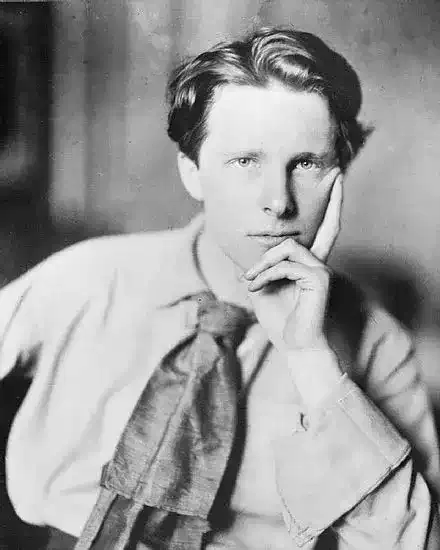
Rupert Brooke
He Wonders Whether To Praise Or To Blame Her
He Wonders Whether To Praise Or To Blame Her
I have peace to weigh your worth, now all is over,
But if to praise or blame you, cannot say.
For, who decries the loved, decries the lover;
Yet what man lauds the thing he's thrown away?
Be you, in truth, this dull, slight, cloudy naught,
The more fool I, so great a fool to adore;
But if you're that high goddess once I thought,
The more your godhead is, I lose the more.
Dear fool, pity the fool who thought you clever!
Dear wisdom, do not mock the fool that missed you!
Most fair, -- the blind has lost your face for ever!
Most foul, -- how could I see you while I kissed you?
So . . . the poor love of fools and blind I've proved you,
For, foul or lovely, 'twas a fool that loved you.
I have peace to weigh your worth, now all is over,
But if to praise or blame you, cannot say.
For, who decries the loved, decries the lover;
Yet what man lauds the thing he's thrown away?
Be you, in truth, this dull, slight, cloudy naught,
The more fool I, so great a fool to adore;
But if you're that high goddess once I thought,
The more your godhead is, I lose the more.
Dear fool, pity the fool who thought you clever!
Dear wisdom, do not mock the fool that missed you!
Most fair, -- the blind has lost your face for ever!
Most foul, -- how could I see you while I kissed you?
So . . . the poor love of fools and blind I've proved you,
For, foul or lovely, 'twas a fool that loved you.
196
Rupert Brooke
Chilterns, The
Chilterns, The
Your hands, my dear, adorable,
Your lips of tenderness
-- Oh, I've loved you faithfully and well,
Three years, or a bit less.
It wasn't a success.
Thank God, that's done! and I'll take the road,
Quit of my youth and you,
The Roman road to Wendover
By Tring and Lilley Hoo,
As a free man may do.
For youth goes over, the joys that fly,
The tears that follow fast;
And the dirtiest things we do must lie
Forgotten at the last;
Even Love goes past.
What's left behind I shall not find,
The splendour and the pain;
The splash of sun, the shouting wind,
And the brave sting of rain,
I may not meet again.
But the years, that take the best away,
Give something in the end;
And a better friend than love have they,
For none to mar or mend,
That have themselves to friend.
I shall desire and I shall find
The best of my desires;
The autumn road, the mellow wind
That soothes the darkening shires.
And laughter, and inn-fires.
White mist about the black hedgerows,
The slumbering Midland plain,
The silence where the clover grows,
And the dead leaves in the lane,
Certainly, these remain.
And I shall find some girl perhaps,
And a better one than you,
With eyes as wise, but kindlier,
And lips as soft, but true.
And I daresay she will do.
Your hands, my dear, adorable,
Your lips of tenderness
-- Oh, I've loved you faithfully and well,
Three years, or a bit less.
It wasn't a success.
Thank God, that's done! and I'll take the road,
Quit of my youth and you,
The Roman road to Wendover
By Tring and Lilley Hoo,
As a free man may do.
For youth goes over, the joys that fly,
The tears that follow fast;
And the dirtiest things we do must lie
Forgotten at the last;
Even Love goes past.
What's left behind I shall not find,
The splendour and the pain;
The splash of sun, the shouting wind,
And the brave sting of rain,
I may not meet again.
But the years, that take the best away,
Give something in the end;
And a better friend than love have they,
For none to mar or mend,
That have themselves to friend.
I shall desire and I shall find
The best of my desires;
The autumn road, the mellow wind
That soothes the darkening shires.
And laughter, and inn-fires.
White mist about the black hedgerows,
The slumbering Midland plain,
The silence where the clover grows,
And the dead leaves in the lane,
Certainly, these remain.
And I shall find some girl perhaps,
And a better one than you,
With eyes as wise, but kindlier,
And lips as soft, but true.
And I daresay she will do.
204
Rupert Brooke
And love has changed to kindliness
And love has changed to kindliness
When love has changed to kindliness --
Oh, love, our hungry lips, that press
So tight that Time's an old god's dream
Nodding in heaven, and whisper stuff
Seven million years were not enough
To think on after, make it seem
Less than the breath of children playing,
A blasphemy scarce worth the saying,
A sorry jest, "When love has grown
To kindliness -- to kindliness!" . . .
And yet -- the best that either's known
Will change, and wither, and be less,
At last, than comfort, or its own
Remembrance. And when some caress
Tendered in habit (once a flame
All heaven sang out to) wakes the shame
Unworded, in the steady eyes
We'll have, -- that day, what shall we do?
Being so noble, kill the two
Who've reached their second-best? Being wise,
Break cleanly off, and get away.
Follow down other windier skies
New lures, alone? Or shall we stay,
Since this is all we've known, content
In the lean twilight of such day,
And not remember, not lament?
That time when all is over, and
Hand never flinches, brushing hand;
And blood lies quiet, for all you're near;
And it's but spoken words we hear,
Where trumpets sang; when the mere skies
Are stranger and nobler than your eyes;
And flesh is flesh, was flame before;
And infinite hungers leap no more
In the chance swaying of your dress;
And love has changed to kindliness.
When love has changed to kindliness --
Oh, love, our hungry lips, that press
So tight that Time's an old god's dream
Nodding in heaven, and whisper stuff
Seven million years were not enough
To think on after, make it seem
Less than the breath of children playing,
A blasphemy scarce worth the saying,
A sorry jest, "When love has grown
To kindliness -- to kindliness!" . . .
And yet -- the best that either's known
Will change, and wither, and be less,
At last, than comfort, or its own
Remembrance. And when some caress
Tendered in habit (once a flame
All heaven sang out to) wakes the shame
Unworded, in the steady eyes
We'll have, -- that day, what shall we do?
Being so noble, kill the two
Who've reached their second-best? Being wise,
Break cleanly off, and get away.
Follow down other windier skies
New lures, alone? Or shall we stay,
Since this is all we've known, content
In the lean twilight of such day,
And not remember, not lament?
That time when all is over, and
Hand never flinches, brushing hand;
And blood lies quiet, for all you're near;
And it's but spoken words we hear,
Where trumpets sang; when the mere skies
Are stranger and nobler than your eyes;
And flesh is flesh, was flame before;
And infinite hungers leap no more
In the chance swaying of your dress;
And love has changed to kindliness.
197
Rupert Brooke
I: Peace
I: Peace
Now, God be thanked Who has watched us with His hour,
And caught our youth, and wakened us from sleeping,
With hand made sure, clear eye, and sharpened power,
To turn, as swimmers into cleanness leaping,
Glad from a world grown old and cold and weary,
Leave the sick hearts that honour could not move,
And half-men, and their dirty songs and dreary,
And all the little emptiness of love!
Oh! we, who have known shame, we have found release there,
Where there's no ill, no grief, but sleep has mending,
Naught broken save this body, lost but breath;
Nothing to shake the laughing heart's long peace there
But only agony, and that has ending;
And the worst friend and enemy is but Death.
Now, God be thanked Who has watched us with His hour,
And caught our youth, and wakened us from sleeping,
With hand made sure, clear eye, and sharpened power,
To turn, as swimmers into cleanness leaping,
Glad from a world grown old and cold and weary,
Leave the sick hearts that honour could not move,
And half-men, and their dirty songs and dreary,
And all the little emptiness of love!
Oh! we, who have known shame, we have found release there,
Where there's no ill, no grief, but sleep has mending,
Naught broken save this body, lost but breath;
Nothing to shake the laughing heart's long peace there
But only agony, and that has ending;
And the worst friend and enemy is but Death.
176
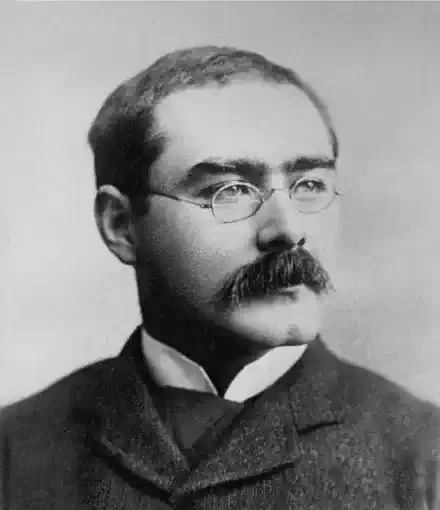
Rudyard Kipling
The Vampire
The Vampire
A fool there was and he made his prayer
(Even as you and I!)
To a rag and a bone and a hank of hair
(We called her the woman who did not care),
But the fool he called her his lady fair
(Even as you and I!)
Oh the years we waste and the tears we waste
And the work of our head and hand,
Belong to the woman who did not know
(And now we know that she never could know)
And did not understand.
A fool there was and his goods he spent
(Even as you and I!)
Honor and faith and a sure intent
But a fool must follow his natural bent
(And it wasn't the least what the lady meant),
(Even as you and I!)
Oh the toil we lost and the spoil we lost
And the excellent things we planned,
Belong to the woman who didn't know why
(And now we know she never knew why)
And did not understand.
The fool we stripped to his foolish hide
(Even as you and I!)
Which she might have seen when she threw him aside --
(But it isn't on record the lady tried)
So some of him lived but the most of him died --
(Even as you and I!)
And it isn't the shame and it isn't the blame
That stings like a white hot brand.
It's coming to know that she never knew why
(Seeing at last she could never know why)
And never could understand.
A fool there was and he made his prayer
(Even as you and I!)
To a rag and a bone and a hank of hair
(We called her the woman who did not care),
But the fool he called her his lady fair
(Even as you and I!)
Oh the years we waste and the tears we waste
And the work of our head and hand,
Belong to the woman who did not know
(And now we know that she never could know)
And did not understand.
A fool there was and his goods he spent
(Even as you and I!)
Honor and faith and a sure intent
But a fool must follow his natural bent
(And it wasn't the least what the lady meant),
(Even as you and I!)
Oh the toil we lost and the spoil we lost
And the excellent things we planned,
Belong to the woman who didn't know why
(And now we know she never knew why)
And did not understand.
The fool we stripped to his foolish hide
(Even as you and I!)
Which she might have seen when she threw him aside --
(But it isn't on record the lady tried)
So some of him lived but the most of him died --
(Even as you and I!)
And it isn't the shame and it isn't the blame
That stings like a white hot brand.
It's coming to know that she never knew why
(Seeing at last she could never know why)
And never could understand.
466
Rudyard Kipling
The Penalty
The Penalty
Once in life I watched a Star;
But I whistled, "Let her go!
There are others, fairer far,
Which my favouring skies shall show
Here I lied, and herein I
Stood to pay the penalty.
Marvellous the Planets shone
As I ranged from coast to coast--
But beyond comparison
Rode the Star that I had lost.
I had lied, and only I
Did not guess the penalty! . . .
When my Heavens were turned to blood,
When the dark had filled my day,
Furthest, but most faithful, stood
That lone Star I cast away.
I had loved myself, and I
Have not lived and dare not die!
Once in life I watched a Star;
But I whistled, "Let her go!
There are others, fairer far,
Which my favouring skies shall show
Here I lied, and herein I
Stood to pay the penalty.
Marvellous the Planets shone
As I ranged from coast to coast--
But beyond comparison
Rode the Star that I had lost.
I had lied, and only I
Did not guess the penalty! . . .
When my Heavens were turned to blood,
When the dark had filled my day,
Furthest, but most faithful, stood
That lone Star I cast away.
I had loved myself, and I
Have not lived and dare not die!
437
Rudyard Kipling
The Kingdom
The Kingdom
Now we are come to our Kingdom,
And the State is thus and thus;
Our legions wait at the Palace gate—
Little it profits us.
Now we are come to our Kingdom!
Now we are come to our Kingdom,
And the Crown is ours to take—
With a naked sword at the Council board,
And under the throne the snake.
Now we are come to our Kingdom !
Now we are come to our Kingdom,
And the Realm is ours by right,
With shame and fear for our daily cheer,
And heaviness at night.
Now we are come to our Kingdom !
Now we are come to our Kingdom,
But my love's eyelids fall.
All that I wrought for, all that I fought for,
Delight her nothing at all.
My crown is of withered leaves,
For she sits in the dust and grieves.
Now we are come to our Kingdom !
Now we are come to our Kingdom,
And the State is thus and thus;
Our legions wait at the Palace gate—
Little it profits us.
Now we are come to our Kingdom!
Now we are come to our Kingdom,
And the Crown is ours to take—
With a naked sword at the Council board,
And under the throne the snake.
Now we are come to our Kingdom !
Now we are come to our Kingdom,
And the Realm is ours by right,
With shame and fear for our daily cheer,
And heaviness at night.
Now we are come to our Kingdom !
Now we are come to our Kingdom,
But my love's eyelids fall.
All that I wrought for, all that I fought for,
Delight her nothing at all.
My crown is of withered leaves,
For she sits in the dust and grieves.
Now we are come to our Kingdom !
421
Rudyard Kipling
The Beginner
The Beginner
After He Has Been Extemporising On an Instrument Not Of His Own Invention --
Browning
Lo! What is this that I make -- sudden, supreme, unrehearsed --
This that my clutch in the crowd pressed at a venture has raised?
Forward and onward I sprang when I thought (as I ought) I reversed,
And a cab like martagon opes and I sit in the wreckage dazed.
And someone is taking my name, and the driver is rending the air
With cries for my blood and my gold, and a snickering news-boy brings
My cap, wheel-pashed from the kerb. I must run her home for repair,
Where she leers with her bonnet awry--flat on the nether springs!
After He Has Been Extemporising On an Instrument Not Of His Own Invention --
Browning
Lo! What is this that I make -- sudden, supreme, unrehearsed --
This that my clutch in the crowd pressed at a venture has raised?
Forward and onward I sprang when I thought (as I ought) I reversed,
And a cab like martagon opes and I sit in the wreckage dazed.
And someone is taking my name, and the driver is rending the air
With cries for my blood and my gold, and a snickering news-boy brings
My cap, wheel-pashed from the kerb. I must run her home for repair,
Where she leers with her bonnet awry--flat on the nether springs!
460
Rudyard Kipling
Soldier, Soldier
Soldier, Soldier
"Soldier, soldier come from the wars,
Why don't you march with my true love?"
"We're fresh from off the ship an' 'e's maybe give the slip,
An' you'd best go look for a new love."
New love! True love!
Best go look for a new love,
The dead they cannot rise, an' you'd better dry your eyes,
An' you'd best go look for a new love.
"Soldier, soldier come from the wars,
What did you see o' my true love?"
"I seed 'im serve the Queen in a suit o' rifle-green,
An' you'd best go look for a new love."
"Soldier, soldier come from the wars,
Did ye see no more o' my true love?"
"I seed 'im runnin' by when the shots begun to fly --
But you'd best go look for a new love."
"Soldier, soldier come from the wars,
Did aught take 'arm to my true love?"
"I couldn't see the fight, for the smoke it lay so white --
An' you'd best go look for a new love."
"Soldier, soldier come from the wars,
I'll up an' tend to my true love!"
"'E's lying on the dead with a bullet through 'is 'ead,
An' you'd best go look for a new love."
"Soldier, soldier come from the wars,
I'll down an' die with my true love!"
"The pit we dug'll 'ide 'im an' the twenty men beside 'im --
An' you'd best go look for a new love."
"Soldier, soldier come from the wars,
Do you bring no sign from my true love?"
"I bring a lock of 'air that 'e allus used to wear,
An' you'd best go look for a new love."
"Soldier, soldier come from the wars,
O then I know it's true I've lost my true love!"
"An' I tell you truth again -- when you've lost the feel o' pain
You'd best take me for your true love."
True love! New love!
Best take 'im for a new love,
The dead they cannot rise, an' you'd better dry your eyes,
An' you'd best take 'im for your true love.
"Soldier, soldier come from the wars,
Why don't you march with my true love?"
"We're fresh from off the ship an' 'e's maybe give the slip,
An' you'd best go look for a new love."
New love! True love!
Best go look for a new love,
The dead they cannot rise, an' you'd better dry your eyes,
An' you'd best go look for a new love.
"Soldier, soldier come from the wars,
What did you see o' my true love?"
"I seed 'im serve the Queen in a suit o' rifle-green,
An' you'd best go look for a new love."
"Soldier, soldier come from the wars,
Did ye see no more o' my true love?"
"I seed 'im runnin' by when the shots begun to fly --
But you'd best go look for a new love."
"Soldier, soldier come from the wars,
Did aught take 'arm to my true love?"
"I couldn't see the fight, for the smoke it lay so white --
An' you'd best go look for a new love."
"Soldier, soldier come from the wars,
I'll up an' tend to my true love!"
"'E's lying on the dead with a bullet through 'is 'ead,
An' you'd best go look for a new love."
"Soldier, soldier come from the wars,
I'll down an' die with my true love!"
"The pit we dug'll 'ide 'im an' the twenty men beside 'im --
An' you'd best go look for a new love."
"Soldier, soldier come from the wars,
Do you bring no sign from my true love?"
"I bring a lock of 'air that 'e allus used to wear,
An' you'd best go look for a new love."
"Soldier, soldier come from the wars,
O then I know it's true I've lost my true love!"
"An' I tell you truth again -- when you've lost the feel o' pain
You'd best take me for your true love."
True love! New love!
Best take 'im for a new love,
The dead they cannot rise, an' you'd better dry your eyes,
An' you'd best take 'im for your true love.
453
Rudyard Kipling
Mary, Pity Women!
Mary, Pity Women!
You call yourself a man,
For all you used to swear,
An' leave me, as you can,
My certain shame to bear?
I 'ear! You do not care --
You done the worst you know.
I 'ate you, grinnin' there. . . .
Ah, Gawd, I love you so!
Nice while it lasted, an' now it is over --
Tear out your 'eart an' good-bye to your lover!
What's the use o' grievin', when the mother that bore you
(Mary, pity women!) knew it all before you?
It aren't no false alarm,
The finish to your fun;
You -- you 'ave brung the 'arm,
An' I'm the ruined one;
An' now you'll off an' run
With some new fool in tow.
Your 'eart? You 'aven't none. . . .
Ah, Gawd, I love you so!
When a man is tired there is naught will bind 'im;
All 'e solemn promised 'e will shove be'ind 'im.
What's the good o' prayin' for The Wrath to strike 'im
(Mary, pity women!), when the rest are like 'im?
What 'ope for me or -- it?
What's left for us to do?
I've walked with men a bit,
But this -- but this is you.
So 'elp me Christ, it's true!
Where can I 'ide or go?
You coward through and through! . . .
Ah, Gawd, I love you so!
All the more you give 'em the less are they for givin' --
Love lies dead, an' you cannot kiss 'im livin'.
Down the road 'e led you there is no returnin'
(Mary, pity women!), but you're late in learnin'!
You'd like to treat me fair?
You can't, because we're pore?
We'd starve? What do I care!
We might, but ~this~ is shore!
I want the name -- no more --
The name, an' lines to show,
An' not to be an 'ore. . . .
Ah, Gawd, I love you so!
What's the good o' pleadin', when the mother that bore you
(Mary, pity women!) knew it all before you?
Sleep on 'is promises an' wake to your sorrow
(Mary, pity women!), for we sail to-morrow!
You call yourself a man,
For all you used to swear,
An' leave me, as you can,
My certain shame to bear?
I 'ear! You do not care --
You done the worst you know.
I 'ate you, grinnin' there. . . .
Ah, Gawd, I love you so!
Nice while it lasted, an' now it is over --
Tear out your 'eart an' good-bye to your lover!
What's the use o' grievin', when the mother that bore you
(Mary, pity women!) knew it all before you?
It aren't no false alarm,
The finish to your fun;
You -- you 'ave brung the 'arm,
An' I'm the ruined one;
An' now you'll off an' run
With some new fool in tow.
Your 'eart? You 'aven't none. . . .
Ah, Gawd, I love you so!
When a man is tired there is naught will bind 'im;
All 'e solemn promised 'e will shove be'ind 'im.
What's the good o' prayin' for The Wrath to strike 'im
(Mary, pity women!), when the rest are like 'im?
What 'ope for me or -- it?
What's left for us to do?
I've walked with men a bit,
But this -- but this is you.
So 'elp me Christ, it's true!
Where can I 'ide or go?
You coward through and through! . . .
Ah, Gawd, I love you so!
All the more you give 'em the less are they for givin' --
Love lies dead, an' you cannot kiss 'im livin'.
Down the road 'e led you there is no returnin'
(Mary, pity women!), but you're late in learnin'!
You'd like to treat me fair?
You can't, because we're pore?
We'd starve? What do I care!
We might, but ~this~ is shore!
I want the name -- no more --
The name, an' lines to show,
An' not to be an 'ore. . . .
Ah, Gawd, I love you so!
What's the good o' pleadin', when the mother that bore you
(Mary, pity women!) knew it all before you?
Sleep on 'is promises an' wake to your sorrow
(Mary, pity women!), for we sail to-morrow!
448
Rudyard Kipling
Gentleman-rankers
Gentleman-rankers
To the legion of the lost ones, to the cohort of the damned,
To my brethren in their sorrow overseas,
Sings a gentleman of England cleanly bred, machinely crammed,
And a trooper of the Empress, if you please.
Yea, a trooper of the forces who has run his own six horses,
And faith he went the pace and went it blind,
And the world was more than kin while he held the ready tin,
But to-day the Sergeant's something less than kind.
We're poor little lambs who've lost our way,
Baa! Baa! Baa!
We're little black sheep who've gone astray,
Baa--aa--aa!
Gentlemen-rankers out on the spree,
Damned from here to Eternity,
God ha' mercy on such as we,
Baa! Yah! Bah!
Oh, it's sweet to sweat through stables, sweet to empty kitchen slops,
And it's sweet to hear the tales the troopers tell,
To dance with blowzy housemaids at the regimental hops
And thrash the cad who says you waltz too well.
Yes, it makes you cock-a-hoop to be "Rider" to your troop,
And branded with a blasted worsted spur,
When you envy, O how keenly, one poor Tommy being cleanly
Who blacks your boots and sometimes calls you "Sir".
If the home we never write to, and the oaths we never keep,
And all we know most distant and most dear,
Across the snoring barrack-room return to break our sleep,
Can you blame us if we soak ourselves in beer?
When the drunken comrade mutters and the great guard-lantern gutters
And the horror of our fall is written plain,
Every secret, self-revealing on the aching white-washed ceiling,
Do you wonder that we drug ourselves from pain?
We have done with Hope and Honour, we are lost to Love and Truth,
We are dropping down the ladder rung by rung,
And the measure of our torment is the measure of our youth.
God help us, for we knew the worst too young!
Our shame is clean repentance for the crime that brought the sentence,
Our pride it is to know no spur of pride,
And the Curse of Reuben holds us till an alien turf enfolds us
And we die, and none can tell Them where we died.
We're poor little lambs who've lost our way,
Baa! Baa! Baa!
We're little black sheep who've gone astray,
Baa--aa--aa!
Gentlemen-rankers out on the spree,
Damned from here to Eternity,
God ha' mercy on such as we,
Baa! Yah! Bah!
To the legion of the lost ones, to the cohort of the damned,
To my brethren in their sorrow overseas,
Sings a gentleman of England cleanly bred, machinely crammed,
And a trooper of the Empress, if you please.
Yea, a trooper of the forces who has run his own six horses,
And faith he went the pace and went it blind,
And the world was more than kin while he held the ready tin,
But to-day the Sergeant's something less than kind.
We're poor little lambs who've lost our way,
Baa! Baa! Baa!
We're little black sheep who've gone astray,
Baa--aa--aa!
Gentlemen-rankers out on the spree,
Damned from here to Eternity,
God ha' mercy on such as we,
Baa! Yah! Bah!
Oh, it's sweet to sweat through stables, sweet to empty kitchen slops,
And it's sweet to hear the tales the troopers tell,
To dance with blowzy housemaids at the regimental hops
And thrash the cad who says you waltz too well.
Yes, it makes you cock-a-hoop to be "Rider" to your troop,
And branded with a blasted worsted spur,
When you envy, O how keenly, one poor Tommy being cleanly
Who blacks your boots and sometimes calls you "Sir".
If the home we never write to, and the oaths we never keep,
And all we know most distant and most dear,
Across the snoring barrack-room return to break our sleep,
Can you blame us if we soak ourselves in beer?
When the drunken comrade mutters and the great guard-lantern gutters
And the horror of our fall is written plain,
Every secret, self-revealing on the aching white-washed ceiling,
Do you wonder that we drug ourselves from pain?
We have done with Hope and Honour, we are lost to Love and Truth,
We are dropping down the ladder rung by rung,
And the measure of our torment is the measure of our youth.
God help us, for we knew the worst too young!
Our shame is clean repentance for the crime that brought the sentence,
Our pride it is to know no spur of pride,
And the Curse of Reuben holds us till an alien turf enfolds us
And we die, and none can tell Them where we died.
We're poor little lambs who've lost our way,
Baa! Baa! Baa!
We're little black sheep who've gone astray,
Baa--aa--aa!
Gentlemen-rankers out on the spree,
Damned from here to Eternity,
God ha' mercy on such as we,
Baa! Yah! Bah!
452
Rudyard Kipling
Blue Roses
Blue Roses
Roses red and roses white
Plucked I for my love's delight.
She would none of all my posies--
Bade me gather her blue roses.
Half the world I wandered through,
Seeking where such flowers grew.
Half the world unto my quest
Answered me with laugh and jest.
Home I came at wintertide,
But my silly love had died
Seeking with her latest breath
Roses from the arms of Death.
It may be beyond the grave
She shall find what she would have.
Mine was but an idle quest--
Roses white and red are best!
Roses red and roses white
Plucked I for my love's delight.
She would none of all my posies--
Bade me gather her blue roses.
Half the world I wandered through,
Seeking where such flowers grew.
Half the world unto my quest
Answered me with laugh and jest.
Home I came at wintertide,
But my silly love had died
Seeking with her latest breath
Roses from the arms of Death.
It may be beyond the grave
She shall find what she would have.
Mine was but an idle quest--
Roses white and red are best!
451

Roger Mcgough
Cake
Cake
i wanted one life
you wanted another
we couldn't have our cake
so we ate eachother.
i wanted one life
you wanted another
we couldn't have our cake
so we ate eachother.
572

Robert W. Service
Visibility
Visibility
Because my eyes were none to bright
Strong spectacles I bought,
And lo! there sprang into my sight
A life beyond my thought:
A world of wonder and delight
My magic lenses brought.
Aye, sudden leaping in my sight
The far became the near;
Life unbelievably was bright,
And vividly was clear.
My heart was lifted with delight,
Then--then I shrank in fear.
For faces I had thought were gay
I saw were lined with care,
While strange corruption and decay
Surprised me everywhere:
Dismayed I put my specs away,-Such
truth I could not bear.
And now I do not want to see
With clarity of view;
For while there's heaven hell may be
More tragically true:
Though dim may be Reality,
Sheer love shines through.
Because my eyes were none to bright
Strong spectacles I bought,
And lo! there sprang into my sight
A life beyond my thought:
A world of wonder and delight
My magic lenses brought.
Aye, sudden leaping in my sight
The far became the near;
Life unbelievably was bright,
And vividly was clear.
My heart was lifted with delight,
Then--then I shrank in fear.
For faces I had thought were gay
I saw were lined with care,
While strange corruption and decay
Surprised me everywhere:
Dismayed I put my specs away,-Such
truth I could not bear.
And now I do not want to see
With clarity of view;
For while there's heaven hell may be
More tragically true:
Though dim may be Reality,
Sheer love shines through.
263
Robert W. Service
The Philistine And The Bohemian
The Philistine And The Bohemian
She was a Philistine spick and span,
He was a bold Bohemian.
She had the mode, and the last at that;
He had a cape and a brigand hat.
She was so riant and chic and trim;
He was so shaggy, unkempt and grim.
On the rue de la Paix she was wont to shine;
The rue de la Gaîté was more his line.
She doted on Barclay and Dell and Caine;
He quoted Mallarmé and Paul Verlaine.
She was a triumph at Tango teas;
At Vorticist's suppers he sought to please.
She thought that Franz Lehar was utterly great;
Of Strauss and Stravinsky he'd piously prate.
She loved elegance, he loved art;
They were as wide as the poles apart:
Yet -- Cupid and Caprice are hand and glove --
They met at a dinner, they fell in love.
Home he went to his garret bare,
Thrilling with rapture, hope, despair.
Swift he gazed in his looking-glass,
Made a grimace and murmured: "Ass!"
Seized his scissors and fiercely sheared,
Severed his buccaneering beard;
Grabbed his hair, and clip! clip! clip!
Off came a bunch with every snip.
Ran to a tailor's in startled state,
Suits a dozen commanded straight;
Coats and overcoats, pants in pairs,
Everything that a dandy wears;
Socks and collars, and shoes and ties,
Everything that a dandy buys.
Chums looked at him with wondering stare,
Fancied they'd seen him before somewhere;
A Brummell, a D'Orsay, a beau so fine,
A shining, immaculate Philistine.
Home she went in a raptured daze,
Looked in a mirror with startled gaze,
Didn't seem to be pleased at all;
Savagely muttered: "Insipid Doll!"
Clutched her hair and a pair of shears,
Cropped and bobbed it behind the ears;
Aimed at a wan and willowy-necked
Sort of a Holman Hunt effect;
Robed in subtile and sage-green tones,
Like the dames of Rossetti and E. Burne-Jones;
Girdled her garments billowing wide,
Moved with an undulating glide;
All her frivolous friends forsook,
Cultivated a soulful look;
Gushed in a voice with a creamy throb
Over some weirdly Futurist daub --
Did all, in short, that a woman can
To be a consummate Bohemian.
A year went past with its hopes and fears,
A year that seemed like a dozen years.
They met once more. . . . Oh, at last! At last!
They rushed together, they stopped aghast.
They looked at each other with blank dismay,
They simply hadn't a word to say.
He thought with a shiver: "Can this be she?"
She thought with a shudder: "This can't be he?"
This simpering dandy, so sleek and spruce;
This languorous lily in garments loose;
They sought to brace from the awful shock:
Taking a seat, they tried to talk.
She spoke of Bergson and Pater's prose,
He prattled of dances and ragtime shows;
She purred of pictures, Matisse, Cezanne,
His tastes to the girls of Kirchner ran;
She raved of Tchaikovsky and Caesar Franck,
He owned that he was a jazz-band crank!
They made no headway. Alas! alas!
He thought her a bore, she thought him an ass.
And so they arose and hurriedly fled;
Perish Illusion, Romance, you're dead.
He loved elegance, she loved art,
Better at once to part, to part.
And what is the moral of all this rot?
Don't try to be what you know you're not.
And if you're made on a muttonish plan,
Don't seek to seem a Bohemian;
And if to the goats your feet incline,
Don't try to pass for a Philistine.
She was a Philistine spick and span,
He was a bold Bohemian.
She had the mode, and the last at that;
He had a cape and a brigand hat.
She was so riant and chic and trim;
He was so shaggy, unkempt and grim.
On the rue de la Paix she was wont to shine;
The rue de la Gaîté was more his line.
She doted on Barclay and Dell and Caine;
He quoted Mallarmé and Paul Verlaine.
She was a triumph at Tango teas;
At Vorticist's suppers he sought to please.
She thought that Franz Lehar was utterly great;
Of Strauss and Stravinsky he'd piously prate.
She loved elegance, he loved art;
They were as wide as the poles apart:
Yet -- Cupid and Caprice are hand and glove --
They met at a dinner, they fell in love.
Home he went to his garret bare,
Thrilling with rapture, hope, despair.
Swift he gazed in his looking-glass,
Made a grimace and murmured: "Ass!"
Seized his scissors and fiercely sheared,
Severed his buccaneering beard;
Grabbed his hair, and clip! clip! clip!
Off came a bunch with every snip.
Ran to a tailor's in startled state,
Suits a dozen commanded straight;
Coats and overcoats, pants in pairs,
Everything that a dandy wears;
Socks and collars, and shoes and ties,
Everything that a dandy buys.
Chums looked at him with wondering stare,
Fancied they'd seen him before somewhere;
A Brummell, a D'Orsay, a beau so fine,
A shining, immaculate Philistine.
Home she went in a raptured daze,
Looked in a mirror with startled gaze,
Didn't seem to be pleased at all;
Savagely muttered: "Insipid Doll!"
Clutched her hair and a pair of shears,
Cropped and bobbed it behind the ears;
Aimed at a wan and willowy-necked
Sort of a Holman Hunt effect;
Robed in subtile and sage-green tones,
Like the dames of Rossetti and E. Burne-Jones;
Girdled her garments billowing wide,
Moved with an undulating glide;
All her frivolous friends forsook,
Cultivated a soulful look;
Gushed in a voice with a creamy throb
Over some weirdly Futurist daub --
Did all, in short, that a woman can
To be a consummate Bohemian.
A year went past with its hopes and fears,
A year that seemed like a dozen years.
They met once more. . . . Oh, at last! At last!
They rushed together, they stopped aghast.
They looked at each other with blank dismay,
They simply hadn't a word to say.
He thought with a shiver: "Can this be she?"
She thought with a shudder: "This can't be he?"
This simpering dandy, so sleek and spruce;
This languorous lily in garments loose;
They sought to brace from the awful shock:
Taking a seat, they tried to talk.
She spoke of Bergson and Pater's prose,
He prattled of dances and ragtime shows;
She purred of pictures, Matisse, Cezanne,
His tastes to the girls of Kirchner ran;
She raved of Tchaikovsky and Caesar Franck,
He owned that he was a jazz-band crank!
They made no headway. Alas! alas!
He thought her a bore, she thought him an ass.
And so they arose and hurriedly fled;
Perish Illusion, Romance, you're dead.
He loved elegance, she loved art,
Better at once to part, to part.
And what is the moral of all this rot?
Don't try to be what you know you're not.
And if you're made on a muttonish plan,
Don't seek to seem a Bohemian;
And if to the goats your feet incline,
Don't try to pass for a Philistine.
224
Robert W. Service
The Decision
The Decision
Said she: 'Although my husband Jim
Is with his home content,
I never should have married him,
We are so different.
Oh yes, I know he loves me well,
Our children he adores;
But he's so dull, and I rebel
Against a life that bores.
'Of course there is another man,
Quite pennyless is he;
And yet with hope and joy we plan
A home beyond the sea.
Though I forfeit the name of wife
And neighbours ostracise,
Such happiness will crown our life
Their censure we'll despise.
'But then what will my children think,
Whose love is pure and true?'
Said I: 'Your memory will stink
If they should speak of you.
Your doting Jim will curse your name,
And if you make a mess
Of life, oh do not in your shame
Dare hope for happiness.'
Well, still with Jim she lives serene,
And has of kiddies three.
'Oh what a fool I might have been
To leave my home,' says she.
'Of course Jim is a priceless bore,
But he's so sweet to me . . .
Come darling won't you let me pour
Another cup of tea?'
Said she: 'Although my husband Jim
Is with his home content,
I never should have married him,
We are so different.
Oh yes, I know he loves me well,
Our children he adores;
But he's so dull, and I rebel
Against a life that bores.
'Of course there is another man,
Quite pennyless is he;
And yet with hope and joy we plan
A home beyond the sea.
Though I forfeit the name of wife
And neighbours ostracise,
Such happiness will crown our life
Their censure we'll despise.
'But then what will my children think,
Whose love is pure and true?'
Said I: 'Your memory will stink
If they should speak of you.
Your doting Jim will curse your name,
And if you make a mess
Of life, oh do not in your shame
Dare hope for happiness.'
Well, still with Jim she lives serene,
And has of kiddies three.
'Oh what a fool I might have been
To leave my home,' says she.
'Of course Jim is a priceless bore,
But he's so sweet to me . . .
Come darling won't you let me pour
Another cup of tea?'
206
Robert W. Service
New Year's Eve
New Year's Eve
It's cruel cold on the water-front, silent and dark and drear;
Only the black tide weltering, only the hissing snow;
And I, alone, like a storm-tossed wreck, on this night of the glad New Year,
Shuffling along in the icy wind, ghastly and gaunt and slow.
They're playing a tune in McGuffy's saloon, and it's cheery and bright in there
(God! but I'm weak -- since the bitter dawn, and never a bite of food);
I'll just go over and slip inside -- I mustn't give way to despair -Perhaps
I can bum a little booze if the boys are feeling good.
They'll jeer at me, and they'll sneer at me, and they'll call me a whiskey soak;
("Have a drink? Well, thankee kindly, sir, I don't mind if I do.")
A drivelling, dirty, gin-joint fiend, the butt of the bar-room joke;
Sunk and sodden and hopeless -- "Another? Well, here's to you!"
McGuffy is showing a bunch of the boys how Bob Fitzsimmons hit;
The barman is talking of Tammany Hall, and why the ward boss got fired.
I'll just sneak into a corner and they'll let me alone a bit;
The room is reeling round and round . . .O God! but I'm tired, I'm tired. . . .
* * * * *
Roses she wore on her breast that night. Oh, but their scent was sweet!
Alone we sat on the balcony, and the fan-palms arched above;
The witching strain of a waltz by Strauss came up to our cool retreat,
And I prisoned her little hand in mine, and I whispered my plea of love.
Then sudden the laughter died on her lips, and lowly she bent her head;
And oh, there came in the deep, dark eyes a look that was heaven to see;
And the moments went, and I waited there, and never a word was said,
And she plucked from her bosom a rose of red and shyly gave it to me.
Then the music swelled to a crash of joy, and the lights blazed up like day,
And I held her fast to my throbbing heart, and I kissed her bonny brow.
"She is mine, she is mine for evermore!" the violins seemed to say,
And the bells were ringing the New Year in -- O God! I can hear them now.
Don't you remember that long, last waltz, with its sobbing, sad refrain?
Don't you remember that last good-by, and the dear eyes dim with tears?
Don't you remember that golden dream, with never a hint of pain,
Of lives that would blend like an angel-song in the bliss of the coming years?
Oh, what have I lost! What have I lost! Ethel, forgive, forgive!
The red, red rose is faded now, and it's fifty years ago.
'Twere better to die a thousand deaths than live each day as I live!
I have sinned, I have sunk to the lowest depths -- but oh, I have suffered so!
Hark! Oh, hark! I can hear the bells! . . . Look! I can see her there,
Fair as a dream . . . but it fades . . . And now -- I can hear the dreadful hum
Of the crowded court . . . See! the Judge looks down . . .
NOT GUILTY, my Lord, I swear . . .
The bells -- I can hear the bells again! . . . Ethel, I come, I come! . . .
* * * * *
"Rouse up, old man, it's twelve o'clock. You can't sleep here, you know.
Say! ain't you got no sentiment? Lift up your muddled head;
Have a drink to the glad New Year, a drop before you go -You
darned old dirty hobo . . . My God! Here, boys! He's DEAD!"
It's cruel cold on the water-front, silent and dark and drear;
Only the black tide weltering, only the hissing snow;
And I, alone, like a storm-tossed wreck, on this night of the glad New Year,
Shuffling along in the icy wind, ghastly and gaunt and slow.
They're playing a tune in McGuffy's saloon, and it's cheery and bright in there
(God! but I'm weak -- since the bitter dawn, and never a bite of food);
I'll just go over and slip inside -- I mustn't give way to despair -Perhaps
I can bum a little booze if the boys are feeling good.
They'll jeer at me, and they'll sneer at me, and they'll call me a whiskey soak;
("Have a drink? Well, thankee kindly, sir, I don't mind if I do.")
A drivelling, dirty, gin-joint fiend, the butt of the bar-room joke;
Sunk and sodden and hopeless -- "Another? Well, here's to you!"
McGuffy is showing a bunch of the boys how Bob Fitzsimmons hit;
The barman is talking of Tammany Hall, and why the ward boss got fired.
I'll just sneak into a corner and they'll let me alone a bit;
The room is reeling round and round . . .O God! but I'm tired, I'm tired. . . .
* * * * *
Roses she wore on her breast that night. Oh, but their scent was sweet!
Alone we sat on the balcony, and the fan-palms arched above;
The witching strain of a waltz by Strauss came up to our cool retreat,
And I prisoned her little hand in mine, and I whispered my plea of love.
Then sudden the laughter died on her lips, and lowly she bent her head;
And oh, there came in the deep, dark eyes a look that was heaven to see;
And the moments went, and I waited there, and never a word was said,
And she plucked from her bosom a rose of red and shyly gave it to me.
Then the music swelled to a crash of joy, and the lights blazed up like day,
And I held her fast to my throbbing heart, and I kissed her bonny brow.
"She is mine, she is mine for evermore!" the violins seemed to say,
And the bells were ringing the New Year in -- O God! I can hear them now.
Don't you remember that long, last waltz, with its sobbing, sad refrain?
Don't you remember that last good-by, and the dear eyes dim with tears?
Don't you remember that golden dream, with never a hint of pain,
Of lives that would blend like an angel-song in the bliss of the coming years?
Oh, what have I lost! What have I lost! Ethel, forgive, forgive!
The red, red rose is faded now, and it's fifty years ago.
'Twere better to die a thousand deaths than live each day as I live!
I have sinned, I have sunk to the lowest depths -- but oh, I have suffered so!
Hark! Oh, hark! I can hear the bells! . . . Look! I can see her there,
Fair as a dream . . . but it fades . . . And now -- I can hear the dreadful hum
Of the crowded court . . . See! the Judge looks down . . .
NOT GUILTY, my Lord, I swear . . .
The bells -- I can hear the bells again! . . . Ethel, I come, I come! . . .
* * * * *
"Rouse up, old man, it's twelve o'clock. You can't sleep here, you know.
Say! ain't you got no sentiment? Lift up your muddled head;
Have a drink to the glad New Year, a drop before you go -You
darned old dirty hobo . . . My God! Here, boys! He's DEAD!"
253
Robert W. Service
No More Music
No More Music
The Porch was blazoned with geranium bloom;
Myrtle and jasmine meadows lit the lea;
With rose and violet the vale's perfume
Languished to where the hyacinthine sea
Dreamed tenderly . . . "And I must go," said he.
He spoke in that dim, ghostly voice of his:
"I was a singer; then the Was . . . and GAS."
(I had to lean to him, no word to miss.)
"We bought this little café nigh to Grasse;
With sun and flowers my last few days will pass.
"And music too. I have my mandolin:
Say! Maybe you can strum on your guitar . . .
Come on - we two will make melodious din,
While Madame sings to us behind the bar:
You'll see how sweet Italian folk-songs are."
So he would play and I would thrum the while;
I used to there every lovely day;
His wife would listen with a sunny smile,
And when I left: "Please come again," she'd say.
"He seems quite sad when you have one away."
Alas! I had to leave without good-bye,
And lived in sooty cities for ayear.
Oh, how my heart ached for that happy sky!
Then, then one day my café I drew near -
God! it was strange how I was gripped with fear.
So still it was; I saw no mandolin,
No gay guitar with ribbons blue and red;
Then all in black, stone-faced the wife came in . . .
I did not ask; I looked, she shook her head:
"La musique est fini," was all she said.
The Porch was blazoned with geranium bloom;
Myrtle and jasmine meadows lit the lea;
With rose and violet the vale's perfume
Languished to where the hyacinthine sea
Dreamed tenderly . . . "And I must go," said he.
He spoke in that dim, ghostly voice of his:
"I was a singer; then the Was . . . and GAS."
(I had to lean to him, no word to miss.)
"We bought this little café nigh to Grasse;
With sun and flowers my last few days will pass.
"And music too. I have my mandolin:
Say! Maybe you can strum on your guitar . . .
Come on - we two will make melodious din,
While Madame sings to us behind the bar:
You'll see how sweet Italian folk-songs are."
So he would play and I would thrum the while;
I used to there every lovely day;
His wife would listen with a sunny smile,
And when I left: "Please come again," she'd say.
"He seems quite sad when you have one away."
Alas! I had to leave without good-bye,
And lived in sooty cities for ayear.
Oh, how my heart ached for that happy sky!
Then, then one day my café I drew near -
God! it was strange how I was gripped with fear.
So still it was; I saw no mandolin,
No gay guitar with ribbons blue and red;
Then all in black, stone-faced the wife came in . . .
I did not ask; I looked, she shook her head:
"La musique est fini," was all she said.
250
Robert W. Service
Maternity
Maternity
There once was a Square, such a square little Square,
And he loved a trim Triangle;
But she was a flirt and around her skirt
Vainly she made him dangle.
Oh he wanted to wed and he had no dread
Of domestic woes and wrangles;
For he thought that his fate was to procreate
Cute little Squares and Triangles.
Now it happened one day on that geometric way
There swaggered a big bold Cube.
With a haughty stare and he made that Square
Have the air of a perfect boob;
To his solid spell the Triangle fell,
And she thrilled with love's sweet sickness,
For she took delight in his breadth and height -
But how she adored his thickness!
So that poor little Square just died of despair,
For his love he could not strangle;
While the bold Cube led to the bridal bed
That cute and acute Triangle.
The Square's sad lot she has long forgot,
And his passionate pretensions . . .
For she dotes on her kids-Oh such cute Pyramids
In a world of three dimensions.
There once was a Square, such a square little Square,
And he loved a trim Triangle;
But she was a flirt and around her skirt
Vainly she made him dangle.
Oh he wanted to wed and he had no dread
Of domestic woes and wrangles;
For he thought that his fate was to procreate
Cute little Squares and Triangles.
Now it happened one day on that geometric way
There swaggered a big bold Cube.
With a haughty stare and he made that Square
Have the air of a perfect boob;
To his solid spell the Triangle fell,
And she thrilled with love's sweet sickness,
For she took delight in his breadth and height -
But how she adored his thickness!
So that poor little Square just died of despair,
For his love he could not strangle;
While the bold Cube led to the bridal bed
That cute and acute Triangle.
The Square's sad lot she has long forgot,
And his passionate pretensions . . .
For she dotes on her kids-Oh such cute Pyramids
In a world of three dimensions.
164
Robert W. Service
Katie Drummond
Katie Drummond
My Louis loved me oh so well
And spiered me for his wife;
He would have haled me from the hell
That was my bawdy life:
The mother of his bairns to be,
Daftlike he saw in me.
But I, a hizzie of the town
Just telt him we must part;
Loving too well to drag him down
I tore him from my heart:
To save the honour of his name
I went back to my shame.
They say he soared to starry fame,
Romance flowed from his pen;
A prince of poets he became,
Pride of his fellow men:
My breast was pillow for his head,
Yet naught of his I've read.
Smoking my cutty pipe the while,
In howths of Leith I lag;
* My Louis lies in South Sea isle
As I a sodden hag
Live on . . . Oh Love, by men enskied
The day you went--I died.
*R.L.S.
My Louis loved me oh so well
And spiered me for his wife;
He would have haled me from the hell
That was my bawdy life:
The mother of his bairns to be,
Daftlike he saw in me.
But I, a hizzie of the town
Just telt him we must part;
Loving too well to drag him down
I tore him from my heart:
To save the honour of his name
I went back to my shame.
They say he soared to starry fame,
Romance flowed from his pen;
A prince of poets he became,
Pride of his fellow men:
My breast was pillow for his head,
Yet naught of his I've read.
Smoking my cutty pipe the while,
In howths of Leith I lag;
* My Louis lies in South Sea isle
As I a sodden hag
Live on . . . Oh Love, by men enskied
The day you went--I died.
*R.L.S.
190
Robert W. Service
Expectation
Expectation
My flask of wine was ruby red
And swift I ran my sweet to see;
With eyes that snapped delight I said:
"How mad with love a lad can be!"
The moon was laughing overhead;
I danced as nimbly as a flea.
Thought I: In two weeks time we'll wed;
No more a lonesome widow she;
For I have bought a double bed
And I will father children three.
So singing like a lark I sped
To her who ne'er expected me.
And then I went with wary tread,
Her sweet surprise to greet with glee;
To where her lamplit lattice shed
A rosy radiance on the lea:
. . . And then my heart sank low like lead,
Two shadows on the blind to see.
A man was sitting on the bed,
And she was nudely on his knee. . . .
I saw her face drain white with dread,
I saw her lover madly flee. . . .
Oh how her blood is ruby red,
And I await the gallows tree
My flask of wine was ruby red
And swift I ran my sweet to see;
With eyes that snapped delight I said:
"How mad with love a lad can be!"
The moon was laughing overhead;
I danced as nimbly as a flea.
Thought I: In two weeks time we'll wed;
No more a lonesome widow she;
For I have bought a double bed
And I will father children three.
So singing like a lark I sped
To her who ne'er expected me.
And then I went with wary tread,
Her sweet surprise to greet with glee;
To where her lamplit lattice shed
A rosy radiance on the lea:
. . . And then my heart sank low like lead,
Two shadows on the blind to see.
A man was sitting on the bed,
And she was nudely on his knee. . . .
I saw her face drain white with dread,
I saw her lover madly flee. . . .
Oh how her blood is ruby red,
And I await the gallows tree
219
Robert W. Service
Confetti In The Wind
Confetti In The Wind
He wrote a letter in his mind
To answer one a maid had sent;
He sought the fitting word to find,
As on by hill and rill he went.
By bluebell wood and hawthorn lane,
The cadence sweet and silken phrase
He incubated in his brain
For days and days.
He wrote his letter on a page
Of paper with a satin grain;
It did not ring, so in a rage
He tore it up and tried again.
Time after time he drafted it;
He polished it all through the night;
He tuned and pruned till bit by bit
He got it right.
He took his letter to the post,
Yet long he held it in his hand.
Strangely his mood had veered, almost
Reversed,--he could not understand.
The girl was vague, the words were vain;
April romance had come to grief . . .
He tore his letter up again,-Oh
blest relief!
He wrote a letter in his mind
To answer one a maid had sent;
He sought the fitting word to find,
As on by hill and rill he went.
By bluebell wood and hawthorn lane,
The cadence sweet and silken phrase
He incubated in his brain
For days and days.
He wrote his letter on a page
Of paper with a satin grain;
It did not ring, so in a rage
He tore it up and tried again.
Time after time he drafted it;
He polished it all through the night;
He tuned and pruned till bit by bit
He got it right.
He took his letter to the post,
Yet long he held it in his hand.
Strangely his mood had veered, almost
Reversed,--he could not understand.
The girl was vague, the words were vain;
April romance had come to grief . . .
He tore his letter up again,-Oh
blest relief!
210
Robert W. Service
Café Comedy
Café Comedy
She
I'm waiting for the man I hope to wed.
I've never seen him - that's the funny part.
I promised I would wear a rose of red,
Pinned on my coat above my fluttered heart,
So that he'd know me - a precaution wise,
Because I wrote him I was twenty-three,
And Oh such heaps and heaps of silly lies. . .
So when we meet what will he think of me?
It's funny, but it has its sorry side;
I put an advert. in the evening Press:
"A lonely maiden fain would be a bride."
Oh it was shameless of me, I confess.
But I am thirty-nine and in despair,
Wanting a home and children ere too late,
And I forget I'm no more young and fair I'll
hide my rose and run...No, no, I'll wait.
An hour has passed and I am waiting still.
I ought to feel relieved, but I'm so sad.
I would have liked to see him, just to thrill,
And sigh and say: "There goes my lovely lad!
My one romance!" Ah, Life's malign mishap!
"Garcon, a cafè creme." I'll stay till nine. . .
The cafè's empty, just an oldish chap
Who's sitting at the table next to mine. . .
He
I'm waiting for the girl I mean to wed.
She was to come at eight and now it's nine.
She'd pin upon her coat a rose of red,
And I would wear a marguerite in mine.
No sign of her I see...It's true my eyes
Need stronger glasses than the ones I wear,
But Oh I feel my heart would recognize
Her face without the rose - she is so fair.
Ah! what deceivers are we aging men!
What vanity keeps youthful hope aglow!
Poor girl! I sent a photo taken when
I was a student, twenty years ago.
(Hers is so Springlike, Oh so blossom sweet!)
How she will shudder when she sees me now!
I think I'd better hide that marguerite -
How can I age and ugliness avow?
She does not come. It's after nine o'clock.
What fools we fogeys are! I'll try to laugh;
(Garcon, you might bring me another bock)
Falling in love, just from a photograph.
Well, that's the end. I'll go home and forget,
Then realizing I am over ripe
I'll throw away this silly cigarette
And philosophically light my pipe.
* * * * *
The waiter brought the coffee and the beer,
And there they sat, so woe-begone a pair,
And seemed to think: "Why do we linger here?"
When suddenly they turned, to start and stare.
She spied a marguerite, he glimpsed a rose;
Their eyes were joined and in a flash they knew. . .
The sleepy waiter saw, when time to close,
The sweet romance of those deceiving two,
Whose lips were joined, their hearts, their future too.
She
I'm waiting for the man I hope to wed.
I've never seen him - that's the funny part.
I promised I would wear a rose of red,
Pinned on my coat above my fluttered heart,
So that he'd know me - a precaution wise,
Because I wrote him I was twenty-three,
And Oh such heaps and heaps of silly lies. . .
So when we meet what will he think of me?
It's funny, but it has its sorry side;
I put an advert. in the evening Press:
"A lonely maiden fain would be a bride."
Oh it was shameless of me, I confess.
But I am thirty-nine and in despair,
Wanting a home and children ere too late,
And I forget I'm no more young and fair I'll
hide my rose and run...No, no, I'll wait.
An hour has passed and I am waiting still.
I ought to feel relieved, but I'm so sad.
I would have liked to see him, just to thrill,
And sigh and say: "There goes my lovely lad!
My one romance!" Ah, Life's malign mishap!
"Garcon, a cafè creme." I'll stay till nine. . .
The cafè's empty, just an oldish chap
Who's sitting at the table next to mine. . .
He
I'm waiting for the girl I mean to wed.
She was to come at eight and now it's nine.
She'd pin upon her coat a rose of red,
And I would wear a marguerite in mine.
No sign of her I see...It's true my eyes
Need stronger glasses than the ones I wear,
But Oh I feel my heart would recognize
Her face without the rose - she is so fair.
Ah! what deceivers are we aging men!
What vanity keeps youthful hope aglow!
Poor girl! I sent a photo taken when
I was a student, twenty years ago.
(Hers is so Springlike, Oh so blossom sweet!)
How she will shudder when she sees me now!
I think I'd better hide that marguerite -
How can I age and ugliness avow?
She does not come. It's after nine o'clock.
What fools we fogeys are! I'll try to laugh;
(Garcon, you might bring me another bock)
Falling in love, just from a photograph.
Well, that's the end. I'll go home and forget,
Then realizing I am over ripe
I'll throw away this silly cigarette
And philosophically light my pipe.
* * * * *
The waiter brought the coffee and the beer,
And there they sat, so woe-begone a pair,
And seemed to think: "Why do we linger here?"
When suddenly they turned, to start and stare.
She spied a marguerite, he glimpsed a rose;
Their eyes were joined and in a flash they knew. . .
The sleepy waiter saw, when time to close,
The sweet romance of those deceiving two,
Whose lips were joined, their hearts, their future too.
158
Robert W. Service
Breton Wife
Breton Wife
A Wintertide we had been wed
When Jan went off to sea;
And now the laurel rose is red
And I wait on the quay.
His berthing boat I watch with dread,
For where, oh where is he?
"Weep not, brave lass," the Skipper said;
"Return to you he will;
In hospital he lies abed
In Rio in Brazil;
But though I know he is not dead,
I do not know his ill."
The Seaman's Hospital I wrote,
And soon there came reply.
The nurse's very words I quote:
"Your husband will not die;
But you must wait a weary boat -
I cannot tell you why."
The months of sun went snailing by.
I wrote by every mail,
Yet ever came the same reply:
"Your patience must not fail.
But though your good lad will not die,
We cannot tell his ail."
* * * * * * * * *
Ten months have gone - he's back again,
But aged by years a score,
And tells me with a look of pain
He'll never voyage more;
And at the tide, with longing vain,
He stares from out the door.
And in his sleep he turns from me
And moans with bitter blame
Of Spanish jades beyond the sea
Who wrought him evil shame,
So ever in him bleak will be
The Ill That Has No Name.
A Wintertide we had been wed
When Jan went off to sea;
And now the laurel rose is red
And I wait on the quay.
His berthing boat I watch with dread,
For where, oh where is he?
"Weep not, brave lass," the Skipper said;
"Return to you he will;
In hospital he lies abed
In Rio in Brazil;
But though I know he is not dead,
I do not know his ill."
The Seaman's Hospital I wrote,
And soon there came reply.
The nurse's very words I quote:
"Your husband will not die;
But you must wait a weary boat -
I cannot tell you why."
The months of sun went snailing by.
I wrote by every mail,
Yet ever came the same reply:
"Your patience must not fail.
But though your good lad will not die,
We cannot tell his ail."
* * * * * * * * *
Ten months have gone - he's back again,
But aged by years a score,
And tells me with a look of pain
He'll never voyage more;
And at the tide, with longing vain,
He stares from out the door.
And in his sleep he turns from me
And moans with bitter blame
Of Spanish jades beyond the sea
Who wrought him evil shame,
So ever in him bleak will be
The Ill That Has No Name.
265