

Poems in this theme
Long-Distance Love
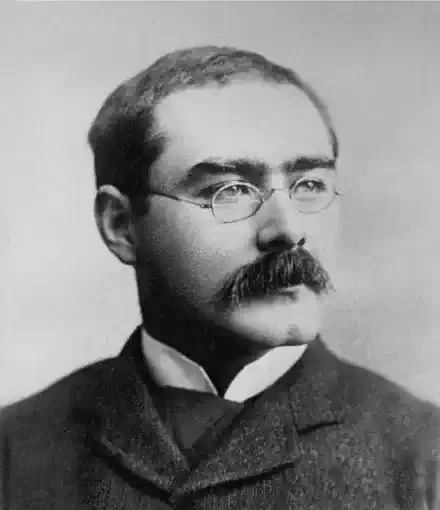
Rudyard Kipling
Harp Song of the Dane Women
Harp Song of the Dane Women
What is a woman that you forsake her,
And the hearth-fire and the home-acre.
To go with the old grey Widow-maker?
She has no house to lay a guest in
But one chill bed for all to rest in,
That the pale suns and the stray bergs nest in.
She has no strong white arms to fold you,
But the ten-times-fingering weed to hold you
Out on the rocks where the tide has rolled you.
Yet, when the signs of summer thicken,
And the ice breaks, and the birch-buds quicken,
Yearly you turn from our side, and sicken- -
Sicken again for the shouts and the slaughters.
You steal away to the lapping waters,
And look at your ship in her winter-quarters.
You forget our mirth, and talk at the tables,
The kine in the shed and the horse in the stables
To pitch her sides and go over her cables.
Then you drive out where the storm-clouds swallow,
And the sound of your oar-blades, falling hollow,
Is all we have left through the months to follow.
Ah, what is Woman that you forsake her,
And the hearth-fire and the home-acre,
To go with the old grey Widow-maker?
What is a woman that you forsake her,
And the hearth-fire and the home-acre.
To go with the old grey Widow-maker?
She has no house to lay a guest in
But one chill bed for all to rest in,
That the pale suns and the stray bergs nest in.
She has no strong white arms to fold you,
But the ten-times-fingering weed to hold you
Out on the rocks where the tide has rolled you.
Yet, when the signs of summer thicken,
And the ice breaks, and the birch-buds quicken,
Yearly you turn from our side, and sicken- -
Sicken again for the shouts and the slaughters.
You steal away to the lapping waters,
And look at your ship in her winter-quarters.
You forget our mirth, and talk at the tables,
The kine in the shed and the horse in the stables
To pitch her sides and go over her cables.
Then you drive out where the storm-clouds swallow,
And the sound of your oar-blades, falling hollow,
Is all we have left through the months to follow.
Ah, what is Woman that you forsake her,
And the hearth-fire and the home-acre,
To go with the old grey Widow-maker?
459

Robert W. Service
Romance
Romance
In Paris on a morn of May
I sent a radio transalantic
To catch a steamer on the way,
But oh the postal fuss was frantic;
They sent me here, they sent me there,
They were so courteous yet so canny;
Then as I wilted in despair
A Frenchman flipped me on the fanny.
'Twas only juts a gentle pat,
Yet oh what sympathy behind it!
I don't let anyone do that,
But somehow then I didn't mind it.
He seemed my worry to divine,
With kindly smile, that foreign mannie,
And as we stood in waiting line
With tender touch he tapped my fanny.
It brought a ripple of romance
Into that postal bureau dreary;
He gave me such a smiling glance
That somehow I felt gay and cheery.
For information on my case
The postal folk searched nook and cranny;
He gently tapped, with smiling face,
His reassurance on my fanny.
So I'll go back to Tennessee,
And they will ask: "How have you spent your
Brief holiday in gay Paree?"
But I'll not speak of my adventure.
Oh say I'm spectacled and grey,
Oh say I'm sixty and a grannie -
But say that morn of May
A Frenchman flipped me on the fanny!
In Paris on a morn of May
I sent a radio transalantic
To catch a steamer on the way,
But oh the postal fuss was frantic;
They sent me here, they sent me there,
They were so courteous yet so canny;
Then as I wilted in despair
A Frenchman flipped me on the fanny.
'Twas only juts a gentle pat,
Yet oh what sympathy behind it!
I don't let anyone do that,
But somehow then I didn't mind it.
He seemed my worry to divine,
With kindly smile, that foreign mannie,
And as we stood in waiting line
With tender touch he tapped my fanny.
It brought a ripple of romance
Into that postal bureau dreary;
He gave me such a smiling glance
That somehow I felt gay and cheery.
For information on my case
The postal folk searched nook and cranny;
He gently tapped, with smiling face,
His reassurance on my fanny.
So I'll go back to Tennessee,
And they will ask: "How have you spent your
Brief holiday in gay Paree?"
But I'll not speak of my adventure.
Oh say I'm spectacled and grey,
Oh say I'm sixty and a grannie -
But say that morn of May
A Frenchman flipped me on the fanny!
244
Robert W. Service
Montreal Maree
Montreal Maree
You've heard of Belching Billy, likewise known as Windy Bill,
As punk a chunk of Yukon scum as ever robbed a sluice;
A satellite of Soapy Smith, a capper and a shill,
A slimy tribute-taker from the Ladies on the Loose.
But say, you never heard of how he aimed my gore to spill
(That big gorilla gunnin' for a little guy like me,)
A-howlin' like a malamute an' ravin' he would drill
Me full of holes and all because of Montreal Maree.
Now Spike Mahoney's Bar was stiff with roarin' drunks,
And I was driftin' lonesome-like, scarce knowin' what to do,
So come I joined a poker game and dropped a hundred plunks,
And bein' broke I begged of Spike to take my I.O.U.
Says he: "Me lad, I'll help ye out, but let me make this clear:
If you you don't pay by New year's day your wage I'll garnishee."
So I was broodin' when I heard a whisper in my ear:
"What ees zee trouble, leetle boy?" said Montreal Maree.
Now dance-hall gels is good and bad, but most is in between;
Yeh, some is scum and some is dumb, and some is just plumb cold;
But of straight-shootin' Dawson dames Maree was rated queen,
As pretty as a pansy, wi' a heart o' Hunker gold.
And so although I didn't know her more that passin' by,
I told how Spike would seek my Boss, and jobless I would be;
She listened sympathetic like: "Zut! Baby, don't you cry;
I lend to you zee hundred bucks," said Montreal Maree.
Now though I zippered up my mug somehow the story spread
That I was playin' poker and my banker was Maree;
And when it got to Windy Bill, by Golly, he saw red,
And reachin' for his shootin' iron he started after me.
For he was batty for that babe and tried to fence her in.
And if a guy got in his way, say, he was set to kill;
So fortified with barbwire hooch and wickeder than sin;
"I'll plug that piker full of lead," exploded Windy Bill.
That night, a hundred smackers saved, with joy I started out
To seek my scented saviour in her cabin on the hill;
But barely had I paid my debt, when suddenly a shout . . .
I peered from out the window, and behold! 'twas Windy Bill.
He whooped and swooped and raved and waved his gun as he drew near.
Now he was kickin' in the door, no time was there to flee;
No place to hide: my doom was sealed . . . then sotly in my ear:
"Quick! creep beneez my petticoat," said Montreal Maree.
So pale as death I held my breath below that billowed skirt,
And a she sat I wondered at her voice so calm and clear;
Serene and still she spoke to Bill like he was so much dirt:
"Espèce de skunk! You jus' beeeg drunk. You see no man in here."
Then Bill began to cuss and ran wild shootin' down the hiss,
And all was hushed, and how I wished that bliss could ever be,
When up she rose in dainty pose beside the window sill:
"He spill hees gun, run Baby, run," cried Montreal Maree.
I've heard it said that she got wed and made a wonder wife.
I guess she did; that careless kid had mother in her heart.
But anyway I'll always say she saved my blasted life,
For other girls may come and go, and each may play their part:
But if I live a hundred years I'll not forget the thrill,
The rapture of that moment when I kissed a dimpled knee,
And safely mocked the murderous menace of Windy Bill,
Snug hid beneath the petticoat of Montreal Maree.
You've heard of Belching Billy, likewise known as Windy Bill,
As punk a chunk of Yukon scum as ever robbed a sluice;
A satellite of Soapy Smith, a capper and a shill,
A slimy tribute-taker from the Ladies on the Loose.
But say, you never heard of how he aimed my gore to spill
(That big gorilla gunnin' for a little guy like me,)
A-howlin' like a malamute an' ravin' he would drill
Me full of holes and all because of Montreal Maree.
Now Spike Mahoney's Bar was stiff with roarin' drunks,
And I was driftin' lonesome-like, scarce knowin' what to do,
So come I joined a poker game and dropped a hundred plunks,
And bein' broke I begged of Spike to take my I.O.U.
Says he: "Me lad, I'll help ye out, but let me make this clear:
If you you don't pay by New year's day your wage I'll garnishee."
So I was broodin' when I heard a whisper in my ear:
"What ees zee trouble, leetle boy?" said Montreal Maree.
Now dance-hall gels is good and bad, but most is in between;
Yeh, some is scum and some is dumb, and some is just plumb cold;
But of straight-shootin' Dawson dames Maree was rated queen,
As pretty as a pansy, wi' a heart o' Hunker gold.
And so although I didn't know her more that passin' by,
I told how Spike would seek my Boss, and jobless I would be;
She listened sympathetic like: "Zut! Baby, don't you cry;
I lend to you zee hundred bucks," said Montreal Maree.
Now though I zippered up my mug somehow the story spread
That I was playin' poker and my banker was Maree;
And when it got to Windy Bill, by Golly, he saw red,
And reachin' for his shootin' iron he started after me.
For he was batty for that babe and tried to fence her in.
And if a guy got in his way, say, he was set to kill;
So fortified with barbwire hooch and wickeder than sin;
"I'll plug that piker full of lead," exploded Windy Bill.
That night, a hundred smackers saved, with joy I started out
To seek my scented saviour in her cabin on the hill;
But barely had I paid my debt, when suddenly a shout . . .
I peered from out the window, and behold! 'twas Windy Bill.
He whooped and swooped and raved and waved his gun as he drew near.
Now he was kickin' in the door, no time was there to flee;
No place to hide: my doom was sealed . . . then sotly in my ear:
"Quick! creep beneez my petticoat," said Montreal Maree.
So pale as death I held my breath below that billowed skirt,
And a she sat I wondered at her voice so calm and clear;
Serene and still she spoke to Bill like he was so much dirt:
"Espèce de skunk! You jus' beeeg drunk. You see no man in here."
Then Bill began to cuss and ran wild shootin' down the hiss,
And all was hushed, and how I wished that bliss could ever be,
When up she rose in dainty pose beside the window sill:
"He spill hees gun, run Baby, run," cried Montreal Maree.
I've heard it said that she got wed and made a wonder wife.
I guess she did; that careless kid had mother in her heart.
But anyway I'll always say she saved my blasted life,
For other girls may come and go, and each may play their part:
But if I live a hundred years I'll not forget the thrill,
The rapture of that moment when I kissed a dimpled knee,
And safely mocked the murderous menace of Windy Bill,
Snug hid beneath the petticoat of Montreal Maree.
241
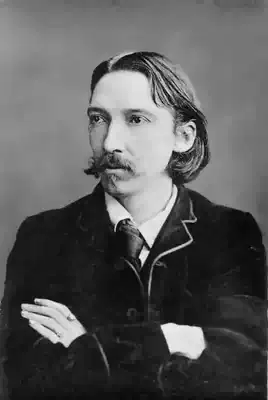
Robert Louis Stevenson
The Piper
The Piper
AGAIN I hear you piping, for I know the tune so well, -
You rouse the heart to wander and be free,
Tho' where you learned your music, not the God of song can tell,
For you pipe the open highway and the sea.
O piper, lightly footing, lightly piping on your way,
Tho' your music thrills and pierces far and near,
I tell you you had better pipe to someone else to-day,
For you cannot pipe my fancy from my dear.
You sound the note of travel through the hamlet and the town;
You would lure the holy angels from on high;
And not a man can hear you, but he throws the hammer down
And is off to see the countries ere he die.
But now no more I wander, now unchanging here I stay;
By my love, you find me safely sitting here:
And pipe you ne'er so sweetly, till you pipe the hills away,
You can never pipe my fancy from my dear.
AGAIN I hear you piping, for I know the tune so well, -
You rouse the heart to wander and be free,
Tho' where you learned your music, not the God of song can tell,
For you pipe the open highway and the sea.
O piper, lightly footing, lightly piping on your way,
Tho' your music thrills and pierces far and near,
I tell you you had better pipe to someone else to-day,
For you cannot pipe my fancy from my dear.
You sound the note of travel through the hamlet and the town;
You would lure the holy angels from on high;
And not a man can hear you, but he throws the hammer down
And is off to see the countries ere he die.
But now no more I wander, now unchanging here I stay;
By my love, you find me safely sitting here:
And pipe you ne'er so sweetly, till you pipe the hills away,
You can never pipe my fancy from my dear.
363
Robert Louis Stevenson
Know You The River NEar To Grez
Know You The River NEar To Grez
KNOW you the river near to Grez,
A river deep and clear?
Among the lilies all the way,
That ancient river runs to-day
From snowy weir to weir.
Old as the Rhine of great renown,
She hurries clear and fast,
She runs amain by field and town
From south to north, from up to down,
To present on from past.
The love I hold was borne by her;
And now, though far away,
My lonely spirit hears the stir
Of water round the starling spur
Beside the bridge at Grez.
So may that love forever hold
In life an equal pace;
So may that love grow never old,
But, clear and pure and fountain-cold,
Go on from grace to grace.
KNOW you the river near to Grez,
A river deep and clear?
Among the lilies all the way,
That ancient river runs to-day
From snowy weir to weir.
Old as the Rhine of great renown,
She hurries clear and fast,
She runs amain by field and town
From south to north, from up to down,
To present on from past.
The love I hold was borne by her;
And now, though far away,
My lonely spirit hears the stir
Of water round the starling spur
Beside the bridge at Grez.
So may that love forever hold
In life an equal pace;
So may that love grow never old,
But, clear and pure and fountain-cold,
Go on from grace to grace.
359
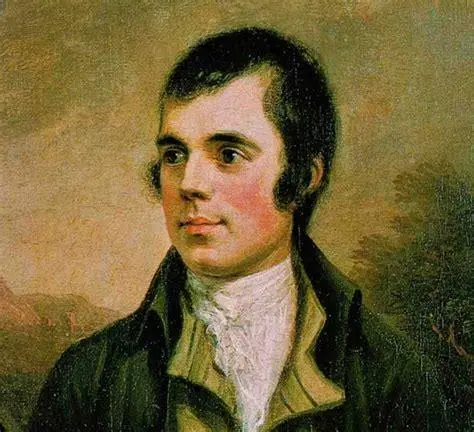
Robert Burns
A Red, Red Rose
A Red, Red Rose
Oh my luve is like a red, red rose,
That's newly sprung in June:
Oh my luve is like the melodie,
That's sweetly play'd in tune.
As fair art thou, my bonie lass,
So deep in luve am I;
And I will luve thee still, my dear,
Till a' the seas gang dry.
Till a' the seas gang dry, my dear,
And the rocks melt wi' the sun;
And I will luve thee still, my dear,
While the sands o' life shall run.
And fare thee weel, my only luve!
And fare thee weel a while!
And I will come again, my luve,
Tho' it were ten thousand mile!
Oh my luve is like a red, red rose,
That's newly sprung in June:
Oh my luve is like the melodie,
That's sweetly play'd in tune.
As fair art thou, my bonie lass,
So deep in luve am I;
And I will luve thee still, my dear,
Till a' the seas gang dry.
Till a' the seas gang dry, my dear,
And the rocks melt wi' the sun;
And I will luve thee still, my dear,
While the sands o' life shall run.
And fare thee weel, my only luve!
And fare thee weel a while!
And I will come again, my luve,
Tho' it were ten thousand mile!
334

Robert Browning
The Dtatue And The Bust
The Dtatue And The Bust
There's a palace in Florence, the world knows well,
And a statue watches it from the square,
And this story of both do our townsmen tell.
Ages ago, a lady there,
At the farthest window facing the East
Asked, ``Who rides by with the royal air?''
The bridesmaids' prattle around her ceased;
She leaned forth, one on either hand;
They saw how the blush of the bride increased---
They felt by its beats her heart expand---
As one at each ear and both in a breath
Whispered, ``The Great-Duke Ferdinand.''
That self-same instant, underneath,
The Duke rode past in his idle way,
Empty and fine like a swordless sheath.
Gay he rode, with a friend as gay,
Till he threw his head back---``Who is she?''
---``A bride the Riccardi brings home to-day.''
Hair in heaps lay heavily
Over a pale brow spirit-pure---
Carved like the heart of a coal-black tree,
Crisped like a war-steed's encolure<*>---
And vainly sought to dissemble her eyes
Of the blackest black our eyes endure.
And lo, a blade for a knight's emprise
Filled the fine empty sheath of a man,---
The Duke grew straightway brave and wise.
He looked at her, as a lover can;
She looked at him, as one who awakes:
The past was a sleep, and her life began.
Now, love so ordered for both their sakes,
A feast was held that selfsame night
In the pile which the mighty shadow makes.
(For Via Larga is three-parts light,
But the palace overshadows one,
Because of a crime which may God requite!
To Florence and God the wrong was done,
Through the first republic's murder there
By Cosimo and his cursed son.)
The Duke (with the statue's face in the square)
Turned in the midst of his multitude
At the bright approach of the bridal pair.
Face to face the lovers stood
A single minute and no more,
While the bridegroom bent as a man subdued---
Bowed till his bonnet brushed the floor---
For the Duke on the lady a kiss conferred,
As the courtly custom was of yore.
In a minute can lovers exchange a word?
If a word did pass, which I do not think,
Only one out of the thousand heard.
That was the bridegroom. At day's brink
He and his bride were alone at last
In a bedchamber by a taper's blink.
Calmly he said that her lot was cast,
That the door she had passed was shut on her
Till the final catafalk<*> repassed.
The world meanwhile, its noise and stir,
Through a certain window facing the East,
She could watch like a convent's chronicler.
Since passing the door might lead to a feast,
And a feast might lead to so much beside,
He, of many evils, chose the least.
``Freely I choose too,'' said the bride---
``Your window and its world suffice,''
Replied the tongue, while the heart replied---
``If I spend the night with that devil twice,
``May his window serve as my loop of hell
``Whence a damned soul looks on paradise!
``I fly to the Duke who loves me well,
``Sit by his side and laugh at sorrow
``Ere I count another ave-bell.
``'Tis only the coat of a page to borrow,
``And tie my hair in a horse-boy's trim,
``And I save my soul---but not to-morrow''---
(She checked herself and her eye grew dim)
``My father tarries to bless my state:
``I must keep it one day more for him.
``Is one day more so long to wait?
``Moreover the Duke rides past, I know;
``We shall see each other, sure as fate.''
She turned on her side and slept. Just so!
So we resolve on a thing and sleep:
So did the lady, ages ago.
That night the Duke said, ``Dear or cheap
``As the cost of this cup of bliss may prove
``To body or soul, I will drain it deep.''
And on the morrow, bold with love,
He beckoned the bridegroom (close on call,
As his duty bade, by the Duke's alcove)
And smiled ``'Twas a very funeral,
``Your lady will think, this feast of ours,---
``A shame to efface, whate'er befall!
``What if we break from the Arno bowers,
``And try if Petraja, cool and green,
``Cure last night's fault with this morning's flowers?''
The bridegroom, not a thought to be seen
On his steady brow and quiet mouth,
Said, ``Too much favour for me so mean!
``But, alas! my lady leaves the South;
``Each wind that comes from the Apennine
``Is a menace to her tender youth:
``Nor a way exists, the wise opine,
``If she quits her palace twice this year,
``To avert the flower of life's decline.''
Quoth the Duke, ``A sage and a kindly fear.
``Moreover Petraja is cold this spring:
``Be our feast to-night as usual here!''
And then to himself---``Which night shall bring
Thy bride to her lover's embraces, fool---
Or I am the fool, and thou art the king!
``Yet my passion must wait a night, nor cool---
``For to-night the Envoy arrives from France
``Whose heart I unlock with thyself, my tool.
``I need thee still and might miss perchance.
``To-day is not wholly lost, beside,
``With its hope of my lady's countenance:
``For I ride---what should I do but ride?
``And passing her palace, if I list,
``May glance at its window---well betide!''
So said, so done: nor the lady missed
One ray that broke from the ardent brow,
Nor a curl of the lips where the spirit kissed.
Be sure that each renewed the vow,
No morrow's sun should arise---and set
And leave them then as it left them now.
But next day passed, and next day yet,
With still fresh cause to wait one day more
Ere each leaped over the parapet.
And still, as love's brief morning wore,
With a gentle start, half smile, half sigh,
They found love not as it seemed before.
They thought it would work infallibly,
But not in despite of heaven and earth:
The rose would blow when the storm passed by.
Meantime they could profit in winter's dearth
By store of fruits that supplant the rose:
The world and its ways have a certain worth:
And to press a point while these oppose
Were simple policy; better wait:
We lose no friends and we gain no foes.
Meantime, worse fates than a lover's fate,
Who daily may ride and pass and look
Where his lady watches behind the grate!
And she---she watched the square like a book
holding one picture and only one,
Which daily to find she undertook:
When the picture was reached the book was done,
And she turned from the picture at night to scheme
Of tearing it out for herself next sun.
So weeks grew months, years; gleam by gleam
The glory dropped from their youth and love,
And both perceived they had dreamed a dream;
Which hovered as dreams do, still above:
But who can take a dream for a truth?
Oh, hide our eyes from the next remove!
One day as the lady saw her youth
Depart, and the silver thread that streaked
Her hair, and, worn by the serpent's tooth,
The brow so puckered, the chin so peaked,---
And wondered who the woman was,
Hollow-eyed and haggard-cheeked,
Fronting her silent in the glass---
``Summon here,'' she suddenly said,
``Before the rest of my old self pass,
``Him, the Carver, a hand to aid,
``Who fashions the clay no love will change,
``And fixes a beauty never to fade.
``Let Robbia's craft so apt and strange
``Arrest the remains of young and fair,
``And rivet them while the seasons range.
``Make me a face on the window there,
``Waiting as ever, mute the while,
``My love to pass below in the square!
``And let me think that it may beguile
``Dreary days which the dead must spend
``Down in their darkness under the aisle,
``To say, `What matters it at the end?
`` `I did no more while my heart was warm
`` `Than does that image, my pale-faced friend.'
``Where is the use of the lip's red charm,
``The heaven of hair, the pride of the brow,
``And the blood that blues the inside arm---
``Unless we turn as the soul knows how,
``The earthly gift to an end divine?
``A lady of clay is as good, I trow.''
But long ere Robbia's cornice, fine,
With flowers and fruits which leaves enlace,
Was set where now is the empty shrine---
(And, leaning out of a bright blue space,
As a ghost might lean from a chink of sky,
The passionate pale lady's face---
Eyeing ever, with earnest eye
And quick-turned neck at its breathless stretch,
Some one who ever is passing by---)
The Duke had sighed like the simplest wretch
In Florence, ``Youth---my dream escapes!
Will its record stay?'' And he bade them fetch
Some subtle moulder of brazen shapes---
``Can the soul, the will, die out of a man
``Ere his body find the grave that gapes?
``John of Douay<*> shall effect my plan,
``Set me on horseback here aloft,
``Alive, as the crafty sculptor can,
``In the very square I have crossed so oft:
``That men may admire, when future suns
``Shall touch the eyes to a purpose soft,
``While the mouth and the brow stay brave in bronze---
``Admire and say, `When he was alive
`` `How he would take his pleasure once!'
``And it shall go hard but I contrive
``To listen the while, and laugh in my tomb
``At idleness which aspires to strive.''
------------
So! While these wait the trump of doom,
How do their spirits pass, I wonder,
Nights and days in the narrow room?
Still, I suppose, they sit and ponder
What a gift life was, ages ago,
Six steps out of the chapel yonder.
Only they see not God, I know,
Nor all that chivalry of his,
The soldier-saints who, row on row,
Burn upward each to his point of bliss---
Since, the end of life being manifest,
He had burned his way thro' the world to this.
I hear you reproach, ``But delay was best,
For their end was a crime.''---Oh, a crime will do
As well, I reply, to serve for a test,
As a virtue golden through and through,
Sufficient to vindicate itself
And prove its worth at a moment's view!
Must a game be played for the sale of pelf?
Where a button goes, 'twere an epigram
To offer the stamp of the very Guelph.
The true has no value beyond the sham:
As well the counter as coin, I submit,
When your table's a hat, and your prize a dram.
Stake your counter as boldly every whit,
Venture as warily, use the same skill,
Do your best, whether winning or losing it,
If you choose to play!---is my principle.
Let a man contend to the uttermost
For his life's set prize, be it what it will!
The counter our lovers staked was lost
As surely as if it were lawful coin:
And the sin I impute to each frustrate ghost
Is---the unlit lamp and the ungirt loin,
Though the end in sight was a vice, I say.
You of the virtue (we issue join)
How strive you? _De te, fabula!_
* Neck and shoulder of a horse.
* The stage or scaffolding for a coffin whilst
* in the church.
* Giovanni of Bologna, a sculptor.
There's a palace in Florence, the world knows well,
And a statue watches it from the square,
And this story of both do our townsmen tell.
Ages ago, a lady there,
At the farthest window facing the East
Asked, ``Who rides by with the royal air?''
The bridesmaids' prattle around her ceased;
She leaned forth, one on either hand;
They saw how the blush of the bride increased---
They felt by its beats her heart expand---
As one at each ear and both in a breath
Whispered, ``The Great-Duke Ferdinand.''
That self-same instant, underneath,
The Duke rode past in his idle way,
Empty and fine like a swordless sheath.
Gay he rode, with a friend as gay,
Till he threw his head back---``Who is she?''
---``A bride the Riccardi brings home to-day.''
Hair in heaps lay heavily
Over a pale brow spirit-pure---
Carved like the heart of a coal-black tree,
Crisped like a war-steed's encolure<*>---
And vainly sought to dissemble her eyes
Of the blackest black our eyes endure.
And lo, a blade for a knight's emprise
Filled the fine empty sheath of a man,---
The Duke grew straightway brave and wise.
He looked at her, as a lover can;
She looked at him, as one who awakes:
The past was a sleep, and her life began.
Now, love so ordered for both their sakes,
A feast was held that selfsame night
In the pile which the mighty shadow makes.
(For Via Larga is three-parts light,
But the palace overshadows one,
Because of a crime which may God requite!
To Florence and God the wrong was done,
Through the first republic's murder there
By Cosimo and his cursed son.)
The Duke (with the statue's face in the square)
Turned in the midst of his multitude
At the bright approach of the bridal pair.
Face to face the lovers stood
A single minute and no more,
While the bridegroom bent as a man subdued---
Bowed till his bonnet brushed the floor---
For the Duke on the lady a kiss conferred,
As the courtly custom was of yore.
In a minute can lovers exchange a word?
If a word did pass, which I do not think,
Only one out of the thousand heard.
That was the bridegroom. At day's brink
He and his bride were alone at last
In a bedchamber by a taper's blink.
Calmly he said that her lot was cast,
That the door she had passed was shut on her
Till the final catafalk<*> repassed.
The world meanwhile, its noise and stir,
Through a certain window facing the East,
She could watch like a convent's chronicler.
Since passing the door might lead to a feast,
And a feast might lead to so much beside,
He, of many evils, chose the least.
``Freely I choose too,'' said the bride---
``Your window and its world suffice,''
Replied the tongue, while the heart replied---
``If I spend the night with that devil twice,
``May his window serve as my loop of hell
``Whence a damned soul looks on paradise!
``I fly to the Duke who loves me well,
``Sit by his side and laugh at sorrow
``Ere I count another ave-bell.
``'Tis only the coat of a page to borrow,
``And tie my hair in a horse-boy's trim,
``And I save my soul---but not to-morrow''---
(She checked herself and her eye grew dim)
``My father tarries to bless my state:
``I must keep it one day more for him.
``Is one day more so long to wait?
``Moreover the Duke rides past, I know;
``We shall see each other, sure as fate.''
She turned on her side and slept. Just so!
So we resolve on a thing and sleep:
So did the lady, ages ago.
That night the Duke said, ``Dear or cheap
``As the cost of this cup of bliss may prove
``To body or soul, I will drain it deep.''
And on the morrow, bold with love,
He beckoned the bridegroom (close on call,
As his duty bade, by the Duke's alcove)
And smiled ``'Twas a very funeral,
``Your lady will think, this feast of ours,---
``A shame to efface, whate'er befall!
``What if we break from the Arno bowers,
``And try if Petraja, cool and green,
``Cure last night's fault with this morning's flowers?''
The bridegroom, not a thought to be seen
On his steady brow and quiet mouth,
Said, ``Too much favour for me so mean!
``But, alas! my lady leaves the South;
``Each wind that comes from the Apennine
``Is a menace to her tender youth:
``Nor a way exists, the wise opine,
``If she quits her palace twice this year,
``To avert the flower of life's decline.''
Quoth the Duke, ``A sage and a kindly fear.
``Moreover Petraja is cold this spring:
``Be our feast to-night as usual here!''
And then to himself---``Which night shall bring
Thy bride to her lover's embraces, fool---
Or I am the fool, and thou art the king!
``Yet my passion must wait a night, nor cool---
``For to-night the Envoy arrives from France
``Whose heart I unlock with thyself, my tool.
``I need thee still and might miss perchance.
``To-day is not wholly lost, beside,
``With its hope of my lady's countenance:
``For I ride---what should I do but ride?
``And passing her palace, if I list,
``May glance at its window---well betide!''
So said, so done: nor the lady missed
One ray that broke from the ardent brow,
Nor a curl of the lips where the spirit kissed.
Be sure that each renewed the vow,
No morrow's sun should arise---and set
And leave them then as it left them now.
But next day passed, and next day yet,
With still fresh cause to wait one day more
Ere each leaped over the parapet.
And still, as love's brief morning wore,
With a gentle start, half smile, half sigh,
They found love not as it seemed before.
They thought it would work infallibly,
But not in despite of heaven and earth:
The rose would blow when the storm passed by.
Meantime they could profit in winter's dearth
By store of fruits that supplant the rose:
The world and its ways have a certain worth:
And to press a point while these oppose
Were simple policy; better wait:
We lose no friends and we gain no foes.
Meantime, worse fates than a lover's fate,
Who daily may ride and pass and look
Where his lady watches behind the grate!
And she---she watched the square like a book
holding one picture and only one,
Which daily to find she undertook:
When the picture was reached the book was done,
And she turned from the picture at night to scheme
Of tearing it out for herself next sun.
So weeks grew months, years; gleam by gleam
The glory dropped from their youth and love,
And both perceived they had dreamed a dream;
Which hovered as dreams do, still above:
But who can take a dream for a truth?
Oh, hide our eyes from the next remove!
One day as the lady saw her youth
Depart, and the silver thread that streaked
Her hair, and, worn by the serpent's tooth,
The brow so puckered, the chin so peaked,---
And wondered who the woman was,
Hollow-eyed and haggard-cheeked,
Fronting her silent in the glass---
``Summon here,'' she suddenly said,
``Before the rest of my old self pass,
``Him, the Carver, a hand to aid,
``Who fashions the clay no love will change,
``And fixes a beauty never to fade.
``Let Robbia's craft so apt and strange
``Arrest the remains of young and fair,
``And rivet them while the seasons range.
``Make me a face on the window there,
``Waiting as ever, mute the while,
``My love to pass below in the square!
``And let me think that it may beguile
``Dreary days which the dead must spend
``Down in their darkness under the aisle,
``To say, `What matters it at the end?
`` `I did no more while my heart was warm
`` `Than does that image, my pale-faced friend.'
``Where is the use of the lip's red charm,
``The heaven of hair, the pride of the brow,
``And the blood that blues the inside arm---
``Unless we turn as the soul knows how,
``The earthly gift to an end divine?
``A lady of clay is as good, I trow.''
But long ere Robbia's cornice, fine,
With flowers and fruits which leaves enlace,
Was set where now is the empty shrine---
(And, leaning out of a bright blue space,
As a ghost might lean from a chink of sky,
The passionate pale lady's face---
Eyeing ever, with earnest eye
And quick-turned neck at its breathless stretch,
Some one who ever is passing by---)
The Duke had sighed like the simplest wretch
In Florence, ``Youth---my dream escapes!
Will its record stay?'' And he bade them fetch
Some subtle moulder of brazen shapes---
``Can the soul, the will, die out of a man
``Ere his body find the grave that gapes?
``John of Douay<*> shall effect my plan,
``Set me on horseback here aloft,
``Alive, as the crafty sculptor can,
``In the very square I have crossed so oft:
``That men may admire, when future suns
``Shall touch the eyes to a purpose soft,
``While the mouth and the brow stay brave in bronze---
``Admire and say, `When he was alive
`` `How he would take his pleasure once!'
``And it shall go hard but I contrive
``To listen the while, and laugh in my tomb
``At idleness which aspires to strive.''
------------
So! While these wait the trump of doom,
How do their spirits pass, I wonder,
Nights and days in the narrow room?
Still, I suppose, they sit and ponder
What a gift life was, ages ago,
Six steps out of the chapel yonder.
Only they see not God, I know,
Nor all that chivalry of his,
The soldier-saints who, row on row,
Burn upward each to his point of bliss---
Since, the end of life being manifest,
He had burned his way thro' the world to this.
I hear you reproach, ``But delay was best,
For their end was a crime.''---Oh, a crime will do
As well, I reply, to serve for a test,
As a virtue golden through and through,
Sufficient to vindicate itself
And prove its worth at a moment's view!
Must a game be played for the sale of pelf?
Where a button goes, 'twere an epigram
To offer the stamp of the very Guelph.
The true has no value beyond the sham:
As well the counter as coin, I submit,
When your table's a hat, and your prize a dram.
Stake your counter as boldly every whit,
Venture as warily, use the same skill,
Do your best, whether winning or losing it,
If you choose to play!---is my principle.
Let a man contend to the uttermost
For his life's set prize, be it what it will!
The counter our lovers staked was lost
As surely as if it were lawful coin:
And the sin I impute to each frustrate ghost
Is---the unlit lamp and the ungirt loin,
Though the end in sight was a vice, I say.
You of the virtue (we issue join)
How strive you? _De te, fabula!_
* Neck and shoulder of a horse.
* The stage or scaffolding for a coffin whilst
* in the church.
* Giovanni of Bologna, a sculptor.
386
Robert Browning
Evelyn Hope
Evelyn Hope
I.
Beautiful Evelyn Hope is dead!
Sit and watch by her side an hour.
That is her book-shelf, this her bed;
She plucked that piece of geranium-flower,
Beginning to die too, in the glass;
Little has yet been changed, I think:
The shutters are shut, no light may pass
Save two long rays thro' the hinge's chink.
II.
Sixteen years old, when she died!
Perhaps she had scarcely heard my name;
It was not her time to love; beside,
Her life had many a hope and aim,
Duties enough and little cares,
And now was quiet, now astir,
Till God's hand beckoned unawares,---
And the sweet white brow is all of her.
III.
Is it too late then, Evelyn Hope?
What, your soul was pure and true,
The good stars met in your horoscope,
Made you of spirit, fire and dew---
And, just because I was thrice as old
And our paths in the world diverged so wide,
Each was nought to each, must I be told?
We were fellow mortals, nought beside?
IV.
No, indeed! for God above
Is great to grant, as mighty to make,
And creates the love to reward the love:
I claim you still, for my own love's sake!
Delayed it may be for more lives yet,
Through worlds I shall traverse, not a few:
Much is to learn, much to forget
Ere the time be come for taking you.
V.
But the time will come,---at last it will,
When, Evelyn Hope, what meant (I shall say)
In the lower earth, in the years long still,
That body and soul so pure and gay?
Why your hair was amber, I shall divine,
And your mouth of your own geranium's red---
And what you would do with me, in fine,
In the new life come in the old one's stead.
VI.
I have lived (I shall say) so much since then,
Given up myself so many times,
Gained me the gains of various men,
Ransacked the ages, spoiled the climes;
Yet one thing, one, in my soul's full scope,
Either I missed or itself missed me:
And I want and find you, Evelyn Hope!
What is the issue? let us see!
VII.
I loved you, Evelyn, all the while.
My heart seemed full as it could hold?
There was place and to spare for the frank young smile,
And the red young mouth, and the hair's young gold.
So, hush,---I will give you this leaf to keep:
See, I shut it inside the sweet cold hand!
There, that is our secret: go to sleep!
You will wake, and remember, and understand.
I.
Beautiful Evelyn Hope is dead!
Sit and watch by her side an hour.
That is her book-shelf, this her bed;
She plucked that piece of geranium-flower,
Beginning to die too, in the glass;
Little has yet been changed, I think:
The shutters are shut, no light may pass
Save two long rays thro' the hinge's chink.
II.
Sixteen years old, when she died!
Perhaps she had scarcely heard my name;
It was not her time to love; beside,
Her life had many a hope and aim,
Duties enough and little cares,
And now was quiet, now astir,
Till God's hand beckoned unawares,---
And the sweet white brow is all of her.
III.
Is it too late then, Evelyn Hope?
What, your soul was pure and true,
The good stars met in your horoscope,
Made you of spirit, fire and dew---
And, just because I was thrice as old
And our paths in the world diverged so wide,
Each was nought to each, must I be told?
We were fellow mortals, nought beside?
IV.
No, indeed! for God above
Is great to grant, as mighty to make,
And creates the love to reward the love:
I claim you still, for my own love's sake!
Delayed it may be for more lives yet,
Through worlds I shall traverse, not a few:
Much is to learn, much to forget
Ere the time be come for taking you.
V.
But the time will come,---at last it will,
When, Evelyn Hope, what meant (I shall say)
In the lower earth, in the years long still,
That body and soul so pure and gay?
Why your hair was amber, I shall divine,
And your mouth of your own geranium's red---
And what you would do with me, in fine,
In the new life come in the old one's stead.
VI.
I have lived (I shall say) so much since then,
Given up myself so many times,
Gained me the gains of various men,
Ransacked the ages, spoiled the climes;
Yet one thing, one, in my soul's full scope,
Either I missed or itself missed me:
And I want and find you, Evelyn Hope!
What is the issue? let us see!
VII.
I loved you, Evelyn, all the while.
My heart seemed full as it could hold?
There was place and to spare for the frank young smile,
And the red young mouth, and the hair's young gold.
So, hush,---I will give you this leaf to keep:
See, I shut it inside the sweet cold hand!
There, that is our secret: go to sleep!
You will wake, and remember, and understand.
721
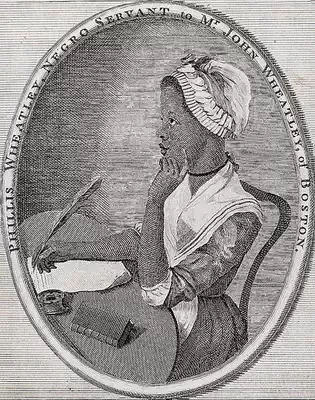
Phillis Wheatley
Ode To Neptune
Ode To Neptune
On Mrs. W-----'s Voyage to England.
I.
WHILE raging tempests shake the shore,
While AElus' thunders round us roar,
And sweep impetuous o'er the plain
Be still, O tyrant of the main;
Nor let thy brow contracted frowns betray,
While my Susanna skims the wat'ry way.
II.
The Pow'r propitious hears the lay,
The blue-ey'd daughters of the sea
With sweeter cadence glide along,
And Thames responsive joins the song.
Pleas'd with their notes Sol sheds benign his ray,
And double radiance decks the face of day.
III.
To court thee to Britannia's arms
Serene the climes and mild the sky,
Her region boasts unnumber'd charms,
Thy welcome smiles in ev'ry eye.
Thy promise, Neptune keep, record my pray'r,
Not give my wishes to the empty air.
On Mrs. W-----'s Voyage to England.
I.
WHILE raging tempests shake the shore,
While AElus' thunders round us roar,
And sweep impetuous o'er the plain
Be still, O tyrant of the main;
Nor let thy brow contracted frowns betray,
While my Susanna skims the wat'ry way.
II.
The Pow'r propitious hears the lay,
The blue-ey'd daughters of the sea
With sweeter cadence glide along,
And Thames responsive joins the song.
Pleas'd with their notes Sol sheds benign his ray,
And double radiance decks the face of day.
III.
To court thee to Britannia's arms
Serene the climes and mild the sky,
Her region boasts unnumber'd charms,
Thy welcome smiles in ev'ry eye.
Thy promise, Neptune keep, record my pray'r,
Not give my wishes to the empty air.
258

Paul Laurence Dunbar
The Barrier
The Barrier
The Midnight wooed the Morning Star,
And prayed her: "Love come nearer;
Your swinging coldly there afar
To me but makes you dearer."
The Morning Star was pale with dole
As said she, low replying:
"Oh, lover mine, soul of my soul,
For you I too am sighing."
"But One ordained when we were born,
In spite of love's insistence,
That night might only view the Morn
Adoring at a distance."
But as she spoke, the jealous Sun
Across the heavens panted;
"Oh, whining fools," he cried, "have done,
Your wishes shall be granted."
He hurled his flaming lances far;
The twain stood unaffrighted,
And Midnight and the Morning Star
Lay down in death united.
The Midnight wooed the Morning Star,
And prayed her: "Love come nearer;
Your swinging coldly there afar
To me but makes you dearer."
The Morning Star was pale with dole
As said she, low replying:
"Oh, lover mine, soul of my soul,
For you I too am sighing."
"But One ordained when we were born,
In spite of love's insistence,
That night might only view the Morn
Adoring at a distance."
But as she spoke, the jealous Sun
Across the heavens panted;
"Oh, whining fools," he cried, "have done,
Your wishes shall be granted."
He hurled his flaming lances far;
The twain stood unaffrighted,
And Midnight and the Morning Star
Lay down in death united.
691
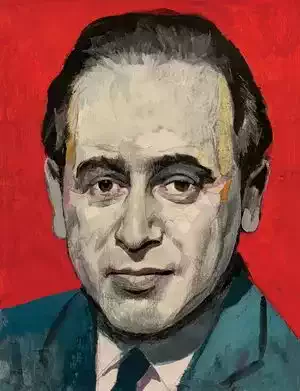
Paul Celan
Night Ray
Night Ray
Most brightly of all burned the hair of my evening loved one:
to her I send the coffin of lightest wood.
Waves billow round it as round the bed of our dream in Rome;
it wears a white wig as I do and speaks hoarsely:
it talks as I do when I grant admittance to hearts.
It knows a French song about love, I sang it in autumn
when I stopped as a tourist in Lateland and wrote my letters
to morning.
A fine boat is that coffin carved in the coppice of feelings.
I too drift in it downbloodstream, younger still than your eye.
Now you are young as a bird dropped dead in March snow,
now it comes to you, sings you its love song from France.
You are light: you will sleep through my spring till it's over.
I am lighter:
in front of strangers I sing.
Most brightly of all burned the hair of my evening loved one:
to her I send the coffin of lightest wood.
Waves billow round it as round the bed of our dream in Rome;
it wears a white wig as I do and speaks hoarsely:
it talks as I do when I grant admittance to hearts.
It knows a French song about love, I sang it in autumn
when I stopped as a tourist in Lateland and wrote my letters
to morning.
A fine boat is that coffin carved in the coppice of feelings.
I too drift in it downbloodstream, younger still than your eye.
Now you are young as a bird dropped dead in March snow,
now it comes to you, sings you its love song from France.
You are light: you will sleep through my spring till it's over.
I am lighter:
in front of strangers I sing.
421
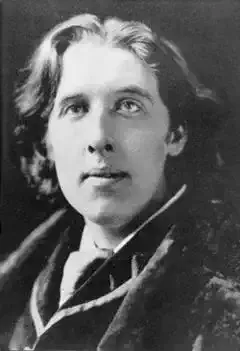
Oscar Wilde
Ballade De Marguerite
Ballade De Marguerite
(NORMANDE.)
I AM weary of lying within the chase
When the knights are meeting in market-place.
Nay, go not thou to the red-roofed town
Lest the hooves of the war-horse tread thee down.
But I would not go where the Squires ride,
I would only walk by my Lady's side.
Alack! and alack! thou art over bold,
A Forester's son may not eat off gold.
Will she love me the less that my Father is seen,
Each Martinmas day in a doublet green?
Perchance she is sewing at tapestrie,
Spindle and loom are not meet for thee.
Ah, if she is working the arras bright
I might ravel the threads by the fire-light.
Perchance she is hunting of the deer,
How could you follow o'er hill and meer?
Ah, if she is riding with the court,
I might run beside her and wind the morte.
Perchance she is kneeling in S. Denys,
(On her soul may our Lady have gramercy!)
Ah, if she is praying in lone chapelle,
I might swing the censer and ring the bell.
Come in my son, for you look sae pale,
The father shall fill thee a stoup of ale.
But who are these knights in bright array?
Is it a pageant the rich folks play?
'Tis the King of England from over sea,
Who has come unto visit our fair countrie.
But why does the curfew toll sae low
And why do the mourners walk a-row?
O 'tis Hugh of Amiens my sister's son
Who is lying stark, for his day is done.
Nay, nay, for I see white lilies clear,
It is no strong man who lies on the bier.
O 'tis old Dame Jeannette that kept the hall,
I knew she would die at the autumn fall.
Dame Jeannette had not that gold-brown hair,
Old Jeannette was not a maiden fair.
O 'tis none of our kith and none of our kin,
(Her soul may our Lady assoil from sin!)
But I hear the boy's voice chaunting sweet,
'Elle est morte, la Marguerite.'
Come in my son and lie on the bed,
And let the dead folk bury their dead.
O mother, you know I loved her true:
O mother, hath one grave room for two?
(NORMANDE.)
I AM weary of lying within the chase
When the knights are meeting in market-place.
Nay, go not thou to the red-roofed town
Lest the hooves of the war-horse tread thee down.
But I would not go where the Squires ride,
I would only walk by my Lady's side.
Alack! and alack! thou art over bold,
A Forester's son may not eat off gold.
Will she love me the less that my Father is seen,
Each Martinmas day in a doublet green?
Perchance she is sewing at tapestrie,
Spindle and loom are not meet for thee.
Ah, if she is working the arras bright
I might ravel the threads by the fire-light.
Perchance she is hunting of the deer,
How could you follow o'er hill and meer?
Ah, if she is riding with the court,
I might run beside her and wind the morte.
Perchance she is kneeling in S. Denys,
(On her soul may our Lady have gramercy!)
Ah, if she is praying in lone chapelle,
I might swing the censer and ring the bell.
Come in my son, for you look sae pale,
The father shall fill thee a stoup of ale.
But who are these knights in bright array?
Is it a pageant the rich folks play?
'Tis the King of England from over sea,
Who has come unto visit our fair countrie.
But why does the curfew toll sae low
And why do the mourners walk a-row?
O 'tis Hugh of Amiens my sister's son
Who is lying stark, for his day is done.
Nay, nay, for I see white lilies clear,
It is no strong man who lies on the bier.
O 'tis old Dame Jeannette that kept the hall,
I knew she would die at the autumn fall.
Dame Jeannette had not that gold-brown hair,
Old Jeannette was not a maiden fair.
O 'tis none of our kith and none of our kin,
(Her soul may our Lady assoil from sin!)
But I hear the boy's voice chaunting sweet,
'Elle est morte, la Marguerite.'
Come in my son and lie on the bed,
And let the dead folk bury their dead.
O mother, you know I loved her true:
O mother, hath one grave room for two?
296
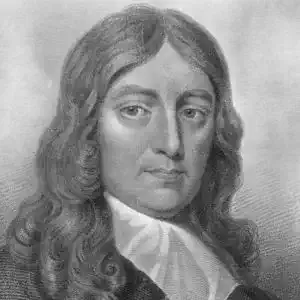
John Milton
The Fifth Ode Of Horace. Lib. I
The Fifth Ode Of Horace. Lib. I
Quis multa gracilis te puer in Rosa
Rendred almost word for word without Rhyme according to the
Latin Measure, as near as the Language permit.
WHAT slender Youth bedew'd with liquid odours
Courts thee on Roses in some pleasant Cave,
Pyrrha for whom bind'st thou
In wreaths thy golden Hair,
Plain in thy neatness; O how oft shall he
On Faith and changed Gods complain: and Seas
Rough with black winds and storms
Unwonted shall admire:
Who now enjoyes thee credulous, all Gold,
Who alwayes vacant, alwayes amiable
Hopes thee; of flattering gales
Unmindfull. Hapless they
To whom thou untry'd seem'st fair. Me in my vow'd
Picture the sacred wall declares t' have hung
My dank and dropping weeds
To the stern God of Sea.
[The Latin text follows.]
Quis multa gracilis te puer in Rosa
Rendred almost word for word without Rhyme according to the
Latin Measure, as near as the Language permit.
WHAT slender Youth bedew'd with liquid odours
Courts thee on Roses in some pleasant Cave,
Pyrrha for whom bind'st thou
In wreaths thy golden Hair,
Plain in thy neatness; O how oft shall he
On Faith and changed Gods complain: and Seas
Rough with black winds and storms
Unwonted shall admire:
Who now enjoyes thee credulous, all Gold,
Who alwayes vacant, alwayes amiable
Hopes thee; of flattering gales
Unmindfull. Hapless they
To whom thou untry'd seem'st fair. Me in my vow'd
Picture the sacred wall declares t' have hung
My dank and dropping weeds
To the stern God of Sea.
[The Latin text follows.]
427
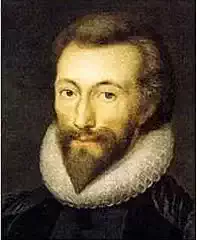
John Donne
Song: Go and catch a falling star
Song: Go and catch a falling star
Go and catch a falling star,
Get with child a mandrake root,
Tell me where all past years are,
Or who cleft the devil's foot,
Teach me to hear mermaids singing,
Or to keep off envy's stinging,
And find
What wind
Serves to advance an honest mind.
If thou be'st born to strange sights,
Things invisible to see,
Ride ten thousand days and nights,
Till age snow white hairs on thee,
Thou, when thou return'st, wilt tell me,
All strange wonders that befell thee,
And swear,
No where
Lives a woman true, and fair.
If thou find'st one, let me know,
Such a pilgrimage were sweet;
Yet do not, I would not go,
Though at next door we might meet;
Though she were true, when you met her,
And last, till you write your letter,
Yet she
Will be
False, ere I come, to two, or three.
Go and catch a falling star,
Get with child a mandrake root,
Tell me where all past years are,
Or who cleft the devil's foot,
Teach me to hear mermaids singing,
Or to keep off envy's stinging,
And find
What wind
Serves to advance an honest mind.
If thou be'st born to strange sights,
Things invisible to see,
Ride ten thousand days and nights,
Till age snow white hairs on thee,
Thou, when thou return'st, wilt tell me,
All strange wonders that befell thee,
And swear,
No where
Lives a woman true, and fair.
If thou find'st one, let me know,
Such a pilgrimage were sweet;
Yet do not, I would not go,
Though at next door we might meet;
Though she were true, when you met her,
And last, till you write your letter,
Yet she
Will be
False, ere I come, to two, or three.
297
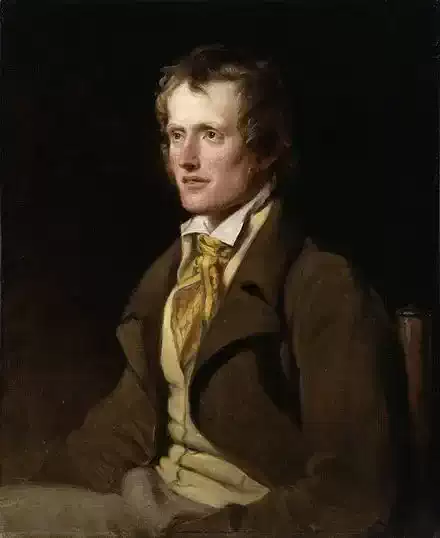
John Clare
The Sailor-Boy
The Sailor-Boy
Tis three years and a quarter since I left my own fireside
To go aboard a ship through love, and plough the ocean wide.
I crossed my native fields, where the scarlet poppies grew,
And the groundlark left his nest like a neighbour which I knew.
The pigeons from the dove cote cooed over the old lane,
The crow flocks from the oakwood went flopping oer the grain;
Like lots of dear old neighbours whom I shall see no more
They greeted me that morning I left the English shore.
The sun was just a-rising above the heath of furze,
And the shadows grow to giants; that bright ball never stirs:
There the shepherds lay with their dogs by their side,
And they started up and barked as my shadow they espied.
A maid of early morning twirled her mop upon the moor;
I wished her my farewell before she closed the door.
My friends I left behind me for other places new,
Crows and pigeons all were strangers as oer my head they flew.
Trees and bushes were all strangers, the hedges and the lanes,
The steeples and the houses and broad untrodden plains.
I passed the pretty milkmaid with her red and rosy face;
I knew not where I met her, I was strange to the place.
At last I saw the ocean, a pleasing sight to me:
I stood upon the shore of a mighty glorious sea.
The waves in easy motion went rolling on their way,
English colours were a-flying where the British squadron lay.
I left my honest parents, the church clock and the village;
I left the lads and lasses, the labour and the tillage;
To plough the briny ocean, which soon became my joy--
I sat and sang among the shrouds, a lonely sailor-boy.
Tis three years and a quarter since I left my own fireside
To go aboard a ship through love, and plough the ocean wide.
I crossed my native fields, where the scarlet poppies grew,
And the groundlark left his nest like a neighbour which I knew.
The pigeons from the dove cote cooed over the old lane,
The crow flocks from the oakwood went flopping oer the grain;
Like lots of dear old neighbours whom I shall see no more
They greeted me that morning I left the English shore.
The sun was just a-rising above the heath of furze,
And the shadows grow to giants; that bright ball never stirs:
There the shepherds lay with their dogs by their side,
And they started up and barked as my shadow they espied.
A maid of early morning twirled her mop upon the moor;
I wished her my farewell before she closed the door.
My friends I left behind me for other places new,
Crows and pigeons all were strangers as oer my head they flew.
Trees and bushes were all strangers, the hedges and the lanes,
The steeples and the houses and broad untrodden plains.
I passed the pretty milkmaid with her red and rosy face;
I knew not where I met her, I was strange to the place.
At last I saw the ocean, a pleasing sight to me:
I stood upon the shore of a mighty glorious sea.
The waves in easy motion went rolling on their way,
English colours were a-flying where the British squadron lay.
I left my honest parents, the church clock and the village;
I left the lads and lasses, the labour and the tillage;
To plough the briny ocean, which soon became my joy--
I sat and sang among the shrouds, a lonely sailor-boy.
441
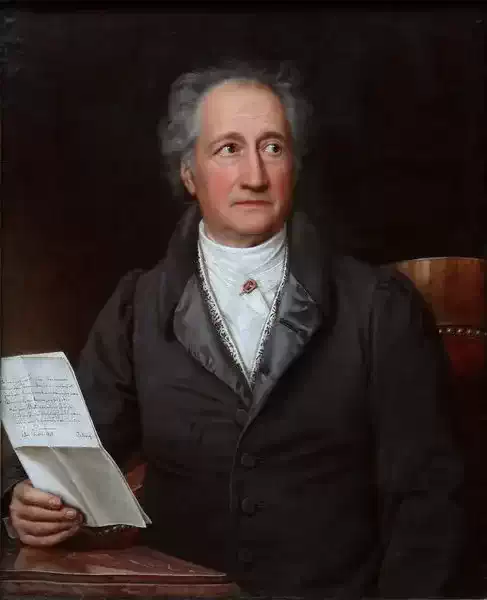
Johann Wolfgang von Goethe
The Bliss Of Sorrow
The Bliss Of Sorrow
NEVER dry, never dry,
Tears that eternal love sheddeth!
How dreary, how dead doth the world still appear,
When only half-dried on the eye is the tear!
Never dry, never dry,
Tears that unhappy love sheddeth!
NEVER dry, never dry,
Tears that eternal love sheddeth!
How dreary, how dead doth the world still appear,
When only half-dried on the eye is the tear!
Never dry, never dry,
Tears that unhappy love sheddeth!
300
Johann Wolfgang von Goethe
The Beauteous Flower - Son Of The Imprisioned Count
The Beauteous Flower - Son Of The Imprisioned Count
COUNT.
I KNOW a flower of beauty rare,
Ah, how I hold it dear!
To seek it I would fain repair,
Were I not prison'd here.
My sorrow sore oppresses me,
For when I was at liberty,
I had it close beside me.
Though from this castle's walls so steep
I cast mine eyes around,
And gaze oft from the lofty keep,
The flower can not be found.
Whoe'er would bring it to my sight,
Whether a vassal he, or knight,
My dearest friend I'd deem him.
THE ROSE.
I blossom fair,--thy tale of woes
I hear from 'neath thy grate.
Thou doubtless meanest me, the rose.
Poor knight of high estate!
Thou hast in truth a lofty mind;
The queen of flowers is then enshrin'd,
I doubt not, in thy bosom.
COUNT.
Thy red, in dress of green array'd,
As worth all praise I hold;
And so thou'rt treasured by each maid
Like precious stones or gold.
Thy wreath adorns the fairest face
But still thou'rt not the flower whose grace
I honour here in silence.
THE LILY.
The rose is wont with pride to swell,
And ever seeks to rise;
But gentle sweethearts love full well
The lily's charms to prize,
The heart that fills a bosom true,
That is, like me, unsullied too,
My merit values duly.
COUNT.
In truth, I hope myself unstain'd,
And free from grievous crime;
Yet I am here a prisoner chain'd,
And pass in grief my time,
To me thou art an image sure
Of many a maiden, mild and pure,
And yet I know a dearer.
THE PINK.
That must be me, the pink, who scent
The warder's garden here;
Or wherefore is he so intent
My charms with care to rear?
My petals stand in beauteous ring,
Sweet incense all around I fling,
And boast a thousand colours.
COUNT.
The pink in truth we should not slight,
It is the gardener's pride
It now must stand exposed to light,
Now in the shade abide.
Yet what can make the Count's heart glow
Is no mere pomp of outward show;
It is a silent flower.
THE VIOLET.
Here stand I, modestly half hid,
And fain would silence keep;
Yet since to speak I now am bid,
I'll break my silence deep.
If, worthy Knight, I am that flower,
It grieves me that I have not power
To breathe forth all my sweetness.
COUNT.
The violet's charms I prize indeed,
So modest 'tis, and fair,
And smells so sweet; yet more I need
To ease my heavy care.
The truth I'll whisper in thine ear:
Upon these rocky heights so drear,
I cannot find the loved one.
The truest maiden 'neath the sky
Roams near the stream below,
And breathes forth many a gentle sigh,
Till I from hence can go.
And when she plucks a flow'ret blue,
And says "Forget-me-not!"--I, too,
Though far away, can feel it.
Ay, distance only swells love's might,
When fondly love a pair;
Though prison'd in the dungeon's night,
In life I linger there
And when my heart is breaking nigh,
"Forget-me-not!" is all I cry,
And straightway life returneth.
COUNT.
I KNOW a flower of beauty rare,
Ah, how I hold it dear!
To seek it I would fain repair,
Were I not prison'd here.
My sorrow sore oppresses me,
For when I was at liberty,
I had it close beside me.
Though from this castle's walls so steep
I cast mine eyes around,
And gaze oft from the lofty keep,
The flower can not be found.
Whoe'er would bring it to my sight,
Whether a vassal he, or knight,
My dearest friend I'd deem him.
THE ROSE.
I blossom fair,--thy tale of woes
I hear from 'neath thy grate.
Thou doubtless meanest me, the rose.
Poor knight of high estate!
Thou hast in truth a lofty mind;
The queen of flowers is then enshrin'd,
I doubt not, in thy bosom.
COUNT.
Thy red, in dress of green array'd,
As worth all praise I hold;
And so thou'rt treasured by each maid
Like precious stones or gold.
Thy wreath adorns the fairest face
But still thou'rt not the flower whose grace
I honour here in silence.
THE LILY.
The rose is wont with pride to swell,
And ever seeks to rise;
But gentle sweethearts love full well
The lily's charms to prize,
The heart that fills a bosom true,
That is, like me, unsullied too,
My merit values duly.
COUNT.
In truth, I hope myself unstain'd,
And free from grievous crime;
Yet I am here a prisoner chain'd,
And pass in grief my time,
To me thou art an image sure
Of many a maiden, mild and pure,
And yet I know a dearer.
THE PINK.
That must be me, the pink, who scent
The warder's garden here;
Or wherefore is he so intent
My charms with care to rear?
My petals stand in beauteous ring,
Sweet incense all around I fling,
And boast a thousand colours.
COUNT.
The pink in truth we should not slight,
It is the gardener's pride
It now must stand exposed to light,
Now in the shade abide.
Yet what can make the Count's heart glow
Is no mere pomp of outward show;
It is a silent flower.
THE VIOLET.
Here stand I, modestly half hid,
And fain would silence keep;
Yet since to speak I now am bid,
I'll break my silence deep.
If, worthy Knight, I am that flower,
It grieves me that I have not power
To breathe forth all my sweetness.
COUNT.
The violet's charms I prize indeed,
So modest 'tis, and fair,
And smells so sweet; yet more I need
To ease my heavy care.
The truth I'll whisper in thine ear:
Upon these rocky heights so drear,
I cannot find the loved one.
The truest maiden 'neath the sky
Roams near the stream below,
And breathes forth many a gentle sigh,
Till I from hence can go.
And when she plucks a flow'ret blue,
And says "Forget-me-not!"--I, too,
Though far away, can feel it.
Ay, distance only swells love's might,
When fondly love a pair;
Though prison'd in the dungeon's night,
In life I linger there
And when my heart is breaking nigh,
"Forget-me-not!" is all I cry,
And straightway life returneth.
310
Johann Wolfgang von Goethe
Effects At A Distance
Effects At A Distance
THE queen in the lofty hall takes her place,
The tapers around her are flaming;
She speaks to the page: "With a nimble pace
Go, fetch me my purse for gaming.
'Tis lying, I'll pledge,
On my table's edge."
Each nerve the nimble boy straineth,
And the end of the castle soon gaineth.
The fairest of maidens was sipping sherbet
Beside the queen that minute;
Near her mouth broke the cup,--and she got so wet!
The very devil seem'd in it
What fearful distress
'Tis spoilt, her gay dress.
She hastens, and ev'ry nerve straineth,
And the end of the castle soon gaineth.
The boy was returning, and quickly came,
And met the sorrowing maiden;
None knew of the fact,--and yet with Love's flame,
Those two had their hearts full laden.
And, oh the bliss
Of a moment like this!
Each falls on the breast of the other,
With kisses that well nigh might smother.
They tear themselves asunder at last,
To her chamber she hastens quickly,
To reach the queen the page hies him fast,
Midst the swords and the fans crowded thickly.
The queen spied amain
On his waistcoat a stain;
For nought was inscrutable to her,
Like Sheba's queen--Solomon's wooer.
To her chief attendant she forthwith cried
"We lately together contended,
And thou didst assert, with obstinate pride,
That the spirit through space never wended,-
That traces alone
By the present were shown,--
That afar nought was fashion'd--not even
By the stars that illumine you heaven.
"Now see! while a goblet beside me they drain'd,
They spilt all the drink in the chalice;
And straightway the boy had his waistcoat stain'd
At the furthermost end of the palace.-Let
them newly be clad!
And since I am glad
That it served as a proof so decided,
The cost will by me be provided."
THE queen in the lofty hall takes her place,
The tapers around her are flaming;
She speaks to the page: "With a nimble pace
Go, fetch me my purse for gaming.
'Tis lying, I'll pledge,
On my table's edge."
Each nerve the nimble boy straineth,
And the end of the castle soon gaineth.
The fairest of maidens was sipping sherbet
Beside the queen that minute;
Near her mouth broke the cup,--and she got so wet!
The very devil seem'd in it
What fearful distress
'Tis spoilt, her gay dress.
She hastens, and ev'ry nerve straineth,
And the end of the castle soon gaineth.
The boy was returning, and quickly came,
And met the sorrowing maiden;
None knew of the fact,--and yet with Love's flame,
Those two had their hearts full laden.
And, oh the bliss
Of a moment like this!
Each falls on the breast of the other,
With kisses that well nigh might smother.
They tear themselves asunder at last,
To her chamber she hastens quickly,
To reach the queen the page hies him fast,
Midst the swords and the fans crowded thickly.
The queen spied amain
On his waistcoat a stain;
For nought was inscrutable to her,
Like Sheba's queen--Solomon's wooer.
To her chief attendant she forthwith cried
"We lately together contended,
And thou didst assert, with obstinate pride,
That the spirit through space never wended,-
That traces alone
By the present were shown,--
That afar nought was fashion'd--not even
By the stars that illumine you heaven.
"Now see! while a goblet beside me they drain'd,
They spilt all the drink in the chalice;
And straightway the boy had his waistcoat stain'd
At the furthermost end of the palace.-Let
them newly be clad!
And since I am glad
That it served as a proof so decided,
The cost will by me be provided."
469
Johann Wolfgang von Goethe
Book Of Suleika - Suleika 04
Book Of Suleika - Suleika 04
WITH what inward joy, sweet lay,
I thy meaning have descried!
Lovingly thou seem'st to say
That I'm ever by his side;
That he ever thinks of me,
That he to the absent gives
All his love's sweet ecstasy,
While for him alone she lives.
Yes, the mirror which reveals
Thee, my loved one, is my breast;
This the bosom, where thy seals
Endless kisses have impress'd.
Numbers sweet, unsullied truth,
Chain me down in sympathy!
Love's embodied radiant youth,
In the garb of poesy!
WITH what inward joy, sweet lay,
I thy meaning have descried!
Lovingly thou seem'st to say
That I'm ever by his side;
That he ever thinks of me,
That he to the absent gives
All his love's sweet ecstasy,
While for him alone she lives.
Yes, the mirror which reveals
Thee, my loved one, is my breast;
This the bosom, where thy seals
Endless kisses have impress'd.
Numbers sweet, unsullied truth,
Chain me down in sympathy!
Love's embodied radiant youth,
In the garb of poesy!
460
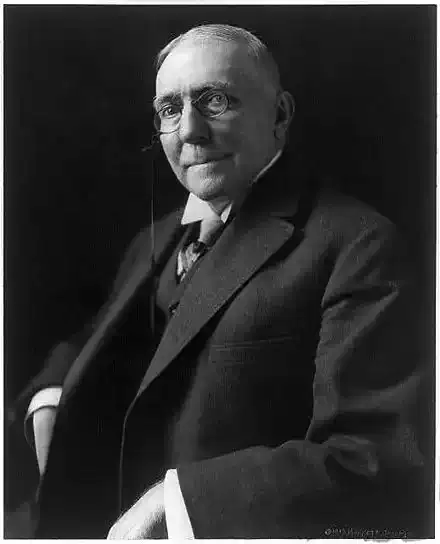
James Whitcomb Riley
The Ripest Peach
The Ripest Peach
The ripest peach is highest on the tree --
And so her love, beyond the reach of me,
Is dearest in my sight. Sweet breezes, bow
Her heart down to me where I worship now!
She looms aloft where every eye may see
The ripest peach is highest on the tree.
Such fruitage as her love I know, alas!
I may not reach here from the orchard grass.
I drink the sunshine showered past her lips
As roses drain the dewdrop as it drips.
The ripest peach is highest on the tree,
And so mine eyes gaze upward eagerly.
Why -- why do I not turn away in wrath
And pluck some heart here hanging in my path? -Love's
lower boughs bend with them -- but, ah me!
The ripest peach is highest on the tree!
The ripest peach is highest on the tree --
And so her love, beyond the reach of me,
Is dearest in my sight. Sweet breezes, bow
Her heart down to me where I worship now!
She looms aloft where every eye may see
The ripest peach is highest on the tree.
Such fruitage as her love I know, alas!
I may not reach here from the orchard grass.
I drink the sunshine showered past her lips
As roses drain the dewdrop as it drips.
The ripest peach is highest on the tree,
And so mine eyes gaze upward eagerly.
Why -- why do I not turn away in wrath
And pluck some heart here hanging in my path? -Love's
lower boughs bend with them -- but, ah me!
The ripest peach is highest on the tree!
371
James Whitcomb Riley
Man's Devotion
Man's Devotion
A lover said, 'O Maiden, love me well,
For I must go away:
And should ANOTHER ever come to tell
Of love--What WILL you say?'
And she let fall a royal robe of hair
That folded on his arm
And made a golden pillow for her there;
Her face--as bright a charm
As ever setting held in kingly crown--
Made answer with a look,
And reading it, the lover bended down,
And, trusting, 'kissed the book.'
He took a fond farewell and went away.
And slow the time went by--
So weary--dreary was it, day by day
To love, and wait, and sigh.
She kissed his pictured face sometimes, and said:
'O Lips, so cold and dumb,
I would that you would tell me, if not dead,
Why, why do you not come?'
The picture, smiling, stared her in the face
Unmoved--e'en with the touch
Of tear-drops--HERS--bejeweling the case-'
Twas plain--she loved him much.
And, thus she grew to think of him as gay
And joyous all the while,
And SHE was sorrowing--'Ah, welladay!'
But pictures ALWAYS smile!
And years--dull years--in dull monotony
As ever went and came,
Still weaving changes on unceasingly,
And changing, changed her name.
Was she untrue?--She oftentimes was glad
And happy as a wife;
But ONE remembrance oftentimes made sad
Her matrimonial life.--
Though its few years were hardly noted, when
Again her path was strown
With thorns--the roses swept away again,
And she again alone!
And then--alas! ah THEN!--her lover came:
'I come to claim you now-
My Darling, for I know you are the same,
And I have kept my vow
Through these long, long, long years, and now no more
Shall we asundered be!'
She staggered back and, sinking to the floor,
Cried in her agony:
'I have been false!' she moaned, '_I_ am not true--
I am not worthy now,
Nor ever can I be a wife to YOU--
For I have broke my vow!'
And as she kneeled there, sobbing at his feet,
He calmly spoke--no sign
Betrayed his inward agony--'I count you meet
To be a wife of mine!'
And raised her up forgiven, though untrue;
As fond he gazed on her,
She sighed,--'SO HAPPY!' And she never knew
HE was a WIDOWER.
A lover said, 'O Maiden, love me well,
For I must go away:
And should ANOTHER ever come to tell
Of love--What WILL you say?'
And she let fall a royal robe of hair
That folded on his arm
And made a golden pillow for her there;
Her face--as bright a charm
As ever setting held in kingly crown--
Made answer with a look,
And reading it, the lover bended down,
And, trusting, 'kissed the book.'
He took a fond farewell and went away.
And slow the time went by--
So weary--dreary was it, day by day
To love, and wait, and sigh.
She kissed his pictured face sometimes, and said:
'O Lips, so cold and dumb,
I would that you would tell me, if not dead,
Why, why do you not come?'
The picture, smiling, stared her in the face
Unmoved--e'en with the touch
Of tear-drops--HERS--bejeweling the case-'
Twas plain--she loved him much.
And, thus she grew to think of him as gay
And joyous all the while,
And SHE was sorrowing--'Ah, welladay!'
But pictures ALWAYS smile!
And years--dull years--in dull monotony
As ever went and came,
Still weaving changes on unceasingly,
And changing, changed her name.
Was she untrue?--She oftentimes was glad
And happy as a wife;
But ONE remembrance oftentimes made sad
Her matrimonial life.--
Though its few years were hardly noted, when
Again her path was strown
With thorns--the roses swept away again,
And she again alone!
And then--alas! ah THEN!--her lover came:
'I come to claim you now-
My Darling, for I know you are the same,
And I have kept my vow
Through these long, long, long years, and now no more
Shall we asundered be!'
She staggered back and, sinking to the floor,
Cried in her agony:
'I have been false!' she moaned, '_I_ am not true--
I am not worthy now,
Nor ever can I be a wife to YOU--
For I have broke my vow!'
And as she kneeled there, sobbing at his feet,
He calmly spoke--no sign
Betrayed his inward agony--'I count you meet
To be a wife of mine!'
And raised her up forgiven, though untrue;
As fond he gazed on her,
She sighed,--'SO HAPPY!' And she never knew
HE was a WIDOWER.
310
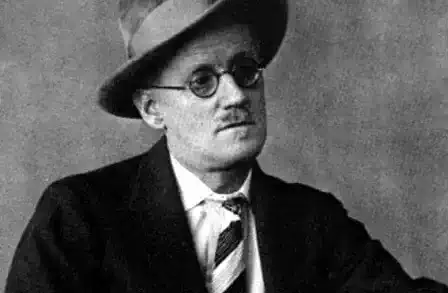
James Joyce
Winds of May
Winds of May
Winds of May, that dance on the sea,
Dancing a ring-around in glee
From furrow to furrow, while overhead
The foam flies up to be garlanded,
In silvery arches spanning the air,
Saw you my true love anywhere?
Welladay! Welladay!
For the winds of May!
Love is unhappy when love is away!
Winds of May, that dance on the sea,
Dancing a ring-around in glee
From furrow to furrow, while overhead
The foam flies up to be garlanded,
In silvery arches spanning the air,
Saw you my true love anywhere?
Welladay! Welladay!
For the winds of May!
Love is unhappy when love is away!
223
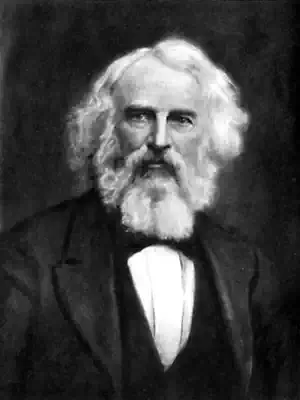
Henry Wadsworth Longfellow
By The Seaside : The Evening Star
By The Seaside : The Evening Star
Lo! in the paintedoriel of the West,
Whose panes the sunken sun incarnadines,
Like a fair lady at her casement, shines
The evening star, the star of love and rest!
And then anon she doth herself divest
Of all her radiant garments, and reclines
Behind the sombre screen of yonder pines,
With slumber and soft dreams of love oppressed.
O my beloved, my sweet Hesperus!
My morning and my evening star of love!
My best and gentlest lady! even thus,
As that fair planet in the sky above,
Dost thou retire unto thy rest at night,
And from thy darkened window fades the light.
Lo! in the paintedoriel of the West,
Whose panes the sunken sun incarnadines,
Like a fair lady at her casement, shines
The evening star, the star of love and rest!
And then anon she doth herself divest
Of all her radiant garments, and reclines
Behind the sombre screen of yonder pines,
With slumber and soft dreams of love oppressed.
O my beloved, my sweet Hesperus!
My morning and my evening star of love!
My best and gentlest lady! even thus,
As that fair planet in the sky above,
Dost thou retire unto thy rest at night,
And from thy darkened window fades the light.
353
Henry Wadsworth Longfellow
A Song Of Savoy
A Song Of Savoy
As the dim twilight shrouds
The mountain's purple crest,
And Summer's white and folded clouds
Are glowing in the west,
Loud shouts come up the rocky dell,
And voices hail the evening-bell.
Faint is the goatherd's song,
And sighing comes the breeze;
The silent river sweeps along
Amid its bending trees -
And the full moon shines faintly there,
And music fills the evening air.
Beneath the waving firs
The tinkling cymbals sound;
And as the wind the foliage stirs,
I see the dancers bound
Where the green branches, arched above,
Bend over this fair scene of love.
And he is there, that sought
My young heart long ago!
But he has left me - though I thought
He ne'er could leave me so.
Ah! lover's vows - how frail are they!
And his - were made but yesterday.
Why comes he not? I call
In tears upon him yet;
'Twere better ne'er to love at all,
Than love, and then forget!
Why comes he not? Alas! I should
Reclaim him still, if weeping could.
But see - he leaves the glade,
And beckons me away:
He comes to seek his mountain maid!
I cannot chide his stay.
Glad sounds along the valley swell,
And voices hail the evening-bell.
As the dim twilight shrouds
The mountain's purple crest,
And Summer's white and folded clouds
Are glowing in the west,
Loud shouts come up the rocky dell,
And voices hail the evening-bell.
Faint is the goatherd's song,
And sighing comes the breeze;
The silent river sweeps along
Amid its bending trees -
And the full moon shines faintly there,
And music fills the evening air.
Beneath the waving firs
The tinkling cymbals sound;
And as the wind the foliage stirs,
I see the dancers bound
Where the green branches, arched above,
Bend over this fair scene of love.
And he is there, that sought
My young heart long ago!
But he has left me - though I thought
He ne'er could leave me so.
Ah! lover's vows - how frail are they!
And his - were made but yesterday.
Why comes he not? I call
In tears upon him yet;
'Twere better ne'er to love at all,
Than love, and then forget!
Why comes he not? Alas! I should
Reclaim him still, if weeping could.
But see - he leaves the glade,
And beckons me away:
He comes to seek his mountain maid!
I cannot chide his stay.
Glad sounds along the valley swell,
And voices hail the evening-bell.
321