

Poems in this theme
Faith, Spirituality and Religion
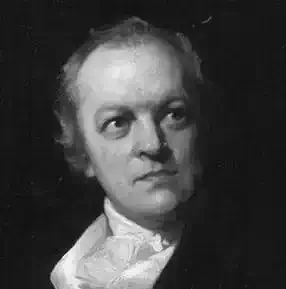
William Blake
I Saw a Chapel
I Saw a Chapel
I saw a chapel all of gold
That none did dare to enter in,
And many weeping stood without,
Weeping, mourning, worshipping.
I saw a serpent rise between
The white pillars of the door,
And he forc'd and forc'd and forc'd,
Down the golden hinges tore.
And along the pavement sweet,
Set with pearls and rubies bright,
All his slimy length he drew
Till upon the altar white
Vomiting his poison out
On the bread and on the wine.
So I turn'd into a sty
And laid me down among the swine.
I saw a chapel all of gold
That none did dare to enter in,
And many weeping stood without,
Weeping, mourning, worshipping.
I saw a serpent rise between
The white pillars of the door,
And he forc'd and forc'd and forc'd,
Down the golden hinges tore.
And along the pavement sweet,
Set with pearls and rubies bright,
All his slimy length he drew
Till upon the altar white
Vomiting his poison out
On the bread and on the wine.
So I turn'd into a sty
And laid me down among the swine.
479
William Blake
If It Is True What the Prophets Write
If It Is True What the Prophets Write
If it is true, what the Prophets write,
That the heathen gods are all stocks and stones,
Shall we, for the sake of being polite,
Feed them with the juice of our marrow-bones?
And if Bezaleel and Aholiab drew
What the finger of God pointed to their view,
Shall we suffer the Roman and Grecian rods
To compel us to worship them as gods?
They stole them from the temple of the Lord
And worshipp'd them that they might make inspirèd art abhorr'd;
The wood and stone were call'd the holy things,
And their sublime intent given to their kings.
All the atonements of Jehovah spurn'd,
And criminals to sacrifices turn'd.
If it is true, what the Prophets write,
That the heathen gods are all stocks and stones,
Shall we, for the sake of being polite,
Feed them with the juice of our marrow-bones?
And if Bezaleel and Aholiab drew
What the finger of God pointed to their view,
Shall we suffer the Roman and Grecian rods
To compel us to worship them as gods?
They stole them from the temple of the Lord
And worshipp'd them that they might make inspirèd art abhorr'd;
The wood and stone were call'd the holy things,
And their sublime intent given to their kings.
All the atonements of Jehovah spurn'd,
And criminals to sacrifices turn'd.
426
William Blake
Holy Thursday (Innocence)
Holy Thursday (Innocence)
Twas on a Holy Thursday their innocent faces clean
The children walking two & two in red & blue & green
Grey headed beadles walked before with wands as white as snow
Till into the high dome of Pauls they like Thames waters flow
O what a multitude they seemed these flowers of London town
Seated in companies they sit with radiance all their own
The hum of multitudes was there but multitudes of lambs
Thousands of little boys & girls raising their innocent hands
Now like a mighty wind they raise to heaven the voice of song
Or like harmonious thunderings the seats of heaven among
Beneath them sit the aged men wise guardians of the poor
Then cherish pity, lest you drive an angel from your door
Twas on a Holy Thursday their innocent faces clean
The children walking two & two in red & blue & green
Grey headed beadles walked before with wands as white as snow
Till into the high dome of Pauls they like Thames waters flow
O what a multitude they seemed these flowers of London town
Seated in companies they sit with radiance all their own
The hum of multitudes was there but multitudes of lambs
Thousands of little boys & girls raising their innocent hands
Now like a mighty wind they raise to heaven the voice of song
Or like harmonious thunderings the seats of heaven among
Beneath them sit the aged men wise guardians of the poor
Then cherish pity, lest you drive an angel from your door
686
William Blake
Holy Thursday
Holy Thursday
'Twas on a Holy Thursday, their innocent faces clean,
Came children walking two and two, in read, and blue, and green:
Grey-headed beadles walked before, with wands as white as snow,
Till into the high dome of Paul's they like Thames waters flow.
Oh what a multitude they seemed, these flowers of London town!
Seated in companies they sit, with radiance all their own.
The hum of multitudes was there, but multitudes of lambs,
Thousands of little boys and girls raising their innocent hands.
Now like a mighty wild they raise to heaven the voice of song,
Or like harmonious thunderings the seats of heaven among:
Beneath them sit the aged man, wise guardians of the poor.
Then cherish pity, lest you drive an angel from your door.
'Twas on a Holy Thursday, their innocent faces clean,
Came children walking two and two, in read, and blue, and green:
Grey-headed beadles walked before, with wands as white as snow,
Till into the high dome of Paul's they like Thames waters flow.
Oh what a multitude they seemed, these flowers of London town!
Seated in companies they sit, with radiance all their own.
The hum of multitudes was there, but multitudes of lambs,
Thousands of little boys and girls raising their innocent hands.
Now like a mighty wild they raise to heaven the voice of song,
Or like harmonious thunderings the seats of heaven among:
Beneath them sit the aged man, wise guardians of the poor.
Then cherish pity, lest you drive an angel from your door.
823
William Blake
Hear the Voice
Hear the Voice
HEAR the voice of the Bard,
Who present, past, and future, sees;
Whose ears have heard
The Holy Word
That walk'd among the ancient trees;
Calling the lapsed soul,
And weeping in the evening dew;
That might control
The starry pole,
And fallen, fallen light renew!
'O Earth, O Earth, return!
Arise from out the dewy grass!
Night is worn,
And the morn
Rises from the slumbrous mass.
'Turn away no more;
Why wilt thou turn away?
The starry floor,
The watery shore,
Is given thee till the break of day.'
HEAR the voice of the Bard,
Who present, past, and future, sees;
Whose ears have heard
The Holy Word
That walk'd among the ancient trees;
Calling the lapsed soul,
And weeping in the evening dew;
That might control
The starry pole,
And fallen, fallen light renew!
'O Earth, O Earth, return!
Arise from out the dewy grass!
Night is worn,
And the morn
Rises from the slumbrous mass.
'Turn away no more;
Why wilt thou turn away?
The starry floor,
The watery shore,
Is given thee till the break of day.'
335
William Blake
Grey Monk, The
Grey Monk, The
"I die, I die!" the Mother said,
"My children die for lack of bread.
What more has the merciless Tyrant said?"
The Monk sat down on the stony bed.
The blood red ran from the Grey Monk's side,
His hands and feet were wounded wide,
His body bent, his arms and knees
Like to the roots of ancient trees.
His eye was dry; no tear could flow:
A hollow groan first spoke his woe.
He trembled and shudder'd upon the bed;
At length with a feeble cry he said:
"When God commanded this hand to write
In the studious hours of deep midnight,
He told me the writing I wrote should prove
The bane of all that on Earth I lov'd.
My Brother starv'd between two walls,
His Children's cry my soul appalls;
I mock'd at the rack and griding chain,
My bent body mocks their torturing pain.
Thy father drew his sword in the North,
With his thousands strong he marched forth;
Thy Brother has arm'd himself in steel
To avenge the wrongs thy Children feel.
But vain the Sword and vain the Bow,
They never can work War's overthrow.
The Hermit's prayer and the Widow's tear
Alone can free the World from fear.
For a Tear is an intellectual thing,
And a Sigh is the sword of an Angel King,
And the bitter groan of the Martyr's woe
Is an arrow from the Almighty's bow.
The hand of Vengeance found the bed
To which the Purple Tyrant fled;
The iron hand crush'd the Tyrant's head
And became a Tyrant in his stead."
"I die, I die!" the Mother said,
"My children die for lack of bread.
What more has the merciless Tyrant said?"
The Monk sat down on the stony bed.
The blood red ran from the Grey Monk's side,
His hands and feet were wounded wide,
His body bent, his arms and knees
Like to the roots of ancient trees.
His eye was dry; no tear could flow:
A hollow groan first spoke his woe.
He trembled and shudder'd upon the bed;
At length with a feeble cry he said:
"When God commanded this hand to write
In the studious hours of deep midnight,
He told me the writing I wrote should prove
The bane of all that on Earth I lov'd.
My Brother starv'd between two walls,
His Children's cry my soul appalls;
I mock'd at the rack and griding chain,
My bent body mocks their torturing pain.
Thy father drew his sword in the North,
With his thousands strong he marched forth;
Thy Brother has arm'd himself in steel
To avenge the wrongs thy Children feel.
But vain the Sword and vain the Bow,
They never can work War's overthrow.
The Hermit's prayer and the Widow's tear
Alone can free the World from fear.
For a Tear is an intellectual thing,
And a Sigh is the sword of an Angel King,
And the bitter groan of the Martyr's woe
Is an arrow from the Almighty's bow.
The hand of Vengeance found the bed
To which the Purple Tyrant fled;
The iron hand crush'd the Tyrant's head
And became a Tyrant in his stead."
473
William Blake
England! awake! awake! awake!
England! awake! awake! awake!
England! awake! awake! awake!
Jerusalem thy Sister calls!
Why wilt thou sleep the sleep of death
And close her from thy ancient walls?
Thy hills and valleys felt her feet
Gently upon their bosoms move:
Thy gates beheld sweet Zion's ways:
Then was a time of joy and love.
And now the time returns again:
Our souls exult, and London's towers
Receive the Lamb of God to dwell
In England's green and pleasant bowers.
England! awake! awake! awake!
Jerusalem thy Sister calls!
Why wilt thou sleep the sleep of death
And close her from thy ancient walls?
Thy hills and valleys felt her feet
Gently upon their bosoms move:
Thy gates beheld sweet Zion's ways:
Then was a time of joy and love.
And now the time returns again:
Our souls exult, and London's towers
Receive the Lamb of God to dwell
In England's green and pleasant bowers.
413
William Blake
Devine Image
Devine Image
To Mercy, Pity, Peace, and Love,
All pray in their distress,
And to these virtues of delight
Return their thankfulness.
For Mercy, Pity, Peace, and Love,
Is God our Father dear;
And Mercy, Pity, Peace, and Love,
Is man, his child and care.
For Mercy has a human heart
Pity, a human face;
And Love, the human form divine;
And Peace, the human dress.
Then every man, of every clime,
That prays in his distress,
Prays to the human form divine:
Love, Mercy, Pity, Peace.
And all must love the human form,
In heathen, Turk, or Jew.
Where Mercy, Love, and Pity dwell,
There God is dwelling too.
To Mercy, Pity, Peace, and Love,
All pray in their distress,
And to these virtues of delight
Return their thankfulness.
For Mercy, Pity, Peace, and Love,
Is God our Father dear;
And Mercy, Pity, Peace, and Love,
Is man, his child and care.
For Mercy has a human heart
Pity, a human face;
And Love, the human form divine;
And Peace, the human dress.
Then every man, of every clime,
That prays in his distress,
Prays to the human form divine:
Love, Mercy, Pity, Peace.
And all must love the human form,
In heathen, Turk, or Jew.
Where Mercy, Love, and Pity dwell,
There God is dwelling too.
512
William Blake
Chimney Sweeper, The
Chimney Sweeper, The
A little black thing in the snow,
Crying "weep! weep!" in notes of woe!
"Where are thy father and mother? Say!"--
"They are both gone up to the church to pray.
"Because I was happy upon the heath,
And smiled among the winter's snow,
They clothed me in the clothes of death,
And taught me to sing the notes of woe.
"And because I am happy and dance and sing,
They think they have done me no injury,
And are gone to praise God and his priest and king,
Who make up a heaven of our misery."
A little black thing in the snow,
Crying "weep! weep!" in notes of woe!
"Where are thy father and mother? Say!"--
"They are both gone up to the church to pray.
"Because I was happy upon the heath,
And smiled among the winter's snow,
They clothed me in the clothes of death,
And taught me to sing the notes of woe.
"And because I am happy and dance and sing,
They think they have done me no injury,
And are gone to praise God and his priest and king,
Who make up a heaven of our misery."
449
William Blake
Book of Thel, The
Book of Thel, The
THEL'S MOTTO
Does the Eagle know what is in the pit?
Or wilt thou go ask the Mole?
Can Wisdom be put in a silver rod?
Or Love in a golden bowl?
I
. The daughters of the Seraphim led round their sunny flocks,
. All but the youngest: she in paleness sought the secret air,
. To fade away like morning beauty from her mortal day:
. Down by the river of Adona her soft voice is heard,
. And thus her gentle lamentation falls like morning dew:
. "O life of this our spring! why fades the lotus of the water,
. Why fade these children of the spring, born but to smile and fall?
. Ah! Thel is like a wat'ry bow, and like a parting cloud;
. Like a reflection in a glass; like shadows in the water;
. Like dreams of infants, like a smile upon an infant's face;
. Like the dove's voice; like transient day; like music in the air.
. Ah! gentle may I lay me down, and gentle rest my head,
. And gentle sleep the sleep of death, and gentle hear the voice
. Of him that walketh in the garden in the evening time."
. The Lily of the valley, breathing in the humble grass,
. Answer'd the lovely maid and said: "I am a wat'ry weed,
. And I am very small and love to dwell in lowly vales;
. So weak, the gilded butterfly scarce perches on my head.
. Yet I am visited from heaven, and he that smiles on all
. Walks in the valley and each morn over me spreads his hand,
. Saying, 'Rejoice, thou humble grass, thou new-born lily-flower,
. Thou gentle maid of silent valleys and of modest brooks;
. For thou shalt be clothed in light, and fed with morning manna,
. Till summer's heat melts thee beside the fountains and the springs
. To flourish in eternal vales.' Then why should Thel complain?
. Why should the mistress of the vales of Har utter a sigh?"
. She ceas'd and smil'd in tears, then sat down in her silver shrine.
. Thel answer'd: "O thou little virgin of the peaceful valley,
. Giving to those that cannot crave, the voiceless, the o'ertired;
. Thy breath doth nourish the innocent lamb, he smells thy milky garments,
. He crops thy flowers while thou sittest smiling in his face,
. Wiping his mild and meekin mouth from all contagious taints.
. Thy wine doth purify the golden honey; thy perfume,
. Which thou dost scatter on every little blade of grass that springs,
. Revives the milked cow, and tames the fire-breathing steed.
. But Thel is like a faint cloud kindled at the rising sun:
. I vanish from my pearly throne, and who shall find my place?"
. "Queen of the vales," the Lily answer'd, "ask the tender cloud,
. And it shall tell thee why it glitters in the morning sky,
. And why it scatters its bright beauty thro' the humid air.
. Descend, O little Cloud, and hover before the eyes of Thel."
. The Cloud descended, and the Lily bow'd her modest head
. And went to mind her numerous charge among the verdant grass.
II
. "O little Cloud," the virgin said, "I charge thee tell to me
. Why thou complainest not when in one hour thou fade away:
. Then we shall seek thee, but not find. Ah! Thel is like to thee:
. I pass away: yet I complain, and no one hears my voice."
. The Cloud then shew'd his golden head and his bright form emerg'd,
. Hovering and glittering on the air before the face of Thel.
. "O virgin, know'st thou not our steeds drink of the golden springs
. Where Luvah doth renew his horses? Look'st thou on my youth,
. And fearest thou, because I vanish and am seen no more,
. Nothing remains? O maid, I tell thee, when I pass away
. It is to tenfold life, to love, to peace and raptures holy:
. Unseen descending, weigh my light wings upon balmy flowers,
. And court the fair-eyed dew to take me to her shining tent:
. The weeping virgin trembling kneels before the risen sun,
. Till we arise link'd in a golden band and never part,
. But walk united, bearing food to all our tender flowers."
. "Dost thou, O little Cloud? I fear that I am not like thee,
. For I walk thro' the vales of Har, and smell the sweetest flowers,
. But I feed not the little flowers; I hear the warbling birds,
. But I feed not the warbling birds; they fly and seek their food:
. But Thel delights in these no more, because I fade away;
. And all shall say, 'Without a use this shining woman liv'd,
. Or did she only live to be at death the food of worms?' "
. The Cloud reclin'd upon his airy throne and answer'd thus:
. "Then if thou art the food of worms, O virgin of the skies,
. How great thy use, how great thy blessing! Every thing that lives
. Lives not alone nor for itself. Fear not, and I will call
. The weak worm from its lowly bed, and thou shalt hear its voice,
. Come forth, worm of the silent valley, to thy pensive queen."
. The helpless worm arose, and sat upon the Lily's leaf,
. And the bright Cloud sail'd on, to find his partner in the vale.
III
. Then Thel astonish'd view'd the Worm upon its dewy bed.
. "Art thou a Worm? Image of weakness, art thou but a Worm?
. I see thee like an infant wrapped in the Lily's leaf
. Ah! weep not, little voice, thou canst not speak, but thou canst weep.
. Is this a Worm? I see thee lay helpless and naked, weeping,
. And none to answer, none to cherish thee with mother's smiles."
. The Clod of Clay heard the Worm's voice and rais'd her pitying head:
. She bow'd over the weeping infant, and her life exhal'd
. In milky fondness: then on Thel she fix'd her humble eyes.
. "O beauty of the vales of Har! we live not for ourselves.
. Thou seest me the meanest thing, and so I am indeed.
. My bosom of itself is cold, and of itself is dark;
. But he, that loves the lowly, pours his oil upon my head,
. And kisses me, and binds his nuptial bands around my breast,
. And says: 'Thou mother of my children, I have loved thee
. And I have given thee a crown that none can take away.'
. But how this is, sweet maid, I know not, and I cannot know;
. I ponder, and I cannot ponder; yet I live and love."
. The daughter of beauty wip'd her pitying tears with her white veil,
. And said: "Alas! I knew not this, and therefore did I weep.
. That God would love a Worm I knew, and punish the evil foot
. That wilful bruis'd its helpless form; but that he cherish'd it
. With milk and oil I never knew, and therefore did I weep;
. And I complain'd in the mild air, because I fade away,
. And lay me down in thy cold bed, and leave my shining lot."
. "Queen of the vales," the matron Clay answer'd, "I heard thy sighs,
. And all thy moans flew o'er my roof, but I have call'd them down.
. Wilt thou, O Queen, enter my house? 'Tis given thee to enter
. And to return: fear nothing, enter with thy virgin feet."
IV
. The eternal gates' terrific porter lifted the northern bar:
. Thel enter'd in and saw the secrets of the land unknown.
. She saw the couches of the dead, and where the fibrous roots
. Of every heart on earth infixes deep its restless twists:
. A land of sorrows and of tears where never smile was seen.
. She wander'd in the land of clouds thro' valleys dark, list'ning
. Dolours and lamentations; waiting oft beside a dewy grave
. She stood in silence, list'ning to the voices of the ground,
. Till to her own grave plot she came, and there she sat down,
. And heard this voice of sorrow breathed from the hollow pit.
. "Why cannot the Ear be closed to its own destruction?
. Or the glist'ning Eye to the poison of a smile?
. Why are Eyelids stor'd with arrows ready drawn,
. Where a thousand fighting men in ambush lie?
. Or an Eye of gifts and graces show'ring fruits and coined gold?
. Why a Tongue impress'd with honey from every wind?
. Why an Ear, a whirlpool fierce to draw creations in?
. Why a Nostril wide inhaling terror, trembling, and affright?
. Why a tender curb upon the youthful burning boy?
. Why a little curtain of flesh on the bed of our desire?"
. The Virgin started from her seat, and with a shriek
. Fled back unhinder'd till she came into the vales of Har.
THEL'S MOTTO
Does the Eagle know what is in the pit?
Or wilt thou go ask the Mole?
Can Wisdom be put in a silver rod?
Or Love in a golden bowl?
I
. The daughters of the Seraphim led round their sunny flocks,
. All but the youngest: she in paleness sought the secret air,
. To fade away like morning beauty from her mortal day:
. Down by the river of Adona her soft voice is heard,
. And thus her gentle lamentation falls like morning dew:
. "O life of this our spring! why fades the lotus of the water,
. Why fade these children of the spring, born but to smile and fall?
. Ah! Thel is like a wat'ry bow, and like a parting cloud;
. Like a reflection in a glass; like shadows in the water;
. Like dreams of infants, like a smile upon an infant's face;
. Like the dove's voice; like transient day; like music in the air.
. Ah! gentle may I lay me down, and gentle rest my head,
. And gentle sleep the sleep of death, and gentle hear the voice
. Of him that walketh in the garden in the evening time."
. The Lily of the valley, breathing in the humble grass,
. Answer'd the lovely maid and said: "I am a wat'ry weed,
. And I am very small and love to dwell in lowly vales;
. So weak, the gilded butterfly scarce perches on my head.
. Yet I am visited from heaven, and he that smiles on all
. Walks in the valley and each morn over me spreads his hand,
. Saying, 'Rejoice, thou humble grass, thou new-born lily-flower,
. Thou gentle maid of silent valleys and of modest brooks;
. For thou shalt be clothed in light, and fed with morning manna,
. Till summer's heat melts thee beside the fountains and the springs
. To flourish in eternal vales.' Then why should Thel complain?
. Why should the mistress of the vales of Har utter a sigh?"
. She ceas'd and smil'd in tears, then sat down in her silver shrine.
. Thel answer'd: "O thou little virgin of the peaceful valley,
. Giving to those that cannot crave, the voiceless, the o'ertired;
. Thy breath doth nourish the innocent lamb, he smells thy milky garments,
. He crops thy flowers while thou sittest smiling in his face,
. Wiping his mild and meekin mouth from all contagious taints.
. Thy wine doth purify the golden honey; thy perfume,
. Which thou dost scatter on every little blade of grass that springs,
. Revives the milked cow, and tames the fire-breathing steed.
. But Thel is like a faint cloud kindled at the rising sun:
. I vanish from my pearly throne, and who shall find my place?"
. "Queen of the vales," the Lily answer'd, "ask the tender cloud,
. And it shall tell thee why it glitters in the morning sky,
. And why it scatters its bright beauty thro' the humid air.
. Descend, O little Cloud, and hover before the eyes of Thel."
. The Cloud descended, and the Lily bow'd her modest head
. And went to mind her numerous charge among the verdant grass.
II
. "O little Cloud," the virgin said, "I charge thee tell to me
. Why thou complainest not when in one hour thou fade away:
. Then we shall seek thee, but not find. Ah! Thel is like to thee:
. I pass away: yet I complain, and no one hears my voice."
. The Cloud then shew'd his golden head and his bright form emerg'd,
. Hovering and glittering on the air before the face of Thel.
. "O virgin, know'st thou not our steeds drink of the golden springs
. Where Luvah doth renew his horses? Look'st thou on my youth,
. And fearest thou, because I vanish and am seen no more,
. Nothing remains? O maid, I tell thee, when I pass away
. It is to tenfold life, to love, to peace and raptures holy:
. Unseen descending, weigh my light wings upon balmy flowers,
. And court the fair-eyed dew to take me to her shining tent:
. The weeping virgin trembling kneels before the risen sun,
. Till we arise link'd in a golden band and never part,
. But walk united, bearing food to all our tender flowers."
. "Dost thou, O little Cloud? I fear that I am not like thee,
. For I walk thro' the vales of Har, and smell the sweetest flowers,
. But I feed not the little flowers; I hear the warbling birds,
. But I feed not the warbling birds; they fly and seek their food:
. But Thel delights in these no more, because I fade away;
. And all shall say, 'Without a use this shining woman liv'd,
. Or did she only live to be at death the food of worms?' "
. The Cloud reclin'd upon his airy throne and answer'd thus:
. "Then if thou art the food of worms, O virgin of the skies,
. How great thy use, how great thy blessing! Every thing that lives
. Lives not alone nor for itself. Fear not, and I will call
. The weak worm from its lowly bed, and thou shalt hear its voice,
. Come forth, worm of the silent valley, to thy pensive queen."
. The helpless worm arose, and sat upon the Lily's leaf,
. And the bright Cloud sail'd on, to find his partner in the vale.
III
. Then Thel astonish'd view'd the Worm upon its dewy bed.
. "Art thou a Worm? Image of weakness, art thou but a Worm?
. I see thee like an infant wrapped in the Lily's leaf
. Ah! weep not, little voice, thou canst not speak, but thou canst weep.
. Is this a Worm? I see thee lay helpless and naked, weeping,
. And none to answer, none to cherish thee with mother's smiles."
. The Clod of Clay heard the Worm's voice and rais'd her pitying head:
. She bow'd over the weeping infant, and her life exhal'd
. In milky fondness: then on Thel she fix'd her humble eyes.
. "O beauty of the vales of Har! we live not for ourselves.
. Thou seest me the meanest thing, and so I am indeed.
. My bosom of itself is cold, and of itself is dark;
. But he, that loves the lowly, pours his oil upon my head,
. And kisses me, and binds his nuptial bands around my breast,
. And says: 'Thou mother of my children, I have loved thee
. And I have given thee a crown that none can take away.'
. But how this is, sweet maid, I know not, and I cannot know;
. I ponder, and I cannot ponder; yet I live and love."
. The daughter of beauty wip'd her pitying tears with her white veil,
. And said: "Alas! I knew not this, and therefore did I weep.
. That God would love a Worm I knew, and punish the evil foot
. That wilful bruis'd its helpless form; but that he cherish'd it
. With milk and oil I never knew, and therefore did I weep;
. And I complain'd in the mild air, because I fade away,
. And lay me down in thy cold bed, and leave my shining lot."
. "Queen of the vales," the matron Clay answer'd, "I heard thy sighs,
. And all thy moans flew o'er my roof, but I have call'd them down.
. Wilt thou, O Queen, enter my house? 'Tis given thee to enter
. And to return: fear nothing, enter with thy virgin feet."
IV
. The eternal gates' terrific porter lifted the northern bar:
. Thel enter'd in and saw the secrets of the land unknown.
. She saw the couches of the dead, and where the fibrous roots
. Of every heart on earth infixes deep its restless twists:
. A land of sorrows and of tears where never smile was seen.
. She wander'd in the land of clouds thro' valleys dark, list'ning
. Dolours and lamentations; waiting oft beside a dewy grave
. She stood in silence, list'ning to the voices of the ground,
. Till to her own grave plot she came, and there she sat down,
. And heard this voice of sorrow breathed from the hollow pit.
. "Why cannot the Ear be closed to its own destruction?
. Or the glist'ning Eye to the poison of a smile?
. Why are Eyelids stor'd with arrows ready drawn,
. Where a thousand fighting men in ambush lie?
. Or an Eye of gifts and graces show'ring fruits and coined gold?
. Why a Tongue impress'd with honey from every wind?
. Why an Ear, a whirlpool fierce to draw creations in?
. Why a Nostril wide inhaling terror, trembling, and affright?
. Why a tender curb upon the youthful burning boy?
. Why a little curtain of flesh on the bed of our desire?"
. The Virgin started from her seat, and with a shriek
. Fled back unhinder'd till she came into the vales of Har.
488
William Blake
Angel, The
Angel, The
I dreamt a dream! What can it mean?
And that I was a maiden Queen
Guarded by an Angel mild:
Witless woe was ne'er beguiled!
And I wept both night and day,
And he wiped my tears away;
And I wept both day and night,
And hid from him my heart's delight.
So he took his wings, and fled;
Then the morn blushed rosy red.
I dried my tears, and armed my fears
With ten-thousand shields and spears.
Soon my Angel came again;
I was armed, he came in vain;
For the time of youth was fled,
And grey hairs were on my head.
I dreamt a dream! What can it mean?
And that I was a maiden Queen
Guarded by an Angel mild:
Witless woe was ne'er beguiled!
And I wept both night and day,
And he wiped my tears away;
And I wept both day and night,
And hid from him my heart's delight.
So he took his wings, and fled;
Then the morn blushed rosy red.
I dried my tears, and armed my fears
With ten-thousand shields and spears.
Soon my Angel came again;
I was armed, he came in vain;
For the time of youth was fled,
And grey hairs were on my head.
476
William Blake
A War Song to Englishmen
A War Song to Englishmen
Prepare, prepare the iron helm of war,
Bring forth the lots, cast in the spacious orb;
Th' Angel of Fate turns them with mighty hands,
And casts them out upon the darken'd earth!
Prepare, prepare!
Prepare your hearts for Death's cold hand! prepare
Your souls for flight, your bodies for the earth;
Prepare your arms for glorious victory;
Prepare your eyes to meet a holy God!
Prepare, prepare!
Whose fatal scroll is that? Methinks 'tis mine!
Why sinks my heart, why faltereth my tongue?
Had I three lives, I'd die in such a cause,
And rise, with ghosts, over the well-fought field.
Prepare, prepare!
The arrows of Almighty God are drawn!
Angels of Death stand in the louring heavens!
Thousands of souls must seek the realms of light,
And walk together on the clouds of heaven!
Prepare, prepare!
Soldiers, prepare! Our cause is Heaven's cause;
Soldiers, prepare! Be worthy of our cause:
Prepare to meet our fathers in the sky:
Prepare, O troops, that are to fall to-day!
Prepare, prepare!
Alfred shall smile, and make his harp rejoice;
The Norman William, and the learnèd Clerk,
And Lion Heart, and black-brow'd Edward, with
His loyal queen, shall rise, and welcome us!
Prepare, prepare!
Prepare, prepare the iron helm of war,
Bring forth the lots, cast in the spacious orb;
Th' Angel of Fate turns them with mighty hands,
And casts them out upon the darken'd earth!
Prepare, prepare!
Prepare your hearts for Death's cold hand! prepare
Your souls for flight, your bodies for the earth;
Prepare your arms for glorious victory;
Prepare your eyes to meet a holy God!
Prepare, prepare!
Whose fatal scroll is that? Methinks 'tis mine!
Why sinks my heart, why faltereth my tongue?
Had I three lives, I'd die in such a cause,
And rise, with ghosts, over the well-fought field.
Prepare, prepare!
The arrows of Almighty God are drawn!
Angels of Death stand in the louring heavens!
Thousands of souls must seek the realms of light,
And walk together on the clouds of heaven!
Prepare, prepare!
Soldiers, prepare! Our cause is Heaven's cause;
Soldiers, prepare! Be worthy of our cause:
Prepare to meet our fathers in the sky:
Prepare, O troops, that are to fall to-day!
Prepare, prepare!
Alfred shall smile, and make his harp rejoice;
The Norman William, and the learnèd Clerk,
And Lion Heart, and black-brow'd Edward, with
His loyal queen, shall rise, and welcome us!
Prepare, prepare!
624
William Blake
A Little Boy Lost
A Little Boy Lost
v'Nought loves another as itself,
Nor venerates another so,
Nor is it possible to thought
A greater than itself to know.
'And, father, how can I love you
Or any of my brothers more?
I love you like the little bird
That picks up crumbs around the door.'
The Priest sat by and heard the child;
In trembling zeal he seized his hair,
He led him by his little coat,
And all admired the priestly care.
And standing on the altar high,
'Lo, what a fiend is here! said he:
'One who sets reason up for judge
Of our most holy mystery.'
The weeping child could not be heard,
The weeping parents wept in vain:
They stripped him to his little shirt,
And bound him in an iron chain,
And burned him in a holy place
Where many had been burned before;
The weeping parents wept in vain.
Are such thing done on Albion's shore?
v'Nought loves another as itself,
Nor venerates another so,
Nor is it possible to thought
A greater than itself to know.
'And, father, how can I love you
Or any of my brothers more?
I love you like the little bird
That picks up crumbs around the door.'
The Priest sat by and heard the child;
In trembling zeal he seized his hair,
He led him by his little coat,
And all admired the priestly care.
And standing on the altar high,
'Lo, what a fiend is here! said he:
'One who sets reason up for judge
Of our most holy mystery.'
The weeping child could not be heard,
The weeping parents wept in vain:
They stripped him to his little shirt,
And bound him in an iron chain,
And burned him in a holy place
Where many had been burned before;
The weeping parents wept in vain.
Are such thing done on Albion's shore?
554
William Blake
A Cradle Song
A Cradle Song
Sweet dreams form a shade,
O'er my lovely infants head.
Sweet dreams of pleasant streams,
By happy silent moony beams
Sweet sleep with soft down.
Weave thy brows an infant crown.
Sweet sleep Angel mild,
Hover o'er my happy child.
Sweet smiles in the night,
Hover over my delight.
Sweet smiles Mothers smiles,
All the livelong night beguiles.
Sweet moans, dovelike sighs,
Chase not slumber from thy eyes,
Sweet moans, sweeter smiles,
All the dovelike moans beguiles.
Sleep sleep happy child,
All creation slept and smil'd.
Sleep sleep, happy sleep.
While o'er thee thy mother weep
Sweet babe in thy face,
Holy image I can trace.
Sweet babe once like thee.
Thy maker lay and wept for me
Wept for me for thee for all,
When he was an infant small.
Thou his image ever see.
Heavenly face that smiles on thee,
Smiles on thee on me on all,
Who became an infant small,
Infant smiles are His own smiles,
Heaven & earth to peace beguiles.
Sweet dreams form a shade,
O'er my lovely infants head.
Sweet dreams of pleasant streams,
By happy silent moony beams
Sweet sleep with soft down.
Weave thy brows an infant crown.
Sweet sleep Angel mild,
Hover o'er my happy child.
Sweet smiles in the night,
Hover over my delight.
Sweet smiles Mothers smiles,
All the livelong night beguiles.
Sweet moans, dovelike sighs,
Chase not slumber from thy eyes,
Sweet moans, sweeter smiles,
All the dovelike moans beguiles.
Sleep sleep happy child,
All creation slept and smil'd.
Sleep sleep, happy sleep.
While o'er thee thy mother weep
Sweet babe in thy face,
Holy image I can trace.
Sweet babe once like thee.
Thy maker lay and wept for me
Wept for me for thee for all,
When he was an infant small.
Thou his image ever see.
Heavenly face that smiles on thee,
Smiles on thee on me on all,
Who became an infant small,
Infant smiles are His own smiles,
Heaven & earth to peace beguiles.
516

Wilfred Owen
The Parable of the Old Man and the Young
The Parable of the Old Man and the Young
So Abram rose, and clave the wood, and went,
And took the fire with him, and a knife.
And as they sojourned both of them together,
Isaac the first-born spake and said, My Father,
Behold the preparations, fire and iron,
But where the lamb for this burnt-offering?
Then Abram bound the youth with belts and strops,
And builded parapets and trenches there,
And stretched forth the knife to slay his son.
When lo! an angel called him out of heaven,
Saying, Lay not thy hand upon the lad,
Neither do anything to him. Behold,
A ram, caught in a thicket by its horns;
Offer the Ram of Pride instead of him.
But the old man would not so, but slew his son,
And half the seed of Europe, one by one.
So Abram rose, and clave the wood, and went,
And took the fire with him, and a knife.
And as they sojourned both of them together,
Isaac the first-born spake and said, My Father,
Behold the preparations, fire and iron,
But where the lamb for this burnt-offering?
Then Abram bound the youth with belts and strops,
And builded parapets and trenches there,
And stretched forth the knife to slay his son.
When lo! an angel called him out of heaven,
Saying, Lay not thy hand upon the lad,
Neither do anything to him. Behold,
A ram, caught in a thicket by its horns;
Offer the Ram of Pride instead of him.
But the old man would not so, but slew his son,
And half the seed of Europe, one by one.
349
Wilfred Owen
On Seeing a Piece of Our Artillery Brought into Action
On Seeing a Piece of Our Artillery Brought into Action
Be slowly lifted up, thou long black arm,
Great gun towering towards Heaven, about to curse;
Sway steep against them, and for years rehearse
Huge imprecations like a blasting charm!
Reach at that Arrogance which needs thy harm,
And beat it down before its sins grow worse;
Spend our resentment, cannon,--yea, disburse
Our gold in shapes of flame, our breaths in storm.
Yet, for men's sakes whom thy vast malison
Must wither innocent of enmity,
Be not withdrawn, dark arm, thy spoilure done,
Safe to the bosom of our prosperity.
But when thy spell be cast complete and whole,
May God curse thee, and cut thee from our soul!
Be slowly lifted up, thou long black arm,
Great gun towering towards Heaven, about to curse;
Sway steep against them, and for years rehearse
Huge imprecations like a blasting charm!
Reach at that Arrogance which needs thy harm,
And beat it down before its sins grow worse;
Spend our resentment, cannon,--yea, disburse
Our gold in shapes of flame, our breaths in storm.
Yet, for men's sakes whom thy vast malison
Must wither innocent of enmity,
Be not withdrawn, dark arm, thy spoilure done,
Safe to the bosom of our prosperity.
But when thy spell be cast complete and whole,
May God curse thee, and cut thee from our soul!
204
Wilfred Owen
Le Christianisme
Le Christianisme
So the church Christ was hit and buried
Under its rubbish and its rubble.
In cellars, packed-up saints long serried,
Well out of hearing of our trouble.
One Virgin still immaculate
Smiles on for war to flatter her.
She's halo'd with an old tin hat,
But a piece of hell will batter her.
So the church Christ was hit and buried
Under its rubbish and its rubble.
In cellars, packed-up saints long serried,
Well out of hearing of our trouble.
One Virgin still immaculate
Smiles on for war to flatter her.
She's halo'd with an old tin hat,
But a piece of hell will batter her.
159
Wilfred Owen
At a Calvary Near the Ancre
At a Calvary Near the Ancre
One ever hangs where shelled roads part.
In this war He too lost a limb,
But His disciples hide apart;
And now the Soldiers bear with Him.
Near Golgotha strolls many a priest,
And in their faces there is pride
That they were flesh-marked by the Beast
By whom the gentle Christ's denied
The scribes on all the people shove
And bawl allegiance to the state,
But they who love the greater love
Lay down their life; they do not hate
One ever hangs where shelled roads part.
In this war He too lost a limb,
But His disciples hide apart;
And now the Soldiers bear with Him.
Near Golgotha strolls many a priest,
And in their faces there is pride
That they were flesh-marked by the Beast
By whom the gentle Christ's denied
The scribes on all the people shove
And bawl allegiance to the state,
But they who love the greater love
Lay down their life; they do not hate
169

Walter de la Mare
The Scribe
The Scribe
What lovely things
Thy hand hath made:
The smooth-plumed bird
In its emerald shade,
The seed of the grass,
The speck of the stone
Which the wayfaring ant
Stirs -- and hastes on!
Though I should sit
By some tarn in thy hills,
Using its ink
As the spirit wills
To write of Earth's wonders,
Its live, willed things,
Flit would the ages
On soundless wings
Ere unto Z
My pen drew nigh
Leviathan told,
And the honey-fly:
And still would remain
My wit to try --
My worn reeds broken,
The dark tarn dry,
All words forgotten --
Thou, Lord, and I.
What lovely things
Thy hand hath made:
The smooth-plumed bird
In its emerald shade,
The seed of the grass,
The speck of the stone
Which the wayfaring ant
Stirs -- and hastes on!
Though I should sit
By some tarn in thy hills,
Using its ink
As the spirit wills
To write of Earth's wonders,
Its live, willed things,
Flit would the ages
On soundless wings
Ere unto Z
My pen drew nigh
Leviathan told,
And the honey-fly:
And still would remain
My wit to try --
My worn reeds broken,
The dark tarn dry,
All words forgotten --
Thou, Lord, and I.
315
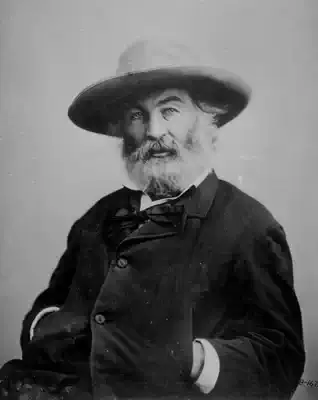
Walt Whitman
These Carols
These Carols
THESE Carols, sung to cheer my passage through the world I see,
For completion, I dedicate to the Invisible World.
THESE Carols, sung to cheer my passage through the world I see,
For completion, I dedicate to the Invisible World.
409
Walt Whitman
Tests
Tests
ALL submit to them, where they sit, inner, secure, unapproachable to
analysis, in the Soul;
Not traditions--not the outer authorities are the judges--they are
the judges of outer authorities, and of all traditions;
They corroborate as they go, only whatever corroborates themselves,
and touches themselves;
For all that, they have it forever in themselves to corroborate far
and near, without one exception.
ALL submit to them, where they sit, inner, secure, unapproachable to
analysis, in the Soul;
Not traditions--not the outer authorities are the judges--they are
the judges of outer authorities, and of all traditions;
They corroborate as they go, only whatever corroborates themselves,
and touches themselves;
For all that, they have it forever in themselves to corroborate far
and near, without one exception.
355
Walt Whitman
Shut Not Your Doors, &c.
Shut Not Your Doors, &c.
SHUT not your doors to me, proud libraries,
For that which was lacking on all your well-fill'd shelves, yet
needed most, I bring;
Forth from the army, the war emerging--a book I have made,
The words of my book nothing--the drift of it everything;
A book separate, not link'd with the rest, nor felt by the intellect,
But you, ye untold latencies, will thrill to every page;
Through Space and Time fused in a chant, and the flowing, eternal
Identity,
To Nature, encompassing these, encompassing God--to the joyous,
electric All,
To the sense of Death--and accepting, exulting in Death, in its turn,
the same as life,
The entrance of Man I sing. 10
SHUT not your doors to me, proud libraries,
For that which was lacking on all your well-fill'd shelves, yet
needed most, I bring;
Forth from the army, the war emerging--a book I have made,
The words of my book nothing--the drift of it everything;
A book separate, not link'd with the rest, nor felt by the intellect,
But you, ye untold latencies, will thrill to every page;
Through Space and Time fused in a chant, and the flowing, eternal
Identity,
To Nature, encompassing these, encompassing God--to the joyous,
electric All,
To the sense of Death--and accepting, exulting in Death, in its turn,
the same as life,
The entrance of Man I sing. 10
311
Walt Whitman
Of The Terrible Doubt Of Apperarances
Of The Terrible Doubt Of Apperarances
OF the terrible doubt of appearances,
Of the uncertainty after all--that we may be deluded,
That may-be reliance and hope are but speculations after all,
That may-be identity beyond the grave is a beautiful fable only,
May-be the things I perceive--the animals, plants, men, hills,
shining and flowing waters,
The skies of day and night--colors, densities, forms--May-be these
are, (as doubtless they are,) only apparitions, and the real
something has yet to be known;
(How often they dart out of themselves, as if to confound me and mock
me!
How often I think neither I know, nor any man knows, aught of them;)
May-be seeming to me what they are, (as doubtless they indeed but
seem,) as from my present point of view--And might prove, (as
of course they would,) naught of what they appear, or naught
any how, from entirely changed points of view;
--To me, these, and the like of these, are curiously answer'd by my
lovers, my dear friends; 10
When he whom I love travels with me, or sits a long while holding me
by the hand,
When the subtle air, the impalpable, the sense that words and reason
hold not, surround us and pervade us,
Then I am charged with untold and untellable wisdom--I am silent--I
require nothing further,
I cannot answer the question of appearances, or that of identity
beyond the grave;
But I walk or sit indifferent--I am satisfied,
He ahold of my hand has completely satisfied me.
OF the terrible doubt of appearances,
Of the uncertainty after all--that we may be deluded,
That may-be reliance and hope are but speculations after all,
That may-be identity beyond the grave is a beautiful fable only,
May-be the things I perceive--the animals, plants, men, hills,
shining and flowing waters,
The skies of day and night--colors, densities, forms--May-be these
are, (as doubtless they are,) only apparitions, and the real
something has yet to be known;
(How often they dart out of themselves, as if to confound me and mock
me!
How often I think neither I know, nor any man knows, aught of them;)
May-be seeming to me what they are, (as doubtless they indeed but
seem,) as from my present point of view--And might prove, (as
of course they would,) naught of what they appear, or naught
any how, from entirely changed points of view;
--To me, these, and the like of these, are curiously answer'd by my
lovers, my dear friends; 10
When he whom I love travels with me, or sits a long while holding me
by the hand,
When the subtle air, the impalpable, the sense that words and reason
hold not, surround us and pervade us,
Then I am charged with untold and untellable wisdom--I am silent--I
require nothing further,
I cannot answer the question of appearances, or that of identity
beyond the grave;
But I walk or sit indifferent--I am satisfied,
He ahold of my hand has completely satisfied me.
374
Walt Whitman
God
God
THOUGHT of the Infinite--the All!
Be thou my God.
Lover Divine, and Perfect Comrade!
Waiting, content, invisible yet, but certain,
Be thou my God.
Thou--thou, the Ideal Man!
Fair, able, beautiful, content, and loving,
Complete in Body, and dilate in Spirit,
Be thou my God.
O Death--(for Life has served its turn;) 10
Opener and usher to the heavenly mansion!
Be thou my God.
Aught, aught, of mightiest, best, I see, conceive, or know,
(To break the stagnant tie--thee, thee to free, O Soul,)
Be thou my God.
Or thee, Old Cause, when'er advancing;
All great Ideas, the races' aspirations,
All that exalts, releases thee, my Soul!
All heroisms, deeds of rapt enthusiasts,
Be ye my Gods! 20
Or Time and Space!
Or shape of Earth, divine and wondrous!
Or shape in I myself--or some fair shape, I, viewing, worship,
Or lustrous orb of Sun, or star by night:
Be ye my Gods.
THOUGHT of the Infinite--the All!
Be thou my God.
Lover Divine, and Perfect Comrade!
Waiting, content, invisible yet, but certain,
Be thou my God.
Thou--thou, the Ideal Man!
Fair, able, beautiful, content, and loving,
Complete in Body, and dilate in Spirit,
Be thou my God.
O Death--(for Life has served its turn;) 10
Opener and usher to the heavenly mansion!
Be thou my God.
Aught, aught, of mightiest, best, I see, conceive, or know,
(To break the stagnant tie--thee, thee to free, O Soul,)
Be thou my God.
Or thee, Old Cause, when'er advancing;
All great Ideas, the races' aspirations,
All that exalts, releases thee, my Soul!
All heroisms, deeds of rapt enthusiasts,
Be ye my Gods! 20
Or Time and Space!
Or shape of Earth, divine and wondrous!
Or shape in I myself--or some fair shape, I, viewing, worship,
Or lustrous orb of Sun, or star by night:
Be ye my Gods.
477