

Poems in this theme
Faith, Spirituality and Religion
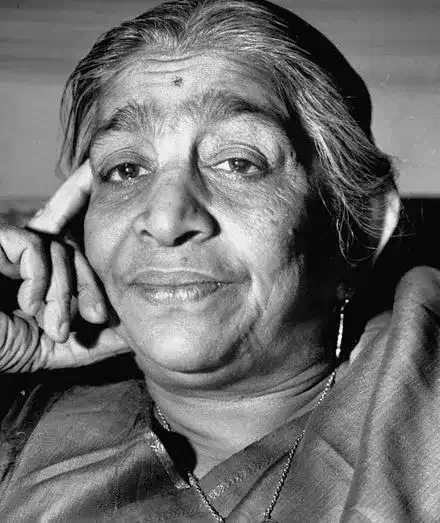
Sarojini Naidu
In Salutation to the Eternal Peace
In Salutation to the Eternal Peace
Men say the world is full of fear and hate,
And all life's ripening harvest-fields await
The restless sickle of relentless fate.
But I, sweet Soul, rejoice that I was born,
When from the climbing terraces of corn
I watch the golden orioles of Thy morn.
What care I for the world's desire and pride,
Who know the silver wings that gleam and glide,
The homing pigeons of Thine eventide?
What care I for the world's loud weariness,
Who dream in twilight granaries Thou dost bless
With delicate sheaves of mellow silences?
Say, shall I heed dull presages of doom,
Or dread the rumoured loneliness and gloom,
The mute and mythic terror of the tomb?
For my glad heart is drunk and drenched with Thee,
O inmost wind of living ecstasy!
O intimate essence of eternity!
Men say the world is full of fear and hate,
And all life's ripening harvest-fields await
The restless sickle of relentless fate.
But I, sweet Soul, rejoice that I was born,
When from the climbing terraces of corn
I watch the golden orioles of Thy morn.
What care I for the world's desire and pride,
Who know the silver wings that gleam and glide,
The homing pigeons of Thine eventide?
What care I for the world's loud weariness,
Who dream in twilight granaries Thou dost bless
With delicate sheaves of mellow silences?
Say, shall I heed dull presages of doom,
Or dread the rumoured loneliness and gloom,
The mute and mythic terror of the tomb?
For my glad heart is drunk and drenched with Thee,
O inmost wind of living ecstasy!
O intimate essence of eternity!
353

Sarah Teasdale
The Sanctuary
The Sanctuary
If I could keep my innermost Me
Fearless, aloof and free
Of the least breath of love or hate,
And not disconsolate
At the sick load of sorrow laid on men;
If I could keep a sanctuary there
Free even of prayer,
If I could do this, then,
With quiet candor as I grew more wise
I could look even at God with grave forgiving eyes.
If I could keep my innermost Me
Fearless, aloof and free
Of the least breath of love or hate,
And not disconsolate
At the sick load of sorrow laid on men;
If I could keep a sanctuary there
Free even of prayer,
If I could do this, then,
With quiet candor as I grew more wise
I could look even at God with grave forgiving eyes.
354
Sarah Teasdale
The Lamp
The Lamp
If I can bear your love like a lamp before me,
When I go down the long steep Road of Darkness,
I shall not fear the everlasting shadows,
Nor cry in terror.
If I can find out God, then I shall find Him,
If none can find Him, then I shall sleep soundly,
Knowing how well on earth your love sufficed me,
A lamp in darkness.
If I can bear your love like a lamp before me,
When I go down the long steep Road of Darkness,
I shall not fear the everlasting shadows,
Nor cry in terror.
If I can find out God, then I shall find Him,
If none can find Him, then I shall sleep soundly,
Knowing how well on earth your love sufficed me,
A lamp in darkness.
386
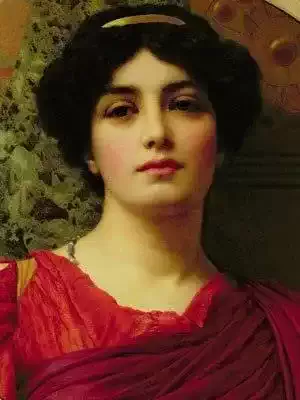
Safo
The Muses
The Muses
It is the Muses
who have caused me
to be honred: they
taught me their craft
Sappho
tr. Barnard
It is the Muses
who have caused me
to be honred: they
taught me their craft
Sappho
tr. Barnard
382
Safo
Prayer to Our Lady of Paphos
Prayer to Our Lady of Paphos
Dapple-throned Aphrodite,
eternal daughter of God,
snare-knitter! Don't, I beg you,
cow my heart with grief! Come,
as once when you heard my faroff
cry and, listening, stepped
from your father's house to your
gold car, to yoke the pair whose
beautiful thick-feathered wings
oaring down mid-air from heaven
carried you to light swiftly
on dark earth; then, blissful one,
smiling your immortal smile
you asked, What ailed me now that
me call you again? What
was it that my distracted
heart most wanted? ``Whom has
Persuasion to bring round now
``to your love? Who, Sappho, is
unfair to you? For, let her
run, she will soon run after;
``if she won't accept gifts, she
will one day give them; and if
she won't love you --- she soon will
``love, although unwillingly...''
If ever --- come now! Relieve
this intolerable pain!
What my heart most hopes will
happen, make happen; you yourself
join forces on my side!
Sappho
tr. Barnard
Dapple-throned Aphrodite,
eternal daughter of God,
snare-knitter! Don't, I beg you,
cow my heart with grief! Come,
as once when you heard my faroff
cry and, listening, stepped
from your father's house to your
gold car, to yoke the pair whose
beautiful thick-feathered wings
oaring down mid-air from heaven
carried you to light swiftly
on dark earth; then, blissful one,
smiling your immortal smile
you asked, What ailed me now that
me call you again? What
was it that my distracted
heart most wanted? ``Whom has
Persuasion to bring round now
``to your love? Who, Sappho, is
unfair to you? For, let her
run, she will soon run after;
``if she won't accept gifts, she
will one day give them; and if
she won't love you --- she soon will
``love, although unwillingly...''
If ever --- come now! Relieve
this intolerable pain!
What my heart most hopes will
happen, make happen; you yourself
join forces on my side!
Sappho
tr. Barnard
665
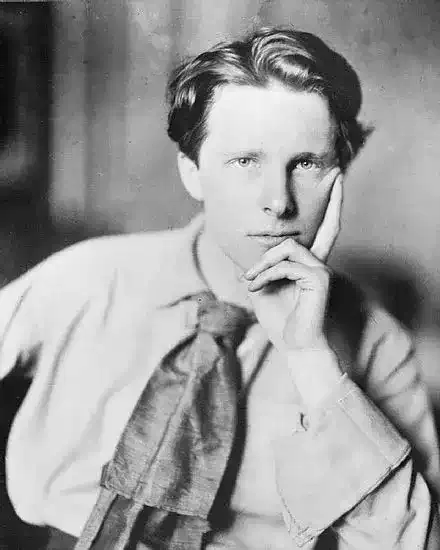
Rupert Brooke
Vision Of The Archangels, The
Vision Of The Archangels, The
Slowly up silent peaks, the white edge of the world,
Trod four archangels, clear against the unheeding sky,
Bearing, with quiet even steps, and great wings furled,
A little dingy coffin; where a child must lie,
It was so tiny. (Yet, you had fancied, God could never
Have bidden a child turn from the spring and the sunlight,
And shut him in that lonely shell, to drop for ever
Into the emptiness and silence, into the night. . . .)
They then from the sheer summit cast, and watched it fall,
Through unknown glooms, that frail black coffin -- and therein
God's little pitiful Body lying, worn and thin,
And curled up like some crumpled, lonely flower-petal --
Till it was no more visible; then turned again
With sorrowful quiet faces downward to the plain.
Slowly up silent peaks, the white edge of the world,
Trod four archangels, clear against the unheeding sky,
Bearing, with quiet even steps, and great wings furled,
A little dingy coffin; where a child must lie,
It was so tiny. (Yet, you had fancied, God could never
Have bidden a child turn from the spring and the sunlight,
And shut him in that lonely shell, to drop for ever
Into the emptiness and silence, into the night. . . .)
They then from the sheer summit cast, and watched it fall,
Through unknown glooms, that frail black coffin -- and therein
God's little pitiful Body lying, worn and thin,
And curled up like some crumpled, lonely flower-petal --
Till it was no more visible; then turned again
With sorrowful quiet faces downward to the plain.
223
Rupert Brooke
The Vision of the Archangels
The Vision of the Archangels
Slowly up silent peaks, the white edge of the world,
Trod four archangels, clear against the unheeding sky,
Bearing, with quiet even steps, and great wings furled,
A little dingy coffin; where a child must lie,
It was so tiny. (Yet, you had fancied, God could never
Have bidden a child turn from the spring and the sunlight,
And shut him in that lonely shell, to drop for ever
Into the emptiness and silence, into the night.…)
They then from the sheer summit cast, and watched it fall,
Through unknown glooms, that frail black coffin—and therein
God’s little pitiful Body lying, worn and thin,
And curled up like some crumpled, lonely flower petal—
Till it was no more visible; then turned again
With sorrowful quiet faces downward to the plain.
Slowly up silent peaks, the white edge of the world,
Trod four archangels, clear against the unheeding sky,
Bearing, with quiet even steps, and great wings furled,
A little dingy coffin; where a child must lie,
It was so tiny. (Yet, you had fancied, God could never
Have bidden a child turn from the spring and the sunlight,
And shut him in that lonely shell, to drop for ever
Into the emptiness and silence, into the night.…)
They then from the sheer summit cast, and watched it fall,
Through unknown glooms, that frail black coffin—and therein
God’s little pitiful Body lying, worn and thin,
And curled up like some crumpled, lonely flower petal—
Till it was no more visible; then turned again
With sorrowful quiet faces downward to the plain.
174
Rupert Brooke
The Song of the Pilgrims
The Song of the Pilgrims
(Halted around the fire by night, after moon-set, they sing this beneath the
trees.)
What light of unremembered skies
Hast thou relumed within our eyes,
Thou whom we seek, whom we shall find?…
A certain odour on the wind,
Thy hidden face beyond the west,
These things have called us; on a quest
Older than any road we trod,
More endless than desire.…
Far God,
Sigh with thy cruel voice, that fills
The soul with longing for dim hills
And faint horizons! For there come
Grey moments of the antient dumb
Sickness of travel, when no song
Can cheer us; but the way seems long;
And one remembers.…
Ah! the beat
Of weary unreturning feet,
And songs of pilgrims unreturning!…
The fires we left are always burning
On the old shrines of home. Our kin
Have built them temples, and therein
Pray to the Gods we know; and dwell
In little houses lovable,
Being happy (we remember how!)
And peaceful even to death...
O Thou,
God of all long desirous roaming,
Our hearts are sick of fruitless homing,
And crying after lost desire.
Hearten us onward! as with fire
Consuming dreams of other bliss.
The best Thou givest, giving this
Sufficient thing—to travel still
Over the plain, beyond the hill,
Unhesitating through the shade,
Amid the silence unafraid,
Till, at some sudden turn, one sees
Against the black and muttering trees
Thine altar, wonderfully white,
Among the Forests of the Night.
(Halted around the fire by night, after moon-set, they sing this beneath the
trees.)
What light of unremembered skies
Hast thou relumed within our eyes,
Thou whom we seek, whom we shall find?…
A certain odour on the wind,
Thy hidden face beyond the west,
These things have called us; on a quest
Older than any road we trod,
More endless than desire.…
Far God,
Sigh with thy cruel voice, that fills
The soul with longing for dim hills
And faint horizons! For there come
Grey moments of the antient dumb
Sickness of travel, when no song
Can cheer us; but the way seems long;
And one remembers.…
Ah! the beat
Of weary unreturning feet,
And songs of pilgrims unreturning!…
The fires we left are always burning
On the old shrines of home. Our kin
Have built them temples, and therein
Pray to the Gods we know; and dwell
In little houses lovable,
Being happy (we remember how!)
And peaceful even to death...
O Thou,
God of all long desirous roaming,
Our hearts are sick of fruitless homing,
And crying after lost desire.
Hearten us onward! as with fire
Consuming dreams of other bliss.
The best Thou givest, giving this
Sufficient thing—to travel still
Over the plain, beyond the hill,
Unhesitating through the shade,
Amid the silence unafraid,
Till, at some sudden turn, one sees
Against the black and muttering trees
Thine altar, wonderfully white,
Among the Forests of the Night.
201
Rupert Brooke
The Night Journey
The Night Journey
Hands and lit faces eddy to a line;
The dazed last minutes click; the clamour dies.
Beyond the great-swung arc o’ the roof, divine,
Night, smoky-scarv’d, with thousand coloured eyes
Glares the imperious mystery of the way.
Thirsty for dark, you feel the long-limbed train
Throb, stretch, thrill motion, slide, pull out and sway,
Strain for the far, pause, draw to strength again.…
As a man, caught by some great hour, will rise,
Slow-limbed, to meet the light or find his love;
And, breathing long, with staring sightless eyes,
Hands out, head back, agape and silent, move
Sure as a flood, smooth as a vast wind blowing;
And, gathering power and purpose as he goes,
Unstumbling, unreluctant, strong, unknowing,
Borne by a will not his, that lifts, that grows,
Sweep out to darkness, triumphing in his goal,
Out of the fire, out of the little room.…
—There is an end appointed, O my soul!
Crimson and green the signals burn; the gloom
Is hung with steam’s far-blowing livid streamers.
Lost into God, as lights in light, we fly,
Grown one with will, end-drunken huddled dreamers.
The white lights roar. The sounds of the world die.
And lips and laughter are forgotten things.
Speed sharpens; grows. Into the night, and on,
The strength and splendour of our purpose swings.
The lamps fade; and the stars. We are alone.
Hands and lit faces eddy to a line;
The dazed last minutes click; the clamour dies.
Beyond the great-swung arc o’ the roof, divine,
Night, smoky-scarv’d, with thousand coloured eyes
Glares the imperious mystery of the way.
Thirsty for dark, you feel the long-limbed train
Throb, stretch, thrill motion, slide, pull out and sway,
Strain for the far, pause, draw to strength again.…
As a man, caught by some great hour, will rise,
Slow-limbed, to meet the light or find his love;
And, breathing long, with staring sightless eyes,
Hands out, head back, agape and silent, move
Sure as a flood, smooth as a vast wind blowing;
And, gathering power and purpose as he goes,
Unstumbling, unreluctant, strong, unknowing,
Borne by a will not his, that lifts, that grows,
Sweep out to darkness, triumphing in his goal,
Out of the fire, out of the little room.…
—There is an end appointed, O my soul!
Crimson and green the signals burn; the gloom
Is hung with steam’s far-blowing livid streamers.
Lost into God, as lights in light, we fly,
Grown one with will, end-drunken huddled dreamers.
The white lights roar. The sounds of the world die.
And lips and laughter are forgotten things.
Speed sharpens; grows. Into the night, and on,
The strength and splendour of our purpose swings.
The lamps fade; and the stars. We are alone.
207
Rupert Brooke
Song of the Pilgrims, The
Song of the Pilgrims, The
(Halted around the fire by night, after moon-set, they sing this beneath the trees.)
What light of unremembered skies
Hast thou relumed within our eyes,
Thou whom we seek, whom we shall find? . . .
A certain odour on the wind,
Thy hidden face beyond the west,
These things have called us; on a quest
Older than any road we trod,
More endless than desire. . . .
Far God,
Sigh with thy cruel voice, that fills
The soul with longing for dim hills
And faint horizons! For there come
Grey moments of the antient dumb
Sickness of travel, when no song
Can cheer us; but the way seems long;
And one remembers. . . .
Ah! the beat
Of weary unreturning feet,
And songs of pilgrims unreturning! . . .
The fires we left are always burning
On the old shrines of home. Our kin
Have built them temples, and therein
Pray to the Gods we know; and dwell
In little houses lovable,
Being happy (we remember how!)
And peaceful even to death. . . .
O Thou,
God of all long desirous roaming,
Our hearts are sick of fruitless homing,
And crying after lost desire.
Hearten us onward! as with fire
Consuming dreams of other bliss.
The best Thou givest, giving this
Sufficient thing -- to travel still
Over the plain, beyond the hill,
Unhesitating through the shade,
Amid the silence unafraid,
Till, at some sudden turn, one sees
Against the black and muttering trees
Thine altar, wonderfully white,
Among the Forests of the Night.
(Halted around the fire by night, after moon-set, they sing this beneath the trees.)
What light of unremembered skies
Hast thou relumed within our eyes,
Thou whom we seek, whom we shall find? . . .
A certain odour on the wind,
Thy hidden face beyond the west,
These things have called us; on a quest
Older than any road we trod,
More endless than desire. . . .
Far God,
Sigh with thy cruel voice, that fills
The soul with longing for dim hills
And faint horizons! For there come
Grey moments of the antient dumb
Sickness of travel, when no song
Can cheer us; but the way seems long;
And one remembers. . . .
Ah! the beat
Of weary unreturning feet,
And songs of pilgrims unreturning! . . .
The fires we left are always burning
On the old shrines of home. Our kin
Have built them temples, and therein
Pray to the Gods we know; and dwell
In little houses lovable,
Being happy (we remember how!)
And peaceful even to death. . . .
O Thou,
God of all long desirous roaming,
Our hearts are sick of fruitless homing,
And crying after lost desire.
Hearten us onward! as with fire
Consuming dreams of other bliss.
The best Thou givest, giving this
Sufficient thing -- to travel still
Over the plain, beyond the hill,
Unhesitating through the shade,
Amid the silence unafraid,
Till, at some sudden turn, one sees
Against the black and muttering trees
Thine altar, wonderfully white,
Among the Forests of the Night.
209
Rupert Brooke
Sleeping Out: Full Moon
Sleeping Out: Full Moon
They sleep within. . . .
I cower to the earth, I waking, I only.
High and cold thou dreamest, O queen, high-dreaming and lonely.
We have slept too long, who can hardly win
The white one flame, and the night-long crying;
The viewless passers; the world's low sighing
With desire, with yearning,
To the fire unburning,
To the heatless fire, to the flameless ecstasy! . . .
Helpless I lie.
And around me the feet of thy watchers tread.
There is a rumour and a radiance of wings above my head,
An intolerable radiance of wings. . . .
All the earth grows fire,
White lips of desire
Brushing cool on the forehead, croon slumbrous things.
Earth fades; and the air is thrilled with ways,
Dewy paths full of comfort. And radiant bands,
The gracious presence of friendly hands,
Help the blind one, the glad one, who stumbles and strays,
Stretching wavering hands, up, up, through the praise
Of a myriad silver trumpets, through cries,
To all glory, to all gladness, to the infinite height,
To the gracious, the unmoving, the mother eyes,
And the laughter, and the lips, of light.
They sleep within. . . .
I cower to the earth, I waking, I only.
High and cold thou dreamest, O queen, high-dreaming and lonely.
We have slept too long, who can hardly win
The white one flame, and the night-long crying;
The viewless passers; the world's low sighing
With desire, with yearning,
To the fire unburning,
To the heatless fire, to the flameless ecstasy! . . .
Helpless I lie.
And around me the feet of thy watchers tread.
There is a rumour and a radiance of wings above my head,
An intolerable radiance of wings. . . .
All the earth grows fire,
White lips of desire
Brushing cool on the forehead, croon slumbrous things.
Earth fades; and the air is thrilled with ways,
Dewy paths full of comfort. And radiant bands,
The gracious presence of friendly hands,
Help the blind one, the glad one, who stumbles and strays,
Stretching wavering hands, up, up, through the praise
Of a myriad silver trumpets, through cries,
To all glory, to all gladness, to the infinite height,
To the gracious, the unmoving, the mother eyes,
And the laughter, and the lips, of light.
168
Rupert Brooke
On The Death Of Smet-Smet, The Hippopotamus- Goddess
On The Death Of Smet-Smet, The Hippopotamus- Goddess
Song of a tribe of the ancient Egyptians
(The Priests within the Temple)
She was wrinkled and huge and hideous? She was our Mother.
She was lustful and lewd? -- but a God; we had none other.
In the day She was hidden and dumb, but at nightfall moaned in the shade;
We shuddered and gave Her Her will in the darkness; we were afraid.
(The People without)
She sent us pain,
And we bowed before Her;
She smiled again
And bade us adore Her.
She solaced our woe
And soothed our sighing;
And what shall we do
Now God is dying?
(The Priests within)
She was hungry and ate our children; -- how should we stay Her?
She took our young men and our maidens; -- ours to obey Her.
We were loathed and mocked and reviled of all nations; that was our pride.
She fed us, protected us, loved us, and killed us; now She has died.
(The People without)
She was so strong;
But death is stronger.
She ruled us long;
But Time is longer.
She solaced our woe
And soothed our sighing;
And what shall we do
Now God is dying?
Song of a tribe of the ancient Egyptians
(The Priests within the Temple)
She was wrinkled and huge and hideous? She was our Mother.
She was lustful and lewd? -- but a God; we had none other.
In the day She was hidden and dumb, but at nightfall moaned in the shade;
We shuddered and gave Her Her will in the darkness; we were afraid.
(The People without)
She sent us pain,
And we bowed before Her;
She smiled again
And bade us adore Her.
She solaced our woe
And soothed our sighing;
And what shall we do
Now God is dying?
(The Priests within)
She was hungry and ate our children; -- how should we stay Her?
She took our young men and our maidens; -- ours to obey Her.
We were loathed and mocked and reviled of all nations; that was our pride.
She fed us, protected us, loved us, and killed us; now She has died.
(The People without)
She was so strong;
But death is stronger.
She ruled us long;
But Time is longer.
She solaced our woe
And soothed our sighing;
And what shall we do
Now God is dying?
186
Rupert Brooke
Night Journey, The
Night Journey, The
Hands and lit faces eddy to a line;
The dazed last minutes click; the clamour dies.
Beyond the great-swung arc o' the roof, divine,
Night, smoky-scarv'd, with thousand coloured eyes
Glares the imperious mystery of the way.
Thirsty for dark, you feel the long-limbed train
Throb, stretch, thrill motion, slide, pull out and sway,
Strain for the far, pause, draw to strength again. . . .
As a man, caught by some great hour, will rise,
Slow-limbed, to meet the light or find his love;
And, breathing long, with staring sightless eyes,
Hands out, head back, agape and silent, move
Sure as a flood, smooth as a vast wind blowing;
And, gathering power and purpose as he goes,
Unstumbling, unreluctant, strong, unknowing,
Borne by a will not his, that lifts, that grows,
Sweep out to darkness, triumphing in his goal,
Out of the fire, out of the little room. . . .
-- There is an end appointed, O my soul!
Crimson and green the signals burn; the gloom
Is hung with steam's far-blowing livid streamers.
Lost into God, as lights in light, we fly,
Grown one with will, end-drunken huddled dreamers.
The white lights roar. The sounds of the world die.
And lips and laughter are forgotten things.
Speed sharpens; grows. Into the night, and on,
The strength and splendour of our purpose swings.
The lamps fade; and the stars. We are alone.
Hands and lit faces eddy to a line;
The dazed last minutes click; the clamour dies.
Beyond the great-swung arc o' the roof, divine,
Night, smoky-scarv'd, with thousand coloured eyes
Glares the imperious mystery of the way.
Thirsty for dark, you feel the long-limbed train
Throb, stretch, thrill motion, slide, pull out and sway,
Strain for the far, pause, draw to strength again. . . .
As a man, caught by some great hour, will rise,
Slow-limbed, to meet the light or find his love;
And, breathing long, with staring sightless eyes,
Hands out, head back, agape and silent, move
Sure as a flood, smooth as a vast wind blowing;
And, gathering power and purpose as he goes,
Unstumbling, unreluctant, strong, unknowing,
Borne by a will not his, that lifts, that grows,
Sweep out to darkness, triumphing in his goal,
Out of the fire, out of the little room. . . .
-- There is an end appointed, O my soul!
Crimson and green the signals burn; the gloom
Is hung with steam's far-blowing livid streamers.
Lost into God, as lights in light, we fly,
Grown one with will, end-drunken huddled dreamers.
The white lights roar. The sounds of the world die.
And lips and laughter are forgotten things.
Speed sharpens; grows. Into the night, and on,
The strength and splendour of our purpose swings.
The lamps fade; and the stars. We are alone.
172
Rupert Brooke
Mary and Gabriel
Mary and Gabriel
Young Mary, loitering once her garden way,
Felt a warm splendour grow in the April day,
As wine that blushes water through. And soon,
Out of the gold air of the afternoon,
One knelt before her: hair he had, or fire,
Bound back above his ears with golden wire,
Baring the eager marble of his face.
Not man's nor woman's was the immortal grace
Rounding the limbs beneath that robe of white,
And lighting the proud eyes with changeless light,
Incurious. Calm as his wings, and fair,
That presence filled the garden.
She stood there,
Saying, "What would you, Sir?"
He told his word,
"Blessed art thou of women!" Half she heard,
Hands folded and face bowed, half long had known,
The message of that clear and holy tone,
That fluttered hot sweet sobs about her heart;
Such serene tidings moved such human smart.
Her breath came quick as little flakes of snow.
Her hands crept up her breast. She did but know
It was not hers. She felt a trembling stir
Within her body, a will too strong for her
That held and filled and mastered all. With eyes
Closed, and a thousand soft short broken sighs,
She gave submission; fearful, meek, and glad. . . .
She wished to speak. Under her breasts she had
Such multitudinous burnings, to and fro,
And throbs not understood; she did not know
If they were hurt or joy for her; but only
That she was grown strange to herself, half lonely,
All wonderful, filled full of pains to come
And thoughts she dare not think, swift thoughts and dumb,
Human, and quaint, her own, yet very far,
Divine, dear, terrible, familiar . . .
Her heart was faint for telling; to relate
Her limbs' sweet treachery, her strange high estate,
Over and over, whispering, half revealing,
Weeping; and so find kindness to her healing.
'Twixt tears and laughter, panic hurrying her,
She raised her eyes to that fair messenger.
He knelt unmoved, immortal; with his eyes
Gazing beyond her, calm to the calm skies;
Radiant, untroubled in his wisdom, kind.
His sheaf of lilies stirred not in the wind.
How should she, pitiful with mortality,
Try the wide peace of that felicity
With ripples of her perplexed shaken heart,
And hints of human ecstasy, human smart,
And whispers of the lonely weight she bore,
And how her womb within was hers no more
And at length hers?
Being tired, she bowed her head;
And said, "So be it!"
The great wings were spread
Showering glory on the fields, and fire.
The whole air, singing, bore him up, and higher,
Unswerving, unreluctant. Soon he shone
A gold speck in the gold skies; then was gone.
The air was colder, and grey. She stood alone.
Young Mary, loitering once her garden way,
Felt a warm splendour grow in the April day,
As wine that blushes water through. And soon,
Out of the gold air of the afternoon,
One knelt before her: hair he had, or fire,
Bound back above his ears with golden wire,
Baring the eager marble of his face.
Not man's nor woman's was the immortal grace
Rounding the limbs beneath that robe of white,
And lighting the proud eyes with changeless light,
Incurious. Calm as his wings, and fair,
That presence filled the garden.
She stood there,
Saying, "What would you, Sir?"
He told his word,
"Blessed art thou of women!" Half she heard,
Hands folded and face bowed, half long had known,
The message of that clear and holy tone,
That fluttered hot sweet sobs about her heart;
Such serene tidings moved such human smart.
Her breath came quick as little flakes of snow.
Her hands crept up her breast. She did but know
It was not hers. She felt a trembling stir
Within her body, a will too strong for her
That held and filled and mastered all. With eyes
Closed, and a thousand soft short broken sighs,
She gave submission; fearful, meek, and glad. . . .
She wished to speak. Under her breasts she had
Such multitudinous burnings, to and fro,
And throbs not understood; she did not know
If they were hurt or joy for her; but only
That she was grown strange to herself, half lonely,
All wonderful, filled full of pains to come
And thoughts she dare not think, swift thoughts and dumb,
Human, and quaint, her own, yet very far,
Divine, dear, terrible, familiar . . .
Her heart was faint for telling; to relate
Her limbs' sweet treachery, her strange high estate,
Over and over, whispering, half revealing,
Weeping; and so find kindness to her healing.
'Twixt tears and laughter, panic hurrying her,
She raised her eyes to that fair messenger.
He knelt unmoved, immortal; with his eyes
Gazing beyond her, calm to the calm skies;
Radiant, untroubled in his wisdom, kind.
His sheaf of lilies stirred not in the wind.
How should she, pitiful with mortality,
Try the wide peace of that felicity
With ripples of her perplexed shaken heart,
And hints of human ecstasy, human smart,
And whispers of the lonely weight she bore,
And how her womb within was hers no more
And at length hers?
Being tired, she bowed her head;
And said, "So be it!"
The great wings were spread
Showering glory on the fields, and fire.
The whole air, singing, bore him up, and higher,
Unswerving, unreluctant. Soon he shone
A gold speck in the gold skies; then was gone.
The air was colder, and grey. She stood alone.
232
Rupert Brooke
Choriambics -- II
Choriambics -- II
Here the flame that was ash, shrine that was void,
lost in the haunted wood,
I have tended and loved, year upon year, I in the solitude
Waiting, quiet and glad-eyed in the dark, knowing that once a gleam
Glowed and went through the wood. Still I abode strong in a golden dream,
Unrecaptured.
For I, I that had faith, knew that a face would glance
One day, white in the dim woods, and a voice call, and a radiance
Fill the grove, and the fire suddenly leap . . . and, in the heart of it,
End of labouring, you! Therefore I kept ready the altar, lit
The flame, burning apart.
Face of my dreams vainly in vision white
Gleaming down to me, lo! hopeless I rise now. For about midnight
Whispers grew through the wood suddenly, strange cries in the boughs above
Grated, cries like a laugh. Silent and black then through the sacred grove
Great birds flew, as a dream, troubling the leaves, passing at length.
I knew
Long expected and long loved, that afar, God of the dim wood, you
Somewhere lay, as a child sleeping, a child suddenly reft from mirth,
White and wonderful yet, white in your youth, stretched upon foreign earth,
God, immortal and dead!
Therefore I go; never to rest, or win
Peace, and worship of you more, and the dumb wood and the shrine therein.
Here the flame that was ash, shrine that was void,
lost in the haunted wood,
I have tended and loved, year upon year, I in the solitude
Waiting, quiet and glad-eyed in the dark, knowing that once a gleam
Glowed and went through the wood. Still I abode strong in a golden dream,
Unrecaptured.
For I, I that had faith, knew that a face would glance
One day, white in the dim woods, and a voice call, and a radiance
Fill the grove, and the fire suddenly leap . . . and, in the heart of it,
End of labouring, you! Therefore I kept ready the altar, lit
The flame, burning apart.
Face of my dreams vainly in vision white
Gleaming down to me, lo! hopeless I rise now. For about midnight
Whispers grew through the wood suddenly, strange cries in the boughs above
Grated, cries like a laugh. Silent and black then through the sacred grove
Great birds flew, as a dream, troubling the leaves, passing at length.
I knew
Long expected and long loved, that afar, God of the dim wood, you
Somewhere lay, as a child sleeping, a child suddenly reft from mirth,
White and wonderful yet, white in your youth, stretched upon foreign earth,
God, immortal and dead!
Therefore I go; never to rest, or win
Peace, and worship of you more, and the dumb wood and the shrine therein.
146
Rupert Brooke
Choriambics II
Choriambics II
Here the flame that was ash, shrine that was void,
lost in the haunted wood,
I have tended and loved, year upon year, I in the solitude
Waiting, quiet and glad-eyed in the dark, knowing that once a gleam
Glowed and went through the wood. Still I abode strong in a golden dream,
Unrecaptured.
For I, I that had faith, knew that a face would glance
One day, white in the dim woods, and a voice call, and a radiance
Fill the grove, and the fire suddenly leap . . . and, in the heart of it,
End of labouring, you! Therefore I kept ready the altar, lit
The flame, burning apart.
Face of my dreams vainly in vision white
Gleaming down to me, lo! hopeless I rise now. For about midnight
Whispers grew through the wood suddenly, strange cries in the boughs above
Grated, cries like a laugh. Silent and black then through the sacred grove
Great birds flew, as a dream, troubling the leaves, passing at length.
I knew
Long expected and long loved, that afar, God of the dim wood, you
Somewhere lay, as a child sleeping, a child suddenly reft from mirth,
White and wonderful yet, white in your youth, stretched upon foreign earth,
God, immortal and dead!
Therefore I go; never to rest, or win
Peace, and worship of you more, and the dumb wood and the shrine therein.
Here the flame that was ash, shrine that was void,
lost in the haunted wood,
I have tended and loved, year upon year, I in the solitude
Waiting, quiet and glad-eyed in the dark, knowing that once a gleam
Glowed and went through the wood. Still I abode strong in a golden dream,
Unrecaptured.
For I, I that had faith, knew that a face would glance
One day, white in the dim woods, and a voice call, and a radiance
Fill the grove, and the fire suddenly leap . . . and, in the heart of it,
End of labouring, you! Therefore I kept ready the altar, lit
The flame, burning apart.
Face of my dreams vainly in vision white
Gleaming down to me, lo! hopeless I rise now. For about midnight
Whispers grew through the wood suddenly, strange cries in the boughs above
Grated, cries like a laugh. Silent and black then through the sacred grove
Great birds flew, as a dream, troubling the leaves, passing at length.
I knew
Long expected and long loved, that afar, God of the dim wood, you
Somewhere lay, as a child sleeping, a child suddenly reft from mirth,
White and wonderful yet, white in your youth, stretched upon foreign earth,
God, immortal and dead!
Therefore I go; never to rest, or win
Peace, and worship of you more, and the dumb wood and the shrine therein.
195
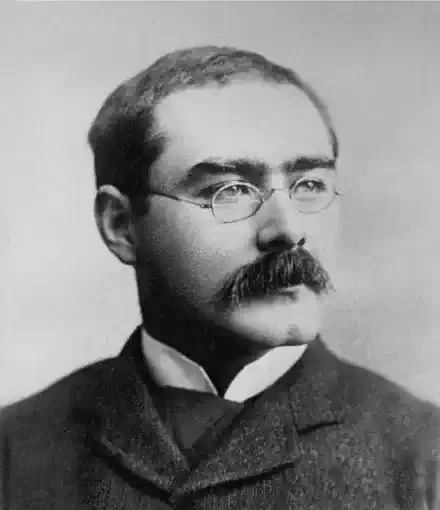
Rudyard Kipling
When Earth's Last Picture Is Painted
When Earth's Last Picture Is Painted
When Earth's last picture is painted
And the tubes are twisted and dried
When the oldest colors have faded
And the youngest critic has died
We shall rest, and faith, we shall need it
Lie down for an aeon or two
'Till the Master of all good workmen
Shall put us to work anew
And those that were good shall be happy
They'll sit in a golden chair
They'll splash at a ten league canvas
With brushes of comet's hair
They'll find real saints to draw from
Magdalene, Peter, and Paul
They'll work for an age at a sitting
And never be tired at all.
And only the Master shall praise us.
And only the Master shall blame.
And no one will work for the money.
No one will work for the fame.
But each for the joy of the working,
And each, in his separate star,
Will draw the thing as he sees it.
For the God of things as they are!
When Earth's last picture is painted
And the tubes are twisted and dried
When the oldest colors have faded
And the youngest critic has died
We shall rest, and faith, we shall need it
Lie down for an aeon or two
'Till the Master of all good workmen
Shall put us to work anew
And those that were good shall be happy
They'll sit in a golden chair
They'll splash at a ten league canvas
With brushes of comet's hair
They'll find real saints to draw from
Magdalene, Peter, and Paul
They'll work for an age at a sitting
And never be tired at all.
And only the Master shall praise us.
And only the Master shall blame.
And no one will work for the money.
No one will work for the fame.
But each for the joy of the working,
And each, in his separate star,
Will draw the thing as he sees it.
For the God of things as they are!
394
Rudyard Kipling
Tomlinson
Tomlinson
Now Tomlinson gave up the ghost in his house in Berkeley Square,
And a Spirit came to his bedside and gripped him by the hair --
A Spirit gripped him by the hair and carried him far away,
Till he heard as the roar of a rain-fed ford the roar of the Milky Way:
Till he heard the roar of the Milky Way die down and drone and cease,
And they came to the Gate within the Wall where Peter holds the keys.
"Stand up, stand up now, Tomlinson, and answer loud and high
The good that ye did for the sake of men or ever ye came to die --
The good that ye did for the sake of men in little earth so lone!"
And the naked soul of Tomlinson grew white as a rain-washed bone.
"O I have a friend on earth," he said, "that was my priest and guide,
And well would he answer all for me if he were by my side."
-- "For that ye strove in neighbour-love it shall be written fair,
But now ye wait at Heaven's Gate and not in Berkeley Square:
Though we called your friend from his bed this night,
he could not speak for you,
For the race is run by one and one and never by two and two."
Then Tomlinson looked up and down, and little gain was there,
For the naked stars grinned overhead, and he saw that his soul was bare:
The Wind that blows between the worlds, it cut him like a knife,
And Tomlinson took up his tale and spoke of his good in life.
"This I have read in a book," he said, "and that was told to me,
And this I have thought that another man thought of a Prince in Muscovy."
The good souls flocked like homing doves and bade him clear the path,
And Peter twirled the jangling keys in weariness and wrath.
"Ye have read, ye have heard, ye have thought," he said,
"and the tale is yet to run:
By the worth of the body that once ye had, give answer -- what ha' ye done?"
Then Tomlinson looked back and forth, and little good it bore,
For the Darkness stayed at his shoulder-blade and Heaven's Gate before: --
"O this I have felt, and this I have guessed, and this I have heard men say,
And this they wrote that another man wrote of a carl in Norroway."
-- "Ye have read, ye have felt, ye have guessed, good lack!
Ye have hampered Heaven's Gate;
There's little room between the stars in idleness to prate!
O none may reach by hired speech of neighbour, priest, and kin
Through borrowed deed to God's good meed that lies so fair within;
Get hence, get hence to the Lord of Wrong, for doom has yet to run,
And. . .the faith that ye share with Berkeley Square uphold you, Tomlinson!"
. . . . .
The Spirit gripped him by the hair, and sun by sun they fell
Till they came to the belt of Naughty Stars that rim the mouth of Hell:
The first are red with pride and wrath, the next are white with pain,
But the third are black with clinkered sin that cannot burn again:
They may hold their path, they may leave their path,
with never a soul to mark,
They may burn or freeze, but they must not cease
in the Scorn of the Outer Dark.
The Wind that blows between the worlds, it nipped him to the bone,
And he yearned to the flare of Hell-Gate
there as the light of his own hearth-stone.
The Devil he sat behind the bars, where the desperate legions drew,
But he caught the hasting Tomlinson and would not let him through.
"Wot ye the price of good pit-coal that I must pay?" said he,
"That ye rank yoursel' so fit for Hell and ask no leave of me?
I am all o'er-sib to Adam's breed that ye should give me scorn,
For I strove with God for your First Father the day that he was born.
Sit down, sit down upon the slag, and answer loud and high
The harm that ye did to the Sons of Men or ever you came to die."
And Tomlinson looked up and up, and saw against the night
The belly of a tortured star blood-red in Hell-Mouth light;
And Tomlinson looked down and down, and saw beneath his feet
The frontlet of a tortured star milk-white in Hell-Mouth heat.
"O I had a love on earth," said he, "that kissed me to my fall,
And if ye would call my love to me I know she would answer all."
-- "All that ye did in love forbid it shall be written fair,
But now ye wait at Hell-Mouth Gate and not in Berkeley Square:
Though we whistled your love from her bed to-night, I trow she would not run,
For the sin ye do by two and two ye must pay for one by one!"
The Wind that blows between the worlds, it cut him like a knife,
And Tomlinson took up the tale and spoke of his sin in life: --
"Once I ha' laughed at the power of Love and twice at the grip of the Grave,
And thrice I ha' patted my God on the head that men might call me brave."
The Devil he blew on a brandered soul and set it aside to cool: --
"Do ye think I would waste my good pit-coal on the hide of a brain-sick fool?
I see no worth in the hobnailed mirth or the jolthead jest ye did
That I should waken my gentlemen that are sleeping three on a grid."
Then Tomlinson looked back and forth, and there was little grace,
For Hell-Gate filled the houseless Soul with the Fear of Naked Space.
"Nay, this I ha' heard," quo' Tomlinson, "and this was noised abroad,
And this I ha' got from a Belgian book on the word of a dead French lord."
-- "Ye ha' heard, ye ha' read, ye ha' got, good lack!
and the tale begins afresh --
Have ye sinned one sin for the pride o' the eye
or the sinful lust of the flesh?"
Then Tomlinson he gripped the bars and yammered, "Let me in --
For I mind that I borrowed my neighbour's wife to sin the deadly sin."
The Devil he grinned behind the bars, and banked the fires high:
"Did ye read of that sin in a book?" said he; and Tomlinson said, "Ay!"
The Devil he blew upon his nails, and the little devils ran,
And he said: "Go husk this whimpering thief that comes in the guise of a man:
Winnow him out 'twixt star and star, and sieve his proper worth:
There's sore decline in Adam's line if this be spawn of earth."
Empusa's crew, so naked-new they may not face the fire,
But weep that they bin too small to sin to the height of their desire,
Over the coal they chased the Soul, and racked it all abroad,
As children rifle a caddis-case or the raven's foolish hoard.
And back they came with the tattered Thing, as children after play,
And they said: "The soul that he got from God he has bartered clean away.
We have threshed a stook of print and book, and winnowed a chattering wind
And many a soul wherefrom he stole, but his we cannot find:
We have handled him, we have dandled him, we have seared him to the bone,
And sure if tooth and nail show truth he has no soul of his own."
The Devil he bowed his head on his breast and rumbled deep and low: --
"I'm all o'er-sib to Adam's breed that I should bid him go.
Yet close we lie, and deep we lie, and if I gave him place,
My gentlemen that are so proud would flout me to my face;
They'd call my house a common stews and me a careless host,
And -- I would not anger my gentlemen for the sake of a shiftless ghost."
The Devil he looked at the mangled Soul that prayed to feel the flame,
And he thought of Holy Charity, but he thought of his own good name: --
"Now ye could haste my coal to waste, and sit ye down to fry:
Did ye think of that theft for yourself?" said he; and Tomlinson said, "Ay!"
The Devil he blew an outward breath, for his heart was free from care: --
"Ye have scarce the soul of a louse," he said,
"but the roots of sin are there,
And for that sin should ye come in were I the lord alone.
But sinful pride has rule inside -- and mightier than my own.
Honour and Wit, fore-damned they sit, to each his priest and whore:
Nay, scarce I dare myself go there, and you they'd torture sore.
Ye are neither spirit nor spirk," he said; "ye are neither book nor brute --
Go, get ye back to the flesh again for the sake of Man's repute.
I'm all o'er-sib to Adam's breed that I should mock your pain,
But look that ye win to worthier sin ere ye come back again.
Get hence, the hearse is at your door -- the grim black stallions wait --
They bear your clay to place to-day. Speed, lest ye come too late!
Go back to Earth with a lip unsealed -- go back with an open eye,
And carry my word to the Sons of Men or ever ye come to die:
That the sin they do by two and two they must pay for one by one --
And. . .the God that you took from a printed book be with you, Tomlinson!"
Now Tomlinson gave up the ghost in his house in Berkeley Square,
And a Spirit came to his bedside and gripped him by the hair --
A Spirit gripped him by the hair and carried him far away,
Till he heard as the roar of a rain-fed ford the roar of the Milky Way:
Till he heard the roar of the Milky Way die down and drone and cease,
And they came to the Gate within the Wall where Peter holds the keys.
"Stand up, stand up now, Tomlinson, and answer loud and high
The good that ye did for the sake of men or ever ye came to die --
The good that ye did for the sake of men in little earth so lone!"
And the naked soul of Tomlinson grew white as a rain-washed bone.
"O I have a friend on earth," he said, "that was my priest and guide,
And well would he answer all for me if he were by my side."
-- "For that ye strove in neighbour-love it shall be written fair,
But now ye wait at Heaven's Gate and not in Berkeley Square:
Though we called your friend from his bed this night,
he could not speak for you,
For the race is run by one and one and never by two and two."
Then Tomlinson looked up and down, and little gain was there,
For the naked stars grinned overhead, and he saw that his soul was bare:
The Wind that blows between the worlds, it cut him like a knife,
And Tomlinson took up his tale and spoke of his good in life.
"This I have read in a book," he said, "and that was told to me,
And this I have thought that another man thought of a Prince in Muscovy."
The good souls flocked like homing doves and bade him clear the path,
And Peter twirled the jangling keys in weariness and wrath.
"Ye have read, ye have heard, ye have thought," he said,
"and the tale is yet to run:
By the worth of the body that once ye had, give answer -- what ha' ye done?"
Then Tomlinson looked back and forth, and little good it bore,
For the Darkness stayed at his shoulder-blade and Heaven's Gate before: --
"O this I have felt, and this I have guessed, and this I have heard men say,
And this they wrote that another man wrote of a carl in Norroway."
-- "Ye have read, ye have felt, ye have guessed, good lack!
Ye have hampered Heaven's Gate;
There's little room between the stars in idleness to prate!
O none may reach by hired speech of neighbour, priest, and kin
Through borrowed deed to God's good meed that lies so fair within;
Get hence, get hence to the Lord of Wrong, for doom has yet to run,
And. . .the faith that ye share with Berkeley Square uphold you, Tomlinson!"
. . . . .
The Spirit gripped him by the hair, and sun by sun they fell
Till they came to the belt of Naughty Stars that rim the mouth of Hell:
The first are red with pride and wrath, the next are white with pain,
But the third are black with clinkered sin that cannot burn again:
They may hold their path, they may leave their path,
with never a soul to mark,
They may burn or freeze, but they must not cease
in the Scorn of the Outer Dark.
The Wind that blows between the worlds, it nipped him to the bone,
And he yearned to the flare of Hell-Gate
there as the light of his own hearth-stone.
The Devil he sat behind the bars, where the desperate legions drew,
But he caught the hasting Tomlinson and would not let him through.
"Wot ye the price of good pit-coal that I must pay?" said he,
"That ye rank yoursel' so fit for Hell and ask no leave of me?
I am all o'er-sib to Adam's breed that ye should give me scorn,
For I strove with God for your First Father the day that he was born.
Sit down, sit down upon the slag, and answer loud and high
The harm that ye did to the Sons of Men or ever you came to die."
And Tomlinson looked up and up, and saw against the night
The belly of a tortured star blood-red in Hell-Mouth light;
And Tomlinson looked down and down, and saw beneath his feet
The frontlet of a tortured star milk-white in Hell-Mouth heat.
"O I had a love on earth," said he, "that kissed me to my fall,
And if ye would call my love to me I know she would answer all."
-- "All that ye did in love forbid it shall be written fair,
But now ye wait at Hell-Mouth Gate and not in Berkeley Square:
Though we whistled your love from her bed to-night, I trow she would not run,
For the sin ye do by two and two ye must pay for one by one!"
The Wind that blows between the worlds, it cut him like a knife,
And Tomlinson took up the tale and spoke of his sin in life: --
"Once I ha' laughed at the power of Love and twice at the grip of the Grave,
And thrice I ha' patted my God on the head that men might call me brave."
The Devil he blew on a brandered soul and set it aside to cool: --
"Do ye think I would waste my good pit-coal on the hide of a brain-sick fool?
I see no worth in the hobnailed mirth or the jolthead jest ye did
That I should waken my gentlemen that are sleeping three on a grid."
Then Tomlinson looked back and forth, and there was little grace,
For Hell-Gate filled the houseless Soul with the Fear of Naked Space.
"Nay, this I ha' heard," quo' Tomlinson, "and this was noised abroad,
And this I ha' got from a Belgian book on the word of a dead French lord."
-- "Ye ha' heard, ye ha' read, ye ha' got, good lack!
and the tale begins afresh --
Have ye sinned one sin for the pride o' the eye
or the sinful lust of the flesh?"
Then Tomlinson he gripped the bars and yammered, "Let me in --
For I mind that I borrowed my neighbour's wife to sin the deadly sin."
The Devil he grinned behind the bars, and banked the fires high:
"Did ye read of that sin in a book?" said he; and Tomlinson said, "Ay!"
The Devil he blew upon his nails, and the little devils ran,
And he said: "Go husk this whimpering thief that comes in the guise of a man:
Winnow him out 'twixt star and star, and sieve his proper worth:
There's sore decline in Adam's line if this be spawn of earth."
Empusa's crew, so naked-new they may not face the fire,
But weep that they bin too small to sin to the height of their desire,
Over the coal they chased the Soul, and racked it all abroad,
As children rifle a caddis-case or the raven's foolish hoard.
And back they came with the tattered Thing, as children after play,
And they said: "The soul that he got from God he has bartered clean away.
We have threshed a stook of print and book, and winnowed a chattering wind
And many a soul wherefrom he stole, but his we cannot find:
We have handled him, we have dandled him, we have seared him to the bone,
And sure if tooth and nail show truth he has no soul of his own."
The Devil he bowed his head on his breast and rumbled deep and low: --
"I'm all o'er-sib to Adam's breed that I should bid him go.
Yet close we lie, and deep we lie, and if I gave him place,
My gentlemen that are so proud would flout me to my face;
They'd call my house a common stews and me a careless host,
And -- I would not anger my gentlemen for the sake of a shiftless ghost."
The Devil he looked at the mangled Soul that prayed to feel the flame,
And he thought of Holy Charity, but he thought of his own good name: --
"Now ye could haste my coal to waste, and sit ye down to fry:
Did ye think of that theft for yourself?" said he; and Tomlinson said, "Ay!"
The Devil he blew an outward breath, for his heart was free from care: --
"Ye have scarce the soul of a louse," he said,
"but the roots of sin are there,
And for that sin should ye come in were I the lord alone.
But sinful pride has rule inside -- and mightier than my own.
Honour and Wit, fore-damned they sit, to each his priest and whore:
Nay, scarce I dare myself go there, and you they'd torture sore.
Ye are neither spirit nor spirk," he said; "ye are neither book nor brute --
Go, get ye back to the flesh again for the sake of Man's repute.
I'm all o'er-sib to Adam's breed that I should mock your pain,
But look that ye win to worthier sin ere ye come back again.
Get hence, the hearse is at your door -- the grim black stallions wait --
They bear your clay to place to-day. Speed, lest ye come too late!
Go back to Earth with a lip unsealed -- go back with an open eye,
And carry my word to the Sons of Men or ever ye come to die:
That the sin they do by two and two they must pay for one by one --
And. . .the God that you took from a printed book be with you, Tomlinson!"
561
Rudyard Kipling
To Wolcott Balestier
To Wolcott Balestier
Beyond the path of the outmost sun through utter darkness hurled --
Further than ever comet flared or vagrant star-dust swirled --
Live such as fought and sailed and ruled and loved and made our world.
They are purged of pride because they died, they know the worth of their bays,
They sit at wine with the Maidens Nine and the Gods of the Elder Days,
It is their will to serve or be still as fitteth our Father's praise.
'Tis theirs to sweep through the ringing deep where Azrael's outposts are,
Or buffet a path through the Pit's red wrath when God goes out to war,
Or hang with the reckless Seraphim on the rein of a red-maned star.
They take their mirth in the joy of the Earth --
they dare not grieve for her pain --
They know of toil and the end of toil, they know God's law is plain,
So they whistle the Devil to make them sport who know that Sin is vain.
And ofttimes cometh our wise Lord God, master of every trade,
And tells them tales of His daily toil, of Edens newly made;
And they rise to their feet as He passes by, gentlemen unafraid.
To these who are cleansed of base Desire, Sorrow and Lust and Shame --
Gods for they knew the hearts of men, men for they stooped to Fame,
Borne on the breath that men call Death, my brother's spirit came.
He scarce had need to doff his pride or slough the dross of Earth --
E'en as he trod that day to God so walked he from his birth,
In simpleness and gentleness and honour and clean mirth.
So cup to lip in fellowship they gave him welcome high
And made him place at the banquet board -- the Strong Men ranged thereby,
Who had done his work and held his peace and had no fear to die.
Beyond the loom of the last lone star, through open darkness hurled,
Further than rebel comet dared or hiving star-swarm swirled,
Sits he with those that praise our God for that they served His world.
Beyond the path of the outmost sun through utter darkness hurled --
Further than ever comet flared or vagrant star-dust swirled --
Live such as fought and sailed and ruled and loved and made our world.
They are purged of pride because they died, they know the worth of their bays,
They sit at wine with the Maidens Nine and the Gods of the Elder Days,
It is their will to serve or be still as fitteth our Father's praise.
'Tis theirs to sweep through the ringing deep where Azrael's outposts are,
Or buffet a path through the Pit's red wrath when God goes out to war,
Or hang with the reckless Seraphim on the rein of a red-maned star.
They take their mirth in the joy of the Earth --
they dare not grieve for her pain --
They know of toil and the end of toil, they know God's law is plain,
So they whistle the Devil to make them sport who know that Sin is vain.
And ofttimes cometh our wise Lord God, master of every trade,
And tells them tales of His daily toil, of Edens newly made;
And they rise to their feet as He passes by, gentlemen unafraid.
To these who are cleansed of base Desire, Sorrow and Lust and Shame --
Gods for they knew the hearts of men, men for they stooped to Fame,
Borne on the breath that men call Death, my brother's spirit came.
He scarce had need to doff his pride or slough the dross of Earth --
E'en as he trod that day to God so walked he from his birth,
In simpleness and gentleness and honour and clean mirth.
So cup to lip in fellowship they gave him welcome high
And made him place at the banquet board -- the Strong Men ranged thereby,
Who had done his work and held his peace and had no fear to die.
Beyond the loom of the last lone star, through open darkness hurled,
Further than rebel comet dared or hiving star-swarm swirled,
Sits he with those that praise our God for that they served His world.
425
Rudyard Kipling
The Wet Litany
The Wet Litany
When the waters' countenance
Blurs 'twixt glance and second glance;
When our tattered smokes forerun
Ashen 'neath a silvered sun;
When the curtain of the haze
Shuts upon our helpless ways--
Hear the Channel Fleet at sea:
Libera nos Domine!
When the engines' bated pulse
Scarcely thrills the nosing hulls;
When the wash along the side
Sounds, a-sudden, magnified;
When the intolerable blast
Marks each blindfold minute passed;
When the fog-buoy's squattering flight
Guides us 'through the haggard night;
When the warning bugle blows;
When the lettered doorway's close;
When our brittle townships press,
Impotent, on emptiness;
When the unseen leadsmen lean
Questioning a deep unseen;
When their lessened count they tell
To a bridge invisible;
When the hid and perilous
Cliffs return our cry to us;
When the treble thickness spread
Swallows up our next-ahead;
When her sirens frightened whine
Shows her sheering out of line;
When--her passage undiscerned--
We must turn where she has turned,
Hear the Channel Fleet at sea:
Libera nos Domine!
When the waters' countenance
Blurs 'twixt glance and second glance;
When our tattered smokes forerun
Ashen 'neath a silvered sun;
When the curtain of the haze
Shuts upon our helpless ways--
Hear the Channel Fleet at sea:
Libera nos Domine!
When the engines' bated pulse
Scarcely thrills the nosing hulls;
When the wash along the side
Sounds, a-sudden, magnified;
When the intolerable blast
Marks each blindfold minute passed;
When the fog-buoy's squattering flight
Guides us 'through the haggard night;
When the warning bugle blows;
When the lettered doorway's close;
When our brittle townships press,
Impotent, on emptiness;
When the unseen leadsmen lean
Questioning a deep unseen;
When their lessened count they tell
To a bridge invisible;
When the hid and perilous
Cliffs return our cry to us;
When the treble thickness spread
Swallows up our next-ahead;
When her sirens frightened whine
Shows her sheering out of line;
When--her passage undiscerned--
We must turn where she has turned,
Hear the Channel Fleet at sea:
Libera nos Domine!
398
Rudyard Kipling
The Two-Sided Man
The Two-Sided Man
Much I owe to the Lands that grew--
More to the Lives that fed--
But most to Allah Who gave me two
Separate sides to my head.
Much I reflect on the Good and the True
In the Faiths beneath the sun,
But most to Allah Who gave me two
Sides to my head, not one.
Wesley's following, Calvin's flock,
White or yellow or bronze,
Shaman, Ju-ju or Angekok,
Minister, Mukamuk, Bonze--
Here is a health, my brothers, to you,
However your prayers are said,
And praised be Allah Who gave me two
Separate sides to my head!
I would go without shirt or shoe,
Friend, tobacco or bread,
Sooner than lose for a minute the two
Separate sides of my head!
Much I owe to the Lands that grew--
More to the Lives that fed--
But most to Allah Who gave me two
Separate sides to my head.
Much I reflect on the Good and the True
In the Faiths beneath the sun,
But most to Allah Who gave me two
Sides to my head, not one.
Wesley's following, Calvin's flock,
White or yellow or bronze,
Shaman, Ju-ju or Angekok,
Minister, Mukamuk, Bonze--
Here is a health, my brothers, to you,
However your prayers are said,
And praised be Allah Who gave me two
Separate sides to my head!
I would go without shirt or shoe,
Friend, tobacco or bread,
Sooner than lose for a minute the two
Separate sides of my head!
497
Rudyard Kipling
The Threshold
The Threshold
In their deepest caverns of limestone
They pictured the Gods of Food--
The Horse, the Elk, and the Bison
That the hunting might be good;
With the Gods of Death and Terror--
The Mammoth, Tiger, and Bear.
And the pictures moved in the torchlight
To show that the Gods were there!
But that was before Ionia--
(Or the Seven Holy Islands of Ionia)
Any of the Mountains of Ionia,
Had bared their peaks to the air.
The close years packed behind them,
As the glaciers bite and grind,
Filling the new-gouged valleys
With Gods of every kind.
Gods of all-reaching power--
Gods of all-searching eyes--
But each to be wooed by worship
And won by sacrifice.
Till, after many winters, rose Ionia--
(Strange men brooding in Ionia)
Crystal-eyed Sages of Ionia
Who said, "These tales are lies.
"We dream one Breath in all things,
"That blows all things between.
"We dream one Matter in all things--
"Eternal, changeless, unseen.
"'That the heart of the Matter is single
"Till the Breath shall bid it bring forth--
"By choosing or losing its neighbour--
"All things made upon Earth."
But Earth was wiser than Ionia
(Babylon and Egypt than Ionia)
And they overlaid the teaching of Ionia
And the Truth was choked at birth.
It died at the Gate of Knowledge--
The Key to the Gate in its hand--
And the anxious priests and wizards
Re-blinded the wakening land;
For they showed, by answering echoes,
And chasing clouds as they rose,
How shadows should stand for bulwarks
Between mankind and its woes.
It was then that men bethought them of Ionia
(The few that had not allforgot Ionia)
Or the Word that was whispered in Ionia;
And they turned from the shadows and the shows.
They found one Breath in all things,
That moves all things between.
They proved one Matter in all things--
Eternal, changeless, unseen;
That the heart of the Matter was single
Till the Breath should bid it bring forth--
Even as men whispered in Ionia,
(Resolute, unsatisfied Ionia)
Ere the Word was stifled in Ionia--
All things known upon earth!
In their deepest caverns of limestone
They pictured the Gods of Food--
The Horse, the Elk, and the Bison
That the hunting might be good;
With the Gods of Death and Terror--
The Mammoth, Tiger, and Bear.
And the pictures moved in the torchlight
To show that the Gods were there!
But that was before Ionia--
(Or the Seven Holy Islands of Ionia)
Any of the Mountains of Ionia,
Had bared their peaks to the air.
The close years packed behind them,
As the glaciers bite and grind,
Filling the new-gouged valleys
With Gods of every kind.
Gods of all-reaching power--
Gods of all-searching eyes--
But each to be wooed by worship
And won by sacrifice.
Till, after many winters, rose Ionia--
(Strange men brooding in Ionia)
Crystal-eyed Sages of Ionia
Who said, "These tales are lies.
"We dream one Breath in all things,
"That blows all things between.
"We dream one Matter in all things--
"Eternal, changeless, unseen.
"'That the heart of the Matter is single
"Till the Breath shall bid it bring forth--
"By choosing or losing its neighbour--
"All things made upon Earth."
But Earth was wiser than Ionia
(Babylon and Egypt than Ionia)
And they overlaid the teaching of Ionia
And the Truth was choked at birth.
It died at the Gate of Knowledge--
The Key to the Gate in its hand--
And the anxious priests and wizards
Re-blinded the wakening land;
For they showed, by answering echoes,
And chasing clouds as they rose,
How shadows should stand for bulwarks
Between mankind and its woes.
It was then that men bethought them of Ionia
(The few that had not allforgot Ionia)
Or the Word that was whispered in Ionia;
And they turned from the shadows and the shows.
They found one Breath in all things,
That moves all things between.
They proved one Matter in all things--
Eternal, changeless, unseen;
That the heart of the Matter was single
Till the Breath should bid it bring forth--
Even as men whispered in Ionia,
(Resolute, unsatisfied Ionia)
Ere the Word was stifled in Ionia--
All things known upon earth!
454
Rudyard Kipling
The Sons of Martha
The Sons of Martha
The Sons of Mary seldom bother, for they have inherited that good part;
But the Sons of Martha favour their Mother of the careful soul and the troubled heart.
And because she lost her temper once, and because she was rude to the Lord her
Guest,
Her Sons must wait upon Mary's Sons, world without end, reprieve, or rest.
It is their care in all the ages to take the buffet and cushion the shock.
It is their care that the gear engages; it is their care that the switches lock.
It is their care that the wheels run truly; it is their care to embark and entrain,
Tally, transport, and deliver duly the Sons of Mary by land and main.
They say to mountains ``Be ye removèd.'' They say to the lesser floods ``Be dry.''
Under their rods are the rocks reprovèd---they are not afraid of that which is high.
Then do the hill-tops shake to the summit---then is the bed of the deep laid bare,
That the Sons of Mary may overcome it, pleasantly sleeping and unaware.
They finger Death at their gloves' end where they piece and repiece the living wires.
He rears against the gates they tend: they feed him hungry behind their fires.
Early at dawn, ere men see clear, they stumble into his terrible stall,
And hale him forth like a haltered steer, and goad and turn him till evenfall.
To these from birth is Belief forbidden; from these till death is Relief afar.
They are concerned with matters hidden---under the earthline their altars are---
The secret fountains to follow up, waters withdrawn to restore to the mouth,
And gather the floods as in a cup, and pour them again at a city's drouth.
They do not preach that their God will rouse them a little before the nuts work loose.
They do not preach that His Pity allows them to drop their job when they damn-well
choose.
As in the thronged and the lighted ways, so in the dark and the desert they stand,
Wary and watchful all their days that their brethren's ways may be long in the land.
Raise ye the stone or cleave the wood to make a path more fair or flat;
Lo, it is black already with the blood some Son of Martha spilled for that!
Not as a ladder from earth to Heaven, not as a witness to any creed,
But simple service simply given to his own kind in their common need.
And the Sons of Mary smile and are blessèd---they know the Angels are on their side.
They know in them is the Grace confessèd, and for them are the Mercies multiplied.
They sit at the feet---they hear the Word---they see how truly the Promise runs.
They have cast their burden upon the Lord, and---the Lord He lays it on Martha's Sons!
The Sons of Mary seldom bother, for they have inherited that good part;
But the Sons of Martha favour their Mother of the careful soul and the troubled heart.
And because she lost her temper once, and because she was rude to the Lord her
Guest,
Her Sons must wait upon Mary's Sons, world without end, reprieve, or rest.
It is their care in all the ages to take the buffet and cushion the shock.
It is their care that the gear engages; it is their care that the switches lock.
It is their care that the wheels run truly; it is their care to embark and entrain,
Tally, transport, and deliver duly the Sons of Mary by land and main.
They say to mountains ``Be ye removèd.'' They say to the lesser floods ``Be dry.''
Under their rods are the rocks reprovèd---they are not afraid of that which is high.
Then do the hill-tops shake to the summit---then is the bed of the deep laid bare,
That the Sons of Mary may overcome it, pleasantly sleeping and unaware.
They finger Death at their gloves' end where they piece and repiece the living wires.
He rears against the gates they tend: they feed him hungry behind their fires.
Early at dawn, ere men see clear, they stumble into his terrible stall,
And hale him forth like a haltered steer, and goad and turn him till evenfall.
To these from birth is Belief forbidden; from these till death is Relief afar.
They are concerned with matters hidden---under the earthline their altars are---
The secret fountains to follow up, waters withdrawn to restore to the mouth,
And gather the floods as in a cup, and pour them again at a city's drouth.
They do not preach that their God will rouse them a little before the nuts work loose.
They do not preach that His Pity allows them to drop their job when they damn-well
choose.
As in the thronged and the lighted ways, so in the dark and the desert they stand,
Wary and watchful all their days that their brethren's ways may be long in the land.
Raise ye the stone or cleave the wood to make a path more fair or flat;
Lo, it is black already with the blood some Son of Martha spilled for that!
Not as a ladder from earth to Heaven, not as a witness to any creed,
But simple service simply given to his own kind in their common need.
And the Sons of Mary smile and are blessèd---they know the Angels are on their side.
They know in them is the Grace confessèd, and for them are the Mercies multiplied.
They sit at the feet---they hear the Word---they see how truly the Promise runs.
They have cast their burden upon the Lord, and---the Lord He lays it on Martha's Sons!
718
Rudyard Kipling
The Song of the English
The Song of the English
Fair is our lot -- O goodly is our heritage!
(Humble ye, my people, and be fearful in your mirth!)
For the Lord our God Most High
He hath made the deep as dry,
He hath smote for us a pathway to the ends of all the Earth!
Yea, though we sinned -- and our rulers went from righteousness --
Deep in all dishonour though we stained our garments' hem.
Oh be ye not dismayed,
Though we stumbled and we strayed,
We were led by evil counsellors -- the Lord shall deal with them!
Hold ye the Faith -- the Faith our Fathers seal]\ed us;
Whoring not with visions -- overwise and overstale.
Except ye pay the Lord
Single heart and single sword,
Of your children in their bondage shall He ask them treble-tale!
Keep ye the Law -- be swift in all obedience --
Clear the land of evil, drive the road and bridge the ford.
Make ye sure to each his own
That he reap where he hath sown;
By the peace among Our peoples let men know we serve the Lord!
. . . . .
Hear now a song -- a song of broken interludes --
A song of little cunning; of a singer nothing worth.
Through the naked words and mean
May ye see the truth between
As the singer knew and touched it in the ends of all the Earth!
Fair is our lot -- O goodly is our heritage!
(Humble ye, my people, and be fearful in your mirth!)
For the Lord our God Most High
He hath made the deep as dry,
He hath smote for us a pathway to the ends of all the Earth!
Yea, though we sinned -- and our rulers went from righteousness --
Deep in all dishonour though we stained our garments' hem.
Oh be ye not dismayed,
Though we stumbled and we strayed,
We were led by evil counsellors -- the Lord shall deal with them!
Hold ye the Faith -- the Faith our Fathers seal]\ed us;
Whoring not with visions -- overwise and overstale.
Except ye pay the Lord
Single heart and single sword,
Of your children in their bondage shall He ask them treble-tale!
Keep ye the Law -- be swift in all obedience --
Clear the land of evil, drive the road and bridge the ford.
Make ye sure to each his own
That he reap where he hath sown;
By the peace among Our peoples let men know we serve the Lord!
. . . . .
Hear now a song -- a song of broken interludes --
A song of little cunning; of a singer nothing worth.
Through the naked words and mean
May ye see the truth between
As the singer knew and touched it in the ends of all the Earth!
442