

Poems in this theme
Faith, Spirituality and Religion
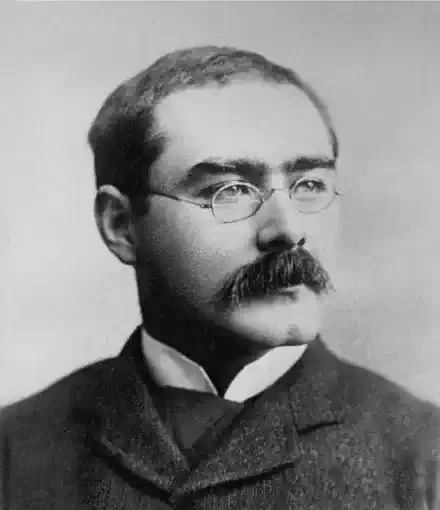
Rudyard Kipling
The Rabbi's Song
The Rabbi's Song
Samuel XIV. .
If Thought can reach to Heaven,
On Heaven let it dwell,
For fear the Thought be given
Like power to reach to Hell.
For fear the desolation
And darkness of thy mind
Perplex an habitation
Which thou hast left behind.
Let nothing linger after--
No whimpering gost remain,
In wall, or beam, or rafter,
Of any hate or pain.
Cleans and call home thy spirit,
Deny her leave to cast,
On aught thy heirs inherit,
The shadow of her past.
For think, in all thy sadness,
What road our griefs may take;
Whose brain reflect our madness,
Or whom our terrors shake:
For think, lest any languish
By cause of thy distress--
The arrows of our anguish
Fly farther than we guess.
Our lives, our tears, as water,
Are spilled upon the ground;
God giveth no man quarter,
Yet God a means hath found,
Though Faith and Hope have vanished,
And even Love grows dim--
A means whereby His banished
Be not expelled from Him!
Samuel XIV. .
If Thought can reach to Heaven,
On Heaven let it dwell,
For fear the Thought be given
Like power to reach to Hell.
For fear the desolation
And darkness of thy mind
Perplex an habitation
Which thou hast left behind.
Let nothing linger after--
No whimpering gost remain,
In wall, or beam, or rafter,
Of any hate or pain.
Cleans and call home thy spirit,
Deny her leave to cast,
On aught thy heirs inherit,
The shadow of her past.
For think, in all thy sadness,
What road our griefs may take;
Whose brain reflect our madness,
Or whom our terrors shake:
For think, lest any languish
By cause of thy distress--
The arrows of our anguish
Fly farther than we guess.
Our lives, our tears, as water,
Are spilled upon the ground;
God giveth no man quarter,
Yet God a means hath found,
Though Faith and Hope have vanished,
And even Love grows dim--
A means whereby His banished
Be not expelled from Him!
400
Rudyard Kipling
The Prayer
The Prayer
My brother kneels, so saith Kabir,
To stone and brass in heathen wise,
But in my brother's voice I hear
My own unanswered agonies.
His God is as his fates assign,
His prayer is all the world's--and mine.
My brother kneels, so saith Kabir,
To stone and brass in heathen wise,
But in my brother's voice I hear
My own unanswered agonies.
His God is as his fates assign,
His prayer is all the world's--and mine.
465
Rudyard Kipling
The Necessitarian
The Necessitarian
I know not in Whose hands are laid
To empty upon earth
From unsuspected ambuscade
The very Urns of Mirth;
Who bids the Heavenly Lark arise
And cheer our solemn round--
The Jest beheld with streaming eyes
And grovellings on the ground;
Who joins the flats of Time and Chance
Behind the prey preferred,
And thrones on Shrieking Circumstance
The Sacredly Absurd,
Till Laughter, voiceless through excess,
Waves mute appeal and sore,
Above the midriff's deep distress,
For breath to laugh once more.
No creed hath dared to hail Him Lord,
No raptured choirs proclaim,
And Nature's strenuous Overword
Hath nowhere breathed His Name.
Yet, it must be, on wayside jape,
The selfsame Power bestows
The selfsame power as went to shape
His Planet or His Rose.
I know not in Whose hands are laid
To empty upon earth
From unsuspected ambuscade
The very Urns of Mirth;
Who bids the Heavenly Lark arise
And cheer our solemn round--
The Jest beheld with streaming eyes
And grovellings on the ground;
Who joins the flats of Time and Chance
Behind the prey preferred,
And thrones on Shrieking Circumstance
The Sacredly Absurd,
Till Laughter, voiceless through excess,
Waves mute appeal and sore,
Above the midriff's deep distress,
For breath to laugh once more.
No creed hath dared to hail Him Lord,
No raptured choirs proclaim,
And Nature's strenuous Overword
Hath nowhere breathed His Name.
Yet, it must be, on wayside jape,
The selfsame Power bestows
The selfsame power as went to shape
His Planet or His Rose.
463
Rudyard Kipling
The Light That Failed
The Light That Failed
So we settled it all when the storm was done
As comfy as comfy could be;
And I was to wait in the barn, my dears,
Because I was only three.
And Teddy would run to the rainbow's foot
Because he was five and a man--
And that's how it all began, my dears,
And that's how it all began!
Then we brought the lances down--then the trumpets blew--
When we went to Kandahar, ridin' two an' two.
Ridin'--ridin'--ridin' two an' two!
Ta-ra-ra-ra-ra-ra-a!
All the way to Kandahar,
Ridin' two an' two.
The wolf-cub at even lay hid in the corn,
When the smoke of the cooking hung grey.
He knew where the doe made a couch for her fawn,
And he looked to his strength for his prey.
But the moon swept the smoke-wreaths away;
And he turned from his meal in the villager's close,
And he bayed to the moon as she rose.
"I have a thousand men," said he,
"To wait upon my will;
And towers nine upon the Tyne,
And three upon the Till."
"And what care I for your men? " said she,
"Or towers from Tyne to Till?
Sith you must go with me," said she,
"To wait upon my will.
And you may lead a thousand men
Nor ever draw the rein,
But before you lead the Fairy Queen
'Twill burst your heart in twain."
He has slipped his foot from the stirrup-bar,
The bridle from his hand,
And he is bound by hand and foot
To the Queen of Fairy Land.
"If I have taken the common clay
And wrought it cunningly
In the shape of a God that was digged a clod,
The greater honour to me."
"If thou hast taken the common clay,
And thy hands be not free
From the taint of the soil, thou hast made thy spoil
The greater shame to thee."
The lark will make her hymn to God,
The partridge call her brood,
While I forget the heath I trod,
The fields wherein I stood.
'Tis dule to know not night from morn,
But greater dule to know
I can but hear the hunter's horn
That once I used to blow.
There were three friends that buried the fourth,
The mould in his mouth and the dust in his eyes,
And they .went south and east and north--
The strong man fights but the sick man dies.
There were three friends that spoke of the dead--
The strong man fights but the sick man dies--
"And would he were here with us now," they said,
"The Sun in our face and the wind in our eyes."
Yet at the last ere our spearmen had found him,
Yet at the last, ere a sword-thrust could save,
Yet at the last, with his masters around him,
He spoke of the Faith as a master to slave.
Yet at the last though the Kafirs had maimed him,
Broken by bondage and wrecked by the reiver,
Yet at the last, tho' the darkness had claimed him,
He colled on Allah and died a Believer!
So we settled it all when the storm was done
As comfy as comfy could be;
And I was to wait in the barn, my dears,
Because I was only three.
And Teddy would run to the rainbow's foot
Because he was five and a man--
And that's how it all began, my dears,
And that's how it all began!
Then we brought the lances down--then the trumpets blew--
When we went to Kandahar, ridin' two an' two.
Ridin'--ridin'--ridin' two an' two!
Ta-ra-ra-ra-ra-ra-a!
All the way to Kandahar,
Ridin' two an' two.
The wolf-cub at even lay hid in the corn,
When the smoke of the cooking hung grey.
He knew where the doe made a couch for her fawn,
And he looked to his strength for his prey.
But the moon swept the smoke-wreaths away;
And he turned from his meal in the villager's close,
And he bayed to the moon as she rose.
"I have a thousand men," said he,
"To wait upon my will;
And towers nine upon the Tyne,
And three upon the Till."
"And what care I for your men? " said she,
"Or towers from Tyne to Till?
Sith you must go with me," said she,
"To wait upon my will.
And you may lead a thousand men
Nor ever draw the rein,
But before you lead the Fairy Queen
'Twill burst your heart in twain."
He has slipped his foot from the stirrup-bar,
The bridle from his hand,
And he is bound by hand and foot
To the Queen of Fairy Land.
"If I have taken the common clay
And wrought it cunningly
In the shape of a God that was digged a clod,
The greater honour to me."
"If thou hast taken the common clay,
And thy hands be not free
From the taint of the soil, thou hast made thy spoil
The greater shame to thee."
The lark will make her hymn to God,
The partridge call her brood,
While I forget the heath I trod,
The fields wherein I stood.
'Tis dule to know not night from morn,
But greater dule to know
I can but hear the hunter's horn
That once I used to blow.
There were three friends that buried the fourth,
The mould in his mouth and the dust in his eyes,
And they .went south and east and north--
The strong man fights but the sick man dies.
There were three friends that spoke of the dead--
The strong man fights but the sick man dies--
"And would he were here with us now," they said,
"The Sun in our face and the wind in our eyes."
Yet at the last ere our spearmen had found him,
Yet at the last, ere a sword-thrust could save,
Yet at the last, with his masters around him,
He spoke of the Faith as a master to slave.
Yet at the last though the Kafirs had maimed him,
Broken by bondage and wrecked by the reiver,
Yet at the last, tho' the darkness had claimed him,
He colled on Allah and died a Believer!
410
Rudyard Kipling
The Legend of Mirth
The Legend of Mirth
The Four Archangels, so the legends tell,
Raphael, Gabriel, Michael, Azrael,
Being first of those to whom the Power was shown
Stood first of all the Host before The Throne,
And, when the Charges were allotted, burst
Tumultuous-winged from out the assembly first.
Zeal was their spur that bade them strictly heed
Their own high judgment on their lightest deed.
Zeal was their spur that, when relief was given,
Urged them unwearied to new toils in Heaven;
For Honour's sake perfecting every task
Beyond what e 'en Perfection's self could ask. . .
And Allah, Who created Zeal and Pride,
Knows how the twain are perilous-near allied.
It chanced on one of Heaven's long-lighted days,
The Four and all the Host being gone their ways
Each to his Charge, the shining Courts were void
Save for one Seraph whom no charge employed,
With folden wings and slumber-threatened brow,
To whom The Word: "Beloved, what dost thou?"
"By the Permission," came the answer soft,
Little I do nor do that little oft.
As is The Will in Heaven so on Earth
Where by The Will I strive to make men mirth"
He ceased and sped, hearing The Word once more:
" Beloved, go thy way and greet the Four."
Systems and Universes overpast,
The Seraph came upon the Four, at last,
Guiding and guarding with devoted mind
The tedious generations of mankind
Who lent at most unwilling ear and eye
When they could not escape the ministry. . . .
Yet, patient, faithful, firm, persistent, just
Toward all that gross, indifferent, facile dust,
The Archangels laboured to discharge their trust
By precept and example, prayer and law,
Advice, reproof, and rule, but, labouring, saw
Each in his fellows' countenance confessed,
The Doubt that sickens: "Have I done my best?"
Even as they sighed and turned to toil anew,
The Seraph hailed them with observance due;
And, after some fit talk of higher things,
Touched tentative on mundane happenings.
This they permitting, he, emboldened thus,
Prolused of humankind promiscuous,
And, since the large contention less avails
Than instances observed, he told them tales--
Tales of the shop, the bed, the court, the street,
Intimate, elemental, indiscreet:
Occasions where Confusion smiting swift
Piles jest on jest as snow-slides pile the drift
Whence, one by one, beneath derisive skies,
The victims' bare, bewildered heads arise--
Tales of the passing of the spirit, graced
With humour blinding as the doom it faced--
Stark tales of ribaldy that broke aside
To tears, by laughter swallowed ere they dried-
Tales to which neither grace nor gain accrue,
But Only (Allah be exalted!) true,
And only, as the Seraph showed that night,
Delighting to the limits of delight.
These he rehearsed with artful pause and halt,
And such pretence of memory at fault,
That soon the Four--so well the bait was thrown--
Came to his aid with memories of their own--
Matters dismissed long since as small or vain,
Whereof the high significance had lain
Hid, till the ungirt glosses made it plain.
Then, as enlightenment came broad and fast,
Each marvelled at his own oblivious past
Until--the Gates of Laughter opened wide--
The Four, with that bland Seraph at their side,
While they recalled, compared, and amplified,
In utter mirth forgot both Zeal and Pride!
High over Heaven the lamps of midnight burned
Ere, weak with merriment, the Four returned,
Not in that order they were wont to keep--
Pinion to pinion answering, sweep for sweep,
In awful diapason heard afar--
But shoutingly adrift 'twixt star and star;
Reeling a planet's orbit left or right
As laughter took them in the abysmal Night;
Or, by the point of some remembered jest,
Winged and brought helpless down through gulfs unguessed,
Where the blank worlds that gather to the birth
Leaped in the Womb of Darkness at their mirth,
And e'en Gehenna's bondsmen understood.
They were not damned from human brotherhood . . .
Not first nor last of Heaven's high Host, the Four
That night took place beneath The Throne once more.
lovelier than their morning majesty,
The understanding light behind the eye!
more compelling than their old command,
The new-learned friendly gesture of the hand!
sweeter than their zealous fellowship,
The wise half-smile that passed from lip to lip!
well and roundly, when Command was given,
They told their tale against themselves to Heaven,
And in the silence, waiting on The Word,
Received the Peace and Pardon of The Lord!
The Four Archangels, so the legends tell,
Raphael, Gabriel, Michael, Azrael,
Being first of those to whom the Power was shown
Stood first of all the Host before The Throne,
And, when the Charges were allotted, burst
Tumultuous-winged from out the assembly first.
Zeal was their spur that bade them strictly heed
Their own high judgment on their lightest deed.
Zeal was their spur that, when relief was given,
Urged them unwearied to new toils in Heaven;
For Honour's sake perfecting every task
Beyond what e 'en Perfection's self could ask. . .
And Allah, Who created Zeal and Pride,
Knows how the twain are perilous-near allied.
It chanced on one of Heaven's long-lighted days,
The Four and all the Host being gone their ways
Each to his Charge, the shining Courts were void
Save for one Seraph whom no charge employed,
With folden wings and slumber-threatened brow,
To whom The Word: "Beloved, what dost thou?"
"By the Permission," came the answer soft,
Little I do nor do that little oft.
As is The Will in Heaven so on Earth
Where by The Will I strive to make men mirth"
He ceased and sped, hearing The Word once more:
" Beloved, go thy way and greet the Four."
Systems and Universes overpast,
The Seraph came upon the Four, at last,
Guiding and guarding with devoted mind
The tedious generations of mankind
Who lent at most unwilling ear and eye
When they could not escape the ministry. . . .
Yet, patient, faithful, firm, persistent, just
Toward all that gross, indifferent, facile dust,
The Archangels laboured to discharge their trust
By precept and example, prayer and law,
Advice, reproof, and rule, but, labouring, saw
Each in his fellows' countenance confessed,
The Doubt that sickens: "Have I done my best?"
Even as they sighed and turned to toil anew,
The Seraph hailed them with observance due;
And, after some fit talk of higher things,
Touched tentative on mundane happenings.
This they permitting, he, emboldened thus,
Prolused of humankind promiscuous,
And, since the large contention less avails
Than instances observed, he told them tales--
Tales of the shop, the bed, the court, the street,
Intimate, elemental, indiscreet:
Occasions where Confusion smiting swift
Piles jest on jest as snow-slides pile the drift
Whence, one by one, beneath derisive skies,
The victims' bare, bewildered heads arise--
Tales of the passing of the spirit, graced
With humour blinding as the doom it faced--
Stark tales of ribaldy that broke aside
To tears, by laughter swallowed ere they dried-
Tales to which neither grace nor gain accrue,
But Only (Allah be exalted!) true,
And only, as the Seraph showed that night,
Delighting to the limits of delight.
These he rehearsed with artful pause and halt,
And such pretence of memory at fault,
That soon the Four--so well the bait was thrown--
Came to his aid with memories of their own--
Matters dismissed long since as small or vain,
Whereof the high significance had lain
Hid, till the ungirt glosses made it plain.
Then, as enlightenment came broad and fast,
Each marvelled at his own oblivious past
Until--the Gates of Laughter opened wide--
The Four, with that bland Seraph at their side,
While they recalled, compared, and amplified,
In utter mirth forgot both Zeal and Pride!
High over Heaven the lamps of midnight burned
Ere, weak with merriment, the Four returned,
Not in that order they were wont to keep--
Pinion to pinion answering, sweep for sweep,
In awful diapason heard afar--
But shoutingly adrift 'twixt star and star;
Reeling a planet's orbit left or right
As laughter took them in the abysmal Night;
Or, by the point of some remembered jest,
Winged and brought helpless down through gulfs unguessed,
Where the blank worlds that gather to the birth
Leaped in the Womb of Darkness at their mirth,
And e'en Gehenna's bondsmen understood.
They were not damned from human brotherhood . . .
Not first nor last of Heaven's high Host, the Four
That night took place beneath The Throne once more.
lovelier than their morning majesty,
The understanding light behind the eye!
more compelling than their old command,
The new-learned friendly gesture of the hand!
sweeter than their zealous fellowship,
The wise half-smile that passed from lip to lip!
well and roundly, when Command was given,
They told their tale against themselves to Heaven,
And in the silence, waiting on The Word,
Received the Peace and Pardon of The Lord!
578
Rudyard Kipling
The Last Chantey
The Last Chantey
"~And there was no more sea.~"
Thus said The Lord in the Vault above the Cherubim
Calling to the Angels and the Souls in their degree:
"Lo! Earth has passed away
On the smoke of Judgment Day.
That Our word may be established shall We gather up the sea?"
Loud sang the souls of the jolly, jolly mariners:
"Plague upon the hurricane that made us furl and flee!
But the war is done between us,
In the deep the Lord hath seen us --
Our bones we'll leave the barracout', and God may sink the sea!"
Then said the soul of Judas that betray]\ed Him:
"Lord, hast Thou forgotten Thy covenant with me?
How once a year I go
To cool me on the floe?
And Ye take my day of mercy if Ye take away the sea!"
Then said the soul of the Angel of the Off-shore Wind:
(He that bits the thunder when the bull-mouthed breakers flee):
"I have watch and ward to keep
O'er Thy wonders on the deep,
And Ye take mine honour from me if Ye take away the sea!"
Loud sang the souls of the jolly, jolly mariners:
"Nay, but we were angry, and a hasty folk are we!
If we worked the ship together
Till she foundered in foul weather,
Are we babes that we should clamour for a vengeance on the sea?"
Then said the souls of the slaves that men threw overboard:
"Kennelled in the picaroon a weary band were we;
But Thy arm was strong to save,
And it touched us on the wave,
And we drowsed the long tides idle till Thy Trumpets tore the sea."
Then cried the soul of the stout Apostle Paul to God:
"Once we frapped a ship, and she laboured woundily.
There were fourteen score of these,
And they blessed Thee on their knees,
When they learned Thy Grace and Glory under Malta by the sea!"
Loud sang the souls of the jolly, jolly mariners,
Plucking at their harps, and they plucked unhandily:
"Our thumbs are rough and tarred,
And the tune is something hard --
May we lift a Deep-sea Chantey such as seamen use at sea?"
Then said the souls of the gentlemen-adventurers --
Fettered wrist to bar all for red iniquity:
"Ho, we revel in our chains
O'er the sorrow that was Spain's;
Heave or sink it, leave or drink it, we were masters of the sea!"
Up spake the soul of a gray Gothavn 'speckshioner --
(He that led the flinching in the fleets of fair Dundee):
"Oh, the ice-blink white and near,
And the bowhead breaching clear!
Will Ye whelm them all for wantonness that wallow in the sea?"
Loud sang the souls of the jolly, jolly mariners,
Crying: "Under Heaven, here is neither lead nor lee!
Must we sing for evermore
On the windless, glassy floor?
Take back your golden fiddles and we'll beat to open sea!"
Then stooped the Lord, and He called the good sea up to Him,
And 'stablished his borders unto all eternity,
That such as have no pleasure
For to praise the Lord by measure,
They may enter into galleons and serve Him on the sea.
Sun, wind, and cloud shall fail not from the face of it,
Stinging, ringing spindrift, nor the fulmar flying free;
And the ships shall go abroad
To the Glory of the Lord
Who heard the silly sailor-folk and gave them back their sea!
"~And there was no more sea.~"
Thus said The Lord in the Vault above the Cherubim
Calling to the Angels and the Souls in their degree:
"Lo! Earth has passed away
On the smoke of Judgment Day.
That Our word may be established shall We gather up the sea?"
Loud sang the souls of the jolly, jolly mariners:
"Plague upon the hurricane that made us furl and flee!
But the war is done between us,
In the deep the Lord hath seen us --
Our bones we'll leave the barracout', and God may sink the sea!"
Then said the soul of Judas that betray]\ed Him:
"Lord, hast Thou forgotten Thy covenant with me?
How once a year I go
To cool me on the floe?
And Ye take my day of mercy if Ye take away the sea!"
Then said the soul of the Angel of the Off-shore Wind:
(He that bits the thunder when the bull-mouthed breakers flee):
"I have watch and ward to keep
O'er Thy wonders on the deep,
And Ye take mine honour from me if Ye take away the sea!"
Loud sang the souls of the jolly, jolly mariners:
"Nay, but we were angry, and a hasty folk are we!
If we worked the ship together
Till she foundered in foul weather,
Are we babes that we should clamour for a vengeance on the sea?"
Then said the souls of the slaves that men threw overboard:
"Kennelled in the picaroon a weary band were we;
But Thy arm was strong to save,
And it touched us on the wave,
And we drowsed the long tides idle till Thy Trumpets tore the sea."
Then cried the soul of the stout Apostle Paul to God:
"Once we frapped a ship, and she laboured woundily.
There were fourteen score of these,
And they blessed Thee on their knees,
When they learned Thy Grace and Glory under Malta by the sea!"
Loud sang the souls of the jolly, jolly mariners,
Plucking at their harps, and they plucked unhandily:
"Our thumbs are rough and tarred,
And the tune is something hard --
May we lift a Deep-sea Chantey such as seamen use at sea?"
Then said the souls of the gentlemen-adventurers --
Fettered wrist to bar all for red iniquity:
"Ho, we revel in our chains
O'er the sorrow that was Spain's;
Heave or sink it, leave or drink it, we were masters of the sea!"
Up spake the soul of a gray Gothavn 'speckshioner --
(He that led the flinching in the fleets of fair Dundee):
"Oh, the ice-blink white and near,
And the bowhead breaching clear!
Will Ye whelm them all for wantonness that wallow in the sea?"
Loud sang the souls of the jolly, jolly mariners,
Crying: "Under Heaven, here is neither lead nor lee!
Must we sing for evermore
On the windless, glassy floor?
Take back your golden fiddles and we'll beat to open sea!"
Then stooped the Lord, and He called the good sea up to Him,
And 'stablished his borders unto all eternity,
That such as have no pleasure
For to praise the Lord by measure,
They may enter into galleons and serve Him on the sea.
Sun, wind, and cloud shall fail not from the face of it,
Stinging, ringing spindrift, nor the fulmar flying free;
And the ships shall go abroad
To the Glory of the Lord
Who heard the silly sailor-folk and gave them back their sea!
429
Rudyard Kipling
The First Chantey
The First Chantey
Mine was the woman to me, darkling I found her;
Haling her dumb from the camp, took her and bound her.
Hot rose her tribe on our track ere I had proved her;
Hearing her laugh in the gloom, greatly I loved her.
Swift through the forest we ran; none stood to guard us,
Few were my people and far; then the flood barred us --
Him we call Son of the Sea, sullen and swollen.
Panting we waited the death, stealer and stolen.
Yet ere they came to my lance laid for the slaughter,
Lightly she leaped to a log lapped in the water;
Holding on high and apart skins that arrayed her,
Called she the God of the Wind that He should aid her.
Life had the tree at that word (Praise we the Giver!)
Otter-like left he the bank for the full river.
Far fell their axes behind, flashing and ringing,
Wonder was on me and fear -- yet she was singing!
Low lay the land we had left. Now the blue bound us,
Even the Floor of the Gods level around us.
Whisper there was not, nor word, shadow nor showing,
Till the light stirred on the deep, glowing and growing.
Then did He leap to His place flaring from under,
He the Compeller, the Sun, bared to our wonder.
Nay, not a league from our eyes blinded with gazing,
Cleared He the gate of the world, huge and amazing!
This we beheld (and we live) -- the Pit of the Burning!
Then the God spoke to the tree for our returning;
Back to the beach of our flight, fearless and slowly,
Back to our slayers went he: but we were holy.
Men that were hot in that hunt, women that followed,
Babes that were promised our bones, trembled and wallowed:
Over the necks of the Tribe crouching and fawning --
Prophet and priestess we came back from the dawning!
Mine was the woman to me, darkling I found her;
Haling her dumb from the camp, took her and bound her.
Hot rose her tribe on our track ere I had proved her;
Hearing her laugh in the gloom, greatly I loved her.
Swift through the forest we ran; none stood to guard us,
Few were my people and far; then the flood barred us --
Him we call Son of the Sea, sullen and swollen.
Panting we waited the death, stealer and stolen.
Yet ere they came to my lance laid for the slaughter,
Lightly she leaped to a log lapped in the water;
Holding on high and apart skins that arrayed her,
Called she the God of the Wind that He should aid her.
Life had the tree at that word (Praise we the Giver!)
Otter-like left he the bank for the full river.
Far fell their axes behind, flashing and ringing,
Wonder was on me and fear -- yet she was singing!
Low lay the land we had left. Now the blue bound us,
Even the Floor of the Gods level around us.
Whisper there was not, nor word, shadow nor showing,
Till the light stirred on the deep, glowing and growing.
Then did He leap to His place flaring from under,
He the Compeller, the Sun, bared to our wonder.
Nay, not a league from our eyes blinded with gazing,
Cleared He the gate of the world, huge and amazing!
This we beheld (and we live) -- the Pit of the Burning!
Then the God spoke to the tree for our returning;
Back to the beach of our flight, fearless and slowly,
Back to our slayers went he: but we were holy.
Men that were hot in that hunt, women that followed,
Babes that were promised our bones, trembled and wallowed:
Over the necks of the Tribe crouching and fawning --
Prophet and priestess we came back from the dawning!
410
Rudyard Kipling
The Disciple
The Disciple
He that hath a Gospel
To loose upon Mankind,
Though he serve it utterly--
Body, soul and mind--
Though he go to Calvary
Daily for its gain--
It is His Disciple
Shall make his labour vain.
He that hath a Gospel
For all earth to own--
Though he etch it on the steel,
Or carve it on the stone--
Not to be misdoubted
Through the after-days--
It is His Disciple
Shall read it many ways.
It is His Disciple
(Ere Those Bones are dust )
Who shall change the Charter,
Who shall split the Trust--
Amplify distinctions,
Rationalize the Claim;
Preaching that the Master
Would have done the same.
It is His Disciple
Who shall tell us how
Much the Master would have scrapped
Had he lived till now--
What he would have modified
Of what he said before.
It is His Disciple
Shall do this and more....
He that hath a Gospel
Whereby Heaven is won
( Carpenter, or cameleer,
Or Maya's dreaming son ),
Many swords shall pierce Him,
Mingling blood with gall;
But His Own Disciple
Shall wound Him worst of all!
He that hath a Gospel
To loose upon Mankind,
Though he serve it utterly--
Body, soul and mind--
Though he go to Calvary
Daily for its gain--
It is His Disciple
Shall make his labour vain.
He that hath a Gospel
For all earth to own--
Though he etch it on the steel,
Or carve it on the stone--
Not to be misdoubted
Through the after-days--
It is His Disciple
Shall read it many ways.
It is His Disciple
(Ere Those Bones are dust )
Who shall change the Charter,
Who shall split the Trust--
Amplify distinctions,
Rationalize the Claim;
Preaching that the Master
Would have done the same.
It is His Disciple
Who shall tell us how
Much the Master would have scrapped
Had he lived till now--
What he would have modified
Of what he said before.
It is His Disciple
Shall do this and more....
He that hath a Gospel
Whereby Heaven is won
( Carpenter, or cameleer,
Or Maya's dreaming son ),
Many swords shall pierce Him,
Mingling blood with gall;
But His Own Disciple
Shall wound Him worst of all!
480
Rudyard Kipling
The Burden
The Burden
One grief on me is laid
Each day of every year,
Wherein no soul can aid,
Whereof no soul can hear:
Whereto no end is seen
Except to grieve again--
Ah, Mary Magdalene,
Where is there greater pain?
To dream on dear disgrace
Each hour of every day--
To bring no honest face
To aught I do or say:
To lie from morn till e'en--
To know my lies are vain--
Ah, Mary Magdalene,
Where can be greater pain?
To watch my steadfast fear
Attend mine every way
Each day of every year--
Each hour of every day:
To burn, and chill between--
To quake and rage again--
Ah, Mary Magdalene,
Where shall be greater pain:
One grave to me was given--
To guard till Judgment Day--
But God looked down from Heaven
And rolled the Stone away!
One day of all my years--
One hour of that one day--
His Angel saw my tears
And rolled the Stone away!
One grief on me is laid
Each day of every year,
Wherein no soul can aid,
Whereof no soul can hear:
Whereto no end is seen
Except to grieve again--
Ah, Mary Magdalene,
Where is there greater pain?
To dream on dear disgrace
Each hour of every day--
To bring no honest face
To aught I do or say:
To lie from morn till e'en--
To know my lies are vain--
Ah, Mary Magdalene,
Where can be greater pain?
To watch my steadfast fear
Attend mine every way
Each day of every year--
Each hour of every day:
To burn, and chill between--
To quake and rage again--
Ah, Mary Magdalene,
Where shall be greater pain:
One grave to me was given--
To guard till Judgment Day--
But God looked down from Heaven
And rolled the Stone away!
One day of all my years--
One hour of that one day--
His Angel saw my tears
And rolled the Stone away!
443
Rudyard Kipling
The Bell Buoy
The Bell Buoy
They christened my brother of old--
And a saintly name he bears--
They gave him his place to hold
At the head of the belfry-stairs,
Where the minister-towers stand
And the breeding kestrels cry.
Would I change with my brother a league inland?
(Shoal! 'Ware shoal!) Not I!
In the flush of the hot June prime,
O'er sleek flood-tides afire,
I hear him hurry the chime
To the bidding of checked Desire;
Till the sweated ringers tire
And the wild bob-majors die.
Could I wait for my turn in the godly choir?
(Shoal! 'Ware shoal!) Not I!
When the smoking scud is blown--
When the greasy wind-rack lowers--
Apart and at peace and alone,
He counts the changeless hours.
He wars with darkling Powers
(I war with a darkling sea);
Would he stoop to my work in the gusty mirk?
(Shoal! 'Ware shoal!) Not he!
There was never a priest to pray
There was never a hand to toll,
When they made me guard of the bay,
And moored me over the shoal.
I rock, I reel, and I roll--
My four great hammers ply--
Could I speak or be still at the Church's will?
(Shoal! 'Ware shoal!) Not I!
The landward marks have failed,
The fog-bank glides unguessed,
The seaward lights are veiled,
The spent deep feigns her rest:
But my ear is laid to her breast,
I lift to the swell--I cry!
Could I wait in sloth on the Church's oath?
(Shoal! 'Ware shoal!) Not I!
At the careless end of night
I thrill to the nearing screw;
I turn in the clearing light
And I call to the drowsy crew;
And the mud boils foul and blue
As the blind bow backs away.
Will they give me their thanks if they clear the banks?
(Shoal! 'Ware shoal!) Not they!
The beach-pools cake and skim,
The bursting spray-heads freeze,
I gather on crown and rim
The grey, grained ice of the seas,
Where, sheathed from bitt to trees,
The plunging colliers lie.
Would I barter my place for the Church's grace?
(Shoal! 'Ware shoal!) Not I!
Through the blur of the whirling snow,
Or the black of the inky sleet,
The lanterns gather and grow,
And I look for the homeward fleet.
Rattle of block and sheet--
"Ready about-stand by!"
Shall I ask them a fee ere they fetch the quay?
(Shoal! 'Ware shoal!) Not I!
I dip and I surge and I swing
In the rip of the racing tide,
By the gates of doom I sing,
On the horns of death I ride.
A ship-length overside,
Between the course and the sand,
Fretted and bound I bide
Peril whereof I cry.
Would I change with my brother a league inland?
(Shoal! 'Ware shoal!) Not I!
They christened my brother of old--
And a saintly name he bears--
They gave him his place to hold
At the head of the belfry-stairs,
Where the minister-towers stand
And the breeding kestrels cry.
Would I change with my brother a league inland?
(Shoal! 'Ware shoal!) Not I!
In the flush of the hot June prime,
O'er sleek flood-tides afire,
I hear him hurry the chime
To the bidding of checked Desire;
Till the sweated ringers tire
And the wild bob-majors die.
Could I wait for my turn in the godly choir?
(Shoal! 'Ware shoal!) Not I!
When the smoking scud is blown--
When the greasy wind-rack lowers--
Apart and at peace and alone,
He counts the changeless hours.
He wars with darkling Powers
(I war with a darkling sea);
Would he stoop to my work in the gusty mirk?
(Shoal! 'Ware shoal!) Not he!
There was never a priest to pray
There was never a hand to toll,
When they made me guard of the bay,
And moored me over the shoal.
I rock, I reel, and I roll--
My four great hammers ply--
Could I speak or be still at the Church's will?
(Shoal! 'Ware shoal!) Not I!
The landward marks have failed,
The fog-bank glides unguessed,
The seaward lights are veiled,
The spent deep feigns her rest:
But my ear is laid to her breast,
I lift to the swell--I cry!
Could I wait in sloth on the Church's oath?
(Shoal! 'Ware shoal!) Not I!
At the careless end of night
I thrill to the nearing screw;
I turn in the clearing light
And I call to the drowsy crew;
And the mud boils foul and blue
As the blind bow backs away.
Will they give me their thanks if they clear the banks?
(Shoal! 'Ware shoal!) Not they!
The beach-pools cake and skim,
The bursting spray-heads freeze,
I gather on crown and rim
The grey, grained ice of the seas,
Where, sheathed from bitt to trees,
The plunging colliers lie.
Would I barter my place for the Church's grace?
(Shoal! 'Ware shoal!) Not I!
Through the blur of the whirling snow,
Or the black of the inky sleet,
The lanterns gather and grow,
And I look for the homeward fleet.
Rattle of block and sheet--
"Ready about-stand by!"
Shall I ask them a fee ere they fetch the quay?
(Shoal! 'Ware shoal!) Not I!
I dip and I surge and I swing
In the rip of the racing tide,
By the gates of doom I sing,
On the horns of death I ride.
A ship-length overside,
Between the course and the sand,
Fretted and bound I bide
Peril whereof I cry.
Would I change with my brother a league inland?
(Shoal! 'Ware shoal!) Not I!
465
Rudyard Kipling
Rimmon
Rimmon
-- After Boer War
Duly with knees that feign to quake--
Bent head and shaded brow,--
Yet once again, for my father's sake,
In Rimmon's House I bow.
The curtains part, the trumpet blares,
And the eunuchs howl aloud;
And the gilt, swag-bellied idol glares
Insolent over the crowd.
"This is Rimmon, Lord of the Earth--
"Fear Him and bow the knee!"
And I watch my comrades hide their mirth
That rode to the wars with me.
For we remember the sun and the sand
And the rocks whereon we trod,
Ere we came to a scorched and a scornful land
That did not know our God;
As we remember the sacrifice,
Dead men an hundred laid--
Slain while they served His mysteries,
And that He would not aid--
Not though we gashed ourselves and wept,
For the high-priest bade us wait;
Saying He went on a journey or slept,
Or was drunk or had taken a mate.
(Praise ye Rimmon, King of Kings,
Who ruleth Earth and Sky!
And again I bow as the censer swings
And the God Enthroned goes by.)
Ay, we remember His sacred ark
And the virtuous men that knelt
To the dark and the hush behind the dark
Wherein we dreamed He dwelt;
Until we entered to hale Him out
And found no more than an old
Uncleanly image girded about
The loins with scarlet and gold.
Him we o'erset with the butts of our spears--
Him and his vast designs--
To be scorn of our muleteers
And the jest of our halted line.
By the picket-pins that the dogs defile,
In the dung and the dust He lay,
Till the priests ran and chattered awhile
And we wiped Him and took Him away.
Hushing the matter before it was known,
They returned to our fathers afar,
And hastily set Him afresh on His throne
Because he had won us the war.
Wherefore with knees that feign to quake--
Bent head and shaded brow--
To this dog, for my father's sake,
In the Rimmon's House I bow!
-- After Boer War
Duly with knees that feign to quake--
Bent head and shaded brow,--
Yet once again, for my father's sake,
In Rimmon's House I bow.
The curtains part, the trumpet blares,
And the eunuchs howl aloud;
And the gilt, swag-bellied idol glares
Insolent over the crowd.
"This is Rimmon, Lord of the Earth--
"Fear Him and bow the knee!"
And I watch my comrades hide their mirth
That rode to the wars with me.
For we remember the sun and the sand
And the rocks whereon we trod,
Ere we came to a scorched and a scornful land
That did not know our God;
As we remember the sacrifice,
Dead men an hundred laid--
Slain while they served His mysteries,
And that He would not aid--
Not though we gashed ourselves and wept,
For the high-priest bade us wait;
Saying He went on a journey or slept,
Or was drunk or had taken a mate.
(Praise ye Rimmon, King of Kings,
Who ruleth Earth and Sky!
And again I bow as the censer swings
And the God Enthroned goes by.)
Ay, we remember His sacred ark
And the virtuous men that knelt
To the dark and the hush behind the dark
Wherein we dreamed He dwelt;
Until we entered to hale Him out
And found no more than an old
Uncleanly image girded about
The loins with scarlet and gold.
Him we o'erset with the butts of our spears--
Him and his vast designs--
To be scorn of our muleteers
And the jest of our halted line.
By the picket-pins that the dogs defile,
In the dung and the dust He lay,
Till the priests ran and chattered awhile
And we wiped Him and took Him away.
Hushing the matter before it was known,
They returned to our fathers afar,
And hastily set Him afresh on His throne
Because he had won us the war.
Wherefore with knees that feign to quake--
Bent head and shaded brow--
To this dog, for my father's sake,
In the Rimmon's House I bow!
467
Rudyard Kipling
Recessional
Recessional
June ,
God of our fathers, known of old—
Lord of our far-flung battle-line—
Beneath whose awful Hand we hold
Dominion over palm and pine—
Lord God of Hosts, be with us yet,
Lest we forget, lest we forget!
The tumult and the shouting dies—
The captains and the kings depart—
Still stands Thine ancient sacrifice,
An humble and a contrite heart.
Lord God of Hosts, be with us yet,
Lest we forget, lest we forget!
Far-call’d our navies melt away—
On dune and headland sinks the fire—
Lo, all our pomp of yesterday
Is one with Nineveh and Tyre!
Judge of the Nations, spare us yet,
Lest we forget, lest we forget!
If, drunk with sight of power, we loose
Wild tongues that have not Thee in awe—
Such boasting as the Gentiles use
Or lesser breeds without the Law—
Lord God of Hosts, be with us yet,
Lest we forget, lest we forget!
For heathen heart that puts her trust
In reeking tube and iron shard—
All valiant dust that builds on dust,
And guarding calls not Thee to guard—
For frantic boast and foolish word,
Thy Mercy on Thy People, Lord!
June ,
God of our fathers, known of old—
Lord of our far-flung battle-line—
Beneath whose awful Hand we hold
Dominion over palm and pine—
Lord God of Hosts, be with us yet,
Lest we forget, lest we forget!
The tumult and the shouting dies—
The captains and the kings depart—
Still stands Thine ancient sacrifice,
An humble and a contrite heart.
Lord God of Hosts, be with us yet,
Lest we forget, lest we forget!
Far-call’d our navies melt away—
On dune and headland sinks the fire—
Lo, all our pomp of yesterday
Is one with Nineveh and Tyre!
Judge of the Nations, spare us yet,
Lest we forget, lest we forget!
If, drunk with sight of power, we loose
Wild tongues that have not Thee in awe—
Such boasting as the Gentiles use
Or lesser breeds without the Law—
Lord God of Hosts, be with us yet,
Lest we forget, lest we forget!
For heathen heart that puts her trust
In reeking tube and iron shard—
All valiant dust that builds on dust,
And guarding calls not Thee to guard—
For frantic boast and foolish word,
Thy Mercy on Thy People, Lord!
588
Rudyard Kipling
Mulholland's Contract
Mulholland's Contract
The fear was on the cattle, for the gale was on the sea,
An' the pens broke up on the lower deck an' let the creatures free --
An' the lights went out on the lower deck, an' no one near but me.
I had been singin' to them to keep 'em quiet there,
For the lower deck is the dangerousest, requirin' constant care,
An' give to me as the strongest man, though used to drink and swear.
I see my chance was certain of bein' horned or trod,
For the lower deck was packed with steers thicker'n peas in a pod,
An' more pens broke at every roll -- so I made a Contract with God.
An' by the terms of the Contract, as I have read the same,
If He got me to port alive I would exalt His Name,
An' praise His Holy Majesty till further orders came.
He saved me from the cattle an' He saved me from the sea,
For they found me 'tween two drownded ones where the roll had landed me --
An' a four-inch crack on top of my head, as crazy as could be.
But that were done by a stanchion, an' not by a bullock at all,
An' I lay still for seven weeks convalessing of the fall,
An' readin' the shiny Scripture texts in the Seaman's Hospital.
An' I spoke to God of our Contract, an' He says to my prayer:
"I never puts on My ministers no more than they can bear.
So back you go to the cattle-boats an' preach My Gospel there.
"For human life is chancy at any kind of trade,
But most of all, as well you know, when the steers are mad-afraid;
So you go back to the cattle-boats an' preach 'em as I've said.
"They must quit drinkin' an' swearin', they mustn't knife on a blow,
They must quit gamblin' their wages, and you must preach it so;
For now those boats are more like Hell than anything else I know."
I didn't want to do it, for I knew what I should get,
An' I wanted to preach Religion, handsome an' out of the wet,
But the Word of the Lord were lain on me, an' I done what I was set.
I have been smit an' bruis]\ed, as warned would be the case,
An' turned my cheek to the smiter exactly as Scripture says;
But following that, I knocked him down an' led him up to Grace.
An' we have preaching on Sundays whenever the sea is calm,
An' I use no knife or pistol an' I never take no harm,
For the Lord abideth back of me to guide my fighting arm.
An' I sign for four-pound-ten a month and save the money clear,
An' I am in charge of the lower deck, an' I never lose a steer;
An' I believe in Almighty God an' preach His Gospel here.
The skippers say I'm crazy, but I can prove 'em wrong,
For I am in charge of the lower deck with all that doth belong --
~Which they would not give to a lunatic, and the competition so strong!~
The fear was on the cattle, for the gale was on the sea,
An' the pens broke up on the lower deck an' let the creatures free --
An' the lights went out on the lower deck, an' no one near but me.
I had been singin' to them to keep 'em quiet there,
For the lower deck is the dangerousest, requirin' constant care,
An' give to me as the strongest man, though used to drink and swear.
I see my chance was certain of bein' horned or trod,
For the lower deck was packed with steers thicker'n peas in a pod,
An' more pens broke at every roll -- so I made a Contract with God.
An' by the terms of the Contract, as I have read the same,
If He got me to port alive I would exalt His Name,
An' praise His Holy Majesty till further orders came.
He saved me from the cattle an' He saved me from the sea,
For they found me 'tween two drownded ones where the roll had landed me --
An' a four-inch crack on top of my head, as crazy as could be.
But that were done by a stanchion, an' not by a bullock at all,
An' I lay still for seven weeks convalessing of the fall,
An' readin' the shiny Scripture texts in the Seaman's Hospital.
An' I spoke to God of our Contract, an' He says to my prayer:
"I never puts on My ministers no more than they can bear.
So back you go to the cattle-boats an' preach My Gospel there.
"For human life is chancy at any kind of trade,
But most of all, as well you know, when the steers are mad-afraid;
So you go back to the cattle-boats an' preach 'em as I've said.
"They must quit drinkin' an' swearin', they mustn't knife on a blow,
They must quit gamblin' their wages, and you must preach it so;
For now those boats are more like Hell than anything else I know."
I didn't want to do it, for I knew what I should get,
An' I wanted to preach Religion, handsome an' out of the wet,
But the Word of the Lord were lain on me, an' I done what I was set.
I have been smit an' bruis]\ed, as warned would be the case,
An' turned my cheek to the smiter exactly as Scripture says;
But following that, I knocked him down an' led him up to Grace.
An' we have preaching on Sundays whenever the sea is calm,
An' I use no knife or pistol an' I never take no harm,
For the Lord abideth back of me to guide my fighting arm.
An' I sign for four-pound-ten a month and save the money clear,
An' I am in charge of the lower deck, an' I never lose a steer;
An' I believe in Almighty God an' preach His Gospel here.
The skippers say I'm crazy, but I can prove 'em wrong,
For I am in charge of the lower deck with all that doth belong --
~Which they would not give to a lunatic, and the competition so strong!~
473
Rudyard Kipling
Mother o' Mine
Mother o' Mine
If I were hanged on the highest hill,
Mother o' mine, O mother o' mine!
I know whose love would follow me still,
Mother o' mine, O mother o' mine!
If I were drowned in the deepest sea,
Mother o' mine, O mother o' mine!
I know whose tears would come down to me,
Mother o' mine, O mother o' mine!
If I were damned of body and soul,
I know whose prayers would make me whole,
Mother o' mine, O mother o' mine!
If I were hanged on the highest hill,
Mother o' mine, O mother o' mine!
I know whose love would follow me still,
Mother o' mine, O mother o' mine!
If I were drowned in the deepest sea,
Mother o' mine, O mother o' mine!
I know whose tears would come down to me,
Mother o' mine, O mother o' mine!
If I were damned of body and soul,
I know whose prayers would make me whole,
Mother o' mine, O mother o' mine!
507
Rudyard Kipling
McAndrew's Hymn
McAndrew's Hymn
Lord, Thou hast made this world below the shadow of a dream,
An', taught by time, I tak' it so -- exceptin' always Steam.
From coupler-flange to spindle-guide I see Thy Hand, O God --
Predestination in the stride o' yon connectin'-rod.
John Calvin might ha' forged the same -- enorrmous, certain, slow --
Ay, wrought it in the furnace-flame -- ~my~ "Institutio".
I cannot get my sleep to-night; old bones are hard to please;
I'll stand the middle watch up here -- alone wi' God an' these
My engines, after ninety days o' race an' rack an' strain
Through all the seas of all Thy world, slam-bangin' home again.
Slam-bang too much -- they knock a wee -- the crosshead-gibs are loose;
But thirty thousand mile o' sea has gied them fair excuse. . . .
Fine, clear an' dark -- a full-draught breeze, wi' Ushant out o' sight,
An' Ferguson relievin' Hay. Old girl, ye'll walk to-night!
His wife's at Plymouth. . . . Seventy --
One -- Two -- Three since he began --
Three turns for Mistress Ferguson. . .and who's to blame the man?
There's none at any port for me, by drivin' fast or slow,
Since Elsie Campbell went to Thee, Lord, thirty years ago.
(The year the ~Sarah Sands~ was burned. Oh roads we used to tread,
Fra' Maryhill to Pollokshaws -- fra' Govan to Parkhead!)
Not but they're ceevil on the Board. Ye'll hear Sir Kenneth say:
"Good-morrn, M'Andrew! Back again? An' how's your bilge to-day?"
Miscallin' technicalities but handin' me my chair
To drink Madeira wi' three Earls -- the auld Fleet Engineer,
That started as a boiler-whelp -- when steam and he were low.
I mind the time we used to serve a broken pipe wi' tow.
Ten pound was all the pressure then -- Eh! Eh! -- a man wad drive;
An' here, our workin' gauges give one hunder fifty-five!
We're creepin' on wi' each new rig -- less weight an' larger power:
There'll be the loco-boiler next an' thirty knots an hour!
Thirty an' more. What I ha' seen since ocean-steam began
Leaves me no doot for the machine: but what about the man?
The man that counts, wi' all his runs, one million mile o' sea:
Four time the span from earth to moon. . . . How far, O Lord, from Thee?
That wast beside him night an' day. Ye mind my first typhoon?
It scoughed the skipper on his way to jock wi' the saloon.
Three feet were on the stokehold-floor -- just slappin' to an' fro --
An' cast me on a furnace-door. I have the marks to show.
Marks! I ha' marks o' more than burns -- deep in my soul an' black,
An' times like this, when things go smooth, my wickudness comes back.
The sins o' four and forty years, all up an' down the seas,
Clack an' repeat like valves half-fed. . . . Forgie's our trespasses.
Nights when I'd come on deck to mark, wi' envy in my gaze,
The couples kittlin' in the dark between the funnel stays;
Years when I raked the ports wi' pride to fill my cup o' wrong --
Judge not, O Lord, my steps aside at Gay Street in Hong-Kong!
Blot out the wastrel hours of mine in sin when I abode --
Jane Harrigan's an' Number Nine, The Reddick an' Grant Road!
An' waur than all -- my crownin' sin -- rank blasphemy an' wild.
I was not four and twenty then -- Ye wadna judge a child?
I'd seen the Tropics first that run -- new fruit, new smells, new air --
How could I tell -- blind-fou wi' sun -- the Deil was lurkin' there?
By day like playhouse-scenes the shore slid past our sleepy eyes;
By night those soft, lasceevious stars leered from those velvet skies,
In port (we used no cargo-steam) I'd daunder down the streets --
An ijjit grinnin' in a dream -- for shells an' parrakeets,
An' walkin'-sticks o' carved bamboo an' blowfish stuffed an' dried --
Fillin' my bunk wi' rubbishry the Chief put overside.
Till, off Sambawa Head, Ye mind, I heard a land-breeze ca',
Milk-warm wi' breath o' spice an' bloom: "M'Andrew, come awa'!"
Firm, clear an' low -- no haste, no hate -- the ghostly whisper went,
Just statin' eevidential facts beyon' all argument:
"Your mither's God's a graspin' deil, the shadow o' yoursel',
Got out o' books by meenisters clean daft on Heaven an' Hell.
They mak' Him in the Broomielaw, o' Glasgie cold an' dirt,
A jealous, pridefu' fetich, lad, that's only strong to hurt,
Ye'll not go back to Him again an' kiss His red-hot rod,
But come wi' Us" (Now, who were ~They~?) "an' know the Leevin' God,
That does not kipper souls for sport or break a life in jest,
But swells the ripenin' cocoanuts an' ripes the woman's breast."
An' there it stopped: cut off: no more; that quiet, certain voice --
For me, six months o' twenty-four, to leave or take at choice.
'Twas on me like a thunderclap -- it racked me through an' through --
Temptation past the show o' speech, unnameable an' new --
The Sin against the Holy Ghost? . . . An' under all, our screw.
That storm blew by but left behind her anchor-shiftin' swell,
Thou knowest all my heart an' mind, Thou knowest, Lord, I fell.
Third on the ~Mary Gloster~ then, and first that night in Hell!
Yet was Thy hand beneath my head, about my feet Thy care --
Fra' Deli clear to Torres Strait, the trial o' despair,
But when we touched the Barrier Reef Thy answer to my prayer!
We dared not run that sea by night but lay an' held our fire,
An' I was drowsin' on the hatch -- sick -- sick wi' doubt an' tire:
"~Better the sight of eyes that see than wanderin' o' desire!~"
Ye mind that word? Clear as our gongs -- again, an' once again,
When rippin' down through coral-trash ran out our moorin'-chain;
An' by Thy Grace I had the Light to see my duty plain.
Light on the engine-room -- no more -- bright as our carbons burn.
I've lost it since a thousand times, but never past return.
. . . . .
Obsairve. Per annum we'll have here two thousand souls aboard --
Think not I dare to justify myself before the Lord,
But -- average fifteen hunder souls safe-borne fra' port to port --
I ~am~ o' service to my kind. Ye wadna blame the thought?
Maybe they steam from grace to wrath -- to sin by folly led, --
It isna mine to judge their path -- their lives are on my head.
Mine at the last -- when all is done it all comes back to me,
The fault that leaves six thousand ton a log upon the sea.
We'll tak' one stretch -- three weeks an' odd by any road ye steer --
Fra' Cape Town east to Wellington -- ye need an engineer.
Fail there -- ye've time to weld your shaft -- ay, eat it, ere ye're spoke;
Or make Kerguelen under sail -- three jiggers burned wi' smoke!
An' home again, the Rio run: it's no child's play to go
Steamin' to bell for fourteen days o' snow an' floe an' blow --
The bergs like kelpies overside that girn an' turn an' shift
Whaur, grindin' like the Mills o' God, goes by the big South drift.
(Hail, snow an' ice that praise the Lord: I've met them at their work,
An' wished we had anither route or they anither kirk.)
Yon's strain, hard strain, o' head an' hand, for though Thy Power brings
All skill to naught, Ye'll understand a man must think o' things.
Then, at the last, we'll get to port an' hoist their baggage clear --
The passengers, wi' gloves an' canes -- an' this is what I'll hear:
"Well, thank ye for a pleasant voyage. The tender's comin' now."
While I go testin' follower-bolts an' watch the skipper bow.
They've words for every one but me -- shake hands wi' half the crew,
Except the dour Scots engineer, the man they never knew.
An' yet I like the wark for all we've dam' few pickin's here --
No pension, an' the most we earn's four hunder pound a year.
Better myself abroad? Maybe. ~I'd~ sooner starve than sail
Wi' such as call a snifter-rod ~ross~. . .French for nightingale.
Commeesion on my stores? Some do; but I can not afford
To lie like stewards wi' patty-pans --. I'm older than the Board.
A bonus on the coal I save? Ou ay, the Scots are close,
But when I grudge the strength Ye gave I'll grudge their food to ~those~.
(There's bricks that I might recommend -- an' clink the fire-bars cruel.
No! Welsh -- Wangarti at the worst -- an' damn all patent fuel!)
Inventions? Ye must stay in port to mak' a patent pay.
My Deeferential Valve-Gear taught me how that business lay,
I blame no chaps wi' clearer head for aught they make or sell.
~I~ found that I could not invent an' look to these -- as well.
So, wrestled wi' Apollyon -- Nah! -- fretted like a bairn --
But burned the workin'-plans last run wi' all I hoped to earn.
Ye know how hard an Idol dies, an' what that meant to me --
E'en tak' it for a sacrifice acceptable to Thee. . . .
~Below there! Oiler! What's your wark? Ye find it runnin' hard?
Ye needn't swill the cap wi' oil -- this isn't the Cunard!
Ye thought? Ye are not paid to think. Go, sweat that off again!~
Tck! Tck! It's deeficult to sweer nor tak' The Name in vain!
Men, ay an' women, call me stern. Wi' these to oversee
Ye'll note I've little time to burn on social repartee.
The bairns see what their elders miss; they'll hunt me to an' fro,
Till for the sake of -- well, a kiss -- I tak' 'em down below.
That minds me of our Viscount loon -- Sir Kenneth's kin -- the chap
Wi' Russia leather tennis-shoon an' spar-decked yachtin'-cap.
I showed him round last week, o'er all -- an' at the last says he:
"Mister M'Andrew, don't you think steam spoils romance at sea?"
Damned ijjit! I'd been doon that morn to see what ailed the throws,
Manholin', on my back -- the cranks three inches off my nose.
Romance! Those first-class passengers they like it very well,
Printed an' bound in little books; but why don't poets tell?
I'm sick of all their quirks an' turns -- the loves an' doves they dream --
Lord, send a man like Robbie Burns to sing the Song o' Steam!
To match wi' Scotia's noblest speech yon orchestra sublime
Whaurto -- uplifted like the Just -- the tail-rods mark the time.
The crank-throws give the double-bass, the feed-pump sobs an' heaves,
An' now the main eccentrics start their quarrel on the sheaves:
Her time, her own appointed time, the rocking link-head bides,
Till -- hear that note? -- the rod's return
whings glimmerin' through the guides.
They're all awa'! True beat, full power, the clangin' chorus goes
Clear to the tunnel where they sit, my purrin' dynamos.
Interdependence absolute, foreseen, ordained, decreed,
To work, Ye'll note, at any tilt an' every rate o' speed.
Fra' skylight-lift to furnace-bars, backed, bolted, braced an' stayed,
An' singin' like the Mornin' Stars for joy that they are made;
While, out o' touch o' vanity, the sweatin' thrust-block says:
"Not unto us the praise, or man -- not unto us the praise!"
Now, a' together, hear them lift their lesson -- theirs an' mine:
"Law, Orrder, Duty an' Restraint, Obedience, Discipline!"
Mill, forge an' try-pit taught them that when roarin' they arose,
An' whiles I wonder if a soul was gied them wi' the blows.
Oh for a man to weld it then, in one trip-hammer strain,
Till even first-class passengers could tell the meanin' plain!
But no one cares except mysel' that serve an' understand
My seven thousand horse-power here.
Eh, Lord! They're grand -- they're grand!
Uplift am I? When first in store the new-made beasties stood,
Were Ye cast down that breathed the Word declarin' all things good?
Not so! O' that warld-liftin' joy no after-fall could vex,
Ye've left a glimmer still to cheer the Man -- the Arrtifex!
~That~ holds, in spite o' knock and scale, o' friction, waste an' slip,
An' by that light -- now, mark my word -- we'll build the Perfect Ship.
I'll never last to judge her lines or take her curve -- not I.
But I ha' lived an' I ha' worked. 'Be thanks to Thee, Most High!
An' I ha' done what I ha' done -- judge Thou if ill or well --
Always Thy Grace preventin' me. . . .
Losh! Yon's the "Stand by" bell.
Pilot so soon? His flare it is. The mornin'-watch is set.
Well, God be thanked, as I was sayin', I'm no Pelagian yet.
Now I'll tak' on. . . .
~'Morrn, Ferguson. Man, have ye ever thought
What your good leddy costs in coal? . . . I'll burn 'em down to port.
Lord, Thou hast made this world below the shadow of a dream,
An', taught by time, I tak' it so -- exceptin' always Steam.
From coupler-flange to spindle-guide I see Thy Hand, O God --
Predestination in the stride o' yon connectin'-rod.
John Calvin might ha' forged the same -- enorrmous, certain, slow --
Ay, wrought it in the furnace-flame -- ~my~ "Institutio".
I cannot get my sleep to-night; old bones are hard to please;
I'll stand the middle watch up here -- alone wi' God an' these
My engines, after ninety days o' race an' rack an' strain
Through all the seas of all Thy world, slam-bangin' home again.
Slam-bang too much -- they knock a wee -- the crosshead-gibs are loose;
But thirty thousand mile o' sea has gied them fair excuse. . . .
Fine, clear an' dark -- a full-draught breeze, wi' Ushant out o' sight,
An' Ferguson relievin' Hay. Old girl, ye'll walk to-night!
His wife's at Plymouth. . . . Seventy --
One -- Two -- Three since he began --
Three turns for Mistress Ferguson. . .and who's to blame the man?
There's none at any port for me, by drivin' fast or slow,
Since Elsie Campbell went to Thee, Lord, thirty years ago.
(The year the ~Sarah Sands~ was burned. Oh roads we used to tread,
Fra' Maryhill to Pollokshaws -- fra' Govan to Parkhead!)
Not but they're ceevil on the Board. Ye'll hear Sir Kenneth say:
"Good-morrn, M'Andrew! Back again? An' how's your bilge to-day?"
Miscallin' technicalities but handin' me my chair
To drink Madeira wi' three Earls -- the auld Fleet Engineer,
That started as a boiler-whelp -- when steam and he were low.
I mind the time we used to serve a broken pipe wi' tow.
Ten pound was all the pressure then -- Eh! Eh! -- a man wad drive;
An' here, our workin' gauges give one hunder fifty-five!
We're creepin' on wi' each new rig -- less weight an' larger power:
There'll be the loco-boiler next an' thirty knots an hour!
Thirty an' more. What I ha' seen since ocean-steam began
Leaves me no doot for the machine: but what about the man?
The man that counts, wi' all his runs, one million mile o' sea:
Four time the span from earth to moon. . . . How far, O Lord, from Thee?
That wast beside him night an' day. Ye mind my first typhoon?
It scoughed the skipper on his way to jock wi' the saloon.
Three feet were on the stokehold-floor -- just slappin' to an' fro --
An' cast me on a furnace-door. I have the marks to show.
Marks! I ha' marks o' more than burns -- deep in my soul an' black,
An' times like this, when things go smooth, my wickudness comes back.
The sins o' four and forty years, all up an' down the seas,
Clack an' repeat like valves half-fed. . . . Forgie's our trespasses.
Nights when I'd come on deck to mark, wi' envy in my gaze,
The couples kittlin' in the dark between the funnel stays;
Years when I raked the ports wi' pride to fill my cup o' wrong --
Judge not, O Lord, my steps aside at Gay Street in Hong-Kong!
Blot out the wastrel hours of mine in sin when I abode --
Jane Harrigan's an' Number Nine, The Reddick an' Grant Road!
An' waur than all -- my crownin' sin -- rank blasphemy an' wild.
I was not four and twenty then -- Ye wadna judge a child?
I'd seen the Tropics first that run -- new fruit, new smells, new air --
How could I tell -- blind-fou wi' sun -- the Deil was lurkin' there?
By day like playhouse-scenes the shore slid past our sleepy eyes;
By night those soft, lasceevious stars leered from those velvet skies,
In port (we used no cargo-steam) I'd daunder down the streets --
An ijjit grinnin' in a dream -- for shells an' parrakeets,
An' walkin'-sticks o' carved bamboo an' blowfish stuffed an' dried --
Fillin' my bunk wi' rubbishry the Chief put overside.
Till, off Sambawa Head, Ye mind, I heard a land-breeze ca',
Milk-warm wi' breath o' spice an' bloom: "M'Andrew, come awa'!"
Firm, clear an' low -- no haste, no hate -- the ghostly whisper went,
Just statin' eevidential facts beyon' all argument:
"Your mither's God's a graspin' deil, the shadow o' yoursel',
Got out o' books by meenisters clean daft on Heaven an' Hell.
They mak' Him in the Broomielaw, o' Glasgie cold an' dirt,
A jealous, pridefu' fetich, lad, that's only strong to hurt,
Ye'll not go back to Him again an' kiss His red-hot rod,
But come wi' Us" (Now, who were ~They~?) "an' know the Leevin' God,
That does not kipper souls for sport or break a life in jest,
But swells the ripenin' cocoanuts an' ripes the woman's breast."
An' there it stopped: cut off: no more; that quiet, certain voice --
For me, six months o' twenty-four, to leave or take at choice.
'Twas on me like a thunderclap -- it racked me through an' through --
Temptation past the show o' speech, unnameable an' new --
The Sin against the Holy Ghost? . . . An' under all, our screw.
That storm blew by but left behind her anchor-shiftin' swell,
Thou knowest all my heart an' mind, Thou knowest, Lord, I fell.
Third on the ~Mary Gloster~ then, and first that night in Hell!
Yet was Thy hand beneath my head, about my feet Thy care --
Fra' Deli clear to Torres Strait, the trial o' despair,
But when we touched the Barrier Reef Thy answer to my prayer!
We dared not run that sea by night but lay an' held our fire,
An' I was drowsin' on the hatch -- sick -- sick wi' doubt an' tire:
"~Better the sight of eyes that see than wanderin' o' desire!~"
Ye mind that word? Clear as our gongs -- again, an' once again,
When rippin' down through coral-trash ran out our moorin'-chain;
An' by Thy Grace I had the Light to see my duty plain.
Light on the engine-room -- no more -- bright as our carbons burn.
I've lost it since a thousand times, but never past return.
. . . . .
Obsairve. Per annum we'll have here two thousand souls aboard --
Think not I dare to justify myself before the Lord,
But -- average fifteen hunder souls safe-borne fra' port to port --
I ~am~ o' service to my kind. Ye wadna blame the thought?
Maybe they steam from grace to wrath -- to sin by folly led, --
It isna mine to judge their path -- their lives are on my head.
Mine at the last -- when all is done it all comes back to me,
The fault that leaves six thousand ton a log upon the sea.
We'll tak' one stretch -- three weeks an' odd by any road ye steer --
Fra' Cape Town east to Wellington -- ye need an engineer.
Fail there -- ye've time to weld your shaft -- ay, eat it, ere ye're spoke;
Or make Kerguelen under sail -- three jiggers burned wi' smoke!
An' home again, the Rio run: it's no child's play to go
Steamin' to bell for fourteen days o' snow an' floe an' blow --
The bergs like kelpies overside that girn an' turn an' shift
Whaur, grindin' like the Mills o' God, goes by the big South drift.
(Hail, snow an' ice that praise the Lord: I've met them at their work,
An' wished we had anither route or they anither kirk.)
Yon's strain, hard strain, o' head an' hand, for though Thy Power brings
All skill to naught, Ye'll understand a man must think o' things.
Then, at the last, we'll get to port an' hoist their baggage clear --
The passengers, wi' gloves an' canes -- an' this is what I'll hear:
"Well, thank ye for a pleasant voyage. The tender's comin' now."
While I go testin' follower-bolts an' watch the skipper bow.
They've words for every one but me -- shake hands wi' half the crew,
Except the dour Scots engineer, the man they never knew.
An' yet I like the wark for all we've dam' few pickin's here --
No pension, an' the most we earn's four hunder pound a year.
Better myself abroad? Maybe. ~I'd~ sooner starve than sail
Wi' such as call a snifter-rod ~ross~. . .French for nightingale.
Commeesion on my stores? Some do; but I can not afford
To lie like stewards wi' patty-pans --. I'm older than the Board.
A bonus on the coal I save? Ou ay, the Scots are close,
But when I grudge the strength Ye gave I'll grudge their food to ~those~.
(There's bricks that I might recommend -- an' clink the fire-bars cruel.
No! Welsh -- Wangarti at the worst -- an' damn all patent fuel!)
Inventions? Ye must stay in port to mak' a patent pay.
My Deeferential Valve-Gear taught me how that business lay,
I blame no chaps wi' clearer head for aught they make or sell.
~I~ found that I could not invent an' look to these -- as well.
So, wrestled wi' Apollyon -- Nah! -- fretted like a bairn --
But burned the workin'-plans last run wi' all I hoped to earn.
Ye know how hard an Idol dies, an' what that meant to me --
E'en tak' it for a sacrifice acceptable to Thee. . . .
~Below there! Oiler! What's your wark? Ye find it runnin' hard?
Ye needn't swill the cap wi' oil -- this isn't the Cunard!
Ye thought? Ye are not paid to think. Go, sweat that off again!~
Tck! Tck! It's deeficult to sweer nor tak' The Name in vain!
Men, ay an' women, call me stern. Wi' these to oversee
Ye'll note I've little time to burn on social repartee.
The bairns see what their elders miss; they'll hunt me to an' fro,
Till for the sake of -- well, a kiss -- I tak' 'em down below.
That minds me of our Viscount loon -- Sir Kenneth's kin -- the chap
Wi' Russia leather tennis-shoon an' spar-decked yachtin'-cap.
I showed him round last week, o'er all -- an' at the last says he:
"Mister M'Andrew, don't you think steam spoils romance at sea?"
Damned ijjit! I'd been doon that morn to see what ailed the throws,
Manholin', on my back -- the cranks three inches off my nose.
Romance! Those first-class passengers they like it very well,
Printed an' bound in little books; but why don't poets tell?
I'm sick of all their quirks an' turns -- the loves an' doves they dream --
Lord, send a man like Robbie Burns to sing the Song o' Steam!
To match wi' Scotia's noblest speech yon orchestra sublime
Whaurto -- uplifted like the Just -- the tail-rods mark the time.
The crank-throws give the double-bass, the feed-pump sobs an' heaves,
An' now the main eccentrics start their quarrel on the sheaves:
Her time, her own appointed time, the rocking link-head bides,
Till -- hear that note? -- the rod's return
whings glimmerin' through the guides.
They're all awa'! True beat, full power, the clangin' chorus goes
Clear to the tunnel where they sit, my purrin' dynamos.
Interdependence absolute, foreseen, ordained, decreed,
To work, Ye'll note, at any tilt an' every rate o' speed.
Fra' skylight-lift to furnace-bars, backed, bolted, braced an' stayed,
An' singin' like the Mornin' Stars for joy that they are made;
While, out o' touch o' vanity, the sweatin' thrust-block says:
"Not unto us the praise, or man -- not unto us the praise!"
Now, a' together, hear them lift their lesson -- theirs an' mine:
"Law, Orrder, Duty an' Restraint, Obedience, Discipline!"
Mill, forge an' try-pit taught them that when roarin' they arose,
An' whiles I wonder if a soul was gied them wi' the blows.
Oh for a man to weld it then, in one trip-hammer strain,
Till even first-class passengers could tell the meanin' plain!
But no one cares except mysel' that serve an' understand
My seven thousand horse-power here.
Eh, Lord! They're grand -- they're grand!
Uplift am I? When first in store the new-made beasties stood,
Were Ye cast down that breathed the Word declarin' all things good?
Not so! O' that warld-liftin' joy no after-fall could vex,
Ye've left a glimmer still to cheer the Man -- the Arrtifex!
~That~ holds, in spite o' knock and scale, o' friction, waste an' slip,
An' by that light -- now, mark my word -- we'll build the Perfect Ship.
I'll never last to judge her lines or take her curve -- not I.
But I ha' lived an' I ha' worked. 'Be thanks to Thee, Most High!
An' I ha' done what I ha' done -- judge Thou if ill or well --
Always Thy Grace preventin' me. . . .
Losh! Yon's the "Stand by" bell.
Pilot so soon? His flare it is. The mornin'-watch is set.
Well, God be thanked, as I was sayin', I'm no Pelagian yet.
Now I'll tak' on. . . .
~'Morrn, Ferguson. Man, have ye ever thought
What your good leddy costs in coal? . . . I'll burn 'em down to port.
493
Rudyard Kipling
M'Andrew's Hymn
M'Andrew's Hymn
Lord, Thou hast made this world below the shadow of a dream,
An', taught by time, I tak' it so -- exceptin' always Steam.
From coupler-flange to spindle-guide I see Thy Hand, O God --
Predestination in the stride o' yon connectin'-rod.
John Calvin might ha' forged the same -- enorrmous, certain, slow --
Ay, wrought it in the furnace-flame -- ~my~ "Institutio".
I cannot get my sleep to-night; old bones are hard to please;
I'll stand the middle watch up here -- alone wi' God an' these
My engines, after ninety days o' race an' rack an' strain
Through all the seas of all Thy world, slam-bangin' home again.
Slam-bang too much -- they knock a wee -- the crosshead-gibs are loose;
But thirty thousand mile o' sea has gied them fair excuse. . . .
Fine, clear an' dark -- a full-draught breeze, wi' Ushant out o' sight,
An' Ferguson relievin' Hay. Old girl, ye'll walk to-night!
His wife's at Plymouth. . . . Seventy --
One -- Two -- Three since he began --
Three turns for Mistress Ferguson. . .and who's to blame the man?
There's none at any port for me, by drivin' fast or slow,
Since Elsie Campbell went to Thee, Lord, thirty years ago.
(The year the ~Sarah Sands~ was burned. Oh roads we used to tread,
Fra' Maryhill to Pollokshaws -- fra' Govan to Parkhead!)
Not but they're ceevil on the Board. Ye'll hear Sir Kenneth say:
"Good-morrn, M'Andrew! Back again? An' how's your bilge to-day?"
Miscallin' technicalities but handin' me my chair
To drink Madeira wi' three Earls -- the auld Fleet Engineer,
That started as a boiler-whelp -- when steam and he were low.
I mind the time we used to serve a broken pipe wi' tow.
Ten pound was all the pressure then -- Eh! Eh! -- a man wad drive;
An' here, our workin' gauges give one hunder fifty-five!
We're creepin' on wi' each new rig -- less weight an' larger power:
There'll be the loco-boiler next an' thirty knots an hour!
Thirty an' more. What I ha' seen since ocean-steam began
Leaves me no doot for the machine: but what about the man?
The man that counts, wi' all his runs, one million mile o' sea:
Four time the span from earth to moon. . . . How far, O Lord, from Thee?
That wast beside him night an' day. Ye mind my first typhoon?
It scoughed the skipper on his way to jock wi' the saloon.
Three feet were on the stokehold-floor -- just slappin' to an' fro --
An' cast me on a furnace-door. I have the marks to show.
Marks! I ha' marks o' more than burns -- deep in my soul an' black,
An' times like this, when things go smooth, my wickudness comes back.
The sins o' four and forty years, all up an' down the seas,
Clack an' repeat like valves half-fed. . . . Forgie's our trespasses.
Nights when I'd come on deck to mark, wi' envy in my gaze,
The couples kittlin' in the dark between the funnel stays;
Years when I raked the ports wi' pride to fill my cup o' wrong --
Judge not, O Lord, my steps aside at Gay Street in Hong-Kong!
Blot out the wastrel hours of mine in sin when I abode --
Jane Harrigan's an' Number Nine, The Reddick an' Grant Road!
An' waur than all -- my crownin' sin -- rank blasphemy an' wild.
I was not four and twenty then -- Ye wadna judge a child?
I'd seen the Tropics first that run -- new fruit, new smells, new air --
How could I tell -- blind-fou wi' sun -- the Deil was lurkin' there?
By day like playhouse-scenes the shore slid past our sleepy eyes;
By night those soft, lasceevious stars leered from those velvet skies,
In port (we used no cargo-steam) I'd daunder down the streets --
An ijjit grinnin' in a dream -- for shells an' parrakeets,
An' walkin'-sticks o' carved bamboo an' blowfish stuffed an' dried --
Fillin' my bunk wi' rubbishry the Chief put overside.
Till, off Sambawa Head, Ye mind, I heard a land-breeze ca',
Milk-warm wi' breath o' spice an' bloom: "M'Andrew, come awa'!"
Firm, clear an' low -- no haste, no hate -- the ghostly whisper went,
Just statin' eevidential facts beyon' all argument:
"Your mither's God's a graspin' deil, the shadow o' yoursel',
Got out o' books by meenisters clean daft on Heaven an' Hell.
They mak' Him in the Broomielaw, o' Glasgie cold an' dirt,
A jealous, pridefu' fetich, lad, that's only strong to hurt,
Ye'll not go back to Him again an' kiss His red-hot rod,
But come wi' Us" (Now, who were ~They~?) "an' know the Leevin' God,
That does not kipper souls for sport or break a life in jest,
But swells the ripenin' cocoanuts an' ripes the woman's breast."
An' there it stopped: cut off: no more; that quiet, certain voice --
For me, six months o' twenty-four, to leave or take at choice.
'Twas on me like a thunderclap -- it racked me through an' through --
Temptation past the show o' speech, unnameable an' new --
The Sin against the Holy Ghost? . . . An' under all, our screw.
That storm blew by but left behind her anchor-shiftin' swell,
Thou knowest all my heart an' mind, Thou knowest, Lord, I fell.
Third on the ~Mary Gloster~ then, and first that night in Hell!
Yet was Thy hand beneath my head, about my feet Thy care --
Fra' Deli clear to Torres Strait, the trial o' despair,
But when we touched the Barrier Reef Thy answer to my prayer!
We dared not run that sea by night but lay an' held our fire,
An' I was drowsin' on the hatch -- sick -- sick wi' doubt an' tire:
"~Better the sight of eyes that see than wanderin' o' desire!~"
Ye mind that word? Clear as our gongs -- again, an' once again,
When rippin' down through coral-trash ran out our moorin'-chain;
An' by Thy Grace I had the Light to see my duty plain.
Light on the engine-room -- no more -- bright as our carbons burn.
I've lost it since a thousand times, but never past return.
Obsairve. Per annum we'll have here two thousand souls aboard --
Think not I dare to justify myself before the Lord,
But -- average fifteen hunder souls safe-borne fra' port to port --
I ~am~ o' service to my kind. Ye wadna blame the thought?
Maybe they steam from grace to wrath -- to sin by folly led, --
It isna mine to judge their path -- their lives are on my head.
Mine at the last -- when all is done it all comes back to me,
The fault that leaves six thousand ton a log upon the sea.
We'll tak' one stretch -- three weeks an' odd by any road ye steer --
Fra' Cape Town east to Wellington -- ye need an engineer.
Fail there -- ye've time to weld your shaft -- ay, eat it, ere ye're spoke;
Or make Kerguelen under sail -- three jiggers burned wi' smoke!
An' home again, the Rio run: it's no child's play to go
Steamin' to bell for fourteen days o' snow an' floe an' blow --
The bergs like kelpies overside that girn an' turn an' shift
Whaur, grindin' like the Mills o' God, goes by the big South drift.
(Hail, snow an' ice that praise the Lord: I've met them at their work,
An' wished we had anither route or they anither kirk.)
Yon's strain, hard strain, o' head an' hand, for though Thy Power brings
All skill to naught, Ye'll understand a man must think o' things.
Then, at the last, we'll get to port an' hoist their baggage clear --
The passengers, wi' gloves an' canes -- an' this is what I'll hear:
"Well, thank ye for a pleasant voyage. The tender's comin' now."
While I go testin' follower-bolts an' watch the skipper bow.
They've words for every one but me -- shake hands wi' half the crew,
Except the dour Scots engineer, the man they never knew.
An' yet I like the wark for all we've dam' few pickin's here --
No pension, an' the most we earn's four hunder pound a year.
Better myself abroad? Maybe. ~I'd~ sooner starve than sail
Wi' such as call a snifter-rod ~ross~. . .French for nightingale.
Commeesion on my stores? Some do; but I can not afford
To lie like stewards wi' patty-pans --. I'm older than the Board.
A bonus on the coal I save? Ou ay, the Scots are close,
But when I grudge the strength Ye gave I'll grudge their food to ~those~.
(There's bricks that I might recommend -- an' clink the fire-bars cruel.
No! Welsh -- Wangarti at the worst -- an' damn all patent fuel!)
Inventions? Ye must stay in port to mak' a patent pay.
My Deeferential Valve-Gear taught me how that business lay,
I blame no chaps wi' clearer head for aught they make or sell.
~I~ found that I could not invent an' look to these -- as well.
So, wrestled wi' Apollyon -- Nah! -- fretted like a bairn --
But burned the workin'-plans last run wi' all I hoped to earn.
Ye know how hard an Idol dies, an' what that meant to me --
E'en tak' it for a sacrifice acceptable to Thee. . . .
~Below there! Oiler! What's your wark? Ye find it runnin' hard?
Ye needn't swill the cap wi' oil -- this isn't the Cunard!
Ye thought? Ye are not paid to think. Go, sweat that off again!~
Tck! Tck! It's deeficult to sweer nor tak' The Name in vain!
Men, ay an' women, call me stern. Wi' these to oversee
Ye'll note I've little time to burn on social repartee.
The bairns see what their elders miss; they'll hunt me to an' fro,
Till for the sake of -- well, a kiss -- I tak' 'em down below.
That minds me of our Viscount loon -- Sir Kenneth's kin -- the chap
Wi' Russia leather tennis-shoon an' spar-decked yachtin'-cap.
I showed him round last week, o'er all -- an' at the last says he:
"Mister M'Andrew, don't you think steam spoils romance at sea?"
Damned ijjit! I'd been doon that morn to see what ailed the throws,
Manholin', on my back -- the cranks three inches off my nose.
Romance! Those first-class passengers they like it very well,
Printed an' bound in little books; but why don't poets tell?
I'm sick of all their quirks an' turns -- the loves an' doves they dream --
Lord, send a man like Robbie Burns to sing the Song o' Steam!
To match wi' Scotia's noblest speech yon orchestra sublime
Whaurto -- uplifted like the Just -- the tail-rods mark the time.
The crank-throws give the double-bass, the feed-pump sobs an' heaves,
An' now the main eccentrics start their quarrel on the sheaves:
Her time, her own appointed time, the rocking link-head bides,
Till -- hear that note? -- the rod's return
whings glimmerin' through the guides.
They're all awa'! True beat, full power, the clangin' chorus goes
Clear to the tunnel where they sit, my purrin' dynamos.
Interdependence absolute, foreseen, ordained, decreed,
To work, Ye'll note, at any tilt an' every rate o' speed.
Fra' skylight-lift to furnace-bars, backed, bolted, braced an' stayed,
An' singin' like the Mornin' Stars for joy that they are made;
While, out o' touch o' vanity, the sweatin' thrust-block says:
"Not unto us the praise, or man -- not unto us the praise!"
Now, a' together, hear them lift their lesson -- theirs an' mine:
"Law, Orrder, Duty an' Restraint, Obedience, Discipline!"
Mill, forge an' try-pit taught them that when roarin' they arose,
An' whiles I wonder if a soul was gied them wi' the blows.
Oh for a man to weld it then, in one trip-hammer strain,
Till even first-class passengers could tell the meanin' plain!
But no one cares except mysel' that serve an' understand
My seven thousand horse-power here.
Eh, Lord! They're grand -- they're grand!
Uplift am I? When first in store the new-made beasties stood,
Were Ye cast down that breathed the Word declarin' all things good?
Not so! O' that warld-liftin' joy no after-fall could vex,
Ye've left a glimmer still to cheer the Man -- the Arrtifex!
~That~ holds, in spite o' knock and scale, o' friction, waste an' slip,
An' by that light -- now, mark my word -- we'll build the Perfect Ship.
I'll never last to judge her lines or take her curve -- not I.
But I ha' lived an' I ha' worked. 'Be thanks to Thee, Most High!
An' I ha' done what I ha' done -- judge Thou if ill or well --
Always Thy Grace preventin' me. . . .
Losh! Yon's the "Stand by" bell.
Pilot so soon? His flare it is. The mornin'-watch is set.
Well, God be thanked, as I was sayin', I'm no Pelagian yet.
Now I'll tak' on. . . .
~'Morrn, Ferguson. Man, have ye ever thought
What your good leddy costs in coal? . . . I'll burn 'em down to port.
Lord, Thou hast made this world below the shadow of a dream,
An', taught by time, I tak' it so -- exceptin' always Steam.
From coupler-flange to spindle-guide I see Thy Hand, O God --
Predestination in the stride o' yon connectin'-rod.
John Calvin might ha' forged the same -- enorrmous, certain, slow --
Ay, wrought it in the furnace-flame -- ~my~ "Institutio".
I cannot get my sleep to-night; old bones are hard to please;
I'll stand the middle watch up here -- alone wi' God an' these
My engines, after ninety days o' race an' rack an' strain
Through all the seas of all Thy world, slam-bangin' home again.
Slam-bang too much -- they knock a wee -- the crosshead-gibs are loose;
But thirty thousand mile o' sea has gied them fair excuse. . . .
Fine, clear an' dark -- a full-draught breeze, wi' Ushant out o' sight,
An' Ferguson relievin' Hay. Old girl, ye'll walk to-night!
His wife's at Plymouth. . . . Seventy --
One -- Two -- Three since he began --
Three turns for Mistress Ferguson. . .and who's to blame the man?
There's none at any port for me, by drivin' fast or slow,
Since Elsie Campbell went to Thee, Lord, thirty years ago.
(The year the ~Sarah Sands~ was burned. Oh roads we used to tread,
Fra' Maryhill to Pollokshaws -- fra' Govan to Parkhead!)
Not but they're ceevil on the Board. Ye'll hear Sir Kenneth say:
"Good-morrn, M'Andrew! Back again? An' how's your bilge to-day?"
Miscallin' technicalities but handin' me my chair
To drink Madeira wi' three Earls -- the auld Fleet Engineer,
That started as a boiler-whelp -- when steam and he were low.
I mind the time we used to serve a broken pipe wi' tow.
Ten pound was all the pressure then -- Eh! Eh! -- a man wad drive;
An' here, our workin' gauges give one hunder fifty-five!
We're creepin' on wi' each new rig -- less weight an' larger power:
There'll be the loco-boiler next an' thirty knots an hour!
Thirty an' more. What I ha' seen since ocean-steam began
Leaves me no doot for the machine: but what about the man?
The man that counts, wi' all his runs, one million mile o' sea:
Four time the span from earth to moon. . . . How far, O Lord, from Thee?
That wast beside him night an' day. Ye mind my first typhoon?
It scoughed the skipper on his way to jock wi' the saloon.
Three feet were on the stokehold-floor -- just slappin' to an' fro --
An' cast me on a furnace-door. I have the marks to show.
Marks! I ha' marks o' more than burns -- deep in my soul an' black,
An' times like this, when things go smooth, my wickudness comes back.
The sins o' four and forty years, all up an' down the seas,
Clack an' repeat like valves half-fed. . . . Forgie's our trespasses.
Nights when I'd come on deck to mark, wi' envy in my gaze,
The couples kittlin' in the dark between the funnel stays;
Years when I raked the ports wi' pride to fill my cup o' wrong --
Judge not, O Lord, my steps aside at Gay Street in Hong-Kong!
Blot out the wastrel hours of mine in sin when I abode --
Jane Harrigan's an' Number Nine, The Reddick an' Grant Road!
An' waur than all -- my crownin' sin -- rank blasphemy an' wild.
I was not four and twenty then -- Ye wadna judge a child?
I'd seen the Tropics first that run -- new fruit, new smells, new air --
How could I tell -- blind-fou wi' sun -- the Deil was lurkin' there?
By day like playhouse-scenes the shore slid past our sleepy eyes;
By night those soft, lasceevious stars leered from those velvet skies,
In port (we used no cargo-steam) I'd daunder down the streets --
An ijjit grinnin' in a dream -- for shells an' parrakeets,
An' walkin'-sticks o' carved bamboo an' blowfish stuffed an' dried --
Fillin' my bunk wi' rubbishry the Chief put overside.
Till, off Sambawa Head, Ye mind, I heard a land-breeze ca',
Milk-warm wi' breath o' spice an' bloom: "M'Andrew, come awa'!"
Firm, clear an' low -- no haste, no hate -- the ghostly whisper went,
Just statin' eevidential facts beyon' all argument:
"Your mither's God's a graspin' deil, the shadow o' yoursel',
Got out o' books by meenisters clean daft on Heaven an' Hell.
They mak' Him in the Broomielaw, o' Glasgie cold an' dirt,
A jealous, pridefu' fetich, lad, that's only strong to hurt,
Ye'll not go back to Him again an' kiss His red-hot rod,
But come wi' Us" (Now, who were ~They~?) "an' know the Leevin' God,
That does not kipper souls for sport or break a life in jest,
But swells the ripenin' cocoanuts an' ripes the woman's breast."
An' there it stopped: cut off: no more; that quiet, certain voice --
For me, six months o' twenty-four, to leave or take at choice.
'Twas on me like a thunderclap -- it racked me through an' through --
Temptation past the show o' speech, unnameable an' new --
The Sin against the Holy Ghost? . . . An' under all, our screw.
That storm blew by but left behind her anchor-shiftin' swell,
Thou knowest all my heart an' mind, Thou knowest, Lord, I fell.
Third on the ~Mary Gloster~ then, and first that night in Hell!
Yet was Thy hand beneath my head, about my feet Thy care --
Fra' Deli clear to Torres Strait, the trial o' despair,
But when we touched the Barrier Reef Thy answer to my prayer!
We dared not run that sea by night but lay an' held our fire,
An' I was drowsin' on the hatch -- sick -- sick wi' doubt an' tire:
"~Better the sight of eyes that see than wanderin' o' desire!~"
Ye mind that word? Clear as our gongs -- again, an' once again,
When rippin' down through coral-trash ran out our moorin'-chain;
An' by Thy Grace I had the Light to see my duty plain.
Light on the engine-room -- no more -- bright as our carbons burn.
I've lost it since a thousand times, but never past return.
Obsairve. Per annum we'll have here two thousand souls aboard --
Think not I dare to justify myself before the Lord,
But -- average fifteen hunder souls safe-borne fra' port to port --
I ~am~ o' service to my kind. Ye wadna blame the thought?
Maybe they steam from grace to wrath -- to sin by folly led, --
It isna mine to judge their path -- their lives are on my head.
Mine at the last -- when all is done it all comes back to me,
The fault that leaves six thousand ton a log upon the sea.
We'll tak' one stretch -- three weeks an' odd by any road ye steer --
Fra' Cape Town east to Wellington -- ye need an engineer.
Fail there -- ye've time to weld your shaft -- ay, eat it, ere ye're spoke;
Or make Kerguelen under sail -- three jiggers burned wi' smoke!
An' home again, the Rio run: it's no child's play to go
Steamin' to bell for fourteen days o' snow an' floe an' blow --
The bergs like kelpies overside that girn an' turn an' shift
Whaur, grindin' like the Mills o' God, goes by the big South drift.
(Hail, snow an' ice that praise the Lord: I've met them at their work,
An' wished we had anither route or they anither kirk.)
Yon's strain, hard strain, o' head an' hand, for though Thy Power brings
All skill to naught, Ye'll understand a man must think o' things.
Then, at the last, we'll get to port an' hoist their baggage clear --
The passengers, wi' gloves an' canes -- an' this is what I'll hear:
"Well, thank ye for a pleasant voyage. The tender's comin' now."
While I go testin' follower-bolts an' watch the skipper bow.
They've words for every one but me -- shake hands wi' half the crew,
Except the dour Scots engineer, the man they never knew.
An' yet I like the wark for all we've dam' few pickin's here --
No pension, an' the most we earn's four hunder pound a year.
Better myself abroad? Maybe. ~I'd~ sooner starve than sail
Wi' such as call a snifter-rod ~ross~. . .French for nightingale.
Commeesion on my stores? Some do; but I can not afford
To lie like stewards wi' patty-pans --. I'm older than the Board.
A bonus on the coal I save? Ou ay, the Scots are close,
But when I grudge the strength Ye gave I'll grudge their food to ~those~.
(There's bricks that I might recommend -- an' clink the fire-bars cruel.
No! Welsh -- Wangarti at the worst -- an' damn all patent fuel!)
Inventions? Ye must stay in port to mak' a patent pay.
My Deeferential Valve-Gear taught me how that business lay,
I blame no chaps wi' clearer head for aught they make or sell.
~I~ found that I could not invent an' look to these -- as well.
So, wrestled wi' Apollyon -- Nah! -- fretted like a bairn --
But burned the workin'-plans last run wi' all I hoped to earn.
Ye know how hard an Idol dies, an' what that meant to me --
E'en tak' it for a sacrifice acceptable to Thee. . . .
~Below there! Oiler! What's your wark? Ye find it runnin' hard?
Ye needn't swill the cap wi' oil -- this isn't the Cunard!
Ye thought? Ye are not paid to think. Go, sweat that off again!~
Tck! Tck! It's deeficult to sweer nor tak' The Name in vain!
Men, ay an' women, call me stern. Wi' these to oversee
Ye'll note I've little time to burn on social repartee.
The bairns see what their elders miss; they'll hunt me to an' fro,
Till for the sake of -- well, a kiss -- I tak' 'em down below.
That minds me of our Viscount loon -- Sir Kenneth's kin -- the chap
Wi' Russia leather tennis-shoon an' spar-decked yachtin'-cap.
I showed him round last week, o'er all -- an' at the last says he:
"Mister M'Andrew, don't you think steam spoils romance at sea?"
Damned ijjit! I'd been doon that morn to see what ailed the throws,
Manholin', on my back -- the cranks three inches off my nose.
Romance! Those first-class passengers they like it very well,
Printed an' bound in little books; but why don't poets tell?
I'm sick of all their quirks an' turns -- the loves an' doves they dream --
Lord, send a man like Robbie Burns to sing the Song o' Steam!
To match wi' Scotia's noblest speech yon orchestra sublime
Whaurto -- uplifted like the Just -- the tail-rods mark the time.
The crank-throws give the double-bass, the feed-pump sobs an' heaves,
An' now the main eccentrics start their quarrel on the sheaves:
Her time, her own appointed time, the rocking link-head bides,
Till -- hear that note? -- the rod's return
whings glimmerin' through the guides.
They're all awa'! True beat, full power, the clangin' chorus goes
Clear to the tunnel where they sit, my purrin' dynamos.
Interdependence absolute, foreseen, ordained, decreed,
To work, Ye'll note, at any tilt an' every rate o' speed.
Fra' skylight-lift to furnace-bars, backed, bolted, braced an' stayed,
An' singin' like the Mornin' Stars for joy that they are made;
While, out o' touch o' vanity, the sweatin' thrust-block says:
"Not unto us the praise, or man -- not unto us the praise!"
Now, a' together, hear them lift their lesson -- theirs an' mine:
"Law, Orrder, Duty an' Restraint, Obedience, Discipline!"
Mill, forge an' try-pit taught them that when roarin' they arose,
An' whiles I wonder if a soul was gied them wi' the blows.
Oh for a man to weld it then, in one trip-hammer strain,
Till even first-class passengers could tell the meanin' plain!
But no one cares except mysel' that serve an' understand
My seven thousand horse-power here.
Eh, Lord! They're grand -- they're grand!
Uplift am I? When first in store the new-made beasties stood,
Were Ye cast down that breathed the Word declarin' all things good?
Not so! O' that warld-liftin' joy no after-fall could vex,
Ye've left a glimmer still to cheer the Man -- the Arrtifex!
~That~ holds, in spite o' knock and scale, o' friction, waste an' slip,
An' by that light -- now, mark my word -- we'll build the Perfect Ship.
I'll never last to judge her lines or take her curve -- not I.
But I ha' lived an' I ha' worked. 'Be thanks to Thee, Most High!
An' I ha' done what I ha' done -- judge Thou if ill or well --
Always Thy Grace preventin' me. . . .
Losh! Yon's the "Stand by" bell.
Pilot so soon? His flare it is. The mornin'-watch is set.
Well, God be thanked, as I was sayin', I'm no Pelagian yet.
Now I'll tak' on. . . .
~'Morrn, Ferguson. Man, have ye ever thought
What your good leddy costs in coal? . . . I'll burn 'em down to port.
420
Rudyard Kipling
Lispeth
Lispeth
Look, you have cast out Love! What Gods are these
You bid me please?
The Three in One, the One in Three? Not so!
To my own Gods I go.
It may be they shall give me greater ease
Than your cold Christ and tangled Trinities.
Look, you have cast out Love! What Gods are these
You bid me please?
The Three in One, the One in Three? Not so!
To my own Gods I go.
It may be they shall give me greater ease
Than your cold Christ and tangled Trinities.
468
Rudyard Kipling
L'envoi To Life's Handicap
L'envoi To "Life's Handicap"
My new-cut ashlar takes the light
Where crimson-blank the windows flare;
By my own work, before the night,
Great Overseer I make my prayer.
If there be good in that I wrought,
Thy hand compelled it, Master, Thine;
Where I have failed to meet Thy thought
I know, through Thee, the blame is mine.
One instant's toil to Thee denied
Stands all Eternity's offence,
Of that I did with Thee to guide
To Thee, through Thee, be excellence.
Who, lest all thought of Eden fade,
Bring'st Eden to the craftsman's brain,
Godlike to muse o'er his own trade
And Manlike stand with God again.
The depth and dream of my desire,
The bitter paths wherein I stray,
Thou knowest Who hast made the Fire,
Thou knowest Who hast made the Clay!
One stone the more swings to her place
In that dread Temple of Thy Worth --
It is enough that through Thy grace
I saw naught common on Thy earth.
Take not that vision from my ken;
Oh whatsoe'er may spoil or speed,
Help me to need no aid from men
That I may help such men as need!
My new-cut ashlar takes the light
Where crimson-blank the windows flare;
By my own work, before the night,
Great Overseer I make my prayer.
If there be good in that I wrought,
Thy hand compelled it, Master, Thine;
Where I have failed to meet Thy thought
I know, through Thee, the blame is mine.
One instant's toil to Thee denied
Stands all Eternity's offence,
Of that I did with Thee to guide
To Thee, through Thee, be excellence.
Who, lest all thought of Eden fade,
Bring'st Eden to the craftsman's brain,
Godlike to muse o'er his own trade
And Manlike stand with God again.
The depth and dream of my desire,
The bitter paths wherein I stray,
Thou knowest Who hast made the Fire,
Thou knowest Who hast made the Clay!
One stone the more swings to her place
In that dread Temple of Thy Worth --
It is enough that through Thy grace
I saw naught common on Thy earth.
Take not that vision from my ken;
Oh whatsoe'er may spoil or speed,
Help me to need no aid from men
That I may help such men as need!
453
Rudyard Kipling
In the Matter of One Compass
In the Matter of One Compass
When, foot to wheel and back to wind,
The helmsman dare not look behind,
But hears beyond his compass-light,
The blind bow thunder through the night,
And, like a harpstring ere it snaps,
The rigging sing beneath the caps;
Above the shriek of storm in sail
Or rattle of the blocks blown free,
Set for the peace beyond the gale,
This song the Needle sings the Sea;
Oh, drunken Wave! Oh, driving Cloud!
Rage of the Deep and sterile Rain,
By love upheld, by God allowed,
We go, but we return again!
When leagued about the 'wildered boat
The rainbow Jellies fill and float,
And, lilting where the laver lingers,
The Starfish trips on all her fingers;
Where, 'neath his myriad spines ashock,
The Sea-egg ripples down the rock,
An orange wonder dimly guessed
From darkness where the Cuttles rest,
Moored o'er the darker deeps that hide
The blind white Sea-snake and his bride,
Who, drowsing, nose the long-lost Ships
Let down through darkness to their lips --
Safe-swung above the glassy death,
Hear what the constant Needle saith:
Oh, lisping Reef! Oh, listless Cloud,
In slumber on a pulseless main!
By Love upheld, by God allowed,
We go, but we return again!
E'en so through Tropic and through Trade,
Awed by the shadow of new skies,
As we shall watch old planets fade
And mark the stranger stars arise,
So, surely, back through Sun and Cloud,
So, surely, from the outward main
By Love recalled, by God allowed,
Shall we return -- return again!
Yea, we return -- return again!
When, foot to wheel and back to wind,
The helmsman dare not look behind,
But hears beyond his compass-light,
The blind bow thunder through the night,
And, like a harpstring ere it snaps,
The rigging sing beneath the caps;
Above the shriek of storm in sail
Or rattle of the blocks blown free,
Set for the peace beyond the gale,
This song the Needle sings the Sea;
Oh, drunken Wave! Oh, driving Cloud!
Rage of the Deep and sterile Rain,
By love upheld, by God allowed,
We go, but we return again!
When leagued about the 'wildered boat
The rainbow Jellies fill and float,
And, lilting where the laver lingers,
The Starfish trips on all her fingers;
Where, 'neath his myriad spines ashock,
The Sea-egg ripples down the rock,
An orange wonder dimly guessed
From darkness where the Cuttles rest,
Moored o'er the darker deeps that hide
The blind white Sea-snake and his bride,
Who, drowsing, nose the long-lost Ships
Let down through darkness to their lips --
Safe-swung above the glassy death,
Hear what the constant Needle saith:
Oh, lisping Reef! Oh, listless Cloud,
In slumber on a pulseless main!
By Love upheld, by God allowed,
We go, but we return again!
E'en so through Tropic and through Trade,
Awed by the shadow of new skies,
As we shall watch old planets fade
And mark the stranger stars arise,
So, surely, back through Sun and Cloud,
So, surely, from the outward main
By Love recalled, by God allowed,
Shall we return -- return again!
Yea, we return -- return again!
439
Rudyard Kipling
Gods of the East
Gods of the East
Because I sought it far from men,
In deserts and alone,
I found it burning overhead,
The jewel of a Throne.
Because I sought--I sought it so
And spent my days to find--
It blazed one moment ere it left
The blacker night behind.
We be the Gods of the East--
Older than all--
Masters of Mourning and Feast--
How shall we fall?
* * * * *
This I saw when the rites were done,
And the lamps were dead and the Gods alone,
And the grey snake coiled on the altar stone--
Ere I fled from a Fear that I could not see,
And the Gods of the East made mouths at me.
Because I sought it far from men,
In deserts and alone,
I found it burning overhead,
The jewel of a Throne.
Because I sought--I sought it so
And spent my days to find--
It blazed one moment ere it left
The blacker night behind.
We be the Gods of the East--
Older than all--
Masters of Mourning and Feast--
How shall we fall?
* * * * *
This I saw when the rites were done,
And the lamps were dead and the Gods alone,
And the grey snake coiled on the altar stone--
Ere I fled from a Fear that I could not see,
And the Gods of the East made mouths at me.
454
Rudyard Kipling
Eddi's Service
Eddi's Service
(A.D. )
Eddi, priest of St. Wilfrid
In his chapel at Manhood End,
Ordered a midnight service
For such as cared to attend.
But the Saxons were keeping Christmas,
And the night was stormy as well.
Nobody came to service,
Though Eddi rang the bell.
"'Wicked weather for walking,"
Said Eddi of Manhood End.
"But I must go on with the service
For such as care to attend."
The altar-lamps were lighted, --
An old marsh-donkey came,
Bold as a guest invited,
And stared at the guttering flame.
The storm beat on at the windows,
The water splashed on the floor,
And a wet, yoke-weary bullock
Pushed in through the open door.
"How do I know what is greatest,
How do I know what is least?
That is My Father's business,"
Said Eddi, Wilfrid's priest.
"But -- three are gathered together --
Listen to me and attend.
I bring good news, my brethren!"
Said Eddi of Manhood End.
And he told the Ox of a Manger
And a Stall in Bethlehem,
And he spoke to the Ass of a Rider,
That rode to Jerusalem.
They steamed and dripped in the chancel,
They listened and never stirred,
While, just as though they were Bishops,
Eddi preached them The World,
Till the gale blew off on the marshes
And the windows showed the day,
And the Ox and the Ass together
Wheeled and clattered away.
And when the Saxons mocked him,
Said Eddi of Manhood End,
"I dare not shut His chapel
On such as care to attend."
(A.D. )
Eddi, priest of St. Wilfrid
In his chapel at Manhood End,
Ordered a midnight service
For such as cared to attend.
But the Saxons were keeping Christmas,
And the night was stormy as well.
Nobody came to service,
Though Eddi rang the bell.
"'Wicked weather for walking,"
Said Eddi of Manhood End.
"But I must go on with the service
For such as care to attend."
The altar-lamps were lighted, --
An old marsh-donkey came,
Bold as a guest invited,
And stared at the guttering flame.
The storm beat on at the windows,
The water splashed on the floor,
And a wet, yoke-weary bullock
Pushed in through the open door.
"How do I know what is greatest,
How do I know what is least?
That is My Father's business,"
Said Eddi, Wilfrid's priest.
"But -- three are gathered together --
Listen to me and attend.
I bring good news, my brethren!"
Said Eddi of Manhood End.
And he told the Ox of a Manger
And a Stall in Bethlehem,
And he spoke to the Ass of a Rider,
That rode to Jerusalem.
They steamed and dripped in the chancel,
They listened and never stirred,
While, just as though they were Bishops,
Eddi preached them The World,
Till the gale blew off on the marshes
And the windows showed the day,
And the Ox and the Ass together
Wheeled and clattered away.
And when the Saxons mocked him,
Said Eddi of Manhood End,
"I dare not shut His chapel
On such as care to attend."
473
Rudyard Kipling
Death of a Believer
Death of a Believer
Yet at the last, ere our spearmen had found him,
Yet at the last, ere a sword-thrust could save,
Yet at the last, with his masters around him,
He spoke of the Faith as a master to slave.
Yet at the last, though the Kafirs had maimed him,
Broken by bondage and wrecked by the reiver,
Yet at the last, tho' the darkness had claimed him,
He called on Allah, and died a Believer!
Yet at the last, ere our spearmen had found him,
Yet at the last, ere a sword-thrust could save,
Yet at the last, with his masters around him,
He spoke of the Faith as a master to slave.
Yet at the last, though the Kafirs had maimed him,
Broken by bondage and wrecked by the reiver,
Yet at the last, tho' the darkness had claimed him,
He called on Allah, and died a Believer!
433
Rudyard Kipling
Covenant
Covenant
We thought we ranked above the chance of ill.
Others might fall, not we, for we were wise--
Merchants in freedom. So, of our free-will
We let our servants drug our strength with lies.
The pleasure and the poison had its way
On us as on the meanest, till we learned
That he who lies will steal, who steals will slay.
Neither God's judgment nor man's heart was turned.
Yet there remains His Mercy--to be sought
Through wrath and peril till we cleanse the wrong
By that last right which our forefathers claimed
When their Law failed them and its stewards were bought.
This is our cause. God help us, and make strong
Our will to meet Him later, unashamed!
We thought we ranked above the chance of ill.
Others might fall, not we, for we were wise--
Merchants in freedom. So, of our free-will
We let our servants drug our strength with lies.
The pleasure and the poison had its way
On us as on the meanest, till we learned
That he who lies will steal, who steals will slay.
Neither God's judgment nor man's heart was turned.
Yet there remains His Mercy--to be sought
Through wrath and peril till we cleanse the wrong
By that last right which our forefathers claimed
When their Law failed them and its stewards were bought.
This is our cause. God help us, and make strong
Our will to meet Him later, unashamed!
400
Rudyard Kipling
Buddha at Kamakura
Buddha at Kamakura
Oye who treated the Narrow Way
By Tophet-flare to Judgment Day,
Be gentle when "the heathen" pray
To Buddha at Kamakura!
To him the Way, the Law, apart,
Whom Maya held beneath her heart,
Ananda's Lord, the Bodhisat,
The Buddha of Kamakura.
For though he neither burns nor sees,
Nor hears ye thank your Deities,
Ye have not sinned with such as these,
His children at Kamakura,
Yet spare us still the Western joke
When joss-sticks turn to scented smoke
The little sins of little folk
That worship at Kamakura --
The grey-robed, gay-sashed butterflies
That flit beneath the Master's eyes.
He is beyond the Mysteries
But loves them at Kamakura.
And whoso will, from Pride released,
Contemning neither creed nor priest,
May feel the Soul of all the East
About him at Kamakura.
Yea, every tale Ananda heard,
Of birth as fish or beast or bird,
While yet in lives the Master stirred,
The warm wind brings Kamakura.
Till drowsy eyelids seem to see
A-flower 'neath her golden htee
The Shwe-Dagon flare easterly
From Burmah to Kamakura,
And down the loaded air there comes
The thunder of Thibetan drums,
And droned -- "Om mane padme hums" --
A world's-width from Kamakura.
Yet Brahmans rule Benares still,
Buddh-Gaya's ruins pit the hill,
And beef-fed zealots threaten ill
To Buddha and Kamakura.
A tourist-show, a legend told,
A rusting bulk of bronze and gold,
So much, and scarce so much, ye hold
The meaning of Kamakura?
But when the morning prayer is prayed,
Think, ere ye pass to strife and trade,
Is God in human image made
No nearer than Kamakura?
Oye who treated the Narrow Way
By Tophet-flare to Judgment Day,
Be gentle when "the heathen" pray
To Buddha at Kamakura!
To him the Way, the Law, apart,
Whom Maya held beneath her heart,
Ananda's Lord, the Bodhisat,
The Buddha of Kamakura.
For though he neither burns nor sees,
Nor hears ye thank your Deities,
Ye have not sinned with such as these,
His children at Kamakura,
Yet spare us still the Western joke
When joss-sticks turn to scented smoke
The little sins of little folk
That worship at Kamakura --
The grey-robed, gay-sashed butterflies
That flit beneath the Master's eyes.
He is beyond the Mysteries
But loves them at Kamakura.
And whoso will, from Pride released,
Contemning neither creed nor priest,
May feel the Soul of all the East
About him at Kamakura.
Yea, every tale Ananda heard,
Of birth as fish or beast or bird,
While yet in lives the Master stirred,
The warm wind brings Kamakura.
Till drowsy eyelids seem to see
A-flower 'neath her golden htee
The Shwe-Dagon flare easterly
From Burmah to Kamakura,
And down the loaded air there comes
The thunder of Thibetan drums,
And droned -- "Om mane padme hums" --
A world's-width from Kamakura.
Yet Brahmans rule Benares still,
Buddh-Gaya's ruins pit the hill,
And beef-fed zealots threaten ill
To Buddha and Kamakura.
A tourist-show, a legend told,
A rusting bulk of bronze and gold,
So much, and scarce so much, ye hold
The meaning of Kamakura?
But when the morning prayer is prayed,
Think, ere ye pass to strife and trade,
Is God in human image made
No nearer than Kamakura?
482